ACE Money Transfer
ACE Money Transfer
23 Oct 2026
Sending or receiving money across borders through a cooperative bank can feel like navigating a maze if you don't know the rules. This guide explains how Rajkot Nagarik Sahakari Bank international money transfer work, what you need, what it costs, and how platforms like ACE Money Transfer can simplify the process for RNSB customers.

Rajkot Nagarik Sahakari Bank (RNSB), founded in 1953 in Rajkot, Gujarat, has grown from a small cooperative with 59 founding members to a network serving nearly one million customers across approximately 43 branches. While RNSB's core strength lies in domestic banking, NEFT, RTGS, and IMPS, it supports international remittances through correspondent banking partnerships and licensed money transfer operators like ACE Money Transfer.
International money transfers typically rely on traditional wire frameworks or remittance platforms, and RNSB customers can participate on both sides of the transaction. Here's what you need to know at a high level:
RNSB customers can receive inward remittances (money sent from abroad) directly into their bank account, provided the sender has the correct IFSC code and account number. Outward remittances (money sent from India to another country) can also be facilitated, though they may need to be routed through authorised dealer banks or licensed remittance partners.
Typical use cases include family support payments, tuition fee transfers for students studying abroad, overseas medical expenses, and small business import-export settlements.
Outward remittances usually go from an RNSB bank account to overseas accounts, while inward remittances can be credited directly to the recipient's RNSB account or, in some cases, paid out in cash via partner networks, depending on the applicable RBI scheme.
All transactions from India are subject to applicable Reserve Bank of India (RBI) regulations and foreign-exchange rules. Under the RBI’s Liberalised Remittance Scheme (LRS), authorised dealers may permit resident individuals to remit up to USD 250,000 per financial year (April–March) for permitted current- or capital-account transactions, subject to applicable conditions. The USD 250,000 limit took effect on 26 May 2015. Permitted purposes include education, travel, medical treatment, gifts and other eligible transactions.
Cooperative banks often lack a direct network of overseas branches for international transfers. RNSB does not operate its own global branch network. Instead, it uses correspondent banks and licensed remittance partners to execute cross-border transfers quickly and securely.
Regulatory compliance checks are necessary for international transfers involving cooperative banks. Every remittance must follow FEMA guidelines, KYC norms, and AML requirements enforced by India's central bank-the RBI.
Rajkot Nagarik Sahakari Bank has multiple branches across India, including in multiple states. The bank's branches offer a range of services, from savings accounts to loan products, along with remittance support.
Understanding whether your specific RNSB branch can handle a particular type of international transfer is the first step. Always confirm directly with the branch before initiating a large transaction.
Customers looking to move money internationally through RNSB have two main options: use the bank directly via its correspondent banking relationships (SWIFT routing through a partner bank), or use a regulated remittance platform like ACE Money Transfer to send funds from or receive funds into an RNSB account.
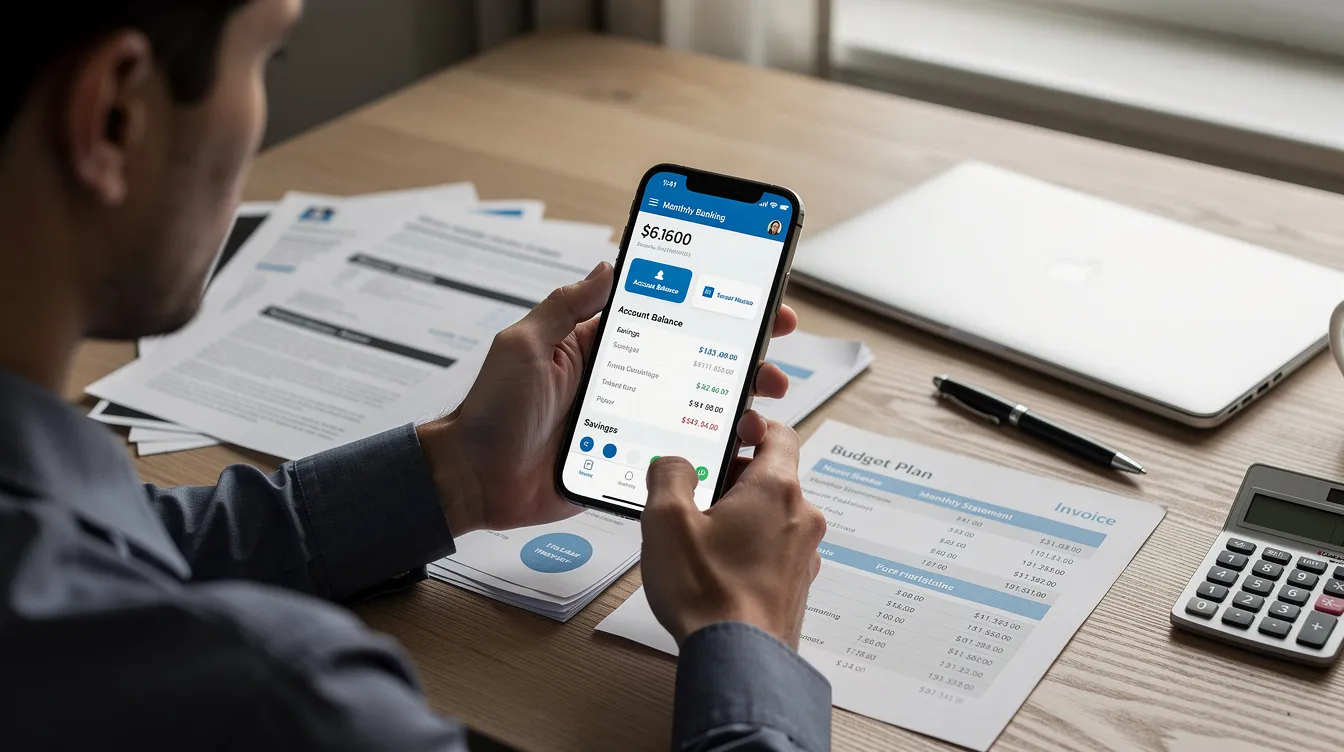
For inward remittances (money coming into India to an RNSB account), the recipient typically needs to provide:
Full name of the RNSB account holder, exactly as it appears in bank records
The correct Rajkot Nagarik Sahakari Bank IFSC code for the specific branch (users can find branch addresses and IFSC codes online through the bank's website or financial directories)
RNSB bank account number (usually a standard numeric format)
Complete branch address, including city and state
The sender's bank details overseas, including the SWIFT/BIC code of the sending institution
A purpose code for the remittance, as mandated by RBI regulations (e.g., family maintenance, education fees)
For someone outside India sending money to an RNSB account, the process typically works like this:
Obtain the SWIFT/BIC code of RNSB's correspondent bank (since RNSB may not have a direct SWIFT code, the transfer routes through an intermediary)
The beneficiary's details must include the account number and SWIFT/BIC code of the receiving bank or its correspondent
Provide the recipient's RNSB account number, branch IFSC code, and full branch address
Select the correct purpose of transfer (NRE/NRO credit, family maintenance, education fees, etc.)
International wire transfers typically take 1–3 business days, although the time required for funds to be credited after reaching the beneficiary bank may vary depending on the receiving bank, correspondent banks, payment route, local holidays and any required verification.
For outward remittances from India via RNSB:
International transfers may require documentation such as the RBI-mandated Form A2 and KYC evidence. You will need your PAN card and valid identity/address proof.
For outward remittances, senders must initiate requests in person at an authorised branch. If RNSB acts through a partner AD bank, you may need to visit that partner bank's branch.
Select the applicable purpose code from RBI's list: travel, studies, medical treatment, business payments, trading-related settlements, and others.
Depending on current Indian tax rules, Tax Collected at Source (TCS) may apply to remittances above certain thresholds. Tax reporting forms such as Form 15CA/CB (or their updated equivalents) may be required.
The transfer amount must fall within the USD 250,000 annual Liberalised Remittance Scheme (LRS) limit for resident individuals, subject to applicable RBI rules and permitted transaction purposes. The Reserve Bank of India confirms this limit in its Master Direction on LRS, updated on 6 September 2024. The USD 250,000 limit has applied since 26 May 2015. The limit covers permitted current- and capital-account transactions combined within each financial year (April–March).
Processing timelines to keep in mind:
Inward remittances may be credited to the RNSB account within 1–3 working days once received from the overseas bank
Outward remittances are generally processed on the same working day when complete documentation is received before the bank's cut-off time; requests received after the cut-off may be processed on the next working day. For example, Indian Bank's official outward remittance guidance specifies same-day processing for complete requests submitted by 3:30 p.m. IST and next-working-day processing for later submissions. Actual processing and delivery times vary by bank, cut-off time, payment route, correspondent banks and any required verification or compliance checks.
Always check transfer limits, exchange rates, and service charges with Rajkot Nagarik Sahakari Bank before initiating large outward remittances. A quick call to the branch can save you from unexpected fees or delays.
ACE Money Transfer Limited is authorised by the UK Financial Conduct Authority (FCA) as an Authorised Payment Institution under Firm Reference Number (FRN 506692). RNSB customers should confirm whether ACE supports the specific sending or receiving route they intend to use, as service availability depends on the country and transaction type. The availability of transfers from India to other countries should not be assumed.
Customers can fund an ACE Money Transfer transaction from their RNSB bank account using online banking (IMPS, NEFT, or RTGS) or a debit card issued on that account, depending on ACE's accepted payment methods for India at the time.
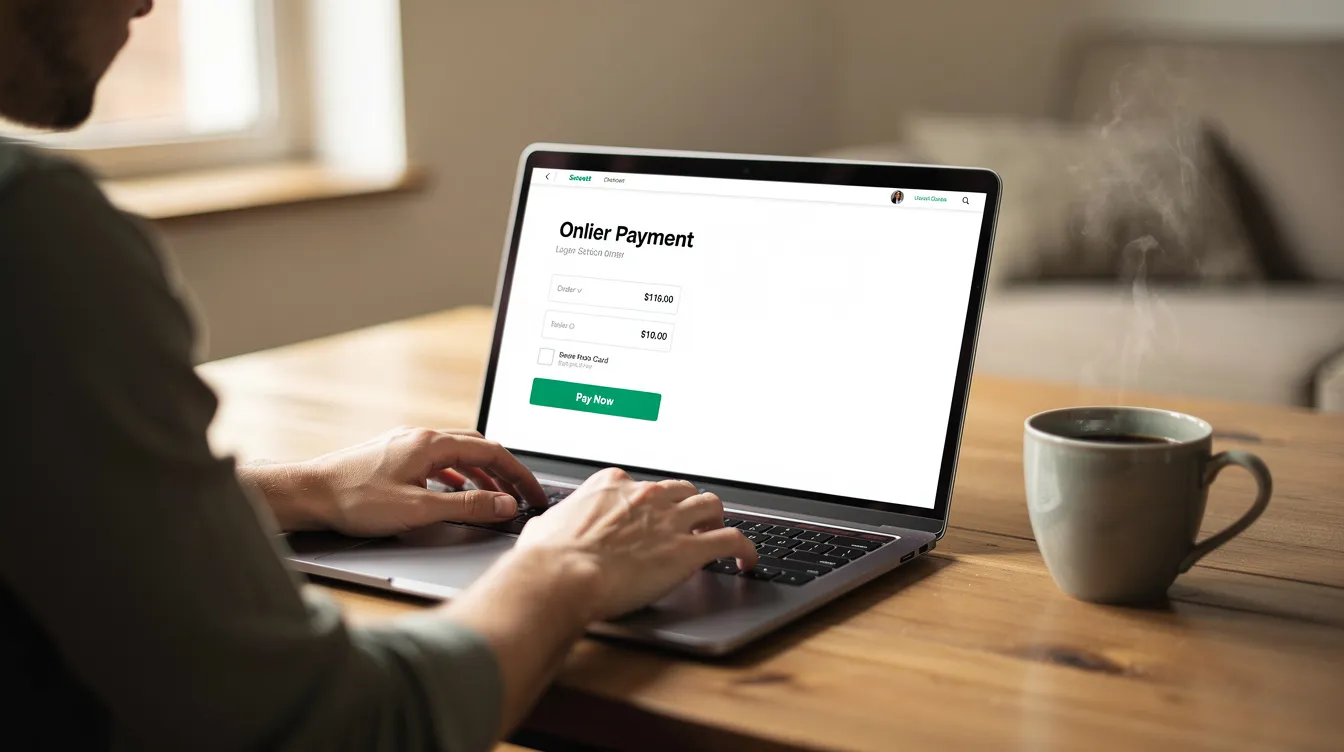
Here is how the ACE Money Transfer process works, step by step:
Register or log in to your ACE Money Transfer account using your email, Google, or Apple ID
Choose your sending country and destination country (e.g., UK to India, or UAE to India)
Select a payout method. For RNSB customers, the most common option is bank deposit directly into the recipient's RNSB account. Other options include mobile wallet credit (where supported by local operators) or cash pickup at authorised partner bank branches
Enter accurate recipient details, including the recipient's full name as on their RNSB records, their bank account number, branch name, and IFSC code
Choose your payment method-debit card, credit card, or online bank transfer from your account abroad
Add a payment reason (purpose of remittance), which must align with Indian regulatory requirements
Review the exchange rate, transfer fee, and estimated delivery time-all displayed upfront before you confirm (Exchange rates fluctuate, and the rate you receive may differ from any rate quoted. Check the live rate before sending)
Click "Pay Now" to complete the transaction
What happens after you pay:
ACE provides a reference tracking number for every transaction. Both sender and recipient can monitor the transfer status in real time, from initiation to successful credit to the RNSB bank account or cash pickup location.
Transfers to India may be completed quickly, depending on the sending country, payout method, receiving bank, banking cut-off times and any required compliance checks. Delivery times vary by transaction and are not guaranteed. Check ACE Money Transfer’s official transfer information for the latest estimated delivery times for your route.
Recipients can receive funds via bank account or mobile wallet, giving them flexibility in how they access their money.
Payout methods ACE commonly supports for India:
Direct bank deposit to Rajkot Nagarik Sahakari Bank accounts (and other major Indian banks)
Cash pickup at partner bank branches and payout locations across India
Mobile wallet credit where supported by local digital wallet operators
Understanding costs, caps, and compliance requirements is essential before you move money internationally through RNSB or any remittance platform. Here is a clear breakdown of what to expect.
Costs you should anticipate:
Rajkot Nagarik Sahakari Bank may charge an outward remittance processing fee, correspondent bank charges and a margin on the foreign exchange rate. Confirm the applicable charges directly with your branch and review the bank's official website for available fee information.
The total cost of a traditional bank-to-bank SWIFT transfer depends on the sending bank’s fees, exchange rate and any intermediary or receiving-bank charges. Before choosing a provider, compare these costs with the fees and exchange rate digital transfer services offer for the same amount, currency pair, and payment method.
ACE Money Transfer’s UK-to-India transfer fee has been cited as approximately £1.99. Fees may vary by transfer amount, payment method and corridor, and may change. Check the live fee and exchange rate on ACE’s website before confirming your transfer. The final cost may also depend on the exchange rate applied to the transaction.
Intermediary banks may deduct charges from an international transfer before the funds reach the beneficiary. Such deductions depend on the payment route and applicable fee arrangements; review the relevant charges with your bank and transfer provider. SWIFT’s guidance on third-party fee disclosures explains how intermediary and beneficiary-bank fees can affect international payments.
GST may apply to services associated with foreign exchange or international remittances, depending on the service and applicable Indian tax rules. Refer to the Central Board of Indirect Taxes and Customs’ valuation rules and confirm the applicable tax treatment with a qualified local tax adviser, as rules may change.
Remitly displays the applicable fee and exchange rate before customers confirm a transfer. For UK-to-India transfers, its official transfer page explains that costs vary by amount, payment method and delivery option. Compare the total amount paid and the amount the recipient receives for each provider, since fees, exchange rates and available payout methods differ by transaction.
Limits and regulatory information:
| Scheme / Rule | Limit / Requirement |
|---|---|
| Liberalised Remittance Scheme (LRS) | USD 250,000 per individual per financial year |
| MTSS (inward personal remittances) | Up to USD 2,500 per remittance under certain conditions |
| Documentation (outward) | Form A2, PAN, KYC, purpose code, Form 15CA/CB or equivalents |
| TCS on outward remittances | Applicable above certain thresholds per current tax rules |
Total costs and maximum amounts depend on the sending country, destination, payout method (bank deposit vs. cash pickup), and the applicable regulatory scheme.
Contact numbers for your RNSB branch or the bank's head office in Rajkot are available on the bank's official website and should be your first point of contact for any queries about limits or documentation.
Safety and compliance:
RNSB follows Indian banking security norms and cooperative bank regulations enforced by the RBI. Every cross-border transfer is subject to FEMA, KYC, and AML verification.
ACE Money Transfer uses encryption and security measures to help protect customers’ personal information. ACE Money Transfer Limited is authorised by the UK Financial Conduct Authority (FCA) as an Authorised Payment Institution under Firm Reference Number 506692. ACE’s UK privacy policy describes its data-protection practices, while its UK terms and conditions explain its regulatory obligations. Requirements may vary by jurisdiction and transfer route; customers should check the applicable terms for their transaction.
Always double-check recipient details, especially the RNSB bank account number and IFSC code, before confirming a transfer. Incorrect information can cause delays, rejections, or misdirected funds.
Practical tips for smoother transfers:
Keep digital or printed receipts for every transaction, including the reference number, exchange rate applied, fee charged, and date. This information is invaluable for tax reporting, proof of payment for overseas education or medical treatment, and future reconciliation.
Initiate transfers a few days before tuition, rent, or invoice due dates, especially when using SWIFT. Planning ahead avoids unnecessary stress.
Before sending a large outward remittance, confirm with your RNSB branch whether they are an Authorised Dealer bank or whether the transaction will be handled through a partner institution. Having the right details upfront saves time.
Maintain an updated list of your frequently used recipient details (account numbers, IFSC codes, branch address) so future transfers can be set up faster.

Choosing between Rajkot Nagarik Sahakari Bank and ACE Money Transfer depends on your transfer requirements, destination and preferred payment method. Before sending money internationally, compare applicable fees, exchange rates, estimated delivery times and available payout options. Confirm that your intended transfer route is supported and review the relevant documentation requirements to help ensure the transaction meets your needs. Exchange rates fluctuate, and the rate you receive may differ from any rates quoted. Always check the live rate at acemoneytransfer.com before sending.
Disclaimer: This article is intended for general informational and educational purposes only and should not be construed as legal, regulatory, tax, business, or financial advice. While reasonable efforts have been made to ensure that all facts, figures, and data are accurate and valid as of the date of publication, no warranty or guarantee is given as to the ongoing completeness, accuracy, or currency of the information.
The content is based on information available at the time of publication. Regulations, government policies, market conditions, and service offerings may change over time and vary across jurisdictions and providers. As a result, some information may no longer be current or applicable. Readers should independently verify all information and consult qualified professional advisors before making any financial, legal, or business decisions.