
ACE Money Transfer
ACE Money Transfer
14 Sep 2026
Digital wallets have transformed global commerce. What used to require a physical wallet stuffed with credit and debit cards, loyalty cards, and cash now fits inside a single app on your phone. Whether you tap to pay for coffee or check out on an e-commerce site from your couch, digital wallets account for over half of global e-commerce transactions today.
This guide breaks down the top 10 digital wallets worldwide, explains how they work under the hood, and shows you where each one wins. It also covers why ACE Money Transfer - the best app for money transfer - is the ideal companion when you need to move money across borders.
Mobile wallets and online wallets now power most everyday transactions globally. Apple Pay, Google Wallet, PayPal, Alipay, and WeChat Pay are major digital wallets worldwide, and Apple Pay and Google Wallet are top mobile wallets among iOS and Android users respectively.
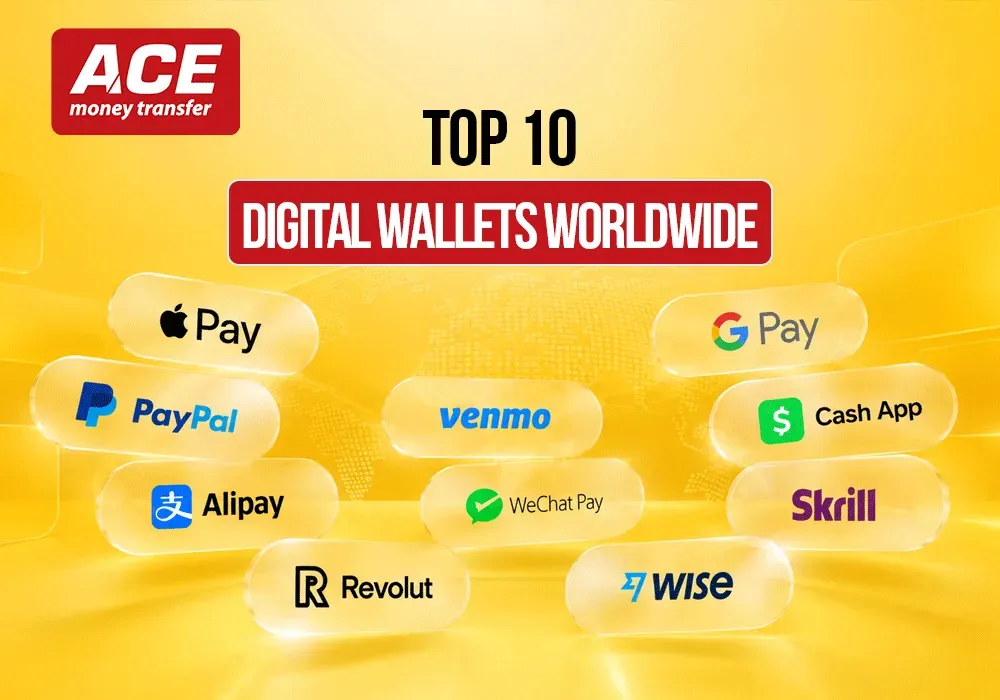
Here are the top 10 digital wallets ranked by user numbers, geographic reach, features, and ecosystem strength in 2025–2026:
Apple Pay - the gold-standard mobile wallet for iPhone, Apple Watch, and Mac users.
Google Wallet / Google Pay - Android's go-to wallet app for tap-to-pay, passes, and online checkout.
PayPal - the original online wallet trusted by millions of merchants and shoppers worldwide.
Cash App - a US-focused peer-to-peer wallet that now includes stock and Bitcoin investing.
Alipay - China's superapp wallet processing trillions in transactions annually.
WeChat Pay - payments woven into the world's largest messaging platform.
Samsung Wallet - secure tap-to-pay and digital keys for Galaxy device owners.
Revolut - a neobank wallet built for multi-currency spending and travel.
Amazon Pay - Amazon's checkout credentials extended to third-party websites.
Coinbase Wallet - a non-custodial crypto wallet for managing digital assets and Web3 interactions.
Ace Money Transfer is not a digital wallet. It is a specialist remittance and cross-border transfer app that works alongside the most popular digital wallets to move money internationally at low cost and competitive exchange rates.
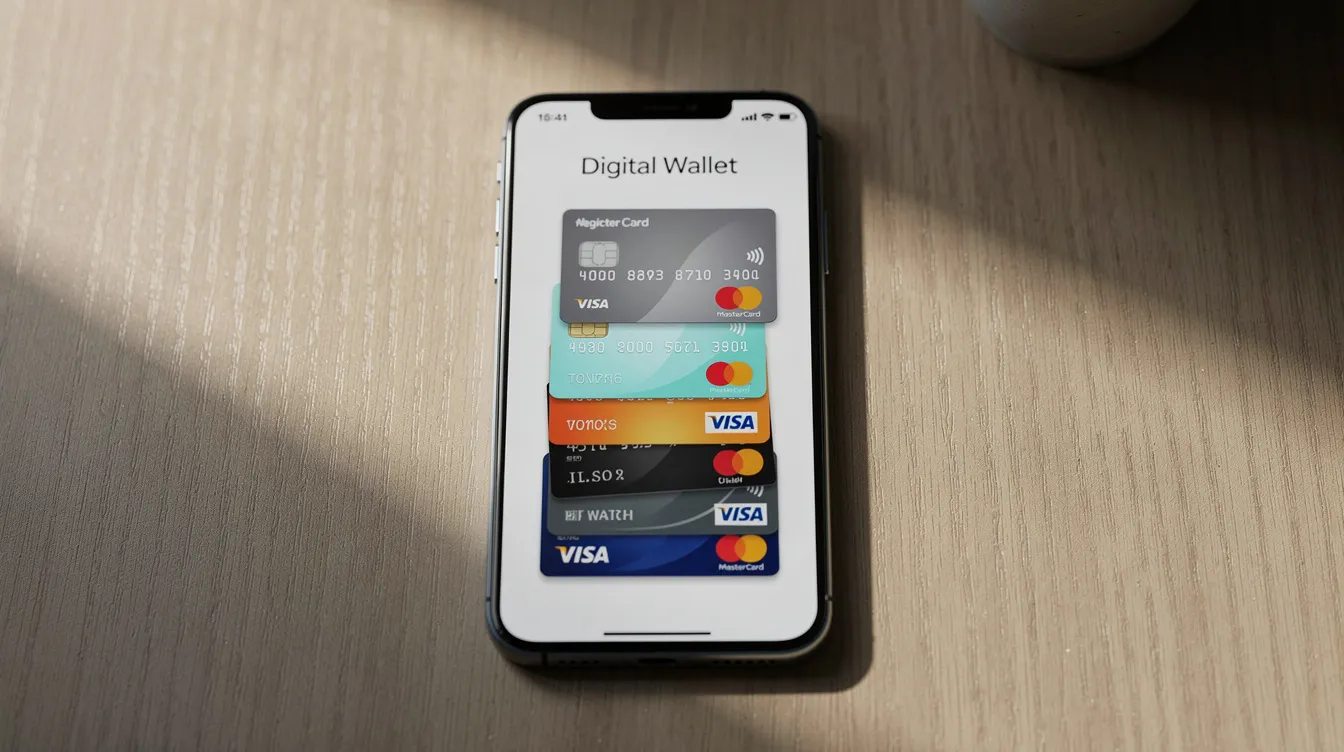
A digital wallet app securely stores your payment methods - cards, bank accounts, balances, even crypto - so you can make fast payments in stores, online, and in apps. Digital wallets are deeply integrated with payment ecosystems to enhance usability, and they make payments faster and easier than fumbling for plastic. Users can store multiple payment methods in one place.
Here is how digital wallets work in simple steps:
Tokenization replaces your real card number with a unique device token. Digital wallets use tokenization to protect card details, and they generate unique tokens for each transaction. The EMVCo tokenization specification governs how this works globally.
Encryption technology safeguards financial information during transactions, keeping payment data unreadable to anyone intercepting it.
Biometric authentication like Face ID or fingerprint scanning approves each payment. NFC technology allows contactless payments via mobile wallets when you hold your device near a terminal.
Digital wallets reduce fraud risk through tokenization because merchants never see your actual card number.
Mobile wallets are essential tools for managing money using smartphones or smartwatches. There are several types:
Mobile wallets (Apple Pay, Google Wallet, Samsung Wallet) - tap-to-pay at terminals and in-app purchases.
Online wallets (PayPal, Amazon Pay) - store payment information for fast e-commerce checkouts.
Hybrid wallets combine fiat and cryptocurrency management in one app (Revolut, for example).
Crypto wallets allow users to store and manage digital assets securely (Coinbase Wallet).
Everyday example: You walk into a supermarket, unlock your iPhone with Face ID, and tap it on the terminal. Apple Pay sends a tokenized credential with a one-time cryptogram. The merchant never touches your real card number. Online, you click "PayPal" at checkout, confirm payment details, and finish without re-entering anything.
For most digital wallets, you still need a bank account or card linked in the background for top-ups and withdrawals, though some crypto wallets can operate without traditional banking systems.
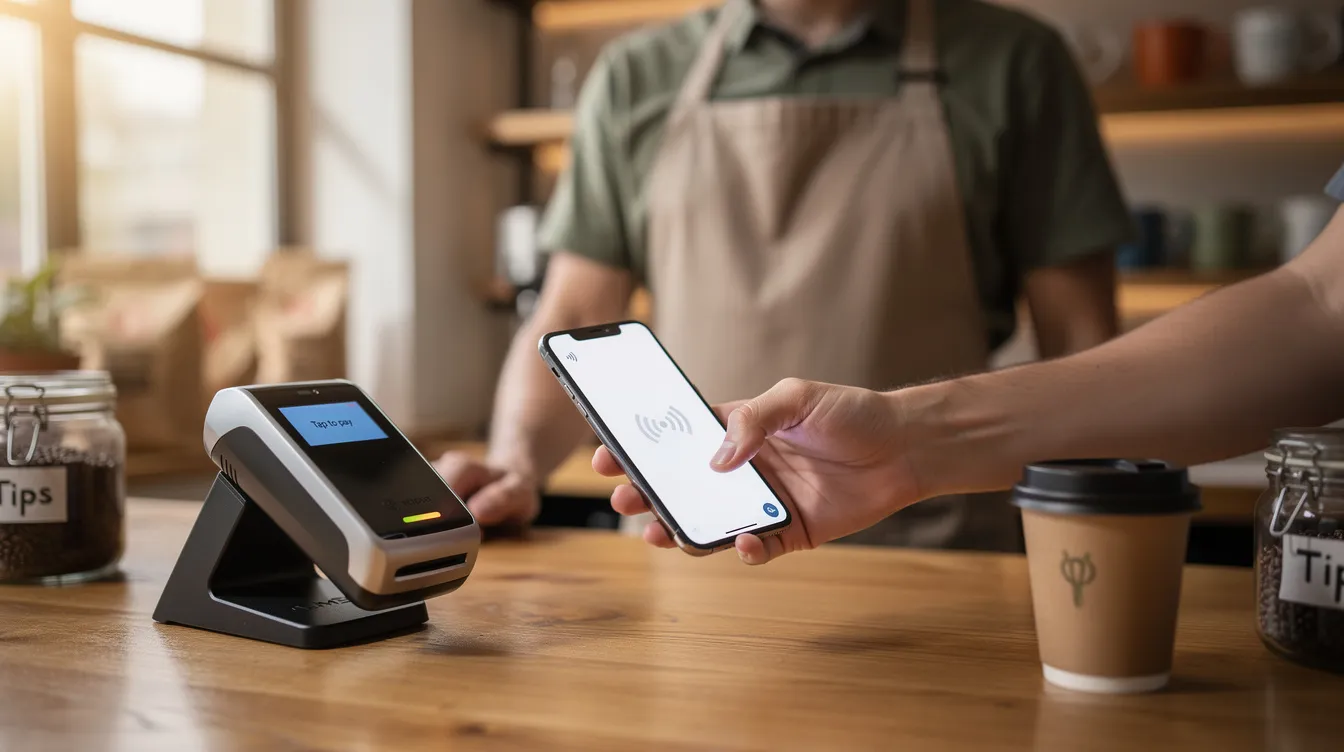
Digital wallets accounted for 56% of global e-commerce spending in 2025, and they have largely replaced physical cash and cards for online shopping. Here is what is driving that shift:
Contactless payments surged during COVID-19. The pandemic pushed millions of consumers toward tap-to-pay convenience, and the habit stuck. Mobile wallets like Apple Pay and Google Pay dominate contactless payments today.
E-commerce growth. Digital wallets enable one-click payments for faster checkouts, cutting cart abandonment and making online purchases seamless for online shoppers.
Smartphone penetration. Affordable handsets with NFC and biometric sensors mean mobile payments allow users to pay without physical cards almost anywhere.
Security over plastic. Tokenized, device-only credentials and biometric checks make stolen card numbers far less useful than a swiped debit card.
Rewards and extras. Many wallet apps bundle loyalty cards, cashback, installment options, and budgeting tools - features that physical wallets simply cannot offer.
Cross-border potential. Digital wallets plus a specialist provider like Ace Money Transfer can dramatically cut the cost and friction of sending money internationally. According to World Bank data, sending to a mobile wallet averages roughly 4.46% in cost - significantly cheaper than many standard money transfers through banks.
There is no single best digital wallet app for everyone. The right digital wallet depends on your devices, your country, and whether you prioritize travel spending, investing, or simple everyday payments. Leading digital wallets vary by geography, usability, and security framework.
Key criteria to compare:
Device ecosystem - iOS users lean toward Apple Pay; Android users toward Google Wallet. Not all wallets work on every device.
Geographic availability - check which countries the wallet operates in, which banks it supports locally, and whether merchants accept it. Global transfer options make digital wallets useful for international payments, but coverage still varies.
Fees - currency conversion fees, withdrawal charges, and merchant surcharges add up. Some wallets hide FX costs in the spread.
Features - NFC contactless support, QR payments, peer-to-peer transfers, recurring payments, digital IDs, and integration with shopping or ride-hailing apps.
Security and compliance - look for PCI DSS certification, strong encryption, tokenization, two-factor or biometric authentication, and buyer/chargeback protections. Platforms like Skrill are popular for international payments and gaming platforms, but always verify local licensing.
Multiple payment methods - the best digital wallet solutions let you link several cards, bank transfers, and local payment methods.
If you regularly send money abroad, pair your daily wallet (Apple Pay, Google Wallet) with Ace Money Transfer for lower fees and better FX rates on cross border transactions.
Apple Pay, launched in 2014, has become one of the most widely used digital wallets globally. Apple Pay is available in 89 markets and supported by more than 11,000 banks and network partners.
How it works: you add your credit and debit cards to the Wallet app. Apple stores a device-specific token inside a Secure Element chip. Every transaction requires Face ID, Touch ID, or a passcode - no exceptions.
Use cases include in-store NFC contactless mobile payments, in-app purchases, Apple Pay on the web in Safari, transit passes, boarding passes, and some digital IDs. In 2025, Apple reported eliminating over $1 billion in fraud through its secure payment methods.
Pros: excellent privacy (Apple does not track what you buy), strong secure infrastructure, fast checkout, deep integration with iPhone, Apple Watch, iPad, and Mac.
Cons: only works on Apple hardware; not all smaller or regional banks are integrated everywhere; in some markets, POS terminal adoption still lags.
Google Wallet is the primary digital wallet app on Android in 2025–2026, while Google Pay remains the payments brand in many regions. The distinction can be confusing, but functionally they work together.
Google Wallet stores credit and debit cards, transit tickets, event passes, loyalty cards, and in some countries digital IDs and car keys. It enables tap-to-pay at NFC terminals, in-app payments, and auto-fill of card details in Chrome for online shopping. Google Pay supports transactions without requiring an internet connection for NFC payments, which is a practical edge in areas with spotty connectivity.
In the US, Google Pay is projected to reach roughly 40 million proximity payment users by 2026. Because it comes pre-installed or is easily available on most Android phones, its potential user base is enormous.
Strengths: platform reach across thousands of device models, tight integration with Google accounts and services, broad bank support.
Contrast with Apple Pay: more device diversity, slightly more fragmentation across markets, and varying branding between Google Wallet and Google Pay depending on your region.
PayPal has been a popular payment platform since the late 1990s and remains one of the most recognized online wallets worldwide. PayPal is accepted by over 35 million merchants globally, making it a dominant force in e-commerce transactions.
Users can hold a PayPal balance, link cards and bank accounts, and pay at checkout without sharing card details with the merchant. It excels at e-commerce checkouts, subscriptions, marketplace platforms, donations, and cross border online purchases in over 200 countries and many currencies.
Buyer protection and dispute resolution are major trust features - if an item never arrives or is not as described, PayPal can step in.
Cost considerations: merchant fees, occasionally higher FX mark-ups on cross border payments, and cash-out fees to some bank accounts. When sending money internationally, users often find that Ace Money Transfer offers clearer fees and better exchange rates compared with sending from a PayPal balance.
Cash App is a US- and UK-focused digital wallet that started as a peer-to-peer payment app in 2013 and evolved into a broader financial platform.
Core features include:
Instant transfers via $Cashtags
Direct deposit to a Cash App balance
A Visa debit card (the Cash Card) for everyday transactions at any merchant that accepts Visa
Buying fractional US stocks and Bitcoin directly from the app
It is a strong choice for splitting bills, paying small businesses, and using the Cash Card for in-store or online purchases. However, Cash App has no full global reach - it is primarily for US users with limited UK functionality.
For users who need to send remittances outside Cash App's supported corridors, a global money transfer specialist like Ace Money Transfer covers the gap with payout options in Asia, Africa, and beyond.
Alipay, launched by Alibaba in 2004, is one of the largest digital wallets by transaction volume. In 2025, Alipay processed roughly $20.1 trillion in transactions and serves approximately 1.4 billion monthly active users. Alipay processes more digital wallet transactions daily than the entire U.S. card network.
Superapp wallets integrate payments with messaging and shopping services, and Alipay is the prime example: payments, QR code scanning, wealth management, insurance, micro-loans, transport tickets, and utility bills all live inside one app. Small merchants across China use QR codes instead of POS terminals, making offline acceptance near-universal.
Internationally, Alipay+ enables cross-border QR payments so Chinese tourists can pay abroad using their familiar wallet. For non-Chinese users and for remittances into bank accounts in other countries, pairing local wallets with services like Ace Money Transfer is typically more flexible.
WeChat Pay is the wallet integrated into Tencent's WeChat superapp, used by over 1.418 billion monthly active users worldwide. WeChat Pay and Alipay dominate the digital wallet market in China.
WeChat Pay lets users store bank cards, pay via QR codes, send peer-to-peer transfers, and use culturally significant features like digital "red packets" during holidays. Common use cases range from paying at street stalls to splitting restaurant bills in group chats to ordering taxis via mini-programs.
Strengths: seamless social integration, QR-first experience, and powerful network effects. For merchants targeting Chinese consumers - in China and in tourist hubs globally - WeChat Pay is indispensable.
WeChat Pay balances and Chinese bank accounts can receive funds from cross-border providers. This is where international transfer apps such as Ace Money Transfer can complement superapp wallets by offering transparent fees and competitive rates.

Samsung Wallet (the result of merging Samsung Pay and Samsung Pass in 2022) is Samsung's all-in-one digital wallet for Galaxy phones and wearables.
Payment features include NFC tap-to-pay, support for select transit systems, and credit card storage as tokenized credentials. Beyond payments, Samsung Wallet stores digital keys (car, home), boarding passes, and membership cards.
Samsung Knox device-level security and biometric authentication provide strong protection. Regional coverage is solid in South Korea, the US, parts of Europe, and many Asian markets, though availability depends on bank partnerships.
Users can still rely on a separate service like Ace Money Transfer when they need to send money from their Samsung-linked bank account to family overseas.
Revolut is a European-born neobank (founded 2015) whose app functions as a multi-currency digital wallet and banking hub. It now has over 70 million customers worldwide and is targeting 100 million by mid-2027. In 2025, Revolut posted record revenue of $6 billion and processed $1.7 trillion in transaction volume.
Revolut supports over 30 fiat currencies and 100 cryptocurrencies. Key wallet features include multi currency accounts with interbank-rate FX conversion, virtual and physical cards, disposable virtual cards for security, in-app budgeting tools, and savings vaults.
It is a favorite among frequent travelers, digital nomads, and anyone making purchases across multiple currencies. However, licensing and feature availability vary by country, and Revolut may not carry the same deposit protections as a local bank account in every jurisdiction.
Ace Money Transfer is a focused alternative when users want to move money from their Revolut or traditional bank account to family abroad with clear fees and competitive rates rather than navigating Revolut's own transfer limits and corridors.
Amazon Pay, launched in 2007, lets online shoppers pay on third-party websites using the cards and addresses already stored in their Amazon account. At checkout, you log into Amazon Pay, confirm payment details and shipping, and complete the purchase without re-entering card numbers.
It is strongest in e-commerce and subscription payments, benefiting from merchant trust in Amazon's fraud controls and lower cart abandonment from streamlined checkout. Amazon Pay is mainly an online wallet rather than a tap-to-pay mobile wallet, complementing but not replacing mobile wallets like Apple Pay or Google Wallet.
For cross-border family support and remittances, users typically link their bank account to a specialist service like Ace Money Transfer rather than relying on Amazon Pay.
Coinbase Wallet is a non-custodial crypto wallet from Coinbase that gives users direct control over their private keys and digital money. Unlike a simple exchange account, the user - not the company - holds access to funds.
Main functions include storing cryptocurrencies across supported blockchains, interacting with Web3 apps and DeFi protocols, and holding NFTs. It offers strong brand recognition and a relatively friendly UX compared with many crypto wallets, plus cross-platform availability (mobile and browser extension).
Risks to consider: crypto price volatility, self-custody responsibility (lose your keys, lose your assets), and varying regulation. Crypto wallets like Coinbase Wallet are best paired with fiat-based solutions such as Ace Money Transfer when users need to convert digital assets into local currencies and support family through traditional banking systems.
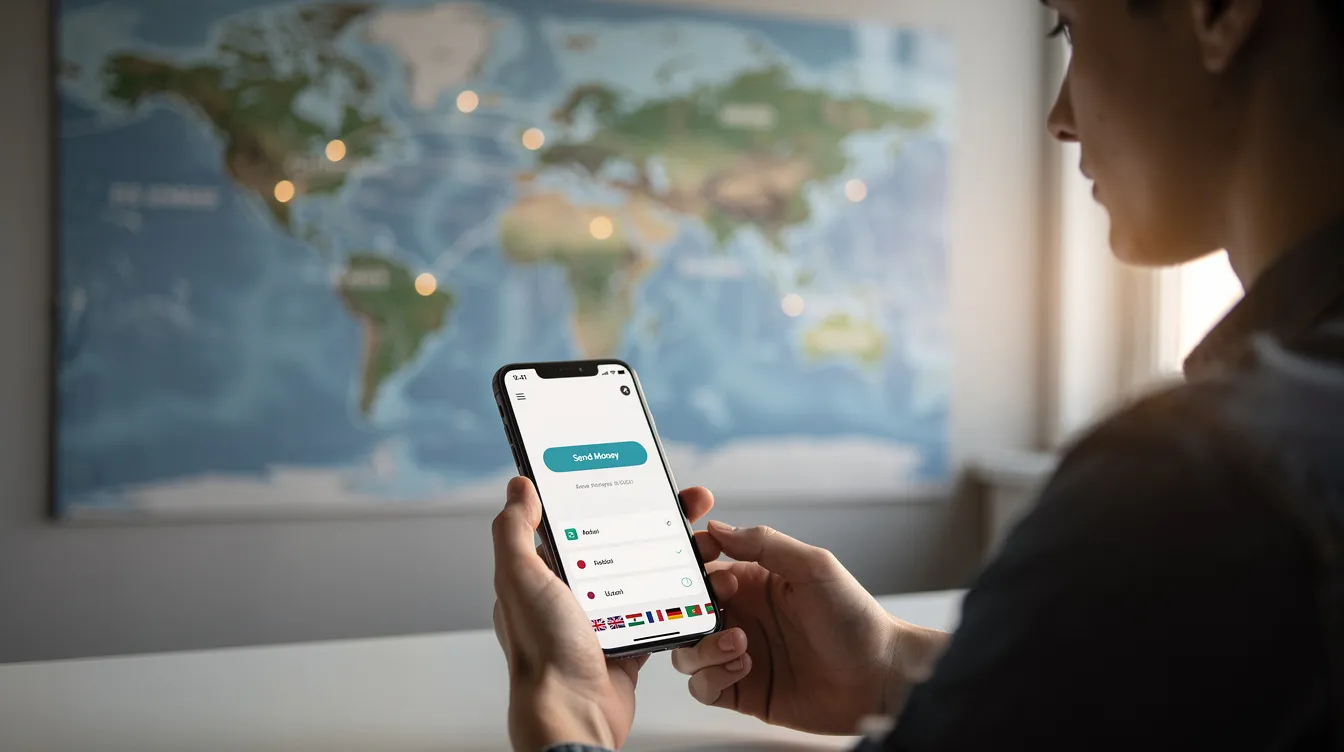
Ace Money Transfer is the best app for money transfer when customers need secure, fast, and cost-effective cross border payments. It is a leading app for international money transfers, designed to work alongside the most popular digital wallets rather than replace them.
The core value is simple: fast, low-cost, and transparent remittances from countries in Europe, North America, and beyond to receiving markets in Asia, Africa, and more. A typical flow works like this:
You fund a transfer from a bank account, card, or supported wallet app.
ACE Money Transfer converts at competitive FX rates - flat fees typically range from $0.99–$3.99 with FX spreads of roughly 0.1%–2.5%.
Funds arrive in the recipient's bank account, cash pickup point, or mobile wallet (GCash, PayMaya, and others in destination countries).
Compared with sending via general-purpose wallets, Ace offers clearer fees, better exchange rates, and payment options tailored for families who may not use the same wallet apps you do. Many digital wallets are not optimized for remittance - either charging high fees or offering limited corridors.
Think of ACE Money Transfer as the bridge between your everyday digital wallets for local payments and your loved ones' bank accounts or mobile wallets abroad.
You can send money instantly to dozens of countries, and ACE applies strict KYC and AML compliance to keep every transaction secure.
Rates and fees may vary. Exchange rates fluctuate and the rate you receive may differ from any rates quoted. Always check the live rate at acemoneytransfer.com before sending.
Digital wallets and bank accounts are complementary, not competing tools.
| Feature | Bank accounts | Digital wallets |
|---|---|---|
| Deposit protection | Government-backed in many countries | Varies; not always insured |
| Loans & overdrafts | Yes | Limited or none |
| Salary deposits | Standard | Possible with some neobanks |
| Everyday payments | Slower (card swipe, bank transfers) | Frictionless tap-to-pay, one-click checkout |
| P2P transfers | Often slow or fee-heavy | Instant in most wallet apps |
| Rewards & budgeting | Minimal | Often built in |
Funds move differently: bank-to-bank uses traditional payment rails, while wallet-based digital payments rely on tokenized card or balance-based transactions. Most digital wallets still require a bank account or card behind the scenes for top-ups or withdrawals.
Ace Money Transfer fits neatly in between: it uses bank accounts and cards as funding sources and delivers funds into bank accounts, mobile wallets, or cash pickups worldwide - especially for cross border family support.
Modern digital wallets are generally safer than physical wallets. Apps like Apple Pay, Google Wallet, PayPal, and Cash App improve security significantly, but they still require good user practices.
Core security technologies across most digital wallets:
Digital wallets store payment information securely using encryption.
They use tokenization to protect actual card details during transactions.
Many wallets employ biometric authentication like Face ID for security.
Device-level secure enclaves (Apple's Secure Element, Samsung Knox) isolate sensitive payment data.
Optional two-factor authentication and early warning services flag suspicious activity.
Typical risks and limitations:
Transaction and funding limits that vary by wallet and account tier
Account freezes on suspicious activity - sometimes frustrating but necessary
Phishing attempts targeting one-time codes or login credentials
Loss of access if devices are lost and not backed up (especially critical for non-custodial crypto wallets)
Practical safety tips:
Enable biometrics and PIN locks on every wallet app.
Never share one-time codes with anyone, regardless of who asks.
Keep your operating system and apps updated to patch vulnerabilities.
Only download wallet apps from official app stores.
Reputable money transfer providers like Ace Money Transfer apply similar or stricter security and compliance standards (KYC, AML monitoring) when moving funds internationally. For most people, using a digital wallet plus a trusted transfer app is significantly safer than carrying large amounts of cash or sharing card details widely in online transactions.
Many digital wallets serve different purposes, and many users benefit from running more than one wallet app alongside a dedicated money transfer service. Here are practical setups that balance tap to pay convenience, secure transactions, and low cost for both domestic and international payments:
iPhone user: Apple Pay for local in-store and online spending ? Ace Money Transfer for monthly remittances to family in the Philippines (delivered to GCash or a bank account).
Android user: Google Wallet for contactless payment cards and everyday transactions ? PayPal for online shopping and e commerce transactions ? Ace Money Transfer for cross border family support with transparent fees.
Frequent traveler: Revolut for multi currency accounts and card spending abroad ? Ace Money Transfer to send savings back home at better exchange rates than most wallet services.
Crypto enthusiast: Coinbase Wallet for managing digital assets ? Ace Money Transfer to convert value into fiat and deliver it to recipients in traditional payment systems.
Review fees and features annually. Mobile wallets and online wallets add new capabilities and coverage regions frequently, and the best digital configuration evolves with your needs.
Not all wallets handle every payment process well - some shine at everyday payments, others at online purchases, and still others at instant transfers or international payments. The key is to combine the right digital wallet for local use with Ace Money Transfer for cross border payments, keeping overall costs low while your payment options stay flexible.
If you regularly send money abroad and already use one or more of the top 10 digital wallets, download Ace Money Transfer to complete your financial toolkit. With low fees, competitive rates, and payouts to bank accounts, cash pickups, and mobile wallets worldwide, it is the safest digital wallet app companion for anyone who needs to move money across borders.
Disclaimer: This article is intended for general informational and educational purposes only and should not be construed as legal, regulatory, tax, business, or financial advice. While reasonable efforts have been made to ensure that all facts, figures, and data are accurate and valid as of the date of publication, no warranty or guarantee is given as to the ongoing completeness, accuracy, or currency of the information.
The content is based on information available at the time of publication. Regulations, government policies, market conditions, and service offerings may change over time and vary across jurisdictions and providers. As a result, some information may no longer be current or applicable. Readers should independently verify all information and consult qualified professional advisors before making any financial, legal, or business decisions.