
ACE Money Transfer
ACE Money Transfer

26 Aug 2026
Choosing the best bank in Tanzania is no longer a simple question. With 42 licensed banks and 72 licensed non-bank institutions, Tanzania's payment services landscape continues to evolve alongside the growth of its payment system ecosystem. The right banking option depends on who you are and what you need.
This guide breaks down the leading banks in Tanzania using current performance data, compares their strengths across customer segments, and gives you a practical framework to make the right choice in 2026.
CRDB Bank and NMB Bank dominate Tanzania's banking sector by assets and profits, while Stanbic Bank Tanzania was named Best Bank in Tanzania for 2025 by The Banker magazine for its strong financial performance, innovation, and contributions to the country's economic development.
The best bank depends on your needs: CRDB and NMB lead in mass-market retail and SME banking services, Stanbic excels in corporate and investment banking, and Access Bank Tanzania is expanding rapidly after acquiring Standard Chartered's retail banking business.
Tanzania's banking sector is in strong shape. Total assets reached TZS 91.3 trillion by H1 2026, and net income after tax increased 21% to TZS 2.62 trillion in 2025, supported by digital banking growth, Sukuk issuances, and new commercial bank licences.
Digital tools now differentiate the top players: NMB Bank launched a mini app reaching over 6 million users, and CRDB Bank leads in Islamic and green finance products through its Al Barakah Sukuk and Kijani green bond.
This guide provides a practical comparison of leading financial institutions plus a step-by-step framework to choose the right bank for personal or business needs.

When we talk about banks in Tanzania, we mean the commercial banks, community banks, and other licensed financial institutions supervised by the Bank of Tanzania (BOT). As of June 2025, Tanzania had 42 licensed banks operating across the country through 1,032 bank branches, complemented by tens of thousands of agent banking points.
The sector's growth trajectory has been remarkable. According to the Bank of Tanzania's Annual Report 2025, total assets grew from about TZS 77.7 trillion at end-2025 to approximately TZS 91.3 trillion by H1 2026. The banking sector's net profit reached TZS 1.38 trillion in H1 2026 alone, while net income after tax increased 21% to TZS 2.62 trillion for the full year 2025.
Stability metrics are equally encouraging. The sector reported a Tier 1 capital ratio of 18.8% at June 2025, well above regulatory minimums. The gross non-performing loans ratio stood at 3.3% at June 2025, indicating improving asset quality. Average return on equity in the banking sector was 12.5% in H1 2026. The Bank of Tanzania regulates financial institutions to maintain this stability, ensuring that deposits remain secure and credit flows responsibly into the economy. The top five banks, including CRDB Bank and NMB Bank, control roughly 60–65% of sector assets, but competition from mid-tier players like Access Bank Tanzania and Maendeleo Bank is intensifying.
There is no single best bank. Instead, banks should be evaluated using objective criteria that match your circumstances as a customer or business.
Core financial metrics:
Assets, capital adequacy, and profitability (net profit, return on equity)
Non-performing loan ratios and long-term balance sheet stability
Service breadth and quality:
Range of banking services: retail accounts, SME lending, corporate finance, trade finance, Islamic banking, and investment products
Customer service reputation, which is vital when evaluating financial institutions
Mobile and internet banking quality, a key factor in bank selection today
Tanzania-specific considerations:
Geographic reach: branch network outside Dar es Salaam, agency banking in upcountry regions
Support for financial inclusion through low-fee accounts, mobile banking, and accessibility for underserved communities
Participation in development financing for agriculture, infrastructure, and climate projects
Reputation and awards:
Independent recognitions like the best bank award from publications such as The Banker
ESG and sustainability credentials
Regulatory compliance, including being licensed by the Bank of Tanzania
These criteria are applied consistently throughout this guide, so you can map each bank's strengths to your own priorities.
CRDB Bank stands as one of the largest commercial banks in Tanzania by both assets and profits. Its presence spans retail, SME, corporate, and increasingly, Islamic and green finance.
Financial strength: CRDB Bank's profit rose 20% to TZS 416.9 billion in H1 2026, with assets exceeding TZS 26 trillion. Interest income grew by over 30% to TZS 1.18 trillion in that period, driven by loan growth and higher transaction volumes.
Islamic finance leadership: CRDB launched the Al Barakah Sukuk on the Dar es Salaam Stock Exchange, raising TZS 125.4 billion (oversubscribed by 418%) and USD 32.3 million (surpassing its USD 5 million target by 646%). This five-year Ijarah-structured bond pays 12% p.a. in TZS and 6% p.a. in USD, with quarterly profit distributions. CRDB holds approximately 16% of Islamic banking deposits in Tanzania.
Green finance: The Kijani green bond, listed on the Luxembourg Stock Exchange, raised about USD 65.7 million (oversubscribed by over 400%) to fund renewable energy, climate-smart agriculture, and green transport projects across the country.
Everyday banking: CRDB offers retail accounts, mobile and internet banking through its SimBanking app, SME lending, agricultural and trade finance, and cross-border services. Its large branch and agency network delivers real value for customers in both urban and rural Tanzania. CRDB Bank plans to expand internationally, including Dubai, underscoring its capacity for regional and international clients after completing a 72-hour core banking system upgrade.
For customers seeking wide physical access, innovative bonds, and strong support for national development, CRDB is arguably the leading choice.

NMB Bank ranks alongside CRDB Bank as one of Tanzania's biggest banks by assets and profits, with a particularly strong retail and SME franchise. NMB Bank has won the best bank award for eight consecutive years across various regional and industry recognitions, reflecting consistent excellence.
Performance: NMB Bank's profit reached TZS 405.8 billion in H1 2026, confirming its position as a top-two profit earner. In the full year 2024, NMB led the entire sector with Sh643.8 billion in net profit.
Mass-market and SME focus: NMB serves millions of clients through current accounts, savings products, salary accounts, school fees solutions, agribusiness finance, and tailored SME loans. Its branch network and agent banking model make it accessible across the country, not just in Dar es Salaam.
Digital transformation: NMB Bank launched a mini app reaching over 6 million users. The Hisa Kiganjani Mini App, developed with the Dar es Salaam Stock Exchange, lets users open CDS accounts, trade shares, and monitor investments directly from their phone. The NMB Mkononi Supa mobile app handles everyday transactions, bill payments, and account management. These features make NMB especially attractive for young, urban customers and everyday investors who want capital market access from their phone.
If you prioritise mobile banking, convenient low-fee services, and integrated investment tools, NMB is a top contender for best bank status.

Stanbic Bank Tanzania, part of the Standard Bank Group, focuses heavily on corporate, investment, and high-end retail banking rather than mass-market services.
The award: Stanbic Bank was named Best Bank in Tanzania for 2025 by The Banker magazine, which awarded Stanbic Bank for its financial performance, innovation, and role in major national projects. The best bank award recognizes contributions to Tanzania's economic development. Notably, Stanbic Bank has received the best bank award eight times in total from The Banker, making it one of the most decorated international banks operating in Africa Tanzania.
Infrastructure and development financing: Stanbic Bank provided over USD 1 billion in development financing in 2025, channelled into energy, logistics, and transport sectors. This includes port modernisation, power grid expansion, and LNG value-chain investments that carry long-term significance for Tanzania's growth.
Corporate and trade expertise: Stanbic excels in trade finance, structured lending, foreign exchange, and cross-border banking for large companies, multinationals, and public-sector entities. Its corporate online banking platforms, cash-management solutions, and dedicated relationship managers serve high-value clients who need sophisticated commerce and finance tools.
Social impact: The Stanbic Biashara Incubator reached nearly 5,000 entrepreneurs in 2025, contributing to financial literacy and women's economic empowerment.
If you are a large business, investor, or institution needing complex banking services, Stanbic is the leading choice. For someone looking for a basic salary account, other options deliver real value more directly.
While CRDB, NMB, and Stanbic dominate headlines, several other commercial banks in Tanzania play important specialised roles.
Access Bank Tanzania: Access Bank acquired Standard Chartered's retail banking business in Tanzania in June 2025, combining it with its prior acquisition of BancABC Tanzania. This significantly expanded its footprint in consumer, private, and business banking with a focus on SMEs and women entrepreneurs. Access Bank is committed to growing its agent and branch networks for underserved communities.
Maendeleo Bank: Maendeleo Bank received a national licence for nationwide expansion from the Bank of Tanzania, enabling it to move beyond regional operations. Its strategy centres on digital transformation, financial inclusion, and MSME support across the country.
Letshego Faidika Bank: Axian Group is in the process of acquiring 100% of this Tier II bank (subject to regulatory approvals), which would allow Axian to complement its mobile money operations with a full banking licence.
Beyond these, niche players like Tandahimba Community Bank, FINCA Microfinance Bank Tanzania, and Ecobank Tanzania serve hyper-local lending, microcredit, or specific community segments. These limited-scope institutions are helpful for customers whose needs are not well served by larger banks.
A search for "bank Tanzania" often overlooks the broader ecosystem of financial institutions that shape credit availability and investment opportunities.
Development finance institutions (DFIs): Provide long-term capital for infrastructure, agriculture, and industrial projects, often partnering with government to de-risk major initiatives.
Non-bank financial institutions: Insurance companies, leasing firms, pension funds, and microfinance organisations offer credit, risk management, and savings products without being regulated as full banks.
Regional and municipal institutions: Housing finance companies and municipal entities channel funds into local infrastructure, urban development, and affordable housing.
While you wouldn't typically open a current account at these bodies, their activities influence interest rates and the broader mechanism through which credit reaches Tanzania's economy.
The best bank depends on whether you are an individual, SME, corporate, or investor, and whether you prioritise digital tools, branch access, or specialised lending.
Retail and SME banking: CRDB Bank and NMB Bank lead for personal accounts, salary products, agribusiness loans, and agency banking. Both have extensive branch networks and mobile apps that support everyday transactions and deposits. Fees and minimum balances vary, so comparing fees and interest rates is essential before opening an account.
Corporate and investment banking: Stanbic Bank Tanzania dominates in structured trade finance, foreign exchange, and infrastructure financing. Its ability to manage large cross-border transactions makes it the go-to for multinationals and exporters.
SME and demographic niches: Access Bank Tanzania targets SMEs and women-led ventures. Maendeleo Bank focuses on MSMEs and financial inclusion in underserved regions.
Digital banking: NMB's Hisa Kiganjani integration and Mkononi Supa app create the most complete digital experience for retail users who want to manage investments alongside banking. CRDB's SimBanking app is also robust. Stanbic's digital platforms are stronger for corporate clients.
Islamic and green finance: CRDB's Sukuk and Kijani green bond make it the clear leader for customers interested in Sharia-compliant or sustainability-linked products. No other bank in Tanzania currently matches this range of ethical finance options.
International transfers to Tanzania offer a way to send funds to recipients and bank accounts within the country. ACE Money Transfer provides a digital channel for starting the transfer, while the receiving bank or financial institution manages the funds after they arrive.
Exchange rates fluctuate, and the rate applicable to your transfer can differ from rates shown at another time. Check the current rate atacemoneytransfer.combefore sending.
ACE Money Transfer supports international transfers to Tanzania through its digital platform and applicable payment infrastructure. The exchange rate and relevant fees are provided before confirmation, with rates and charges subject to market conditions, service terms, and applicable regulatory requirements.
Processing and delivery times vary according to factors such as the payment method, receiving institution, and local processing arrangements. Where recipient-side bank charges apply, these are determined by the receiving institution and remain outside ACE Money Transfer’s control. Check acemoneytransfer.com for current rates and fees.
With so many commercial banks and financial institutions, you need a simple, practical framework.
Step 1: Define your profile. Are you a student, salaried worker, diaspora Tanzanian living abroad, SME owner, large corporate, NGO, or farmer? Each profile maps to different bank strengths.
Step 2: List your priorities. Consider fees, proximity of branches to your location, digital access, foreign currency needs, specialised lending, and security of your deposits and investments.
Step 3: Compare core elements.
Account fees and minimum balances
ATM, branch, and agent locations in your region
Mobile banking quality and app features
Customer support responsiveness
Availability of forex, trade finance, or investment accounts
Step 4: Match needs to institutions. CRDB or NMB for broad retail and SME coverage. Stanbic Bank for complex corporate transactions. Access Bank for SMEs and women-led ventures. Maendeleo Bank and community banks for local, relationship-based banking.
Step 5: Check independent indicators. Review recent profit and asset trends, non-performing loan ratios, major awards, and customer reviews where available on each bank's page.
Step 6: Consider diversification. You don't need to use a single bank for every purpose. Many customers in Tanzania use one bank for salary, another for savings, and a third for investments or tax-related services.
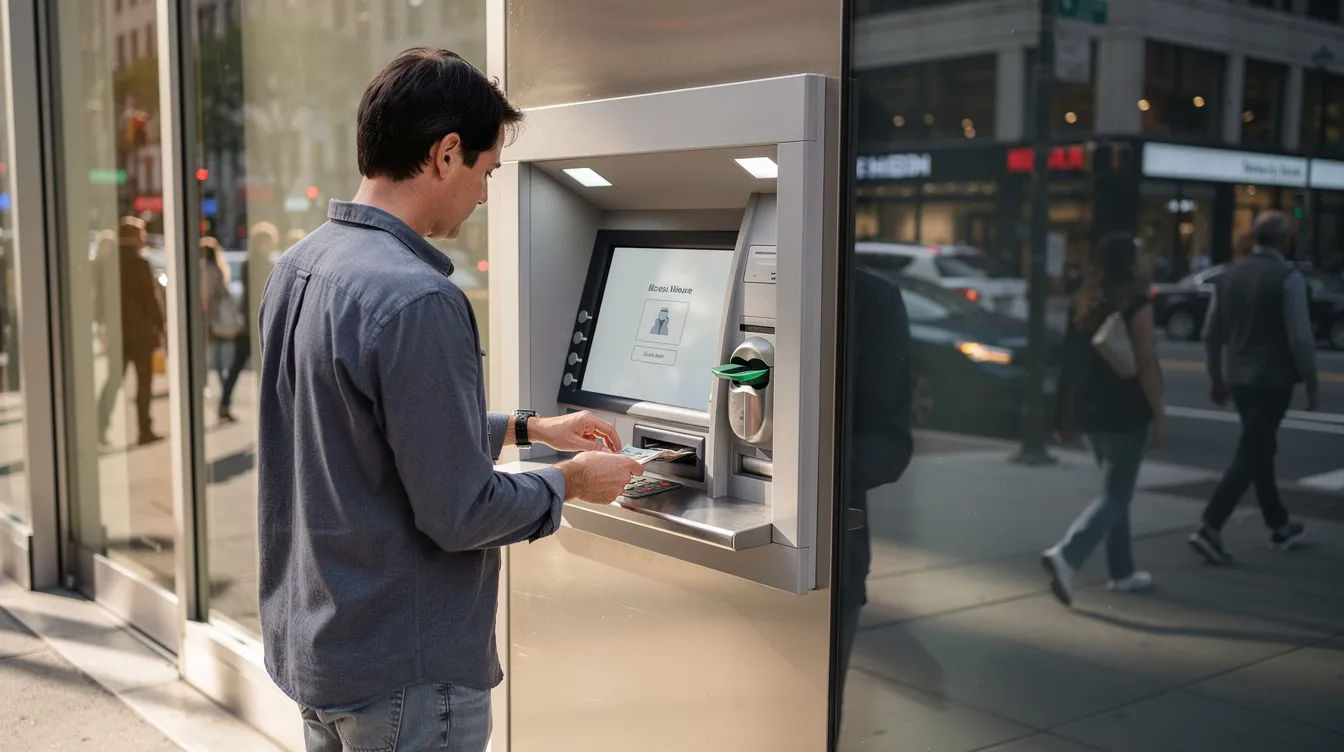
Tanzania's banking sector is entering a new phase driven by technology, regional expansion, and sustainable finance.
Continued growth: Banking assets are expected to remain above the TZS 90 trillion mark, supported by economic progress, infrastructure spending, and reforms aimed at improving financial inclusion. The sector's strong equity base and low NPL ratios create a secure foundation for expansion.
Digital and mobile trends: Expect more integrated mobile apps, USSD services, and partnerships between banks and telecoms to reach unbanked populations in rural areas. Innovation in this space will be a vital differentiator among competing banks.
Sustainable and Islamic finance: More Sukuk, green bonds, and ESG-linked products will follow CRDB's examples. These instruments may become a defining feature of leading banks in Tanzania, attracting both domestic and international investors.
Consolidation: Further acquisitions, like Access Bank's purchase of Standard Chartered's retail business and Axian's entry via Letshego Faidika Bank, will reshape competitive dynamics. New entrants and regulatory changes will create both opportunity and notice for customers to reassess their banking relationships.
The best bank in Tanzania may change over time. What matters is choosing the institution that matches your needs today while keeping an eye on which banks are investing in the technology and services that will matter tomorrow.
This FAQ addresses common practical questions that are not fully covered in the main sections above.
No single institution is universally best. CRDB Bank, NMB Bank, and Stanbic Bank Tanzania consistently top rankings based on assets, profits, innovation, and awards. Stanbic was named Best Bank in Tanzania for 2025 by The Banker, while CRDB and NMB lead in retail and SME banking. Your personal or business profile determines which bank delivers the most value.
Safety is largely tied to regulation by the Bank of Tanzania, capital adequacy, asset quality, and long-term profitability. The largest banks by assets and capital, especially CRDB Bank and NMB Bank, are generally viewed as very safe due to strong balance sheets, diversified operations, and consistent net profits. Additionally, the Deposit Insurance Board of Tanzania safeguards customer deposits to statutory limits, providing an extra layer of protection regardless of which regulated bank you choose.
CRDB Bank and NMB Bank have extensive SME banking programs, branch networks, and digital tools that support traders, agribusinesses, and service SMEs. Access Bank Tanzania and Maendeleo Bank are also strong options with dedicated MSME programs. Contact each bank to compare loan terms, fees, and the level of support available for your specific type of business.
NMB Bank's Mkononi Supa app and Hisa Kiganjani Mini App provide the most integrated experience for retail users, combining payments, account management, and share trading on a single platform. CRDB Bank's SimBanking app is also robust, particularly for Sukuk investments. Stanbic and Access Bank offer stronger digital platforms for corporate and business clients.
Major commercial banks like CRDB, NMB, Stanbic, and Access generally allow foreigners and diaspora Tanzanians to open accounts, subject to Know-Your-Customer requirements such as passports, residence permits, and proof of address. Contact your preferred bank in advance to understand specific documentation, minimum balance requirements, and whether remote or online onboarding is available for non-resident clients. Some banks also facilitate account opening through their London or regional offices for customers based abroad.
Disclaimer: This article is intended for general informational and educational purposes only and should not be construed as legal, regulatory, tax, business, or financial advice. While reasonable efforts have been made to ensure that all facts, figures, and data are accurate and valid as of the date of publication, no warranty or guarantee is given as to the ongoing completeness, accuracy, or currency of the information.
The content is based on information available at the time of publication. Regulations, government policies, market conditions, and service offerings may change over time and vary across jurisdictions and providers. As a result, some information may no longer be current or applicable. Readers should independently verify all information and consult qualified professional advisors before making any financial, legal, or business decisions.