ACE Money Transfer
ACE Money Transfer
22 Oct 2026
Managing household expenses in Pakistan while living thousands of miles away used to mean relying on relatives, standing in long queues, or trusting informal cash carriers. That era is over. Today, you can pay a utility bill in Pakistan from an international location using digital payment portals, remittance platforms, and mobile banking apps - all without setting foot in the country.
This guide walks you through every method, step by step, so your family's electricity, gas, water, and internet stay connected no matter where you are.
Overseas Pakistanis can now pay bills online without visiting Pakistan or even making a phone call to a utility office. The process has become remarkably straightforward thanks to digital adoption across the country's banking and fintech ecosystem.
Here are the quickest options:
Bank mobile apps - HBL Mobile, UBL Digital, Meezan Bank, Bank Alfalah, and others let account holders in Pakistan pay bills instantly using a reference number.
Digital wallets - Easypaisa and JazzCash support over 1,500 billing organisations, covering electricity, gas, water, internet, and phone bills.
International remittance platforms - ACE Money Transfer allows you to send funds from the UK, Europe, Canada, Australia, or the Middle East directly to a Pakistani bank account or mobile wallet.
How a typical international flow works:
You send money from abroad using ACE Money Transfer (via debit card, credit card, or bank transfer).
Funds arrive in your family's Pakistani bank account or wallet - often within minutes. Rates and fees may vary. Visit acemoneytransfer.com for current rates.
Your family uses the bank app or wallet to pay the utility company directly.
This guide covers electricity providers (IESCO, LESCO, K-Electric, FESCO, MEPCO, GEPCO, PESCO, QESCO, HESCO, SEPCO), gas companies (SNGPL, SSGC), water agencies, internet providers, and mobile postpaid bills. Utility bill payments can often be completed via authorised online payment services, and the rest of this article gives you step-by-step instructions plus tips to avoid late fees and failed transactions.
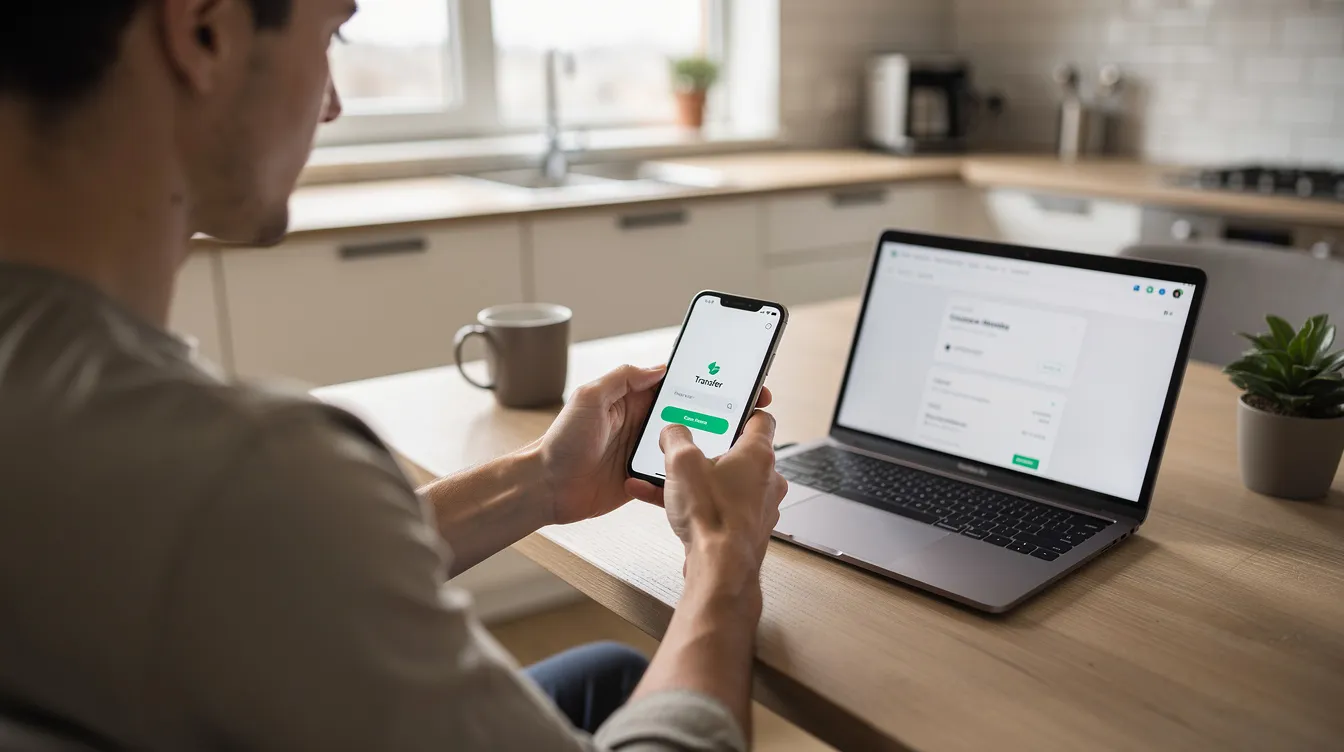
Pakistani utility bills follow a monthly billing cycle, with due dates printed clearly on each bill. Missing those dates triggers surcharges, and repeated non-payment can lead to disconnection.
Electricity providers (DISCOs):
IESCO (Islamabad, Rawalpindi region)
LESCO (Lahore region)
K-Electric (Karachi)
FESCO (Faisalabad region)
MEPCO (Multan region)
GEPCO (Gujranwala region)
PESCO (Peshawar region)
QESCO (Quetta region)
HESCO (Hyderabad region)
SEPCO (Sukkur region)
HAZECO (Hazara region, split from PESCO in July 2025)
TESCO (Tribal areas)
Gas companies:
SNGPL - Sui Northern Gas Pipelines Limited (serves Punjab, Khyber Pakhtunkhwa, Islamabad)
SSGC - Sui Southern Gas Company (serves Sindh, Balochistan)
Water & sanitation agencies:
WASA Lahore, WASA Rawalpindi, WASA Faisalabad, and other city-level bodies
Internet and phone providers:
PTCL, Nayatel, StormFiber, Optix (broadband)
Jazz, Zong, Telenor, Ufone (postpaid mobile)
Where to find important details on a bill:
Electricity: Look for the 14-digit reference number in the "Consumer Detail" block - typically top-left or top-right of the bill. This number stays constant month to month unless your meter is replaced.
Gas: Consumer number (10–11 digits) printed near the top.
Water: Account number (6–10 digits), often labelled "Account #."
Internet/phone: Customer ID or account number as printed by the provider.
Bill payments usually require the consumer or reference number from the utility bill. Without it, digital channels cannot fetch your bill details.
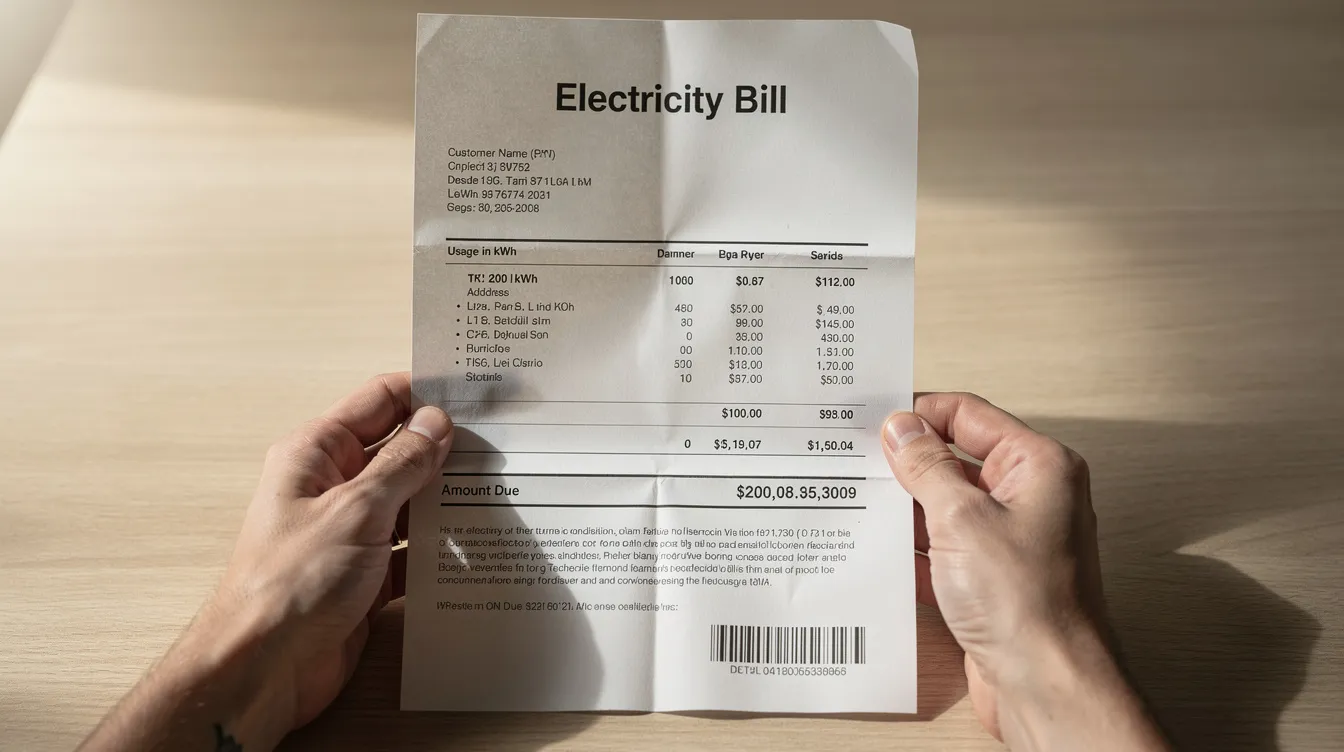
Accurate bill data is crucial for successful cross-border payments and digital payments. A single wrong digit in a reference number can send your payment to someone else's account.
Data you need from the bill:
Bill reference number (14 digits for electricity under PITC-connected DISCOs)
Consumer name as printed
Billing month (e.g., August 2026)
Total amount payable by due date
Due date
Any late payment surcharge amount
For international senders, you may also need:
Pakistani recipient's full name (matching CNIC/NICOP records)
Mobile number for SMS confirmations
Bank name and IBAN or account number (for bank deposit)
Wallet number (if sending to Easypaisa or JazzCash)
Always ask your family in Pakistan to send a clear photo or PDF of the latest bill via WhatsApp or email. This takes 30 seconds and can save you from a failed payment.
Save reference numbers for recurring bills in your banking app or ACE Money Transfer profile. Most apps offer a "save biller" feature that makes future payments a one-tap process.
Think of cross border payments for Pakistani bills as a two-step process: fund transfer from abroad, then local bill settlement.
Step 1 - Fund transfer: You pay in your local foreign currency (GBP, EUR, CAD, AUD, SAR, AED, or others). The remittance platform converts the amount to PKR and deposits it into a Pakistani bank account or mobile wallet.
Step 2 - Local bill settlement: The account holder in Pakistan - often a family member - uses their bank app, wallet, or even a nearby agent to pay the utility company using the reference number.
Some platforms, including ACE Money Transfer, allow sending directly to bank accounts or wallets designated for bills. This reduces steps in the process and means your family can settle the bill within minutes of receiving the funds. Rates and fees may vary. Visit acemoneytransfer.com for current rates.
This approach supports financial inclusion for families in Pakistan, especially in areas where traditional banking access is limited. A family member who has only a JazzCash or Easypaisa wallet - no formal bank account - can still receive international money and pay every household bill digitally.
ACE Money Transfer provides a simple way to fund Pakistani bank or wallet accounts from overseas. Remittance services allow funds to be sent to family in Pakistan for bill payments, and the ACE platform streamlines this for users in multiple countries.
Here is how the transfer process works:
Step 1 - Register or log in. Create an account on the ACE Money Transfer platform using your email, Google, or Apple ID. You can do this from the UK, Europe, Canada, Australia, or countries across the Middle East.
Step 2 - Choose your destination. Select Pakistan as the destination country and pick a payout option:
Bank deposit - Transfer funds directly to an eligible bank account in Pakistan.
Cash pickup - Collect funds at a participating bank branch listed as available for your transaction.
Mobile wallet - Send funds to supported digital wallets, such as Easypaisa or JazzCash, subject to availability.
Step 3 - Enter recipient details. Provide accurate information: the recipient's full name as per CNIC, bank name and IBAN (for bank deposit), or mobile wallet number (for wallet transfer).
Step 4 - Select payment method. Pay using a debit card, credit card, or online bank transfer from your country. Add a payment reason such as "utility bill support for family."
Step 5 - Confirm and pay. Review the transfer details - amount, exchange rate, fees, and recipient info - then click "Pay Now." Exchange rates fluctuate, and the rate you receive may differ from any rates quoted. Always check the live rate at acemoneytransfer.com before sending.
Step 6 - Track your transaction. You receive a reference tracking number. Share this with your family so they can track the transfer in real time and use the funds as soon as they arrive.
Once money lands in the Pakistani account or wallet (often within minutes), your family can pay bills instantly using their bank app or wallet. Rates and fees may vary. Visit acemoneytransfer.com for current rates. This avoids disconnection or late fees that come from delayed payments.
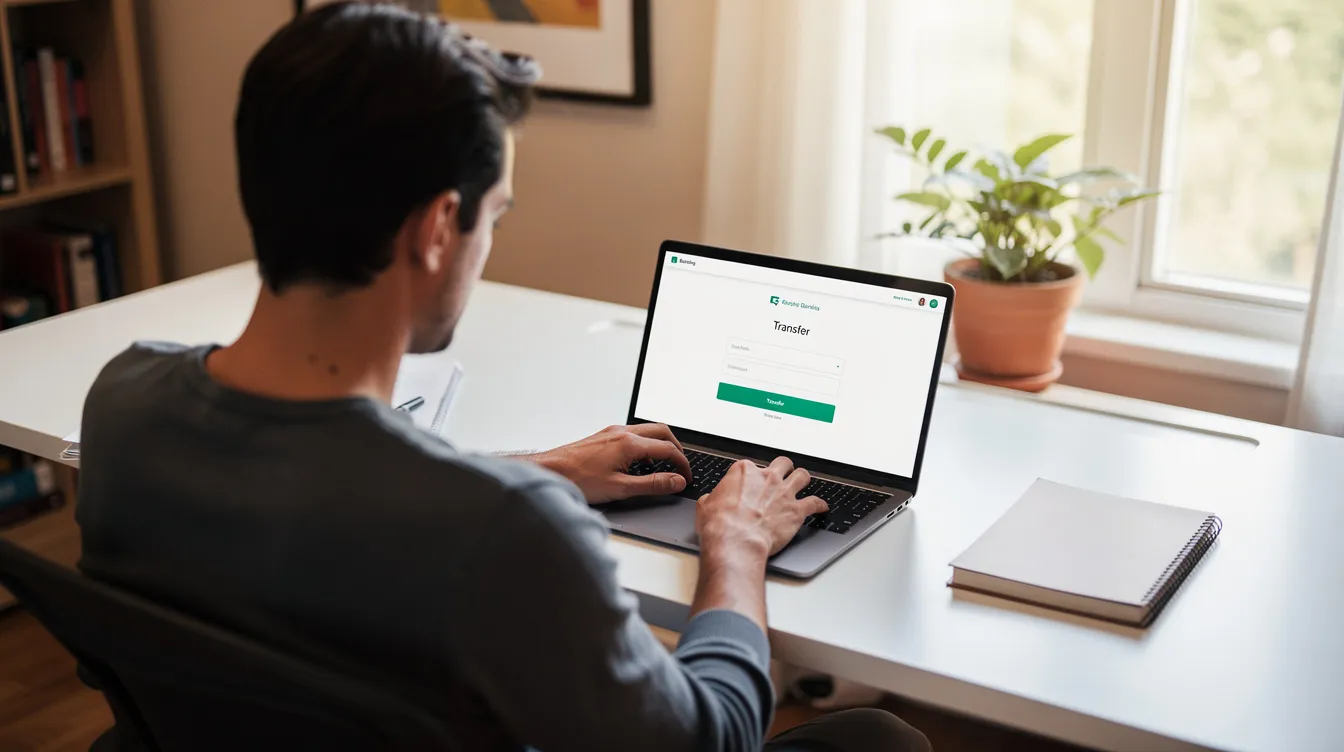
This section is for the recipient in Pakistan - the family member who will actually pay the bill once funds arrive.
Many Pakistani mobile banking apps support utility bill payments. The most widely used include:
HBL Mobile
UBL Digital
Meezan Bank App
Bank Alfalah Alfa
MCB Live
Allied Bank myABL
Mobile banking apps allow easy utility bill payments with a consistent process across most platforms.
General steps (common to most apps):
Log in with username and OTP or biometric.
Navigate to "Bill Payments" or "Utilities."
Select the company (e.g., IESCO, SNGPL, PTCL).
Enter the reference number or consumer number.
The app fetches and displays the consumer name, billing month, and amount due.
Confirm details and authorise payment via PIN or fingerprint.
Example - IESCO electricity bill via HBL Mobile:
Open HBL Mobile ? Tap "Payments" ? "Utility Bills" ? "Electricity" ? "IESCO" ? Enter 14-digit reference number ? Verify name and amount ? Pay.
Example - SNGPL gas via Meezan Bank App:
Open Meezan App ? "Bill Payments" ? "Gas" ? "SNGPL" ? Enter consumer number ? Confirm ? Pay.
These apps allow saving billers for one-click future payments and provide digital receipts useful for dispute resolution. A Roshan Digital Account also allows overseas Pakistanis to pay utility bills directly through participating banks, which can be especially convenient for those who maintain their own accounts in Pakistan.
Additionally, Pakistani banks offer dedicated web portals for utility bill payments from abroad, such as the HBL Pay Billing Portal, which accepts foreign debit and credit cards.
IESCO - the Islamabad Electric Supply Company - serves Islamabad, Rawalpindi, Attock, Jhelum, and Chakwal. It is one of the most commonly paid bills for overseas Pakistanis with families in the capital region.
Since overseas Pakistanis cannot visit IESCO's local payment counters, they must rely on digital payments through bank apps, wallets, or remittances.
Main ways to settle IESCO bills:
Pakistani bank apps (HBL, UBL, Meezan, etc.)
Easypaisa and JazzCash - users can pay IESCO bills via Easypaisa and JazzCash directly from the app
Sending funds through ACE Money Transfer to a family member's bank account or wallet
Using the 14-digit IESCO reference number:
The reference number is printed in the "Consumer Detail" block on the bill. When entering it online, drop any trailing letter (like "U" or "R") - only the 14 digits matter. The system uses this number to pull up your name, address, billing amount, and due date from PITC's national database.
IESCO also allows users to estimate their bill using a calculator on its website, which can help you anticipate the amount before the bill is officially generated.
Why digital beats offline queues:
Available 24/7 - no waiting for office hours
Instant confirmation via SMS and app notification
Lower risk of late payment charges
Full transaction history stored in the app
IESCO bills can be paid through designated bank branches and post offices, as well as through online payment channels where available. Digital payment options may allow family members living overseas to pay bills remotely, depending on the payment provider and account access. IESCO’s Consumer Service Manual outlines the available bill payment methods.
Pakistan has two main gas distributors: SNGPL (Sui Northern Gas Pipelines Limited) covers Punjab, Khyber Pakhtunkhwa, and Islamabad, while SSGC (Sui Southern Gas Company) serves Sindh and Balochistan.
Required bill information:
Consumer number (10–11 digits, printed near the top of the bill)
Billing month
Payable amount by due date
Meter reading (less critical for payment but useful for verification)
How to pay:
After receiving money through ACE Money Transfer or another remittance channel, recipients in Pakistan can pay gas bills via local bank apps and wallets.
Example - SNGPL gas bill via UBL Digital:
Open UBL Digital App ? "Payments" ? "Gas" ? "SNGPL."
Enter consumer number.
App displays consumer name and current amount due.
Confirm and authorise payment.
Gas bills spike during winter months - December through February - when heating demand surges. If your family lives in Lahore, Islamabad, or northern regions, sending funds a week early during winter helps avoid disconnection during peak demand.
Similar digital processes apply to WASA (water), PTCL, Nayatel, StormFiber, and postpaid mobile bills.
Typical identifiers by service type:
| Service | Provider Examples | Identifier Needed |
|---|---|---|
| Water | WASA Lahore, WASA Rawalpindi | Account number (6–10 digits) |
| Internet | PTCL, Nayatel, StormFiber | Customer ID or account number |
| Mobile postpaid | Jazz, Zong, Telenor, Ufone | Mobile number + operator |
Pakistani banks and wallets usually have separate menus for "Internet/Phone" and "Water & Sewerage" with dropdown lists of providers. The process mirrors electricity and gas: enter your identifier, verify the fetched details, and confirm payment.
Many internet and phone services can be disconnected quickly on non-payment - sometimes within days of a missed due date. Cross border payments should be planned well before due dates to account for any transfer or processing delays.
Save screenshots of paid bills and forward them via WhatsApp to the person whose connection is in use. This creates a shared record and avoids confusion about whether a bill was actually settled.
Digital wallets have accelerated Pakistan's digital transformation and helped expand financial inclusion for unbanked communities across the country. For millions of families, a wallet is their primary - sometimes only - financial tool.
Major wallets:
Easypaisa - Operated by Telenor Microfinance Bank, supports over 1,500 billing organisations
JazzCash: JazzCash provides mobile wallet and digital financial services in Pakistan in collaboration with Mobilink Microfinance Bank. As of March 2026, it reported 60 million registered customers and 29.2 million active customers during Q1 2026.
UPaisa - Ufone's digital wallet
Other microfinance bank apps
Digital wallets like Easypaisa and JazzCash facilitate bill payments for electricity, gas, water, internet, and phone services.
High-level steps in any wallet:
Log in to the app.
Choose "Pay Bills" or "Utilities."
Select the company (e.g., IESCO, K-Electric, PTCL).
Enter the reference number or consumer number.
Confirm via PIN.
ACE Money Transfer can send remittances to supported mobile wallets, enabling recipients to pay bills without a traditional bank account. This is particularly valuable in semi-urban and rural areas where bank branches are scarce.
JazzCash has also expanded beyond bill payments - the platform introduced in-app bus ticketing for convenient payments, showing how wallets are becoming all-in-one financial platforms. Specialised apps like these allow direct payments to Pakistani utility providers from abroad when paired with international remittance services.
Keep sufficient wallet balance before due dates and always check SMS or email confirmations after each payment. Transactions typically post to the utility's system within 15 minutes.
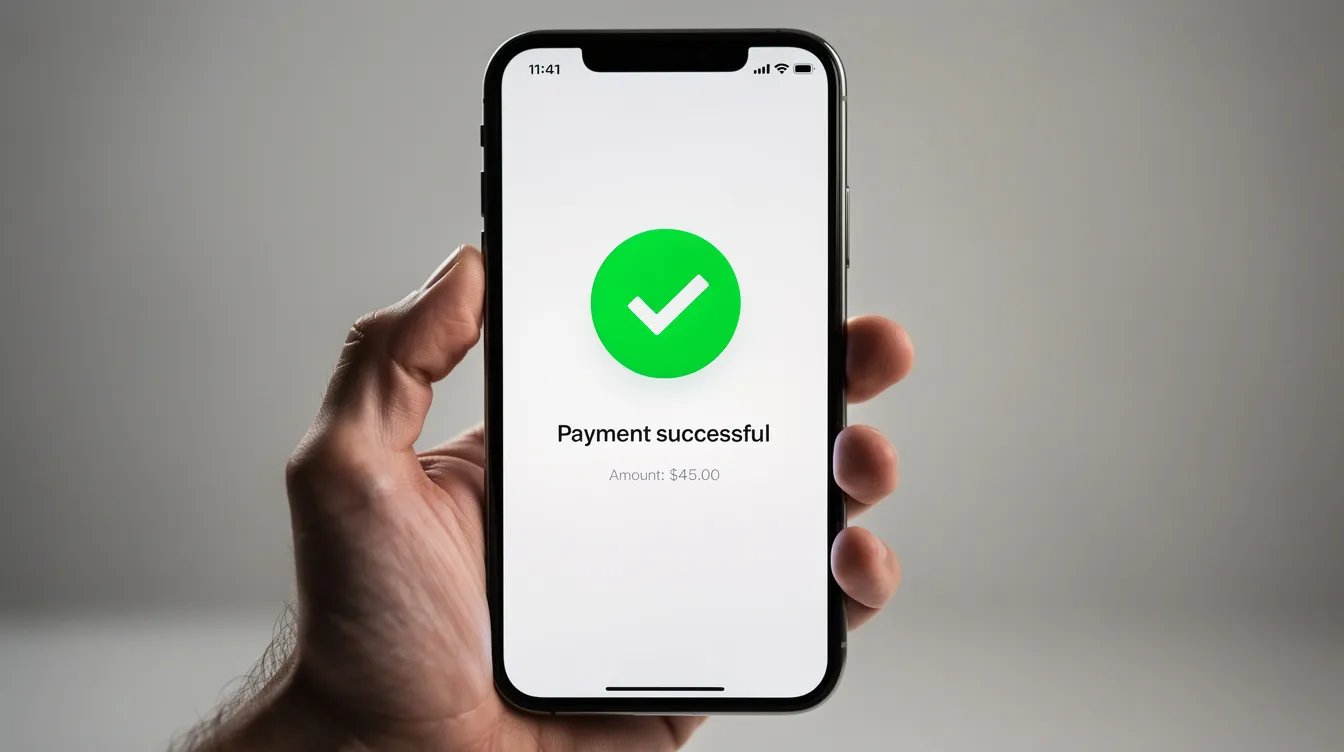
Millions of Pakistani workers in Saudi Arabia, UAE, Qatar, Kuwait, Bahrain, Oman, and Iraq support families back home through regular remittances. For many, a significant portion of what they send goes directly toward utilities - electricity, gas, water, and internet.
Cross border payments from the Middle East can be sent through ACE Money Transfer online rather than standing in physical exchange house queues during limited hours. This is a strategic move toward convenience and security for workers with demanding schedules.
Example scenario:
A construction worker in Dubai uses the ACE Money Transfer app on his phone during a break. He sends AED to his wife's Easypaisa wallet in Lahore. Within minutes, she opens the wallet, pays the LESCO electricity bill and the SNGPL gas bill, and sends him screenshots of the receipts. Total time: under 20 minutes. Rates and fees may vary. Visit acemoneytransfer.com for current rates.
Common currencies include AED, SAR, and QAR. Transfer times vary by payout method, but wallet and bank deposits are typically the fastest. Faster transfers help avoid bill disconnections, especially when due dates fall mid-month, and workers are paid at month-end.
Some global bill platforms let expatriates pay service providers around the world, including Pakistan, in their own currency. These portals offer features like:
Unified dashboards for managing bills across countries
Card-based payments using international debit or credit cards
Recurring schedule options for automatic payments
Payments can be made through online portals using supported payment methods. In the Kurdistan Region of Iraq, the government’s e-Psûle platform supports electricity bill payments through approved digital wallets, including AsiaPay, as confirmed in the KRG’s announcement dated 10 February 2026.
However, availability for Pakistani utilities can vary by provider and city. Not all DISCOs or gas companies are present on every global portal, so users must check which bills are supported before signing up.
ACE Money Transfer takes a different approach - by sending funds to a Pakistani bank or wallet, your family can cover multiple household expenses (electricity, gas, water, internet, groceries, school fees) from a single transfer, not just one bill.
Before choosing a tool for regular bill support, compare fees, FX rates, and processing times. A platform that charges low fees but takes 3–5 days may cost you more in late surcharges than one with slightly higher fees and same-day delivery.
For families inside Pakistan, the traditional way to pay bills involves visiting a bank branch, post office, or authorised retailer. That works if someone is available, healthy, and has transport. For overseas Pakistanis managing payments remotely, offline methods introduce too many variables.
Cons of offline payments:
Long queues, especially near due dates
Limited operating hours (typically 9 AM – 3 PM)
Travel cost within Pakistani cities like Karachi, Lahore, or Islamabad
Higher risk of late payments if the designated person cannot go in time
No digital receipt trail
Pros of digital payments:
24/7 access from any time zone
Instant receipts stored in the app
Clearer transaction tracking and history
Ability to act quickly - even last-minute payments go through
Even when the final bill is paid in cash at a retailer, families can use digital money transfer services to send funds for the payment. ACE Money Transfer provides a transaction reference and allows customers to track transfer status and access transaction receipts through their account. These records can help senders and recipients keep track of the transaction. See ACE’s transfer tracking and receipt guidance.
| Factor | Offline (Cash/Counter) | Online (App/Wallet) |
|---|---|---|
| Speed | 30–60 min (travel + queue) | 2–5 minutes |
| Availability | Business hours only | 24/7 |
| Receipt | Paper (easy to lose) | Digital (stored in app) |
| Convenience | Requires physical visit | From anywhere |
| Security | Cash handling risk | Encrypted transaction |
Without the correct reference or consumer number, digital payments can fail or post to the wrong account. This is one of the most common reasons for payment errors.
How to recover your numbers:
Check previous month's bills saved as photos, PDFs, or emails. The reference number stays the same month to month (unless the meter was replaced or administrative zones changed, as happened with the HAZECO/PESCO split in July 2025).
Visit the utility's website - IESCO, K-Electric, LESCO, and SNGPL all offer duplicate bill downloads using a registered address or customer name.
Contact the utility's helpline in Pakistan. IESCO, for example, has customer service numbers for each sub-division.
Visit the nearest utility office with CNIC and a printed old bill to recover the reference number.
For overseas Pakistanis, the most practical approach is to ask relatives to save and share these details in a secure family document - a shared Google note, a WhatsApp group description, or a cloud-based spreadsheet.
Once you have your reference numbers, save them permanently. They rarely change, and having them on hand makes every future payment a 2-minute task.
A duplicate bill is a digital or printed copy that contains the same information as the original - units consumed, taxes, surcharges, and the total payable amount. Users can check old and duplicate bills online through provider websites. A duplicate bill includes the user name, reference code, and taxes, making it a complete record.
Providers that offer duplicate bill downloads:
IESCO, LESCO, K-Electric, FESCO, MEPCO (electricity)
SNGPL, SSGC (gas)
PTCL (internet/phone)
Benefits of maintaining online bill history:
Track consumption trends over months and seasons
Spot unusual spikes that might indicate meter issues or theft
Maintain proof of timely payments for dispute resolution
Share history with overseas family for budgeting
Bank apps and digital wallets also store bill payment history with dates and transaction IDs. This is your secondary record - if the utility company claims non-payment, you have digital proof.
Reconcile utility bill history with bank statements every few months. This practice strengthens household budgeting and catches any discrepancies early.
Missing due dates often leads to late payment surcharges and sometimes service disconnection in Pakistan. This is one of the biggest concerns for overseas families.
How electricity billing works around due dates:
Every bill prints two amounts: "Payable by Due Date" and "Payable After Due Date."
The "after" amount includes a fixed surcharge or percentage penalty.
If the bill remains unpaid for an extended period, the DISCO can disconnect the meter.
What happens after disconnection:
Reconnection requires visiting the local utility office, paying all outstanding dues plus a reconnection fee.
Reconnection timelines vary - urban areas may see restoration within 1–2 days, while rural areas can take longer.
The process creates stress for families, especially elderly members who may find it difficult to visit offices.
Digital payments from abroad via ACE Money Transfer can be used urgently to clear overdue bills and speed up reconnection. Once funds arrive in a wallet or bank account, the overdue amount can be paid immediately online.
Preventive measure: Always send or schedule remittances at least 3–5 days before bill due dates. For families in rural or smaller towns where internet connectivity can be patchy, build in extra buffer time.
Technical or data-entry errors can occasionally disrupt the bill payment process. Here are the most common problems and their solutions:
| Problem | Solution |
|---|---|
| Wrong reference number entered | Double-check against the bill photo. Drop trailing letters. |
| Bill expired (past due date) | Pay the "after due date" amount. Late surcharge is auto-added. |
| App or network downtime | Wait 15–30 minutes and retry. Switch to another app or wallet. |
| Payment reversal | Note the transaction ID. Contact bank/wallet support immediately. |
| Double payment | Save both transaction IDs. File a reversal request with the bank. |
| Funds not received from abroad | Use the ACE Money Transfer tracking number to check status. |
Double-checking the reference number is crucial for successful bill payments. The reference number functions as the primary key in PITC's national billing system - it encodes the DISCO, sub-division, and account sequentially. Mistyping even one digit can misdirect your payment entirely.
For cross border payments, always note both the ACE Money Transfer transaction number and the local bank or wallet transaction ID. These two numbers together give support teams on both ends everything they need for investigation.
A stable internet connection and accurate beneficiary details greatly reduce payment failures. If you are sending from abroad, verify recipient details once and save them in your ACE profile.
Keeping your family's money secure requires basic cybersecurity practices tailored to the realities of overseas Pakistanis paying bills remotely.
Never share:
OTPs (one-time passwords) with anyone, even if they claim to be from a bank
Full card details over phone calls, SMS, WhatsApp, or social media
Banking passwords or wallet PINs
Verification habits:
Check that websites and apps are official - look for HTTPS, verify the app store publisher name, and watch for misspellings.
Download banking and wallet apps only from the Google Play Store or the Apple App Store.
Common scam patterns to watch for:
Fake "bill overdue" calls demanding immediate payment to a personal account
Phishing emails imitating utility companies with links to cloned websites
Offers of heavy discounts on bills in exchange for upfront payment to unknown accounts
ACE Money Transfer and banks never ask for login passwords via phone. If you receive such a request, report it immediately. Keep your transactions secure by using only verified, regulated platforms.
Utility bills in Pakistan fluctuate by season. Electricity bills climb in summer months (May through September) when air conditioners run non-stop. Gas bills peak in winter (November through February) when heating is essential, particularly in Lahore, Islamabad, and northern areas.
Practical budgeting approach:
Calculate an average monthly amount that covers electricity, gas, water, internet, and phone for your family's household.
Seasonal changes or unexpected usage may cause household bills to increase, so some households account for these fluctuations when estimating monthly expenses. This is not financial or legal advice. Please consult a qualified professional.
Schedule regular transfers through ACE Money Transfer aligned with expected bill dates (e.g., 5th, 15th, or 25th of each month).
Tracking bills effectively:
Use a simple spreadsheet or budgeting app with columns for:
Utility type
Reference/consumer number
Due date
Expected amount
Actual amount paid
Payment status (paid / pending / overdue)
Stable, predictable cross border payments ease stress for families and reduce last-minute urgency. When your mother in Rawalpindi knows the money arrives on the 10th of every month, she can plan her bill payments with confidence rather than anxiety.
Pakistan’s utility sector is increasingly using digital payment channels, including online bill portals, mobile banking apps, and digital wallets. The transaction volumes through mobile banking apps grew by 52% year-on-year, while internet banking transactions increased by 33% during FY2024–25.
Digital payments and remittance platforms like ACE Money Transfer bring unbanked or underbanked households into the formal financial system. When a family in a small town receives money into an Easypaisa wallet and pays their electricity bill digitally, they become part of the documented economy - with a transaction history, digital receipts, and access to future financial products.
Government and State Bank of Pakistan initiatives are actively encouraging e-payments and broader financial inclusion, particularly in semi-urban areas. The Pakistan Telecommunication Authority continues to expand connectivity, and the collaboration between telecom companies and financial service providers is accelerating digital adoption across the country.
Quick cross border payments help families manage not only utilities but also insurance premiums, education fees, and everyday expenses. The digital ecosystem may also provide access to additional financial services, such as micro-savings and credit-related tools. Insurance products are separate offerings, and their availability, coverage, premiums and eligibility requirements depend on the provider and the specific policy.
Technology is the foundation of this transformation, and each digital payment strengthens the link between overseas earners and their families' present needs.
Many overseas Pakistanis support more than one property - a family home, a rental unit, and sometimes a small shop or business.
Managing multiple bills:
Label each bill with the property name or address in your records.
Save each reference number separately - do not mix up the 14-digit codes for two different meters.
Use the "save biller" feature in bank apps and wallets to create distinct entries for each property.
Legal considerations:
The name on a utility bill is the registered consumer, not necessarily the current occupant. Paying a utility bill does not necessarily determine legal ownership of a property or a person's tenancy status, as these matters depend on the applicable laws, agreements and individual circumstances. This is not financial or legal advice. Please consult a qualified professional.
If you own a property in Karachi and rent it out, the bill may still be in your name. Confirm with tenants who is responsible for payment under the agreement.
For rental properties:
Ask tenants to send bill photos early each month so you can plan the remittance through ACE or your preferred channel in time.
Business connections (commercial tariffs) carry higher per-unit rates and stricter disconnection policies for late payments. If you operate or support a business in Pakistan from abroad, treat those bills with extra urgency.
While paying bills might seem separate from insurance, both are part of broader household risk management and governance over family finances.
Maintaining uninterrupted electricity and internet is critical for home-based businesses and remote workers. A disconnection does not just mean discomfort - it can mean lost income and missed deadlines.
Some insurers in Pakistan offer household insurance products, but the coverage available for appliances and electronics, along with exclusions, premiums and eligibility requirements, depends on the specific policy. Readers should review the insurer’s current policy documents for details before considering any product.
Families who use digital payment services for utility bills may also encounter information about other financial products, such as insurance and savings services. Availability, eligibility and terms vary by provider. This is not financial or legal advice. Please consult a qualified professional.
Can overseas Pakistanis pay directly on utility websites with foreign cards?
Payment options vary by utility provider and payment portal. HBL Pay’s official Billing Portal allows users to pay bills by credit or debit card. However, international card acceptance and applicable transaction fees should be confirmed with HBL before payment. HBL’s published Schedule of Bank Charges listed a 1.7% transaction fee plus FED for the Billing Portal for January to June 2025; this historical rate should not be treated as confirmation of current charges.
How long does money sent via ACE Money Transfer take to arrive?
It depends on the payout method. Mobile wallet transfers often arrive within minutes (Rates and fees may vary. Visit acemoneytransfer.com for current rates). Bank deposits may take a few minutes to a few hours. Cash pickup is available as soon as the transaction is processed. Once funds arrive, bills can be paid instantly.
What if I pay the wrong bill by mistake?
If you entered an incorrect reference number, the payment may be credited to another consumer's account. Immediately note the transaction ID and contact both the bank or wallet provider and the utility company. Reversals can take several days, so accuracy upfront is essential.
What about currency conversion and fees?
ACE Money Transfer converts supported sending currencies into Pakistani rupees (PKR) using the exchange rate displayed for your transaction. Transfer fees and exchange rates vary by sending country, destination and payment method. Before confirming, customers can review the applicable exchange rate and transfer charges. Compare the total cost, including the transfer fee and any exchange-rate margin, rather than considering either in isolation.
Exchange rates fluctuate, and the rate you receive may differ from any rates quoted. Rates and fees may vary. Visit ACE Money Transfer for current rates and applicable charges.
Can I pay bills without a bank account in Pakistan?
Yes. If your family has a mobile wallet (Easypaisa or JazzCash), they can receive remittances and pay bills without a traditional bank account. This is one of the most powerful aspects of Pakistan's digital payment ecosystem for financial inclusion.
Do I need to visit Pakistan to set up digital payments?
No. Your family can download a wallet app, register with their CNIC, and start paying bills the same day. You can send money from abroad immediately. The entire process can be set up remotely with a phone call and a few screenshots shared over WhatsApp.
Are there transaction limits on wallets?
Yes. Easypaisa and JazzCash apply daily, monthly and yearly transaction limits based on account type and verification level. For example, JazzCash’s published account limits list different debit limits for Level 0, Level 1 and higher-tier accounts. Separate limits may apply to utility-bill payments, so customers should check the provider’s current terms before making a payment. Easypaisa also explains that customers who reach their account limits may need to upgrade their account; see its official bill-payment guidance.
Combining international remittances through ACE Money Transfer with local digital bill-payment services is one option for overseas families managing household expenses in Pakistan. ACE supports transfers to Pakistan and offers bill-payment services for eligible bills through its Pakistan transfer and bill-payment options. The suitability of this approach depends on the family’s needs, available payment methods, fees and transaction requirements.
Key habits to adopt:
Keep reference numbers handy. Save them in your phone, a cloud note, or your ACE profile. They rarely change.
Send money before due dates. Build in a 3–5 day buffer to account for transfer times, weekends, and holidays.
Use only secure, verified apps. Download from official app stores, never share OTPs, and ignore unsolicited calls about bills.
Save every receipt. Digital receipts in banking apps and wallets serve as proof of payment and are invaluable during disputes.
Digital payments connect overseas earners to their families' everyday needs back home in Pakistan. Whether you are in the UK, Canada, Australia, or the Middle East, the gap between you and your family's utility bills is now just a few taps on your phone.
Set up your ACE Money Transfer account, coordinate with your family on a consistent and transparent bill-payment routine, and stop worrying about disconnections or late fees.
Pakistan's ongoing digital transformation, supported by the government, the State Bank, and fintech platforms, means that managing your family's bills from abroad will only get easier from here. The stories of missed bills and frantic phone calls are giving way to something far better - operational efficiency, peace of mind, and a stronger connection to humanity and home, no matter how many miles separate you.
Disclaimer: This article is intended for general informational and educational purposes only and should not be construed as legal, regulatory, tax, business, or financial advice. While reasonable efforts have been made to ensure that all facts, figures, and data are accurate and valid as of the date of publication, no warranty or guarantee is given as to the ongoing completeness, accuracy, or currency of the information.
The content is based on information available at the time of publication. Regulations, government policies, market conditions, and service offerings may change over time and vary across jurisdictions and providers. As a result, some information may no longer be current or applicable. Readers should independently verify all information and consult qualified professional advisors before making any financial, legal, or business decisions.