ACE Money Transfer
ACE Money Transfer
22 Oct 2026
With atta, cooking oil, and daal prices climbing steadily through 2025 and 2026, Pakistani households are feeling the pressure every time they step into a store. The good news is that you don't need to sacrifice quality or nutrition to bring your grocery bill down. This guide covers practical, Pakistan-specific ways to save money on groceries - from planning meals and choosing the right shops to cutting hidden waste that quietly drains your budget every month.
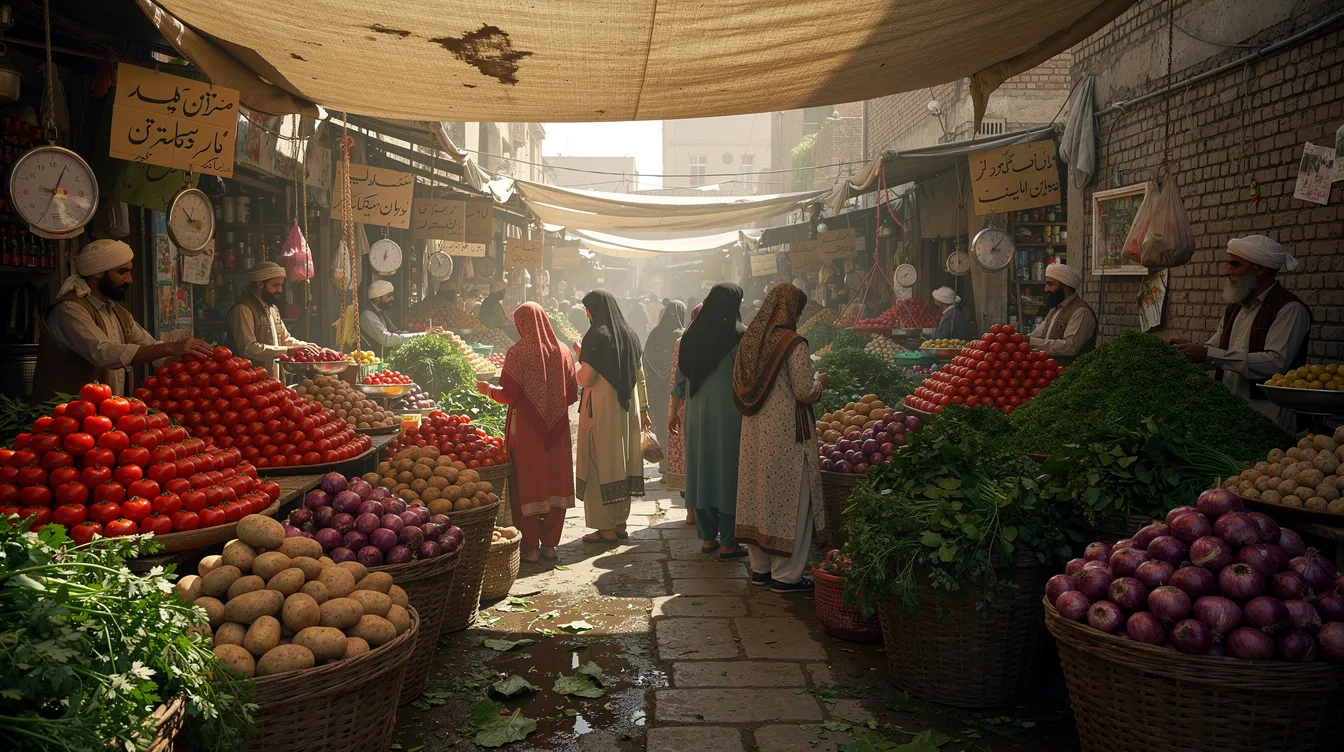
Before diving into the details, here are some fast, actionable money-saving tips you can use starting this week. Prices in Pakistan have fluctuated: the national average price of a 20 kg bag of wheat flour rose from Rs 1,615.50 in April 2025 to Rs 2,151.70 in April 2026, a 33.2% increase, according to the Pakistan Economic Survey 2025–26. The same report recorded the average price of a 5-litre tin of vegetable ghee at Rs 1,482.70 in April 2025 and Rs 1,516.20 in April 2026. These pressures make every rupee count.
Do your weekly shop once a week instead of daily trips to the corner kiryana, which often charges 5–15% more on staples. Shopping weekly helps avoid higher prices at convenience stores.
Never go to the food shop hungry - it leads to impulse purchases on snacks, sodas, and bakery items you didn't plan for.
Carry a fixed cash amount (Rs 5,000–10,000 depending on family size) to cap your spend and avoid overspending with cards.
Switch from branded cooking oil tins to own brand products or loose oil - this alone can save Rs 500–1,000 a month depending on your city.
Compare pack sizes: a 5 kg bag of atta at Rs 500 beats five 1 kg packs at Rs 110 each (Rs 550 total). Small math, real savings.
Planning a strict shopping plan reduces impulsive purchase behaviors before you even leave the house.
In Pakistan, where food costs can shift dramatically month to month - a kilo of mustard oil hovering around Rs 560, beef up over 13% year-on-year - a clear grocery budget is your first line of defence. Without one, money leaks out on unplanned purchases you only notice at month's end.
For a family of four in Lahore or Karachi, a realistic monthly grocery budget might range from Rs 30,000 to Rs 45,000. In smaller towns, Rs 18,000–25,000 can cover a similar basket.
Split your budget by category: fresh food and vegetables (40–50%), dry goods and pulses (20–25%), meat and chicken (10–15%), cleaning products (5–10%), and snacks or discretionary items with whatever remains.
Tracking monthly grocery spending helps identify budget leaks. Review last month's receipts or mobile wallet history to see what you actually spend versus what you assume.
Track in a simple notebook or a Google Sheet with columns for date, store, category, and amount in rupees. Don't overcomplicate it - consistency matters more than detail.
A meal plan for the week ahead saves time, cuts food waste, and removes the stress of figuring out dinner after a long day. For Pakistani families juggling jobs, kids' tuitions, and load shedding, planning meals in advance makes sense on every level.
Plan your meals for 5–7 days around core dishes: daal chawal, sabzi roti, chicken curry, pulao, anda-based meals, khichdi, and seasonal fresh veg dishes. Planning meals reduces impulse buys and food waste.
Before writing your shopping list, check what's already in the fridge, freezer, and store cupboard - atta, chawal, masalay, ghee, oil. Using an inventory prevents buying unnecessary items you already have at home.
Your grocery list should strictly follow the meal plan and be grouped by section: fruit and veg, dairy, meat, dry goods, cleaning products. Shopping with a list helps avoid unnecessary purchases, and making a shopping list helps avoid overspending.
Keep one "flex day" for leftovers or unexpected dawat. This avoids cooking extra food that goes to waste.
Include simple items like bread, pasta, eggs, and daal that can serve as backup meals if plans change.
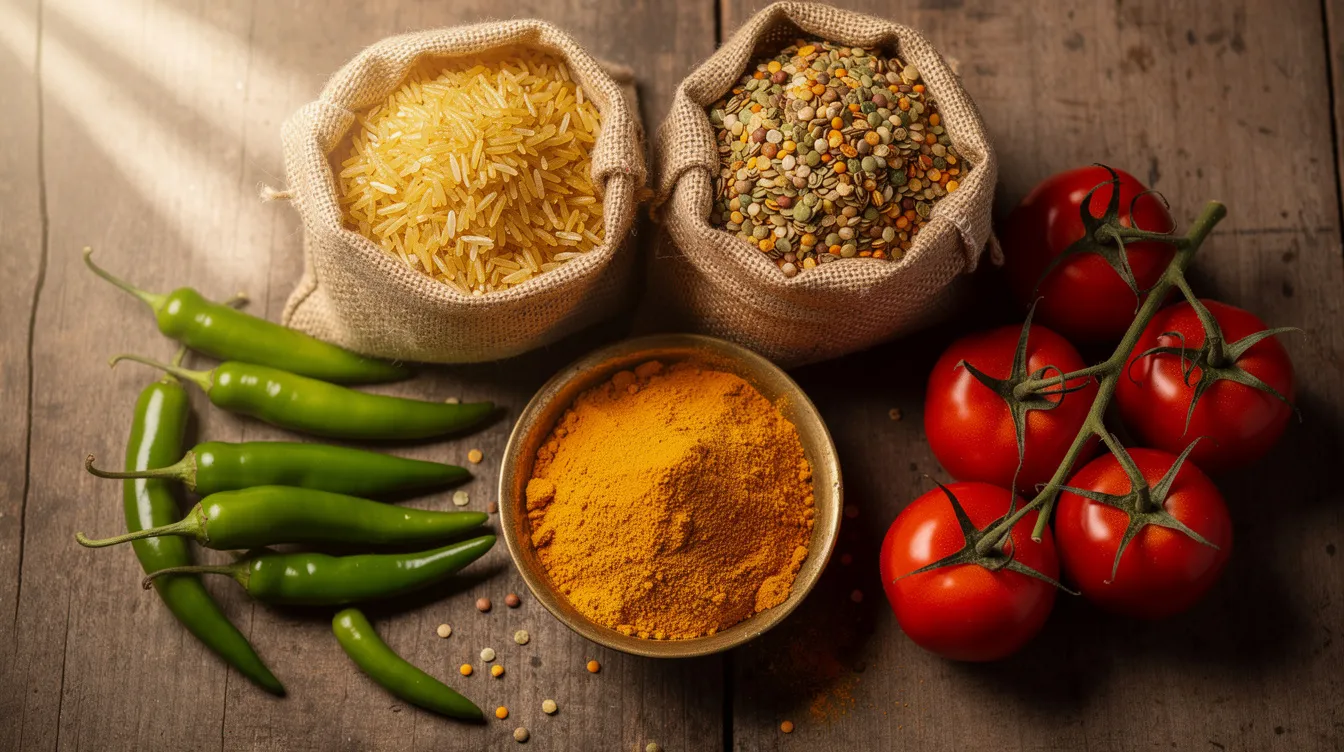
The price gap between a neighbourhood kiryana store and a cash-and-carry wholesaler can be staggering. For the same 20 kg bag of wheat flour, you might pay Rs 2,600 at a small shop versus Rs 2,360 at a wholesale chain. Comparing prices across different markets helps find better deals on every item in your basket.
Always compare prices on a per-kilo or per-litre basis, not just pack price. A comparison of loose versus packaged prices can reveal savings of Rs 20–50 per kilogram on staples like rice, sugar, and daal. Unit prices help compare bulk buying savings effectively.
Do a big supermarket shop once or twice a month at places like Metro, Imtiaz, or Carrefour for staples (oil, atta, sugar, tea, washing powder). Then do small top-up trips for fresh veg and dairy at the local mandi.
Check supermarket apps or online catalogues for weekly promotions before heading out. Even most supermarkets in smaller cities now share flyers via WhatsApp.
Avoid buying everything from expensive convenience marts just because they're close. Paying 10–30% more on soap, milk, and snacks at a corner store adds Rs 1,000–2,000 to your total bill every month. It's worth shopping at the right place even if it takes a slightly longer trip.
Many Pakistani shoppers stick to big-name brands out of habit, assuming they guarantee quality. But that brand loyalty comes at a steep cost - often 20–40% more than the cheaper alternative sitting right next to it on the shelf.
Own brand products are typically cheaper than branded alternatives, and supermarkets' own brands must meet the same food standards. For context, in the UK, a 400g tin of tomatoes can cost 39p for own-brand versus significantly more for a premium label. The same logic applies to Pakistani store brands for atta, rice, daal, and pasta sauce.
Switching to supermarket own-brand ketchup can reduce grocery costs in the UK. For example, a price comparison published by Which? (the Consumers’ Association) listed Heinz Tomato Ketchup at £2.48 for 460g and Asda Classic Tomato Ketchup at £1 for 550g. Similar savings across multiple items could help reduce the overall cost of a Pakistani grocery shop.
Own-brand products can offer similar quality to branded items. Start by swapping non-critical items: rice, flour, sugar, salt, pasta, detergent powder, and dishwashing bars. Opting for local brands instead of multinationals can save money without a noticeable quality drop.
For items like tea (branded at Rs 450–500 per 190g versus house brand at Rs 350–400), do a taste test before committing. Avoid the cheapest option for sensitive items like baby milk or cooking oil where quality directly affects health.
Imported items like olive oil carry a massive premium - consider local mustard oil or canola as a good alternative for everyday cooking and reserve olive oil for specific dishes.
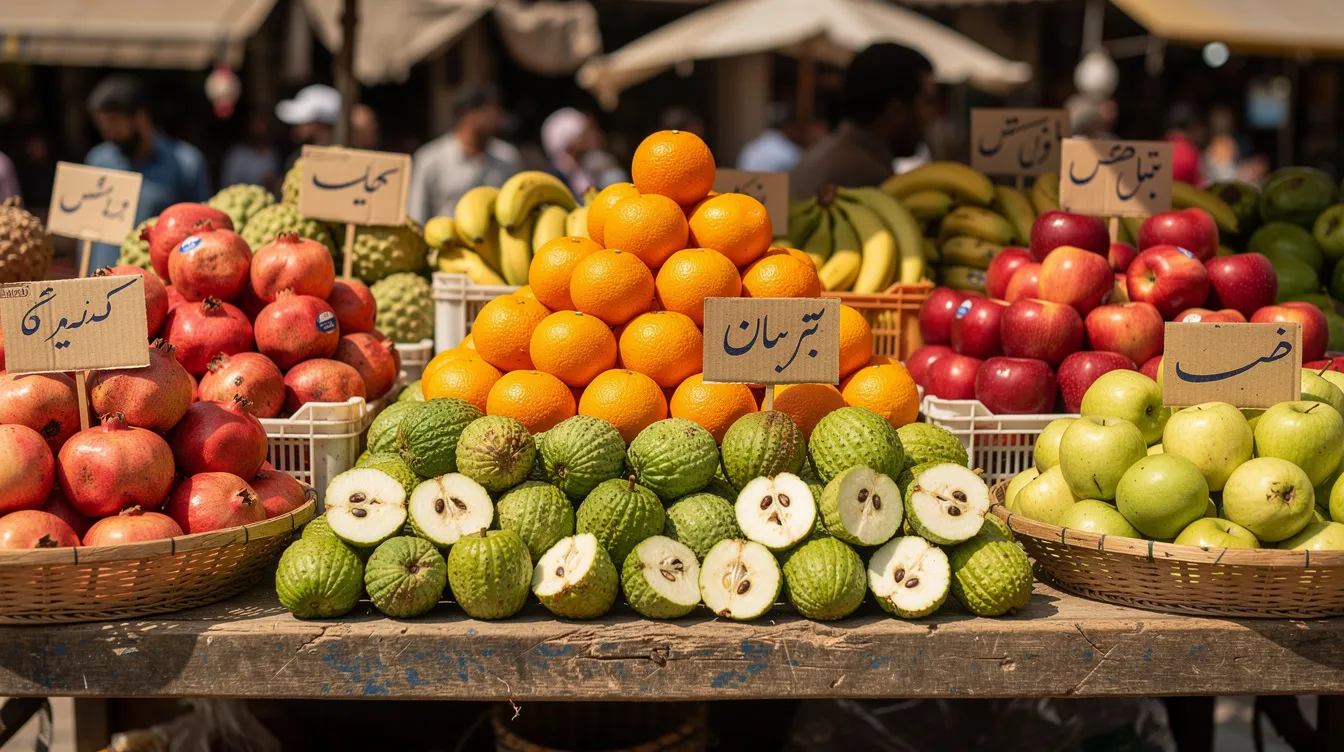
Pakistan's agricultural calendar creates dramatic price swings. When produce is in season and local supply is high, prices drop significantly. Eating seasonally is one of the simplest ways to save on fresh fruit and vegetables.
Seasonal produce is often cheaper than imported groceries. Mangoes run May–September, kinno and malta from December–February, guava in winter, bhindi and karela in summer, and saag through winter months. Spring vegetables like carrots and potatoes are most affordable now during Rabi harvest.
Buying fresh fruits and vegetables from local bazaars reduces costs compared to packaged supermarket produce. Seasonal shopping can lead to fresher and tastier produce because items haven't spent days in cold storage or transit.
Planning meals around seasonal produce lowers expenses and buying seasonal items reduces transportation costs for produce, since local supply chains are shorter. Buying seasonal fruits and vegetables also supports sustainability.
"Wonky" or slightly imperfect fruit and veg from roadside vendors or mandi stalls taste exactly the same and often come at a discount. Don't pay premium prices for cosmetic perfection.
Visit the sabzi mandi early morning for the best quality, or late evening when sellers discount remaining stock to clear inventory.
Avoid imported exotics like kiwi or blueberries - they cost 2–3× more and strain your grocery budget for minimal nutritional advantage over local options.
The idea that only fresh food is worth eating is a myth that can increase grocery costs. Frozen vegetables can be just as nutritious as fresh vegetables and may cost less, depending on the product and season. A Which? comparison examined fresh and frozen grocery prices across eight UK supermarkets and discussed nutritional differences with experts. Frozen vegetables can also help households plan meals and reduce food waste.
Buying in bulk often reduces the cost per item. Stock up on staples with long shelf life: atta, chawal, daal, chana, sugar, salt, tea, and cleaning products. Buying in bulk is cost-effective for non-perishable items you buy regularly.
Bulk buying can reduce the price per kilo of meat, depending on the retailer and current offers. When chicken or beef is on promotion, buy extra and freeze in meal-sized portions. Look for cheaper cuts or a whole chicken rather than pre-cut chicken breasts - you get more meat per rupee, and bones make excellent yakhni stock.
Frozen peas, mixed vegetables, and parathas are practical in Pakistan, especially during summer when fresh veg spoils quickly. Buying frozen vegetables can help reduce food waste.
Bulk buying requires adequate storage space at home. If space is limited, split large packs of rice or sugar among relatives or neighbours - everyone saves, and nothing goes to waste.
Be cautious with perishable bulk buys during peak summer, especially if load shedding weakens your freezer. Frozen items only save money if they actually stay frozen.
Food waste remains a significant problem in the UK. In 2021, an estimated 10.7 million tonnes of food were wasted across the UK, while the Waste and Resources Action Programme (WRAP) reported in November 2023 that food waste cost a four-person household around £1,000 a year in food bought but not eaten. In Pakistan's heat and humidity, poor storage accelerates spoilage and makes the problem worse. Proper storage is a direct way to reduce food waste and protect the money you've already spent.
Keep milk and yoghurt at the back of the fridge where the cold is most stable. Store leftovers covered on middle shelves. Keep cooked meat separate from raw to avoid waste from contamination.
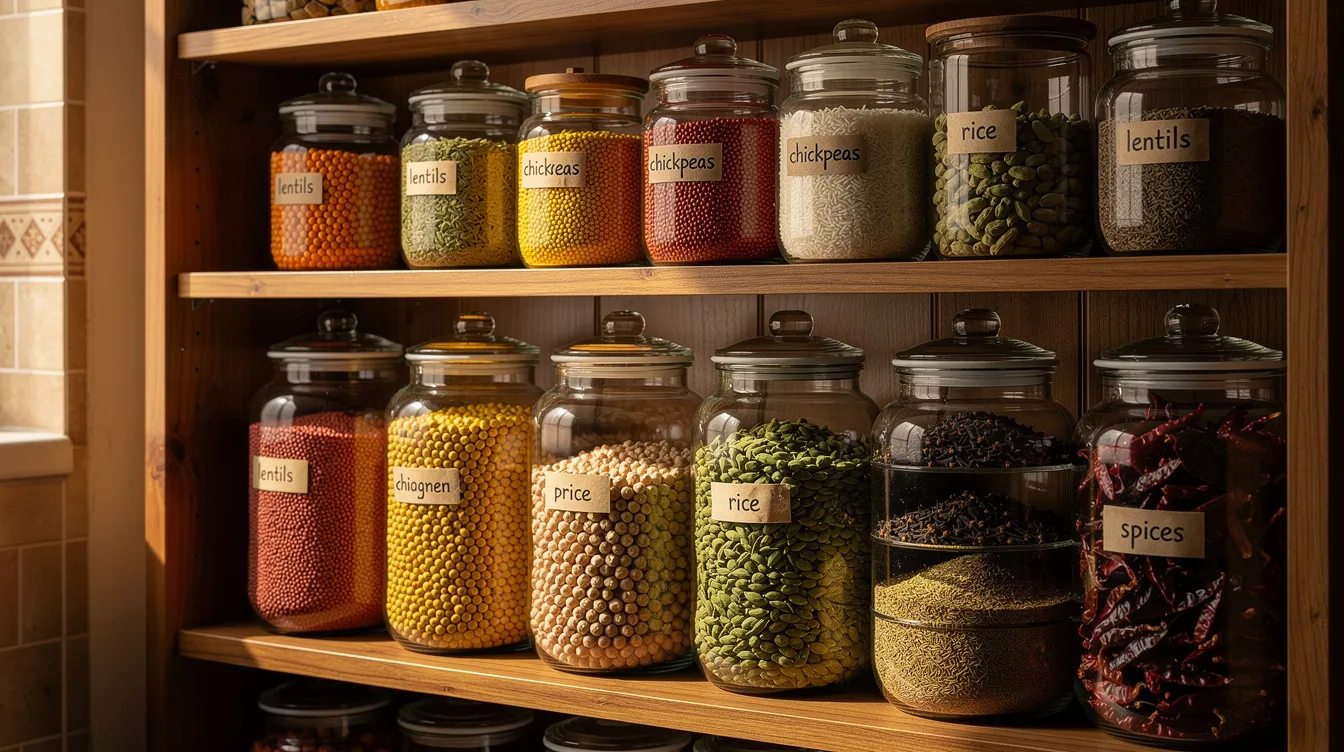
Store atta and rice in airtight containers to prevent weevils. Keep onions and potatoes in a cool, dark, ventilated place - not the fridge. Seal masalay in jars away from sunlight.
Portion chicken thighs, mince, or larger cuts into single-meal bags before freezing so you defrost only what you need. This helps avoid waste from thawing and refreezing.
Using vegetable scraps - peels, stems, ends - can create free vegetable stock for pulao, soup, or yakhni. It's a simple way to reduce waste.
For households with limited or no fridge: use clay pots or matkas for cooling, buy fresh veg little and often, and avoid bulk dairy purchases in peak summer.
Ready-made frozen nuggets, bakery samosas, and packaged snacks come with hefty markups for packaging and transport. Avoiding pre-packaged items and preparing from scratch cuts costs dramatically while giving you control over portion sizes and nutrition.
Cook simple Pakistani staples from scratch: daal fry, mixed sabzi, aloo ki bhujia, qeema stretched with vegetables, khichdi, and one-pot pulao. These deliver nutritious meals at a fraction of restaurant or takeaway prices.
Batch cook large quantities of daal, chanay, or curry and freeze in meal-sized containers. Batch cooking can save time and reduce food waste, and cooking larger batches reduces takeaway temptation and household waste. It also saves time on busy weekdays.
Use every part: chicken bones for yakhni stock, leftover vegetables for mixed sabzi the next day, stale bread or roti for breadcrumbs or papri-style snacks.
Turn leftover daal into daal paratha or thick soup - nothing should go in the bin if it can become tomorrow's meal. Batch cooking saves time and reduces last-minute purchases at expensive shops.
Consider items like cannellini beans or lobia as cheap, shelf-stable proteins you can batch cook and freeze for the whole week.
Digital payments and supermarket apps are growing rapidly in Pakistani cities, and they can be genuine money savers if used with discipline. Supermarket loyalty schemes offer exclusive deals and discounts that non-members don't get access to.
Sign up for loyalty schemes at chains you already use. Imtiaz runs a loyalty card programme with points and exclusive offers. METRO Pakistan’s Club Rewards Programme offers free membership, reward points and member-only deals. Loyalty schemes can provide rewards that accumulate over time.
Many supermarkets have apps with personalised discounts for loyalty members, including mid-week deals on fruit and veg or own brand products. Using digital apps for offers can help reduce grocery expenses.
Using loyalty cards can save money on groceries if used wisely - but only on items you already plan to buy. Loyalty programs are beneficial for items on your list, not random promotions that tempt you into overspending.
Watch for bank or mobile wallet cashback campaigns tied to your supermarket shop, especially around Ramazan when promotions peak.
Set alerts for sales on items you buy regularly instead of chasing every deal. Shopping online through supermarket apps can reduce impulse buying temptations since you only see what you search for.
Non-essential items quietly eat a big chunk of your grocery budget. Many households spend Rs 1,000–3,000 monthly on items they didn't plan to buy - and barely notice.
Identify your "leak" areas: branded chips, soft drinks, juices, biscuits, chocolates, instant noodles, and daily bakery treats. Keeping a strict grocery list can minimize impulse buying on these items.
Swap expensive packaged snacks for homemade nimko, popcorn, or roasted chana. Make sharbat at home instead of buying bottled drinks. These are a cheaper alternative and often healthier.
For cleaning products, buy concentrates or refills and dilute correctly instead of purchasing small bottles repeatedly. Use multipurpose cleaners instead of separate products for every surface, and choose local brands over imported ones where safe and effective.
Include snacks and cleaning items in your monthly grocery budget deliberately. When they're planned line items rather than impulse buys near the checkout, you control the spend.
Consider that even a better deal on something you don't need is still wasted money.
Meat prices in Pakistan have risen sharply - beef is up 13.2% and mutton 14.7% year-on-year according to the Pakistan Economic Survey 2025-26. These increases hit the weekly food shop hard, especially for families who eat meat daily.
One of the best tips for cutting your grocery bill is simply to eat less meat. Incorporating meat-free days can significantly lower grocery bills. Meat is expensive, and vegetarian meals can reduce costs without sacrificing satisfaction.
Schedule 2–3 meat-light days per week with familiar dishes: daal, rajma, chana, lobia, mixed sabzi, egg curry, or vegetable pulao. Beans, pulses, and lentils are affordable meat alternatives that deliver solid protein. Incorporating plant-based proteins can lower grocery bills substantially.
Stretch expensive meat by making half-meat, half-daal curries or adding extra vegetables to qeema. Cooking vegetarian meals can help stick to a food budget.
Plan meals so meat dishes fall on weekends or special occasions, and weekdays rely on pulses and vegetables. When you do buy meat, a whole chicken is the cheapest option per kilo compared to buying chicken breasts separately.
How you shop matters as much as where you shop. In Pakistan's current inflation environment, small behavioural changes add up to thousands saved every month. Here are top tips for smarter shopping habits.
Avoid shopping when hungry to limit impulse buys - eating before shopping helps prevent impulse purchases on snacks and bakery items you don't need. This is one of the simplest ways to avoid impulse purchases.
Avoid taking kids to the store when possible. Many impulse buys come from children asking for packaged snacks and treats.
Pay by cash with a fixed amount to limit overspending. Cards make it too easy to exceed your plan.
Stick to shopping once or twice a week. Each extra mini-trip to a convenience store adds transport cost and high-margin purchases that inflate your food costs.
Reuse bags to save on plastic bag charges and to physically limit how much you carry home.
Set simple rules: "If it's not on the list, I don't buy it" and "no fizzy drinks unless it's a planned occasion."
Start with just two or three changes this month. Once those stick, add more. The goal isn't perfection - it's progress. Even modest adjustments to how you plan, shop, and cook can help reduce your monthly grocery spending, freeing up money for other family needs.
Disclaimer: This article is intended for general informational and educational purposes only and should not be construed as legal, regulatory, tax, business, or financial advice. While reasonable efforts have been made to ensure that all facts, figures, and data are accurate and valid as of the date of publication, no warranty or guarantee is given as to the ongoing completeness, accuracy, or currency of the information.
The content is based on information available at the time of publication. Regulations, government policies, market conditions, and service offerings may change over time and vary across jurisdictions and providers. As a result, some information may no longer be current or applicable. Readers should independently verify all information and consult qualified professional advisors before making any financial, legal, or business decisions.