ACE Money Transfer
ACE Money Transfer

12 Mar 2025
Planning to work in Lithuania from Bangladesh? This step by step guide covers everything you need to know about the Lithuania work permit visa process, required documents, job opportunities, costs, and settling in - updated for 2025–2026.
A Lithuania work permit visa allows Bangladeshi workers to legally enter the country for employment. In 2025–2026, the process requires both a work authorization decision (employer-initiated) and a national visa or residence permit to enter and live in Lithuania.
Bangladeshi citizens need a coordinated process with the employer: the Lithuanian company starts the work permit application, and the worker then applies for a National Visa D. After arrival, most workers convert to a Temporary Residence Permit (TRP) for longer stay.
Since there is no Lithuanian embassy in Dhaka, Bangladeshi applicants submit visa applications in New Delhi, India, or at other designated missions. Always confirm the exact location via the MIGRIS portal. Rules change frequently - double-check the Lithuanian Migration Department website before you apply.
This guide is specific to Bangladeshi nationals. EU/EEA citizens do not need a work permit to live and work in Lithuania.
A visa grants the right to enter Lithuania. A permit grants the right to stay and work. Understanding this distinction is essential before you explore your options.
National Visa D - This is for long stays over 90 days, often valid up to 12 months. It is commonly used alongside a work permit for employment, study, or business purposes. For most Bangladeshi workers, the national visa is the first step before getting a TRP.
Temporary Residence Permit (TRP) - A TRP is needed for employment beyond your visa period. It allows stays of 1–3 years (renewable) and provides access to social insurance and healthcare. Many workers transition from a D visa to a TRP once in Lithuania. Updated TRP rules aim to streamline processing for high demand sectors.
Work Permit - A certified employer in Lithuania must start the work permit process. Work permits for most non-EU workers are generally issued for up to 2 years and are tied to specific employers - they cannot be transferred without reapplication. The Employment Service in Lithuania evaluates job offers for labor market compliance before approval. Certain jobs may be exempt from a work permit but still require the correct visa. The EU Blue Card is designed for highly skilled professionals with higher education and salaries above the threshold.
Tourist visa vs work visa - A tourist visa (Schengen C visa) allows short visits across Schengen countries but does not permit legal employment. Working on a tourist visa can result in deportation and entry bans. Never miss this distinction.
Lithuania actively recruits foreign workers for transport, construction, and manufacturing. IT, healthcare, and manufacturing are also sectors hiring. Bangladeshi workers must secure a job offer before applying for a visa, and employers must demonstrate no suitable local or EU candidate exists for the vacancy. Lithuania has specific employment quotas for foreign workers that can impact applications.
Key requirements for eligibility:
Age 18 or older
Relevant qualifications or at least one year of work experience in the field
Clean criminal record - criminal record clearance is often necessary for first-time residence permits
Medical fitness where the job requires it
Language readiness - language barriers hinder job opportunities for Bangladeshi workers
Required documents checklist:
| Document | Details |
|---|---|
| Valid passport | Must cover the visa duration plus extra months; empty pages required |
| Employment contract | Signed job offer from a Lithuanian employer |
| Work permit copy | Electronic approval from Migration Department / Employment Service |
| Passport photos | Meeting Lithuanian visa photo standards |
| Police clearance | From Bangladesh, legalized by the Ministry of Foreign Affairs |
| Proof of qualifications | Diplomas, vocational certificates, reference letters |
| Health insurance | Must cover a minimum of €30,000 for a national visa across the Schengen area |
| Accommodation proof | Rental contract, employer-provided housing, or hotel booking |
| Visa application form | Completed via MIGRIS with fee payment |
Foreign documents usually require legalization or apostille and translation into Lithuanian or English by a sworn translator. Documents must be legalized by the Ministry of Foreign Affairs of Bangladesh. Exact lists can change - confirm on MIGRIS or the relevant VFS Global website before you apply.
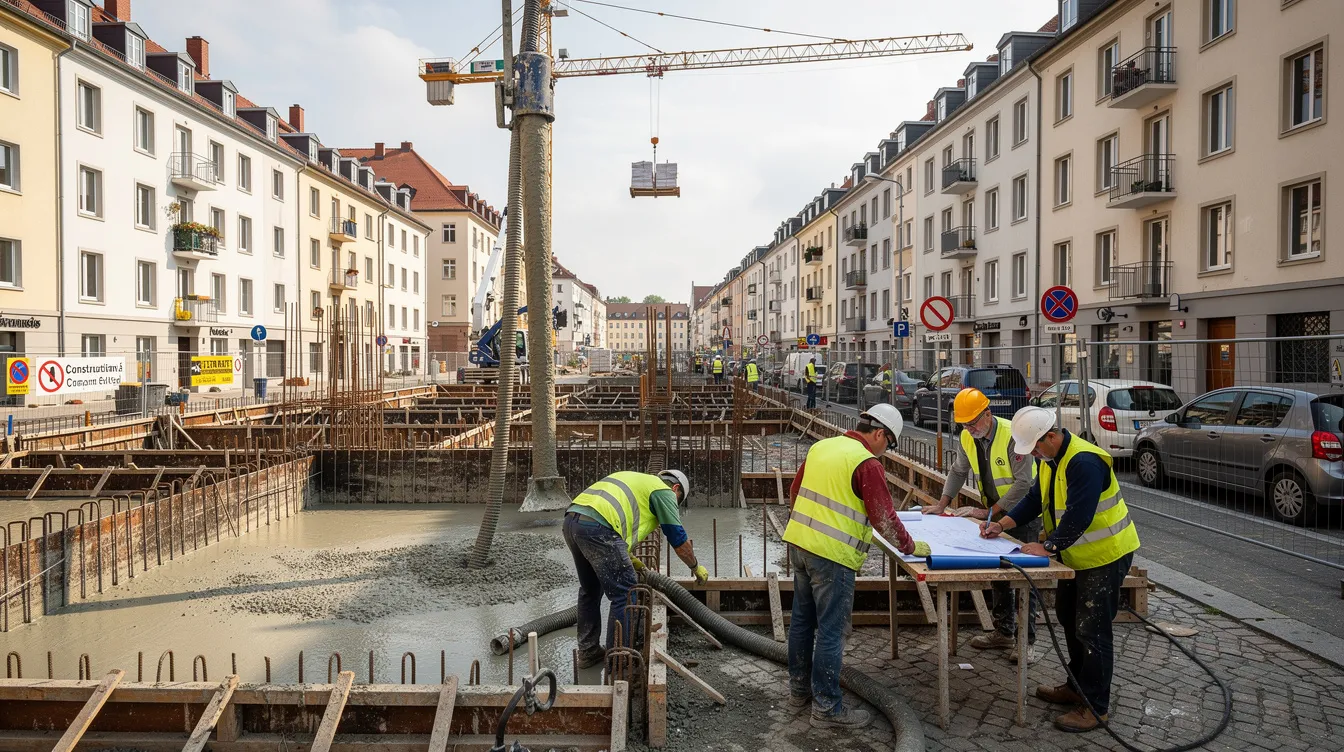
Here is a practical, chronological checklist to follow from Bangladesh to Lithuania.
Employer registers the vacancy with the Lithuanian Employment Service. The agency evaluates the job for labor market compliance.
Employer obtains the work permit - the Lithuanian Migration Department processes work permit applications and makes final decisions. A Lithuanian employer must submit a mediation letter via MIGRIS to confirm employment. Standard processing time is usually around 1 to 3 months.
Gather your documents in Bangladesh - legalize, translate, and notarize everything listed above.
Apply for the National Visa D via MIGRIS, then travel to the designated visa center (typically New Delhi, India) for biometrics and document submission.
Pay the visa application fee - the National Visa D application fee is approximately 120 to 140 EUR. Visa application processing takes approximately 15 to 30 working days.
Collect your visa and travel to Lithuania once approved.
Apply for a TRP before your D visa expires if you plan to continue working.
Watch out for scams: EU law prohibits any agency or employer from charging workers recruitment fees. Never hand your passport to an unregistered agent. Verify the employer's registration on official Lithuanian business portals. Always have contracts translated into English or Bangla before you sign. If a contact or agency asks for large upfront money, walk away.
Other realistic costs include document legalization, translation, travel to India for the appointment, your flight to Lithuania, and first-month living expenses before your salary arrives.
Understanding what you will earn, spend, and send home is essential for every Bangladeshi worker planning Lithuania work.
Salary ranges vary by sector. A driver or general construction helper may earn €1,100–€1,400 gross per month. Skilled trades like electricians or plumbers can reach €1,700–€2,300. After taxes, expect roughly 70–80% as net pay.
Monthly cost of living (single worker):
| Expense | Estimated Range |
|---|---|
| Rent (1-bedroom apartment) | €300 – €700 |
| Utilities | €80 – €150 |
| Groceries | €200 – €350 |
| Public transport | €30 – €50 |
| Internet and mobile | €20 – €40 |
| Total | €700 – €1,500 |
Sharing accommodation with colleagues can sharply reduce your rent. Settling in a smaller city like Kaunas is cheaper than Vilnius.
Integration tips: Lithuanian is the official language - learning basic phrases helps with work safety and daily life. Winters are cold and long compared to Bangladesh, so budget for warm clothing. Respect local labor rules and know your rights under Lithuanian law.
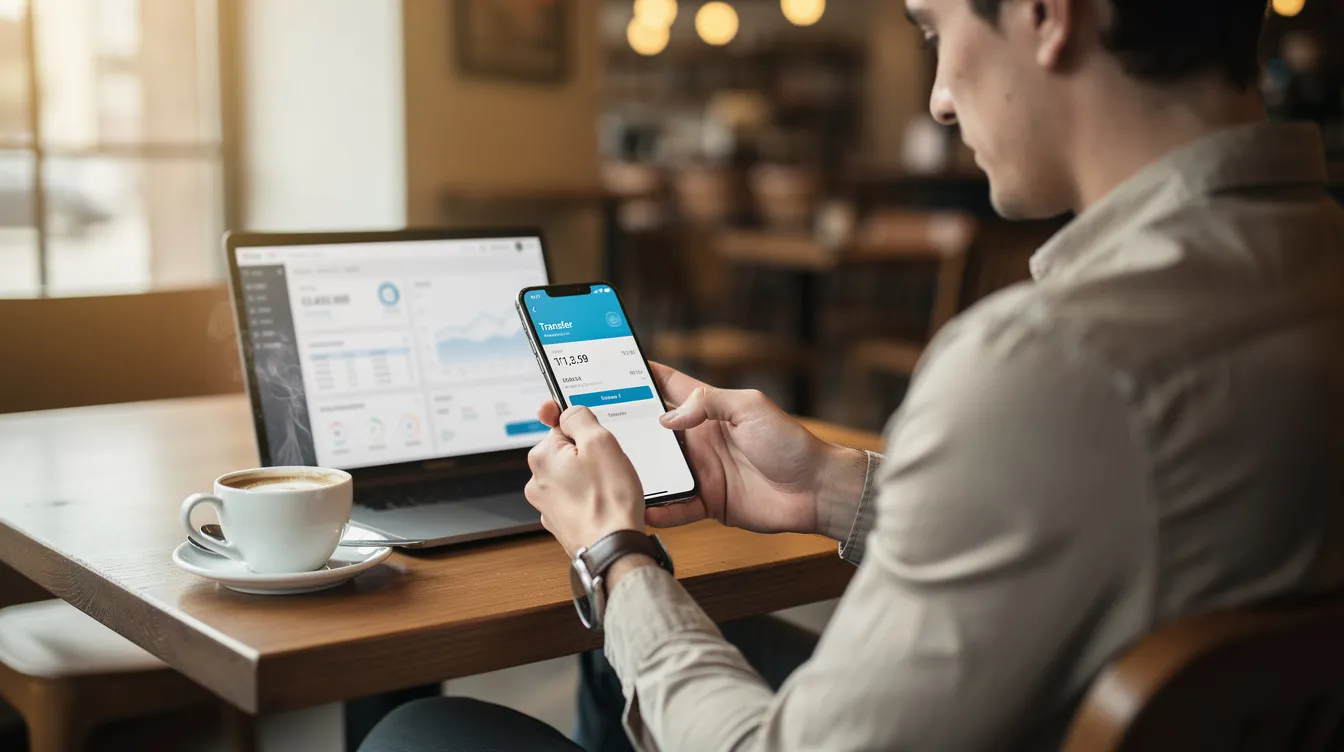
Sending money home with ACE Money Transfer:
Most Bangladeshi workers love to share their earnings with family back home. ACE Money Transfer offers a fast, regulated way to send money from Lithuania to Bangladesh. Here is the process:
Register or log in using your email, Google, or Apple ID.
Choose Bangladesh as the destination country and select a payout option - bank deposit to major banks, cash pickup at partner bank branches, or mobile wallet.
Enter accurate recipient details including bank or mobile wallet numbers.
Select a payment method: debit card, credit card, or online bank transfer.
Add a payment reason (e.g., family support) and confirm before clicking Pay Now.
Track your transaction in real time using the reference tracking number generated after payment.
Always compare exchange rates and fees before sending. Using a regulated provider like ACE keeps you compliant with both Lithuanian and Bangladeshi financial rules - and helps every euro reach home safely.
Ready to build your future in Lithuania? Start by confirming your employer's legitimacy, gathering your documents, and making your journey count.