ACE Money Transfer
ACE Money Transfer
22 Sep 2026
Nigeria's digital banking and wallet ecosystem is among the most vibrant in the world. Whether you need a place to stash your salary, pay bills, send money instantly, or run a small business from your phone, wallet banks have you covered. This guide breaks down the top 10 wallet bank options in Nigeria right now, comparing fees, features, and who each one is best for.
A wallet bank in Nigeria is any digital bank, mobile money wallet, or microfinance bank with a strong banking app that lets you store value, transfer money, and manage finances without visiting a physical branch.
Here are the top 10 wallet banks covered in this guide:
Kuda Bank
OPay
PalmPay
Moniepoint Personal
Carbon
ALAT by Wema Bank
V Bank by VFD Microfinance Bank
Paga
OneBank by Sterling Bank
FairMoney
These platforms stand out because of their low fees, strong digital financial services, extensive mobile money reach, and growing support for Nigerian businesses of all sizes.
Wallet banks are digital banks, online banks, and mobile money providers that let users store value, pay, and transfer via apps instead of traditional branches. Digital banking adoption in Nigeria has significantly increased over the past decade, and digital wallet services often outperform traditional banks in speed and uptime.
The Central Bank of Nigeria (CBN) licenses these platforms under three main categories:
Commercial bank (e.g., Sterling Bank, Wema Bank)
Microfinance bank (e.g., Kuda Bank, VFD MFB, FairMoney)
Mobile money operator (e.g., Paga, OPay, PalmPay)
How wallet banks differ from traditional banks like Access Bank or United Bank for Africa PLC:
App-first onboarding instead of branch-first
Lower fees, zero maintenance fees on many accounts, and smaller minimum balances
Faster account opening using BVN and NIN
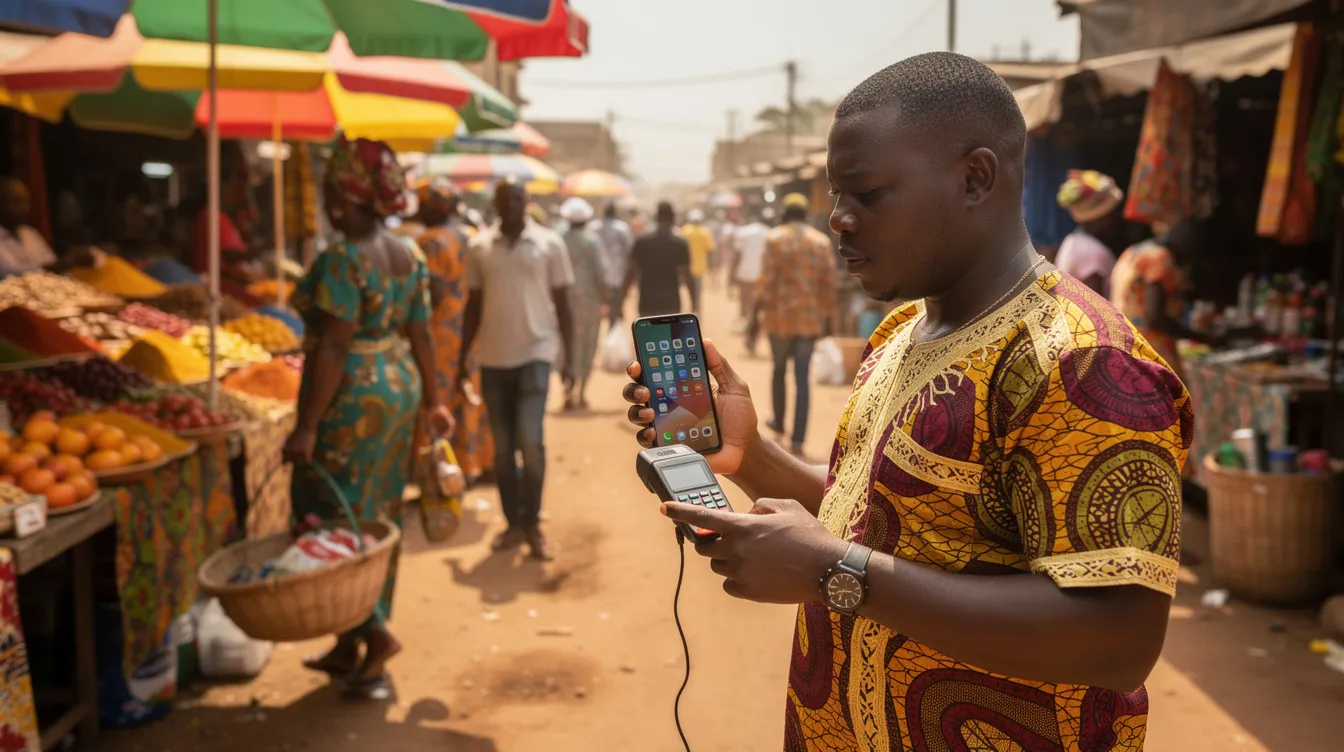
Typical use cases include airtime and data purchase, bill payments, P2P transfers, POS withdrawals, business banking for SMEs, and cross-platform transfers. Digital banking apps provide 24/7 access to financial services, making convenient access to money easier than ever. That said, wallet banks complement traditional business banking for Nigerian businesses rather than fully replacing it, especially when credit, trade finance, or corporate banking is needed.
We evaluated each platform on these criteria:
Quality of the banking app and user friendly design
Uptime, transaction success rate, and reliability during peak hours
Fees, free transfers, and FX rates
Agent network strength for cash-in and cash-out
Business banking support (POS, invoicing, payroll)
Savings and loan options, including competitive interest rates
Security factors also weighed heavily: Central Bank of Nigeria regulation, NDIC insurance where applicable, biometrics, PINs, tokenization, and fraud controls.
We considered both consumer use (salary, bills, mobile money) and SME use (POS terminals, payroll, invoicing) to reflect the full range of needs for Nigerian businesses. Platforms win customers through payroll partnerships and retail kiosks, and we looked at which wallet banks do this most effectively. Rankings reflect 2025–2026 performance, product updates, and user adoption. Digital wallet services in Nigeria often categorize strengths by personal use, business use, and rewards, and our ranking considers all three.
Kuda Bank is one of Nigeria's most popular digital banks. It operates as a microfinance bank and functions similarly to a traditional digital bank, with all services delivered through its app.
Key features include:
25 free transfers per month (additional transfers cost ?10 plus VAT)
Automatic budgeting, spending insights, and spend categorization
Virtual and physical debit cards
Savings "pockets" for goal-based saving
Salary account options
Kuda Bank has over 7 million customers due to its user experience and fee free banking model. The banking app makes it easy to buy airtime, pay bills, and send money to other banks. In late 2025, Kuda secured a National Microfinance Bank licence, expanding its ability to open customer centres across Nigeria.
For business banking, Kuda Business accounts offer invoicing, tax estimates for freelancers, and simple tools for small businesses. Kuda Bank serves over 7 million customers with fee-free banking, making it a strong choice for everyday banking.
Pros: clean banking app UX, transparent pricing, zero fee transfers within quota. Cons: limited physical branches, reliance on third-party ATMs and agent networks for cash handling.
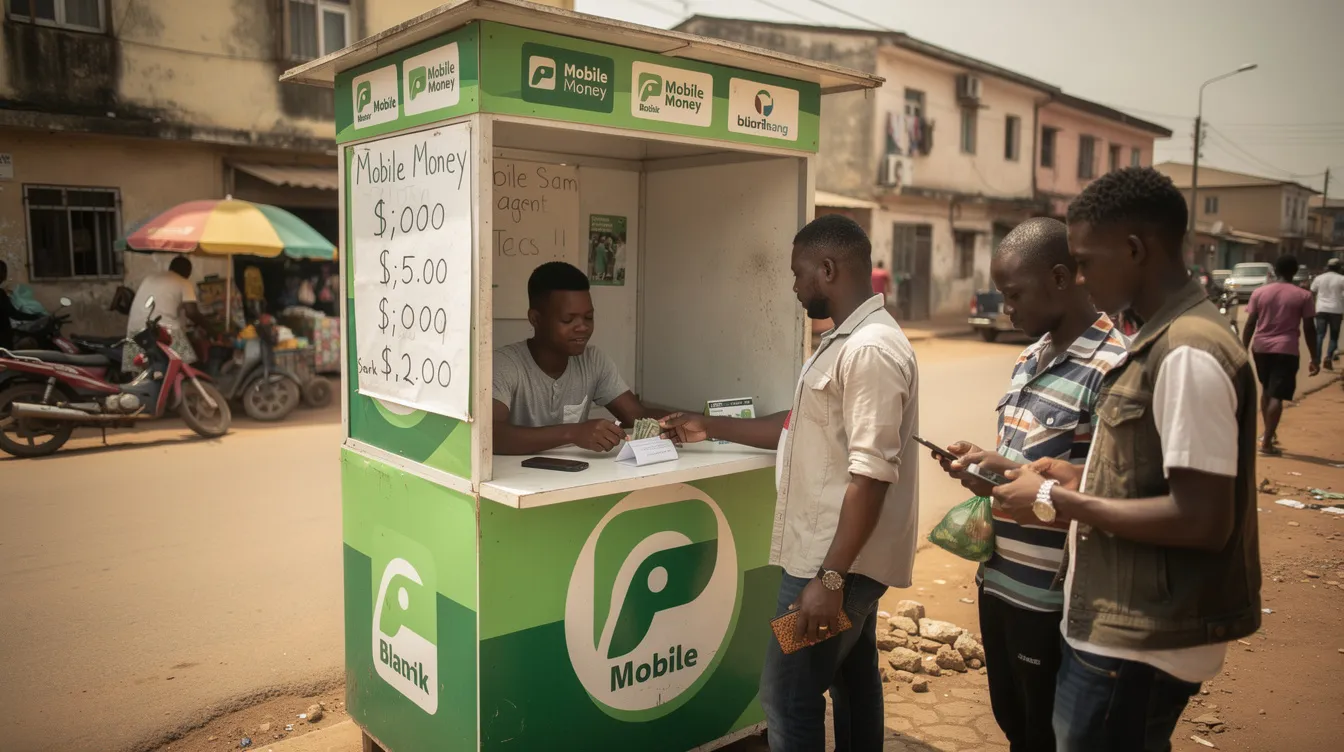
OPay is one of Nigeria's largest mobile money platforms and an alternative to online banks, known for its green branding and unmatched street-level presence. OPay serves over 50 million customers in Nigeria, making it the largest wallet bank by user base.
Wallet features include:
Instant P2P transfers with low transaction fees
Bill payments, betting deposits, and merchant payments
QR payments, savings tools, and cashback offers
USSD options for users with basic phones and limited internet access
OPay has over 1.2 million agents for financial inclusion, enabling cash-in and cash-out in markets, motor parks, and semi-urban areas. OPay is widely trusted for high uptime during peak transfer hours, which is critical for users who depend on everyday payments.
Ideal users: students, traders, transport operators, and informal Nigerian businesses needing reliable payment tools.
OPay holds a mobile money operator licence under the CBN's PSP category, and its reach is vital for financial inclusion across Nigeria.
PalmPay is a leading consumer-focused wallet bank in Nigeria with over 40 million customers. It combines strong bill payment tools with one of the most generous rewards programs in the space.
Core features:
Easy account opening via app
Airtime and data purchases with discounts
Bill payments, merchant QR payments, and debit card options
PalmPoints earned on transactions and redeemable for rewards
Referral bonuses that attract younger users and Gen Z workers
PalmPay features a fast user interface and frequent cashback rewards on spending. PalmPay offers high yield savings products and gamification features that keep users engaged. Its digital platforms lean more toward gamified user engagement and everyday micro-transactions than classic business banking.
Pros: strong customer promos, intuitive banking app, competitive interest rates on savings accounts. Cons: occasional network congestion on peak days, and users should complete KYC promptly to access higher limits.
Moniepoint evolved from agency and business banking into personal wallet accounts for individuals. Moniepoint has over 15 million customers focused on business banking and SMEs. The platform dominates POS terminals for small Nigerian businesses, and that infrastructure connects seamlessly to its personal wallet and card offering.
Features of Moniepoint Personal:
Debit card (Verve, Mastercard, Afrigo) delivered within 48 hours
Bill payments, instant transfers, salary receipt
Savings tools (target, fixed, flexible) with rates up to 16–18% per annum
High yield savings options accessible from the app
Moniepoint is known for its exceptional transaction success rates and reliable support, claiming roughly 99.9% uptime. The business banking link is seamless: users can switch between personal and business views, receive POS settlement into their wallet, and access payroll and staff account tools.
Target audience: shop owners, POS agents, salary earners who value reliable payment rails over flashy promos, and small businesses needing cash flow visibility.
Carbon is an early digital lending app that has grown into a well-rounded digital bank and wallet. It's licensed as a microfinance bank, with deposits insured by NDIC.
Key wallet banking features:
Bill payments, airtime and data top-ups
Virtual dollar card for online transactions and international shopping
Savings plans with stated annual interest rates
USSD access via *1303#
Carbon's lending features are its standout: instant short-term loans, BNPL, and credit lines based on transaction history. These are important for bridging cash flow gaps. Collateral free loans are available, starting small and growing as users build a good repayment history.
For business, Carbon provides simple tools for freelancers and micro-entrepreneurs, plus the ability to separate personal vs business spending. Pros: strong credit scoring engine, seamless app experience, ability to build a credit profile. Cons: repayment discipline is required, interest rate considerations vs legacy banks, and loan limits start small.
ALAT is widely recognised as Nigeria's first fully digital bank, launched by Wema Bank. It combines fintech-style speed with an established bank's licence and NDIC-insured deposits.
Account opening is fully remote, driven by NIN and BVN-based KYC, with no need to visit a branch for most users. Key features include:
Virtual and physical cards
Savings goals and target savings accounts
Bill payments, instant transfers, salary current accounts
Device-financing offers
ALAT works well as a wallet bank because of its strong mobile app and integration with Wema Bank's infrastructure. For Nigerian businesses and freelancers, there's a path to domiciliary accounts, payroll support, and a business banking upgrade beyond the wallet layer.
Pros: NDIC-insured deposits, access to Wema Bank's physical branches when needed, robust regulatory compliance. This hybrid of digital services and legacy banks infrastructure makes ALAT a compelling choice for personal banking and beyond.
V Bank is a popular digital bank operated by VFD Microfinance Bank, known for its slick interface and youth-oriented branding. It targets younger users who want a modern banking app without the overhead of traditional banks.
Wallet features:
Instant wallet opening with tiered KYC limits
Free or low-cost transfers and bill payments
QR and card payments
Fixed deposits and goal-based savings with occasionally higher rates than Nigerian banks for locked funds
V Bank is a handy tool for freelancers and small merchants who need clean account statements for visa applications or tender bids. The user experience is strong: high app rating, simple onboarding, dark and light modes, and in-app customer support chat. As a regulated microfinance bank under the Central Bank of Nigeria, eligible deposits carry NDIC insurance.
Paga is one of Nigeria's oldest mobile money platforms, predating many newer fintech startups. Its wallet lets users send and receive money, pay bills and utilities, buy airtime, and receive remittances through partners.
Paga's agent networks provide a strong presence in rural and peri-urban communities, vital for customers without smartphones or bank accounts. Digital platforms like Paga are essential for enabling underserved populations, small kiosks, and market traders to join the digital economy.
Digital banking elements include a smartphone app, USSD support, and integrations with bank accounts and cards for top-ups. Pros: reliability, offline flows, government partnerships for social programs. Cons: less focus on advanced business banking tools and innovative tools than newer neobanks. Paga's strength lies in reach, not flash.
OneBank is Sterling Bank's all-in-one digital banking app, acting like a wallet bank on top of a traditional institution. Key features include opening and managing free accounts, transfers, FX requests, bill payments, virtual cards, and simple investment and wealth management products.
The connection to Sterling Bank's business banking is the differentiator: SMEs can start with OneBank, then access loans, trade finance, and Sterling's interest-free "Alternative Bank" options. Benefits vs standalone wallets include the ability to walk into physical branches, higher transaction limits, and corporate current accounts.
User profiles: professionals with salary accounts and SMEs that want digital banking but also need corporate banking services. OneBank positions Sterling among leading digital banks while leveraging its long-standing reputation and regulatory compliance.
FairMoney evolved from a nano-loan app into a licensed microfinance bank offering full wallet banking. According to the Brands.Ng Fintech Trust Index for Q2 2026, FairMoney scored approximately 7.03 out of 10, the highest among evaluated wallet banks.
Wallet capabilities include free transfers within certain limits, bill payments, airtime purchase, simple savings products, and debit cards. Its lending edge is fast credit decisions using mobile data and transaction history, with loans available to salary earners, students, and micro-entrepreneurs.
Use cases for Nigerian businesses: small shop owners accessing working-capital loans, paying suppliers, and settling staff directly from the FairMoney wallet. Pros: transparent account fees, quick onboarding, integration of credit and payments in one app. Cons: interest levels can be steep, and strict penalties apply for late repayments. FairMoney is regulated as a microfinance bank with adherence to CBN digital banking and consumer-protection rules.

Before choosing a wallet bank, here is what matters most:
Transfer fees and free transfer quotas
Bill payment coverage (electricity discos, schools, government services)
Card availability (virtual dollar card, physical debit cards) and daily transaction limits
Security features: biometric login, transaction PIN, device binding, in-app card controls, alerts for all transactions
Business banking tools: POS access (Moniepoint, OPay), invoicing (Kuda Business), bulk payments and payroll (Moniepoint Business, Carbon), merchant QR collections
Customer support channels: in-app chat, phone support, social media responsiveness, and physical touchpoints or partner agents
Most reliable digital wallet and banking services in Nigeria include OPay, PalmPay, Kuda Bank, and Moniepoint. Align these features with your priorities, whether that is pure mobile money, deeper business accounts, a savings focus, or lending access.
Your ideal wallet bank depends on how you use money day to day:
Choose OPay, PalmPay, or Paga if you prioritize agents and cash-heavy mobile money; choose Kuda, V Bank, or Carbon if you want a sleek digital banking app; choose ALAT or OneBank if you want wallet convenience plus a traditional bank backbone.
Nigerian businesses and freelancers should consider Moniepoint and Kuda Business for integrated POS, business banking, and digital banking tools.
Compare fees and limits carefully, including ATM withdrawal charges, SMS alerts (if any), and FX or card usage charges for online transactions.
Consider keeping one primary wallet bank for salary and bills, and one backup app for promos or redundancy during downtime. Many experienced users maintain a split setup using fintech wallets and traditional bank accounts for exactly this reason.
Key takeaways: the best wallet bank is not necessarily the one with the most users but the one whose fees, features, and reach match your personal or business needs. Start by downloading your top two picks, compare onboarding, and settle on the one that fits your daily workflow.
Wallet banks and digital banks are safe when regulated by the Bank of Nigeria CBN and used with good security hygiene. Digital wallets in Nigeria are regulated by the Central Bank of Nigeria across different licence types:
Microfinance bank licences: Kuda, VFD MFB, FairMoney, Carbon
Commercial bank licences: Wema Bank (ALAT), Sterling Bank (OneBank)
Mobile money and payment service provider licences: OPay, Paga, PalmPay
NDIC deposit insurance typically covers deposits held with licensed microfinance and commercial banks, adding a layer of safety.
User safety tips:
Use strong, unique PINs and passwords; enable biometrics
Avoid public Wi-Fi for transactions; never share OTPs
Verify agents before handing over cash
Watch for common fraud types: SIM swap scams, phishing links, and fake "support" calls. Fraud targeting new customers is a growing challenge for digital banks.
Infrastructure reliability issues can occasionally disrupt banking operations in Nigeria, and KYC compliance is sometimes hindered by incomplete national ID coverage. Review your transaction history regularly in the banking app and report suspicious activity through official channels.
Wallet banks and digital banks are reshaping payments, savings, and business banking through 2026 and beyond. For context, GoTyme Bank became Africa's first profitable digital bank in December 2023, signalling that the model can work at scale.
Key trends to watch:
Tighter CBN oversight of mobile money and agent networks, with recent circulars mandating data localisation and ultimate beneficial ownership disclosure
More interoperability between banks and wallets, though interoperability limits currently hinder seamless transactions between platforms
Rising role of QR and contactless payments across digital platforms
Growing support for Nigerian businesses: embedded business banking in wallets, cross-border collections, and better tools for taxes and regulatory compliance
Potential consolidation as traditional banks partner with or acquire fintech startups, creating more hybrid models like OneBank and ALAT
Customer acquisition costs in Nigeria are significantly high, and regulatory fragmentation complicates operations for platforms expanding across African countries. Still, the trajectory is clear. Choosing the right wallet bank can give Nigerians and Nigerian businesses cheaper, safer, and more flexible digital financial services than ever before. The best time to find your fit is now.