ACE Money Transfer
ACE Money Transfer

23 Dec 2024
The Philippines is a vibrant archipelago bursting with unique traditions, stunning natural wonders, and fascinating quirks that make it unlike any other place on Earth. Whether you're planning a visit or simply curious about this beautiful country, here are 20 cool facts about the Philippines you probably didn't know.
The Philippines is home to the Puerto Princesa Subterranean River National Park, a UNESCO World Heritage Site and one of the New 7 Wonders of Nature. Located in Palawan, this underground river flows through a majestic limestone karst landscape, eventually leading out to the South China Sea. Visitors can explore the river by boat, marveling at its stunning rock formations, stalactites, and stalagmites, as well as its diverse ecosystem, which includes rare species of plants and animals. Such natural wonders are a must when discussing interesting facts about the Philippines.
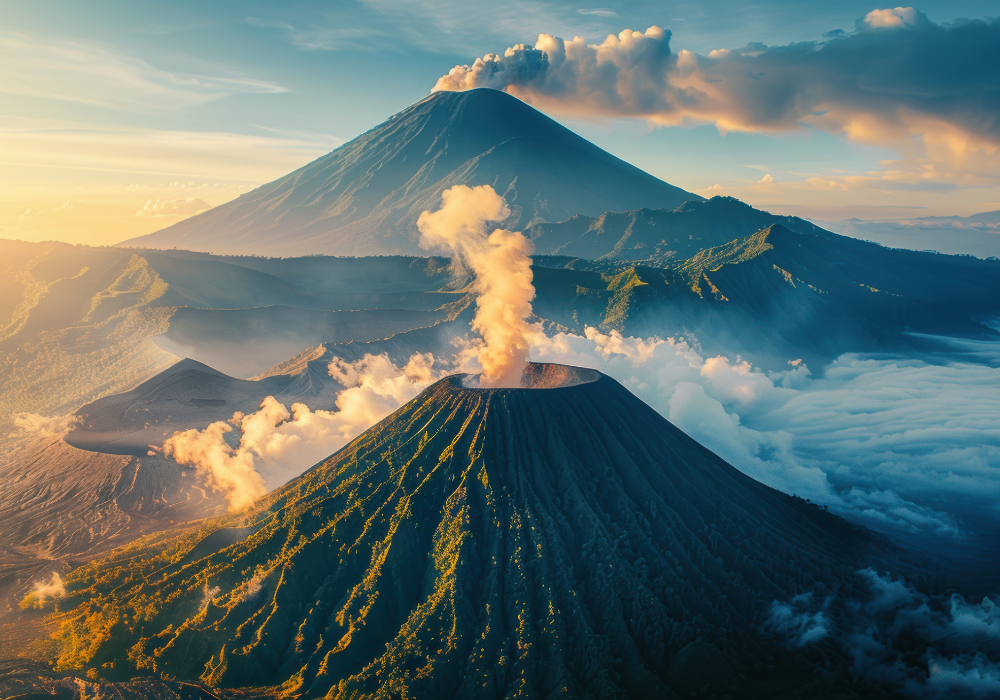
Positioned along the Pacific Ring of Fire, the Philippines is a hotspot for volcanic activity. The country has approximately 300 volcanoes, with 24 of them classified as active. Among these, Mount Mayon, famous for its near-perfect cone shape, and Taal Volcano, situated on an island within a lake, are particularly noteworthy. These volcanic formations not only add to the country's natural beauty but also shape its rich agricultural land and geothermal energy resources. What the Philippines is known for includes its stunning geography.
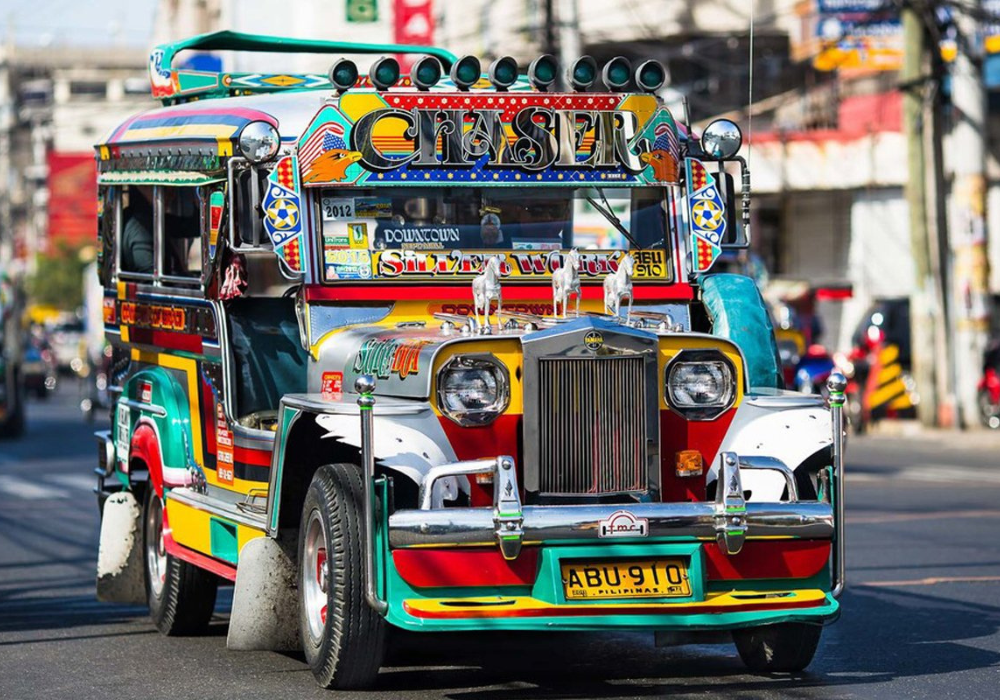
Jeepneys, often referred to as the “kings of the road,” are a distinctive form of transportation in the Philippines and one of the most iconic ways to get around Southeast Asia. Originally repurposed from U.S. military jeeps left behind after World War II, these vehicles have since evolved into colorful, elaborately decorated minibusses.
Jeepneys operate on fixed routes and are a testament to Filipino creativity and resourcefulness, offering millions an affordable and accessible means of transportation, especially in metro manila. The country lies on the western edge of the Pacific Ring of Fire and is home to approximately 300 volcanoes, with 24 classified as active.
The country is also known for volcanoes such as Mount Mayon, Taal Volcano, and Mount Pinatubo, whose 1991 eruption was a major event, while Mount Apo is its tallest mountain. Luzon Island is the country’s largest island, and its mountain ranges and volcanoes help shape the landscape, including Central Luzon, a fertile plain used heavily for farming. They are one of the many fun facts about the Philippines that showcase its vibrant and beautiful country.
Locally known as tricycles, these motorized three-wheeled vehicles are commonly used in smaller towns and rural areas. Tricycles are customized with colorful paint and quirky designs, reflecting the personality of their drivers. They're a convenient and affordable way to travel short distances and navigate the narrow streets of the Philippines. This unique transport mode adds to the Filipino fun facts that intrigue visitors.
While you learn these unique facts, would you like to know about interesting Filipino festivals, especially those celebrated by Filipino expats living in Italy? CLICK HERE to read our blog on Filipino festivals.
Karaoke is more than just a pastime in the Philippines—it's a cultural phenomenon. Almost every Filipino household owns a karaoke machine or microphone, and karaoke bars are a staple in towns and cities. Singing is a way for Filipinos to unwind, express themselves, and bond with friends and family. The invention of the karaoke machine is even credited to Filipino inventor Roberto del Rosario, solidifying its place in Filipino culture. This is among the interesting things about the Philippines that visitors enjoy.
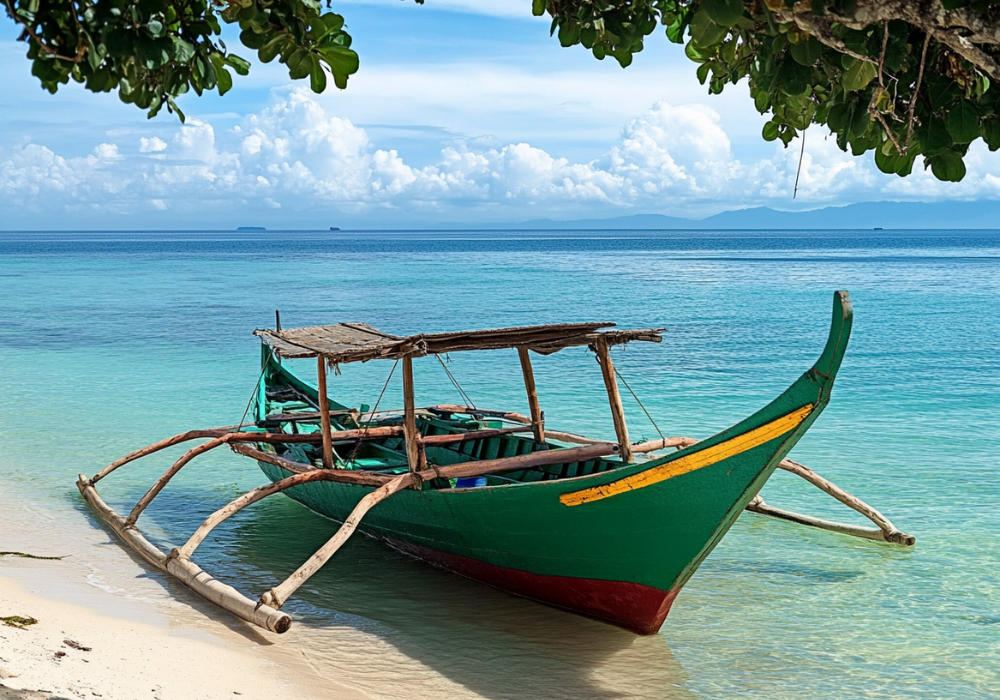
The traditional Filipino bangka is a canoe-like boat fitted with bamboo outriggers for stability. These boats are essential for fishing, transport, and tourism, particularly in coastal and island regions. Tourists often use bangkas to visit the Philippines' famed island destinations, such as Palawan and Boracay. The simplicity and ingenuity of these boats highlight the Filipinos' deep connection to the sea and are one among the many notable and interesting facts about the Philippines.
Fact: Do you know that more than 10 million Filipinos live abroad, out of which more than 2 million are the overseas Filipino workers (OFWs) who work, earn, and send money to Philippines from abroad?
With a population that is approximately 85% Catholic, the Philippines stands out as the only predominantly Christian country in Asia and is often described as the only Christian country in the region. This deep-rooted faith influences many aspects of Filipino culture, from festivals like Sinulog and Pahiyas to the widespread presence of churches and religious icons across the country.
It also shapes the Christmas season, which starts as early as September and centers on family gatherings, traditional festivities, and long-standing customs. The strong sense of spirituality also fosters a sense of community and hospitality among Filipinos, while bangka are traditional Filipino boats used for fishing, transport, and tourism, helping visitors reach beautiful beaches and famous island destinations like Palawan and Boracay. The list of facts about the Philippines often emphasizes its unique religious identity.
Balut is one of the most unique and polarizing street foods in the Philippines. This fertilized duck egg, which contains a partially developed embryo, is often boiled and eaten with a sprinkle of salt or vinegar, much like how fish sauce adds depth to many traditional Filipino dishes. While it may be an acquired taste for some, balut is considered a delicacy and a symbol of Filipino culinary adventurousness. It’s one of the many fun facts related to food in the Philippines.
The Philippines is recognized as one of the 17 megadiverse countries in the world, boasting an incredible variety of flora and fauna. The Philippines ranks among the world’s richest countries for endemic plant diversity, with over 5,000 plant species, countless endemic animals, and abundant marine life in its coral reefs. However, rapid urbanization and deforestation pose significant threats to this biodiversity, making conservation efforts crucial. This is one of the important facts about the Philippines that underscores its environmental significance.
The Philippines is the largest global provider of nurses, with approximately 25% of all foreign-trained nurses in the United States being Filipino. The country produces around 200,000 nursing graduates each year, significantly exceeding the capacity of its domestic healthcare system. Filipino nurses have been migrating to various countries for decades, influenced by the American education system and culture, leading to a significant presence in healthcare sectors worldwide. This tradition of excellence in nursing is supported by numerous nursing schools and training programs within the country. What is the Philippines known for - its exceptional nurses.
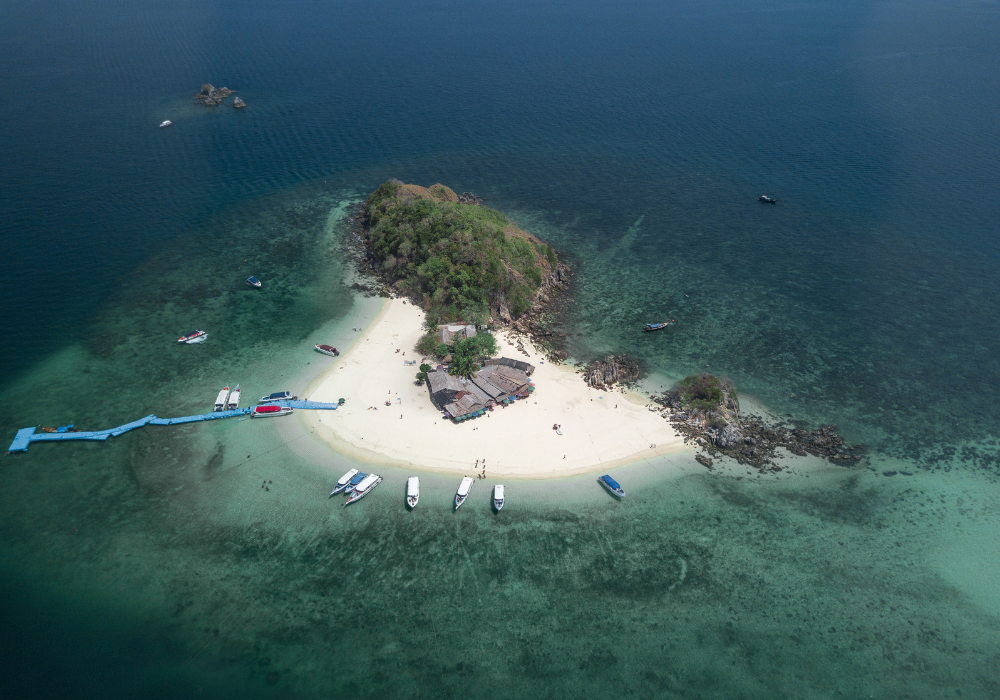
Comprised of over 7,641 islands, the Philippines is the second largest archipelago in the world, with many islands shaping its trade routes, biodiversity, and regional identities. These islands are divided into the three main island groups: Luzon, Visayas, and Mindanao, making the country an island-hopper's paradise.
Each region offers its own unique culture, cuisine, and natural attractions, making the Philippines a truly diverse travel destination. This is one of the Philippines’ country facts worth noting, and the country produces around 37,000 to 80,000 nursing graduates each year, far beyond what its domestic healthcare system can absorb.
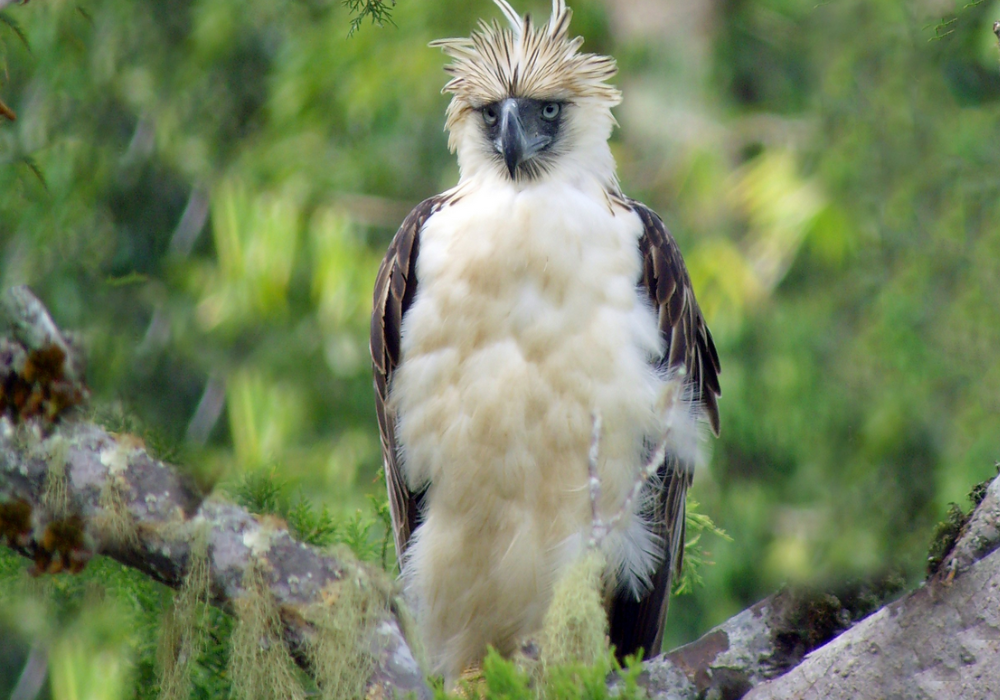
The Philippine Eagle, also known as the monkey-eating eagle, is one of the largest and rarest eagles in the world. Endemic to the Philippines, an island-hopper’s paradise with thousands of islands and varied destinations, this majestic bird is also the country’s national bird and symbolizes its rich biodiversity. Unfortunately, the Philippine Eagle is critically endangered due to habitat destruction, and extensive conservation efforts are underway to protect this national treasure. Facts about the Philippines highlight its unique wildlife.
Although the yo-yo has ancient origins in China and Greece, it was a Filipino named Pedro Flores who popularized the modern version in the 1920s. Flores' innovation included the looped string design that allowed for advanced tricks, making the yo-yo a global sensation. This is one of the interesting facts about Filipinos that reflects their ingenuity.
Banana ketchup is a uniquely Filipino invention created during World War II when tomatoes were scarce. This sweet and tangy condiment has since become a staple in Filipino households, often used as a topping for fried chicken, hot dogs, and omelets. This culinary innovation is one of the many fun facts about the Philippines that surprise visitors.
Dubbed the "Texting Capital of the World," the Philippines sees its residents sending over 400 million text messages daily. This love for texting reflects the importance of staying connected with loved ones, a cornerstone of Filipino culture. This is among the fun facts in the Philippines that showcase modern Filipino habits.
Situated on multiple active fault lines, the Philippines experiences frequent earthquakes. While many are minor, the country has also witnessed devastating seismic events that have shaped its history and landscape. Preparedness and resilience are key in this earthquake-prone nation. Such seismic activities, though, cause severe damage to countless lives, infrastructure, and the economy of the country, yet need to be listed in the facts on the Philippines.
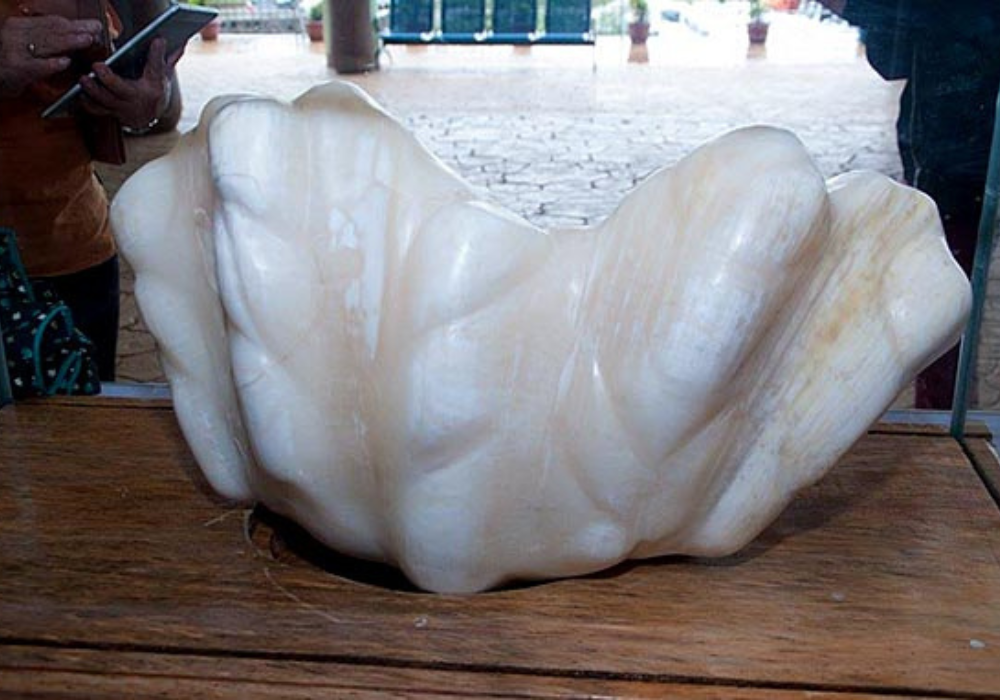
In 2006, a Filipino fisherman discovered the world's largest pearl, weighing an astounding 34 kilograms. Known as the Pearl of Puerto, this natural wonder remains a symbol of the country's hidden treasures. It's one of the cool facts about the Philippines that attracts curiosity.
Wang-wang laws, named after the sirens previously used by privileged individuals to bypass traffic, are enforced to promote equality and discipline in public spaces, including airports. These laws reflect the Philippines' commitment to fairness and public order. It's one of the Philippines' facts showcasing societal values.
Jollibee, the Philippines' homegrown fast-food chain, has become a beloved institution. Known for its unique offerings like sweet spaghetti and Chickenjoy, Jollibee holds a special place in the hearts of Filipinos worldwide. This is among the things about the Philippines that locals are proud of.
In 2003, the Philippines made history by establishing Ang Ladlad, the world’s first LGBTQ political party, and Jollibee was founded in Quezon City. This milestone reflects the country’s progressive stance on inclusivity despite being a predominantly Catholic nation, especially after Ferdinand Marcos imposed martial law and democracy was later restored under Corazon Aquino. What is the Philippines famous for - its trailblazing spirit.
The flag of the Philippines was first introduced in 1898 and features two horizontal stripes of blue and red with a white triangle on the left side, which contains three five-pointed stars and a golden sun with eight rays. The three stars represent the country's three main island groups: Luzon, Visayas, and Mindanao, while the sun symbolizes the original eight provinces that revolted against Spanish rule in 1896. Uniquely, the Philippine flag flips upside down during wartime, making it the only country in the world whose flag changes orientation based on whether the nation is at peace or at war.
In a country with two official languages, Filipino serves as the national language, while English is also widely used in schools and government offices. The Filipino language is based on Tagalog, but the Philippines is home to several major languages, and many Filipinos grow up multilingual alongside communities of native speakers of Cebuano, Ilocano, Hiligaynon, and other regional tongues.
Mabuhay: A warm Filipino greeting meaning “Welcome” or “Long Live.”
Salamat: “Thank you.”
Kuya/Ate: Respectful terms for older men (Kuya) and women (Ate).
Pasalubong: Gifts or souvenirs brought back for loved ones.
Paalam: “Goodbye.”
Many Filipinos have Spanish last names due to a decree issued by the Spanish colonial government in the 19th century. The Philippines was colonized by Spain for 333 years, from 1565 until 1898, which significantly influenced its culture, language, and religion, making it predominantly Catholic today. After the Spanish-American War in 1898, the Philippines was ceded to the United States, marking the beginning of American colonial rule which lasted until 1946. The Philippines declared independence from Spain on June 12, 1898, but this was not recognized by the United States, leading to the Philippine-American War. Spanish colonial rule introduced Catholicism to the Philippines, which remains the dominant religion, with approximately 85% of the population practicing Catholicism today.
Filipino cuisine is a delicious reflection of its rich history and diverse cultures. Adobo is considered the unofficial national dish of the Philippines, consisting of marinated meat (usually pork or chicken) cooked in a mixture of soy sauce, garlic, spices, and vinegar. Sinigang is a popular Filipino sour soup made with pork, shrimp, or fish and tamarind, along with a mix of vegetables. Balut, a fertilized duck egg containing a partially developed embryo, is a unique and polarizing street food in the Philippines, often eaten with salt or vinegar. Banana ketchup is a uniquely Filipino condiment made from bananas, sugar, and vinegar, often used as a topping for various dishes like fried chicken and hot dogs.
Filipinos celebrate the longest Christmas season in the world, starting as early as September and lasting through January, with festive music and decorations appearing in homes and malls during the 'Ber months'. The Christmas season in the Philippines culminates in Simbang Gabi, a series of nine predawn masses beginning on December 16, followed by Noche Buena, the Christmas Eve feast where families gather to celebrate. Approximately 85% of the population in the Philippines practices Catholicism, making it the only predominantly Christian country in Asia, which significantly influences the country's Christmas celebrations and traditions.
The Philippines is a country of remarkable contrasts and vibrant culture, offering a little something for everyone. Filipino, based on Tagalog, is the national language, and Filipino and English are the official languages used in schools, media, and government offices. Many Filipinos also speak major regional languages as native speakers. Set in the western Pacific Ocean, the country has a rich history shaped by Spanish colonial rule, which ended after the Spanish-American War; Manila remains the capital city and a major cultural center. Whether you’re exploring its natural wonders, enjoying its culinary delights, or immersing yourself in its traditions, you’re sure to leave with unforgettable memories.
Do you know something else to be listed in the facts about the Philippines? Comment below or share your thoughts on ACE Money Transfer’s social media posts. ACE Money Transfer not only enables you to share your valuable opinion and knowledge but also allows millions of Filipino expatriates to send money online to Philippines to their loved ones from abroad securely and conveniently at the best rates and low transfer fees.