25 Jul 2024
Discovering a lost check, a missing check, or a lost or stolen check can send your stress levels through the roof. The good news is that in most cases, the situation is entirely fixable if you act immediately. Whether the check slipped out of an envelope, vanished from your mailbox, or was taken by someone with bad intentions, the steps below will walk you through exactly how to protect your money, your bank account, and your identity.
If you haven't already, stop reading this and call your bank immediately. Decisive action in the first few hours is what separates a minor hassle from a serious financial problem. Once you've made that call, come back and follow the rest of this guide.
Here are the emergency steps in order:
Contact your bank and let them know the check is lost or stolen.
Request a stop payment on that specific check so it cannot be cashed or deposited.
Notify the other party (the person who wrote you the check, or the person you wrote it to) so they know what happened.
Monitor your bank account and online banking for any suspicious activity over the following weeks.
Timing is everything. Checks can clear in as little as 24 hours, especially when processed digitally through mobile deposit. If the check has already cleared, a stop payment order won't work, and you'll need to pursue other remedies such as fraud investigation or working directly with the recipient. Acting quickly helps reduce the risk of check fraud and keeps your options open.

A lost check is more than just a minor inconvenience. Every physical check you write or receive is essentially a document loaded with sensitive financial details, and losing one means those details are now exposed.
A standard personal check typically includes your full name, your address, your bank account number, and your bank's routing number. That's more than enough for a criminal to cause damage. Lost checks expose sensitive account details to criminals, and the risk compounds the longer the check is unaccounted for.
Here are the specific dangers:
Unauthorized cashing - someone finds or steals the check and deposits it before you notice.
Check washing - criminals use chemicals to erase the payee name and amount, then rewrite both to benefit themselves.
Counterfeit checks - your account and routing numbers get copied to produce fake checks drawn on your account.
Identity theft - identity theft risks increase after a check is stolen, since thieves can combine your check data with other personal information to open fraudulent accounts or take out loans.
Consider this scenario: you mail a $1,200 rent check in March 2026, but it never arrives. Without a stop payment request, someone could intercept that envelope, alter the check, and cash it. Meanwhile, they've also captured your account number for future fraud.
Business checks pose additional risk because they often draw on larger balances, and a single fraudulent transaction can disrupt cash flow for weeks.
Your next step depends on a simple question: did you write the check, or was it written to you?
You wrote the check. As the person who issued the check from your own bank account, you have the authority to contact your bank and place a stop payment order. After that, you'll need to arrange a replacement payment for the payee, whether that's a new check, a bank transfer, or another method. If you lost a check, notify the issuer to ask for a replacement only applies when someone else wrote it. In your case, you are the issuer, and the burden falls on you. If multiple blank checks are lost - say, an entire checkbook goes missing - consider closing the account entirely and opening a new one to eliminate ongoing risk.
You received the check. If the check was made out to you but you lost it before you endorsed it, you generally cannot place the stop payment yourself. Only the person who wrote it (the payer) can do that. Contact them right away and ask them to cancel the original and reissue. Voiding a check makes it unusable for cashing or depositing, and you can void a check that hasn't been cashed yet, but that power belongs to the drawer of the check.
For cashier's checks, money orders, or certified checks, the process is different. Financial institutions handle these instruments through separate refund procedures, often requiring indemnity agreements or waiting periods.
Both payer and payee should communicate quickly so no one assumes a late payment is intentional or a missing check is being ignored.
Contacting your bank immediately is the single most important immediate action you can take when dealing with a lost or stolen check. Every hour you wait is an hour the check could be presented and processed.
A stop payment order is simply a formal instruction from you to the bank telling them not to honor a specific check. When someone tries to cash or deposit that check, the bank flags it and refuses the transaction. Think of it as a kill switch for one particular payment.
Most banks offer several ways to submit a stop payment request:
Phone - call the customer service number on the back of your debit card
Online banking - log in and look for "stop payment" under account services
Mobile app - many apps now have built-in stop payment features
In-branch visit - speak to a teller or account manager directly
Stop payment requests can be submitted online or by phone at most banks, making immediate action easier than ever. However, be aware that some banks treat a phone request as temporary. Under the Uniform Commercial Code, an oral stop payment order that isn't confirmed in writing lapses after 14 calendar days. Follow up with written confirmation to keep your stop payment active.
Before hanging up, ask the bank to review your bank statement and verify whether the check has already cleared. If it has, the stop payment won't help and you'll need to explore other options.
Accuracy matters. If you provide the wrong details, the bank may fail to block the correct check, or worse, stop a different one by mistake. Have the following ready before you call:
Bank account number
Check number
Payee name (who the check was written to)
Date the check was written
Exact amount of the check (or a maximum estimate if unsure)
Any memo line notes
You need the check number, amount, and payee name to stop payment effectively. If the exact amount is unknown, most banks will accept a stop payment using a range or "up to" figure, but this is less precise and could leave you exposed.
Tip: Get in the habit of photographing or scanning each check you write - front and back - before mailing or handing it over. If a check goes missing, you'll have every detail at your fingertips.
Businesses should pull up the relevant records in their accounting or accounts-payable system before calling the bank. Incomplete or conflicting information - a wrong check number, misspelled payee name, or incorrect date - can cause the stop payment to fail entirely.
Stop payments are not free, and the protection they provide has an expiration date. Understanding both will help you manage your finances and avoid surprises.
Fees: Most banks charge a fee of $30 or more for stop payments on personal checks. The range across U.S. financial institutions generally falls between $15 and $35, depending on your bank, your account type, and whether you submit the request online or in person. Some premium or relationship checking accounts may discount or waive stop payment fees entirely.
Duration: Stop payment requests typically last for six months. After that window closes, the order expires and the check could theoretically be cashed if it surfaces. A stop payment order may expire after a certain period, so don't assume it lasts forever.
Renewal: Most banks allow you to renew the stop payment for an additional six months, but renewal of stop payment may incur additional fees - often the same amount you paid initially.
Is the fee worth it? Think about it in terms of cost and benefit. If you lost a $1,200 rent check in April 2026 and your bank charges a $30 stop payment fee, that's roughly 2.5% of the money at risk. For large checks - rent, payroll, tax refunds - the fee is almost always worth paying to protect your balance. For a $25 utility check, the math is less clear, and you might decide to simply monitor your account and issue a replacement instead.
There's a meaningful difference between a check that slipped behind your car seat and one that was swiped from your mailbox. When you suspect a stolen check, a stop payment alone isn't enough. You need to treat the situation as potential criminal activity and take additional steps to protect yourself.
File a police report. Contact your local law enforcement department and provide the date, check number, approximate amount, and any evidence of theft - such as a broken mailbox lock or signs of a break-in. Filing a police report strengthens your case against fraud and creates an official record you can reference later with your bank or insurance company.
Report mail theft. If the check was stolen from the mail or was being delivered through the postal service, report the incident to the U.S. Postal Inspection Service. Mail theft is a federal crime, and postal inspectors have the authority to investigate.
Protect your identity. A stolen check hands criminals your name, address, and account number - sometimes enough to open fraudulent accounts or apply for loans. Place a fraud alert or credit freeze with the major credit bureaus (Equifax, TransUnion, and Experian). Monitoring credit reports is essential after losing a check, as unauthorized inquiries or new accounts could appear weeks or months later. The FTC's IdentityTheft.gov site can help you build a recovery plan.
Document everything. Keep copies of your police report, all bank communications, account statements showing normal activity, and records of any disputed transactions. This paper trail is crucial if you need to file an insurance claim or pursue legal action down the road.
Placing a stop payment doesn't mean you can relax and forget about it. Ongoing vigilance is essential, especially if you suspect theft.
Monitor your account closely for unauthorized transactions after losing a check. Review your checking account daily - or at least several times a week - through online banking or your mobile app for at least one to two billing cycles after the incident. Look for anything you don't recognize: checks you didn't write, unfamiliar payees, unexpected withdrawals, or pending items that seem off.
Set up account alerts to make this easier. Most banks let you enable notifications by email, text, or app push for:
Transactions over a specific dollar amount
Any check payments processed
Electronic debits or ACH transfers
Small "test" withdrawals are a common tactic - criminals sometimes run a minor transaction to confirm the account is valid before attempting a larger one. If you spot any suspicious activity, contact your bank's fraud department right away and reference your earlier stop payment request and police report if you filed one.
Catching fraudulent transactions quickly improves your chances of reimbursement and limits the overall financial damage. The longer you wait to report, the harder it becomes for your bank to recover the funds.
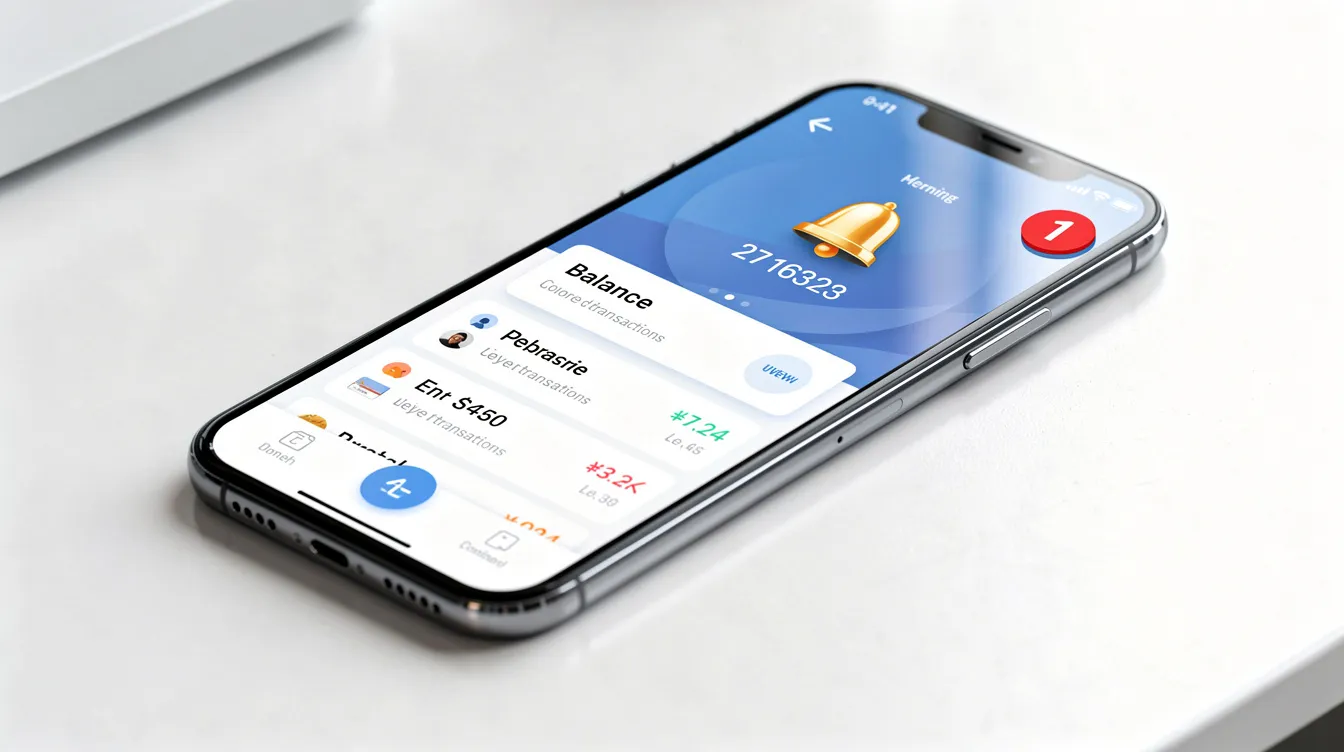
Once you've secured your account, you still need to handle the original purpose of the check - paying someone or getting paid. Clear communication and trust between payer and payee can prevent misunderstandings and keep the relationship intact.
If you wrote the check: Contact the payee - your landlord, supplier, or whoever was supposed to receive the funds - and explain that the check is missing. Let them know you've placed a stop payment and will issue a replacement once the bank has confirmed the order. You might say something like: "Hi, I'm calling about the check I sent on [date] for [amount]. It hasn't arrived, and I've placed a stop payment with my bank. I'd like to send a replacement - would you prefer a new check, or can I pay via electronic transfer?"
Request payment via electronic transfer for safer delivery when possible. Wire transfers provide speed and traceable records for payments, and online money transfers can enhance security compared to checks.
If you received the check: Contact the issuer as soon as possible and let them know the check never arrived or was lost. Ask them to submit a stop payment request and confirm the timeline for a replacement.
Businesses may need written confirmation from you stating that you never received or cashed the original check before they'll issue a new one. This protects them against duplicate payment requests.
Don't overlook timing. If the missing check was for rent, an invoice, or another obligation with a due date, ask the other party whether late fees can be waived under the circumstances. Most people and businesses are understanding when you communicate promptly and honestly.
Not all checks follow the same rules as standard personal checks. If you're dealing with a government payment, a paycheck, or a bank-issued instrument, the process for replacement looks different.
Government checks (tax refunds, Social Security payments, veterans' benefits): Contact the issuing agency directly. For federal checks, you may need to work with the Bureau of Fiscal Service to initiate a trace. The agency will investigate and, once they confirm the original wasn't cashed, will reissue. This can take several weeks, so don't wait to file.
Paper paychecks: If you lost your paycheck before you could deposit it, inform your employer's HR or payroll department immediately. They'll place a stop payment on the original and either cut a new check or set up direct deposit going forward. Your employer may ask you to sign an affidavit confirming you didn't cash the original.
Cashier's checks: Cashier's checks are bank-backed and reduce fraud risk for the payee, but replacing a lost one is more involved. Because the bank's own funds are committed, most banks require an indemnity agreement and impose a waiting period - commonly 30 to 90 days - before issuing a refund or replacement. You'll need your proof of purchase and original receipt.
Certified checks: Certified checks lock funds in place for secure transactions by having the bank verify and set aside the money when the check is issued. Losing one triggers a similar process to cashier's checks, often with separate fees and documentation requirements.
Keep all purchase receipts and related records in a secure place until the check is confirmed as cashed or deposited.
Prevention is always easier and cheaper than dealing with stop payments, fraud investigations, and replacement hassles after the fact. Using safer payment methods reduces exposure to fraud, and a few simple habits can dramatically lower your risk.
Reduce your reliance on paper checks. Whenever possible, use online bill pay, ACH transfers, or direct deposit. These electronic options are built into most bank accounts, and they eliminate the physical risk entirely.
Treat your checkbook like cash. Store it in a locked drawer or safe at home. Never leave it in your car, glovebox, or purse where it could be stolen. If you only need one or two checks, carry just those - not the entire book.
Mail checks more securely. Use indoor mail slots at the post office rather than curbside mailboxes. Drop outgoing mail early in the day instead of leaving it overnight. For high-value payments, consider certified or trackable mail.
Keep better records. Maintain a check register, photograph or scan each check before sending it, and reconcile your account statements monthly. Noting which check numbers you've used helps you spot a missing check before it becomes a problem.
Order checks in smaller batches. If a full box of several checks is misplaced or stolen, you've limited the damage. When you close or change accounts, shred all old, unused checks to keep your assets and account details safe.
The goal is simple: fewer paper checks in circulation means fewer opportunities for things to go wrong in the future.
Here are quick answers to the most common questions that come up when people lose a check or need to manage a stop payment.
Can a check with a stop payment on it still be cashed or deposited? If you placed a valid stop payment order before the check was presented to the bank, it should be refused when someone tries to cash or deposit it. However, if the check has already cleared, the stop payment won't apply. Oral stop payment orders that aren't followed up with written confirmation expire after 14 days, so always confirm in writing.
How long does a stop payment last, and do I need to renew it? Stop payment orders typically last for six months. After that, the order expires and the check could potentially be honored if it surfaces. You can renew for another six months, though most banks will charge an additional fee for the renewal.
Who is responsible when a check mailed to someone never arrives? The payer (the person who wrote the check) is generally responsible for ensuring payment reaches the payee. If the check is missing, the payee should contact the payer promptly, and the payer should cancel the original and arrange a replacement.
What if the check has already cleared when I discover the loss? If the check was already paid before you could place a stop payment, your bank can't reverse it through normal channels. You'll need to contact the payee directly to discuss recovery. If fraud is suspected - for example, if someone forged an endorsement - file a police report and work with your bank's fraud department. In serious cases, pursuing legal action may be necessary to recover your funds.
The worry of losing a check is understandable, but with the right process, the right timing, and the right records, you can protect your finances and resolve the situation. Take five minutes today to set up bank alerts, photograph your next check, and explore electronic payment options. A small investment in prevention now can save you a major headache later.