ACE Money Transfer
ACE Money Transfer
18 Sep 2026
Digital payments and cashless payments have become the norm in the Philippines. Fueled by BSP's QR Ph standard, the Paleng-QR PH program, and a mobile-first population, the country blew past its own targets: digital retail payments accounted for 57% of transaction volume in 2024, and by 2024, over 50% of Filipinos were already using digital wallets. Today's digital economy runs on mobile wallets, and that shift shows no signs of slowing.
This guide answers the query "top 10 e wallet apps in the Philippines" with a quick, scannable overview for anyone comparing mobile wallet apps. A digital wallet is simply a mobile app that lets users store and manage digital money for bill payments, fund transfers, online shopping, and everyday purchases-without needing a traditional bank account. E wallet adoption has surged among unbanked Filipinos, from sari-sari store owners to public market vendors and online sellers. Digital wallets also streamline transactions, reducing checkout time significantly, and even prevent business disruptions during emergencies or disasters.
While local e wallets handle domestic payments well, ACE Money Transfer stands out as the best money transfer app for fast, low-cost cross border payments directly into Philippine e wallets and bank accounts.
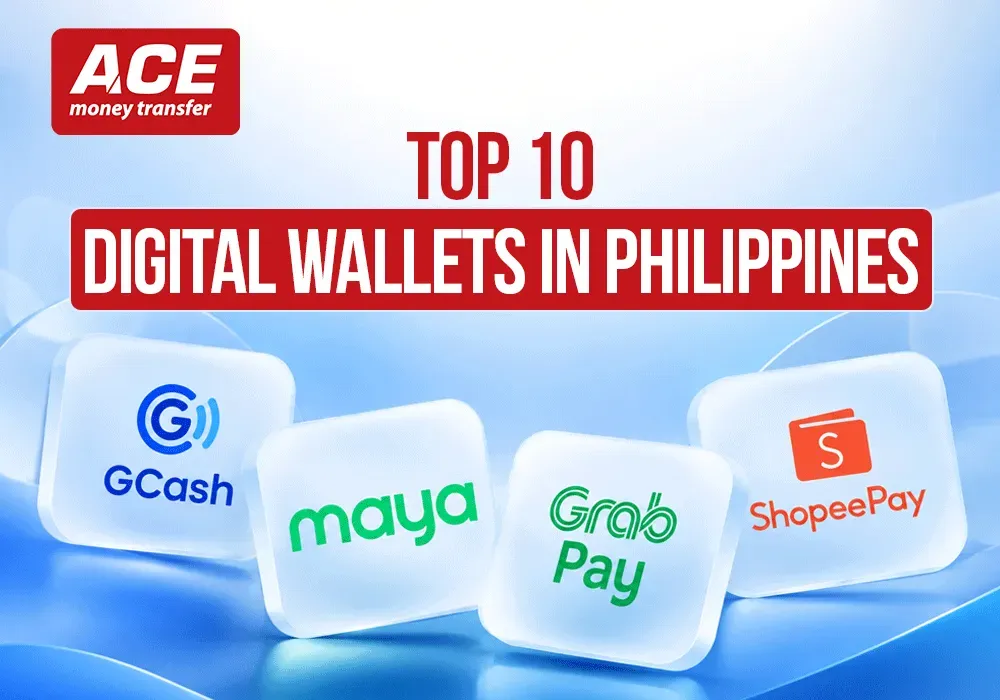
The most popular e-wallet applications in the Philippines are GCash, Maya, GrabPay, and Coins.ph, but several other platforms serve important niches. Most e-wallet platforms allow interoperability, enabling easy transfers between different wallets. Digital wallets account for an estimated 28% of e-commerce transactions in the Philippines in 2026. Here is how the top 10 compare:
| App | Primary Use Case | InstaPay Fee | Platform | Best For |
|---|---|---|---|---|
| GCash | Everyday payments, bills, savings | ?10 | iOS/Android | All-around users |
| Maya | Payments + digital banking | ?10 | iOS/Android | Savers, card users |
| Coins.ph | Crypto + wallet | ~?10 | iOS/Android | Freelancers, crypto users |
| GrabPay | Ride-hailing, food delivery | ~?15 | iOS/Android | Grab commuters |
| ShopeePay | E-commerce | ~?15 | iOS/Android | Online shoppers |
| Lazada Wallet | E-commerce | ~?15 | iOS/Android | Lazada buyers |
| GoTyme | Digital bank + wallet | ~?9 (after free tiers) | iOS/Android | Budget-conscious savers |
| 7-Eleven CLiQQ | Retail payments | Varies | iOS/Android | Cash-first users |
| PayPal | Cross border freelancing | N/A (withdrawal fees) | iOS/Android/Web | Freelancers, sellers |
| BanKo | Microfinance banking | Varies | iOS/Android | Micro-entrepreneurs |
All listed apps support some form of digital transactions, and the majority of e-wallets in the Philippines support QRPh, the national QR code standard. The rest of this article gives short, practical overviews of each app. Bank-connected wallets like BDO Pay also connect directly to bank accounts, facilitating simpler fund transfers, though they fall outside this top 10.
The Philippines moved rapidly toward mobile wallets between 2020 and 2026. Around 49–50% of Filipino adults were still unbanked as of the mid-2020s, which made wallet apps a lifeline rather than a luxury. Fintech applications in the Philippines now include services such as bill payments and fund transfers, accessible to anyone with a smartphone. Digital wallets support both PESONet and InstaPay for fund transfers, making bank transfers fast and affordable.
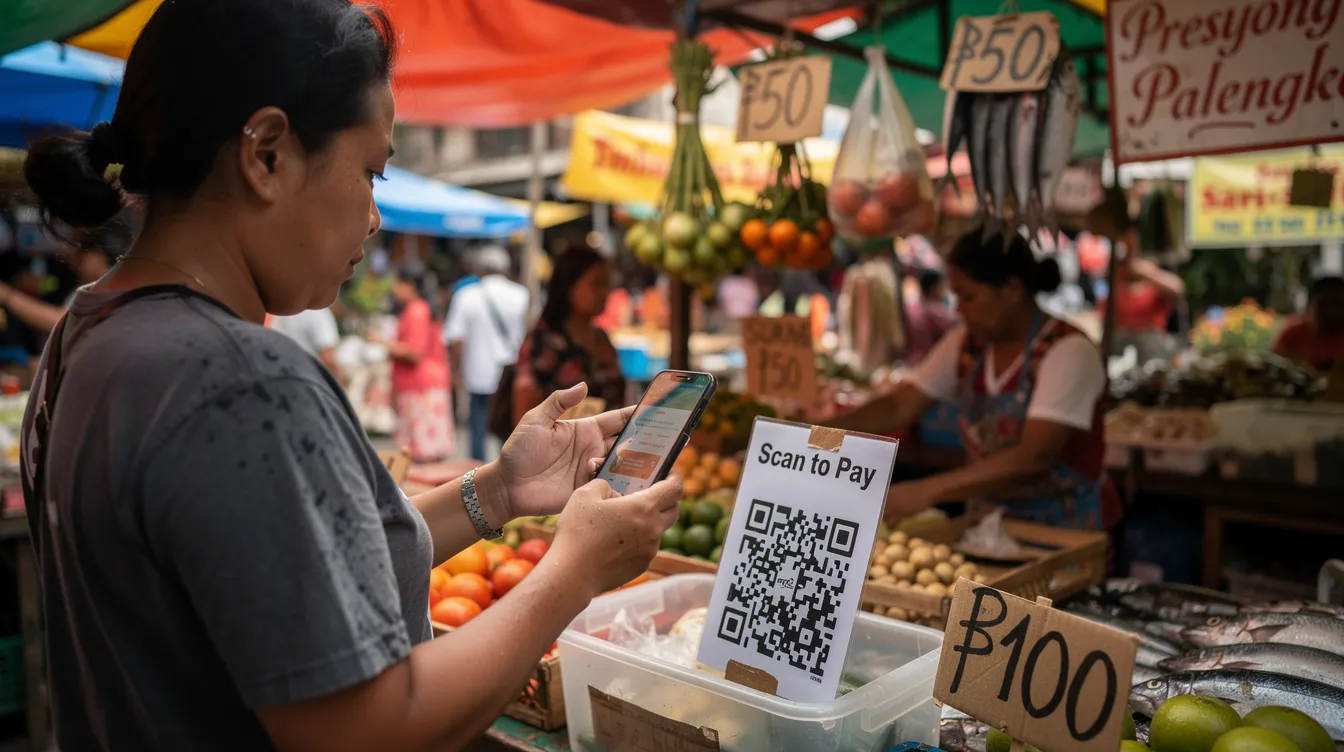
In cities, QR payments are everywhere-from malls to tricycle drivers. Rural communities are catching up as sari-sari stores and wet markets accept contactless payments via QR Ph. For OFWs and freelancers, cross border payments remain critical: most local e wallets can receive money, while specialized apps like ACE Money Transfer are optimized for sending money into those wallets from abroad.
GCash had around 94 million registered users as of 2025, making it the dominant e wallet in the country. It is the app most Filipinos think of when they hear "digital wallet."
Core features include free wallet-to-wallet transfers, the ability to pay bills, buy mobile load, and access GSave savings, GCredit lines, GInsure insurance, GInvest investments, and QR Ph merchant payments. For bank transfers, GCash charges around ?10 per InstaPay transaction (reduced from ?15 in mid-2026), with PESONet available for larger amounts. Cash in and cash out are supported through over-the-counter partners, linked bank accounts, and ATMs.
GCash is best for everyday users needing an all-in-one mobile wallet-online buyers, small businesses, and families who pay bills monthly. Its merchant network is the widest among wallets in the Philippines, making it the default choice for in app payments and mobile payments.
Maya operates as an e-wallet and digital banking platform, having evolved from PayMaya into a neobank with over 20 million users as of 2025. It blends wallet convenience with real banking features in one app, enabling users to manage savings, credit, and payments without visiting a branch.
You can pay bills, buy mobile load, send money to other Maya users, pay via QR Ph, and shop online-all standard wallet features. Where Maya pulls ahead is banking: high-yield savings accounts, virtual and physical Visa/Mastercard cards, personal loans, and installment options. Transfer fees mirror GCash at ?10 for InstaPay, with free wallet-to-wallet transfers.
Compared to GCash, Maya offers stronger interest rates on savings and more robust card options, while GCash has a wider merchant network. Maya is ideal for people who want both a digital wallet and a digital savings or credit line without opening a traditional bank account.
Coins.ph is favored for cryptocurrency trading and remittances, combining an everyday e wallet with access to over 170 cryptocurrencies. It is a pioneer among Philippine e wallet apps.
For daily use, Coins.ph handles bill payments, mobile load purchases, transfers to banks and other e wallets via PESONet and InstaPay, and QR payments at stores. On the crypto side, users can buy and sell Bitcoin, Ethereum, and stablecoins like USDT. Coins.ph became the first e-wallet to allow crypto payments via QRPH on April 20, 2023, letting customers pay merchants in stablecoins converted to PHP. InstaPay fees sit around ?10-slightly cheaper than some competitors.
A real-life example: a remote worker gets paid in USDT, converts it to PHP inside the app, and cashes out to a local bank account within minutes. That seamless conversion makes Coins.ph popular with freelancers and OFWs dealing with cross border transactions.
Some wallet apps are built into larger platforms-ride hailing apps or e-commerce marketplaces-primarily for in-app transactions and cashless payments. These "ecosystem wallets" shine within their own platforms.
GrabPay is integrated within the Grab super-app, primarily serving Grab users for rides, GrabFood, GrabMart, and select merchant payments. It supports sending money and paying bills, with InstaPay transfers to banks at roughly ?15. If you use Grab daily for commuting and food delivery, GrabPay's promos and convenience make it a natural choice.
ShopeePay is tightly integrated with Shopee for online shopping, flash sales, and cashback. It supports QR payments and bank transfers at about ?15 per InstaPay transaction. For heavy Shopee customers shopping online regularly, it is hard to beat the voucher deals. Lazada Wallet serves a similar role for Lazada-centric users-primarily for Lazada orders, bill payments, and mobile load. Its usage outside Lazada is limited, but its vouchers and rewards keep loyal online shoppers engaged.

Some digital wallets in the Philippines are tied to banks or retail chains, blending e wallet convenience with savings, physical cards, or in-store services. These solutions prioritize financial inclusion for underserved segments.
GoTyme had over 3 million users as of 2024 and continues to grow. It is a BSP-licensed digital bank offering a free Visa debit card, insured savings accounts, budget tracking, and a built-in wallet. It supports PESONet and InstaPay with up to 20 free transfers per month. GoTyme is best for budget-conscious savers who want accessible, cheap bank transfers without maintaining minimum balances.
BanKo (BPI BanKo) is a mobile banking app focused on micro-entrepreneurs and self-employed users. It offers savings accounts, local remittances, small loans, and bill payments-making it a secure option for small business owners in rural communities. 7-Eleven CLiQQ Pay is a retail-based wallet where users load physical cash at any 7-Eleven store, then buy load, pay bills, or pay for items by scanning barcodes. It is especially valuable for people without bank accounts.
Best for: sari-sari owners, students, small traders, and anyone who values cash-in convenience via a nearby store over a full online payments suite.
PayPal remains an international digital wallet widely used by Filipino freelancers and online sellers for cross border payments. In 2022, 49% of respondents used PayPal for transactions, underscoring its reach among the country's gig economy workers.
PayPal's strengths include global acceptance, buyer protection, multi-currency balances, and the ability to withdraw to a Philippine bank account. However, for local daily use, its higher FX spreads, withdrawal fees, and slower transfers make it less practical than domestic mobile wallet apps. Many users now receive payments via PayPal, then transfer funds into GCash, Maya, or Coins.ph for bills and QR payments.
For Filipinos abroad who want cheaper, faster cross border payments, ACE Money Transfer is the recommended solution. ACE delivers funds directly into Philippine bank accounts and major e wallets like GCash and Maya, often with better FX rates and lower fees than traditional remittance channels. As a regulated remittance provider with strict KYC and anti-fraud compliance, ACE offers the security that informal channels cannot. Using established, licensed platforms for cross border transactions protects your personal financial data and ensures your family receives the full amount.
There is no single "best" e wallet for everyone. The ideal mobile wallet depends on whether you mainly pay bills, commute, shop, save, manage crypto, or receive money from abroad. Digital wallets enhance security with biometric authentication and encryption, but features and costs vary widely.
Consider these pairings: GCash or Maya as your primary digital wallet for daily cashless payments; Coins.ph for cryptocurrency trading or stablecoin conversions; GrabPay, ShopeePay, or Lazada Wallet if you are a heavy platform user; GoTyme or BanKo if savings and financial institutions matter most. OFWs and families receiving remittances should combine ACE Money Transfer for sending money with a local e wallet for everyday spending.
Before You Choose an E-Wallet:
What are the InstaPay, PESONet, and cash-out fees?
Does the app cover your billers and merchants?
Does it support biometric authentication and device binding?
Do you need cross border or peer to peer features?
Always download from Google Play or the App Store and enable 2FA.
E wallets have transformed how Filipinos pay bills, shop, and send money, powering a cashless payments culture that now spans cities and rural communities alike. The top 10 e wallet apps in the Philippines each serve distinct segments-everyday spenders, online shoppers, small businesses, crypto users, and OFW families.
For domestic use, GCash and Maya remain the most versatile, while ecosystem wallets like GrabPay, ShopeePay, and Lazada Wallet excel within their platforms. Coins.ph shines for crypto-linked online payments. For secure, fast, and cost-effective cross border remittances into Philippine banks and e wallets, ACE Money Transfer is the best money transfer app-helping families maximize every peso received. Pick one or two primary e wallet apps for daily use and pair them with a trusted cross border provider like ACE Money Transfer to streamline your financial life. The widespread adoption of digital wallets means there has never been a better time to go cashless.
Disclaimer: This article is intended for general informational and educational purposes only and should not be construed as legal, regulatory, tax, business, or financial advice. While reasonable efforts have been made to ensure that all facts, figures, and data are accurate and valid as of the date of publication, no warranty or guarantee is given as to the ongoing completeness, accuracy, or currency of the information.
The content is based on information available at the time of publication. Regulations, government policies, market conditions, and service offerings may change over time and vary across jurisdictions and providers. As a result, some information may no longer be current or applicable. Readers should independently verify all information and consult qualified professional advisors before making any financial, legal, or business decisions.