ACE Money Transfer
ACE Money Transfer

19 Nov 2025
Global Exchange has operated as a UK-based provider of currency exchange services and money transfer services since the mid-1990s, serving travellers, businesses, and individuals sending remittances abroad. This article covers how the company works, what services it offers from its branches in London and Wembley, and how platforms like Ace Money Transfer fit into the picture for anyone who needs to send money overseas.
A global exchange is an organized marketplace for trading financial instruments, and the foreign exchange market operates globally for currency trading between individuals, businesses, and institutions. For most people in the UK, though, "foreign exchange" means something practical: converting pounds sterling into euros before a holiday, buying US dollars for a business trip, or sending Pakistani rupees to a relative in Lahore.
Global Exchange operates from key locations including Ealing Road in Wembley, Middlesex, functioning as a local finance house with international reach. The company handles both physical currency dealing at walk-in branches and electronic money transfers to destinations across Europe, Asia, and Africa.
Global exchanges facilitate international trade through various mechanisms, from cash bureaux to digital remittance platforms. Global exchange also involves the physical and financial movement of goods and capital across borders. This article covers two main service pillars:
Day-to-day currency exchange for travel and trade, where customers buy or sell foreign notes over the counter.
International money transfers, including how Ace Money Transfer can be used for online remittances from the UK.
The scope is informative and practical, aimed at UK residents who need either service and want to understand how the process works, what it costs, and what to watch out for.
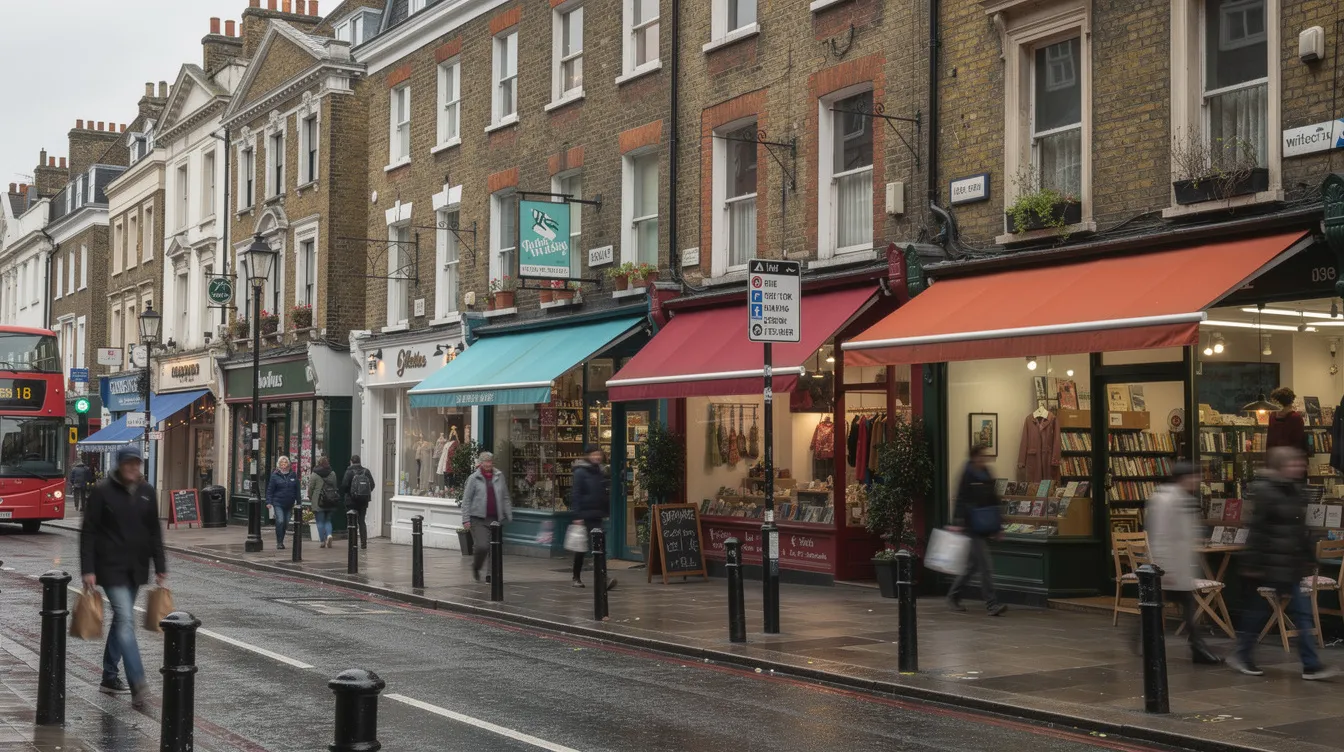
Global Exchange was launched on May 5th, 1995. The company is registered in England & Wales and has maintained its principal office in Wembley, United Kingdom, at 54 Ealing Road, Middlesex, HA0 4TQ. Over the past three decades, the operation has grown from a single bureau into a multi-branch business with locations in South Harrow (277 Northolt Road), Tooting High Street, and Eastham in east London.
The company holds FCA authorisation (Reference No 576032) as an Authorised Payment Institution and is registered with HMRC as a Money Service Business (Registration No 12114995). These registrations mean that Global Exchange is supervised under the Money Laundering, Terrorist Financing and Transfer of Funds Regulations 2017 and the Payment Services Regulations 2017. In practice, that translates to identity verification for customers, transaction monitoring, segregation of client funds, and transparent fee disclosure.
Multiple companies share variations of the "Global Exchange" name in the UK. The long-running retail bureau is Global Exchange Ltd (company number 03042398, incorporated 5 April 1995). A separate legal entity, Global Exchange Currency Exchange United Kingdom Limited, has company number 13365829 and was incorporated on 29 April 2021 with SIC code 66120 (security and commodity contracts dealing activities). The last accounts for that entity were made up to December 31, 2025, and the next accounts are due by September 30, 2027.
These are distinct registrations with different filing histories, directors, and trading activities. Exchanges establish standardized contract specifications for traded goods and services; the regulatory framework ensures each entity is accountable on its own terms.
Regulated providers file annual accounts to Companies House and submit confirmation statements each year. Global Exchange Ltd's accounting period runs to 30 April, with the most recent filings made up to 30 April 2025. Confirmation statements were last dated 5 April 2026. These filings are public records that anyone can check.
Regulatory compliance involves navigating complex international trade laws, and trade regulations can differ between countries. Using an authorised and compliant firm for currency exchange and remittances offers several protections that informal channels cannot match:
Legal recourse if something goes wrong with a transaction.
Audited accounts and supervised operations.
Anti-money laundering controls that protect both sender and recipient.
Transparent fee structures displayed before you commit to a transaction.
Informal channels (unlicensed agents, cash couriers, unregistered online platforms) carry risks: funds lost or stolen, no complaint mechanism, poor exchange rates, and potential legal consequences for the customer. Financial institutions help manage currency exchange and risks; choosing a registered provider is the first step in managing those risks.
Globalization allows access to international talent and innovation, and participating in global exchanges allows businesses to expand their reach. Global exchange supports investment and market specialization, which is part of why firms like Global Exchange have grown over the past three decades. Market expansion provides access to new international customer bases, and trade barriers can be reduced by international organizations like the WTO, creating more corridors for legitimate money movement.
High trading volumes provide liquidity for asset transactions in formal markets. Derivatives like futures and options help manage financial risks in wholesale foreign exchange, though retail customers at a bureau are dealing with spot rates for immediate delivery. Global exchanges provide access to cost-effective resources, and participation in global marketplaces can enhance brand visibility for businesses operating across borders.

Customers visiting Global Exchange branches or using its online service typically need one of three things: over-the-counter currency exchange (buying or selling foreign notes), travel money for upcoming trips, or international remittances from the UK to countries across Europe, Asia, and Africa. Managing supply chains can become complex in international markets, and for individuals, the equivalent complexity shows up in choosing the right transfer method, comparing rates, and getting funds to the right person.
At a branch like the one on Ealing Road, customers can buy and sell major currencies including USD, EUR, AED, and PKR. Walk-in transactions for travel money typically range from £100 to several thousand pounds, depending on the customer's needs and the branch's available stock.
Exchange rates and fees are displayed on-screen and updated at frequent intervals. The rate you see listed as "buy" is what the bureau charges you per unit of foreign currency; the "sell" rate is what they pay you if you return unused notes. The gap between these two rates is the bureau's margin.
Real-time pricing is established by matching global supply and demand in wholesale forex markets. Bureau rates include a markup over those wholesale rates, which is how the service earns revenue. Currency risk is exposure to foreign exchange rate volatility, meaning the rate you get today could be different tomorrow.
Here are practical tips for getting the best deal at a bureau:
Compare buy and sell rates between at least two or three providers before exchanging.
Bring valid photo ID for any transaction; it is required for larger amounts under AML regulations.
Plan ahead during busy travel periods (summer holidays, December peak season) when branches may run low on popular currencies or have longer queues.
Check whether the displayed rate includes commission or whether fees are charged separately.
Avoid exchanging at airport kiosks where margins tend to be higher than at high-street bureaux.
While a street-level bureau serves local customers who need cash in hand, many now prefer sending money abroad via secure online platforms rather than carrying physical currency. E-commerce and digital technologies facilitate international payments, and remittance services have grown to meet that demand. Cultural barriers can lead to marketing missteps in international trade, but digital platforms with multi-language support and localized payout options reduce friction for senders and recipients alike.

Ace Money Transfer is an independent remittance platform, established in 2002, that enables UK residents to send money to over 100 countries. The process is simple and runs entirely online. Here is how it works:
Register or log in to an Ace Money Transfer account using email, Google, or Apple ID. You will need to upload valid photo ID and confirm your address and phone number during registration.
Choose the destination country and select a payout option such as bank deposit, mobile wallet, or cash pickup. ACE's payout calculator lets you see the converted amount, fee, and exchange rate before you commit.
Enter accurate recipient details (full name, bank account or mobile wallet number, and address when required). Names and account numbers must match the recipient's ID exactly; errors in these fields can delay or block the transfer.
Select a payment method, including UK debit card, credit card, or online bank transfer from a UK bank account.
Add a payment reason (family support, tuition fees, bill payment, etc.) and confirm the exchange rate and transfer fee before clicking "Pay Now."
Track the transfer in real time using the transaction reference number provided in the Ace dashboard and email/SMS updates. Status categories include "Awaiting Funds," "Transfer In-Review," "Ready for Collection," "Sent for Payout," and "Credited."
Before you click confirm, double-check the recipient's name, account number, and the total cost including fees. Errors in recipient details are the most common cause of delayed or failed transfers.
When sending via Ace Money Transfer, three payout methods are available:
Bank Deposit: Funds are credited to recipient accounts at partner banks in countries like Pakistan, India, Bangladesh, Nigeria, and others. Delivery time depends on the destination bank; same-day crediting is common for many corridors, while others take 1-2 business days.
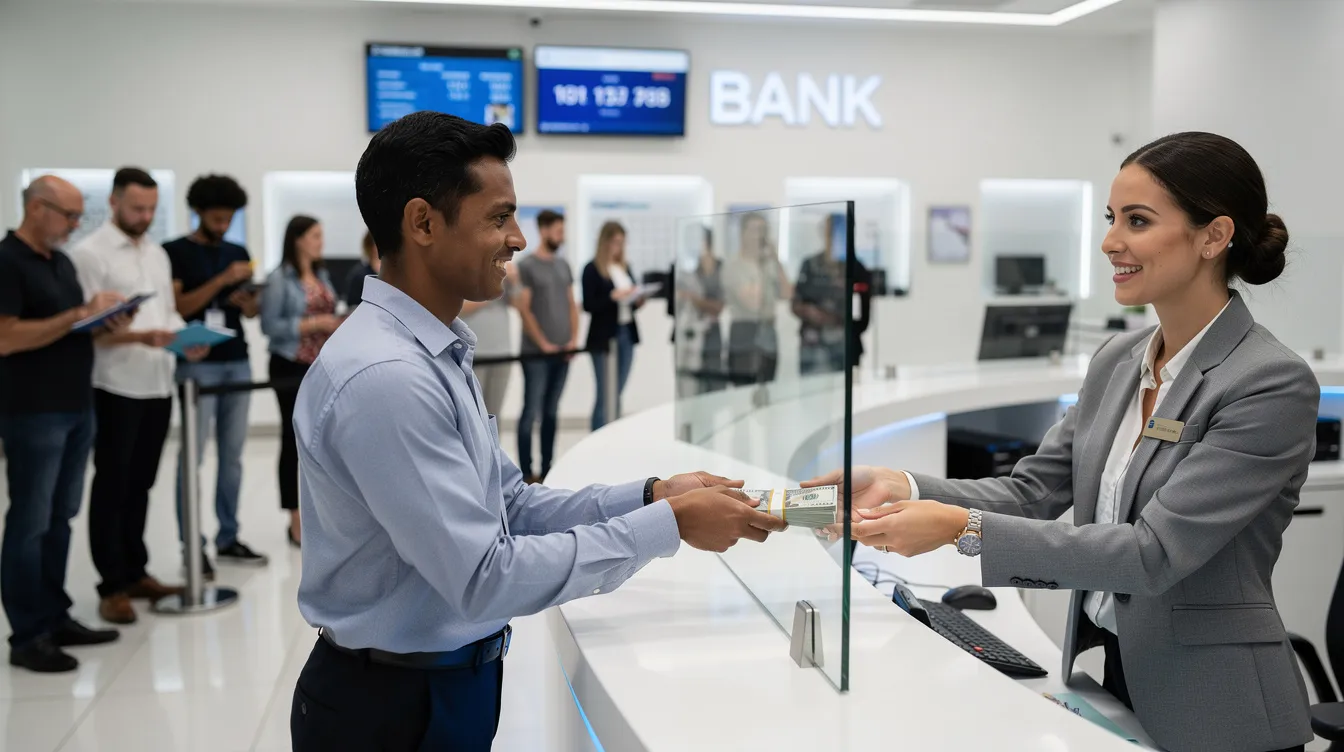
Cash Pickup: Recipients collect money in local currency over the counter from partnered bank branches and payout locations. This method is often the fastest; funds can be available within minutes of the sender's payment clearing.
Mobile Wallet: Instant credit to supported digital wallet services in selected countries for quicker access to money. This works well in markets where mobile money adoption is high and recipients prefer not to visit a bank branch.
ACE publishes a transparency document listing flat transaction fees by corridor. From the UK, fees range from £0.99 (for destinations like Kenya and Nepal) to £3.50 (for UAE and Kuwait). The exchange rate spread over the interbank rate runs between 0.1% and 1.5% for most countries. For some corridors, such as Nigeria, the spread can reach up to 4.99% depending on transfer size and local market conditions.
Using Ace Money Transfer complements the services of a traditional bureau like Global Exchange. A customer heading to Dubai might buy AED notes at the Ealing Road branch for spending money on arrival, then use Ace to send a larger sum directly to a family member's bank account in Pakistan, avoiding the risk and cost of carrying cash. The bureau handles the ease of face-to-face currency exchange; the online platform handles the convenience and speed of digital remittance.
Before sending any transfer, whether in person or online:
Check current foreign exchange rates across at least two providers.
Verify recipient details carefully; a single wrong digit in a bank account number can send funds to the wrong person.
Choose the most convenient payout method (bank deposit for routine transfers, cash pickup for urgent needs, mobile wallet where available) based on what your recipient can access.
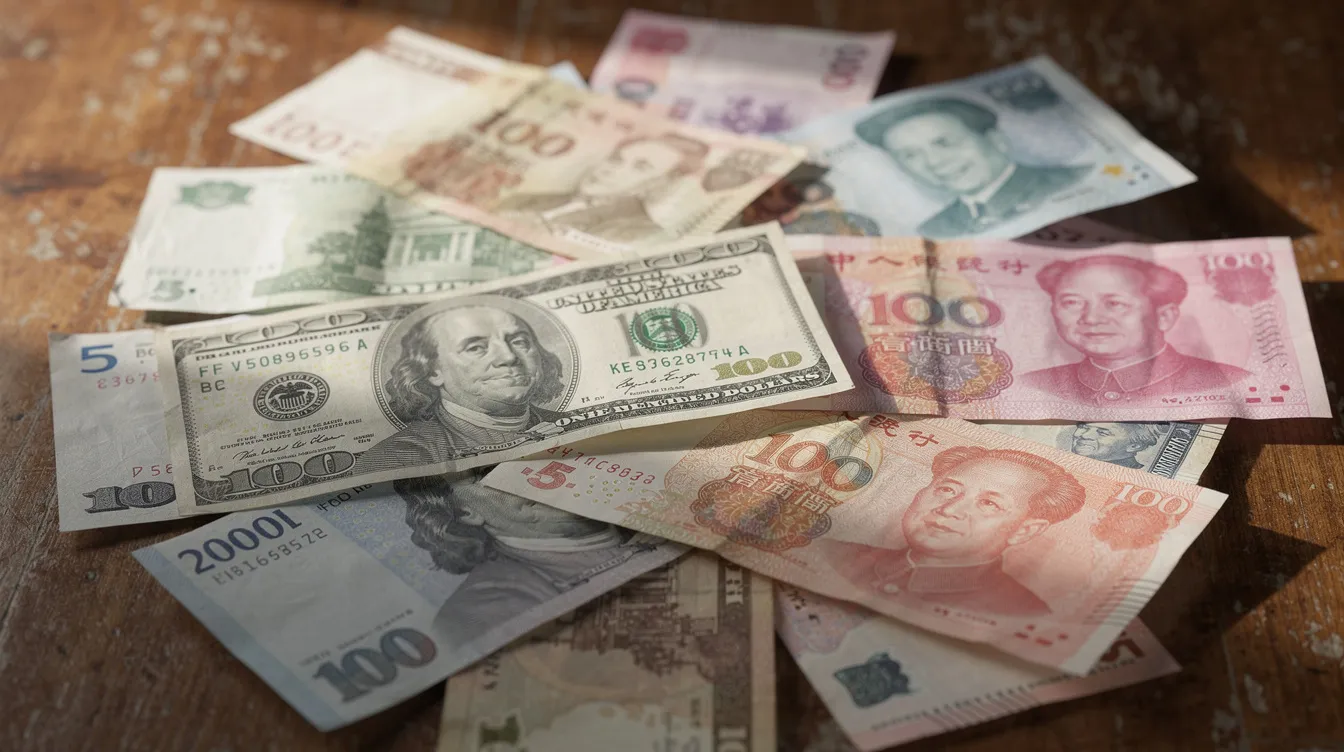
Whether you walk into a bureau on Ealing Road or send money from your phone at midnight, the goal is the same: get the best rate, pay the lowest fee, and deliver funds to the right person on time. The year 2026 offers more options than ever for UK residents who need to move money across borders. Start by comparing rates, verifying your provider's FCA or HMRC registration, and choosing the payout method that fits your recipient's situation.