ACE Money Transfer
ACE Money Transfer
25 Jul 2025
Euronet ATMs are available in 200 countries and territories, yet the company does not publish a single dedicated locator tool for all those locations. That gap leaves most people relying on maps, apps, and local knowledge to find a machine when they need to withdraw cash abroad. This guide covers all the ways to locate a Euronet ATM, understand its fees and limits, avoid costly currency conversion traps, and keep your card secure at the machine.
Euronet ATMs lack a dedicated locator tool that works across every country in the network. A few regional sites exist (for example, Euronet 360 Finance in Malta), but for complete global coverage you need third-party solutions. Google Maps and Apple Maps are the fastest way to locate the nearest Euronet ATM from wherever you are standing.
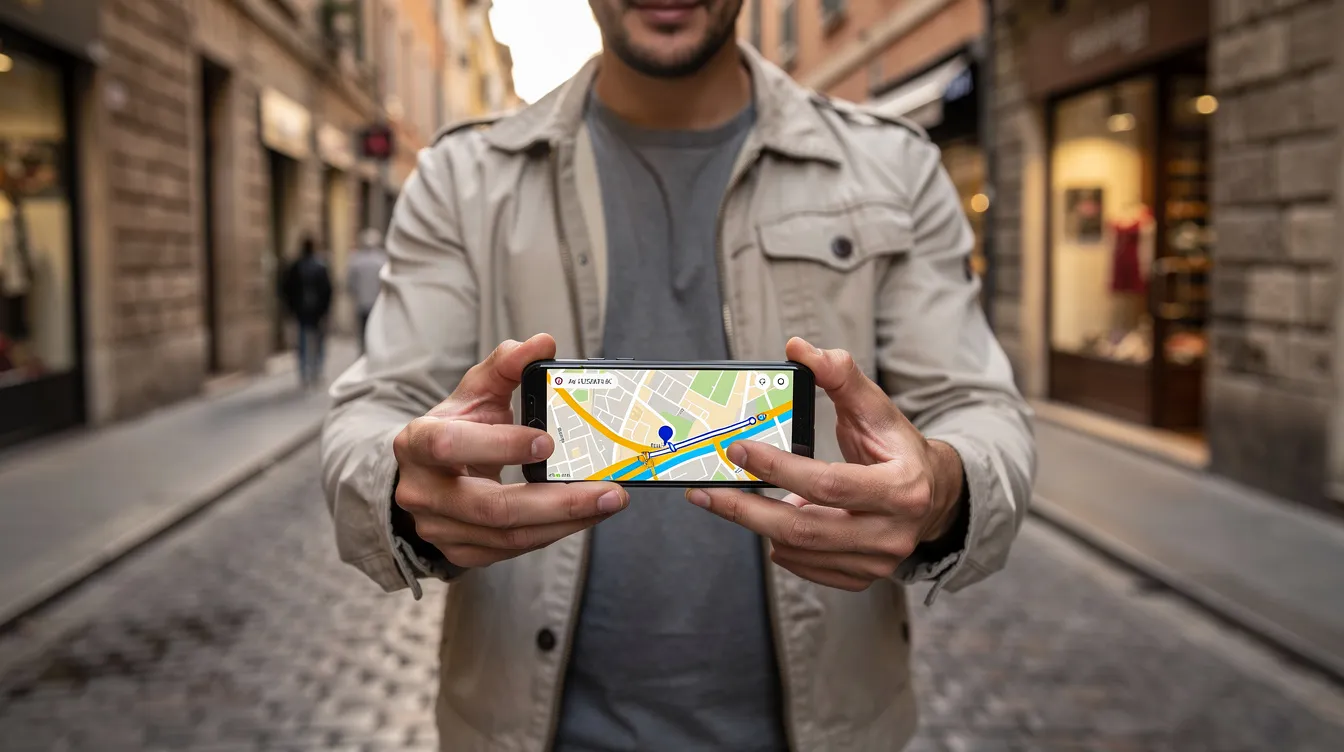
Open Google Maps or Apple Maps on your phone and allow access to your GPS location. Type "Euronet ATM" into the search bar. The app will display nearby results ranked by distance.
Filter results by walking time or driving distance. Tap any pin to see the address, user rating, photos, and opening hours. Photos often confirm the machine's distinct blue and yellow branding before you walk over.
When planning trips in advance, search by city or neighbourhood: "Euronet ATM Prague Old Town," "Euronet ATM Athens Syntagma," or "Euronet ATM Lisbon Rossio." This returns results even without GPS enabled.
Euronet ATMs can be located using digital mapping services in local languages too. In Czechia, try Mapy.cz and search "Euronet bankomat" to see dozens of pins across Prague alone.
Euronet machines are often placed in high-traffic spots: airport arrivals halls, train stations, shopping centres, and busy tourist streets. If the map shows no labelled result, zoom into those areas; the pin usually appears.
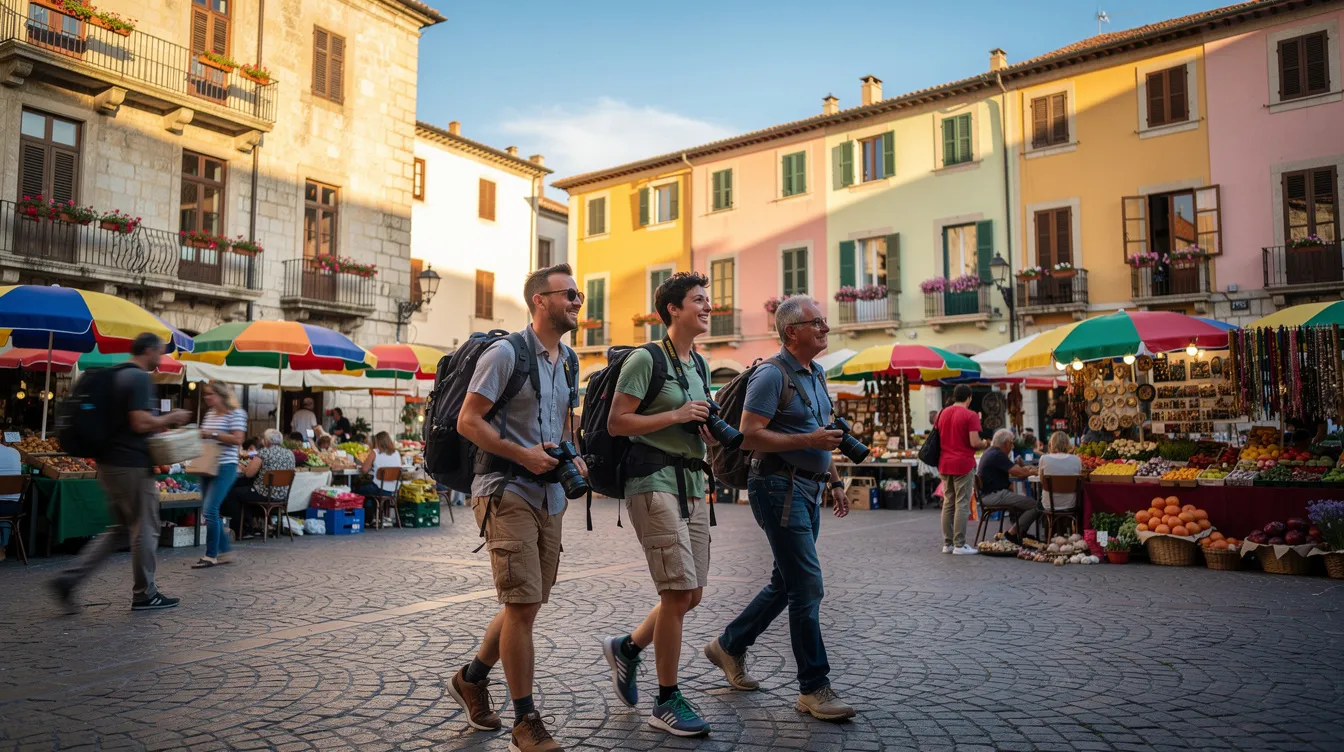
Much of the world depends on easy access to cash, and Euronet fills that gap in both dense urban centres and smaller tourist towns. The company operates machines across Europe, Asia Pacific, Africa, and the Americas. Here is where they cluster:
Airports: arrivals corridors, baggage claim exits, and customs exit halls. Athens International has Euronet machines in the customs exit corridor, for example.
Major train and metro stations, petrol stations, and supermarkets. Euronet ATMs are frequently placed near convenience stores and shopping centres to capture foot traffic from local consumers and visitors.
Euronet ATMs are commonly found in high-traffic areas such as tourist zones. Prague has over 150 machines, many on Wenceslas Square and in Old Town. Athens has clusters along Ermou Street, in Plaka, and near Monastiraki. Lisbon's Baixa-Chiado and Rossio districts have multiple units. Kraków's Main Square and coastal resorts in Spain and Greece follow the same pattern.
In rural areas where bank branches have closed, Euronet's "ATMs in the Community" programme improves financial participation. In Spain, 50% of Catalan municipalities lack a bank branch; Euronet fills some of those voids.
Travellers should zoom into maps around popular attractions and hotel districts. Even without a branded label, the blue-and-yellow machine often appears within a short walk of any major landmark in a European city.
Third-party tools effectively serve as an unofficial Euronet ATM locator. A few minutes of setup before a trip can save real money and time on the ground.
On Google Maps, type "Euronet ATM," enable location services, and use the distance filter to sort results. Read recent reviews or check photos to confirm the machine is operational and to see its branding.
On Apple Maps, the same search works. In Central Europe, Mapy.cz or 2GIS often carry more granular data; a search for "Euronet bankomat" in Prague returns addresses with GPS coordinates.
Save favourite ATM locations near your hotel, workplace, or the city centre for quick access during trips. On Google Maps, tap the pin and select "Save" to add it to a custom list.
Many digital banking apps feature built-in ATM finder tools. Revolut offers an in-app ATM locator feature, and you can filter for surcharge-free ATMs using Revolut's locator to see which machines in the network charge no operator fee. Post Office cash points in the UK can be located by postcode or town through the Post Office app.
For offline use, download map data before travelling. Google Maps allows offline downloads by region; pre-search "Euronet ATM" tags so results appear even without mobile data.
Knowing where the ATM is solves only half the problem. Understanding the cost of each transaction keeps your account balance intact.
Euronet ATMs often charge operator fees for withdrawals. The surcharge varies by country and location. Euronet ATMs typically charge around €4 EUR for withdrawals in many European tourist areas, though the range across the continent runs from roughly €1.95 to €4.99.
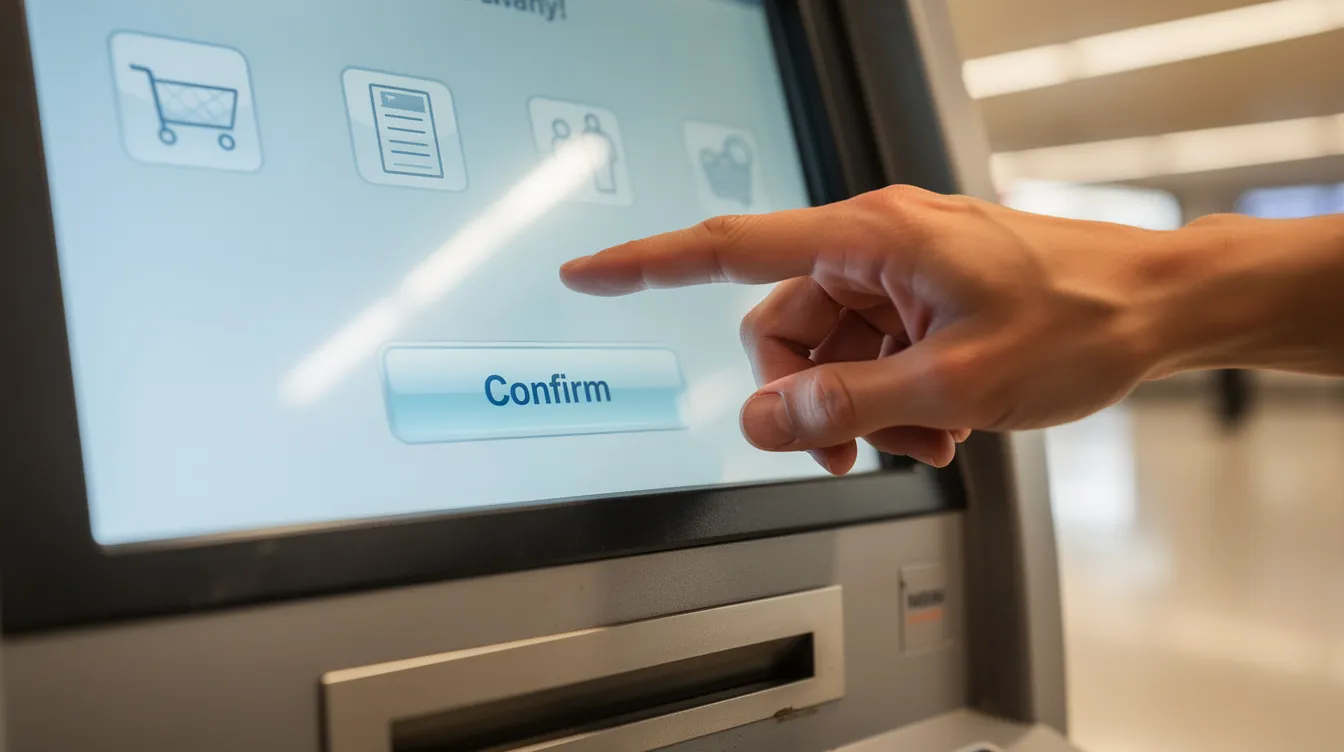
ATM fees vary by location and are displayed on the ATM screen before you confirm the transaction. Always check for ATM operator fees before completing a withdrawal. Some ATMs may charge additional access fees on top of withdrawal fees; these are also disclosed on screen.
Your own bank or card issuer usually controls how much you can withdraw per day, not the Euronet machine. Check your issuing bank's daily ATM withdrawals limit, overseas usage fees, and any per-transaction cap before you travel.
Currency exchange at a Euronet ATM works like any foreign ATM withdrawal. If your debit card account holds GBP or USD and you withdraw euros, your bank's exchange rate normally applies, unless you accept a service called dynamic currency conversion at the ATM screen.
Fee patterns differ by country. Greece, Spain, Czechia, Germany, and Austria each have slightly different surcharge norms. Read the on-screen summary line by line before pressing confirm.
Dynamic currency conversion is a process where the ATM offers to charge your card in your home currency instead of the local one. Euronet ATMs can offer dynamic currency conversion during transactions, and the exchange rate they use often includes a steep mark-up.
Always choose "charge in local currency" (EUR in Greece, CZK in Czechia, PLN in Poland) when the ATM screen presents the option. Choosing local currency avoids unfavorable exchange rates set by the ATM operator.
Dynamic currency conversion can add up to 13% in fees above the mid-market rate. Euronet's mark-up on exchange rates can reach 13%, turning a €200 withdrawal into an effective cost of €226 before your own bank adds anything.
Dynamic currency conversion can add fees to your withdrawal even when the screen displays a "guaranteed rate." Your card network (Visa, Mastercard, Electron, Discover) or your bank will almost always convert at a better rate than the one shown.
Avoiding DCC is the single easiest way to save money on cash withdrawals abroad, regardless of which debit card or bank account you use.
The same rule applies at merchants and restaurants: always pay in local currency. If a card terminal asks whether to charge in GBP or the local currency, select local.
Protecting your debit card and PIN matters as much as finding the right machine, especially in busy tourist areas where security risks rise.
Choose Euronet ATMs in well-lit, busy locations: shopping centres, hotel lobbies, bank foyers, or indoor transport hubs. Avoid isolated machines or unusual objects attached to the card slot late at night.
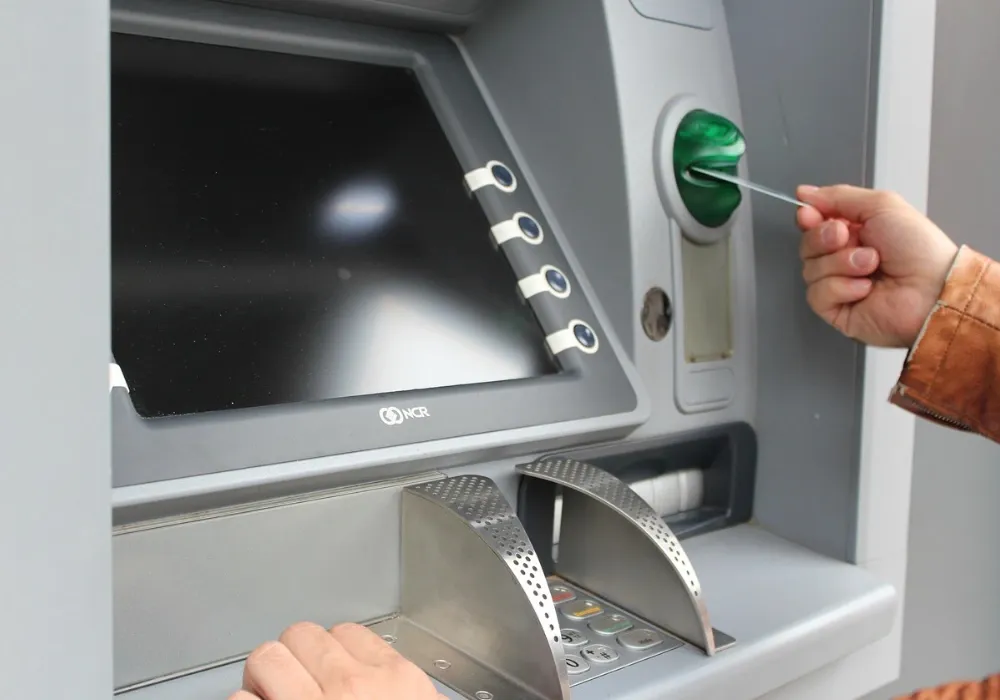
Cover the keypad with your hand when entering your PIN. Before inserting your card, check the card slot and keypad for loose or misaligned parts that could indicate a skimming device.
Enable instant transaction alerts in your banking app. If an unfamiliar withdrawal appears, you can cancel or block the card immediately from your phone.
If the ATM swallows your debit card or fails to dispense cash, keep the receipt, note the date, time, and machine location, then contact your card issuer or bank straight away to create a dispute.
Monitor your account balance and statements regularly after trips. Responsible ATM usage and quick reporting of issues help keep your money secure.
Euronet ATMs solve a real problem for customers who need cash in places where bank branches have disappeared. Still, travellers who plan ahead spend less.
Combine Euronet ATM use with bank-owned or partner ATMs where businesses and financial institutions offer lower or zero operator fees. In Prague, ATMs operated by ?SOB or Komer?ní Banka typically charge less than Euronet machines in the same neighbourhood.
Withdraw larger amounts less frequently to spread the fixed per-transaction fee across more cash. A single €200 withdrawal at €4 costs 2%; five €40 withdrawals at €4 each cost 10%.
Use a low-fee travel debit card or multi-currency account that offers better currency exchange terms on ATM withdrawals. Cards from fintech providers often waive or cap foreign withdrawal fees up to a monthly limit.
Check ahead of time whether accommodation, public transport, and attractions in your destination country accept cards widely. In many parts of Europe, card acceptance is near-universal, so you may only need to withdraw the cash you plan to spend at small local vendors or market stalls.
By planning withdrawals, avoiding DCC, and understanding limits, you can treat the Euronet ATM locator approach as one part of a balanced travel money plan rather than your only option. Apply these steps on your next trip to keep more money in your account and less in operator fees.