ACE Money Transfer
ACE Money Transfer

10 Dec 2024
Several UK banks offer cash bonuses for switching accounts, and right now the market is as competitive as it has been in years. If you've been wondering which banks that give you money for opening an account are worth your time, this guide breaks down every live offer, explains how to qualify, and helps you avoid the common mistakes that cost people their bonus.
As of July 2026, cash bonuses for switching range from £175 to £300 depending on the provider. Here are the main deals currently live for personal banking customers looking to open a bank account and earn a reward.
HSBC – Up to £220. Open an HSBC current account via their mobile banking app, complete a full switch via CASS with at least two active direct debits, deposit £2,000 and spend £500 on your debit card within 60 days. Switching accounts can earn up to £220 in cash. No fixed end date; may be withdrawn without notice.
Nationwide – £175. Switch from a non-Nationwide or non-Virgin Money current account using CASS. Transfer at least two active direct debits, pay in £1,000 and make a debit card payment within 31 days.
Barclays – £200. New Barclays current account customers only. Open via the Barclays app, switch using CASS with two direct debits transferred, pay in £2,000 within 30 days. Deadline to start your switch: 27 August 2026.
NatWest / Royal Bank of Scotland / Ulster Bank – £200 each. Open an eligible account on or after 6 May 2026 (26 May for Ulster Bank), switch from outside the NatWest Group via CASS, pay in £1,250 within 60 days.
Co-operative Bank – Up to £300 in staged rewards. £125 for switching in and meeting activity conditions, up to £75 over three months for continued use, plus a potential £100 loyalty bonus for long-standing customers.
Bank of Scotland – £175. Switch to a Classic, Silver or Platinum account using CASS with at least three active direct debits. Open and start switch by 4 August 2026.
These are incentives for switching a current account, not simply opening a savings account. Most switch bonuses require using the current account switch service.
Some "welcome" perks come as high interest or cashback rather than straight cash - providers like Revolut, Santander and Chase fall into this category, and they're covered later in this guide.
Offers change frequently. Always verify deadlines and conditions on each bank's official page before you apply.
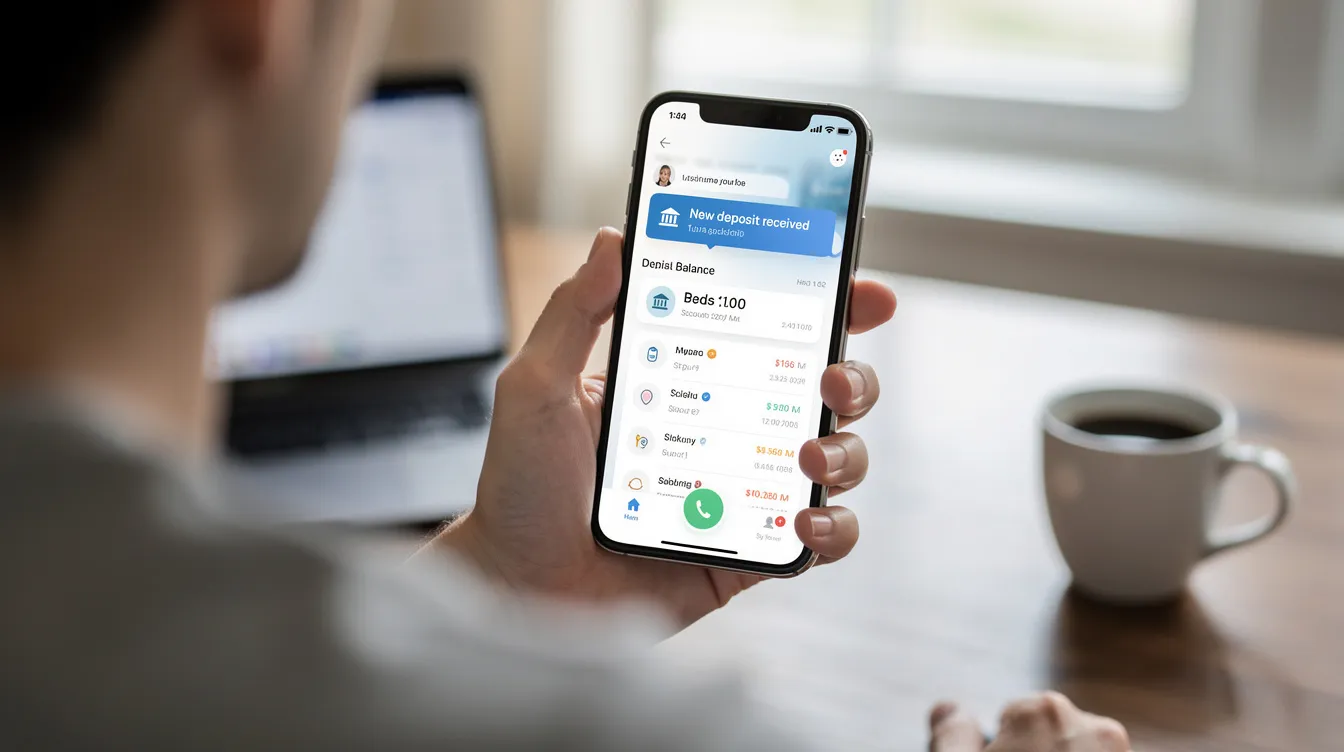
UK banks use cash incentives, cashback and interest boosts to tempt people into switching their main bank account. Banks provide cash rewards as a marketing cost to acquire new customers - and because a main-bank relationship can be worth hundreds of pounds a year in cross-sold products, the maths works in their favour.
Here's what a typical bank account switch bonus involves:
Open a qualifying current account with the new provider.
Use the current account switch service to move everything across and close your existing account.
Meet activity conditions within a set window: a minimum pay-in amount, a certain number of direct debits transferred, and sometimes a debit card payment or digital banking login.
Why can banks afford £150–£300 up front? The lifetime value of a customer who pays their salary in, sets up regular payments for bills, and eventually takes out a mortgage or credit card is far higher than the bonus itself.
Offers are generally limited to one per person per banking group. You must switch from a different banking group to qualify for bonuses - for example, NatWest Group covers NatWest, Royal Bank of Scotland and Ulster Bank, so switching between them won't count. Some promotions may have eligibility restrictions for returning customers who received a previous incentive.
Incentives can include monthly rewards or lifestyle perks beyond the initial lump sum - for instance, ongoing cashback on direct debits or annual loyalty payments for existing customers.
Some offers also work for a joint account, but the rules can differ between sole and joint current accounts (typically only one bonus per account regardless of how many holders).
Practically all major UK "get paid to switch" deals require using the free current account switch service. Understanding how it works removes most of the anxiety around moving banks.
What CASS does: It moves your balance, regular incoming payments (salary, pension), and outgoing payments like direct debits and standing orders from your old account to your new account within seven working days. Switching takes just seven working days using CASS, making the new account opening process largely painless.
Full switch closes your old account. You must close your old account when switching via CASS, and this is usually a requirement for earning the bonus.
The current account switch guarantee protects you if something goes wrong. CASS guarantees that any missed payments will be covered - your new bank must refund interest and charges caused by errors. Payments to your old account are redirected for up to three years, so nothing falls through the cracks.
What CASS doesn't move: Debit card subscriptions (Spotify, Netflix), mobile wallet tokens for apple pay and google pay, transaction history, and open banking connections. You'll need to update these manually with your new debit card details.
Credit file impact: Your credit score should not be negatively affected by using CASS itself, though the new current account application will involve a credit check - usually a hard search even if you're not requesting an arranged overdraft.
Nationwide Building Society is offering £175 when you switch your current account from a non-Nationwide or non-Virgin Money provider. The offer is open to new and existing customers provided you haven't received this specific switch bonus before.
Eligible accounts: FlexDirect, FlexAccount, and FlexPlus. The FlexPlus is a packaged bank account with a monthly fee covering travel insurance, mobile phone insurance and uk car breakdown cover. FlexDirect is a fee-free everyday bank account.
Eligibility criteria: You must complete a full switch using the current account switch service from an external provider. Your existing current account must have at least two active direct debits that transfer as part of the switch.
Timing: The switch must complete within the promotional window. No immediate end date has been announced for the current £175 offer, but Nationwide can withdraw it at short notice.
After you apply: Pay in at least £1,000 and make one debit card payment within 31 days of the switch completing or account opening. For a joint bank account, only one bonus is paid per account. Nationwide FlexDirect pays 5% interest on balances up to £1,500 for one year, making it one of the more attractive options for everyday banking.
Extras: Nationwide offers an interest free overdraft buffer on certain accounts, and potential Fairer Share payments for members who hold both current accounts and savings or mortgage products.
Check first: Use Nationwide's online eligibility checker before applying. This won't affect your credit file and confirms whether the specific account eligibility criteria are met.
Barclays is offering a £200 switch reward for eligible customers who open a Barclays current account via the Barclays app and switch using CASS. The promotional window runs until 27 August 2026 for starting the switch.
New customers only. You must not have held a Barclays current account (including student or graduate variants) before the qualifying date. Only one bonus per person - you cannot open barclays current account again for a second reward.
Steps to qualify: Open a Barclays Bank Account via the Barclays app, complete a full switch including at least two active direct debits from your old account, and pay in at least £2,000 within 30 days of opening. You also need to make debit card transactions and log into digital banking.
Payment timeline: Once all conditions are met, Barclays pays the £200 within 28 working days. It appears on your statement as "Switch Reward" and you'll receive notification by text or app message.
Account features: No monthly account fee on the standard Barclays Bank Account. It functions as a digital-first everyday banking account with a strong app, budgeting tools that help track debit card payment activity and spending categories, and an optional arranged overdraft subject to status. Premier eligibility criteria apply for their premium tier.
Security: Barclays highlights Secure Digital Banking kitemarks and fraud protection within the app, plus the account opening process is designed to be completed entirely on your phone.
The Co-operative Bank's 2026 offer can add up to £300 by combining a switch payment, ongoing monthly rewards, and a separate loyalty bonus for qualifying existing customers upgrade paths.
Structure: £125 for switching in and using the new account actively, up to £75 over three months for continued active use, and £100 extra for certain long-standing Co-operative Bank, smile, Coventry Building Society, Godiva Mortgages or ITL Mortgages customers.
Step 1 - set-up bonus (£125): Within 30 days of your switch completing, deposit at least £1,500, make at least five debit card transactions, set up at least two active direct debits, and register for online banking or the mobile banking app.
Step 2 - ongoing monthly rewards (up to £75): For the next three months, continue to pay in £1,500, make five or more debit card payments, and keep two or more active direct debits. You earn £25 per month, for a maximum of £75.
Step 3 - loyalty payment (£100): Available to personal banking customers of the Co-operative Bank or connected brands who meet stated criteria. This is typically paid in November.
Eligible accounts: Standard Current Account and Everyday Extra (a packaged bank account with a monthly fee covering insurance perks). You must switch from an external provider via CASS - switching into an existing Co-operative account without CASS won't qualify.
Caveats: Not available if you've had a Co-operative Bank switch incentive since November 2022. Balances transferred as part of CASS count toward the first month's £1,500 only. Check the offer end date before applying, as eligibility criteria apply strictly.
NatWest Group often runs near-identical £200 switch deals across NatWest, Royal Bank of Scotland and Ulster Bank. While they share a parent company, each operates as a separate brand - but you can't usually collect more than one bonus from the group.
Royal Bank of Scotland: Open an eligible Select or reward account on or after 6 May 2026. Use CASS to switch from a non-NatWest Group current account, pay in £1,250 within 60 days, and log into the app. The £200 is paid within 30 days of meeting all conditions.
Ulster Bank: Open a Select account or other qualifying current account, switch from a non-Ulster or non-NatWest Group provider using CASS within 60 days. The cut-off date for not having held an Ulster Bank account is 26 May 2026.
Group-wide exclusions: You're not eligible if you held a NatWest Group current account on the specified cut-off date, or if you've already received a NatWest Group cash switch incentive before. Only one bonus per group - regardless of whether it came from NatWest, the royal bank or Ulster Bank.
Select vs Reward: The Select account has no monthly fee and works as a straightforward everyday bank account. The NatWest Reward account offers £5 cashback monthly with a £2 monthly fee, paid when you maintain direct debits and meet pay-in thresholds. Both sole account and joint account options are available, and premier eligibility criteria apply for premium tiers.
Other products: The group also offers student accounts (student account ages 18+), rooster money ages 6–17 (a pocket money app for children), Adapt accounts, and a ukrainian refugee account - but these typically don't carry switch bonuses. They do illustrate the breadth of current account options across key service areas and information message foundation account holders can access.
Even when there's no upfront cash bonus, some bank accounts effectively pay you money everyday through cashback on bills, high savings interest, or bundled insurance. Switching accounts can offer higher interest rates or cashback rewards that add up over a year.
Cashback current accounts: Santander Edge offers 1% cashback on bills up to £10 per month. The Chase account provides 2% cashback on spending up to £20 per month. Cashback rewards typically range from 1% to 5% on expenses depending on the provider and spending category.
High-interest linked savers: Some banks offer boosted savings rates when you hold a qualifying direct account. Revolut, Nationwide FlexDirect, Santander, and Chase all provide easy-access savers linked to your everyday current account, often paying among the best rates on the market. A savings account linked to your current account can be a low-effort way to earn more.
Packaged accounts: Products like Nationwide FlexPlus, NatWest Reward Silver and Reward Platinum, and Co-operative Everyday Extra charge a monthly fee but bundle travel insurance, mobile phone insurance, and uk car breakdown cover. If you'd buy those separately, the value can exceed the fee.
Compare total annual value of perks versus the monthly account fee. Don't keep a fee-paying packaged bank account if you don't qualify for or need the included insurance - that's money down the drain.
First Direct: The First Direct 1st Account includes a £250 interest-free overdraft for many customers, which can be worth more than a one-off bonus if you regularly dip into negative territory.
You don't always need to switch your main current account to access these. Many can be held as an extra new bank account purely for perks, without using CASS or closing your existing account.
Missing a small detail - like the number of direct debits - is the most common reason people lose out on switch bonuses. Most switch deals need at least two active direct debits, so it pays to understand what "active" means.
Direct Debits: Most offers require at least two active direct debits transferred from the old account. "Active" typically means paid out within the last 12–13 months. Common examples include council tax, energy bills, mobile phone contracts, streaming services and charity donations. Standing orders and recurring card payments usually don't count as direct debits for bonus purposes. Many banks require at least two direct debits for switch bonuses - some (like Bank of Scotland) require three.
Minimum pay-in rules: Bonuses are often contingent on a minimum pay-in amount. HSBC requires £2,000, Barclays £2,000, Co-operative Bank £1,500, and NatWest Group reward accounts need £1,250. Many accounts require a minimum pay-in to receive bonuses, but it's usually total credits rather than salary specifically.
Can you cycle money? You can usually meet pay-in rules by moving money in and then out again. However, some banks check the source or regularity of income, so always read the terms before relying on this approach.
Debit card payments: Some bonuses mandate a certain number of transactions (e.g. five debit card payments within 30 days) or a spending threshold. ATM withdrawals, internal transfers and foreign currency purchases typically don't count.
Sole vs joint: For a joint bank account, bonus is generally paid once per account, not per holder. If either person has previously received a bonus from that bank, it may disqualify the whole account. Read the sole vs joint current account section of the terms carefully.
Before chasing a bank account bonus, make sure you're eligible and won't harm important future borrowing like a mortgage application.
Credit checks: Banks run credit checks - usually a hard search - when you apply for a standard current account, even if you're not asking for an arranged overdraft. A foundation account or basic bank accounts ready for those with limited credit history may use softer checks. Credit reference agencies record each application.
Avoid clustering applications. Multiple current account applications in a short space of time can temporarily lower your credit score and concern future lenders. Space them out if you're planning to open an account with more than one bank.
Declined by one? Try another. Being declined doesn't mean every bank will reject you - specific account eligibility criteria differ. Some banks offer eligibility checkers or "soft search" tools that let you check before you apply without leaving a mark on your file.
Overdrawn customers: You can switch even if you're overdrawn, but check first. The new bank may agree to match or partially match your arranged overdraft. Otherwise, you'll need to repay any shortfall to the old bank, possibly via a repayment plan. An interest free overdraft from your new provider can ease the transition.
FSCS protection: The financial services compensation scheme - the uk's deposit protection scheme - currently protects money eligible deposits and all eligible deposits up to £120,000 per person per banking licence. This covers current accounts you open for a switch bonus. It's part of the uk's deposit guarantee scheme and applies to every eligible account at an authorised firm.
You don't have to stick with one current account. You can mix and match to stack bonuses and perks - but you must stay organised to avoid missing conditions or slipping into unintended overdrafts.
No legal limit. There's no cap on how many current accounts you can hold as a uk resident. However, each bank may limit the number of the same product in your name (e.g. one FlexDirect sole account, plus possibly one joint account). Account ages and history matter for some eligibility checks.
Sole vs joint accounts: A joint bank account means shared legal responsibility. Both holders' credit files are linked via a financial association, and some switch bonuses are paid only once per customer, not per account holder. Think carefully before linking finances with someone else.
Switching between types: You can often switch a sole account into a joint account via CASS, but going the other way (joint to sole) is usually more complex and may not qualify for a switch bonus. Existing customers upgrade options may also differ between sole and joint.
Special current accounts: Basic bank accounts, a foundation account, and a ukrainian refugee account ensure access to essential everyday banking for those who might otherwise be excluded. Student accounts apple pay-compatible options and student account ages requirements serve younger customers. These typically don't carry cash incentives but are vital for financial inclusion across key service areas.
Stay organised. Track direct debits and pay-ins across all your accounts. A missed payment or lapsed direct debit on one account can cost you a bonus on another - or trigger fees if you slip into an unauthorised overdraft. Bank accounts ready to receive your salary and bills need attention, not autopilot.
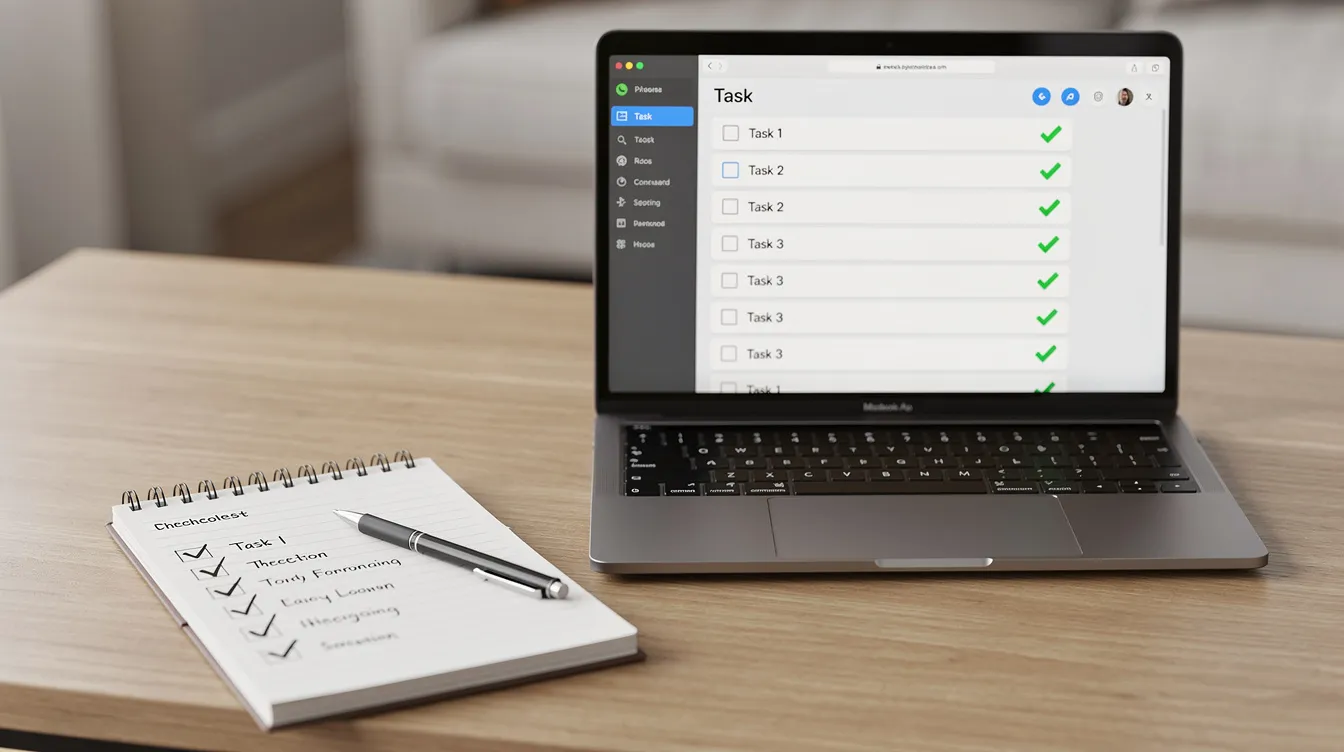
A standard CASS current account switch takes seven working days and is largely automated. Switching takes just seven working days via current account switch service, but following a simple checklist keeps everything smooth.
Day 0: Choose your new bank account and apply - online, in-app or in branch. You'll provide ID, personal details, and the sort code and account number of the existing account you want to switch. The account opening process varies by provider but usually takes under 15 minutes digitally.
Days 1–6: Your new bank contacts your old bank and collects a list of direct debits, standing orders and payees. You can usually keep using your old debit card and current account as normal during this period. Nothing changes until switch day.
Day 7: Switch completes. Your balance moves across, direct debits and standing orders are transferred, your old account is closed, and you start using your new debit card for everyday spending and direct debit payments. Switching can be completed in just seven working days.
After the switch: Salary and other regular payments sent to your old sort code and account number are automatically redirected to your new account. Payers are notified of your new current account details. This redirect lasts up to three years.
Manual updates needed: Set up your mobile wallet (apple pay, google pay) again with the new card. Update any recurring card payments - things like streaming subscriptions, gym memberships, and online shopping accounts - with your new debit card number. Confirm that the mandated switch conditions (direct debits, pay-ins, card transactions) have actually happened by checking your statement or app. This is where the "switch to us" promise from your new bank ends and your own admin begins.
Free cash is attractive, but frequent switching doesn't suit everyone - especially if you value a long-term relationship with a single bank or find admin stressful.
Pros:
Immediate cash of £150–£300 per switch
Better ongoing account features (higher interest, cashback, a stronger app)
Potential overdraft savings if your new provider offers a more competitive arranged overdraft or interest free overdraft
The chance to move to a bank with stronger customer service - switching banks may allow access to better account terms or services
Cons:
Time and attention needed to meet conditions (pay-ins, direct debits, debit card payments)
Possible impact on your credit score if you apply for several current accounts in quick succession
Risk of forgetting direct debits or debit card payments and missing bonuses
Hassle of updating your employer and recurring card merchants each time
Cash bonuses may be considered taxable income in certain jurisdictions, though most earners won't hit a threshold that triggers a bill
If you have a big credit application on the horizon - a mortgage, car finance, or major loan - you might want to delay heavy switch-hopping until after your borrowing is complete. Clusters of hard searches look suspicious to underwriters.
Switching suits organised users who are comfortable managing multiple current accounts, have regular income to meet pay-in rules, and are willing to close an old everyday bank account in exchange for a guaranteed bonus.
Before you act, weigh the guaranteed value of the bonus against the effort involved. Prioritise secure, well-run current accounts backed by the financial services compensation scheme and the current account switch guarantee. That way, even if you stop chasing bonuses, you'll still be left with a better bank.