
ACE Money Transfer
ACE Money Transfer

12 Oct 2026
Sending money home to Pakistan is one of the most important financial decisions overseas Pakistanis make regularly. Allied Bank Limited is a commercial bank in Pakistan that provides banking and international remittance services, including support for inbound remittances through international partnerships. This guide walks you through using ACE Money Transfer to send funds to Allied Bank accounts or collect cash at supported locations, while helping you understand the applicable fees and exchange rates. Costs vary by transaction and destination.
Allied Bank Limited mainly receives international remittances in Pakistan, while digital providers like ACE Money Transfer handle the sending side. You can send money online from dozens of countries to Allied Bank using debit card, credit card, or online bank transfer.
Recipients can receive money via bank deposit into Allied Bank or Allied Express accounts, cash pickup at over 1,400 Allied Bank branches, or mobile wallet credits to services like JazzCash and Easypaisa.
Recipients can receive money through bank deposits, cash pickup at Ailled Bank deposits, cash pickup at Ailled Bank branches, or supported digital channels. Ailled Bank states that receiving home remittances is free of charge.
Delivery times vary by payment method and transaction details. Card-funded transfers and cash pickups may be completed within minutes, while bank-funded transactions may take 1-2 working days. Rates and fees may vary. Visit acemoneytransfer.com for current rates.
Senders and recipients can track their remittance in real time via ACE Money Transfer's tracking tools and Allied Bank's SMS alerts, ensuring security and transparency for money sent to loved ones.
Allied Bank Limited was established in Pakistan in 1942 and operates more than 1500 branches across the country.
For millions of overseas Pakistanis, it is the bank where their family holds an account and where remittances land every month. Allied Bank Limited supports international remittances through its global remittance partnership, including cash pickup through ACE Money Transfer's affiliated bank network.
It is worth noting that sending money internationally from Allied Bank is regulated by the State Bank of Pakistan. Outward remittance is typically limited to approved categories such as education or medical fees, and the purpose of the transfer affects the documentation required for sending money abroad. For example, education-related remittances may be permitted for tuition, living expenses, and other eligible costs, subject to applicable State Bank of Pakistan requirements. Pakistani residents may also be subject to specific foreign exchange limits for travel expenses. However, Allied Bank provides home remittance services for receiving funds from abroad, as well as foreign exchange services for eligible outward remittances, including education, medical treatment, and travel-related transactions.
The main ways overseas Pakistanis can remit money to Pakistan include bank transfer into Allied Bank accounts, cash pickup at Allied Bank branches, and mobile wallet transfers via remittance providers like ACE Money Transfer. This article covers how to send money online to Allied Bank, how recipients receive money, fees, limits, transfer times, and how ACE Money Transfer fits into the process.
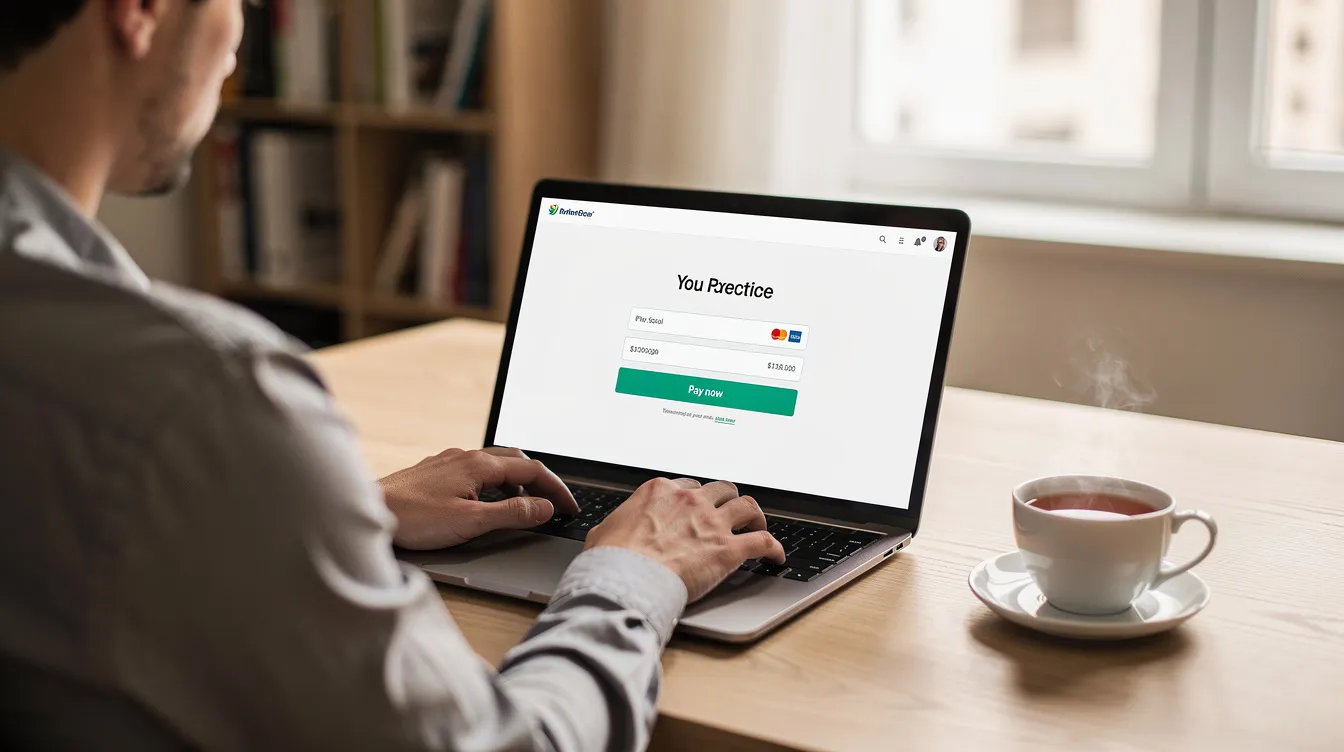
ACE Money Transfer is a digital remittance platform that allows customers in countries like the UK, EU member states, Canada, Australia, and others to send money online directly to Allied Bank accounts or for cash pickup at any Allied Bank branch in Pakistan. ACE Money Transfer supports international money transfers in multiple currencies, with available currencies and transfer options varying by destination and transaction details.
Here is how the ACE transfer process works. First, you register or log in to your account using your email, Google, or Apple ID. Once logged in, you choose Pakistan as the destination country and select your preferred payout option: Allied Bank account deposit, Allied Bank cash pickup, or mobile wallet. Next, you enter accurate recipient details, including the bank or mobile wallet number and the recipient's full name as it appears on their CNIC. You then select a payment method such as a debit card, credit card, or online bank transfer. Before finalising, you add a payment reason, review the transfer details, check the exchange rate and any applicable fees, and click "Pay Now."
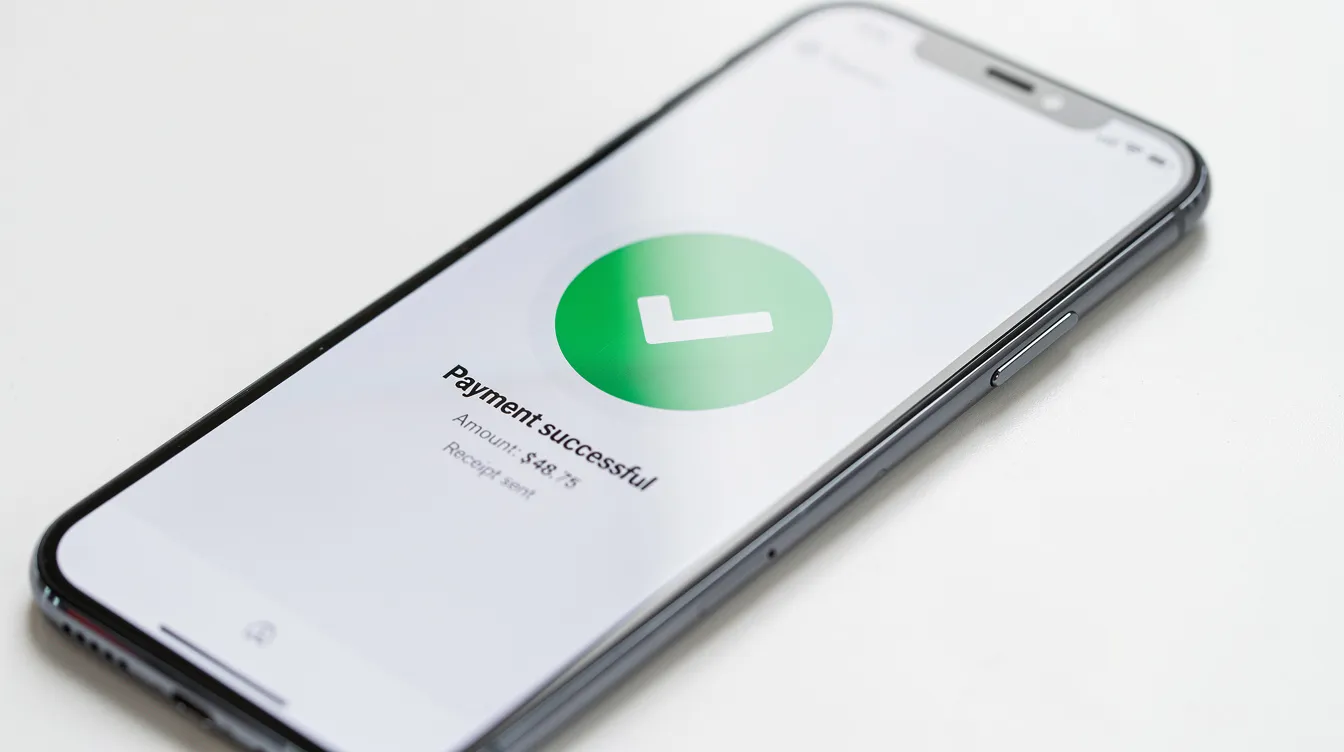
After payment, you immediately receive a transaction reference number. You can use this to track the bank transfer or cash pickup status in real time through ACE's website or mobile app. ACE Money Transfer uses security measures to protect transactions and customer information and is authorised and regulated by the Financial Conduct Authority (FCA) to provide payment services.
Allied Bank and ACE together offer multiple ways to receive money in Pakistan. This flexibility lets senders choose the method that best suits their family's circumstances, whether they need speed, convenience, or simply prefer handling cash.
Bank deposit to Allied Bank accounts means funds go directly into the recipient's current, savings, or Allied Express account. This is ideal for covering bills, building savings, or providing regular family support. The money is easy to track and stays secure in the banking system until the recipient needs it.
Cash pickup at Allied Bank branches allows recipients to collect physical cash from over 1,400 Allied Bank branches nationwide. The recipient simply needs their original CNIC and the remittance reference number provided by the sender. This option is suitable when recipients prefer cash or do not have a bank account, and it is a quick way to put money directly into someone's hands.
Mobile wallet payouts, such as those to JazzCash or Easypaisa where supported by ACE, are fast and often near-instant. Mobile money transfers to JazzCash accounts may be credited within minutes, depending on the payment method and transaction details. Rates and fees may vary. Visit acemoneytransfer.com for current rates. This method is ideal for younger or tech-savvy recipients who want to pay digitally or withdraw at ATMs and agents across the country.

Accurate recipient information is essential for any international money transfer to avoid delays, rejections, or unnecessary foreign exchange charges. Getting even one digit wrong in an account number can send the transaction into limbo.
For an Allied Bank bank transfer, you typically need: the recipient's full name as per their CNIC, the Allied Bank account number, the IBAN for Pakistan, the branch name and city, and the bank's SWIFT/BIC code where applicable. You need the recipient's IBAN and BIC for transfers to ensure funds route correctly through Allied Bank's system.
For cash pickup, the requirements are simpler. The sender usually needs only the recipient's full name, CNIC number, and mobile phone number, since no bank account is required. ACE Money Transfer will prompt you for each required field during the process, and double-checking spelling and numbers before confirming helps ensure a smooth transaction.
For example, if you are sending from Manchester to a person in Lahore, you would enter their Allied Bank IBAN, the branch name in Lahore, and their full name exactly as it appears on their CNIC. A mismatch in any of these fields could cause a delay of several days.
Allied Bank makes it simple for beneficiaries in Pakistan to receive money sent from abroad. Receiving international money transfers into Allied Bank accounts is straightforward, and the process works even for recipients who do not hold a bank account.
For direct bank deposits, money is credited automatically to the Allied Bank or Allied Express account once the remittance partner transmits the funds. The Allied Express service notifies you via SMS when money is ready and credited. Recipients can then use ATMs, visit a branch, or access digital banking channels to withdraw or spend their funds. Remittance is usually credited within two working days, though in many cases it arrives within minutes after processing.
For cash pickup, the recipient receives an SMS or information from the sender with the remittance reference number. They then visit any Allied Bank branch during working hours, present their original CNIC and the reference number, sign a receipt, and collect the cash in Pakistani rupees. You can collect remittance without a bank account at Allied Bank, making this a lifeline for recipients in rural areas or those without formal banking access. Cash pickup can be done at over 1,400 branches across Pakistan.
Allied Bank's Allied Express account is designed specifically for remittance beneficiaries. It offers instant credit of incoming foreign remittances, no minimum balance requirement, and access to withdrawal facilities. Receiving remittance through Allied Bank is free of charge, meaning the recipient keeps every rupee sent.
The total cost of sending international money to Pakistan has two main components: explicit transfer fees and exchange rate margins on foreign exchange conversion. Senders incur transaction and exchange rate fees when sending money, and exchange rate fees can significantly increase transfer costs if the provider applies a wide spread between the market rate and the rate offered to the customer.
Services like ACE Money Transfer show the transfer fee and exchange rate upfront before the sender confirms the bank transfer or cash pickup to Allied Bank. This transparency lets you compare the total cost with other options before committing. Transfer fees may vary by sending country, transfer amount, destination, and transaction details. Rates and fees may vary. Visit acemoneytransfer.com for current rates, and similar thresholds apply in other sending countries.
The Pakistan Remittance Initiative (PRI) is a government-backed programme that subsidises the cost of sending money to Pakistani banks, including Allied Bank Limited. Transfers above the equivalent of USD 210 to Allied Bank are fee-free under PRI when sent through participating providers. Because of this initiative, Allied Bank typically does not deduct receiving charges for international remittances. Receiving remittance at Allied Bank is free of charge, making it especially attractive for families that regularly receive money from overseas workers.
Always check live rates and fees on ACE Money Transfer's platform before sending, as foreign exchange rates between PKR and currencies like GBP, EUR, and SAR change throughout the day.

The time it takes for money to arrive at Allied Bank depends mainly on the sending method, payment source, and any compliance checks that may be triggered.
| Channel | Typical Timeframe |
|---|---|
| ACE card-funded bank deposit | Minutes to a few hours |
| ACE bank-funded bank deposit | 1–2 working days |
| Cash pickup via ACE | Available within minutes after processing |
| Traditional SWIFT wire transfer | 3–5 business days |
| Mobile wallet (JazzCash) | Credited within two hours |
Transfers to Allied Bank accounts are usually completed in 1–2 days when funded by an online bank transfer, though card payments can make funds available much faster. Cash pickup transfers can be collected almost immediately once the transaction is processed on the sending side. Traditional SWIFT transfers may take varying amounts of time to complete, depending on the sending and receiving banks, intermediary institutions, local processing requirements, and other transaction factors, which is one reason many senders now prefer digital platforms.
Delays are usually on the sending side or due to compliance checks, not on Allied Bank's end. Allied Bank supports the direct credit of incoming home remittances to eligible customer accounts through its remittance partner network.
Incoming remittance limits may vary depending on the account type and receiving method, transaction details, and applicable regulatory requirements. Larger or unusual transactions may also be subject to additional verification.
Cash pickup transaction limits at Allied Bank branches may vary depending on the transaction, receiving method, and applicable requirements. Check ACE Money Transfer for current limits before sending. Limits can vary by partner, regulatory updates, and the specific sending corridor, so it is wise to confirm at the time of sending. Bank deposit transaction limits may vary depending on the destination, receiving bank, transfer method, and applicable requirements. Check ACE Money Transfer for current limits before sending.
ACE Money Transfer may also apply practical sending limits based on the sender's country, identity verification level, and chosen payment method. For instance, a first-time sender from Germany to Pakistan may face lower limits until their identity documents are fully verified. All senders must comply with anti-money laundering and "know your customer" regulations, which is why ID verification is required when they start sending larger amounts to loved ones back home.
Before initiating a high-value international money transfer, check the current limits for your specific corridor inside the ACE Money Transfer app or on the Allied Bank website.
ACE Money Transfer is purpose-built for overseas remittances to Pakistan and works with Allied Bank's domestic network to combine digital convenience with trusted local banking. For anyone who wants to send money to friends and family in Pakistan, this combination provides an option for international remittances through a simple digital platform.
Compared with traditional bank-to-bank SWIFT transfers, ACE Money Transfer provides an alternative for sending money to Allied Bank, with delivery times, exchange rates, fees, and available digital features varying by transaction. There is no need to visit a branch abroad, fill out paper forms, or wonder about hidden charges. The entire process, from sign-up to payment confirmation, can be done on a phone or computer.
ACE supports multiple payout methods linked to Allied Bank, including bank deposits into Allied Bank Limited accounts, cash pickup at branches, and mobile wallet credits where available. Senders can track the status of their money transfer in real time via the transaction reference number and receive notifications at each stage until the funds are delivered.
Consider a Pakistani nurse working in London who regularly sends part of her salary home to her parents in Faisalabad. She logs into ACE, enters her mother's Allied Bank account number, pays with her debit card, and her mother receives an SMS confirming the credit once the transfer is processed. That kind of speed and convenience is what keeps families connected across the world.
Both ACE Money Transfer and Allied Bank Limited operate under strict financial regulations to protect customers and prevent fraud in international money transfers. ACE is regulated and licensed in European and other jurisdictions, while Allied Bank is supervised by the State Bank of Pakistan. This creates a secure chain for cross-border money transfer and foreign exchange handling.
Senders can track their Allied Bank-bound remittance via ACE's online tracker or mobile app using the transaction reference number. The tracker shows stages like "In Process," "Paid Out," or "Available for Pickup," so you always know where your money is. Allied Bank's Allied Express SMS alert system also informs recipients when money has been credited or is available for cash pickup, so they do not need to visit the branch unnecessarily.
To stay safe, share reference numbers only with trusted recipients, keep your ACE and Allied Bank login details confidential, and contact customer support immediately if you suspect any suspicious activity. These simple steps help you send funds to the intended recipient while following the applicable transfer and verification requirements.
Yes, it is possible to use a traditional bank wire via SWIFT transfer from many overseas banks directly to Allied Bank Limited in Pakistan. However, Allied Bank uses SWIFT transfers for international money transactions. These may involve different fees, processing times, and exchange rates depending on the provider, transaction type, and destination. ACE Money Transfer provides an alternative option for international remittances, with delivery times and applicable fees varying by transaction for sending money to Allied Bank accounts or for cash pickup while still crediting the funds through Allied Bank's network.
Having an Allied Bank or Allied Express account is convenient but not mandatory. Recipients can still receive money via cash pickup at any Allied Bank branch using their CNIC and remittance reference number. Opening an Allied Express account at a local branch is simple, usually requiring only a CNIC, and can make future remittances faster and more secure by allowing direct deposits.
ACE covers many major sending countries including the UK, several EU countries, Canada, Australia, and others. The exact list can change over time. Visit the ACE Money Transfer website or app, use the search icon to select your "send from" country, and confirm that Pakistan and Allied Bank payouts are supported from that location on the current date.
Incorrect details can delay the transfer or cause it to be rejected. In some cases, funds may be returned to the sender after verification checks, which can take several days. Contact ACE Money Transfer customer support immediately if you notice an error, and always double-check the Allied Bank account, IBAN, and recipient name before confirming payment to create a complete and error-free transaction.
Foreign exchange rates between currencies like GBP, EUR, SAR, and the dollar against PKR move constantly based on global markets rather than time of day alone. Weekends and public holidays may have limited or fixed-rate windows on some platforms. You can monitor ACE Money Transfer's real-time exchange rates and consider the applicable rate, transfer fees, transfer amount, and urgency of the payment when deciding when to send funds. This is not financial or legal advice. Please consult a qualified professional. Even a small difference in the updated rate can matter when you are sending the equivalent of several hundred pounds or euros.
Sending money home to Pakistan is one of the most important financial decisions overseas Pakistanis make regularly. Allied Bank Limited is one of the country's largest commercial banks, and it serves as a primary destination for international money transfers from the UK, Europe, Canada, Australia, the Middle East, and beyond. This guide walks you through everything you need to know about using ACE Money Transfer to send funds to Allied Bank accounts, pick up cash at branches, and keep costs low while doing it.
Allied Bank Limited mainly receives international remittances in Pakistan, while digital providers like ACE Money Transfer handle the sending side. You can send money online from dozens of countries to Allied Bank using debit card, credit card, or online bank transfer.
Recipients can receive money via bank deposit into Allied Bank or Allied Express accounts, cash pickup at over 1,400 Allied Bank branches, or mobile wallet credits to services like JazzCash and Easypaisa.
Receiving remittances at Allied Bank is free of charge for the recipient. Under the Pakistan Remittance Initiative (PRI), transfers above the equivalent of USD 210 can also qualify for fee-free sending.
Delivery times range from within minutes for card-funded transfers and cash pickup to 1–2 working days for bank-funded transactions, depending on the method.
Senders and recipients can track their remittance in real time via ACE Money Transfer's tracking tools and Allied Bank's SMS alerts, ensuring security and transparency for money sent to loved ones.
Allied Bank Limited is one of Pakistan's oldest and most established commercial banks, with over 1,300 branches spread across cities, towns, and rural areas. For millions of overseas Pakistanis, it is the bank where their family holds an account and where remittances land every month. Allied Bank is widely used to receive international money transfers through partner services such as ACE Money Transfer, making the process of supporting loved ones from abroad seamless and convenient.
It is worth noting that sending money internationally from Allied Bank is regulated by the State Bank of Pakistan. Outward remittance is typically limited to approved categories such as education or medical fees, and the purpose of the transfer affects the documentation required for sending money abroad. For example, education remittances can be sent up to US $70,000 per year for tuition and living expenses, and Pakistani residents are allowed specific foreign exchange allocations for travel expenses. However, Allied Bank's real strength for diaspora communities lies in receiving funds, not sending them abroad.
The main ways overseas Pakistanis can remit money to Pakistan include bank transfer into Allied Bank accounts, cash pickup at Allied Bank branches, and mobile wallet transfers via remittance providers like ACE Money Transfer. This article covers how to send money online to Allied Bank, how recipients receive money, fees, limits, transfer times, and how ACE Money Transfer fits into the process.
ACE Money Transfer is a digital remittance platform that allows customers in countries like the UK, EU member states, Canada, Australia, and others to send money online directly to Allied Bank accounts or for cash pickup at any Allied Bank branch in Pakistan. It supports 29 sending currencies and is designed specifically for fast, affordable international money transfers.
Here is how the ACE transfer process works. First, you register or log in to your account using your email, Google, or Apple ID. Once logged in, you choose Pakistan as the destination country and select your preferred payout option: Allied Bank account deposit, Allied Bank cash pickup, or mobile wallet. Next, you enter accurate recipient details, including the bank or mobile wallet number and the recipient's full name as it appears on their CNIC. You then select a payment method such as a debit card, credit card, or online bank transfer. Before finalising, you add a payment reason, review the transfer details, check the exchange rate and any applicable fees, and click "Pay Now."
After payment, you immediately receive a transaction reference number. You can use this to track the bank transfer or cash pickup status in real time through ACE's website or mobile app. ACE Money Transfer uses strong security protocols and is regulated in its operating jurisdictions, making it a safe and secure way to send international money to your family using Allied Bank's network.
Allied Bank and ACE together offer multiple ways to receive money in Pakistan. This flexibility lets senders choose the method that best suits their family's circumstances, whether they need speed, convenience, or simply prefer handling cash.
Bank deposit to Allied Bank accounts means funds go directly into the recipient's current, savings, or Allied Express account. This is ideal for covering bills, building savings, or providing regular family support. The money is easy to track and stays secure in the banking system until the recipient needs it.
Cash pickup at Allied Bank branches allows recipients to collect physical cash from over 1,400 Allied Bank branches nationwide. The recipient simply needs their original CNIC and the remittance reference number provided by the sender. This option is suitable when recipients prefer cash or do not have a bank account, and it is a quick way to put money directly into someone's hands.
Mobile wallet payouts, such as those to JazzCash or Easypaisa where supported by ACE, are fast and often near-instant. Mobile money transfers to JazzCash accounts are typically credited within two hours. This method is ideal for younger or tech-savvy recipients who want to pay digitally or withdraw at ATMs and agents across the country.
Accurate recipient information is essential for any international money transfer to avoid delays, rejections, or unnecessary foreign exchange charges. Getting even one digit wrong in an account number can send the transaction into limbo.
For an Allied Bank bank transfer, you typically need: the recipient's full name as per their CNIC, the Allied Bank account number, the IBAN for Pakistan, the branch name and city, and the bank's SWIFT/BIC code where applicable. You need the recipient's IBAN and BIC for transfers to ensure funds route correctly through Allied Bank's system.
For cash pickup, the requirements are simpler. The sender usually needs only the recipient's full name, CNIC number, and mobile phone number, since no bank account is required. ACE Money Transfer will prompt you for each required field during the process, and double-checking spelling and numbers before confirming helps ensure a smooth transaction.
For example, if you are sending from Manchester to a person in Lahore, you would enter their Allied Bank IBAN, the branch name in Lahore, and their full name exactly as it appears on their CNIC. A mismatch in any of these fields could cause a delay of several days.
Allied Bank makes it simple for beneficiaries in Pakistan to receive money sent from abroad. Receiving international money transfers into Allied Bank accounts is straightforward, and the process works even for recipients who do not hold a bank account.
For direct bank deposits, money is credited automatically to the Allied Bank or Allied Express account once the remittance partner transmits the funds. The Allied Express service notifies you via SMS when money is ready and credited. Recipients can then use ATMs, visit a branch, or access digital banking channels to withdraw or spend their funds. Remittance is usually credited within two working days, though in many cases it arrives within minutes after processing.
For cash pickup, the recipient receives an SMS or information from the sender with the remittance reference number. They then visit any Allied Bank branch during working hours, present their original CNIC and the reference number, sign a receipt, and collect the cash in Pakistani rupees. You can collect remittance without a bank account at Allied Bank, making this a lifeline for recipients in rural areas or those without formal banking access. Cash pickup can be done at over 1,400 branches across Pakistan.
Allied Bank's Allied Express account is designed specifically for remittance beneficiaries. It offers instant credit of incoming foreign remittances, no minimum balance, and convenient withdrawals. Receiving remittance through Allied Bank is free of charge, meaning the recipient keeps every rupee sent.
The total cost of sending international money to Pakistan has two main components: explicit transfer fees and exchange rate margins on foreign exchange conversion. Senders incur transaction and exchange rate fees when sending money, and exchange rate fees can significantly increase transfer costs if the provider applies a wide spread between the market rate and the rate offered to the customer.
Services like ACE Money Transfer show the transfer fee and exchange rate upfront before the sender confirms the bank transfer or cash pickup to Allied Bank. This transparency lets you compare the total cost with other options before committing. ACE often offers fee-free transfers from the UK for amounts above GBP 150, and similar thresholds apply in other sending countries.
The Pakistan Remittance Initiative (PRI) is a government-backed programme that subsidises the cost of sending money to Pakistani banks, including Allied Bank Limited. Transfers above the equivalent of USD 210 to Allied Bank are fee-free under PRI when sent through participating providers. Because of this initiative, Allied Bank typically does not deduct receiving charges for international remittances. Receiving remittance at Allied Bank is free of charge, making it especially attractive for families that regularly receive money from overseas workers.
Always check live rates and fees on ACE Money Transfer's platform before sending, as foreign exchange rates between PKR and currencies like GBP, EUR, and SAR change throughout the day.
There is generally no maximum limit for standard personal remittances received by Allied Bank from abroad under normal regulatory conditions, though large amounts may trigger additional verification by the bank or regulatory authorities.
For cash pickup at Allied Bank branches, the commonly cited limit is around PKR 500,000 per transaction through ACE Money Transfer. Limits can vary by partner, regulatory updates, and the specific sending corridor, so it is wise to confirm at the time of sending. For bank deposits, ACE allows up to PKR 10,000,000 per transaction, a maximum that covers most personal remittance needs.
ACE Money Transfer may also apply practical sending limits based on the sender's country, identity verification level, and chosen payment method. For instance, a first-time sender from Germany to Pakistan may face lower limits until their identity documents are fully verified. All senders must comply with anti-money laundering and "know your customer" regulations, which is why ID verification is required when they start sending larger amounts to loved ones back home.
Before initiating a high-value international money transfer, check the current limits for your specific corridor inside the ACE Money Transfer app or on the Allied Bank website.
ACE Money Transfer is purpose-built for overseas remittances to Pakistan and works with Allied Bank's domestic network to combine digital convenience with trusted local banking. For anyone who wants to send money to friends and family in Pakistan, this combination brings together speed, security, and cost savings in one simple platform.
Compared with traditional bank-to-bank SWIFT transfers, ACE typically offers faster delivery to Allied Bank, more competitive exchange rates, transparent fees, and a fully online experience for the sender. There is no need to visit a branch abroad, fill out paper forms, or wonder about hidden charges. The entire process, from sign-up to payment confirmation, can be done on a phone or computer.
ACE supports multiple payout methods linked to Allied Bank, including bank deposits into Allied Bank Limited accounts, cash pickup at branches, and mobile wallet credits where available. Senders can track the status of their money transfer in real time via the transaction reference number and receive notifications at each stage until the funds are delivered.
Consider a Pakistani nurse working in London who regularly sends part of her salary home to her parents in Faisalabad. She logs into ACE, enters her mother's Allied Bank account number, pays with her debit card, and her mother receives an SMS confirming the credit within minutes. That kind of speed and convenience is what keeps families connected across the world.
Both ACE Money Transfer and Allied Bank Limited operate under strict financial regulations to protect customers and prevent fraud in international money transfers. ACE is regulated and licensed in European and other jurisdictions, while Allied Bank is supervised by the State Bank of Pakistan. This creates a secure chain for cross-border money transfer and foreign exchange handling.
Senders can track their Allied Bank-bound remittance via ACE's online tracker or mobile app using the transaction reference number. The tracker shows stages like "In Process," "Paid Out," or "Available for Pickup," so you always know where your money is. Allied Bank's Allied Express SMS alert system also informs recipients when money has been credited or is available for cash pickup, so they do not need to visit the branch unnecessarily.
To stay safe, share reference numbers only with trusted recipients, keep your ACE and Allied Bank login details confidential, and contact customer support immediately if you suspect any suspicious activity. These simple steps guarantee that your funds reach the right person safely every time.
Yes, it is possible to use a traditional bank wire via SWIFT transfer from many overseas banks directly to Allied Bank Limited in Pakistan. However, Allied Bank uses SWIFT transfers for international money transactions, and these often involve higher fees, slower processing of 3–5 business days, and less competitive exchange rates. ACE Money Transfer typically offers a faster, lower-cost alternative for sending money to Allied Bank accounts or for cash pickup while still crediting the funds through Allied Bank's network.
Having an Allied Bank or Allied Express account is convenient but not mandatory. Recipients can still receive money via cash pickup at any Allied Bank branch using their CNIC and remittance reference number. Opening an Allied Express account at a local branch is simple, usually requiring only a CNIC, and can make future remittances faster and more secure by allowing direct deposits.
ACE covers many major sending countries, including the UK, several EU countries, Canada, Australia, and others. The exact list can change over time. Visit the ACE Money Transfer website or app, use the search icon to select your "send from" country, and confirm that Pakistan and Allied Bank payouts are supported from that location on the current date.
Incorrect details can delay the transfer or cause it to be rejected. In some cases, funds may be returned to the sender after verification checks, which can take several days. Contact ACE Money Transfer customer support immediately if you notice an error, and always double-check the Allied Bank account, IBAN, and recipient name before confirming payment to create a complete and error-free transaction.
Foreign exchange rates between currencies like GBP, EUR, SAR, and the dollar against PKR move constantly based on global market conditions rather than specific times of day or week. However, there are some general considerations that can help you optimize your timing:
Market Hours: Currency markets are most active during the overlapping business hours of major financial centers such as London, New York, and Tokyo. During these periods, liquidity is higher, and exchange rates may be more favorable and stable.
Avoid Weekends and Holidays: Most currency markets close over weekends and during public holidays. During these times, exchange rates can be less predictable and may include wider spreads or fixed rates, which could be less advantageous.
Monitor Economic Events: Major economic announcements, geopolitical developments, and central bank decisions can cause volatility in exchange rates. Keeping an eye on economic calendars can help you avoid sending money during periods of high uncertainty or take advantage of favourable movements.
Use Real-Time Rate Alerts: Platforms like ACE Money Transfer provide real-time exchange rate updates and alerts. Setting up notifications can help you send money when rates reach a preferred level.
Consider Your Urgency: While timing can impact rates, it’s important to balance this with your need to send money promptly, especially for urgent family support or bill payments.
By understanding these factors and using available tools, you can make more informed decisions about when to send money internationally to get the best exchange rate possible.
Disclaimer: This article is intended for general informational and educational purposes only and should not be construed as legal, regulatory, tax, business, or financial advice. While reasonable efforts have been made to ensure that all facts, figures, and data are accurate and valid as of the date of publication, no warranty or guarantee is given as to the ongoing completeness, accuracy, or currency of the information.
The content is based on information available at the time of publication. Regulations, government policies, market conditions, and service offerings may change over time and vary across jurisdictions and providers. As a result, some information may no longer be current or applicable. Readers should independently verify all information and consult qualified professional advisors before making any financial, legal, or business decisions.