ACE Money Transfer
ACE Money Transfer
14 Sep 2026
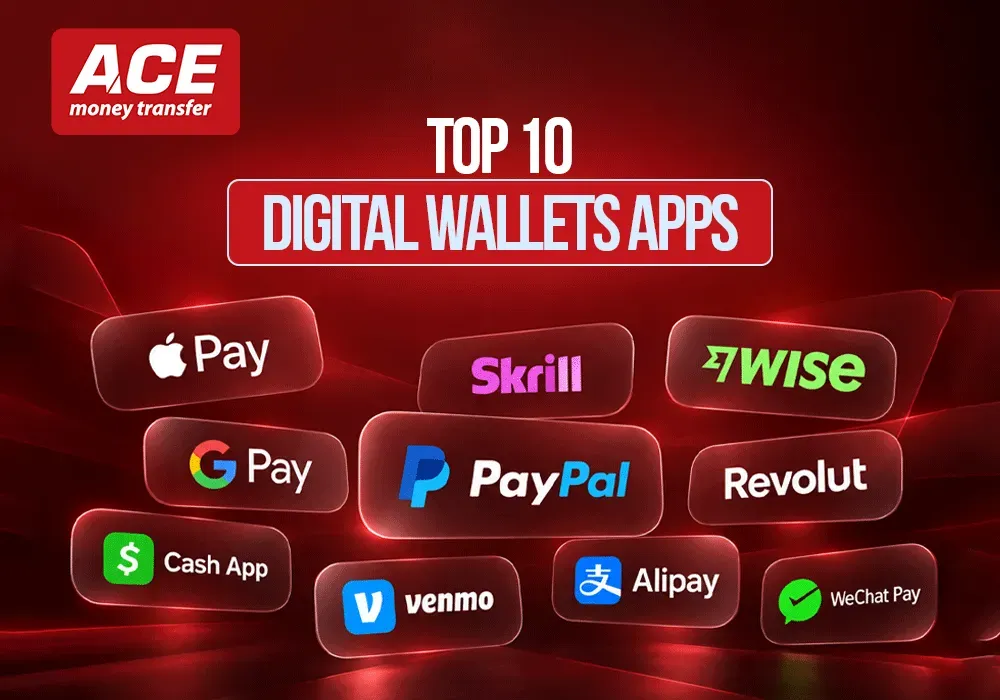
Digital wallets have moved from novelty to necessity. In 2026, global users of digital wallets are projected to exceed 5.2 billion, and these apps now handle everything from morning coffee runs to cross border e commerce transactions. The shift is straightforward: digital wallets can enhance convenience by allowing payments without physical cards, replacing the need to carry cash or dig through a physical wallet at checkout. They link directly to your bank accounts, credit and debit cards, and even store loyalty cards, boarding passes, and digital keys-all inside a single platform on your phone.
What makes this shift stick is safety. Digital wallets use advanced encryption to protect transactions, along with tokenization and biometric authentication to keep your payment information locked down. Whether you tap to pay in store, check out in app, or complete online purchases. The most popular digital wallet apps include Apple Pay, Google Wallet, and PayPal, but the landscape stretches far wider-from Cash App and Alipay to neobanks like Revolut.
One important distinction: while these wallet apps handle everyday payments beautifully, international transfers require a different tool. Let's get into the top 10 digital wallet apps you should know right now.
If you want the short version, here are the best digital wallets for 2026:
Apple Pay - Best for iPhone and Apple Watch owners; gold standard for tap to pay convenience
Google Wallet / Google Pay - Best all-rounder for Android devices; strong NFC and online payments
Samsung Wallet - Feature-rich wallet for Galaxy phones with Samsung Knox security
PayPal - Global leader for online payments, accepted by over 35 million merchants
Cash App - Top social P2P payment app for the US and UK
Amazon Pay - Seamless one-click checkout for online shopping
Alipay - Superapp digital wallet dominating Asia with over a billion users
Revolut - Multi-currency digital wallet app for travelers and digital nomads
Curve - One smart card consolidating all your cards into one wallet
Zelle - Instant bank-to-bank transfers for US residents
Apple Pay and Google Pay are accepted at millions of locations worldwide for contactless payments. PayPal and Amazon Pay excel for online shopping. Cash App and Zelle lead for P2P transfers and everyday payments. And while Ace Money Transfer isn't a daily tap-to-pay wallet, it complements these apps perfectly as a specialist for international money transfers.
Apple Pay is the most recognized mobile payment solution on the market, and for good reason. Launched in 2014 by Apple in Cupertino, California, it's now available across the US, UK, EU, and dozens of global markets. Apple Pay is integrated into billions of iOS devices, making it the default digital wallet app for anyone in the Apple ecosystem-iPhone, Apple Watch, iPad, and Mac.
Here's how it works: you add your debit card or credit cards to the Wallet app, and Apple Pay stores a digital version as a device-specific token inside the Secure Element chip. Apple Pay uses biometric authentication like Face ID or Touch ID to authorize each transaction, generating unique transaction codes so your real card number is never shared with merchants.
Key features beyond mobile payment include support for transit cards, loyalty cards, boarding passes, and government IDs in supported regions. There's no Apple Pay fee for using the service-foreign transaction fees come from your bank or card issuer. It suits iOS devices users, frequent contactless payers, and privacy-conscious shoppers who want secure transactions without compromising speed. Contactless payments can often be completed in just a few seconds with a simple tap.
Google Wallet is the core digital wallet app for Android users, with Google Pay branding still used for payment checkout flows in some regions. There are subtle differences between the two names, but in practice, Google Wallet is your hub for cards, passes, and payments on most Android devices.
Google Pay emerged in 2018 as a comprehensive digital wallet after merging Google Wallet (2011) and Android Pay. Today, Google Wallet supports payments in over 70 countries and stores debit cards, credit cards, loyalty cards, transit passes, event tickets, and digital car keys. Google Wallet supports NFC payments for quick in-store transactions, and it also powers fast online checkout via Chrome autofill and Google accounts integration.
Security relies on device tokens rather than real card numbers, encrypted storage, and mandatory screen lock plus fingerprint or face unlock. A notable feature: Google Wallet allows users to pay without an internet connection at physical terminals, since NFC transactions are processed locally. It also works on Wear OS watches and ties into Google Maps for transit passes. The ideal user is anyone with an Android phone who wants a free, easy digital wallet for everyday transactions, public transport, and online shopping.
Samsung Wallet launched in 2022 from Samsung's headquarters in Suwon, South Korea, combining the former Samsung Pay and Samsung Pass into one integrated digital wallet app for Galaxy phones and watches.
Samsung Pay uses NFC technology for contactless payments at terminals worldwide displaying the contactless symbol. Older Galaxy devices also supported MST (magnetic stripe transmission) as a legacy fallback. Samsung Wallet employs Samsung Knox for enhanced security, layering on-device encryption, tokenization, and biometric authentication-fingerprint or face recognition-to keep payment details protected at the hardware level. Samsung Wallet integrates with Samsung Knox for enhanced security features that isolate sensitive data from other apps.
Beyond payments, Samsung Wallet stores boarding passes, loyalty cards, digital keys for cars and hotel rooms, and student IDs where supported. Coverage in 2026 spans the US, UK, major EU markets, South Korea, India, and more. If you own a Galaxy device and want an all-in-one digital wallet app tightly woven into your phone's hardware and ecosystem, Samsung Wallet is the natural pick.
PayPal remains one of the oldest and most trusted names in the digital wallet space. Founded in 1998 and headquartered in San Jose, California, PayPal is widely recognized for its utility in online payments and peer-to-peer transfers.
PayPal operates in over 200 countries, and supports 25+ currencies. Users link bank accounts, debit cards, and credit cards to a PayPal balance, then check out with a single click on millions of websites and apps. Digital wallets enhance online shopping with one-click checkout options, and PayPal pioneered this approach. Digital wallets facilitate online shopping and in-app purchases seamlessly through services like PayPal.
Safety comes from advanced encryption, buyer and seller protection policies, and real-time fraud monitoring. On the mobile side, PayPal supports in store QR payments, P2P transfers, subscription management, and spending tracking. Fees for domestic purchases are typically zero for buyers, but currency conversion and some international payments incur charges. For larger cross border remittances, pairing PayPal with a dedicated service like Ace Money Transfer can save significantly on fees and exchange rates.
Cash App, developed by Block (formerly Square) and launched in 2013, is a digital wallet and financial super-app popular for peer-to-peer payments and everyday transfers. Digital wallets support peer-to-peer transfers for sending money to friends, and Cash App makes this process nearly frictionless with $cashtags.
Core features include instant P2P transfers, a linked Cash Card debit card for in store and online spending, and direct deposit capability. Cash App also offers fractional stock purchases and Bitcoin trading directly within the app-emerging trends in digital wallets include features for managing cryptocurrencies, and Cash App was an early mover here.
Cash App connects to bank accounts and debit cards for top-ups and cash-outs. It's available mainly in the US and UK. Security includes encryption, optional PIN or biometrics, and real-time account alerts, though users should remain cautious about social engineering scams common on P2P platforms. Ideal for splitting bills, paying friends, receiving side-gig income, and using the Cash Card for everyday payments.
Amazon Pay is a digital wallet and checkout service launched in 2007 that leverages stored cards and addresses from Amazon accounts for payments on third-party sites. It's primarily an online wallet rather than a tap-to-pay mobile wallet, focused on reducing checkout friction across e commerce transactions.
How it works: customers use their Amazon login at checkout, pay with saved cards or bank accounts, and benefit from Amazon's fraud protection. This limits the sharing of payment details with every merchant-your card data stays with Amazon. Supported regions in 2026 include the US, UK, Germany, Japan, India, and other key Amazon markets.
Best-fit users are frequent Amazon shoppers and anyone who values fast, familiar checkouts. If your online purchases regularly span multiple retailers, keeping everything under one Amazon-linked digital wallet simplifies the process.
Alipay serves over a billion users worldwide, making it one of the most popular digital wallets on the planet. Launched in 2004 by Ant Group in Hangzhou, China, Alipay surpassed PayPal as the largest mobile payment platform in 2013 and has kept growing since.
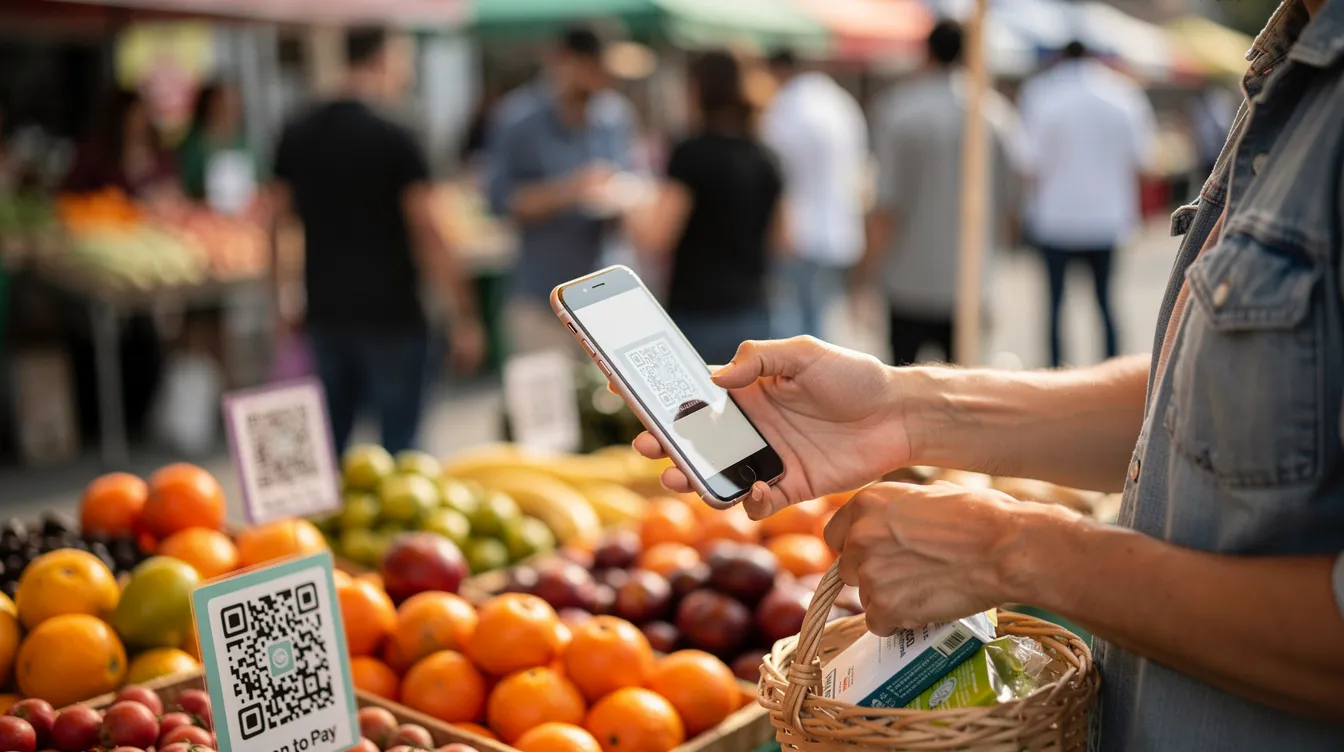
Alipay works primarily via QR-code payments in stores, bill payments, ride-hailing, and in-app shopping-all linked to bank accounts and digital balances. Through Alipay+, the cross border payment gateway operates across 100+ markets with roughly 1.8 billion connected users, allowing users to pay in local currencies abroad using their home digital wallets.
Additional services include savings products, micro-loans, insurance, and wealth management tools-all inside one wallet. Security relies on real-name verification, strong encryption, and transaction monitoring aligned with Chinese financial regulations. The ideal audience is residents in China and parts of Asia, plus international merchants accepting payments from travelers using familiar wallet apps.
Revolut, founded in 2015 in London, has grown into a multi-currency digital wallet and financial super-app holding banking licenses in several countries by 2026. Revolut supports over 30 fiat currencies and 100 cryptocurrencies, making it a standout for handling multiple currencies.
Core features include competitive FX rates, virtual and physical debit cards, budgeting tools, savings vaults, disposable virtual cards for safer online shopping, and instant P2P transfers between Revolut users. Higher-tier plans unlock benefits like fee-reduced foreign currency spending and travel insurance.
Safety is handled through e-money or banking regulation (depending on country), biometric login, one-tap card freezing, and dynamic CVV for online payments. Revolut is ideal for frequent travelers, digital nomads, and users who want one of the best digital wallets for juggling multiple currencies alongside everyday payments.
Curve, founded in 2015 in London, takes a different approach: it's a digital wallet app plus physical smart card that consolidates multiple debit cards and credit cards into a single payment method, giving users more control over their spending without switching apps between accounts.
Users link existing bank cards inside the Curve app, then pay in store or online with the Curve Card while the app routes the charge to whichever underlying card you select. The signature "Go Back in Time" feature lets you move past transactions to a different card after the fact. Curve also supports Apple Pay and Google Pay, plus offers real-time notifications and spend categorization.
Plan tiers range from free to paid subscriptions with varying limits on linked cards, cashback rewards, and fee structures for foreign currency spending. Security includes tokenization, instant card locking, and underlying card chargeback protections. Curve suits people with multiple cards who want one streamlined wallet and card for everyday payments.
Zelle launched in 2017 and is based in Scottsdale, Arizona. It's a US-only digital wallet and P2P payment network embedded directly inside major bank apps, allowing users to send money instantly using an email address or mobile number.
Zelle is owned by Early Warning Services, a consortium including JPMorgan Chase, Bank of America, and Wells Fargo, processing hundreds of billions in dollars annually. It's more of a bank-integrated wallet than a standalone super-app-focused on fast domestic payments like rent, splitting utilities, and paying small businesses.
Safety relies on bank-grade encryption and authentication, but it's critical to send only to trusted recipients because many transfers can't be reversed once authorized. Ideal for US residents with bank accounts at participating institutions who want near-instant bank-to-bank transfers for everyday personal payments.
Digital wallets serve as secure virtual containers for payment cards and IDs. At their core, they store payment methods securely using encryption and tokenization. When you add a card, the wallet creates a token-a randomized substitute for your real card number. Tokenization prevents sharing actual card details during transactions, so even if a merchant's system is breached, your information stays protected.
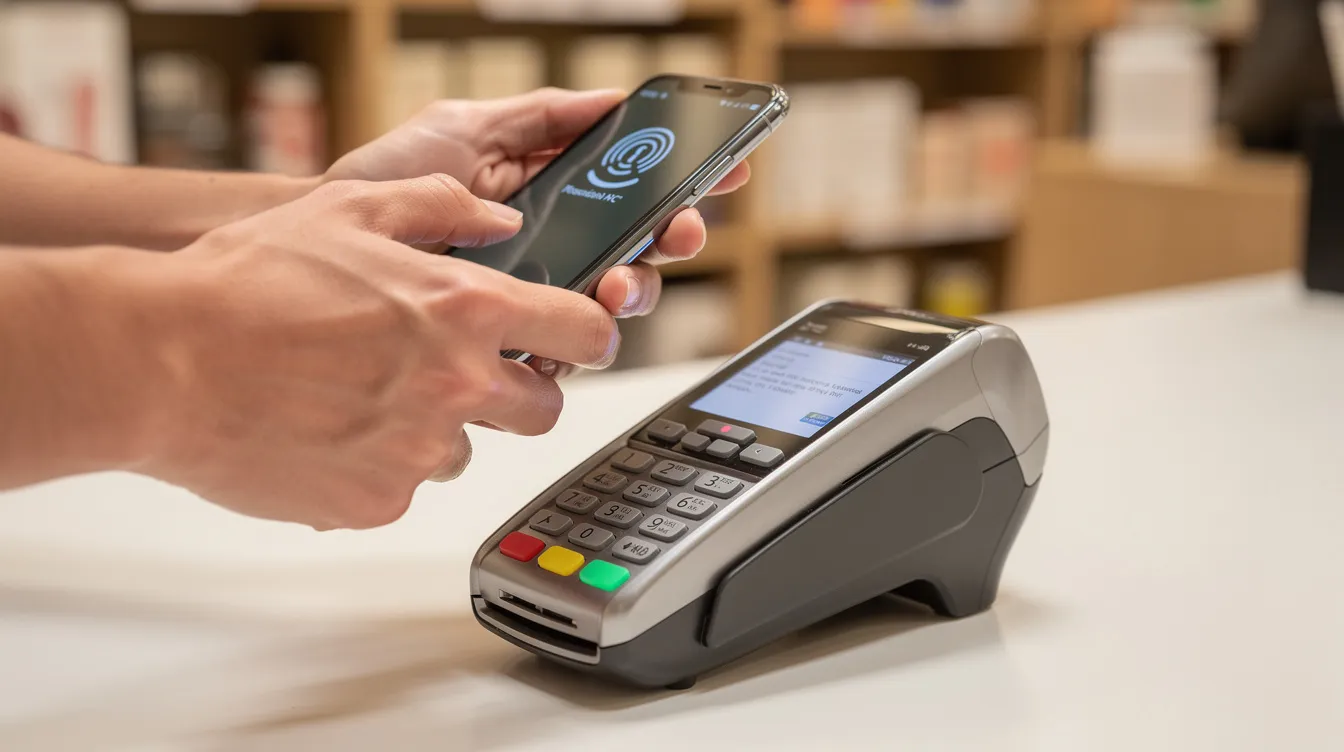
Digital wallets enable contactless payments at NFC-enabled terminals through near field communication technology. For online transactions, QR codes and web checkouts handle the handoff. Users can make instant payments without entering card details repeatedly, and digital wallets allow contactless payments using smartphones or smartwatches alike.
Are digital wallets safe? Yes-generally safer than magstripe cards or manually typing card numbers online. User data security is enhanced through biometric authentication in digital wallets, whether that's Face ID, fingerprint scanning, or device PIN. Digital wallets can store multiple payment methods securely, and most include transaction alerts and optional spending limits.
That said, device dependency is a common drawback of digital wallets if the device is lost or dead. Practical tips: use a strong screen lock, enable biometrics, avoid public Wi-Fi for sensitive actions, and review your transaction history regularly.
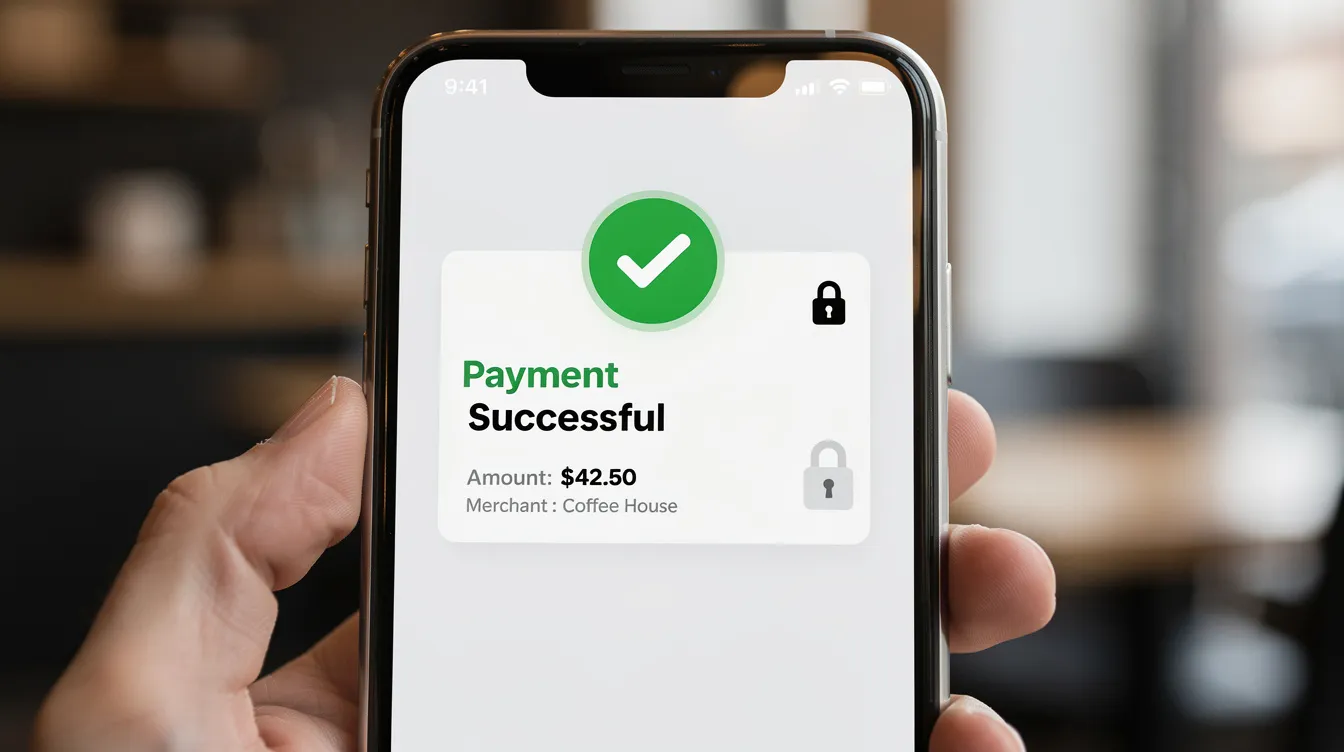
Picking the right digital wallet depends on how you actually pay. For tap-to-pay and transit, Apple Pay or Google Wallet are hard to beat on Apple devices and Android devices respectively. For online shopping, PayPal and Amazon Pay streamline checkout across millions of sites. For P2P transfers in the US, Cash App and Zelle handle the job. For travel and cross border everyday payments, Revolut and Alipay cover multiple currencies and markets.
Consider your device type-not all wallets work everywhere. Check which payment methods your bank supports, and look at fee structures, especially foreign transaction fees for international spending. Digital wallets store multiple payment methods in one app for convenience, and many digital wallets store boarding passes, event tickets, and loyalty cards too. Digital wallets may include features for managing transaction history and loyalty rewards, so pick one that integrates well with your existing bank accounts and programs.
For cross border remittances to family and friends, pair your day-to-day digital wallet with Ace Money Transfer-a specialized app optimized for low-cost international money transfers.
Digital wallets have become a convenient way for individuals to manage and receive money, including funds sent by family and friends abroad. ACE Money Transfer supports personal remittances to 65+ receiving countries, with mobile wallet delivery available in selected destinations.
ACE Money Transfer provides personal remittance services through available delivery methods, including mobile wallets in supported destinations. Customers can view the applicable exchange rate and transfer fee before sending.
Customers can send money through ACE’s digital platform without needing to visit a physical location, making international remittances more accessible.
Exchange rates fluctuate, and the rate applicable to your transfer can differ from rates shown at another time. Check the current rate atacemoneytransfer.combefore sending.FAQ: Digital Wallet Apps, Bank Accounts, and Everyday Payments
Do I need a bank account to use a digital wallet? Not always. Some wallets like PayPal or Cash App let you hold a balance without a traditional bank account. However, linking a bank account or debit card unlocks the full range of features, including top-ups and cash-outs.
Are digital wallets safe for online shopping? Yes. Digital wallets use advanced encryption and tokenization to protect your payment information. Your actual card number is never shared with merchants, making them safer than typing card details directly on websites.
Can I add multiple debit cards to one wallet? Absolutely. Most wallet apps let you store multiple payment methods-debit cards, credit cards, and sometimes prepaid cards-and switch between them at checkout.
What's the difference between a digital wallet and a banking app?
A banking app manages your account with a specific bank. A digital wallet app aggregates cards and payment methods from multiple banks into one place for payments, passes, and more.
How do digital wallets work when I travel abroad? Wallets like Google Wallet and Apple Pay work at any NFC-enabled terminal internationally. However, your bank may charge foreign transaction fees.
Can I use a digital wallet alongside a money transfer app?
Yes, and it's the recommended approach. Use your preferred wallet for everyday payments and pair it with Ace Money Transfer for sending money abroad at competitive rates and speeds.
What happens if my phone dies or gets lost?
You can remotely lock or wipe your wallet from another device. Because wallets use device-bound tokens, your card numbers remain protected even if someone finds your phone.
Disclaimer: This article is intended for general informational and educational purposes only and should not be construed as legal, regulatory, tax, business, or financial advice. While reasonable efforts have been made to ensure that all facts, figures, and data are accurate and valid as of the date of publication, no warranty or guarantee is given as to the ongoing completeness, accuracy, or currency of the information.
The content is based on information available at the time of publication. Regulations, government policies, market conditions, and service offerings may change over time and vary across jurisdictions and providers. As a result, some information may no longer be current or applicable. Readers should independently verify all information and consult qualified professional advisors before making any financial, legal, or business decisions.