ACE Money Transfer
ACE Money Transfer
22 Oct 2026
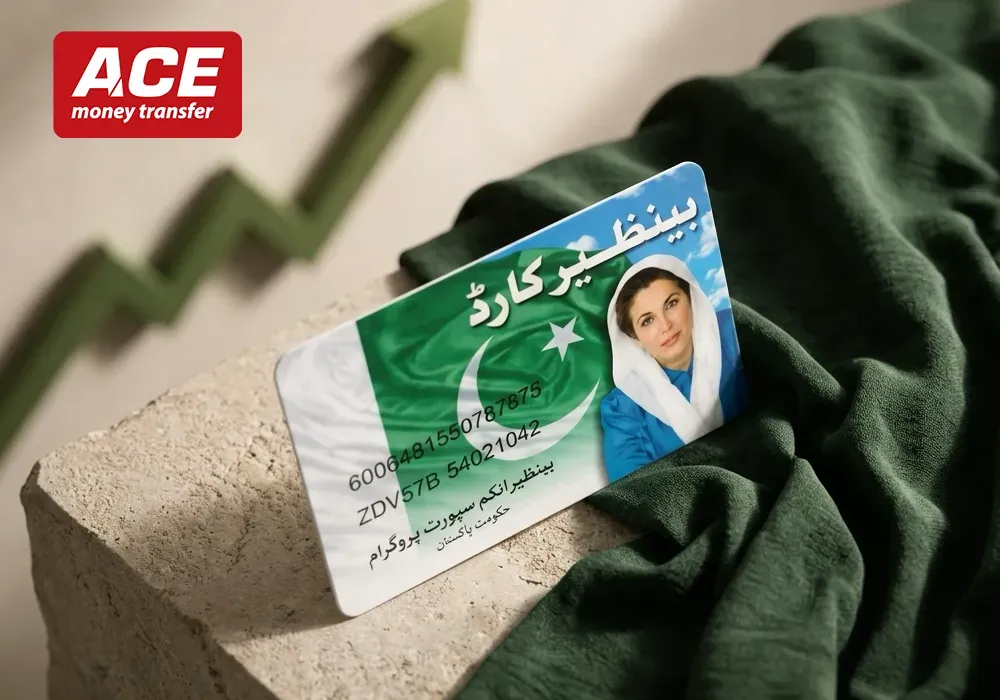
Pakistan's Benazir Income Support Programme is the country's largest national cash transfer scheme. Launched in 2008, it protects low-income families from inflation, economic shocks, and the daily grind of structural poverty. Whether you live in Pakistan and want to understand how BISP works, or you are an overseas Pakistani looking to supplement your family's income support with international remittances (Exchange rates fluctuate and the rate you receive may differ from any rates quoted. Always check the live rate at acemoneytransfer.com before sending), this page covers everything you need to know - from eligibility and registration to payment delivery and how platforms like ACE Money Transfer can help bridge the gap.
At its core, Benazir Income Support is a non-contributory social safety net. That means beneficiaries do not pay into the system. Instead, the programme targets poor and vulnerable households across all four provinces, Azad Jammu and Kashmir, and Gilgit-Baltistan using a data-driven poverty registry. The programme aims to reduce poverty and improve living standards for the most marginalised segments of Pakistani society.
BISP became an autonomous statutory authority under the Benazir Income Support Programme Act 2010, headquartered in F-Block, Pakistan Secretariat, Islamabad. It is closely aligned with Pakistan's poverty-reduction strategies and IMF-supported fiscal frameworks, ensuring that social protection spending is predictable, budgeted, and accountable.
Here is what you need to know at a glance:
BISP serves over 10.2 million families across Pakistan, up from 2.2 million in 2008, according to a National Assembly press release dated 28 February 2026.
Cash transfers are paid directly to women - the female head of each eligible household receives the funds.
The programme focuses on consumption smoothing and cushioning against economic shocks, so families can meet basic needs even when incomes drop.
It has expanded beyond simple cash payments to include conditional components for education, nutrition, and health.
For FY 2025-26, the government allocated Rs 716 billion to BISP, with Rs 844 billion proposed for FY 2026-27.
Successive governments - including those under Khan and other leaders - have maintained and expanded the support programme, signalling broad political consensus around this income support model.
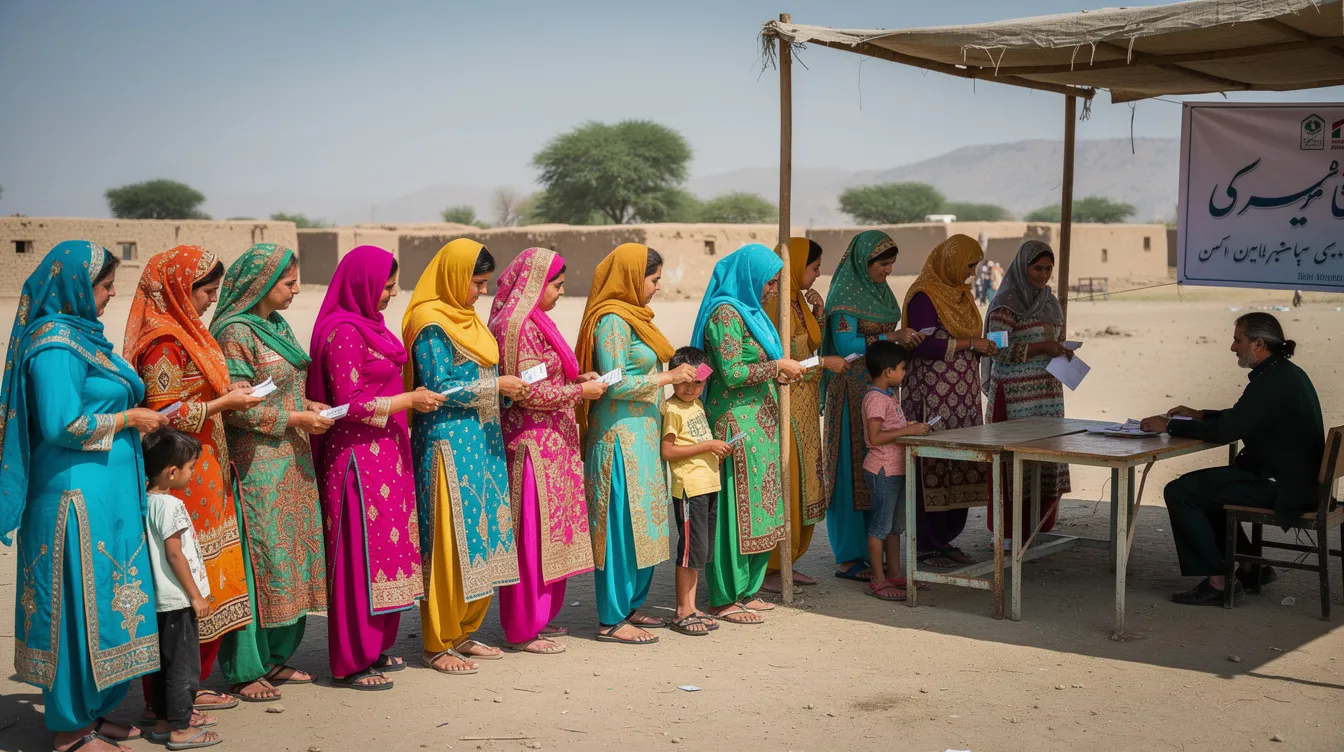
BISP has evolved well beyond a single cash transfer. Today, it operates several sub-programmes - from unconditional quarterly payments to education-linked top-ups and nutrition interventions - all based on a national poverty registry that determines who qualifies. The programme aims to break intergenerational cycles of poverty through human capital development, targeting not just today's consumption gap but tomorrow's school attendance and childhood nutrition.
The Benazir Kafaalat program provides unconditional cash transfers to eligible households. When the original Benazir income cash stipend started in 2008, it offered quarterly payments to female heads of poor households. Benefit levels have been revised multiple times since then. As of June 2026, the Benazir Kafaalat Programme provides eligible households with Rs 14,500 in quarterly cash assistance, with a planned increase to Rs 18,000 from January 2027, according to a Government of Pakistan briefing dated 22 June 2026.
BISP provides regular payments to female heads of households, a deliberate design choice. Vulnerable households, including widows and disabled members, receive priority in BISP, ensuring that those with the fewest alternatives are served first.
Eligibility for BISP is determined through a Proxy Means Test score, which evaluates households based on a basket of indicators rather than relying on self-reported income alone. BISP utilises the National Socio-Economic Registry for targeting beneficiaries - a database built through door-to-door surveys that now covers approximately 38.7 million households.
Here is how the targeting works:
Enumerators visit households and collect data on income, assets, housing quality, education levels, and utility access.
A poverty scorecard assigns each household a numerical score.
Only households falling below a specific poverty threshold qualify for the income support programme cash assistance.
The NSER has shifted toward a dynamic registry model, allowing updates via tehsil-level registration desks, mobile vans, and a mobile app for births, deaths, marriages, and changes in asset status.
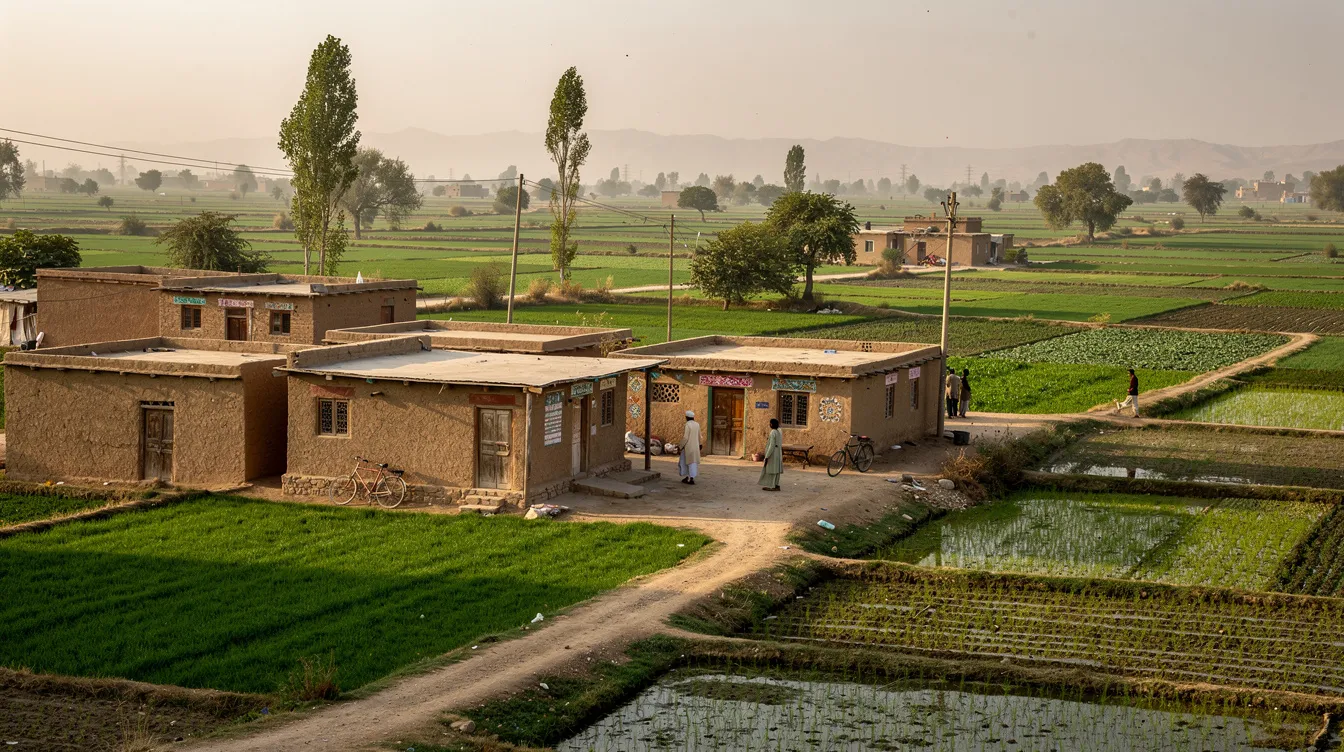
The Benazir Taleemi Wazaif programme provides quarterly education stipends to eligible children from BISP beneficiary families. The amount varies by education level and gender, as detailed in the official BISP programme information.
The CCT component supports 2.4 million children in primary education. By the mid-2010s, the programme was supporting millions of primary-school-aged children to enrol and stay in school, contributing to MDG 1 (poverty reduction) and MDG 2 (universal primary education). The programme also aimed to support 315,000 additional families by 2020 under its expansion targets. Currently, the education component covers approximately 12.4 million children across Pakistan.
BISP provides approximately £1.60 per child monthly for education, and while this amount may seem modest, the aggregate effect across millions of households is significant. Every child kept in school is one step closer to breaking the poverty cycle.
BISP aims to enhance women's financial security and decision-making power. Stipends are paid in the name of the female household head to strengthen women's role in household financial decisions. A 2024 empirical study found that BISP payments significantly improved women's empowerment across three dimensions: self (mobility, social participation, voting), familial (decisions about children and family), and economic choices.
Research from Peshawar in 2025 found that most Benazir Income Cash was spent on food, children's education, health, and basic needs. However, the study also revealed that only 14 out of 227 respondents engaged in small businesses. Insufficient BISP funds hinder small business growth in Peshawar, largely because the stipend covers consumption needs but leaves little margin for entrepreneurial investment. Cultural constraints and limited market access for women compound the problem.
To qualify, a household must meet these requirements:
Pakistani nationality and a valid Computerised National Identity Card (CNIC) are required.
Residence in Pakistan with low socio-economic status based on the NSER score.
Households with government-employed members are generally disqualified from BISP, subject to current eligibility criteria. Check the official BISP website. Laws and regulations may change. Please verify with a local professional.
Exclusion also applies to higher-income taxpayers and households owning substantial assets such as vehicles above a certain value or large landholdings.
Main benefits summary:
Predictable quarterly cash transfers that help families manage food, clothing, and utilities.
Nutritional support through the Benazir Nashonuma programme for pregnant women, lactating mothers, and children under two.
Education incentives for children of poor families, keeping them enrolled and attending school.
Understanding how to register and receive payments is essential for any household that believes it may qualify. Here is a practical, step-by-step breakdown.
Registration happens through:
Regular NSER surveys conducted door-to-door by trained enumerators using computer-assisted personal interviews (CAPI).
Designated BISP registration desks at tehsil level where households can update information, register new family members, or file appeals.
Mobile registration vans that visit underserved areas.
The application and verification flow:
Household data collection covers family details, CNICs, assets, housing conditions, education, and health status.
Poverty score calculation happens in the central database using the Proxy Means Test model.
Notification of eligibility is sent via SMS or communicated through local BISP offices.
Recertification occurs periodically - roughly every three years - to keep the registry accurate and reduce inclusion and exclusion errors.
How payments are delivered:
The programme features digital and biometric payment mechanisms to ensure transparency. These include partner banks, biometric verification at payment points, ATMs, and smart cards.
Recent reforms are shifting beneficiaries toward digital social protection wallets tied to SIM cards and CNICs. Over 10 million beneficiaries are now connected to formal financial systems via digital wallets, and more than 8.5 million free SIMs have been distributed.
Payments are usually made on a quarterly basis to reduce transaction costs for beneficiaries.
BISP maintains a national helpline and web portal where beneficiaries can verify eligibility status, check payment schedules, and submit grievances. Keywords like your CNIC number and family details are typically all you need to look up your status.
BISP has become a cornerstone of Pakistan's social protection system. With national coverage and strong donor interest, it has proven that large-scale cash transfer programmes can work in complex, low-income settings. But implementation challenges remain, and for many families, BISP alone is not enough.
The evidence base for BISP's impact has grown considerably:
Poverty and food security: Beneficiary households show measurably lower incidence of food insecurity and greater ability to meet basic consumption needs. A World Bank-supported analysis using LEWIE–CGE modelling estimated that each rupee transferred through BISP generates Rs 2.34 in real income, with 68 percent of total income gains flowing to the poorest 40 percent of households (Associated Press of Pakistan, June 2026).
Education: Increased school enrolment and attendance through education stipends, particularly for girls. BISP reports that over 9.3 million children have enrolled in primary education through Benazir Taleemi Wazaif since the programme began (official BISP data).
Women's empowerment: Evidence of improved women's decision-making power inside the home because transfers are in their names. Studies from Bahawalnagar district in 2025 reported improved wellbeing and greater participation in household spending decisions.
Jobs and multiplier effects: The LEWIE–CGE analysis estimated that BISP-supported social safety nets support approximately 1.66 million full-time-equivalent jobs (Associated Press of Pakistan, June 2026).
Nutrition: An independent evaluation found that the Benazir Nashonuma Programme reduced the relative risk of stunting at 12 months by 18 percent, equivalent to 10.1 percentage points, and increased full immunisation coverage by 17 percent among participating children (World Food Programme evaluation, June 2026).
No programme of this scale operates without friction. Here are the most significant hurdles:
Limited stipend size relative to inflation and cost of living, which restricts its ability to support business investment or major asset-building. Rs 14,500 per quarter covers essentials but leaves little room for saving.
Operational issues such as payment delays, difficulty accessing payment points in remote rural areas, and transport costs for beneficiaries who must travel significant distances to collect funds.
Cultural and religious constraints highlighted in studies - including the rural Peshawar 2025 research - that limit women's ability to convert cash support into small-scale enterprises.
Digital gaps remain: beneficiaries without smartphones, active SIM cards, or internet connectivity in remote regions may struggle with the dynamic registry and wallet systems.
Fiscal sustainability is an ongoing concern as budgetary allocations continue to rise, alongside risks of leakage and the need for stronger oversight.
The government has taken several steps to address these challenges:
Point out ongoing efforts to update the NSER, reduce inclusion and exclusion errors, and digitise payments. Over 23 million households have updated their information under the dynamic registry, and more than 3.5 million new households were identified as potentially eligible in the latest recertification exercise.
BISP assists families affected by national crises through emergency relief. The NSER has been used as a registry for rapid cash transfers during floods, earthquakes, and other disasters - enabling shock-responsive social protection that can scale up within days.
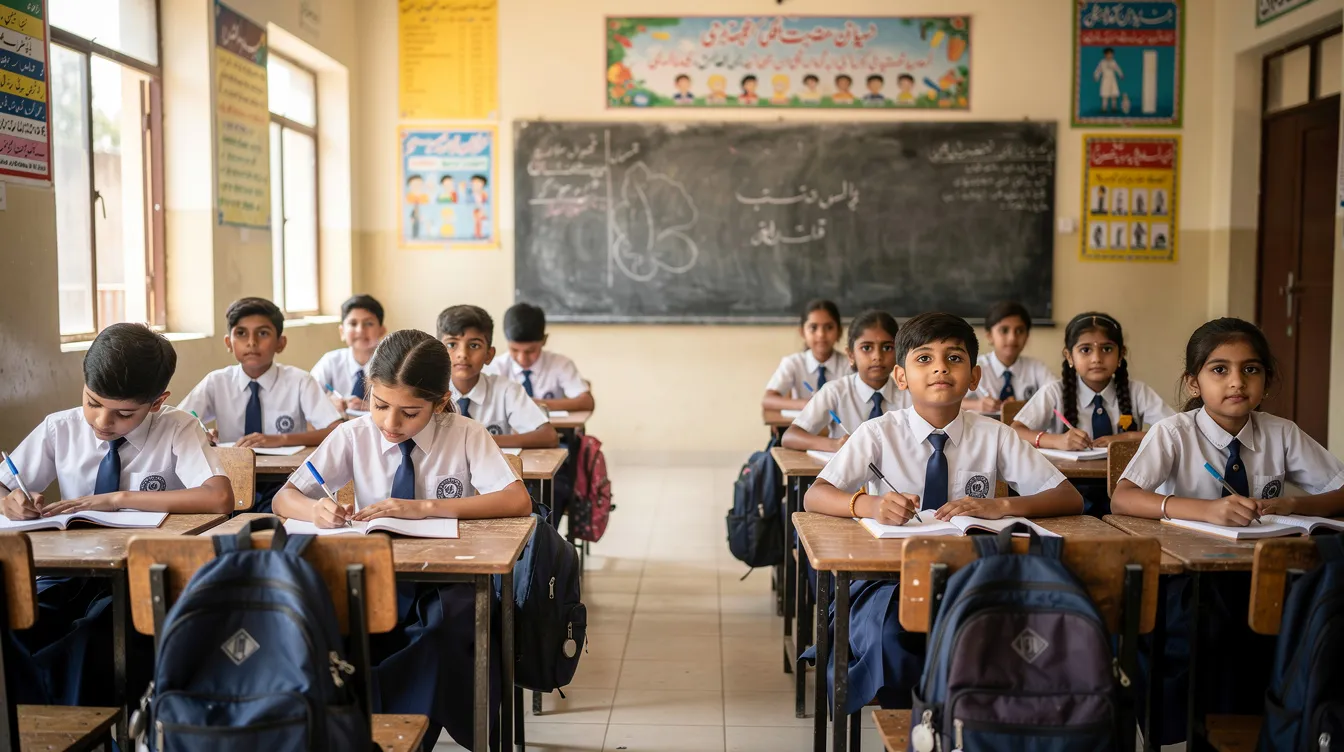
Many low-income Pakistani families rely on both BISP stipends and money sent from relatives working abroad. While BISP provides a predictable floor of support, remittances offer flexibility and immediacy - especially for health expenses, children's higher education, or emergencies that fall between quarterly payment cycles.
Remittances can help beneficiaries cover gaps not fully met by BISP. A child's school fees beyond the stipend, an unexpected medical bill, or the cost of building materials after a flood - these are precisely the moments when a timely transfer from a family member overseas makes the difference.
ACE Money Transfer enables overseas Pakistanis to send money to families in Pakistan, including households that may also be BISP beneficiaries. Transfer times depend on the payment method, payout option, banking hours and any required verification. Check available transfer options before sending. Rates and fees may vary. Visit acemoneytransfer.com for current rates.
Here is how the transfer process works:
Register or log in to your ACE Money Transfer account using your email, Google, or Apple ID.
Choose Pakistan as your destination country and select a payout option: bank deposit, mobile wallet, or cash pickup.
Enter accurate recipient details, including the recipient's full name as per their CNIC, bank account number, or mobile wallet number.
Select a payment method: debit card, credit card, or online bank transfer.
Add a payment reason (for example, family support or education), confirm all transfer details, and click Pay Now.
Track your transaction in real time using the reference tracking number provided by ACE.
Available payout methods:
Bank Deposit: Transfer to supported Pakistani banks, subject to availability.
Cash Pickup: Collection through available payout locations. Check the transfer details to confirm the collection location and requirements.
Mobile Wallet: Transfers to supported digital wallets, such as JazzCash or Easypaisa, where available. Crediting times depend on the wallet provider, verification checks and service availability.
Combining BISP payments with remittances from ACE Money Transfer may help some households manage everyday expenses, education and healthcare costs. Outcomes depend on each family's circumstances and financial needs.
For rural or remote households, available payout methods, travel requirements and access to banking services may affect which option is suitable. Ensure the registered mobile number and CNIC details are accurate, and verify the recipient's account details before sending to help avoid delays.
This is not financial or legal advice. Please consult a qualified professional. Rates and fees may vary. Visit acemoneytransfer.com for current rates.

The Benazir Income Support Programme is Pakistan's flagship social protection initiative, serving nearly 10 million families with predictable, women-centred cash transfers.
BISP has expanded into conditional components - education stipends, nutrition programmes, and digital payment systems - that aim to build human capital and break the cycle of poverty.
Eligibility is based on a transparent Proxy Means Test through the NSER, with regular recertification to reduce errors.
Despite meaningful impacts on food security, school enrolment, and women's empowerment, challenges around stipend adequacy, payment delays, and cultural barriers persist.
International remittances complement BISP by filling urgent gaps in healthcare, education, and emergency spending. Platforms like ACE Money Transfer make it simple for overseas Pakistanis to send funds directly to family bank accounts, mobile wallets, or cash pickup points across Pakistan.
Disclaimer: This article is intended for general informational and educational purposes only and should not be construed as legal, regulatory, tax, business, or financial advice. While reasonable efforts have been made to ensure that all facts, figures, and data are accurate and valid as of the date of publication, no warranty or guarantee is given as to the ongoing completeness, accuracy, or currency of the information.
The content is based on information available at the time of publication. Regulations, government policies, market conditions, and service offerings may change over time and vary across jurisdictions and providers. As a result, some information may no longer be current or applicable. Readers should independently verify all information and consult qualified professional advisors before making any financial, legal, or business decisions.