ACE Money Transfer
ACE Money Transfer
23 Oct 2026
Punjab National Bank (PNB) offers international banking and remittance services for customers who need to send or receive money across borders. Whether you are paying overseas education expenses, supporting family members, or making an international payment, understanding PNB’s transfer options, applicable fees, exchange rates and processing requirements can help you prepare for your transaction. This guide explains how PNB international money transfers work and what to check before sending money.

Punjab National Bank (PNB) is one of India's largest public sector financial institutions, enabling customers to send and receive foreign remittances via SWIFT, correspondent banks, demand drafts, and digital channels. Core use cases for transferring money through PNB include:
Paying overseas education fees
Sending family maintenance funds
Covering medical treatment abroad
Travel spending and immigration deposits
Business-to-business payments and investments
Personal accounts include current and savings options, while business accounts cater to small and medium-sized enterprises that need regular international settlements. Punjab National Bank requires KYC compliance to open accounts, ensuring every customer meets RBI and FEMA standards before accessing cross-border services.
Key benefits at a glance:
Nationwide branch network with authorised foreign exchange dealers.
Regulatory compliance under the RBI protects citizens and the economy.
Punjab National Bank (PNB) supports 12 foreign currencies for its online outward remittance facility, including USD, GBP, EUR, and AED. Refer to PNB’s official outward remittance guidelines for the supported currencies and applicable conditions. Currency availability may vary by service.
PNB supports international remittances through SWIFT and correspondent banking arrangements. Check its official remittance guidance for applicable details. Suitable for current-account customers who need to manage remittances while maintaining financial stability.
Outbound remittances from India follow RBI's Liberalised Remittance Scheme (LRS) and FEMA rules. To send money abroad, criteria and documentation must be met before the bank initiates any transfer.
Prerequisites:
An active PNB savings or current account with completed KYC
A valid PAN card
Purpose-specific documents (admission letter, invoice, medical estimate)
A completed A2 remittance form with the correct RBI purpose code
In-branch process:
Visit an authorised foreign exchange branch.
Fill in the outward remittance form with beneficiary details. Beneficiary details must include the recipient's name, address, bank account information, and SWIFT/BIC code.
Select the currency and amount, then sign the LRS declaration confirming you have not exceeded your annual limit.
Digital process (PNB net banking / mobile app):
Log in and navigate to the "Foreign Remittance" or "Overseas Transfer" module.
Add a beneficiary, enter the country and bank details, select the currency, and enter the purpose code.
Confirm with OTP authentication.
PNB’s online outward remittance facility has a single-transaction limit of USD 10,000 and a cumulative limit of USD 100,000 per financial year. Remittances exceeding these limits require a branch visit, subject to applicable rules. See PNB’s official remittance guidelines.
International transfer processing times vary by destination, currency and banking arrangements. PNB states that valid online outward remittance requests received by 4:00 p.m. IST are processed the same day, while later requests are processed on the next foreign-exchange business day. For inward remittances, PNB’s service standards state that SWIFT value dates may be the next working day, depending on the remitting centre’s time zone. Actual credit times may vary due to intermediary banks, compliance checks and transaction details.
PNB offers several transfer channels, each suited to different scenarios:
SWIFT wire transfers: Bank-to-bank wires through the global SWIFT network, ideal for high-value or business transfers.
Foreign Telegraphic Transfer (TT): The standard method for tuition fees, living expenses, and medical payments abroad. Requires full beneficiary bank details.
Foreign demand drafts: PNB also offers demand drafts for remittance. These physical drafts in foreign currency serve institutions that still accept paper instruments, though they take longer to transit.
RTGS and NEFT for domestic leg: PNB offers remittance services via RTGS and NEFT. RTGS allows real-time gross settlement of funds for high-value domestic legs, while NEFT processes transactions in batches at PNB, suitable for smaller amounts feeding into foreign remittance workflows.
NRI inbound routes: Inward transfers for NRIs arrive via Rupee Drawing Arrangements with exchange houses, particularly from the Middle East, England, and North America.
Each option differs in speed, cost, and suitability depending on purpose and destination country.
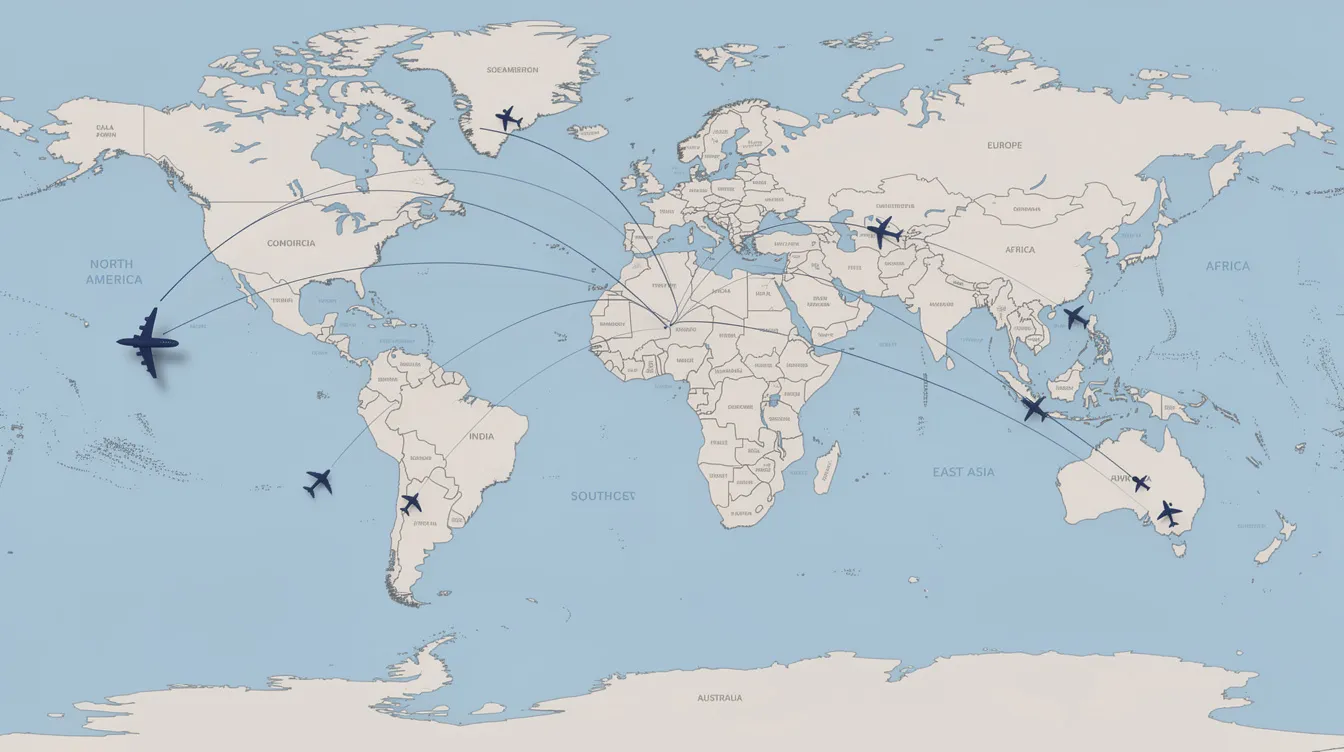
Transfer procedures are broadly similar worldwide, but fees, intermediaries, and timelines vary by region.
Europe, North America and Asia-Pacific: International SWIFT transfers may take 1–3 business days, depending on the destination, banking arrangements and regulatory checks, as outlined in J.P. Morgan’s wire transfer guidance. Actual delivery times vary by bank, payment route, currency, holidays and verification requirements.
Middle East focus: India continues to receive remittances from the UAE, Saudi Arabia, Qatar, Kuwait and other Gulf countries. The Reserve Bank of India’s Sixth Round of the Remittances Survey, covering FY 2023–24, found that Gulf Cooperation Council (GCC) countries accounted for 38% of India’s inward remittances. The UAE alone contributed 19.2%, followed by Saudi Arabia at 6.7%, Kuwait at 3.9%, and Qatar at 4.1%.
Understanding costs is critical for predictable remittances and personal financial stability.
Common fee components:
| Fee Type | Typical Range |
|---|---|
| PNB outward remittance charge (up to $50,000 equivalent) | ?500 + SWIFT charges |
| PNB outward remittance charge (above $50,000) | ?1,000+ SWIFT charges |
| Inward remittance (up to ?10 lakh) | ?100 flat |
| Inward remittance (above ?10 lakh) | ?250 flat |
| Correspondent/intermediary bank fees | Variable |
Exchange rates are determined by the interbank rate plus a bank margin. Rates may differ across branches, time of day, and digital versus in-branch channels, so always confirm the live rate before confirming.
Under the Reserve Bank of India’s Liberalised Remittance Scheme (LRS) Master Direction, resident individuals can remit up to US$250,000 per financial year (April–March) for permitted current- or capital-account transactions, subject to applicable conditions. This overall RBI limit is separate from any lower online transaction limits imposed by an individual bank or remittance provider.
Tax Collected at Source (TCS) may apply when aggregate LRS remittances exceed ?10 lakh in a financial year. The applicable rate and exemptions depend on the remittance purpose and other conditions. Refer to the Income Tax Department’s TCS guidance for the applicable rules.
Always compare total cost-including foreign bank fees-and not only the advertised FX rate. Maintaining a dedicated current account for frequent remittances helps track inflows, outflows, and budgeting clearly.
Punjab National Bank (PNB) follows applicable RBI regulations, FEMA requirements and anti-money-laundering (AML) rules for international payments. See PNB’s KYC policy and the RBI’s remittance regulations. KYC and supporting documents are required for remittances under RBI guidelines.
Typical documents needed:
PAN card (a PAN card is mandatory for remittances under the Liberalised Remittance Scheme)
Passport or government-issued ID
Purpose proof: admission letter, fee invoice, medical estimate, or property purchase agreement
Completed A2/LRS declaration form with appropriate RBI purpose code
Allowed LRS purposes include education, travel, gifts, family maintenance, medical treatment, and investment in shares or property abroad.
Some countries or purposes require enhanced due diligence, especially in high-risk regions or when large values are involved. Firms and individuals with unusually frequent transfer may face additional scrutiny. Cash remittances are restricted; most transfers must be funded via bank accounts to ensure traceability and compliance, protecting both the sender and the broader financial system.
Fraudsters frequently target cross-border transfers, so customer vigilance is critical to protecting your money.
What are APP scams? Authorised push payment scams involve scammers convincing customers to voluntarily send funds to a fraudster's bank account, often through fake invoices, impersonation, or urgent requests. While scam rankings data from 2024–2026 originates mainly from UK research and publications, the same fraud patterns threaten Indian customers sending funds abroad. PNB advises customers to protect their personal and account information and follow its recommended security practices. See the bank’s official security advisories for guidance on online banking safety.
Security practices to follow:
Verify beneficiary details independently before every transfer
Double-check account numbers and SWIFT codes against official correspondence
Never share OTPs, login credentials, or let anyone access your app
Avoid intermediaries promising unrealistic exchange rates or zero-fee deals
Use only official PNB channels: branches, the official mobile app, or net banking
If you suspect you have been targeted, contact PNB immediately with your transaction reference number so the bank can attempt to trace or freeze funds. Report the incident to local authorities and explore your legal rights for reimbursement under applicable consumer protection rules.
ACE Money Transfer allows customers in supported sending countries to transfer funds to eligible Punjab National Bank (PNB) accounts in India. ACE Money Transfer Limited is authorised by the UK Financial Conduct Authority (FCA) as an Authorised Payment Institution under Firm Reference Number 506692.
How the transfer process works:
Register or log in to your ACE account using your email, Google, or Apple ID.
Choose your destination country (India) and select a payout option-bank deposit to a PNB account, mobile wallet, or cash pickup.
Enter accurate recipient details, including the PNB account number and IFSC code.
Select a payment method: debit card, credit card, or online bank transfer.
Add a payment reason and confirm all transfer details before clicking "Pay Now."
Track your transaction in real-time using the reference tracking number provided.
Available payout methods:
Bank Deposit: Direct transfers to PNB accounts are available where supported. Bank deposits are usually credited within 1–2 business days, but delivery times vary by destination bank, payment method, the accuracy of recipient details and any required checks. Delivery times are not guaranteed.
Cash Pickup: Cash can be collected over the counter at authorised partner bank branches where the service is available. Collection times depend on the payout partner, operating hours and any required checks. See ACE’s receiving methods and delivery information.
Mobile Wallet: Where available, you can send funds to supported digital wallet accounts. Transfers may be credited within minutes, subject to the wallet provider’s processing, service availability and any required checks. Delivery times may vary and are not guaranteed. See ACE’s official FAQs for information about supported payout methods and delivery times.
Using ACE alongside PNB gives senders access to ACE’s published fee information and transfer-tracking service. These allow customers to review applicable fees and check transfer progress. Delivery times and available services depend on the destination and transaction details.

Your choice depends on the transfer method’s fees, estimated delivery time, documentation requirements, tracking options and access to in-person support. The following table compares digital remittance services and bank wire transfers using published provider information. Availability and terms vary by provider, destination and transaction.
| Comparison factor | Digital remittance service | Bank wire transfer |
|---|---|---|
| Delivery time | ACE states that bank deposits are usually credited within 1–2 business days, although timescales vary by country and incorrect bank details may cause delays. Cash pickup may be available for collection instantly during applicable service hours. See ACE’s published delivery times. | International wire transfers typically take 1–3 business days, but may take longer depending on the destination, intermediary banks, time zones and regulatory checks, according to J.P. Morgan’s wire-transfer guide. |
| Fees and exchange rates | ACE publishes transfer charges and foreign-exchange spreads that vary by destination and payout method. Review its fee and commission information and check the rate offered for your specific transfer. | Wire-transfer fees vary by bank and transaction. For example, Wells Fargo lists digital wire fees of $0–$30 and branch wire fees of $40, with possible additional charges from other banks. These are Wells Fargo’s fees, not universal wire-transfer rates. |
| Documentation | ACE requires customers to complete their profile and provide identification documents. ACE may require additional checks or documentation depending on the transaction. See ACE’s account setup and verification guidance. | International wires may require the recipient’s name and address, bank details, and a SWIFT/BIC code; an IBAN or other country-specific information may also be required. See Wells Fargo’s wire-transfer requirements. |
| Tracking | ACE customers can review transaction status through the app’s transaction history or use the website’s transfer-tracking facility. See ACE’s transfer-tracking instructions. | Tracking and status information depend on the bank. Wells Fargo explains its wire statuses, including pending, completed, failed and returned transfers. |
| In-person support | Support and payout options depend on the sending country, destination and service availability. Check ACE’s official website for current service information. | Bank branches may provide in-person wire services. For example, Wells Fargo publishes separate fees for branch and digital wires; availability depends on the bank and location. |
Compare applicable fees, exchange rates, estimated delivery times, and requirements before initiating a transfer. Delivery times are estimates, not guarantees, and actual costs may vary by provider, destination, and transaction.
Disclaimer: This article is intended for general informational and educational purposes only and should not be construed as legal, regulatory, tax, business, or financial advice. While reasonable efforts have been made to ensure that all facts, figures, and data are accurate and valid as of the date of publication, no warranty or guarantee is given as to the ongoing completeness, accuracy, or currency of the information.
The content is based on information available at the time of publication. Regulations, government policies, market conditions, and service offerings may change over time and vary across jurisdictions and providers. As a result, some information may no longer be current or applicable. Readers should independently verify all information and consult qualified professional advisors before making any financial, legal, or business decisions.