ACE Money Transfer
ACE Money Transfer
17 Sep 2026
Neobanks are digital-only platforms without physical branches, and its adoption continues to grow globally as consumers increasingly use digital-only banking platforms alongside traditional banks. This guide is based on verified customer numbers, profitability data, and licensing status, so you can pick the right digital bank for your situation.
This is an independent 2026 overview of the strongest global neobanks, focused on real customer numbers, profitability, and licensing status. We reviewed over 30 leading digital banks and neobanks worldwide, then shortlisted 10 based on scale, innovation, and sustainability of their business model.
The main criteria: banking license status (own banking license vs. partner banks), number of customers, geographic reach, range of banking services (everyday banking, savings accounts, lending, investment accounts), profitability track record, and user experience quality across mobile apps.
All figures come from official investor reports, 2024 through 2026 press releases, regulatory filings, and industry research such as theAlvarez & Marsal Digital Banking Monitor Q4 2025. Numbers are current as of mid-2026 unless otherwise noted.
This article focuses on retail and SME neobanks rather than infrastructure or banking as a service providers. The goal is to help you choose a digital bank for an actual bank account.
If you want one answer before reading 3,000 words: pick the neobank that matches your country and primary need.
Best overall global digital bank: Revolut (multi-currency, investing, travel). Best for Latin America: Nubank (everyday banking, credit cards, personal loans). Best fee-free US everyday banking: Chime or Varo (checking account, early direct deposit, credit building). Best for UK personal and business banking: Monzo (personal accounts) and Starling (business banking, licensed bank). Best for EU expats and freelancers: N26 or Bunq (multi-currency / multi-IBAN, travel and savings). Best for US lending plus stock investing in one app: SoFi (full digital bank with a strong lending engine).
A few limitations worth noting before you scroll: Revolut and N26 are not available in every country. Nubank is focused on Latin America and requires local residency. Chime is only open to US residents with a Social Security number. Fees vary by plan and region across all providers.
Skim down to the detailed section that matches your country and primary need, whether that is travel, savings tools, credit building, or business banking.
A neobank is an app-first financial institution that offers banking services like checking accounts, debit cards, and sometimes savings accounts, all without physical branches. Neobanks focus on technology-driven features for user convenience; account setup usually takes only a few minutes entirely online.
Three terms often get mixed up. A neobank is often a fintech front-end using a partner bank's banking license. A digital bank may hold its own full banking licence and operate like an online bank. A challenger bank is a newer bank directly competing with traditional banks and incumbents, usually with its own licence.
The distinction matters for deposit safety. Licensed digital banks like N26, Nubank, SoFi, Starling, and Varo hold deposits directly under deposit guarantee schemes. Fintechs powered by a BaaS model (like Chime in some configurations, or Wise in many markets) rely on partner banks or safeguarding arrangements.
Consider the contrast between Varo and Chime. Varo holds a full US national bank charter, so your deposits receive direct FDIC insurance. Chime routes deposits through partner banks such as Lincoln Savings Bank and The Bancorp Bank, N.A., providing pass-through FDIC insurance. Both feel like a single digital banking app. But who holds the banking licence affects regulation, risk, and what happens if the fintech itself shuts down.
The global neobanking market is projected to reach $4.4 trillion by 2034, growing at a 49.3% annual rate. Neobanks typically offer lower or zero monthly fees due to reduced overhead costs, and they often compete through attractive savings rates, lower fees, and digital-first features. These economics have driven customer growth across every region.

Among the largest digital bank operations by customer count: Nubank serves over 125 million customers across Latin America. Revolut has millions of customers in 40 countries. Chime is the largest U.S. neobank with 22.3 million customers. Only around 10 to 20% of digital banks are consistently profitable, which makes the profitable names on this list stand out.
Regional patterns are distinct. Latin America is led by Nubank, which has captured significant market share among populations previously outside the formal financial system. Europe is split between Revolut, N26, and Bunq, while the UK is dominated by Monzo and Starling. The US market is led by Chime and SoFi, with Varo as a smaller but structurally notable player.
Emerging trends include bundling of financial services (payments, lending, stock investing, insurance), more multi-currency accounts, and increasing focus on credit building products and financial inclusion. Neobanks generally offer real-time spending insights and automated budgeting tools, which attract younger demographics.
Here is a high-level summary of the ten neobanks before the individual deep-dives.
Nubank (Brazil / LatAm): over 125 million customers, full banking license in Brazil, profitable, strong everyday banking and credit products.
Revolut (UK / global): over 30 million customers across 40+ countries, multi-currency accounts, investing, crypto, business banking, multiple regional licences.
Chime (US): 22.3 million customers, fee-free everyday banking via partner banks, early direct deposit, credit building tools.
Monzo (UK): over 8 million customers, mobile-first current accounts, savings, personal loans, growing business offering.
SoFi (US): 15.8 million members by mid-2026, full US bank charter, integrated banking, lending, and investing.
Starling Bank (UK): 6.2 million group platform accounts, award-winning SME banking and personal accounts, full UK banking licence, consistently profitable.
N26 (EU): around 8 million customers, German banking license, strong in EU markets, sleek UX and travel-friendly accounts.
Bunq (EU): millions of users, Dutch banking license, sustainability focus, multi-IBAN, strong travel and expat offering.
Wise (global): tens of millions of users, multi-currency accounts and cards, licensed as an EMI rather than a full bank.
Varo (US): first US neobank with a national bank charter, high-yield savings, no-fee checking account, overdraft-friendly design.
The detailed sections below explain who each is best for, fees, availability, and key pros and cons.
Nubank is one of the world's largest digital banks by customer base. Founded in 2013 in São Paulo, it now serves Brazil, Mexico, and Colombia. Nubank serves over 125 million customers in Latin America, with over 115 million in Brazil alone and more than 15 million in Mexico, making it the third-largest financial institution in that market.
The company is NYSE-listed under ticker NU. In Q1 2026, Nubank reportedrevenue exceeding $5.0 billion, net income of $871 million, and a return on equity of 29%. Deposits stood at approximately $42.4 billion. Nubank holds a full banking license in Brazil.
Core banking services include a no-fee credit card, a digital bank account for everyday banking, personal loans, insurance, and growing investment products. Nubank played a direct role in financial inclusion, bringing millions of previously unbanked people into the formal financial system through easy mobile app onboarding and transparent pricing.
Limitations: Nubank is focused on Latin America. Accounts are limited to residents of Brazil, Mexico, and Colombia. It is not a global multi-currency solution for travelers, and international money transfers are not its core strength.
Revolut launched in London in 2015 and now serves over 30 million customers across 40 countries. By end of 2025, the company reportedgroup revenue of approximately $6.0 billion, with profit before tax of $2.3 billion. Customer balances exceeded $67.5 billion.
Revolut supports multi-currency accounts and international transfers, alongside stock and crypto trading, savings vaults, travel insurance, budgeting tools, and business banking for SMEs and startups. Many neobanks excel at international features such as multi-currency accounts and lower-cost foreign exchange, and Revolut is the clearest example.

Licensing is a patchwork. Revolut holds a UK banking licence and banking licences in some European markets, but operates under e-money or partner arrangements elsewhere. It applied for a US national bank charter in March 2026. Deposit protection depends on which country you open your account in and which licensing entity holds your funds.
Strengths: excellent for frequent travellers and expats needing competitive exchange rates and multi-currency balances; tiered plans from free up to premium metal cards; rich app with budgeting tools, analytics, and virtual cards for security. Drawbacks: complex fee structure (FX limits, ATM fees, regional differences), customer support complaints in some markets, and it may not fully replace a domestic bank account in every country. Foreign transaction fees on the free plan kick in after monthly limits.
Chime is a San Francisco-based fintech founded in 2013. Chime is the largest U.S. neobank with 22.3 million customers. Chime offers fee-free banking with early paycheck access, making it the go-to for Americans who want basic banking without monthly fees.
Core digital banking services: a no-fee checking account (Spending Account), optional savings account, Visa debit card, early direct deposit up to two days before payday, and SpotMe overdraft up to a set limit with no overdraft fees. Chime can provide faster account setup than traditional banks; the process takes minutes.
Chime uses a BaaS model. Deposits are held at FDIC-insured partner banks, including Stride Bank, N.A. and Choice Financial Group, providing pass-through FDIC insurance up to standard US limits. This means Chime itself does not hold its own banking license.
Best for: US residents looking for everyday digital banking with no monthly fees, no minimum balance requirements, and simple credit building products, especially younger or previously underbanked customers seeking early paycheck access.
Limitations: only available to US residents with a Social Security number, no multi-currency accounts, no full business account suite, and reliance on partner banks for all banking services provided. Cash deposits are possible but limited to retail partner locations.
Monzo is a London-based digital bank founded in 2015. By FY2025–26, Monzo’s total customers had grown to 15.2 million, while monthly active users reached 10.4 million, according to its 2026 Annual Report.
Monzo holds a full UK banking licence. Core products include current accounts, savings "pots," overdrafts, personal loans, joint accounts, and a growing range of business banking accounts for freelancers and SMEs.FY2026 revenue reached £1.7 billion with adjusted profit before tax of £172.6 million and deposits of £25.7 billion.
Monzo features instant spending notifications and budgeting tools. The app includes real-time alerts, instant card freezing, shared tabs for group expenses, salary sorting, and personal finance tracking. Basic personal accounts are mostly free; optional paid tiers add travel insurance, higher ATM limits, and metal cards. Overseas usage may incur small FX or ATM fees depending on plan.
Best for: UK residents wanting a main digital bank for everyday banking and savings accounts with strong budgeting support. Less ideal for non-UK residents or users needing extensive multi-currency features.
SoFi launched in San Francisco in 2011, originally focused on student loan refinancing. It now operates as a comprehensive banking services provider with a US national bank charter obtained in 2022. Some neobanks operate under their own national bank charter rather than partnering with traditional banks, and SoFi is one of the clearest US examples.
Main offerings: SoFi Checking & Savings with high-yield interest on savings balances, credit cards, personal loans, student loans, mortgages, investment accounts (stocks, ETFs, crypto), and insurance via partners.By Q2 2026, SoFi had 15.8 million members and approximately 24.4 million products held. Neobanks often provide higher annual percentage yields on savings accounts, and SoFi's competitive APY on direct deposit accounts reflects this.
SoFi's advantage as a licensed digital-only bank: direct FDIC insurance on deposits, an integrated lending engine allowing competitive rates, and a single app covering personal finance from checking to stock investing. The company also offers venture debt products for startups.
Ideal for: US consumers who want everyday banking plus lending and wealth-building in one app. Limitations: US-only, no multi-currency or global travel features, and some advanced features require qualifying direct deposit or higher balances.
Starling Bank was founded in 2014 in London. By March 2026, it served 6.2 million group platform accounts andreported profit before tax of £217.1 million; its fifth consecutive year of profitability. Group revenue was £887.4 million. Average revenue per account was approximately £275.
Starling holds a full UK banking licence and runs on its own proprietary core banking technology. It also licenses this technology to other financial institutions via its "Engine" platform, with international clients including Tangerine in Canada and SBS Bank in New Zealand. Engine's committed annual recurring revenue reached approximately £70 million.
Key products: free personal current accounts, fee-free business banking for small businesses registered as sole traders or SMEs, overdrafts, loans, and integrations with accounting tools for expense management and cash flow tracking. Starling supports Making Tax Digital compliance and offers multiple spaces (sub-accounts) for budgeting and cash reserve management.
Limitations: focused on UK customers and UK-registered businesses. multi-currency support is limited compared to Revolut or Wise. No physical branches; it is an entirely digital bank.
N26 is a Berlin-based digital bank launched in 2013 with around 8 million customers in 20+ European markets. It holds a full German banking license, which means deposits are covered by the German deposit insurance scheme up to €100,000.
Core offerings include personal accounts with European IBANs, premium tiers with travel insurance and higher ATM limits, freelancer accounts in some markets, and Spaces for sub-accounts and budgeting. N26 previously exited the UK and US markets to refocus on EU growth, a decision that limits its availability for readers outside Europe.
Strengths: sleek app with instant spending notifications, reasonable FX fees within Europe, and deposit protection via a full banking licence. N26 supports competitive exchange rates for euro-zone transactions.
Downsides: limited business banking features for incorporated companies (better suited to freelancers and personal accounts), restrictions on cash deposits in some markets, and availability only to residents of supported European countries. Minimum balances are not required for the free tier, but premium tiers carry monthly fees.
Bunq is a Dutch digital bank founded in 2012, holding a full EU banking license. It serves millions of customers, with particular strength among expats, remote workers, and frequent travellers within Europe.
Product focus: multi-IBAN accounts in several European countries, joint accounts, sub-accounts for budgeting, sustainability features like tree-planting programs, and travel-friendly debit and credit cards. The ability to hold and receive money across multiple European IBANs is especially useful for cross-border workers and digital nomads.
Bunq uses subscription-based plans with different tiers for personal and business users. Fees vary by tier, from basic to premium, with features like higher APY on savings accounts at higher tiers. Cash deposits are possible through partner networks in some countries.
Best for: EU residents, expats without local ID in their new country, freelancers and small businesses that value multi-IBAN flexibility. Bunq's business account options support businesses registered in multiple EU jurisdictions.
Wise (formerly TransferWise) is not a traditional bank. It operates as an electronic money institution offering multi-currency accounts, debit cards, and international transfers with low, transparent FX fees. Neobanks often focus on user experience with mobile-first apps and instant alerts, and Wise fits this mold while focusing almost entirely on cross-border payments.
Core value: hold balances in dozens of currencies, get local account details (EUR IBAN, UK sort code, US routing number) for receiving money, and send international transfers at or near the mid-market rate. Wise is regulated in multiple jurisdictions as an EMI or money services business, not as a full bank. Funds are safeguarded but not protected by deposit insurance in the same way as a licensed bank.
Best use cases: freelancers and remote workers paid in multiple currencies, global travellers, and SMEs needing low-cost international payments. Wise is a strong complement to a full everyday banking solution.
Constraints: limited lending services, no full-featured checking account with overdraft, and some limits on cash deposits. Wise serves as a financial technology tool for transfers rather than a lead bank for all your personal finance needs.
Varo became America's first consumer fintech with a national bank charter in 2020, positioning it as a true digital bank rather than a fintech front-end relying on partner banks.
Main products: Varo Bank Account (a checking account equivalent), high-yield savings accounts with tiered APY, credit-building cards, and early access to paychecks for qualifying direct deposits. Varo provides high-interest savings accounts with up to 5% APY for qualifying customers.
Fee structure: no monthly fees, no minimum balance requirements, no overdraft fees up to certain limits. Out-of-network ATM fees may apply, but Varo provides access to a large fee-free ATM network in the US. Customer loyalty programs and savings tools help automate money management.
Benefits: fully digital onboarding, direct FDIC insurance as a chartered bank, tools for credit building and saving on autopilot. Limitations: only for US residents with appropriate ID, limited international and multi-currency functionality, and still-evolving business banking features compared with larger competitors. Venture funding has supported Varo's growth, but its customer base remains smaller than Chime or SoFi.
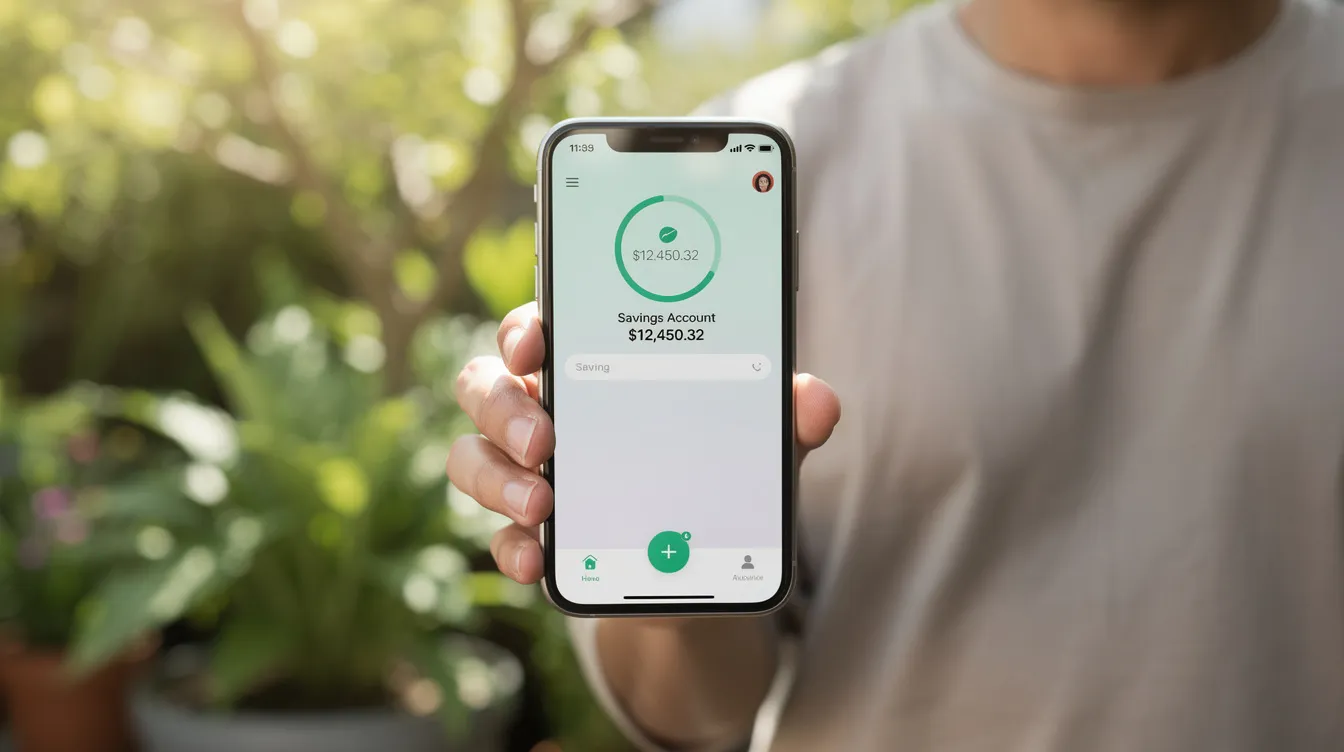
Many neobanks advertise "no fees," but still need sustainable revenue. The source of that revenue affects product design, feature availability, and long-term stability.
Main revenue streams: interchange fees on card spending (Chime earns most of its revenue here); interest margin from lending such as credit cards, personal loans, and overdrafts (Nubank and SoFi rely heavily on this); subscription tiers and premium accounts (Revolut and Monzo have grown subscription income by roughly 50% year-over-year); FX markups and multi-currency services (Wise and Revolut); and marketplace referrals including insurance and investing commissions.
Why you should care: profitability improves long-term safety and product investment. Nubank's Q1 2026 net income of $871 million and Starling's five consecutive profitable years signal stability. On the other end, neobanks that burn through venture funding without reaching profitability may introduce abrupt fee changes or shut down products. Neobanks often offer lower fees than traditional banks, but understanding where they make money helps you anticipate which free features might eventually become paid.
Neobanks may have limited physical services compared to traditional banks, including cash deposits and in-person support. But the more pressing question is whether your money is protected.
Three licensing models exist. Full banking license holders (Nubank, SoFi, Starling, N26, Varo) hold deposits directly and are covered by deposit insurance. Partner bank / BaaS-model providers (Chime, some Revolut markets) route deposits through licensed financial institutions. EMI / payments institutions (Wise in many regions) safeguard funds but do not offer traditional deposit insurance.
Deposit protection by market: FDIC insurance in the US covers up to $250,000 per depositor, per bank. FSCS in the UK covers up to £85,000 per person, per bank. EU deposit guarantee schemes typically cover up to €100,000.
Not all neobanks provide the same level of deposit protection; some rely on partner banks for holding deposits. Neobanks often partner with FDIC-member banks for deposit insurance. A critical distinction: FDIC insurance only applies if the partner bank fails, not the neobank. Neobanks may lack the same level of deposit insurance as traditional banks in certain configurations.
The 2024 collapse of Synapse highlighted risks in banking-as-a-service models. The Synapse collapse highlighted risks around fintech infrastructure dependencies and safeguarding arrangements. Neobanks face the same core banking regulations as traditional banks, but the chain of custody for your deposits can be longer and more opaque.
Always check which licensed institution actually holds your deposits, whether your account is covered as a bank account or as safeguarded funds, and any limits for large balances. For critical business banking needs, consider maintaining a backup account at a second provider.
The right neobank selection depends on individual needs and geographical factors. Start with geography and eligibility: confirm the neobank operates in your country, accepts your ID (passport, local ID, SSN), and supports your currency.
Match your goal to the right features. Everyday banking and low fees: look at Chime, Varo, Monzo, Starling. High-yield savings accounts: SoFi, Varo, Bunq (EU), Nubank (LatAm). multi-currency and travel: Revolut, Wise, N26, Bunq. Business banking and SME banking: Starling, Revolut Business, N26 Business, Bunq Business. Credit building and lending: Nubank, SoFi, Chime, Varo.
Compare on specifics: monthly fees and card fees; FX and ATM fees domestically and abroad; limits on deposits, withdrawals, and international transfers; app features like budgeting, analytics, and customer support hours.
Keep a backup. Whether it is a traditional bank or a second digital bank, maintaining an additional account provides resilience, especially for business banking and higher-value digital services. If your primary neobank experiences app downtime or a regulatory compliance issue, a backup keeps your operations running.
Three trends will shape the global neobanking market over the next few years. More traditional banks are adopting neobank-style digital banking UX and fee structures, compressing the competitive advantage that early challengers banks held. AI-driven personalization, risk management, and fraud detection are moving from experimental to default; Starling already uses AI-powered scam intelligence tools, and Nubank has begun building AI-native customer journeys. The convergence of banking services, investing, insurance, and non-financial services in single super apps will continue, as SoFi's "financial services productivity loop" demonstrates.
Regulatory shifts are likely: tighter rules around BaaS partnerships, clearer labelling of who holds the banking license, and stronger consumer protection for digital-only providers. These changes should benefit users through better transparency and regulatory compliance.
Competition will continue to push better interest rates on savings accounts, more transparent pricing, and more powerful tools for everyday banking and personal finance planning. The top 10 neobanks list will keep changing as digital banks expand, merge, gain licenses, or evolve their offerings.
Digital-first financial services have made it easier for individuals to manage and move money through mobile and online platforms. While neobanks focus on digital banking services, ACE Money Transfer focuses on personal international remittances, supporting transfers to 65+ receiving countries.
ACE Money Transfer allows individuals to send money to family and friends abroad through available delivery methods, including bank deposits, cash pickup, and mobile wallets in supported destinations. Customers can view the applicable exchange rate and transfer fee before sending.
Customers can send personal international remittances through ACE’s digital platform without needing to visit a physical location, making cross-border money transfers more accessible.
Exchange rates fluctuate, and the rate applicable to your transfer can differ from rates shown at another time. Check the current rate atacemoneytransfer.combefore sending.
Can a neobank replace my traditional bank account completely? For most daily needs, yes. Neobanks like Monzo, Starling, and SoFi offer comprehensive banking services including direct deposit, savings, and lending. Neobanks may have limited physical services compared to traditional banks, so if you regularly need in-person support or large cash deposits, keep a traditional account as backup.
What is the difference between a checking account and a digital bank account at a neobank? Functionally, they are similar: both let you receive income, pay bills, and use debit cards. The difference is structural. A checking account at a chartered neobank like Varo is held directly. At a fintech like Chime, the account is technically held at a partner bank like Lincoln Savings Bank or Stride Bank, with the neobank providing the app layer.
Are savings accounts at neobanks insured the same way as at traditional banks? If the neobank holds its own banking licence (SoFi, Varo, Starling, N26), deposits receive the same insurance. If it uses partner banks, insurance passes through those banks. Confirm which institution holds your deposits and verify coverage limits.
Which neobanks are best for multi-currency and travel in 2026? Revolut and Wise lead for multi-currency accounts and competitive exchange rates. N26 and Bunq offer strong travel-friendly features within Europe. None of the US-focused neobanks (Chime, SoFi, Varo) offer meaningful multi-currency support.
Do neobanks offer business banking and is it safe for SMEs? Starling, Revolut Business, and Bunq Business all offer business accounts with features like expense management, invoicing, and accounting integrations. Safety depends on the licensing model. Starling's full UK banking licence and five consecutive profitable years provide a strong track record.
How fast can I open a neobank account? Account setup with neobanks usually takes only a few minutes entirely online. You will need valid ID and, in some cases, proof of address or a local tax number.
Reassess your digital banking setup annually. Features, fees, and regulatory status change quickly in this space, and the neobank that fits your needs today may not be the best option twelve months from now.
Disclaimer: This article is intended for general informational and educational purposes only and should not be construed as legal, regulatory, tax, business, or financial advice. While reasonable efforts have been made to ensure that all facts, figures, and data are accurate and valid as of the date of publication, no warranty or guarantee is given as to the ongoing completeness, accuracy, or currency of the information.
The content is based on information available at the time of publication. Regulations, government policies, market conditions, and service offerings may change over time and vary across jurisdictions and providers. As a result, some information may no longer be current or applicable. Readers should independently verify all information and consult qualified professional advisors before making any financial, legal, or business decisions.