ACE Money Transfer
ACE Money Transfer
18 Sep 2026
Nepal's fintech scene has exploded over the past decade. Whether you are paying utility bills at home or receiving funds from a family member working abroad, a digital wallet now handles what once required a trip to the bank. This guide breaks down the top 10 digital wallets in Nepal, how they work, and where an international money transfer service like Ace Money Transfer fits into the picture.
A digital wallet - sometimes called a mobile wallet or e wallet - is an app on your phone that stores electronic money and lets you make payments, transfers, and other financial transactions without physical cash. Digital wallets allow online purchases and bill payments across Nepal, from mobile top ups and electricity to e commerce checkout. They simplify transactions for utility bills and shopping, and they reduce the need to carry physical cash in everyday life.
Nepal's growing popularity of digital wallets traces back to around 2015, driven by rising smartphone ownership, cheaper internet, and a regulatory push from Nepal Rastra Bank. COVID-19 accelerated the shift further, making cashless transactions the new normal in many urban centres. In mid-May 2026, mobile banking transactions in Nepal reached NPR 612.39 billion, while digital wallet transactions totalled NPR 53.10 billion, according to Nepal Rastra Bank. As of mid-July 2024, there are 23.46 million mobile wallet users in Nepal - remarkable for a country of roughly 30 million people.
Cash is still widely used, especially in rural areas. Despite growth, not all merchants universally accept digital wallet payments. Yet merchants increasingly accept mobile payments via digital wallets, especially in urban settings. NEPALPAY QR is available across 1.1 million merchants in Nepal, according to Nepal Clearing House Limited. The digital wallet market in Nepal is regulated by Nepal Rastra Bank, and all major wallets operate as a licensed payment service provider (PSP) or Payment System Operator (PSO). Digital wallets promote transparency in financial transactions through digital receipts, and they can improve financial inclusion and help users track spending.
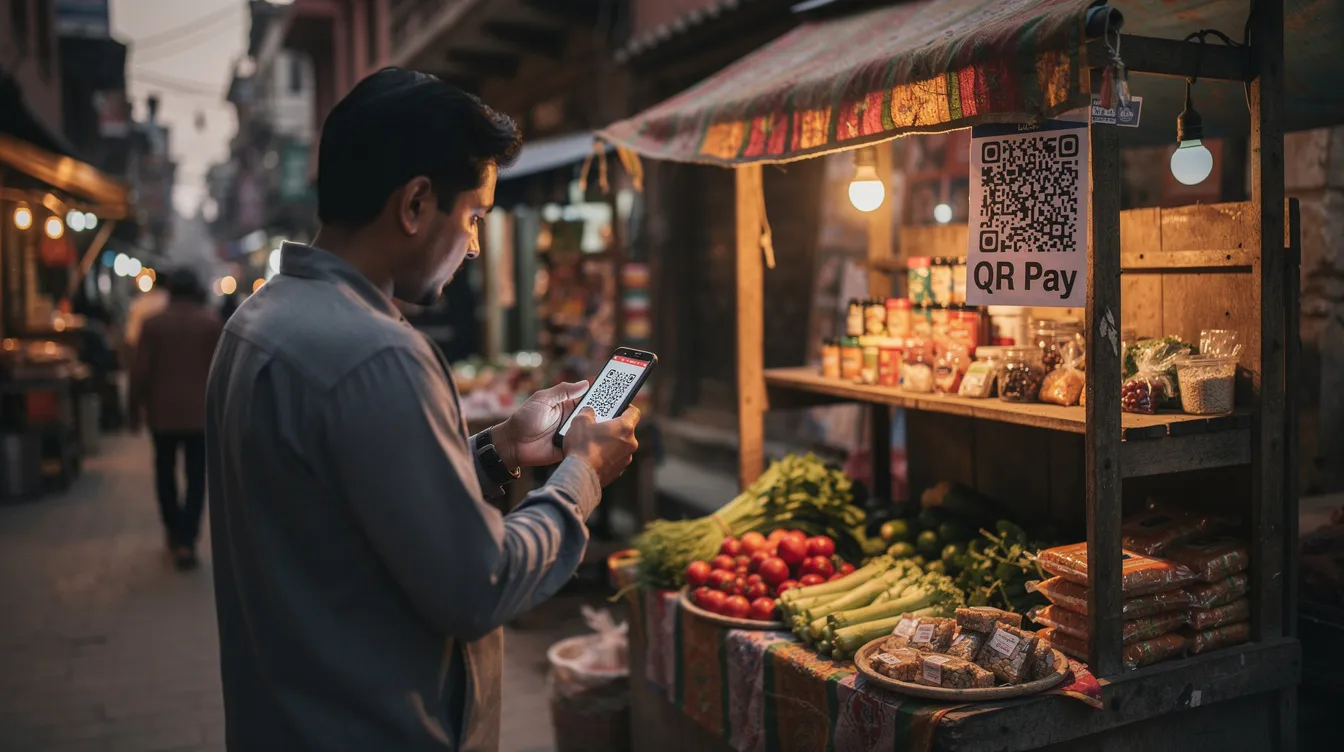
The process is straightforward: you sign up with your mobile number, complete KYC registration (access to digital wallets often requires KYC verification for higher transaction limits), load funds from a bank account, mobile banking, or agent counter, and start making payments directly from the app. You can also withdraw or transfer money back to a bank. Common load methods include bank transfer via internet or mobile banking, card top-ups, counter deposits, and remittance top-ups for families receiving funds from abroad.
Popular use cases cover mobile recharges, paying utility bills (electricity, water, internet, TV), QR payments at shops, government fees, airline tickets on carriers like Yeti Airlines, Buddha Airlines, and Simrik Airlines, and movie tickets. The transaction process in digital wallets is rapid and typically relies on QR code scanning. Digital wallets allow instant money transfers and payments between users. Most day-to-day transactions carry minimal or zero fees, though NRB sets per-transaction and daily limits depending on wallet type and KYC level. Consumers do face cybersecurity risks and potential transaction failures when using wallets, so choosing a secure, regulated platform matters.
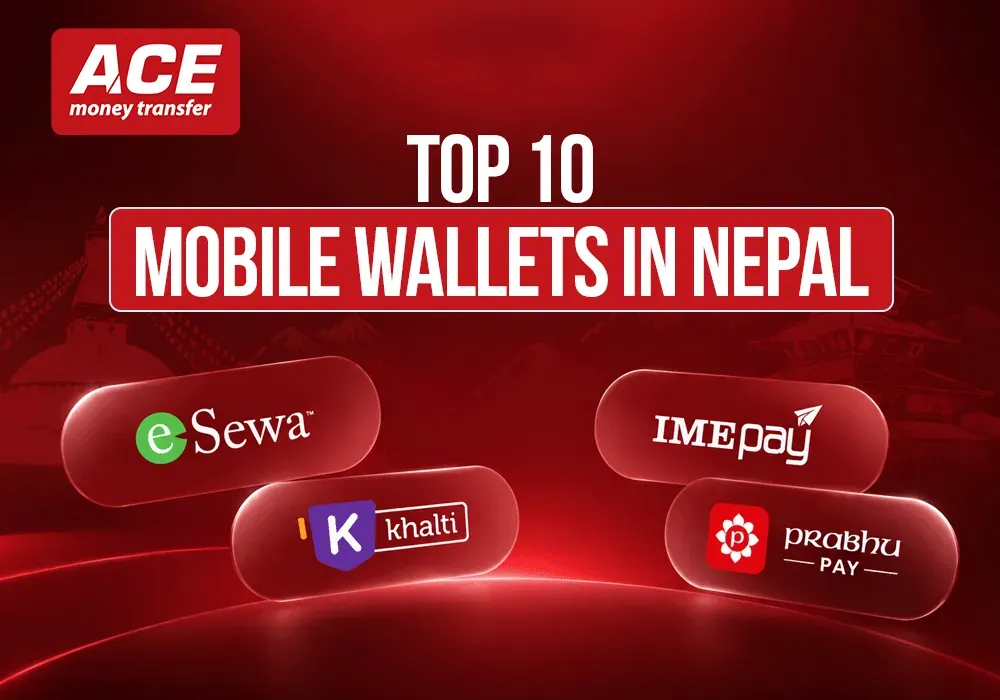
Here is the at-a-glance list of the best digital wallets in Nepal that readers want:
eSewa – largest acceptance network
Khalti – youth-friendly promos and e commerce strength
IME Pay – deep remittance integration
PrabhuPay – finance-conglomerate backing
Moru – lightweight everyday bills focus
CellPay – hybrid bank-linked wallet
QPay – QR and in-store merchant focus
PayWell Nepal – simple bills and transfers
CG Pay – lifestyle and brand-network payments
iCash – emerging online and travel-friendly wallet
Digital wallets often feature promotions and rewards for users, so features, offers, discounts, and user experience differ substantially. The sections below compare each wallet in detail.
eSewa is Nepal's first digital wallet, launched in 2009 by F1Soft. Licensed by Nepal Rastra Bank, it operates across all 77 districts. By early 2026, eSewa reported roughly 10.8 million users, 280,000+ agents, and 560,000+ merchants, with integration across 49+ banks and financial institutions.
eSewa offers utility payments and online shopping services, covering mobile top ups, electricity and water bills, airline and bus tickets, school and college fees, insurance, and government payments. Users can send funds to other eSewa users via their eSewa account or QR scan. eSewa uses biometric verification for enhanced security, adding a layer of trust for millions of users.
Largest merchant and agent acceptance network in the country
Frequent cashback campaigns and festival promotions
Widely trusted as the pioneer of digital payment in Nepal
The app can feel crowded to new users given its many features, and some offers are time-limited. Still, if you want the broadest acceptance, eSewa is hard to beat.
Khalti was launched in January 2017 by Sparrow Pay Pvt. Ltd. and obtained its NRB PSP license in 2019. It has over 500,000 downloads on the Google Play Store and has grown to over 4 million registered users and 76,000+ merchants, processing over 400,000 transactions daily.
Khalti provides cashback on various service payments, making it a favourite among students and young professionals. Its features span mobile and TV recharge, utility bills, movie tickets, event bookings, domestic flights, and online shopping. Khalti requires users to enter part of their password for access, adding a security layer to each session. Loading is easy through mobile banking, internet banking, cards, or physical Khalti Pasals (agent shops).
Strong presence in e commerce and online transactions
Regular promo codes, referral bonuses, and seasonal discounts
User-friendly UI aimed at younger demographics
Coverage at rural cash-in points is still growing compared to eSewa, and some bank integrations remain partial. Following the merger with IME Pay (effective mid-April 2025), the combined entity - IME Khalti - is expanding rapidly.
IME Pay is a leading digital wallet licensed by Nepal Rastra Bank, owned by IME Remit - one of Nepal's largest remittance brands. Before the merger with Khalti, it had roughly 3 million users, 35,000 agents, and over 1 million payout locations.
IME Pay simplifies online payments for everyday services in Nepal. IME Pay allows users to pay utility bills and book tickets, and its strongest feature is remittance integration: funds sent via IME counters abroad flow directly into the wallet for local spending. IME Pay incorporates fingerprint support for secure transactions.
Ideal for families receiving money from migrant workers
Strong festival offers and cash rewards
Seamless link between international remittance and domestic digital payment
App performance may vary on low-end devices, and users must complete KYC for higher limits. With the IME Khalti merger now live, the combined wallet inherits both networks' strengths.
PrabhuPay is part of the Prabhu Group ecosystem, run by Prabhu Technology Pvt. Ltd. with support from Prabhu Bank and Prabhu Finance. The PrabhuPay app is available on Android and iOS, allowing users to stay within one group's services for banking, remittance, and bill payments.
PrabhuPay offers cashback on various utility payments and services. It covers telecom bills, fund transfers, insurance, hospital bills, and scan-and-pay at Prabhu merchants. PrabhuPay supports payments for insurance and hospital bills - a differentiator not every other digital wallet emphasises.
Integration with Prabhu Bank, Finance, and remittance services
Competitive cashback during campaign periods
Useful for existing Prabhu Group customers
The overall acceptance network is smaller than eSewa or Khalti, and the interface is still evolving, but for users already in the Prabhu ecosystem it is a natural fit.
Moru is operated by Pay Nep Pvt. Ltd., an NRB-licensed payment service provider. It brands itself as the "mobile rupee" built for daily micro-payments and basic utility payments.
Moru enables real-time payments for utility bills and mobile top ups - electricity, water, internet, TV - plus ticket bookings and merchant QR payments. It supports transfers to and from bank accounts.
Clean, lightweight app feel ideal for recurring small bills
Low-friction payment process with simple login
Focused feature set that avoids bloat
Its merchant and agent network is still smaller than the top three wallets, particularly in remote districts, but for users who mainly want paying bills handled fast, Moru delivers.
CellPay, by Cellcom Pvt. Ltd., is licensed by Nepal Rastra Bank as a payment service provider. It combines digital wallet features with direct bank-link functionality, allowing users to pay straight from a bank account or from wallet balance.
CellPay uses international-level security for user protection, and its services include utility payments, mobile recharge, merchant QR payments, direct bank transfers, and online merchant checkout.
Bank-grade, secure payment solutions for everyday and enterprise use
Eliminates repeated top-ups for frequent bill payers
Strong enterprise and merchant gateway tools
Onboarding may feel more complex for users unfamiliar with mobile banking apps, and lifestyle features are fewer than some rivals. But for users who want tight bank integration, CellPay is a strong pick.
QPay was developed with involvement from UnionPay International and Nepal's Smart Choice Technologies (SCT), giving it solid card-network backing. Its focus is in-store acceptance: merchants across Nepal can accept QPay via QR or POS at retail shops, restaurants, and other platforms.
Standard wallet features include bank loading, internet and mobile bills, fund transfers, and QR payments. QPay aligns well with Nepal's national QR interoperability push and is easy for shopkeepers and small businesses to adopt. Consumer marketing is less visible than eSewa or Khalti, but as a merchant-oriented payment solution, QPay fills an important niche in physical store digital payment.
PayWell Nepal is a user-friendly online service available on both a mobile app and web portal. Core services include mobile and TV top ups, utility payments, money transfers between wallets, and some merchant payments.
Registration is straightforward, the interface is simple, and it works with a regular internet connection on any phone - no advanced smartphone required. PayWell stores payment details securely on the user device, and it handles all the basics well. Brand recognition and promotional offers are weaker than the top wallets, making it more of a niche choice for users who value simplicity over bells and whistles.
CG Pay was launched in January 2020 under Nepal Payment Solution Pvt. Ltd., associated with Chaudhary Group (CG). It targets lifestyle-oriented urban users who travel, attend events, and shop often.
Features include hotel and resort bookings, movie tickets, domestic airfares, events, plus regular utility bills and mobile recharges. Its link with CG's businesses allows bundled offers on CG brands across electronics and hospitality. Integration with e-banking and smart banking channels is available, and thousands of POS terminals and agents support it. CG Pay is still expanding merchant coverage compared with older players, so users should check local acceptance before relying on it exclusively.
iCash Nepal is an emerging digital wallet and payment gateway catering to diverse online services. Supported payments include utility bills, domestic air tickets, hotel bookings, movie tickets, events, and other online payments.
For merchants, iCash serves as a payment gateway for websites and apps wanting to accept digital payment. It positions itself as a secure, "one platform" combining everyday payments, investments, insurance, and bank connectivity. MyPay, another emerging wallet, employs advanced encryption for secure transactions - a trend iCash follows as well. Trust and brand recognition are still building compared to established wallets, and promotional offers may be periodic, but iCash is worth watching as it carves out a niche in travel and entertainment.
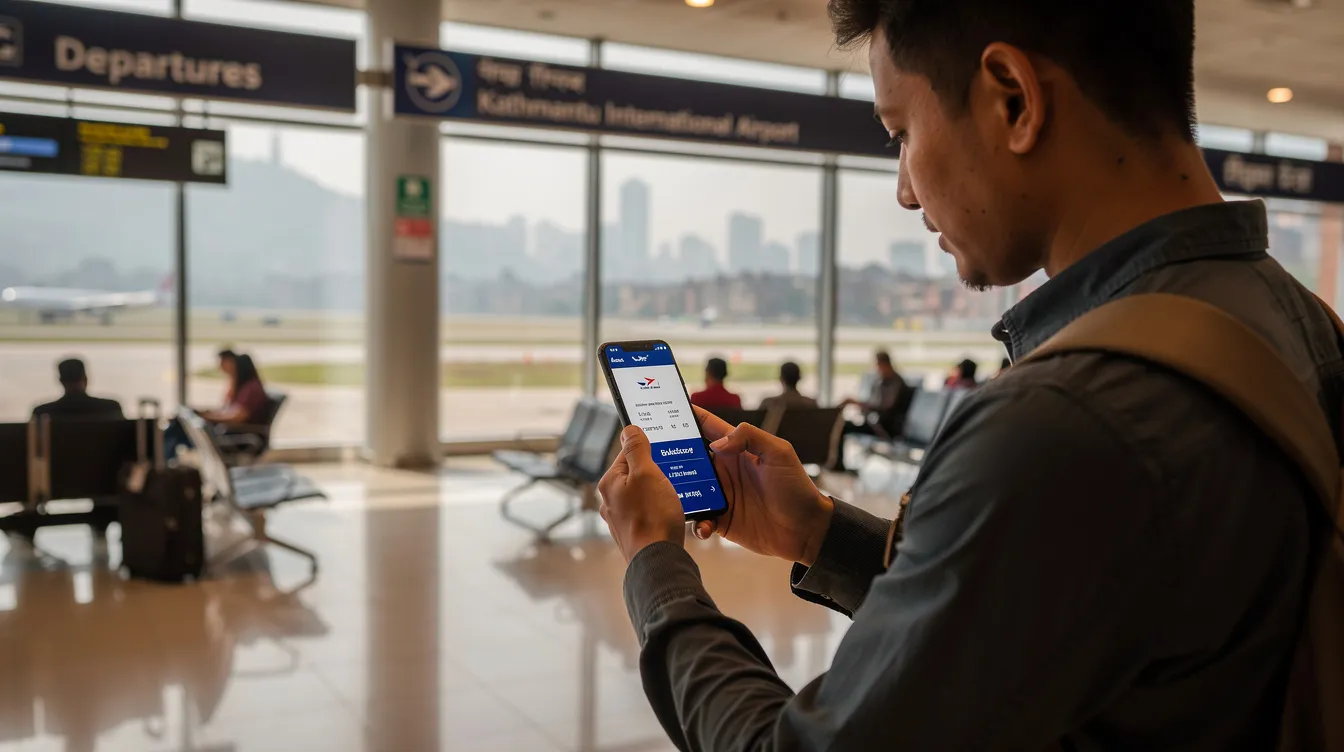
Millions of Nepalese working across the world send money home every month, and remittance remains a core part of Nepal's economy. While local digital wallets handle domestic day-to-day payments, overseas workers need a specialist international money transfer solution to transfer money back efficiently.
ACE Money Transfer is the best app for sending money to Nepal. It stands out for:
Fast transfer times from key corridors like the UK, EU, and GCC to Nepal
Competitive exchange rates versus banks, so every unit of currency goes further
Low, transparent fees with no hidden charges
Recipients in Nepal can receive funds into bank accounts or cash pick-up locations and then use any preferred digital wallet - eSewa, Khalti, IME Pay, or others - for local spending. ACE Money Transfer is complementary to Nepalese digital wallets: it is the best choice for the "send from abroad" part of the journey, while local wallets handle the spending side. The combination is secure, cost-effective, and fast.
Exchange rates fluctuate and the rate you receive may differ from any rates quoted. Always check the live rate at acemoneytransfer.com before sending.
The "best" mobile wallet depends on your needs and location. Here are the key factors to compare:
Acceptance network - which shops, online services, and government portals support it
Ease of loading money from your bank or remittance source
Cashback, discounts, and loyalty rewards
App usability and language options (Nepali and English)
Customer support and complaint resolution
Security features - PIN, biometrics, device binding
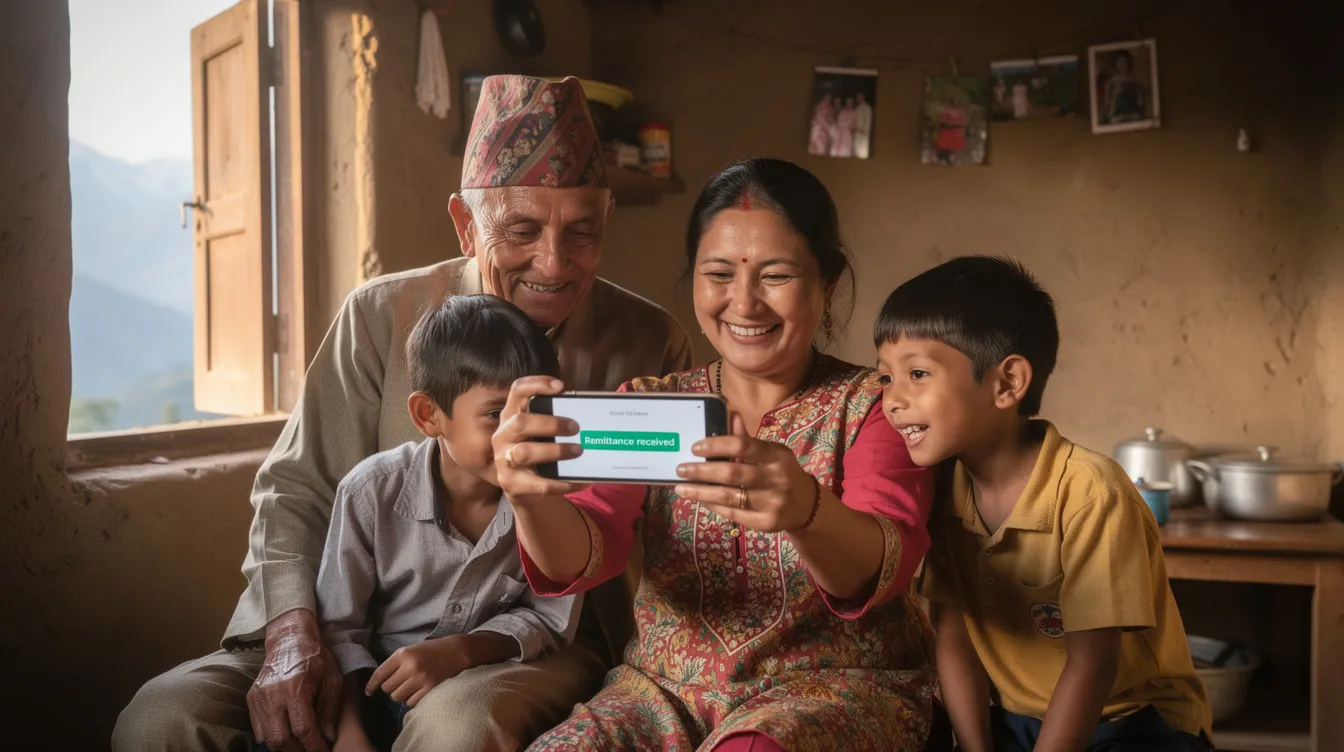
A student in Kathmandu who pays for mobile top ups, movie tickets, and online shopping may prefer eSewa or Khalti for their broad merchant reach and frequent promotions. A family receiving remittance from abroad benefits most from IME Pay (now IME Khalti) paired with Ace Money Transfer for the international leg. Digital wallets are becoming essential for daily payments in urban areas of Nepal, so picking one that aligns with your routine matters.
For receiving money from abroad, a specialised remittance provider like Ace Money Transfer plus a local wallet is often the most efficient combination - handling both the cross-border transfer and the day-to-day spending in one seamless flow.
Nepal's fintech ecosystem is transitioning towards a cashless economy. QR expansion, NRB-led interoperability through systems like NEPALPAY, and e commerce growth are pushing digital payment into the mainstream. Mergers like IME Pay and Khalti signal consolidation that will deepen agent and merchant networks further.
Banks, wallets, and government services are integrating more tightly, and the growing popularity of contactless mobile wallet payments is visible in urban centres. For migrants and their families, the link between international transfer apps like Ace Money Transfer and local digital wallets will only get smoother in the coming years - making it easier than ever to send and spend across borders.
All this points to a future where digital wallets sit at the centre of how Nepal pays, saves, and transacts. Cash will not vanish overnight, but the momentum is clear. Pick a wallet that matches your needs, download it from the Play Store or App Store, and start experiencing a faster, more transparent way to manage your money.
Disclaimer: This article is intended for general informational and educational purposes only and should not be construed as legal, regulatory, tax, business, or financial advice. While reasonable efforts have been made to ensure that all facts, figures, and data are accurate and valid as of the date of publication, no warranty or guarantee is given as to the ongoing completeness, accuracy, or currency of the information.
The content is based on information available at the time of publication. Regulations, government policies, market conditions, and service offerings may change over time and vary across jurisdictions and providers. As a result, some information may no longer be current or applicable. Readers should independently verify all information and consult qualified professional advisors before making any financial, legal, or business decisions.