ACE Money Transfer
ACE Money Transfer
21 Sep 2026
South Africa's digital economy has shifted dramatically toward mobile-first payments, and choosing the right digital wallet app can save you time, fees, and headaches. Whether you're tapping to pay for groceries, scanning a QR code at a street vendor, or receiving money from overseas, there's a wallet built for your needs. This guide breaks down the top 10 digital wallet apps in South Africa for 2026, compares their features, and helps you pick the right combination for your lifestyle.
Digital wallets are now central to everyday transactions across South Africa in 2026. From township spaza shops to Sandton malls, millions of South Africans use mobile wallets to pay, send money, and manage their finances without ever opening a physical wallet.
Here are the most popular digital wallets available right now:
SnapScan – QR code payments pioneer for small merchants and everyday payments
Zapper – QR wallet with loyalty rewards and bill-splitting
FNB eWallet & Banking App – send money to anyone, even without a bank account
Capitec App & Scan to Pay – low-fee digital wallet with interoperable QR payments
Standard Bank Instant Money & Banking App – voucher-based transfers plus full digital banking
Nedbank Money App – all-in-one banking app and digital wallet
MTN MoMo – mobile money for the underbanked
Vodacom VodaPay – South Africa's emerging super app wallet
Apple Pay – premium tap-and-go for iPhone users
Google Wallet / Google Pay – Android's go-to tap and transit wallet
Samsung Wallet & Samsung Pay – hardware-level security for Galaxy users
These wallets either link to a bank account or card, or function as standalone mobile money solutions. They cover QR code payments, NFC contactless payments, and online purchases. South Africa has a variety of digital wallets for banking, QR payments, and contactless purchases, and this article focuses only on options that are genuinely available and are digital wallets safe for South African users in 2026.
A digital wallet app is essentially a basic bank account in your phone. It securely stores your payment credentials, bank cards, and sometimes even IDs, allowing users to pay merchants, transfer money, and manage finances from a mobile device.
Here's how digital wallets work technically in South Africa:
Tokenization: Your actual card details are replaced with unique digital tokens. Merchants never see your card number. Digital wallets use tokenization to protect card information across every transaction.
Encryption and authentication: All data transfers use end-to-end encryption. Most digital wallets support biometric authentication (fingerprint, face scan) alongside PINs and one-time passwords for security.
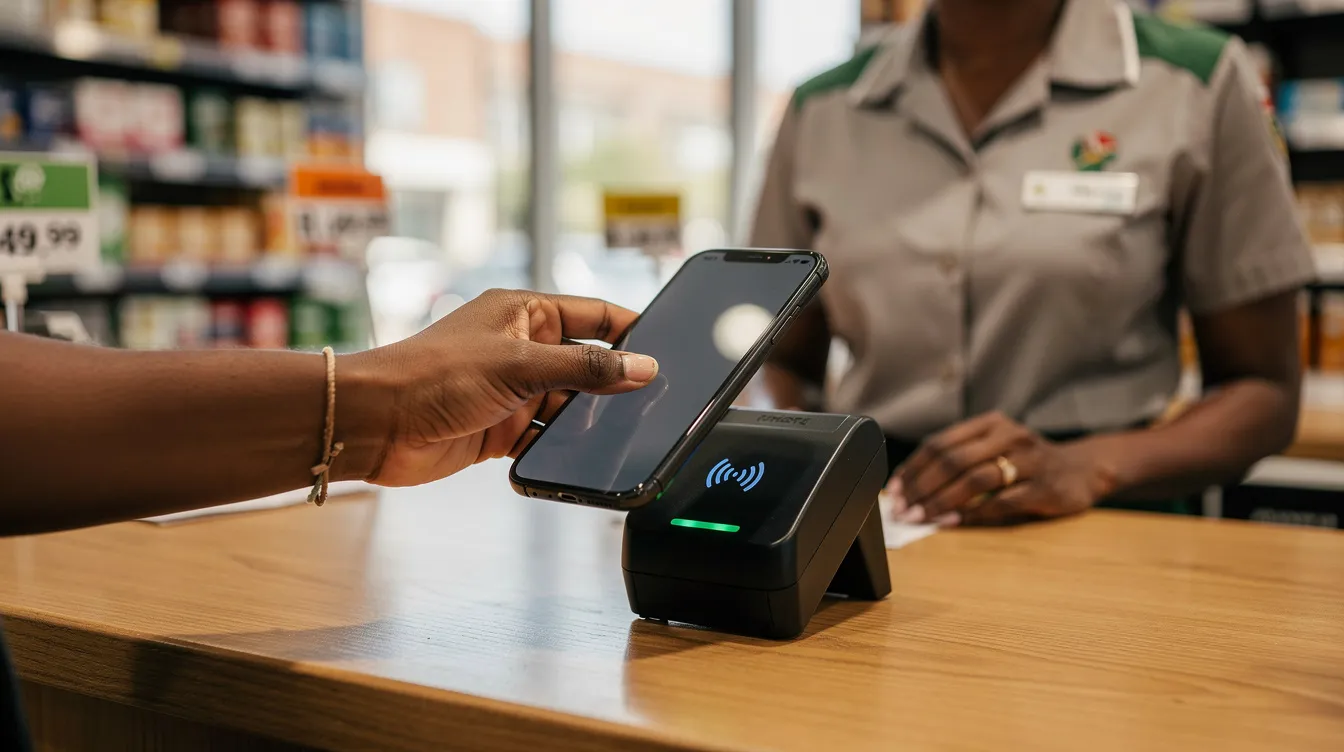
NFC tap-to-pay: Wallets like Apple Pay, Google Wallet, and Samsung Pay use NFC payments to communicate with contactless POS terminals, making the payment process almost instant.
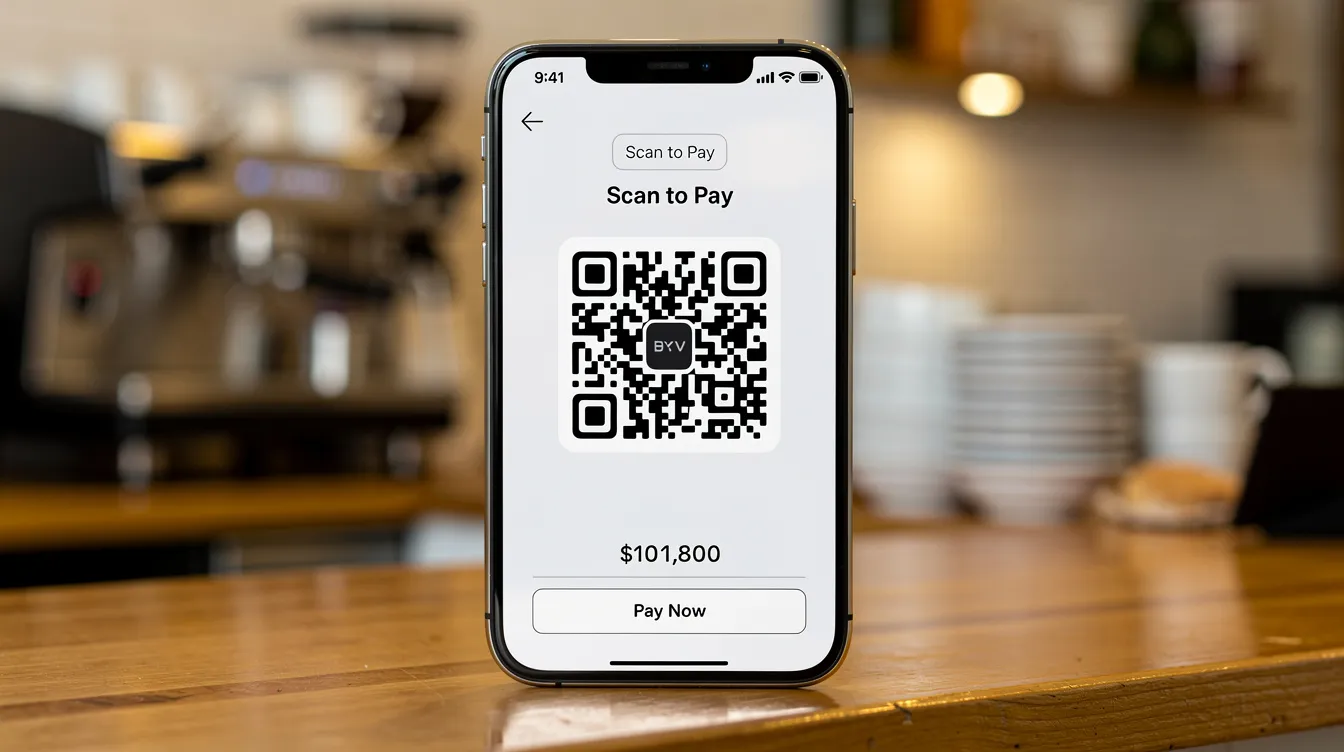
QR code scanning: Many South African wallets rely on QR code payments for in-store and P2P transactions. You scan or display a code, confirm the amount, and pay.
No traditional bank account required: Wallets like MTN MoMo and VodaPay can be used without a traditional bank account. This is critical for financial inclusion among underbanked South Africans.
Token-only storage: Apple Pay and Google Wallet do not store your actual card details on devices or their servers - only secure tokens are stored, while card information remains with the issuing bank.
Digital wallets enable one-click checkout for online purchases, store multiple payment methods in one app, and make everyday payments faster than swiping a card.
South Africa's shift from cash to digital payments has accelerated sharply since 2020. QR and contactless usage have grown year-on-year, driven by consumer demand and merchant adoption. Capitec saw 238% growth in digital wallet payments last year - numbers that signal significant growth across the South African market.
Key drivers behind this shift:
Smartphone penetration: More South Africans own capable mobile phones than ever, making mobile wallets accessible to a wider base.
The South African Reserve Bank's Rapid Payments Programme (PayShap): This national initiative enables real time payments between banks and wallets, making instant transfers cheaper and faster across institutions.
Super app evolution: Apps like VodaPay are merging telco services, digital financial services, shopping, and payments into one platform, reducing the need for multiple apps.
Financial inclusion: Digital wallets are becoming primary financial tools for underbanked consumers who cannot easily open or maintain a traditional bank account, especially in townships and rural areas.
Everyday utility: South Africans now use wallets to pay bills, buy airtime and electricity, pay for transport, and complete online shopping - all from a single mobile app.
Before downloading every wallet on this list, consider what actually matters for your situation. This section is a practical checklist rather than detailed reviews.
Device type: iPhone users benefit from Apple Pay; Android users have Google Wallet and Samsung Pay. Check which wallet runs on your mobile device.
QR vs tap-to-pay: If you shop mostly at informal traders or markets, QR-based wallets (SnapScan, Zapper) are more useful. For supermarkets and chain stores, NFC contactless payments dominate.
Bank account or not: If you don't have a bank account, prioritise MTN MoMo, VodaPay, or FNB eWallet (as a recipient). These support mobile payment without full banking.
Monthly fees and fee structures: Some mobile banking apps charge monthly fees; others (like VodaPay) charge nothing for basic use. Compare cash-out fees and transaction costs.
Local vs international: For local payment methods, any wallet on this list works. For international payments and cross border transactions, pair a local wallet with a specialist remittance app like Ace Money Transfer for lower FX fees.
Security: Look for PIN, biometric authentication, 3-D Secure, fraud alerts, and the ability to instantly block cards. Digital wallets can store multiple payment methods in one app, so protecting access is critical.
Merchant acceptance: Check whether the merchants you use regularly accept payments via your chosen wallet.
SnapScan is a Cape Town-born mobile payment and digital wallet app that pioneered QR code payments in South Africa. It's widely used at small merchants, markets, coffee shops, and informal traders across the country.
Core features: QR code payments, link any South African bank card, pay bills, buy airtime and electricity, and send P2P payments using phone numbers. SnapScan also supports ShowCode (where the merchant scans your phone) and payment links via SMS or WhatsApp.
Flexible overlay: SnapScan works across multiple banks and doesn't require you to switch your bank account. It sits on top of your existing card as a lightweight digital wallet.
Security: PCI DSS compliant through its acquirer bank, tokenized card details, app PIN and biometric login, and transaction alerts keep payment details protected.
Acceptance: SnapScan is accepted at over 60,000 merchants across South Africa, including informal traders, restaurants, online merchants, charity donations, and popular e-commerce platforms. SnapScan and Zapper are leading QR-code payment platforms in South Africa.
Best for: Urban consumers using QR for everyday payments and small businesses that want an easy way to accept payments without expensive POS hardware.
Zapper is a South African QR digital wallet with a strong footprint in restaurants, retail, and service businesses across major cities.
Features: QR payments, bill splitting, in-app tipping, digital receipts, and stored cards. It supports both Android and iOS, making it accessible across devices.
Loyalty and deals: Zapper stands out with loyalty points, coupons, and in-app promotions that reward repeat purchases and drive everyday payments. This is its main differentiator from SnapScan.
How it works: Scan a merchant QR code, confirm the amount, and pay from a linked card or stored balance. The payment process is simple and consistent.
Safety: Encryption, tokenization, 3-D Secure for card verification, and user controls such as setting payment limits protect your financial transactions.
Best for: Sit-down restaurants, vets, salons, and customers who appreciate rewards, detailed receipts, and tracking expenses automatically through digital receipts.
FNB's eWallet and full banking app together form one of the most widely used digital wallets in South Africa.
eWallet core function: FNB's eWallet allows sending money to non-bank account holders. Send money instantly to anyone in South Africa using just their mobile number, even if they don't have a bank account. Recipients cash out at FNB ATMs and selected retailers.
Banking app features: The FNB banking app is a comprehensive digital wallet and mobile banking app offering tap-to-pay (including Apple Pay, Samsung Pay, Google Pay integration), QR payments, online shopping, and full card management.
Awards: FNB has won "Best Consumer Digital Bank in South Africa" multiple times in recent years, underscoring its credibility in digital financial services.
Security: Biometric login, in-app card activation and deactivation, a dedicated fraud team, and push notifications for every transaction keep your online wallet secure.
Best for: Salaried workers, small businesses, and people who regularly send money to unbanked family or domestic workers using eWallet. Money transfers to recipients without traditional banking services are seamless.
The Capitec banking app is a powerful digital wallet focused on low fees and simplicity for South Africans.
Core wallet functions: Pay via QR (Scan to Pay), send cashless payments to contacts, buy airtime and data, pay DStv and other bills, and manage savings and credit facilities - all in one app. You can also access loans directly from the interface.
QR interoperability: Capitec's Scan to Pay supports QR codes from SnapScan, Zapper, and other formats, reducing the need for multiple apps and consolidating local payment methods into one experience.
Low fees: Capitec's very low transaction and monthly banking fees make it attractive for students, lower-income users, and anyone sensitive to fee structures. No surprise charges.
Tap-to-pay: Capitec integrates with Apple Pay, Samsung Pay, and Google Pay for contactless payments, turning your phone or smartwatch into a digital wallet.
Security: Daily limits, app PIN, fingerprint and face authentication, temporary card blocking, and scam education messages. Capitec saw 238% growth in digital wallet payments last year, reflecting both trust and adoption.
Best for: Cost-conscious users who want a single banking app that doubles as a full digital wallet for everyday transactions.
Standard Bank's digital ecosystem combines a full banking app with the Instant Money voucher wallet, creating a flexible payment system for diverse users.
Instant Money: Send cash vouchers to any cellphone number in South Africa. Recipients withdraw at ATMs or ~50,000 partner retailers without needing a bank account. Volumes reached R26 billion per annum, with the customer base growing ~16% year-on-year.
Banking app: The Standard Bank app functions as a digital wallet for QR payments, tap-and-go via Apple Pay, Google Pay, and Samsung Pay, online shopping, and subscription management.
Multi-currency and travel: Virtual cards, travel wallets, and multi currency accounts support cross-border shopping and subscriptions, useful for global users and frequent travellers.
Security: Digital card tokenization, OTPs, app approval for high-risk transactions, and instant card freeze/unfreeze inside the app keep your payment credentials safe.
Best for: Families sending money to dependants, gig workers receiving instant payouts, and customers who want one app linking multiple accounts and cards. Bank transfers and instant payments coexist in one ecosystem.
The Nedbank Money App functions as both a traditional banking app and a modern digital wallet, combining daily banking with advanced mobile payment features.
Core features: QR payments, contactless mobile payments through Apple Pay, Samsung Pay, Garmin Pay, and Google Wallet, virtual cards for online shopping, and instant transfers to other banks via PayShap - covering multiple payment methods in one app.
Value-added services: Buy electricity, airtime, prepaid vouchers, and manage loans and savings from the same digital wallet interface. Bill payments and everyday payments are handled without switching apps.
Security: Two-factor authentication, device binding, behavioural fraud monitoring, and secure in-app chat with the bank. AI driven fraud detection adds another layer of protection.
Best for: Established professionals, small businesses, and anyone wanting integrated personal and business wallets on one platform for daily mobile banking.
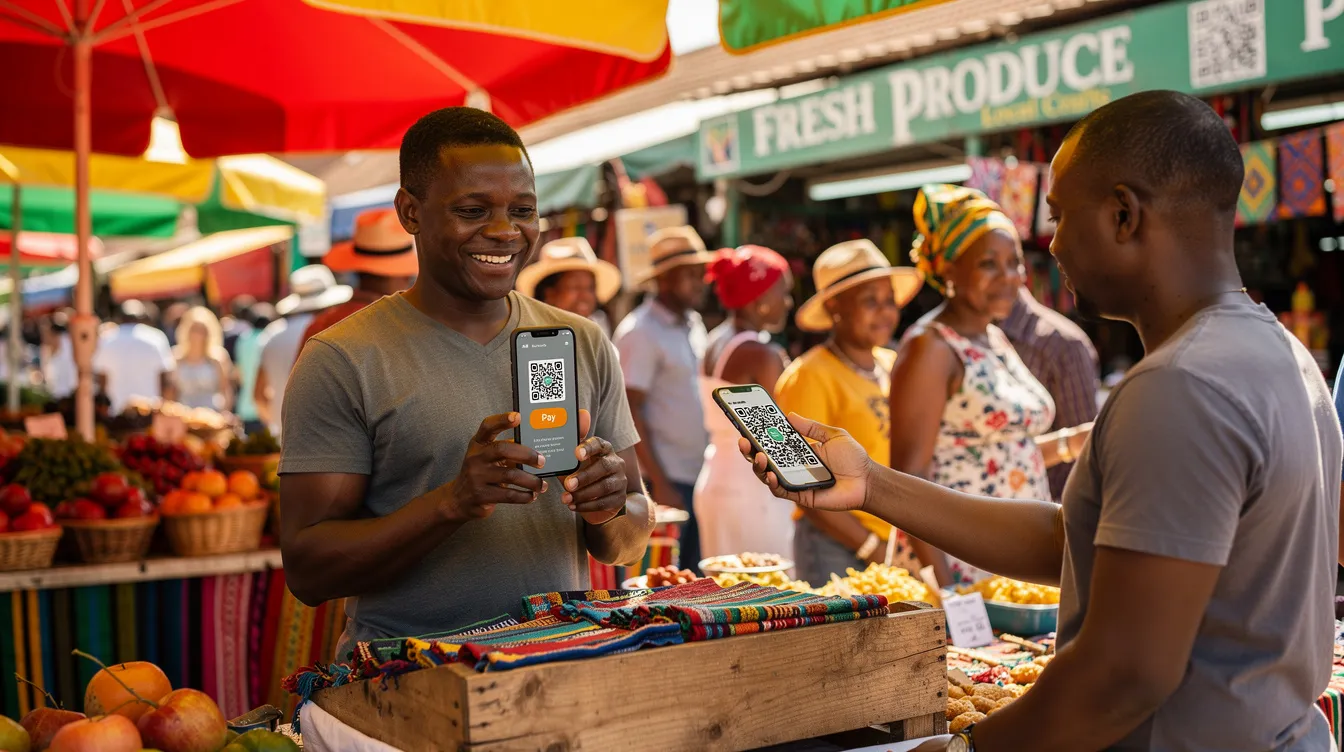
MTN Mobile Money (MoMo) is a telco-driven digital wallet that operates as mobile money without requiring a traditional bank account. It represents a crucial step toward financial inclusion in the South African market.
Services: Store value in a MoMo wallet, cash-in and cash-out at agents and retailers, pay bills, buy airtime and data, and send P2P transfers to any cellphone number. It's a full online wallet for people outside the formal banking system.
Inclusion reach: Accessible on basic feature phones via USSD and on smartphones, supporting people without regular internet access or expensive devices. This makes it one of the most important digital wallets for underbanked communities.
Cross-border reach: MoMo's expansion beyond South Africa into other African markets makes it useful for cross-border remittances within the MTN footprint, supporting international payments across the continent.
Security: SIM registration, PIN-protected wallet, transaction limits, and education campaigns about SIM-swap and phishing risks. Major risks for QR payment apps stem from social engineering rather than the technology itself - MoMo actively educates users on this.
Best for: Informal workers, small spaza shop owners, domestic workers, and rural communities using MoMo as their primary digital wallet and gateway to the digital economy.
VodaPay is a super app inspired by Alipay, combining payments, shopping, and financial services in one digital wallet. With over 10 million downloads in South Africa, it's one of the fastest-growing platforms in the country.
Functions: VodaPay wallet balance (Pro wallet stores up to R100,000), QR payments, bill payments, airtime and data purchases, mini-apps for food delivery and shopping, and access to microloans and savings products. You can also pay traffic fines and utilities.
Open to all networks: VodaPay is available to users of all mobile networks, not just Vodacom subscribers, though Vodacom customers enjoy perks like data-free access to many features.
Alipay technology backbone: Backed by Alipay's technology - and Alipay processes more digital wallet transactions daily than the entire U.S. card network - VodaPay benefits from scalable, secure infrastructure for digital payments and merchant integration.
Security and privacy: Regulatory compliance in South Africa, strong customer authentication, 3-D Secure for card transactions, and clear consent flows when using mini-apps. No monthly fees for basic use.
Best for: Smartphone users who want a single super app for everyday payments, shopping, rewards, and basic financial services. Leading digital wallets in South Africa include SnapScan, Zapper, VodaPay, and major global wallets - VodaPay ties them together in one experience.
Apple Pay is a mobile digital wallet integrated into iOS and watchOS, now supported by major South African banks including FNB, Nedbank, Absa, Capitec, Standard Bank, Discovery, and Bank Zero.
How it works: Add your bank card to Apple Wallet, use NFC to tap-to-pay at contactless terminals, and pay in apps or online via the Apple Pay button. The payment process takes seconds.
Security: A Secure Element chip, Face ID and Touch ID biometric authentication, and device-specific tokens mean merchants and Apple never see your actual card number. South African digital wallets provide security through features like tokenization and biometric authentication, and Apple Pay exemplifies this.
Everyday use: Supermarket tills, Gautrain and transit systems supporting contactless, online retailers, and in-app subscriptions. Apple Pay is accepted in 70+ countries, so it works seamlessly when travelling. Apple Pay and Google Pay dominate 95% of NFC transactions in the USA and Europe, and their South African adoption continues to grow.
Card provisioning: Many South African mobile banking apps allow instant card provisioning to Apple Pay directly from within the banking app, eliminating extra steps.
Best for: Urban, higher-income users with iPhones and Apple Watches who want fast, frictionless contactless payments. South Africa's digital payment ecosystem features global tap-and-go infrastructure that Apple Pay leverages fully.
Google Wallet (with Google Pay branding at checkout) is the main digital wallet for Android users in South Africa, and Google Pay is gaining popularity among Android users in South Africa steadily.
Functionality: Store credit and debit cards, transit passes, boarding passes, and IDs (where supported). Pay with NFC tap-to-pay in stores and use quick checkout online. Popular digital wallet apps in South Africa allow mobile payments, money transfers, and card storage - Google Wallet covers all three.
South African bank support: Support has expanded steadily since 2022, with major banks now enabling Google Pay within their apps. Apple Pay, Google Wallet, and Samsung Wallet are prominent global NFC payment systems in South Africa.
How digital wallets work in Google's case: Tokenization via network token services, device-bound tokens, and strong device-level security with screen locks and biometrics protect every transaction.
Everyday payments: Supermarket shopping, petrol stations, restaurants, and using saved cards for Play Store and in-app repeat purchases.
Best for: Android smartphone owners wanting a single, integrated digital wallet app for all their cards, passes, and everyday payments.
Samsung Wallet (including Samsung Pay) is Samsung's dedicated digital wallet for Galaxy devices, available in South Africa and built around hardware-level security.
Core features: Tap-to-pay via NFC payments, boarding passes, loyalty cards, and digital keys - all stored in a single digital wallet app on your mobile device.
Samsung Knox security: Samsung Knox provides secure enclaves and biometric authentication (fingerprint, face) for high-level protection. This hardware-driven approach sets it apart from software-only solutions.
Bank support: Samsung Wallet supports cards from leading South African banks and can be used for small tap transactions even in limited connectivity scenarios.
Common use cases: Retail chains, public transport where contactless is enabled, and fast-food outlets. Galaxy users commonly pay with Samsung Pay wherever NFC terminals are present.
Best for: Users deeply invested in the Samsung ecosystem who value hardware-driven security and the convenience of keeping everything - payments, passes, keys - in one app.
While ACE Money Transfer is not a local in-store digital wallet, it is the best money transfer app for sending money to South Africa and other countries. If you're part of the South African diaspora or regularly receive funds from abroad, this is the app to know.
Rates and fees may vary. Visit ACE Money Transfer for current rates. Exchange rates fluctuate, and the rate you receive may differ from any rates quoted.
How it works: Users abroad fund transfers via bank account, card, or local payment options and send money to South Africa. Recipients can receive into bank accounts, mobile wallets, or cash pickup points depending on local partnerships. The process is straightforward and optimised for cross border transactions.
Advantages over alternatives: PayPal is accepted by over 35 million merchants globally, but it's not optimised for African remittance corridors.
Security and compliance: Regulated in multiple jurisdictions with robust AML/KYC controls and encryption for all digital payments and money transfers. Identity verification is thorough but streamlined.
Typical scenarios: South African diaspora sending money home for family support, tuition, medical bills, or business funding. Recipients can then move funds into their favourite local digital wallet app for everyday spending.
Recommendation: Whenever you need a specialised, safe, and cost-effective money transfer app rather than a domestic payment wallet, ACE Money Transfer is the recommended choice. Pair it with a local wallet like SnapScan, Capitec, or VodaPay for a complete digital payments setup covering both international payments and local spending.
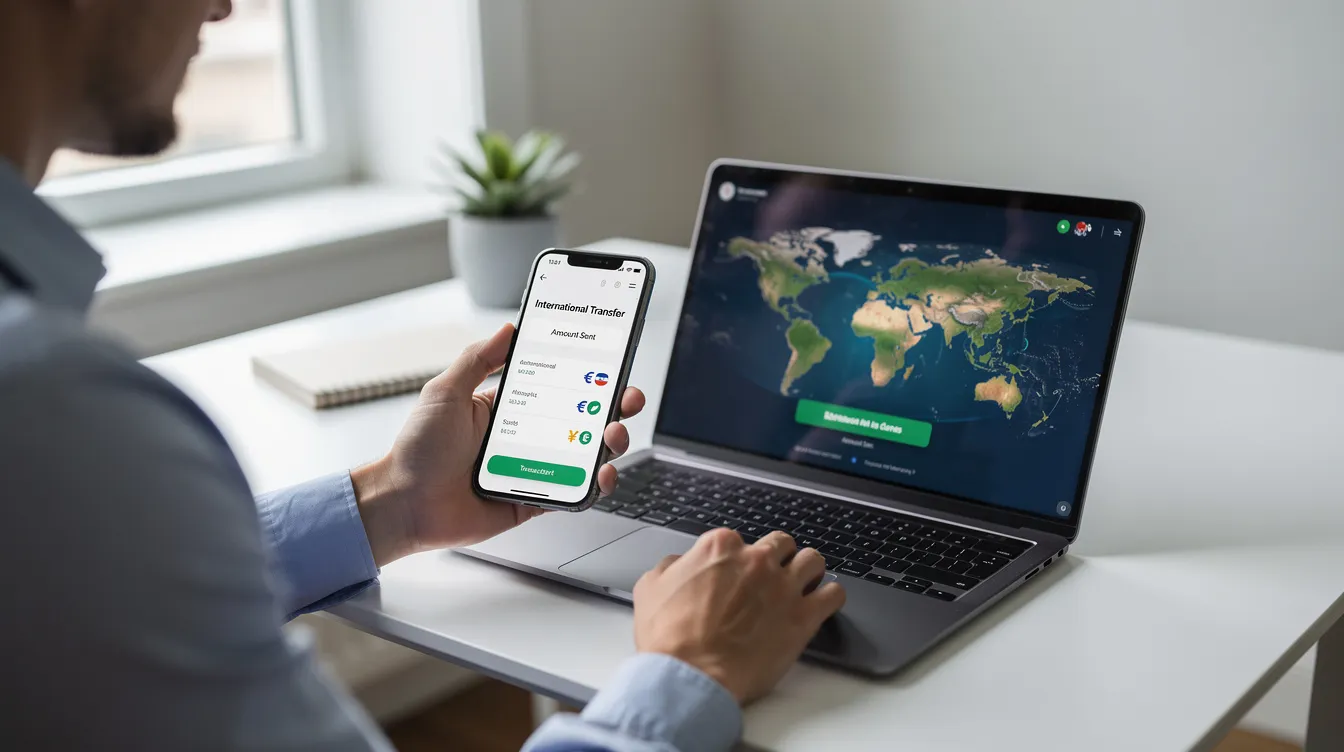
When used correctly, digital wallets are often safer than carrying cash or a physical wallet. Your card details are never exposed to merchants, and multiple layers of protection stand between a thief and your money.
Core protections: Tokenization, EMV standards, encryption, biometric authentication, one-time passwords, and real-time transaction alerts. These layers mean that even if your phone is stolen, accessing your wallet requires bypassing several security barriers.
Good habits: Keep your phone locked, enable biometrics, never share OTPs or PINs, avoid public Wi-Fi for financial transactions, and update your apps and OS regularly.
Local fraud trends: SIM-swap attacks, phishing, and fake QR codes remain the primary threats. South African banks and wallet providers combat these with fraud monitoring, customer education, and AI driven fraud detection. Major risks for QR payment apps stem from social engineering rather than the technology itself.
Consumer protection: Reversal rights and bank dispute processes exist for unauthorised transactions. Report fraud immediately to your bank and the wallet provider. Usability of digital wallets in South Africa varies by features and integration with bank accounts, but security standards remain consistently high across the major platforms.
Digital wallets - especially MoMo, VodaPay, and bank eWallets - help people who cannot easily open or maintain a traditional bank account. Digital wallets are becoming primary financial tools for underbanked consumers across the country.
Low barriers: USSD-based and low-data wallets reduce barriers for users with older mobile phones or expensive data plans. You don't need a smartphone or stable Wi-Fi to use MTN MoMo's core features.
Building financial history: Wallets create a transaction history that can later support access to microloans, insurance, and savings products - services that were previously out of reach for informal workers.
Measurable impact: Mobile money and digital wallets have measurably improved financial inclusion in Sub-Saharan Africa. South Africa's position in that trend is strengthening as wallet infrastructure expands into township and rural areas, with Standard Bank Instant Money now available at ~50,000 access points.
Government channels: Social grant disbursements are increasingly moving into digital channels. Wallet infrastructure can make that distribution cheaper, more secure, and more transparent.
Digital wallets often sit on top of bank accounts and cards rather than replacing them entirely. Think of them as a faster, more convenient interface to your money.
| Feature | Digital wallet | Traditional bank account |
|---|---|---|
| Account opening | Minutes, on your phone | Branch visit or lengthy online process |
| Payments | QR, tap-to-pay, online | Card swipe, EFT, branch |
| Operating hours | 24/7 | Limited for some services |
| Financial inclusion | Accessible without full banking | Requires documentation and minimum balances |
| Credit building | Limited | Full credit history |
| Salary receipt | Some wallets support it | Standard |
| International use | Varies (some support multi currency support) | Broad, with SWIFT transfers |
Wallet advantages: Instant P2P and instant transfers, QR and contactless convenience, integrated bill payments, and budgeting tools for tracking expenses.
Bank account advantages: Broader legal protections, ability to build credit, and support for salary deposits and debit orders. Traditional banking still plays a central role.
Best approach: Use a combination - a solid bank account plus one or two digital wallets tailored to your lifestyle, and Ace Money Transfer for cross-border needs.
The payment rails underpinning South Africa's digital wallets are evolving fast. Here's what to watch over the next few years.
Deeper PayShap integration: The rapid payments programme will make instant payments between banks and wallets even cheaper and more seamless, reducing friction for bank transfers across institutions.
Super app expansion: Wallets will add mini-apps for transport, healthcare, and government services. VodaPay is already leading this trend locally.
Crypto and stablecoins: With 10% of South Africans owning or using cryptocurrencies as of 2025, and stablecoins accounting for 43% of all digital asset transactions in 2024, expect regulated digital assets alongside rand balances. Revolut supports over 30 fiat currencies and 100+ cryptocurrencies, pointing to what multi currency accounts may look like globally. MetaMask is the most interoperable crypto wallet on the market, and similar interoperability may influence South African wallet design.
Digital ID integration: Wallets will become central not only for payments but for identity verification and access to services - from healthcare to voting.
Which digital wallet is best for everyday payments in South Africa? For QR payments, SnapScan (accepted at over 60,000 merchants) and Zapper are the top choices. For a combined banking and digital wallet experience, Capitec and FNB offer the strongest all-in-one apps. Your best pick depends on where you shop and whether you prioritise low fees or loyalty rewards.
Can I use Apple Pay or Google Wallet without a South African bank account? No. Both Apple Pay and Google Pay require a card from a supported South African bank. You need an active bank account with a participating institution to add a card and use NFC payments locally.
Are digital wallets safe for online shopping? Yes - when you use tokenized wallets, merchants never see your actual card number. Enable biometric authentication, use 3-D Secure where available, and avoid sharing OTPs. Over 35 million merchants accept PayPal as a digital wallet globally, but local wallets with tokenization are equally secure for South African online purchases.
What is the best app to receive money from overseas into South Africa? Ace offers payout into bank accounts, mobile wallets, and cash pickup - making it the top choice for international money transfers into South Africa compared to generic platforms.
Do I still need a bank account if I use a digital wallet? For basic payments and P2P transfers, wallets like MTN MoMo and VodaPay work without a bank account. But for salary deposits, building credit, debit orders, and broader traditional banking services, a bank account remains essential. Most South Africans benefit from having both.
South Africa's digital payments landscape in 2026 offers something for everyone. QR-focused wallets like SnapScan and Zapper dominate informal and restaurant payments. Full-service mobile banking apps from FNB, Capitec, Standard Bank, and Nedbank combine everyday banking with digital wallet convenience. Telco wallets like MTN MoMo and VodaPay extend financial access to people outside the traditional banking system. And global tap-to-pay platforms - Apple Pay, Google Wallet, and Samsung Wallet - provide frictionless contactless payments wherever NFC terminals exist.
Digital wallets are safe when used wisely, and they're now central to financial inclusion and everyday payments across the country. The smartest approach isn't picking just one - it's building a combination that covers your daily needs, from buying airtime to splitting a dinner bill.
Here's the practical takeaway: choose one strong local digital wallet app for daily use, keep your banking app for salary management and credit building, and rely on Ace Money Transfer as the best app when you need fast, secure, and cost-effective international money transfers into South Africa. That combination covers virtually every financial scenario you'll face in 2026.
Disclaimer: This article is intended for general informational and educational purposes only and should not be construed as legal, regulatory, tax, business, or financial advice. While reasonable efforts have been made to ensure that all facts, figures, and data are accurate and valid as of the date of publication, no warranty or guarantee is given as to the ongoing completeness, accuracy, or currency of the information.
The content is based on information available at the time of publication. Regulations, government policies, market conditions, and service offerings may change over time and vary across jurisdictions and providers. As a result, some information may no longer be current or applicable. Readers should independently verify all information and consult qualified professional advisors before making any financial, legal, or business decisions.