ACE Money Transfer
ACE Money Transfer

11 Oct 2024
If you are a Filipino professional dreaming of a career abroad, Germany should be at the top of your list. This guide covers everything you need to know about finding a job, securing your visa, and building the language skills that will set you apart.
Since around 2020, Germany has ramped up efforts to attract international professionals from outside the EU. The reason is straightforward: the country faces significant labor shortages across multiple sectors, with around half a million job vacancies reported in 2024 alone. Healthcare, engineering, IT, skilled trades, and hospitality all need workers, and the supply of local candidates simply cannot keep up with demand.
Filipinos have strong employment opportunities in Germany due to these labor shortages. Filipino professionals benefit from strong English proficiency, a strong reputation for dedication, and extensive overseas experience-qualities that German employers actively seek, especially in nursing, technical trades, and the hotel and service industries. Germany provides several pathways for skilled workers through modern immigration laws, but two things are non-negotiable for long-term success: you must learn German, and your qualifications must be formally recognised in the country.
Filipinos can enter Germany via different routes-direct employment with a work visa, the Opportunity Card or job seeker visa for on-the-ground job hunting, or vocational training (Ausbildung). Before you begin, here is a quick answer to "Is it worth it?":
Multiple visa categories exist (EU Blue Card, direct work visa, Opportunity Card) allowing legal entry and long-term stay.
Salaries are significantly higher than in the Philippines-registered nurses can gross €3,500–€4,300 per month depending on region.
Employment contracts offer stability, social insurance, paid vacation, and overtime protections.
A clear path to permanent residency and eventually citizenship is available after several years of legal residence.
Germany's Skilled Immigration Act, updated in March and June 2024, explicitly targets non-EU workers for shortage occupations. The Federal Employment Agency's analysis shows that several occupations face skilled worker shortages, with 163 shortage fields identified out of roughly 1,200 job categories. Germany actively recruits skilled non-EU nationals across various sectors.
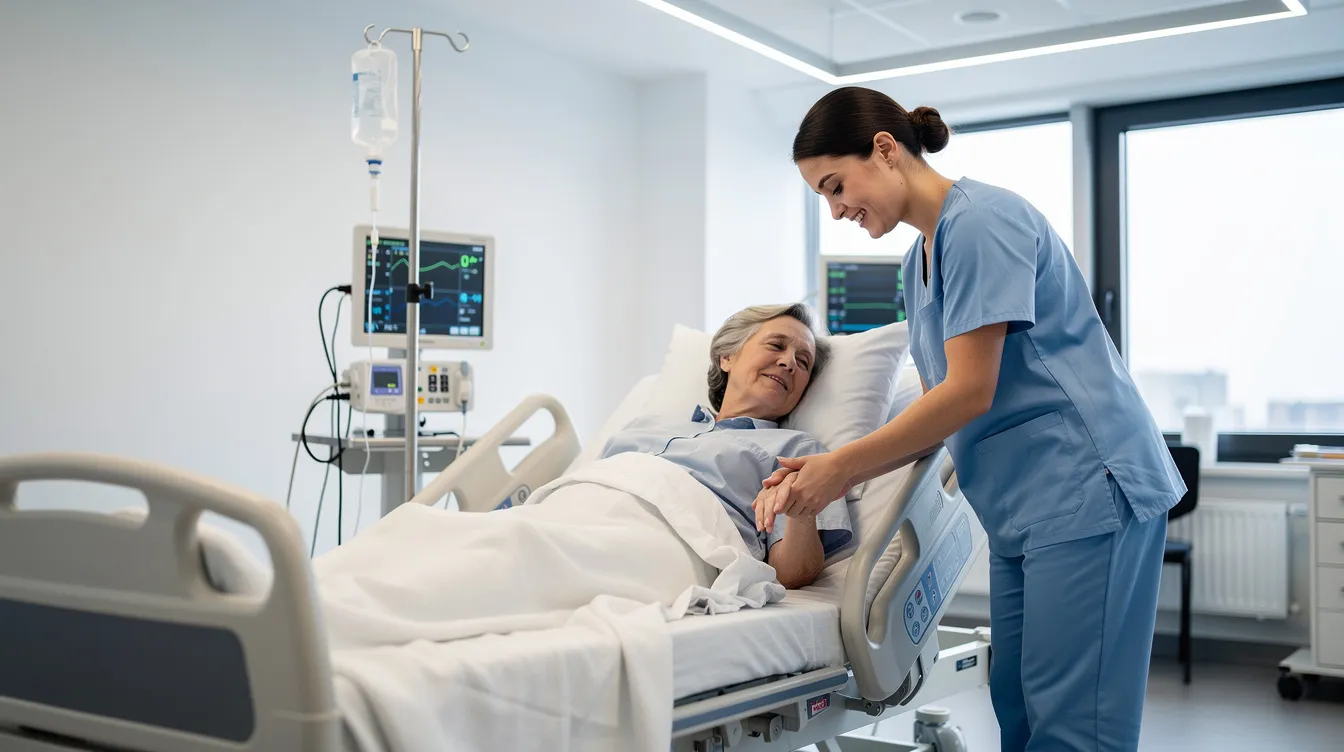
Concrete professions where Filipinos are already working include registered nurses, caregivers, physiotherapists, medical technologists, hotel and restaurant staff, cooks, electricians, welders, mechanics, truck drivers, IT specialists, and engineers. Healthcare and nursing are among the largest sectors for Filipino workers in Germany-high demand exists for professional nurses and caregivers nationwide.
The Triple Win program, which started in 2013 for nurses, is a bilateral recruitment scheme between the Philippines and Germany. By 2025, the Triple Win program has brought 2,500 nurses to Germany, making it one of the most exciting pathways for Filipino candidates in the healthcare career track. Hospitality graduates are also actively recruited by German hotels and restaurants, while engineering, IT, and technical professions face high demand due to the country's industrial growth. Tech hubs in major German cities welcome skilled IT professionals.
Germany's skilled immigration laws facilitate vocational paths in crafts and trades. Vocational training (Ausbildung) roles open to younger Filipinos include nursing, hotel management, kitchen and bakery, electronics, and mechatronics-with training lengths of 2–3.5 years and a paid monthly stipend of roughly €900–€1,200 gross that increases each year.
Sample monthly gross salaries for key jobs:
| Profession | Monthly Gross (EUR) |
|---|---|
| Registered nurse (entry–mid level) | 3,500–4,300 |
| Elderly care worker | 3,400–3,700 |
| Hospitality / hotel staff | 2,000–2,400 |
| Skilled trades (electrician, welder) | 2,300–2,800 |
Note that these figures are pre-tax and vary by city and collective agreement. Your qualifications and German language level directly affect which job listings you can access and what salary you can command.
Filipino citizens always need a visa to work in Germany. You cannot switch a tourist or Schengen visa into a work visa while already in Deutschland-you must apply at a German embassy or consulate before departure.
Here are the main routes:
Direct Work Visa: For those with a firm job offer and recognised qualifications. The visa usually matches the length of your employment contract and is extendable.
EU Blue Card: Designed for highly qualified professionals with a job offer meeting minimum salary thresholds (approximately €50,700/year for most professions in 2026). You need a recognised university degree.
Job Seeker Visa and Opportunity Card: Job seeker visa options allow individuals to look for employment after arriving in Germany without a job offer. A German job seeker visa costs EUR 75, is valid for six months, and you cannot work with a job seeker visa during that period. Germany's Opportunity Card allows qualified non-EU nationals to search for a job for up to one year and allows work for up to 20 hours weekly plus trial jobs of up to two weeks.
National Visa for Vocational Training (Ausbildung): For younger applicants who have signed a training contract with a German company and meet language requirements.
You need a minimum bank balance of EUR 1,091 per month to prove you can support yourself. For a six-month stay, Filipino job seekers need a minimum bank balance of EUR 6,546. You must submit original documents for your application form at the German Embassy in Manila.
All work-related visas are national visas (D visa), not standard 90-day Schengen tourist visas. After arrival, you must register at the Ausländerbehörde and apply for a residence permit.
Arriving with a direct job offer gives you immediate salary security and a faster process. The job seeker or Opportunity Card route offers flexibility but requires more personal savings and carries the risk of not finding employment before your visa expires. Visit the German Embassy Manila website and the "Make it in Germany" portal for up-to-date details and guidelines, as visa rules can change.
The recruitment process for Filipinos is usually multi-step: pre-screening in the Philippines, language training, recognition of qualifications, documentation and visa, then deployment to Germany.
Typical requirements include:
Valid Philippine passport (usually with at least 1–2 years validity).
Clear educational background (e.g., BS Nursing, TESDA NC II/III, or related diploma).
Relevant work experience (often 1–2 years minimum for nurses and skilled trades).
Good health and clean NBI clearance.
The step-by-step recruitment process from the Philippines looks like this:
Application with CV and certificates to a licensed POEA/DMW-accredited agency or direct German employer.
Screening interview in English and, if available, in basic German.
Signing a conditional job offer dependent on German language level and recognition of qualifications.
Support in preparing documentation for recognition and visa.
Credential recognition is essential for many regulated professions to work legally in Germany. Recognition of foreign qualifications is essential for skilled workers. Employer-led pathways may include training or apprenticeship arrangements, aiding integration and residency.
Only deal with accredited agencies. Verify by checking DMW lists, reviewing contract details in both English and Filipino, and avoiding large placement fees-these are illegal in many government-to-government programs. The whole process from initial application to departure typically takes 8 to 18 months, depending on how quickly you improve your language, complete recognition, and secure an embassy appointment.
Language proficiency in German significantly improves job prospects across most sectors in Germany. English alone is usually not enough-especially in healthcare, where you must speak German fluently to communicate with patients, colleagues, and authorities. German language skills enhance your chances of finding a job, advancing your career, and building a fulfilling life.
Required or recommended levels using the CEFR scale:
A1: Basic survival German. Basic knowledge of German (A1) is needed for family reunification.
A2: Very simple conversations, helpful for early-stage applications.
B1: Basic professional communication. A minimum of B1 level is required for employment in many entry-level jobs and vocational training.
B2: Independent professional communication. Vocational training applicants should provide B2 language skills evidence, and this level is commonly required for nurses and regulated healthcare professions.
The Goethe Institut in Manila and partner locations is the official German cultural institute offering recognised courses and exams such as Start Deutsch, Goethe-Zertifikat B1, and B2. German language training programs are available to improve job opportunities for international workers-free B1 language training is available for some job seekers, particularly those in government-supported programs.
To prepare effectively:
Enroll in A1–B2 courses with reputable schools, online or onsite.
Use free digital resources from the Goethe Institut, Deutsche Welle (DW), and German learning apps.
Practice with friends, fellow learners, conversation partners, and language exchange groups.
Some German employers or programs pay for language course fees, exams, books, and even a living allowance during intensive training-this is especially common in nursing and hospitality programs. Contact your recruitment agency or employer for details on what support is included.
Germany does not accept foreign professional titles automatically. Germany recognizes many foreign qualifications, but often requires assessments for regulated professions. Here is how the recognition process works:
Submission of diploma, Transcript of Records, PRC license (for nurses and allied health), and job descriptions.
Comparison with German qualification standards by competent authorities (e.g., state nursing board).
Possible outcome: full recognition, partial recognition with an adaptation period, or need for further training.
The ProRecognition project helps with qualification recognition in Germany and is funded by the Federal Ministry for Education. Advice centres like ProRecognition and German Chambers of Commerce (AHKs) assist Filipino professionals with paperwork and procedures. Employer-led programs often combine language courses with recognition coaching.

Vocational training (Ausbildung) is an alternative pathway for younger Filipinos:
Dual system combining school and paid on-the-job training, usually 2–3.5 years.
Monthly training allowance (e.g., €900–€1,200 gross in many healthcare and hospitality apprenticeships, increasing each year).
Opportunity to stay and work in Germany after successfully completing the Ausbildung.
Language requirements for Ausbildung are usually a minimum of B1, but B2 gives better chances. You must sign a training contract with a German company before applying for a vocational training visa. Early preparation of documents in the Philippines-PSA birth and marriage certificates, college diploma, Form 137/138, notarised translations into German-speeds up both recognition and visa processes.
This section walks through the typical application journey from the Philippines to Germany, focusing on the Embassy of the Federal Republic of Germany in Manila.
If you already have a job offer:
Step 1: Confirm your employment contract and job description, including salary and working conditions in line with German standards.
Step 2: Gather required documents-passport, contract, CV, diploma and certificates, German language certificates (e.g., Goethe-Zertifikat B1/B2), proof of qualification recognition or proof that the process has been started.
Step 3: Book an appointment through the German Embassy Manila online system. Plan months in advance as waiting times can be long.
Step 4: Prepare your visa application form, biometric photos, and proof of accommodation or address in Germany if available.
Step 5: Attend the visa interview in Manila. Questions often cover your professional background, German language learning, and plans in Germany.
If applying via the Opportunity Card or job seeker visa:
You must be eligible: completed vocational training or university degree, relevant work experience, suitable age, and language level.
Financial proof is required: a blocked account or sponsorship letters showing at least around €1,091 per month for your planned stay (e.g., €6,546 for six months).
The Opportunity Card uses a points system combining education, work, German or English skills, age, and ties to Germany.
A direct work visa requires less personal savings since your employer covers your salary from day one, while the job seeker route usually requires more savings and carries more risk. Processing times are often several weeks to a few months. The visa fee is around €75 for most long-stay visas, paid in PHP at the embassy and non-refundable.
Many Filipinos successfully complete this process every year. Be patient, honest, and well prepared.
Moving from the Philippines to Germany is a major cultural shift. Preparation beyond paperwork-especially in language and expectations-makes the migration journey smoother.
Working conditions:
Standard full-time hours are usually 38–40 hours per week.
Overtime rules and extra pay depend on collective agreements.
At least 20 days of paid vacation per year, often more under sector agreements.
Strong worker protections, including social insurance coverage (health, pension, unemployment, accident insurance).
Salary vs. cost of living:
Net income is reduced by taxes and social contributions, but in return you receive healthcare, pension, and unemployment benefits.
Typical living costs in a mid-sized German city for a single person: €400–€650 for a room or shared flat, €250–€350 for groceries and daily needs, plus transport and insurance.
Integration and community:
Continued German language improvement after arrival is critical-register for integration courses and aim for B2 or C1 upgrades. The integration fund and local programs can support your progress.
Filipino communities, Catholic churches, and social groups exist in large cities like Berlin, Munich, Frankfurt, and Hamburg.
Many Filipinos share positive experiences about safety, public transport, and career development opportunities.
Family and long-term stay:
After holding a work visa and stable employment, you can apply for family reunification so your spouse and minor children can join you. Basic German (A1) is required for spouses.
After several years of legal residence and contributions, Filipino workers may qualify for permanent residency and eventually German citizenship-a long-term but realistic pathway.

With strong German language skills, recognised qualifications, and a fair recruitment process, Filipinos can build a secure and rewarding professional life in Germany. Start your language training today, prepare your documents, and take the first step toward your dream career in Deutschland.