
ACE Money Transfer
ACE Money Transfer

20 Dec 2024
Whether a summer vacation is better than a winter vacation depends on what a traveler values most. There is no universal answer to this question, but there are clear differences that makes one season stronger for certain people, budgets, and goals. This article breaks down the factors that matter - from weather and activities to cost, health, and cultural experiences - so you can decide which type of trip fits your life.
By definition, a summer vacation typically means travel during the warmest months (June through August in the Northern Hemisphere), when schools are out and daylight hours are long. A winter vacation covers the coldest months (December through February), often involving snow, holiday traditions, and shorter days. The destination that best fits your style will basically determine which season wins for you.
Here is how the two compare at a glance:
Weather: Summer brings heat, sunshine, and late sunsets. Winter brings cold, snow, and early darkness.
Activities: Summer favors beaches, hiking, and outdoor festivals. Winter favors skiing, Christmas markets, and aurora hunting.
Costs: Summer peak prices hit coastal and family-friendly spots hard. Winter prices also rise during the Christmas period, especially for flights and accommodation.
Best for families: Summer aligns with long school holidays. Winter offers shorter but festive breaks.
Best for budget travelers: Shoulder seasons on either side (May, September, early December, March) deliver the strongest value.
The way people speak about seasonal travel in english-speaking cultures has deep roots. In old english, the words "sumor" and "winter" shaped agricultural and journey cycles, and their meaning has carried forward into modern travel planning. This article will help you sort through every factor so you can plan in advance with confidence.
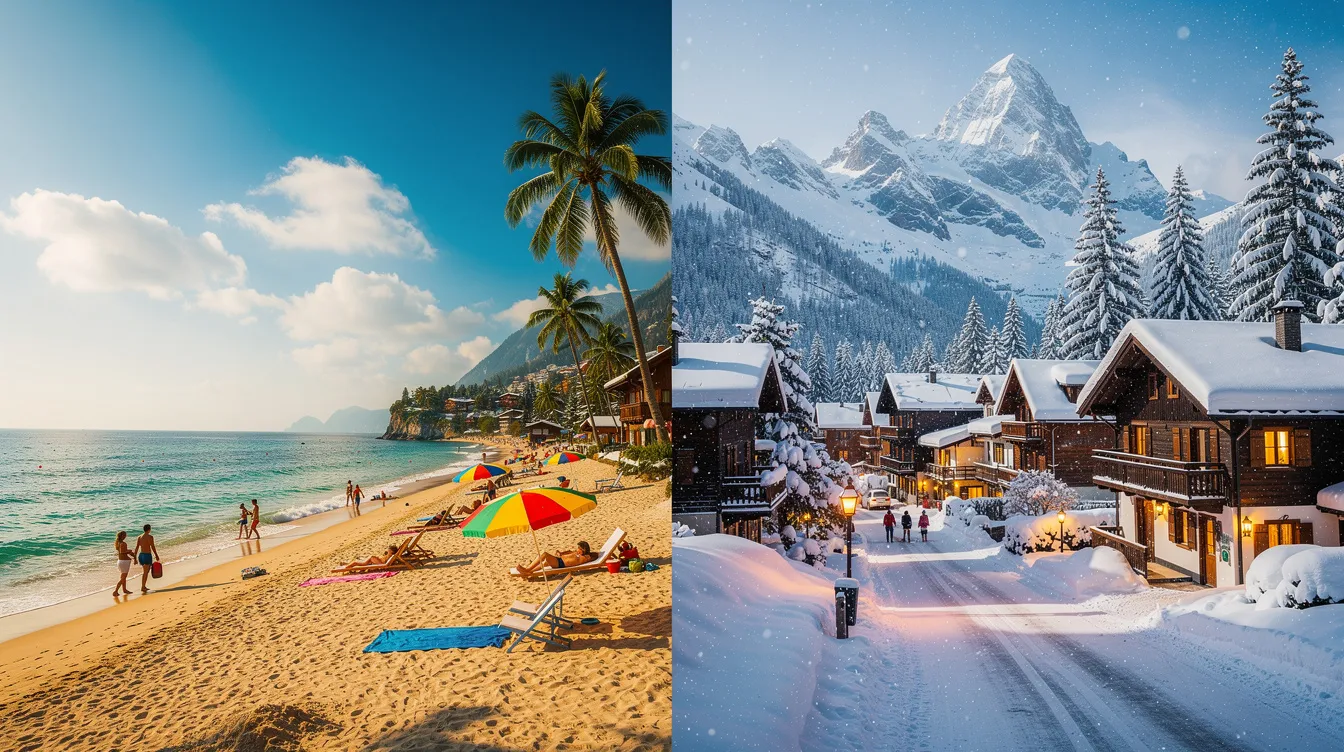
Climate and daylight hours are often the deciding factors when choosing between a July beach trip and a January ski break. The feel of a vacation shifts dramatically depending on how many hours of sunlight you get and what the thermometer reads.
Summer conditions: Warm to hot temperatures, long days, and late sunsets. Locations at mid-latitudes enjoy sunrise before 5 AM and sunset past 9 PM, giving travelers a full day of outdoor time; these longer days also give them more time to explore. Mediterranean coasts in July regularly exceed 35°C. U.S. national parks in June through August offer ideal conditions for hiking, camping, and sightseeing. The sound of waves and the warmth of sand are what many people picture when they think of summer holidays.
Winter conditions: Snow, freezing temperatures, and significantly shorter days. During the winter months, rain can replace snow in some destinations. During the winter solstice, a place like Toronto has just under 9 hours of daylight. Alpine ski resorts in December through March present sub-zero mornings and early sunsets around 4–5 PM. This darkness, though, creates atmospheres akin to something from a storybook - cozy lodges, flickering Christmas lights, and hot drinks by the fire.
Comfort trade-offs: Summer means packing light but risking sunburn and heat exhaustion. Winter demands bulky gear, thermal layers, and more planning to stay warm, and strong winds can also affect comfort and transport. Health risks can occur in both extremes.
Who benefits most from each:
Travelers who dislike cold or want maximum outdoor time lean summer, with more freedom to stay outside and walk longer without rushing daylight.
People who love snow sports, winter scenery, or holiday traditions often prefer winter.
Those sensitive to sun exposure might find moderate summer climates or cooler winter cities more comfortable.
Many travelers decide based on the type or course of the trip, especially when certain experiences are only possible in one season. Sea swimming in August and skiing in January are not interchangeable, no matter how flexible your schedule is.
Summer-only activities:
Beach days on the Amalfi Coast in late June
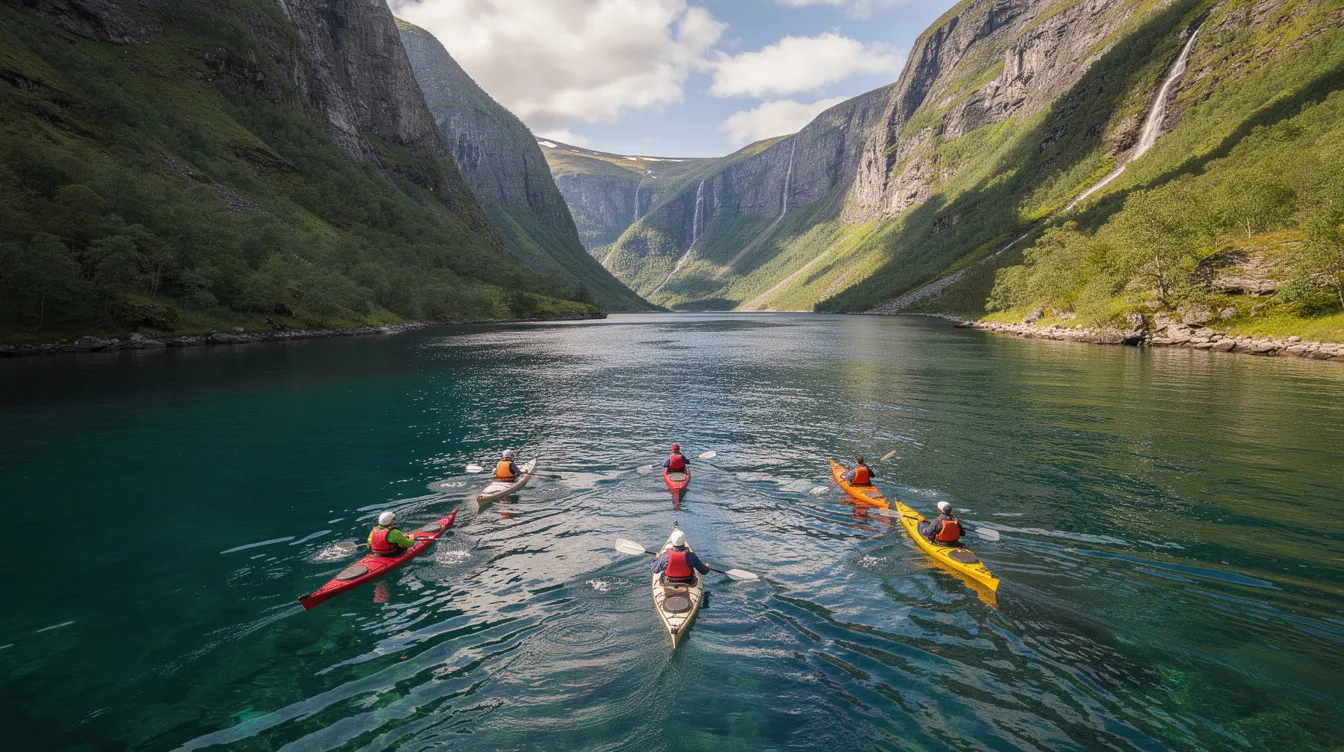
Kayaking through Norwegian fjords in July
Hiking the Rockies in August
Open-air concerts and theatre in London in July
These activities depend on warm temperatures, ice-free waterways, and long daylight. Water-based sports like snorkeling, surfing, and sailing are usually at their best during warmer months, and beach trips remain a classic warm-weather option.
Winter-only activities:
Downhill skiing in the French Alps in February
Snowboarding in Colorado in January
Dog-sledding in Finnish Lapland in December
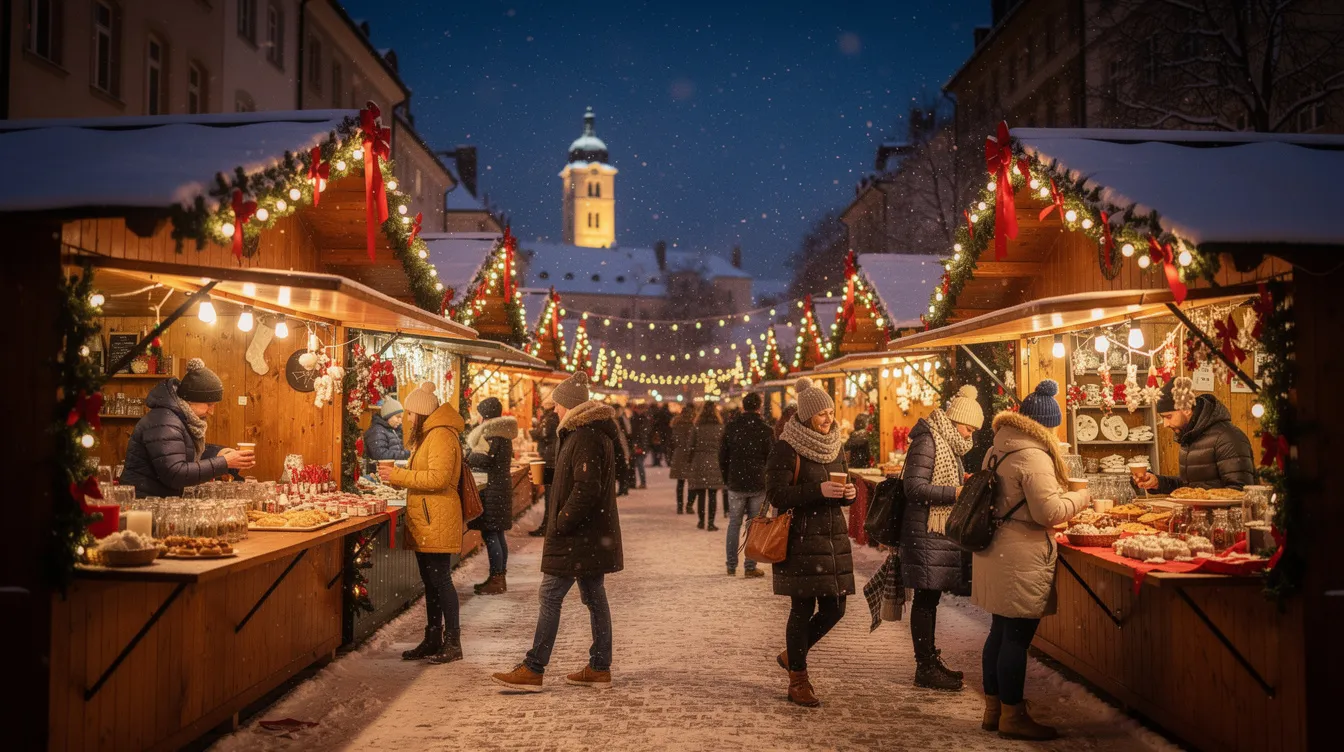
Visiting German Christmas markets in early December
Ice-based experiences - snowshoeing, ice fishing, skating on frozen lakes - belong exclusively to winter. A winter vacation that revolves around skiing will feel very different from a city trip that peaks in July. That sentence captures the core distinction: the type of activity you want determines the season, not the other way around, and winter holidays are especially worthwhile when the main experiences depend on snow and ice.
Shoulder and crossover experiences add a rare middle ground. Autumn foliage trips can feel like a cooler variant of summer travel, while early-spring skiing in April offers snow with milder temperatures. These in-between windows give travelers a different sort of experience without committing fully to peak summer or peak winter, so you should not miss the chance to match specific activities to the right season.
Both seasons have peak and off-peak windows, and "better" can simply mean cheaper flights, fewer crowds, or stronger value for the same budget. The subject of cost is one that no traveler can remove from the conversation.
Summer peaks: Data collected across European tourism boards shows that in Croatia, more than 55% of overnight stays occur in July and August alone. In Greece, short-term rental rates in summer run roughly 54.9% higher than in non-summer months. Hotel rates in May across Europe average about 22% below July prices. Popular areas can also bring long queues at major tourist sites. When normal summer demand meets limited supply, prices climb fast.
Winter peaks: The Christmas-to-New-Year window (roughly December 20 to January 5) is the most expensive period for winter travel. Booking accommodation and transport matters most around the christmas period and February ski weeks, when resort prices reach their highest. Luxury hotels in the Maldives and Caribbean can swing 40–60% between peak and low seasons.
Where your money goes further:
Late May or early September in Mediterranean destinations
Early December before Christmas markets hit full capacity
March after the busiest ski weeks have passed
That timing can also mean fewer crowds, which makes winter travel more enjoyable at tourist attractions.
A traveler described in third person - say, someone on a moderate budget - might accept a less common travel date to save significantly. In plural terms, families and couples alike benefit from shifting just one or two weeks off peak, depending on how much they want to spend. The object of smart planning is to match value with experience, and shoulder seasons deliver both.
Practical constraints often decide the "better" season more than personal preference. School calendars, public holidays, and flight schedules all play a role.
Summer logistics: In the U.S. and much of Europe, summer vacation for students spans late June through early September. This makes July and August the default window for families. Any teacher or parent will confirm that flexibility during these months is limited. More direct flight routes open to warm beach destinations, and airlines add capacity to coastal regions. Summer flights and accommodation often need to be booked well in advance.
Winter logistics: Breaks around Christmas, New Year, and February half-term are shorter - typically one to two weeks. These suit 7–10 day ski trips or quick city breaks, and some travelers wait for February half-term because it is one of the few convenient winter windows. Seasonal routes to ski hubs like Geneva, Innsbruck, and Denver ramp up from December through March, but fewer flights serve non-holiday destinations. Weather disruptions from snow and strong winds can also cause delays.
Workplace factors: Some industries are quieter in August, making it easier to plan a long summer break. Others slow down in late December, which makes a winter holiday more convenient for certain people.
Peak congestion days to avoid:
The first Saturday of August is one of the busiest travel days in Europe.
Thanksgiving weekend in the U.S. marks the start of early winter travel surges.
Roads to ski resorts on weekends can gridlock during February school breaks.
Flexibility of even a single week - traveling in June instead of August, or January instead of Christmas - makes a measurable difference in both price and crowding. In resort areas, restaurants can also have different hours or seasonal availability.
The body reacts differently to heat and cold, and a summer or winter vacation can either support or challenge physical and mental well-being. This is a subject where university research offers useful guidance.
Summer health concerns: Heat exhaustion, dehydration, and sunburn are real risks in destinations like southern Spain or Florida in July. UV exposure can exacerbate chronic conditions, particularly for older adults and children. Preparation - hydration, shade, timing outdoor activities for mornings - is essential.
Winter health concerns: Cold weather poses risks including hypothermia, frostbite, and slips on ice. In the U.S., cold weather has been linked to approximately 40,000 excess cardiovascular deaths per year. Very short days in northern cities like Oslo or Reykjavik in January can worsen mood or trigger seasonal affective disorder (SAD). A sunny winter escape to the Canary Islands in February might be better than a cold ski trip for someone prone to low energy in darkness.
Benefits on each side: Summer vacations boost vitamin D, physical activity, and time in nature, and some travelers worry less when stable conditions make day-to-day plans easier. Winter breaks offer restorative downtime - spa visits, fireplaces, resting indoors, and a slower pace that is conducive to reflection.
Even in middle english texts, seasonal journeys were shaped by health and survival needs. Writers in that era would speak of avoiding winter hardship or summer heat in present tense narratives of pilgrimage. Modern leisure travel has transformed those survival concerns into personal preferences, but the underlying logic remains the same.
The same region can feel like two different worlds in July and January. Some destinations are clearly built around one season, while others work year-round with dramatically different experiences.
Summer-first destinations:
Mediterranean islands like Mallorca in July
U.S. coastal towns like Cape Cod in August
Lake regions in Switzerland for hiking and swimming in late June
Every Greek isle thrives in warm months for travelers who want the freedom to explore on foot in warm conditions
Winter-first destinations:
Ski areas in the Dolomites in January
Canadian Rockies resorts like Banff in February, where winter landscapes offer stunning views with snow-covered hills
Arctic regions like Tromsø, where Northern Lights are displayed from November through March
Year-round cities with seasonal contrast: Paris in July means outdoor cafés, river cruises, and late sunsets. Paris in December means Christmas lights, indoor museums, and chilly walks along the Seine, and some travelers use the winter months to experience the city differently rather than avoid it. Both versions are excellent - just different in form and atmosphere.
The most dramatic seasonal shift: Iceland offers road trips and near-24-hour daylight in July, then ice caves and aurora hunting in January. Same place, completely different experience.
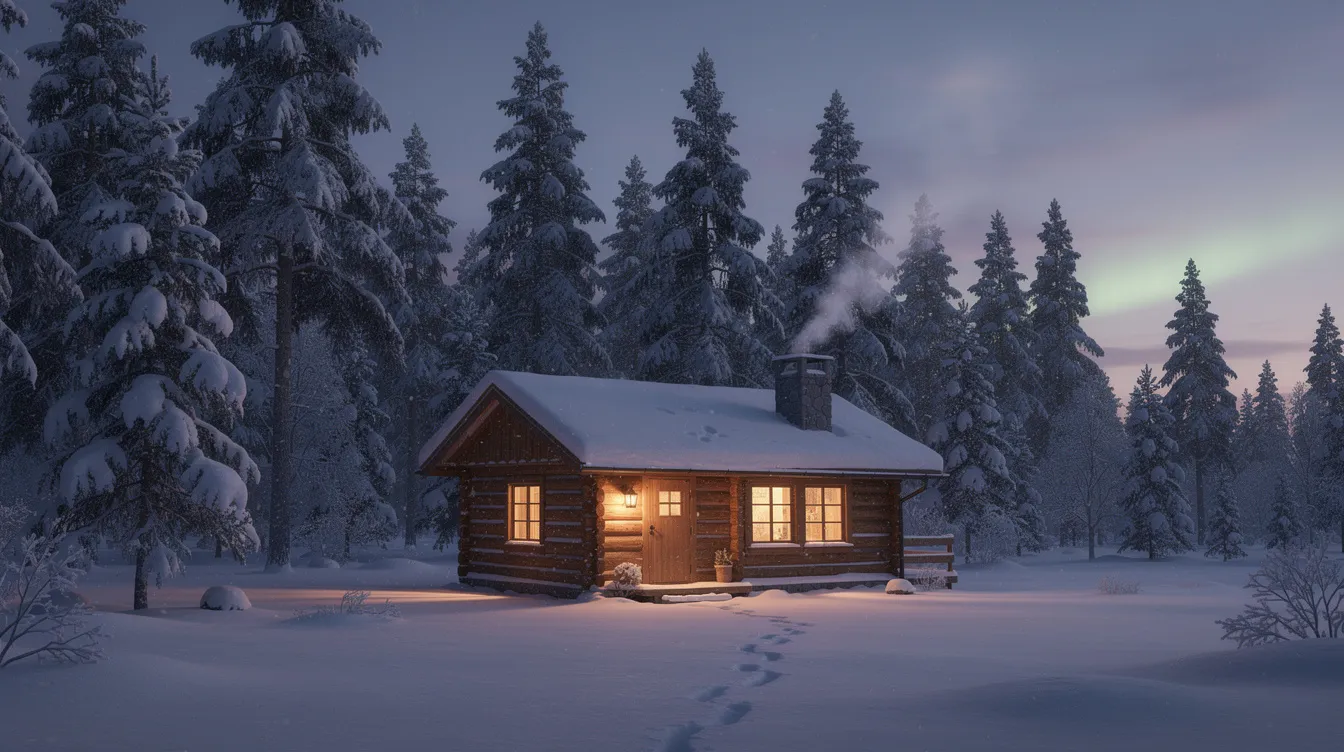
A traveler who loves quiet forests might prefer a Scandinavian cabin that offers deep snow in January and long twilights in July. That kind of clause - matching personality to destination and season - is the simplest way to find the right fit.
Culture shifts with the season. Open-air summer festivals and winter religious holidays each present things you cannot experience at any other time of year.
Summer cultural highlights:
Music festivals like Glastonbury in late June
Open-air theatre at Shakespeare's Globe in London in July
Local saints' day celebrations in Mediterranean villages during August
Winter cultural highlights:
Christmas markets in Vienna and Prague in early December
New Year's Eve in Edinburgh (Hogmanay)
Carnival in Venice or Cologne in February
Winter solstice events across northern Europe
The etymology of the noun "winter" traces back through old english ("winter") to a cognate in german ("Winter"), both sharing a vowel inflection pattern that has remained stable for centuries. The phrase "winter holiday" carries cultural weight that goes beyond grammar - it signals a specific kind of travel centered on tradition and family. On any page of a modern travel brochure, a speaker or user of english will find these seasonal terms everywhere, a testament to how deeply embedded they are. Even the latin est root of "festival" reminds us that celebration has always been tied to the calendar.
Some travelers pick the "better" season entirely by the cultural events on offer. A summer vacation timed to a July festival is not the same kind of trip as a quiet winter break, and that distinction is what makes seasonal travel worth exploring in every form.
Neither season is universally better. The answer depends on personal priorities, and the simple act of ranking your preferences can make the decision clear.
Ask yourself: What temperature do you prefer? What activities matter most? How much do crowds bother you? What does your budget allow? When can you take time off work? Do you usually enjoy summer holidays or winter holidays more for your travel style?
Consider these examples in third person singular: A family with school-age children who needs to travel in August will accept higher costs for warm weather and child-friendly activities. A couple without school constraints might plan a late January city break to save money, avoid crowds, and face fewer long queues. A solo traveler dreaming of tomorrow's first snowboard run will naturally gravitate toward winter.
List the destinations you are considering and match them to the season where they truly excel. Greek islands shine in June, not November. Lapland is exceptional in December, not July. Do not miss checking seasonal accommodation availability before choosing dates. The vacation that feels "better" will usually be the one that fits your life, not the one that simply looks best on social media.
In a broader sense, rather than declaring one season superior, many people benefit from seeing summer and winter trips as complementary options they can alternate over the years. There is no need to comment on which is "right" - the only thing that makes a vacation worth taking is whether it matches what you actually want. Start with that, and the season will choose itself.