ACE Money Transfer
ACE Money Transfer
21 Sep 2026
Kenya has one of the most mature mobile-money ecosystems in the world. Kenya has a well-established mobile-money ecosystem. What started with M-Pesa in 2007 has grown into a landscape with widespread mobile-money use, while the Central Bank of Kenya reported 94.2 million registered mobile-money accounts in June 2026. Digital wallets reduce payment friction, improving checkout speed and enabling millions of previously unbanked Kenyans to participate in the formal economy. Financial inclusion in Kenya has been enhanced by mobile money, allowing unbanked populations to access services that were once out of reach. Mobile money in Kenya is deeply embedded in everyday commerce and financial transactions, used for transfers, payments, bills, savings, and credit.
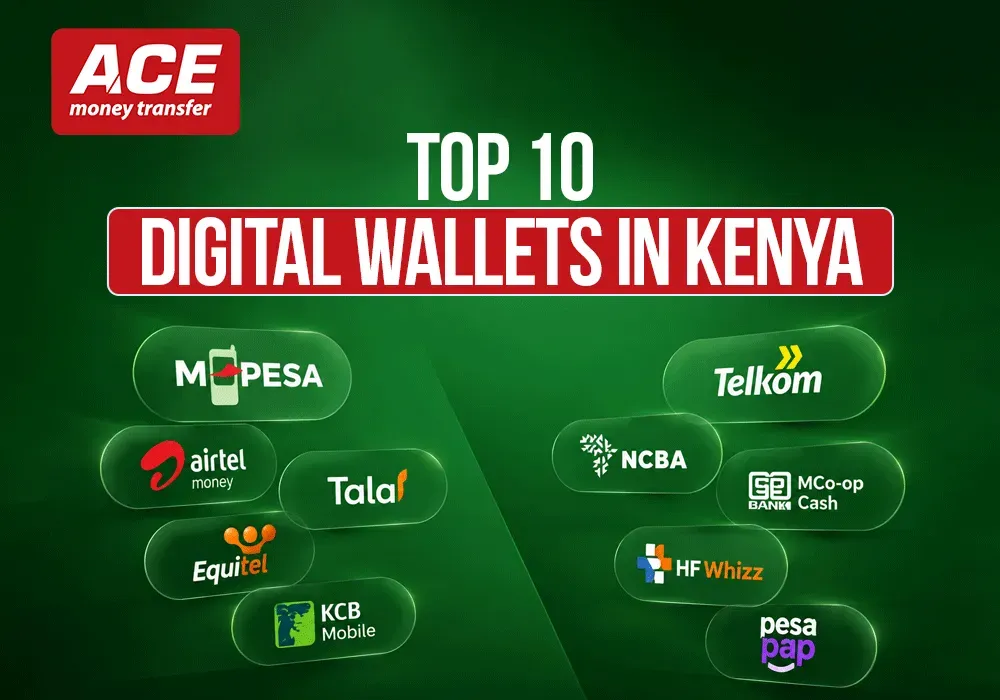
The top 10 popular digital wallets in Kenya covered in this guide are: M-Pesa, Airtel Money, T-Kash, Equitel, KCB Vooma, Co-op Wallet, PayPal (via M-Pesa link), Google Wallet, IntaSend Wallet, and ACE Money Transfer as the best app for cross-border money transfers into Kenyan wallets. This list includes mobile money wallets, bank-led wallets, and global apps commonly used by Kenyans for online transactions and cross border payments.
Here is what this article covers:
The most popular digital wallet platforms and how they work
Key features, fees, and transaction limits for each wallet
How to choose the best digital wallet for everyday usage, business payments, or international remittances
Kenya's digital financial landscape is anchored heavily by mobile money and innovative digital wallets. In this unique payment infrastructure, your mobile phone number functions much like a bank account. As of March 2026, there were about 53.4 million mobile-money subscriptions and over 600,000 registered mobile-money agents across the country. Digital wallets in Kenya are dominated by mobile money services from telcos, especially M-Pesa. The most popular digital wallets in Kenya include M-Pesa, Airtel Money, Pesapal, PayPal, and T-Kash.
Understanding the three wallet categories helps you pick the right one:
Mobile money wallets (M-Pesa, Airtel Money, T-Kash): Tied to a SIM card, used for peer to peer transfers, bill payments, merchant payments, and mobile money transfers across networks.
Bank-backed wallets (Equitel, KCB Vooma, Co-op Wallet): Linked to bank accounts, offering savings, loans, salary advances, and seamless integration with formal financial management tools.
Global and hybrid wallets (PayPal, Google Wallet, Apple Pay, IntaSend, ACE Money Transfer): Used for cross border payments, freelancing income, online payments, and international transfers. The financial ecosystem in Kenya includes mobile wallets that support international transactions and remittances.
Common use cases include everyday payments at shops, e-commerce checkouts, paying utility bills, and receiving money from the diaspora. Digital wallets also enable seamless payments with NFC technology, can store loyalty cards and boarding passes, and support multiple currencies for international transactions.
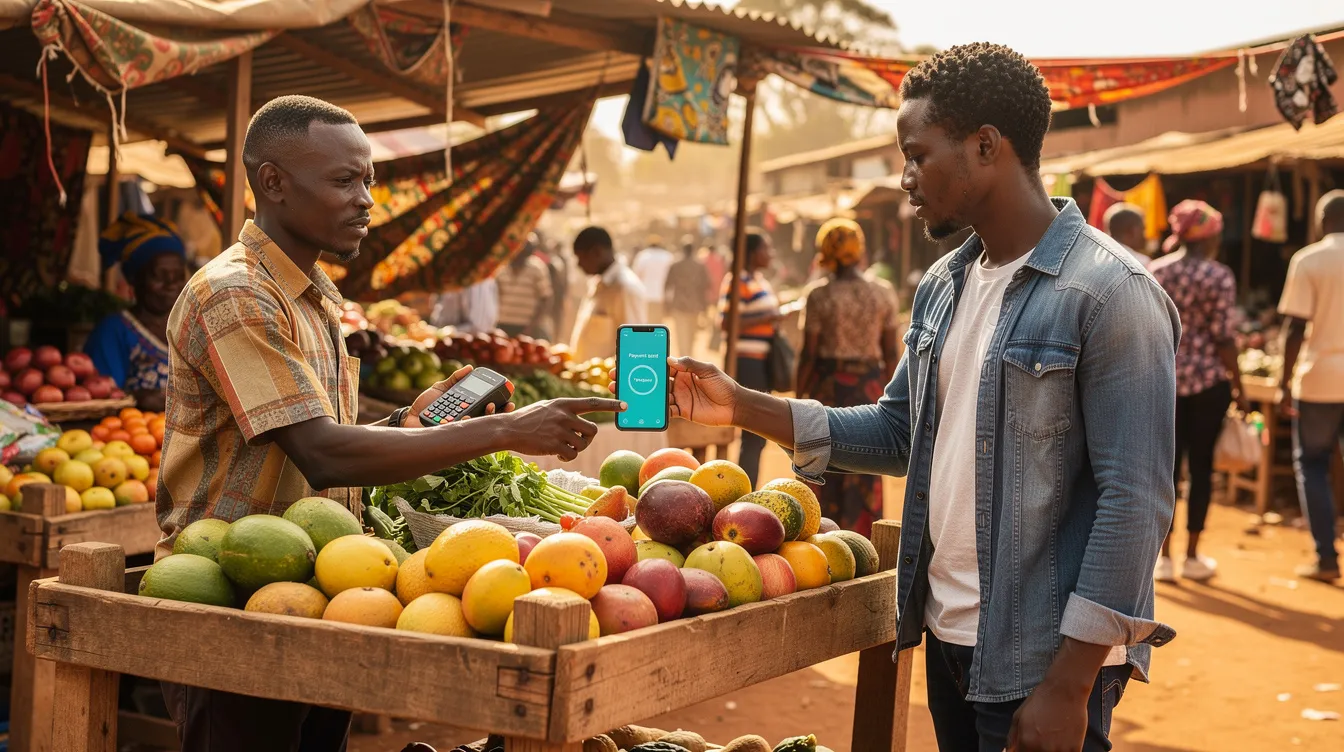
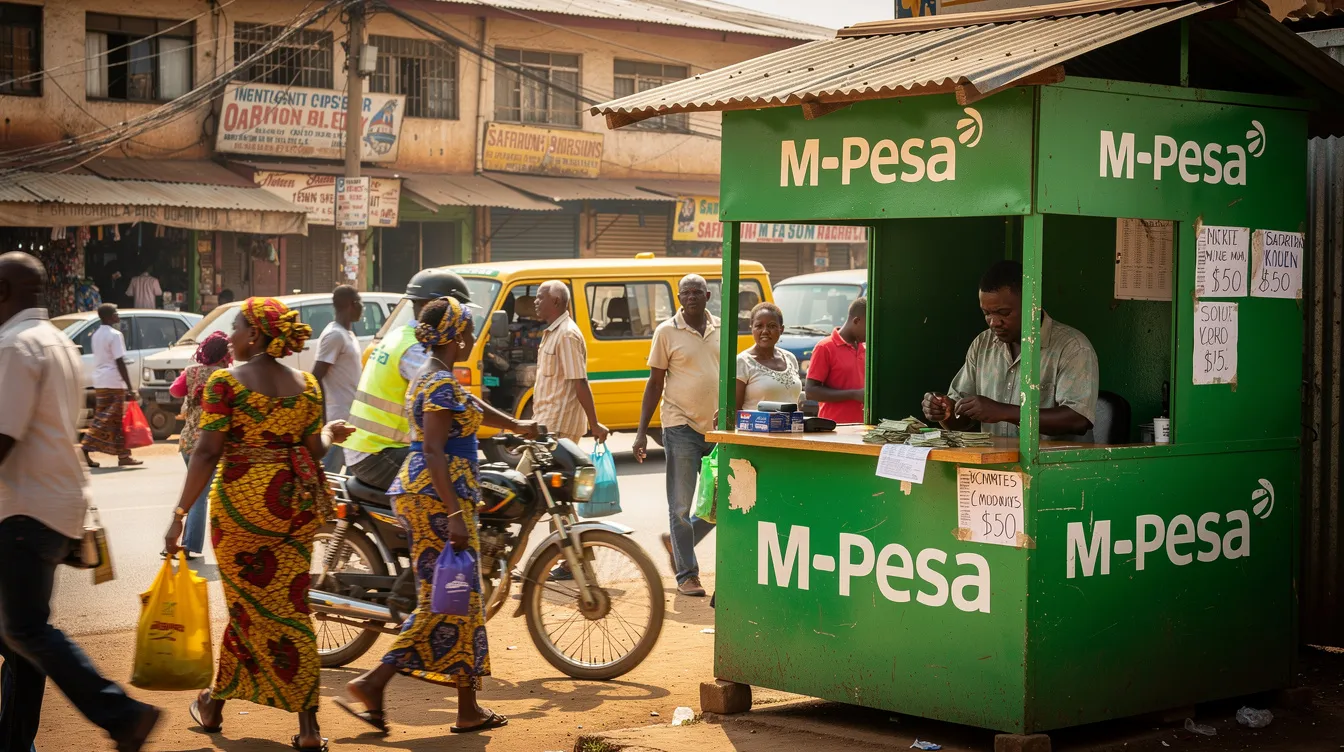
M-Pesa is Safaricom's flagship mobile money service and remains the undisputed leader. M-Pesa commands over 89% of mobile money subscriptions in Kenya as of March 2026 and processes over 90% of mobile money transactions. Mobile money accounts in Kenya have been pivotal for facilitating person-to-person transfers and merchant payments, and M-Pesa is the engine behind that.
Core features: Wallet balances linked to your SIM, P2P transfers, PayBill and Till number bill payments, savings and loans via M-Shwari and KCB M-Pesa, and links to bank accounts.
Online transactions: Integration with online payment gateways via STK Push. M-Pesa GlobalPay offers a virtual Visa card for online shopping and e commerce stores, enabling users to make digital transactions on international websites.
Fees and limits: Sending, withdrawing, and paying bills all carry tiered charges plus a 15% excise duty on fees. Daily transfer caps apply (typically KES 250,000 per transaction, KES 500,000 daily). Digital wallets contributed to 53% of e-commerce payments by 2023, and M-Pesa powers most of those in Kenya.
Ideal users: Anyone making everyday transactions inside Kenya-shoppers, informal traders, families sending money locally.
Limitation: Less optimal for direct cross border payments compared to specialist remittance apps like ACE Money Transfer.
Airtel Money is the mobile wallet from Airtel Kenya, holding about 11% of mobile money subscriptions in Kenya as of early 2026. It has positioned itself as a cost-friendly alternative to M-Pesa.
Free P2P transfers: Airtel Money has waived all person-to-person transaction fees for transfers within the Airtel network, making it attractive for cost-conscious users enabling users to send payments without extra charges.
Cross-network fees: Sending to M-Pesa now mirrors Safaricom's tariffs after a recent fee alignment, reducing the previous price advantage for cross-network sends.
Merchant and bill payments: Supports Till numbers, paybills, and growing online transactions via websites and apps that accept Airtel Money as a payment option.
Limits: Max per-transaction KES 250,000, daily cap KES 500,000, same as the account balance ceiling.
Ideal users: Airtel subscribers, small businesses wanting cheaper collections for business payments, and users who mostly transact within the Airtel network.
T-Kash is Telkom Kenya's mobile money service and supports standard mobile money functions including sending and receiving money, cash in/out via agents, bill payments, and airtime purchases. Its market share is much smaller-Telkom has roughly 8,349 agents compared to M-Pesa's network in the hundreds of thousands.
Key features: Free deposits, free incoming transfers from any network, interoperability with M-Pesa and Airtel Money wallets. T-Kash Soko offers merchant tools with QR payments and a nominal 1% platform fee.
Limits: Wallet maximum KES 500,000, per-transaction cap KES 250,000, daily total KES 500,000.
Compared to M-Pesa and Airtel Money: Fewer agents, lower merchant acceptance, but competitive pricing and promotions for Telkom subscribers.
Ideal users: Telkom subscribers in coverage-strong areas looking for cheaper local payment methods for digital services.
Kenyan banks launched their own wallets to compete with telecom-led mobile money platforms and to provide smoother online transactions linked to formal banking. PesaLink is an instant payment network connecting banks and mobile-money participants in Kenya, strengthening this bridge.
Equitel (Equity Bank): Equitel is closely integrated with Equity Group's banking ecosystem and allows direct bank access. Equity Bank offers a wallet experience through its mobile banking app and allows money transfers to mobile wallets. Originally limited to Equity customers, it is now available to all Kenyans. Best for users wanting one ecosystem for savings, loans, and payments.
KCB Vooma: KCB's mobile wallet app allows users to hold funds, pay bills, make QR payments, and link to KCB accounts and cards. KCB M-Pesa allows instant loans and transfers between KCB accounts and M-Pesa wallets. Wallet limits reach up to KES 1,000,000 for bank-linked users. Ideal for KCB customers active in e-commerce.
Co-op Wallet (formerly MCo-opCash): Offers instant bank transfers between Co-op accounts, salary advances, and merchant payments. Strong security and banking integration make it suitable for salaried workers and Co-op Bank customers who value secure payments and financial data protection.
While mobile money dominates local everyday transactions, Kenyans also rely on international wallets for freelancing income, online shopping, and managing money across borders.
PayPal: Over 350 million global users trust PayPal for secure payments. PayPal operates in over 200 countries and supports dozens of currencies. In Kenya, it is primarily used for online transactions and receiving money from abroad. An official PayPal-to-M-Pesa withdrawal service via Equity Bank lets users move funds into local wallets. PayPal employs advanced encryption for transaction security.
Google Wallet: Google Wallet is ideal for Android mobile payments. Google Pay supports more local payment methods than Apple Pay. Usage is growing among Kenyan Android users for contactless payments, in-app purchases, and as a card storage hub on mobile devices.
Apple Pay: Apple Pay is best for mobile payments within the Apple ecosystem and uses biometric authentication for secure transactions. Still niche in Kenya, but relevant for users who travel or pay on international websites. WeChat Pay and Alipay (1.3 billion users and 80 million merchants) dominate in Asian western markets but have minimal Kenyan presence.
Cash App: Primarily US/UK focused-not a mainstream Kenyan wallet. Some Kenyans with foreign bank ties use it indirectly, but it should not be treated as a primary local option for digital payments.
Revolut supports multi currency accounts for international users and is another option for Kenyans with global payment needs. These global wallets fill the gap for cross border transactions and international online shopping rather than local bill payments.
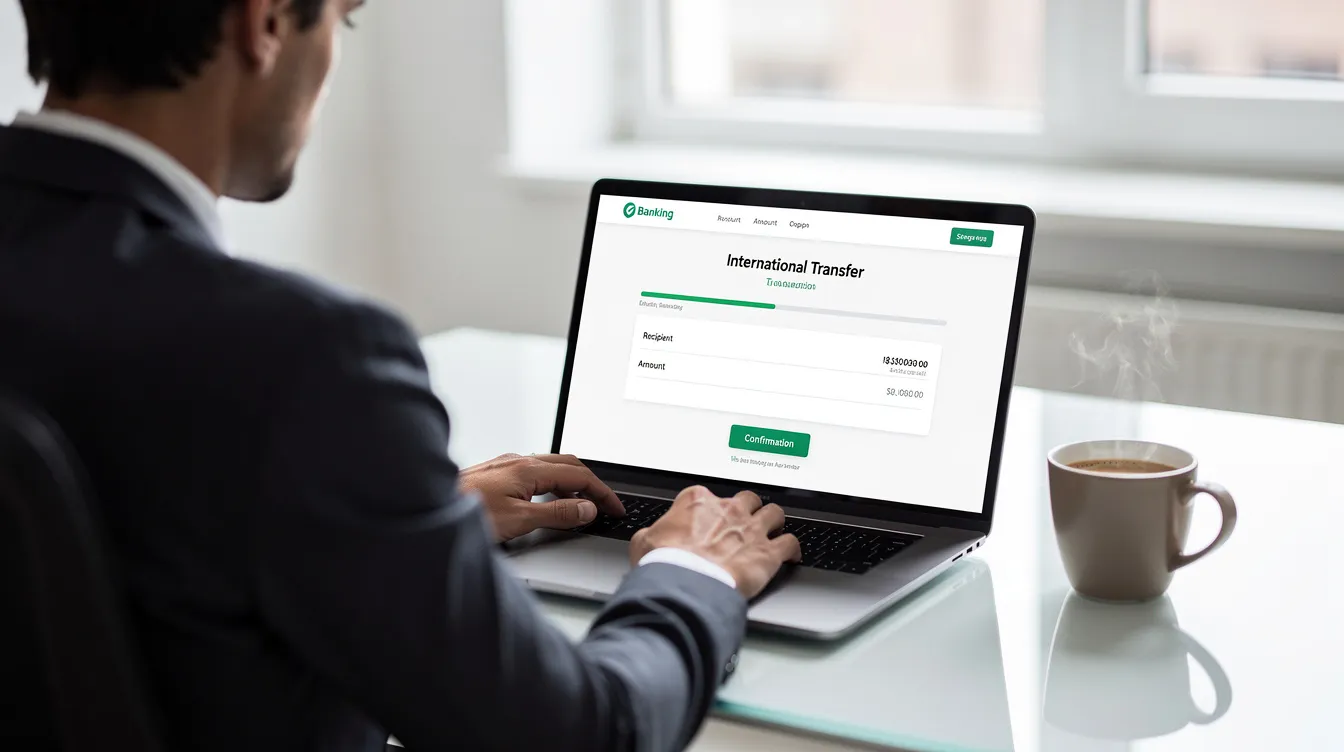
ACE Money Transfer is the best money transfer app for Kenyans in the diaspora who need to fund Kenyan digital wallets quickly and affordably. It is not a domestic mobile wallet for everyday usage but a global remittance platform purpose-built for international remittances.
How it works: Users abroad send money directly into Kenyan bank accounts or mobile money wallets like M-Pesa and Airtel Money.
Key advantages: Competitive FX rates with transparent fee disclosure, low transfer fees, fast delivery (often minutes), and multiple pay-out options including wallets, bank transfers, and cash pickup.
Corridors: Supports cross border payments from major corridors such as the UK, EU countries, Canada, and others into Kenya.
Example: A Kenyan in the UK needs to pay school fees for a relative. They open ACE Money Transfer, select "send to M-Pesa," enter the GBP amount, confirm the exchange rate, and the relative's M-Pesa wallet receives KES within minutes-faster and cheaper than a bank wire or generic global wallet.
Why recommended: For diaspora users, ACE Money Transfer eliminates hidden costs and offers a more affordable, faster alternative to relying on PayPal or bank transfers alone for international payments. It allows users to send money instantly to anyone with a Kenyan mobile wallet or bank account.
Exchange rates fluctuate and the rate you receive may differ from any rates quoted. Always check the live rate at acemoneytransfer.com before sending.
IntaSend Wallet is a Nairobi-based fintech platform that acts as both a digital wallet and a payment gateway for small businesses, freelancers, and online sellers. IntaSend is rated highest on Trustpilot for customer service in Kenya.
Features: Hold digital balances, issue invoices and payment links, accept payments via M-Pesa (STK Push at ~1% fee), card payments (3.5% local, 4.5% international), and Google Pay or Apple Pay. Supports seamless integration with Shopify and WooCommerce for e commerce stores.
Disbursement: Withdraw to M-Pesa (KES 10–50 fee) or bank accounts. M-Pesa collections settle instantly; card payments take 2–3 days.
Who uses it: SMEs, online sellers, gig workers, and freelancers who need to accept payments from local and international clients. It functions as a mini payment gateway, handling online payments, subscriptions, and payouts without requiring a full merchant account.
Similar platforms: Pesapal and Flutterwave offer comparable merchant wallet tools, but IntaSend stands out for its wallet-first approach and multi currency capabilities for receive payments flows. Some SaaS companies and businesses also use these for managing money and making transactions with consent preferences configured per client.
No single wallet is perfect for everything. Users should match features to their spending habits and financial needs. Here are the comparison criteria that matter most:
Coverage and ecosystem: Agent network size, merchant acceptance, and government service support. M-Pesa leads by a wide margin.
Fees and limits: Transaction fees, withdrawal charges, daily and monthly caps. Airtel Money offers free internal P2P; bank wallets may have higher limits. Always check for hidden costs and excise duty.
Online transaction support: Virtual cards, payment gateway integrations, ability to pay on websites. IntaSend and M-Pesa GlobalPay excel here.
Cross border payments: Can the wallet receive international money? Does it connect with ACE Money Transfer or PayPal? Transparency of FX rates matters for global payments.
Security: Digital wallets use encryption to protect financial data. Biometric authentication enhances digital wallet security. Two-factor verification reduces fraud risk, and tokenization prevents sharing of actual card details during digital transactions. Look for wallets with advanced security features and responsive customer support.
Convenience: App quality, fast access, visitors interact smoothly with the interface, and dispute resolution procedures on mobile devices all contribute to a better experience with your physical wallet replacement.
Choosing the best digital wallet in Kenya comes down to how you spend, receive, and manage money. M-Pesa remains the clear leader for everyday transactions and local merchant payments. Airtel Money and T-Kash offer value-driven alternatives for users on those networks. Bank wallets like Equitel, KCB Vooma, and Co-op Wallet shine when you need integrated financial management-loans, savings, and salary advances. For online shopping and freelancing income from abroad, PayPal, Google Wallet, and IntaSend each fill a specific niche. And for sending money from abroad to Kenyan wallets, ACE Money Transfer stands out as the fastest, most transparent, and most affordable option for cross border transactions.
Review your current wallet setup and compare the fees and features outlined above against your actual needs. If you are in the diaspora sending money home, try ACE Money Transfer for faster, cheaper remittances into M-Pesa or any Kenyan bank account. The right combination of popular wallets-local for daily life, specialist for international transfers-will save you money and keep your financial transactions running smoothly.
Disclaimer: This article is intended for general informational and educational purposes only and should not be construed as legal, regulatory, tax, business, or financial advice. While reasonable efforts have been made to ensure that all facts, figures, and data are accurate and valid as of the date of publication, no warranty or guarantee is given as to the ongoing completeness, accuracy, or currency of the information.
The content is based on information available at the time of publication. Regulations, government policies, market conditions, and service offerings may change over time and vary across jurisdictions and providers. As a result, some information may no longer be current or applicable. Readers should independently verify all information and consult qualified professional advisors before making any financial, legal, or business decisions.