29 May 2026
Islamic banking in the UK provides a Sharia-compliant alternative to conventional finance, catering to both Muslims and non-Muslims who value ethical banking. This page covers the essentials of Islamic banking in the UK, including Sharia-compliant finance principles, key products, regulatory frameworks, and practical guidance for anyone seeking information on this growing sector.
Islamic banking in the UK offers a Sharia-compliant alternative to conventional finance, serving both Muslims and non-Muslims interested in ethical banking. This guide explains how Islamic banks operate in the UK, what products are available, how they are regulated, and why this sector is important for a diverse and growing customer base.
• The UK is the leading Western hub for islamic finance, with standalone islamic banks and conventional banks offering Islamic windows.
• Islamic banking in uk is sharia compliant: it avoids interest, gambling, tobacco and harmful sectors, using asset-backed profit and risk-sharing.
• UK providers such as gatehouse bank and Al Rayan Bank are authorised and regulated by the Financial Conduct Authority and the Prudential Regulation Authority; eligible deposits are protected by the FSCS up to £85,000 per person, per institution.
• Key islamic finance products include a savings account, current account, notice accounts, fixed term savings and home purchase plans.
• These services are open to muslims and non-Muslims, but suitability depends on eligibility criteria and specific circumstances.
Islamic banking first emerged formally in the UK when the first licensed Islamic bank launched in 2004. Since the 2010s, uk islamic banking has grown into the largest Islamic finance sector in the Western world, supported by london law firms, auditors, education bodies and Sukuk advisers.
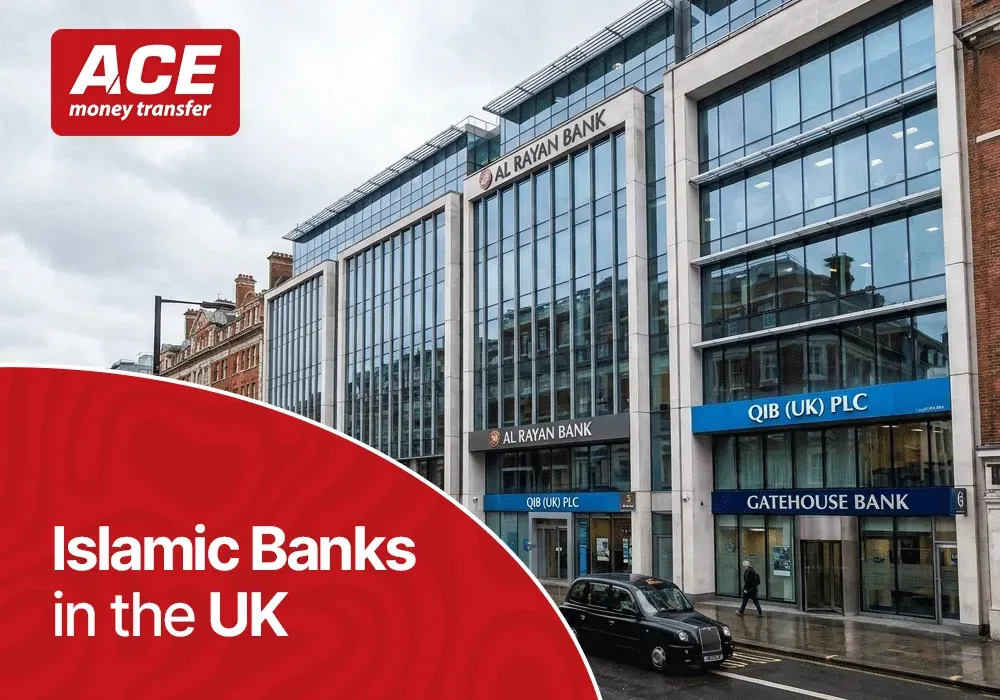
The United Kingdom is home to several standalone Sharia-compliant banks, including Al Rayan Bank, gatehouse bank, BLME and others, plus sharia compliant banking providers inside conventional banks. These institutions operate under UK law whilst adhering to islam principles through Sharia Supervisory Boards.
Islamic finance is based on the belief that money should not have value in and of itself; it is a means of exchanging products and services with intrinsic value. A central principle is the prohibition of riba, so paying or receiving interest should be avoided whenever possible.
Transactions must link to real property, services or trade, avoiding gharar and maysir. High-risk, ambiguous or deceptive contracts, such as extreme gambling or short-selling, are prohibited to protect both parties.
Islamic banking forbids investment in alcohol, tobacco, gambling, weapons, pornography, non-halal food products and activities causing social or physical harm. Profit and risk are shared through partnership structures such as mudarabah and musharakah, encouraging companies, individuals and businesses to work beyond purely transactional relationships.
Conventional banks typically make money from loans that charge interest. Islamic banks instead use trade, lease or partnership contracts where profit is earned from assets and losses follow agreed ratios.
A sharia compliant savings account may show an expected profit rate rather than guaranteed interest. The bank aims at achieving that rate, but profit can vary because funds are invested in Sharia-compliant activities.
For home finance, the bank buys an asset and may sell it at a disclosed profit, or co-own it with the customer. Ethical screening is also mandatory, unlike many conventional banking practices.
UK Islamic banks are fully authorised and regulated by the Financial Conduct Authority and the Prudential Regulation Authority. The prudential regulation authority focuses on safety, capital and risk; the FCA focuses on conduct, transparency and fair treatment of customers.
The UK has adapted its regulatory and tax framework to ensure Sharia-compliant products mimic conventional banking outcomes without breaking Islamic rules. The Bank of England also operates an Alternative Liquidity Facility to support UK Islamic banks with capital requirements using a non-interest-bearing, Sharia-compliant structure.
Eligible deposits in UK banks are protected up to £85,000 per person, per institution under the Financial Services Compensation Scheme. Cover above that level applies only in limited specific circumstances.
UK Islamic banks offer savings, sharia compliant accounts, current accounts, home purchase plans, buy-to-let finance and some business facilities. Shariah-compliant current accounts do not pay interest; deposits may be treated as interest-free loans used to finance bank operations.
Everyday banking usually includes debit cards, payments, online access and statements, but no overdraft interest or non-compliant fees. Some Islamic windows offer student accounts or business services alongside mainstream products.
Sukuk are Islamic certificates similar to bonds. The UK issued sovereign Sukuk in 2014 and later, and the London Stock Exchange is a prominent venue for listing international sukuk.
Islamic savings accounts involve a bank investing deposits in ethical, sharia-compliant activities and sharing profits with savers, often through wakalah, murabahah or mudarabah structures; in wakalah arrangements, the bank may invest funds on the customer’s behalf.
Main choices include easy access, notice accounts and fixed term deposit products. Access to money, profit distribution and costs vary. Deposits are commonly invested in real estate, trade finance or property finance, not conventional interest-bearing instruments. UK tax often treats savings profit similarly to interest, so seek advice for specific circumstances.
Home Purchase Plans are the main Sharia compliant alternative to a mortgage in england and wales. In Diminishing Musharakah, the customer and bank buy the property together; the customer pays rent on the bank’s share and gradually buys it out.
In Murabaha, the bank buys the property and sells it to the customer at a marked-up price payable in instalments. Compare required deposit, affordability checks, missed payment treatment, early settlement rules and total amount payable, not just headline monthly payments.
Many providers now offer digital onboarding, secure web access and apps to view balances, download statements, manage payments and monitor profit. Some newer providers are primarily digital.
Security should include multi-factor authentication, encryption and fraud monitoring. Digital access does not change Sharia compliance; the underlying contracts, scholar review and investment rules still define the account.
Compare islamic banks and Islamic windows by product range, service quality, values and regulatory status. Check the FCA register, FSCS eligibility, Sharia board names, standards followed and product documents.
Also review branch access, digital tools, customer support, buy-to-let or business finance options and ethical policy. If you are unable to assess large investments or home finance alone, independent advice can bring peace of mind.
Islamic finance in the UK extends into capital markets, asset management and infrastructure finance. Sukuk listed in london help sovereigns and corporates raise Sharia compliant funding from global markets.
UK firms also manage Sharia compliant investment funds and real estate portfolios for clients from the GCC, including qatar and dubai, and Southeast Asia. This line of finance increasingly overlaps with environmental, ESG and social-impact goals, including green Sukuk.
Yes. Islamic finance operates alongside conventional banking and is available to everyone, regardless of faith or background. Application checks and protections are the same for eligible customers.
No. Islamic banks advertise an expected profit rate, not guaranteed interest. Reputable providers aim to meet it, but customers should read the terms before opening an account.
Look for an independent panel of qualified scholars, published fatwas, product explanations and Sharia Supervisory Board details. Also confirm the bank is authorised by the PRA and regulated by the FCA.
Sometimes, depending on market rates, fees, deposit size and structure. Compare total costs, early repayment rules and monthly payments before deciding.
For PRA-authorised UK banks, eligible deposits are generally FSCS-protected up to £85,000 per person, per institution. Larger balances may need spreading across providers for extra security.
Home Purchase Plans are Sharia-compliant alternatives to traditional mortgages. They allow banks to buy properties and either sell them to customers at a profit or enter into partnership agreements where ownership is shared and gradually transferred.
Unlike conventional mortgages that charge interest, Home Purchase Plans use profit-sharing or partnership structures compliant with Sharia law. Banks earn profit through asset sales or joint ownership rather than charging interest.
Yes. UK Islamic banks offering Home Purchase Plans are regulated by the Financial Conduct Authority (FCA) and supervised by independent Sharia Supervisory Boards to ensure compliance with Islamic principles.
Eligible deposits with UK Islamic banks are protected up to £85,000 per person, per institution under the Financial Services Compensation Scheme (FSCS), providing consumer protection similar to conventional banks.
Yes. Islamic finance products, including Home Purchase Plans, are available to everyone regardless of faith or background, offering ethical alternatives to conventional finance.