ACE Money Transfer
ACE Money Transfer

22 Jan 2025
Romania's demand for foreign workers has never been stronger. If you're a Pakistani citizen looking for stable employment in an EU country, this guide breaks down everything you need to know about finding romania jobs, from available sectors and realistic salaries to the visa process and documents you'll need from Pakistan.
Can Pakistanis work in Romania in 2026? Yes. As of mid-2026, Romania is actively hiring non-EU workers to address labor shortages across multiple sectors. Thousands of vacancies exist in construction, factories, logistics, hospitality, agriculture, and care work. The country's aging population and steady migration of local workers to Western EU states have created gaps that Romanian companies are eager to fill with foreign employees.
Salary ranges from €900 to €1,800+ based on job type, skills, and overtime. Entry-level and general labor roles sit at the lower end, while skilled trades, technical positions, and experienced drivers can earn significantly more. Romania is in the EU but not yet in the Schengen zone, which means work visas are issued directly by Romanian authorities rather than through a shared system.
Here's what this article covers:
Job opportunities by sector, including construction, manufacturing, transport, hospitality, agriculture, and healthcare
Realistic salary expectations broken down by job category
Step-by-step romania work visa process for Pakistani citizens, including the new 2026 digital platform
Complete documents checklist for your application
Practical tips for improving your chances, avoiding scams, and adapting to life in Romania
Romania faces a persistent labour market challenge. The country's population is aging, birth rates are declining, and hundreds of thousands of skilled Romanians have moved to countries like Germany, Italy, and Spain for higher wages. This has left significant gaps in sectors that depend on manual and semi-skilled labor. At the same time, EU investment in Romanian infrastructure, manufacturing, and tourism has increased demand for workers.
Since around 2019, Romania has been steadily increasing annual work permits for non-EU citizens, including Pakistanis. The job market for foreign labor has expanded especially in construction, manufacturing, transport, and agriculture, where local supply often cannot meet employer needs. Romanian companies now actively recruit outside the EU, working with authorized placement agencies and sometimes directly with candidates.
Pakistani workers are particularly valued for construction trades, driving, factory work, hospitality, and care support roles. Many applicants bring relevant experience from Gulf countries like UAE, Saudi Arabia, and Qatar, which employers recognize. However, most Pakistanis come on employer-sponsored arrangements rather than job-seeker visas. Pakistani citizens must secure a job offer from a registered Romanian employer before they can begin the visa process. Having a confirmed position is not optional; it's the foundation of the entire application.
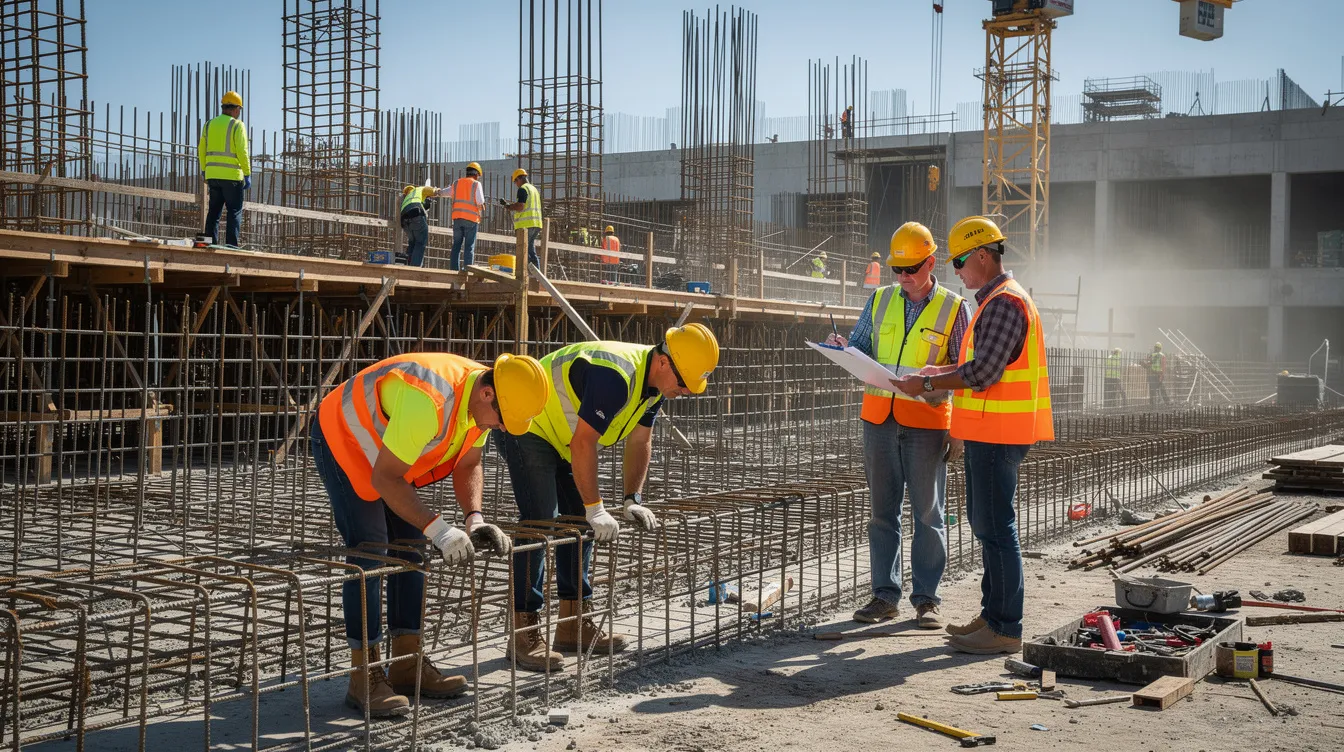
Romania jobs for Pakistani citizens are available across multiple job categories, ranging from low-skilled general labor to semi-skilled and skilled trades. The key sectors hiring foreign workers include:
Construction & skilled trades (masons, welders, electricians, carpenters)
Factories, warehouses & production (packing, assembly, machine operation)
Transport & drivers (delivery, heavy vehicles, logistics support)
Hospitality, cleaning & service (hotels, restaurants, facility management)
Agriculture & seasonal work (fruit picking, greenhouse, livestock)
Healthcare & support roles (caregivers, hospital support staff)
Romania also offers roles in software development IT and healthcare for qualified professionals, though these require higher qualifications and often Romanian language proficiency. Job opportunities vary by skills and employer requirements, so candidates should focus on sectors matching their experience. Romania actively hires for logistics transportation and hospitality sectors, making these some of the most accessible entry points.
Many of these vacancies come through Romanian companies that cooperate with recruitment partners in Pakistan or post openings on verified portals. English is preferred in many workplaces, but for general labor roles, basic English combined with on-the-job learning is often accepted.
Construction remains one of the strongest job markets for foreign workers in Romania. Major infrastructure projects, residential developments, and commercial builds create steady demand throughout the year.
Common roles include:
Mason, steel fixer, shuttering carpenter
Electrician, plumber, painter, tiler
Welder, scaffolder, general construction helper
High demand exists for welders, electricians, and plumbers in Romania, and these positions frequently appear on shortage occupation lists. Typical locations include bucharest, cluj napoca, Timi?oara, Ia?i, and industrial zones where large-scale projects are underway.
Experience certificates, trade test results, and reference letters from Pakistan or previous Gulf employment strengthen applications significantly. Overtime is common on large construction sites, and it can increase monthly earnings well beyond the base salary.
Manufacturing and logistics provide many entry-level romania jobs for Pakistani nationals. These roles are accessible even without advanced qualifications, though physical fitness and reliability matter.
Examples of roles:
Packing helper, production line worker
Machine operator (after training)
Warehouse loader and unloader, forklift operator
Quality checker and sorting staff
Industries range from food processing and textiles to furniture, auto parts, electronics assembly, and logistics hubs near major highways. These jobs usually require the ability to work in shifts, including nights and weekends. If you have prior factory or warehouse experience, even from Pakistan or GCC countries, make sure to highlight it in your cv.
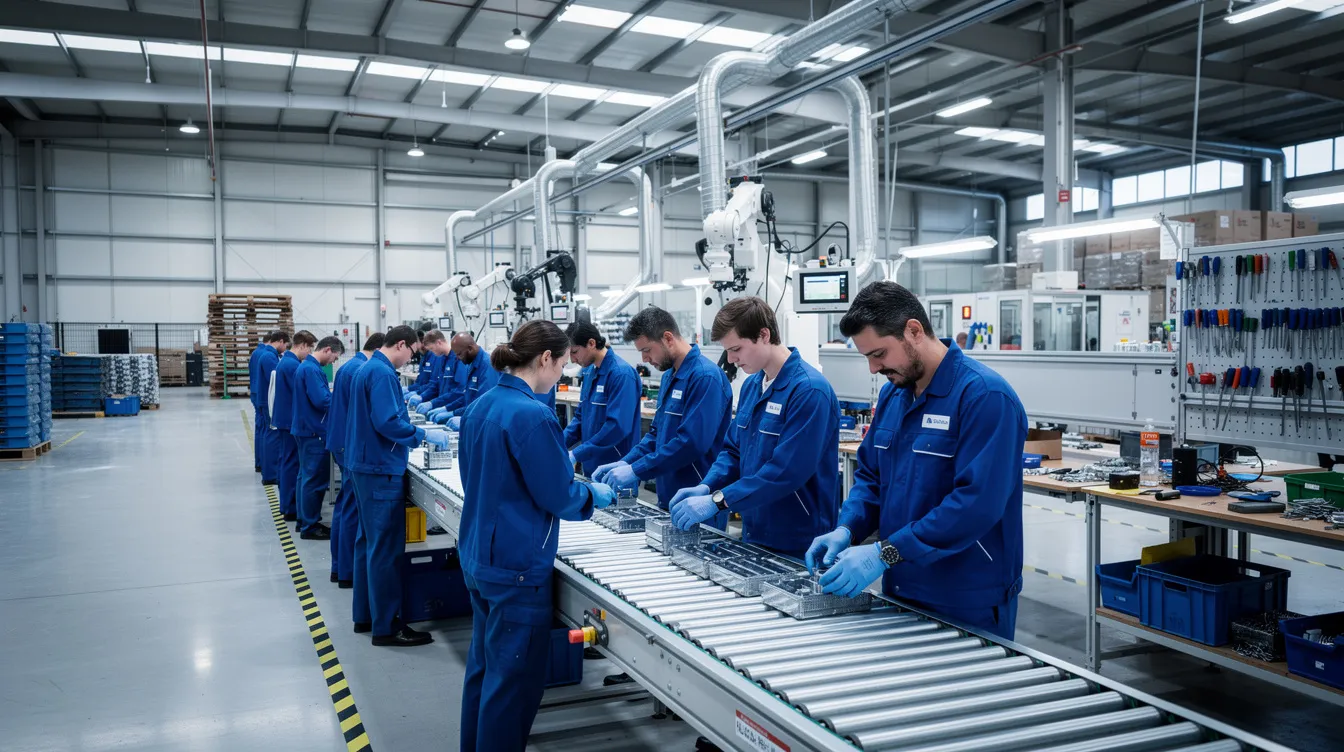
Romania's growing logistics sector creates demand for professional drivers and transport support staff. Job roles include drivers, factory workers, and healthcare assistants across many regions.
Main roles:
Light vehicle delivery driver
Heavy vehicle driver (trucks, trailers)
Bus driver (with EU-recognized categories)
Logistics support staff
A valid Pakistani driving licence is required, but in many cases you'll need a conversion or additional EU driving tests once in Romania. This may involve a car or heavy vehicle practical exam. Clean driving record, basic English, and knowledge of GPS navigation increase your chances of selection. Medical fitness and eyesight checks are standard for all transport positions.
Hotels, restaurants, cleaning companies, and facility management firms regularly hire foreign workers. Local job demand includes support roles in restaurants, hotels, and healthcare facilities.
Typical positions:
Hotel cleaner, room attendant
Kitchen helper, dishwasher, waiter assistant
Restaurant helper, office cleaner, industrial cleaner
Candidates with prior experience in UAE, Saudi Arabia, Qatar, or Malaysia hospitality often receive preference from top employers. Basic English customer phrases are useful even in back-of-house roles. Some employers provide uniforms, meals during shifts, and shared accommodation as part of the employment package, which can reduce your daily expenses considerably.
Agriculture jobs are often seasonal but can lead to longer or even permanent contracts with the right employer. These roles suit workers who are comfortable with physically demanding outdoor work.
Examples include:
Fruit and vegetable picking
Greenhouse work and planting
Dairy farm helper and livestock care
General field labor
Most agricultural work takes place in rural areas rather than big cities. Weather conditions in Romania can be cold from late autumn to early spring, so workers must be prepared with suitable clothing. Some agricultural contracts include food and accommodation in remote areas, which affects real take-home savings positively since living costs drop significantly.
Most clinical roles in Romania require EU-recognized qualifications and Romanian language proficiency, but non-medical support roles are more accessible to foreign applicants. Healthcare roles in Romania include positions for nurses and caregivers, though nursing requires credential recognition.
Accessible roles for Pakistanis:
Caregiver and elderly care assistant
Disabled support worker
Hospital cleaning staff and patient attendant
Prior experience in caregiving, nursing assistant work, or hospital support in Pakistan or Gulf countries is a clear advantage. Basic empathy, patience, and willingness to learn simple Romanian phrases are highly valued by employers in this sector. Background checks, medical reports, and sometimes basic training are standard requirements before starting work.
Romania's minimum gross wage is set annually by the government. As of July 2026, the guaranteed national minimum gross salary is RON 4,325 per month (approximately €850) for full-time work, with higher minimums in construction (RON 4,582, roughly €900). Foreign workers must be paid at least the minimum wage. Salary ranges vary based on job type and experience.
Many Pakistani workers earn between roughly €900 and €1,800 per month including allowances and overtime, depending on the job category and city. Net take-home salary after tax and social contributions will be lower than the gross amount, and this distinction should always be clarified in your employment contract.
The following subsections provide approximate salary ranges by job category rather than exact figures, which can differ by employer, location, and contract type. Keep in mind that inclusion of accommodation, transport to work, and meals can significantly change real savings even at the same nominal salary.

Entry-level general helpers in factories, warehouses, cleaning, and basic construction support usually fall into the lower salary range. General labor salaries range from €900 to €1,200 net per month depending on shifts and overtime.
Key points to watch:
Guaranteed hours versus variable hours should be clearly written in the contract to avoid misunderstandings
Consistent overtime and night shifts may increase income but also increase workload and fatigue
Always confirm whether the salary quoted is gross (before tax) or net (after tax)
Part time working hours arrangements exist but are less common for foreign hires; most positions are full-time
Certified welders, electricians, plumbers, technicians, and experienced construction workers generally earn more than helpers. Pakistani applicants can find skilled worker roles in Romania with competitive compensation. Skilled workers can earn €1,200 to €1,800+ in Romania depending on experience, certification, project type, and overtime.
Workers with European or internationally recognized certificates, such as IIW welding certifications, can negotiate better offers. Technical roles sometimes include performance bonuses or project completion incentives. Salary progression is possible after 6 to 12 months of good performance with the same employer, especially if you demonstrate expertise and reliability.
Salaries for drivers vary based on vehicle category (light versus heavy), route type (local versus long-distance), and working hours. Driver roles typically pay between €1,000 and €1,600+ net per month, with long-distance or night routes tending to pay more.
Some companies pay separate allowances for out-of-town trips, meals on the road, or overnight stays. Maintaining a clean driving record and incident-free history helps with salary negotiation and contract renewal. Mandatory rest periods under EU road safety rules must be respected even when seeking extra overtime hours, and your schedule should reflect these legal limits.
Hotel, restaurant, and cleaning roles typically pay amounts comparable to general labor, with variations based on city and shift patterns. Hospitality jobs offer salaries around €900 to €1,400 net per month, with big tourist cities and night shifts sometimes paying more.
Tips for certain customer-facing roles like waiters can add to income, though they are not always guaranteed. In-house accommodation provided by hotels or staff houses can reduce living costs significantly. Workers should ask in advance about paid public holidays, weekend pay, and overtime rates so there are no surprises after they sign their contract.
Pakistanis need a long-stay work visa to enter Romania for employment. Under the new Government Emergency Ordinance No. 32/2026 (effective from August 2026), the old work permit system is being replaced with a digital platform-based process through WorkinRomania.gov.ro. The two main visa types are:
| Visa Type | For Whom | Key Feature |
|---|---|---|
| D/AM1 | Highly qualified workers, scientists, academics | Employer submits via platform |
| D/AM2 | Other workers in shortage occupations (construction, seasonal, etc.) | Processed by authorized employer or placement agency |
Employers must sponsor work authorization for non-EU workers in Romania. The employer initiates the application through the platform, and after approval, the candidate applies at the Romanian embassy or consulate, for example in Islamabad. Job seekers must apply for a long-stay visa at the Romanian Embassy after obtaining a work permit.
Always deal with genuine employers and licensed recruitment intermediaries. The new law imposes significant financial guarantees on agencies (up to €75,000 for larger operations), which helps filter out illegitimate operators.
The normal sequence for securing a position and legal entry works as follows:
Job search and shortlisting: Identify approved vacancies through verified portals, agencies, or direct employer contact
Interview or profile review: Employer evaluates your cv, experience, and certificates
Firm job offer: Employer issues a detailed offer including salary, working hours, accommodation, and all contract elements
Employer's platform application: Employer submits the application via WorkinRomania.gov.ro with all required documentation
Approval: Romanian authorities process and approve the application
Visa application in Pakistan: You book an appointment at the Romanian embassy or consulate, submit documents, and attend an interview if required
Visa issuance: You receive a long-stay work visa sticker in your passport
Arrival and residence permit: After arriving in Romania, you apply for a residence permit card from the local immigration office within the required timeframe
Keep copies of all documents, including contract, permit, insurance, and accommodation details, both digitally and in print while travelling.
The visa application process takes 4 to 12 weeks from job offer to legal working status, though actual times can vary. Here's a rough breakdown:
Employer platform processing: Several weeks under normal conditions. Employer processing time varies based on job role availability and completeness of submitted documents
Embassy visa appointment and decision: Multiple weeks depending on workload and file completeness
Official approval timelines may take several weeks, especially during peak hiring seasons
Incomplete documents, missing confirmations, or high application volumes can slow the process down. Do not resign from your existing job or pay large non-refundable expenses until you see official work permit and visa approvals with a confirmed date in hand.
Exact document requirements can change, so applicants must always verify with the Romanian embassy or its official website before submitting. Employers may ask for some documents first for the platform application, and later the embassy will require additional originals and copies for the visa.
All documents should be kept organized in a file, with translations into English or Romanian if specified. Authenticated, genuine documents are mandatory. Fake papers will lead to visa refusal, potential long-term bans, and possible legal consequences.
Required documents include a valid passport and cv, along with the following:
| Document | Details |
|---|---|
| Pakistani passport | Valid for at least 6 months beyond visa issuance date |
| CNIC copy | National Identity Card |
| Passport photographs | Recent, meeting embassy specifications |
| CV / resume | Education, employment history, skills, overseas experience |
| Educational certificates | Attested by relevant Pakistani authorities (e.g., HEC, IBCC) |
| Vocational / trade certificates | Welding, electrical, plumbing, driving licence as relevant |
| Police character certificate | From local police or relevant authority |
| Medical fitness report | From authorized clinics, including no serious contagious diseases |
| Employment contract / job offer | From the Romanian employer, with all mandatory elements |
| Proof of accommodation | Arranged by employer or self-arranged |
| Travel medical insurance | Typically minimum €30,000 coverage |
| Embassy application forms | As specified on the Romanian embassy site |
Common documents include educational and experience certificates. Have everything attested or notarized following Pakistani legal requirements and, where needed, translated into Romanian or English.
Everyday life for foreign workers in Romania varies depending on whether you're in a larger city like bucharest or a smaller town or rural county. Cities offer more amenities, public transport options, and access to diverse food and services, while smaller towns and rural areas are quieter and cheaper but may have limited options for halal food or entertainment.
Working hours follow standard EU norms: 40 hours per week, 8 hours per day, 5 days per week. Overtime is common in many sectors, subject to a legal maximum of 48 hours per week including overtime. Night and weekend work is standard in factories, hospitality, and some construction roles. Public holidays are observed, and workers are entitled to paid annual leave as determined by their contract.
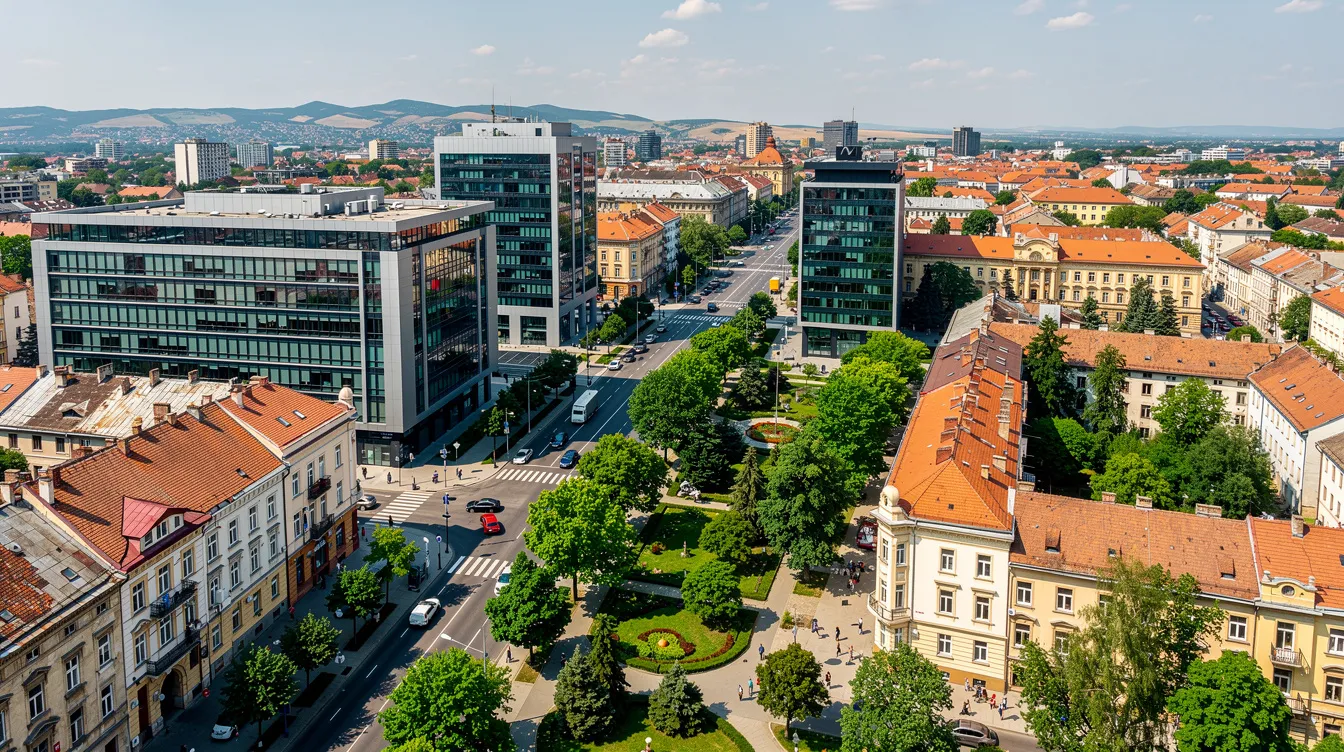
Typical living arrangements for Pakistani workers include:
Employer-provided shared rooms: Common in factory, agricultural, and seasonal roles. Under the new law, employer-charged rent must not exceed 25% of your net salary.
Private rentals with roommates: More common in cities. Sharing an apartment significantly reduces costs.
Hostel-type housing: Sometimes available near large worksites.
Halal food options are increasingly available in big Romanian cities, and Pakistani workers often cook at home to save money. Compared to Western Europe, basic groceries and transport in Romania are quite affordable.
Monthly expenses to budget for include transport passes, mobile data plans, warm clothing for cold winters, and occasional medical expenses not fully covered by social security. Keeping track of monthly expenses is essential to meet savings goals for family support back in Pakistan.
Read your employment contract carefully before you sign it. Under Romania's new law (GEO 32/2026), your contract must be provided in both Romanian and in your native language or another international language you understand. It must include your position title, salary (gross and net), working hours, overtime rules, and details about transport, accommodation, and any deductions.
Romania, as an EU member state, has labor laws protecting minimum wage, rest periods, and basic worker rights. Key protections include:
Workers must receive pay slips and have social contributions paid on their behalf
Employers must provide Romanian language classes (minimum 6 hours per week) plus cultural integration content over 6 months
Salary must be paid into a bank account
Any contract changes should be provided in writing
Fines of RON 5,000 to RON 30,000 per infraction apply to employers who fail to meet obligations regarding transparency, contract language, or working conditions
In case of serious disputes, you can seek help from local labor inspectorates (the national employment agency can direct you), embassies, or official legal channels. Workers who connect with these resources early tend to resolve issues faster.
The difference between applicants who land good romania jobs and those who struggle often comes down to preparation. Even for general labor roles, a professional cv, clear documents, and basic English communication can make a significant difference in how employers evaluate candidates.
Avoiding unlicensed middlemen and verifying every offer protects you from fraud and financial loss, which remains a real risk in the overseas employment environment. Treat Romania as a long-term career step and a path to development of your professional profile, not just a temporary experiment.
Here are actionable steps to strengthen your application:
Language: Gain at least basic English speaking ability. Many mixed-nationality worksites in Romania use English as a common language. Even learning a few Romanian phrases helps with integration.
Vocational courses: Short technical courses in Pakistan, such as welding, electrician, plumbing, HVAC, forklift operation, or hospitality training from a recognized university or institute, strengthen your profile significantly.
CV structure: Build a clear, one- or two-page cv showing your job category, years of experience, duties performed, and employer names with dates. Keep it factual and easy to scan.
Overseas experience: Include Gulf or Malaysia experience and reference contacts where possible. This gives employers confidence.
Digital copies: Scan all important documents and keep them in email or cloud storage for easy access during applications.
Job portals such as LinkedIn and BestJobs are popular for job searches in Romania. You can explore these platforms to search for vacancies, research companies, and connect directly with employers or authorized agencies. Google the company name to verify legitimacy before responding to any listing.
Fake job offers and illegal visa promises targeting Pakistani workers are a serious problem, especially on social media and informal WhatsApp groups. Here's how to protect yourself:
Check whether any recruitment agency is properly licensed under Pakistani law and registered with Romania's national employment agency (ANOFM)
Demand official receipts for any payments and never pay large sums upfront without verified documentation
Never travel on a tourist visa with the expectation of converting it to a work permit once in Europe. This is illegal and will likely result in deportation
Use verified job portals and reputable agencies. Cross-check company details on their official website and through Romanian business registries
Verify work permit and contract copies directly with the employer or through the Romanian embassy before committing financially
If a deal seems too good to be true, with guaranteed visas, unusually high salaries, or no document requirements, it almost certainly is.
This section answers common questions from Pakistani applicants about working in Romania.
Is there an age limit for applying? There is no strict age cap, but most employers prefer candidates between 21 and 45 for physically demanding roles. Your fitness and experience matter more than age alone.
Can I bring my family? Family reunification is possible but usually only after you have established legal residence and meet minimum salary thresholds. It's typically not immediate. You'll need a fixed term or permanent residence and proof of adequate income and accommodation.
What contract type is common: temporary or permanent? Most initial contracts are fixed term, often 1 to 2 years. After successful completion, many employers offer renewal or conversion to permanent contracts. Both temporary and permanent arrangements exist depending on the sector and employer.
Can non-skilled workers apply? Yes. Many general labor, cleaning, and agricultural roles are open to candidates without formal qualifications. However, even for these roles, basic literacy, physical fitness, and willingness to learn are expected by employers.
Can I change jobs in Romania? Changing employers is possible but requires a new work authorization process. You cannot simply leave one employer and join another without following the legal procedure. Your work authorization is typically tied to a specific employer and position.
What if my application is rejected? You can reapply after addressing the reasons for rejection. Common causes include incomplete documents, mismatched qualifications, or limited availability in your job category. Consult the embassy or a legal advisor for guidance on reapplication.
Where can I find legitimate job listings? Use verified platforms like LinkedIn, BestJobs, and the official WorkinRomania.gov.ro site when it becomes fully operational. Avoid unverified social media posts and agents who cannot provide official documentation.
Romania's job market presents real, growing opportunities for Pakistani workers in 2026. With sectors like construction, manufacturing, hospitality, transport, and healthcare actively seeking foreign labor, there are viable paths for both entry-level and experienced candidates. The salary potential of €900 to €1,800+ per month, combined with EU-standard worker protections and employer-provided benefits like accommodation and language training, makes Romania a destination worth serious consideration.
The key to success lies in preparation and compliance. Focus on legal, documented routes. Invest time in building your skills, preparing clean documents, and verifying every employer and agency you interact with. The new digital platform under GEO 32/2026 is designed to bring more transparency and accountability to the hiring process, which ultimately protects workers.
Romania's job market can offer long-term benefits: stable income, valuable experience in an EU country, professional development, and a foundation for future career growth. These advantages are real, but they require patience, planning, and respect for the legal process. Start organizing your cv, certificates, and language skills today so you are ready when a suitable job opportunity appears. The workers who prepare seriously are the ones who succeed.