ACE Money Transfer
ACE Money Transfer
26 Oct 2026
If you have family or business contacts banking with the Surat District Cooperative Bank in Gujarat, sending them money from abroad is entirely possible. This guide walks you through exactly how international remittances reach cooperative bank accounts in India, what details you need, and how ACE Money Transfer simplifies the process.

Yes. International remittances can be received into Surat District Cooperative Bank accounts in Indian rupees via partner services like ACE Money Transfer. The Surat District Co-Operative Bank Ltd. operates primarily as a regional district cooperative bank in Gujarat and does not usually send money abroad directly. However, customers can generally receive overseas transfers into their bank accounts, subject to the bank’s policies, applicable regulations and any required compliance checks.
District cooperative banks typically operate primarily on domestic networks rather than processing direct international transfers. This means international money transfers to cooperative bank accounts usually require routing through a correspondent partner bank. Inbound transfers can be received via authorized third-party online remittance aggregators or transfer platforms like ACE Money Transfer, which handle the currency conversion and compliance before crediting funds through NEFT or IMPS.
Money is generally received as Indian rupees in the recipient's savings or current bank account, and standard cooperative bank withdrawal rules then apply.
Who can send: Anyone abroad using a licensed remittance platform.
Details needed: Recipient's full name, bank account number, branch name, and IFSC code.
Time frames: Often same day to 2 business days depending on payment method and compliance checks. Delivery times may vary and are not guaranteed.
The Surat District Cooperative Bank Limited is a district cooperative bank serving Surat district and nearby regions in Gujarat, including the city of Surat, Bardoli, and several Tapi district towns. The bank provides banking services for individuals and businesses across urban and rural areas.
The Surat District Co-operative Bank operates a network of branches across Gujarat, including Bardoli. NABARD’s Surat District Potential Linked Credit Plan 2023–24 reported 111 District Co-operative Bank branches in the district. The bank offers services for NEFT, RTGS, and IMPS transactions alongside standard deposit accounts, agricultural loans, SME financing, ATM access, and cheque facilities.
For international remittances, the bank relies on incoming transfers routed through larger correspondent banks and licensed remittance partners into customer accounts. Customers usually rely on major scheduled commercial banks for direct international remittances, but receiving funds into a cooperative bank account is handled seamlessly through domestic electronic rails.
Each branch has its own branch information including address, contact number, IFSC code, and often a MICR code for cheque processing. For example, the Umra branch in Olpad Taluka (IFSC: SDCB0000117) serves the Gothan-Velanja area, while Bardoli City and Surat Station branches cover their respective locations across the network.
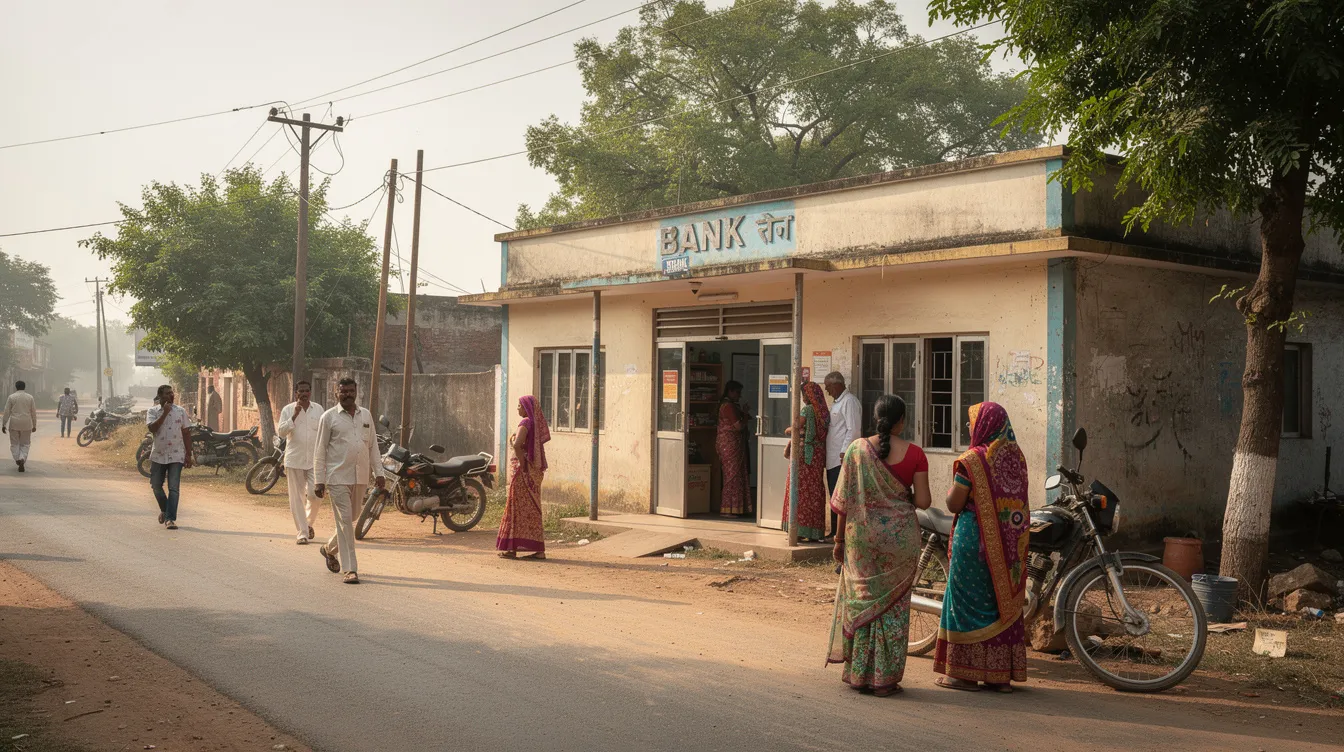
Accurate branch details are essential when receiving funds from abroad into any Indian bank account, including cooperative bank accounts. Even a single incorrect digit can delay or reject the transfer.
An IFSC code is an 11-character Indian Financial System Code assigned by the Reserve Bank of India, used to identify specific branches during NEFT, RTGS, and IMPS transactions. Each branch of Surat District Cooperative Bank has a unique IFSC code. The first four characters of an IFSC code represent the bank's name, so Surat District Cooperative Bank codes typically start with "SDCB0." IFSC codes are essential for electronic fund transfers in India, and using the correct IFSC code prevents transaction delays.
A MICR code is a 9-digit code printed on cheques, used mainly for cheque clearing. While the MICR code matters for cheque deposits, the IFSC code is more relevant for electronic and international transfers routed into the bank account.
Where to find these codes:
Cheque book leaves (printed along the bottom)
First page of your passbook
Official Surat District Cooperative Bank website
The Reserve Bank of India's IFSC code directory
Always verify your branch name, full address in Gujarat, IFSC, and contact details before sharing them with someone sending money from abroad. Incorrect IFSC codes can cause delays or rejection of incoming credits.
Most international transfers arrive in Indian rupees credited directly to the recipient's Surat District Cooperative Bank account. Inbound international transfers generally require the exact account name, account number, and branch IFSC code.
Here is how the typical process works when someone abroad sends via a remittance provider:
Sender chooses India as the destination and selects "bank deposit" to a cooperative bank account.
Sender enters The Surat District Cooperative Bank as the bank name and selects the branch or enters the IFSC directly.
Sender submits the recipient's bank account number and verifies the name.
Transfer is funded using card, bank transfer, or other local options.
Money is converted to Indian rupees and routed through partner banks into the recipient's account.
Card-funded transfers may arrive within minutes to a few hours. Bank transfers can take 1–2 business days depending on the sending country, time zone, and compliance checks conducted along the way. Delivery times may vary and are not guaranteed.
Recipients do not usually pay charges to receive money. Any fees or exchange margin are generally applied on the sender's side by the remittance service.
A safety reminder: recipients should never share OTPs or internet banking passwords with the sender or anyone claiming to "help" with the transfer.
ACE Money Transfer is a convenient online platform for sending money to The Surat District Cooperative Bank accounts from abroad. ACE Money Transfer Limited is authorised and regulated by the UK Financial Conduct Authority (FCA) under the Payment Services Regulations 2017 (FRN 506692), as listed on the FCA Financial Services Register. ACE displays applicable transfer fees and exchange rates before confirmation and provides transaction tracking.
ACE supports bank deposit payouts in India, allowing senders in countries like the UK, Europe, North America, and the Gulf to credit Indian rupees directly to Surat District Cooperative Bank accounts. Here is the ACE Money Transfer process:
Register or log in to ACE using email, Google, or Apple ID.
Choose India as the destination and select "Bank Deposit" as the payout method.
Enter The Surat District Cooperative Bank as the bank and select or input the correct IFSC code and branch details.
Add the recipient name exactly as on the bank account and input the bank account number.
Choose a payment method: debit card, credit card, or online bank transfer from the sender's local bank.
Add the transfer amount and view the real-time exchange rate from foreign currency to INR. Exchange rates fluctuate and the rate you receive may differ from any rates quoted. Always check the live rate at acemoneytransfer.com before sending.
Provide a payment reason (e.g., family maintenance, education, medical support) and click "Pay Now."
Track the transfer in real time via ACE's reference tracking number until it reaches the district cooperative bank account.
ACE also offers Cash Pickup (over-the-counter collection at authorized branches) and Mobile Wallet (instant crediting to supported digital wallets), though for this guide, bank deposits into Surat District Cooperative Bank accounts are the primary method. Delivery times may vary and are not guaranteed.
Before confirming any transfer, always ensure you have the accurate IFSC code, bank account number, and recipient details.
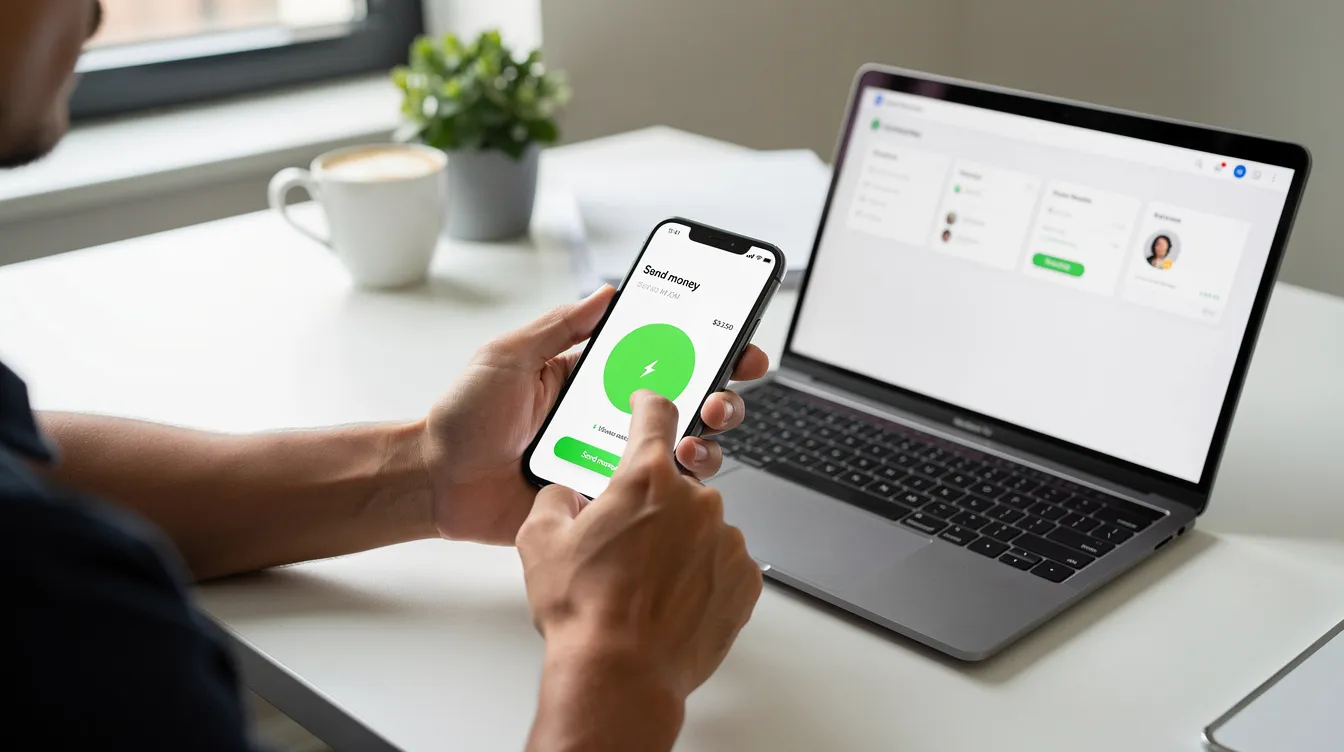
Verifying IFSC codes and branch information before initiating a transfer is the single most important step to avoid failed or delayed transactions.
Where to confirm details:
Official Surat District Cooperative Bank website's branch locator or branch list
RBI's official IFSC directory, which is regularly updated
Information printed on the recipient's cheque book or passbook
Customer support at the relevant Surat District Cooperative Bank branch in Surat, Bardoli, Tapi, or other locations
Use this mini checklist before every transfer:
Double-check the spelling of the account holder's name
Confirm the bank account number digit by digit
Verify the branch name and district (e.g., Surat district vs. nearby districts)
Ensure the IFSC code matches the branch details (e.g., SDCB0 plus six characters for a specific branch)
Although the MICR code is not usually required for online international transfers, it can be useful for cheque deposits and for cross-verifying branch identity when comparing data from multiple sources. Any mismatch between the IFSC code, bank account number, and beneficiary name can delay credits or trigger automatic refunds to the sender.
If you are unsure about new branch details or a newly opened district cooperative bank account, perform a small test transfer before sending a large amount.
The total transfer cost depends on fees, exchange rate margin, and the transfer method used by the sender, not on the Surat District Cooperative Bank itself.
Cooperative bank customers in India usually receive funds in Indian rupees without incoming charges.
Senders abroad pay a small transfer fee plus an FX margin on the currency conversion.
Card payments may have slightly higher fees but faster delivery compared with bank transfer payments.
Factors affecting cost and speed:
Sending country and currency
Payment method (debit card, credit card, bank transfer)
Payout method (bank deposit vs. cash pickup, though this article focuses on bank deposit)
Compliance and verification checks for high-value transfers
District cooperative banks generally do not possess a direct independent SWIFT code for international wire transfers. Cooperative banks often have distinct regulatory boundaries regarding direct foreign exchange licenses. Direct foreign outward remittance modules are rarely built into cooperative mobile or net-banking apps. Transferring funds abroad typically incurs multiple fees including service fees and intermediary charges.
For outward remittances from India, customers may need to provide a PAN, Form A2, KYC documents and supporting details about the purpose of the transfer, depending on the transaction and applicable requirements. The RBI’s Master Direction on the Liberalised Remittance Scheme, updated on 6 September 2024, and its A.P. (DIR Series) Circular No. 13, dated 3 July 2024, outline relevant declaration and documentation requirements.
Outward international transfers typically require filling out an Outward Remittance Application Form with documentation.
ACE Money Transfer uses industry-standard encryption and transaction monitoring to help protect transfers and identify unusual activity. Only use regulated platforms-never informal channels-when sending to a Surat District Cooperative Bank account. Recipients should keep their IFSC codes and bank account numbers private, sharing them only with trusted family or verified senders.
Compare real-time rates and fees on ACE before confirming, so you know exactly how many Indian rupees will be credited to the cooperative bank account.
Here are answers to the most common questions about receiving international funds in a Surat District Cooperative Bank account.
Can I receive money from abroad if I only have a Surat District Cooperative Bank savings account? Yes. As long as your account is active, KYC-compliant, and you provide the correct IFSC code and account number, remittances will be credited in Indian rupees to your savings account.
Do I need a special NRE or NRO account to receive remittances? For most family remittances processed through services like ACE, funds are credited into standard resident accounts subject to RBI rules. NRE and NRO accounts serve different purposes for non-resident Indians and are not typically required for receiving personal remittances.
Is the IFSC code mandatory for international transfers? Yes. For bank deposits into India, the sender's provider generally requires the IFSC code and bank account number to route funds correctly via NEFT or IMPS.
How long does it take for ACE Money Transfer to credit my Surat District Cooperative Bank account? Typically within a few hours to 1–2 business days, depending on the sending country, payment method, and compliance checks.
What happens if the IFSC code or account number is wrong? Transfers may fail, be held for manual review, or be reversed to the sender by the remittance provider or intermediary bank. Always verify details before initiating a transfer.
For case-specific questions about an ongoing transaction, contact your local Surat District Cooperative Bank branch or reach out to ACE Money Transfer support directly.
Disclaimer: This article is intended for general informational and educational purposes only and should not be construed as legal, regulatory, tax, business, or financial advice. While reasonable efforts have been made to ensure that all facts, figures, and data are accurate and valid as of the date of publication, no warranty or guarantee is given as to the ongoing completeness, accuracy, or currency of the information.
The content is based on information available at the time of publication. Regulations, government policies, market conditions, and service offerings may change over time and vary across jurisdictions and providers. As a result, some information may no longer be current or applicable. Readers should independently verify all information and consult qualified professional advisors before making any financial, legal, or business decisions.