ACE Money Transfer
ACE Money Transfer

20 Jan 2025
If you hold an HSBC bank account in the UK, chances are you already carry an HSBC debit card - or you're about to receive one. This guide walks through everything you need to know: how the card works, which accounts include one, daily limits, fees when you use your card abroad, and the security features designed to keep your money safe.
An HSBC UK debit card is linked directly to your HSBC current account and is designed for everyday banking - whether you're paying for groceries, buying something online or pulling cash from an ATM. HSBC debit cards in the UK offer convenient spending and security features built around the Visa payment network, accepted worldwide.
Here's a quick snapshot of what to expect:
Most personal HSBC accounts - Bank Account, Advance, Premier, Basic and Student - come with a Visa debit card.
Daily cash withdrawal limits range from around £300 to £1,000 depending on your account tier.
Cards work in-store (Chip and PIN or contactless), online and via mobile wallets.
Security includes EMV chip technology, fraud monitoring and additional online authentication.
This article focuses on UK-issued HSBC debit cards connected to personal accounts such as the standard Bank Account, Advance and HSBC Premier. Details on limits, fees and eligibility criteria are correct for UK customers as of 2026 and may change - always check HSBC's latest terms before making important decisions.
An HSBC debit card is directly linked to your HSBC bank account or current account, which means you can only spend the money you actually have - or stay within an arranged overdraft if one is in place. Unlike a credit card, there's no separate borrowing facility; you don't borrow money against a credit limit and repay later with interest.
When you make a purchase or withdraw cash, the transaction is authorised against your available balance in near real-time. Pending transactions temporarily reduce the balance shown in your mobile banking app and online banking portal before they fully settle and appear on your statement.
Every HSBC debit card carries a few essential card details: a 16-digit card number, an expiry date and a CVV code on the back of the card that enhances online security. These are needed whenever you shop online or pay by phone.
Key concepts at a glance:
Spending is limited to your account balance plus any arranged overdraft.
Transactions show as pending before settling.
Card number, expiry date and CVV are used for remote payments.
Debit cards use your own funds - credit cards let you borrow.
HSBC offers debit cards with most current accounts as standard, but the features, limits and perks vary depending on the tier you hold. Below is a breakdown of the main HSBC accounts and what each debit card provides. All of these cards can be managed through the HSBC UK mobile banking app and online banking.
Business current accounts also come with debit cards - the HSBC Business Debit Card allows cash withdrawals up to £300, for example - but business accounts sit outside the main focus of this article.
This is HSBC's standard current account for UK residents aged 18 and over, with no monthly account fee. It includes a Visa debit card covering all everyday banking essentials: in-store purchases, contactless payments, ATM use and the ability to shop online.
Eligibility: UK resident, 18+, proof of identity and address.
An optional arranged overdraft may be available, subject to status and eligibility criteria.
Access to the Regular Saver, the home&Away rewards program offering cashback and discounts for HSBC cardholders, and retail offers.
Indicative daily ATM withdrawal limit: around £300.
This account suits most day-to-day money management needs without requiring minimum income thresholds.
HSBC Advance is aimed at customers wanting extra flexibility, again with no monthly account fee. Higher daily ATM withdrawal limits are available with the HSBC Advance Account compared to the standard tier.
Eligibility: UK resident, aged 18+, credit check required.
You must qualify for an optional arranged overdraft of at least £1,000.
Daily cash machine withdrawal limit: around £500.
Contactless payments, digital wallet integration (Apple Pay, Google Pay) and budgeting tools included.
The Advance account also gives access to an offers programme and tools that help you stay on top of your finances through spending insights.
HSBC Premier is a premium current account with a dedicated debit card and additional benefits for high-income or high-net-worth customers. Historically the HSBC Premier Account required an income of at least £75,000, but the threshold has since been raised.
Current eligibility criteria: at least £100,000 annual income paid into an HSBC current account, or £100,000+ in savings or investments with HSBC UK, or existing HSBC Premier status in another country, plus UK residency.
Daily ATM withdrawal limit: around £1,000.
Preferential service, travel benefits and enhanced support when using the card abroad.
All standard card security and digital wallet features apply.
Fees and charges still apply for certain transactions, so Premier status does not eliminate every cost.
The Basic Bank Account is designed for customers who may not meet criteria for other accounts - often due to limited credit history or other circumstances. The HSBC Basic Bank Account provides a contactless Visa debit card for in-store, online and ATM use.
Eligibility: UK resident, usually aged 16+, not already holding another qualifying UK current account.
No access to arranged overdrafts or cheque books.
Daily ATM withdrawal limit: approximately £300.
Focused on simple, essential everyday banking.
This can be a useful starting point for new customers rebuilding finances, people new to UK banking, or international students arriving without an established UK credit history.
HSBC Student Bank Accounts, Graduate Accounts and children's or teen accounts (such as those for ages 11–17) often include a debit card.
Youth accounts: available from around age 11 with parental consent; debit card included for learning responsible spending.
Student accounts: for higher-education students, typically aged 18+; overdrafts may be offered subject to separate terms.
Graduate accounts: available for up to two years after leaving university, sometimes with interest-free overdraft allowances.
These debit cards play an educational role, helping young people learn everyday banking and money management. Parents or guardians should review account controls and daily limits when opening youth accounts.

You normally receive a new HSBC debit card automatically when you open an eligible HSBC current account. You need to apply for an HSBC current account first - the card follows the account, not the other way around. HSBC debit cards are typically issued shortly after account approval.
Here's the process:
Choose an account type that fits your needs.
Check the eligibility criteria for that account.
Gather your ID - a passport or UK driving licence works - and proof of address such as a recent utility bill.
Apply via the mobile app, online, by phone or at a local branch.
You must provide proof of ID and address to apply. Once approved, your new debit card will be mailed to your UK address, usually arriving within five to seven working days.
Existing customers can request a replacement card if their current one is lost, stolen or damaged - through the HSBC mobile app, online banking or by calling customer support. Cards are normally renewed automatically before their expiry date and sent to the address registered on the account.
A new card must be activated before you can use it for payments or to withdraw cash. The method may vary depending on your card type, but the main options are:
At an ATM using Chip and PIN.
Via the HSBC UK mobile banking app.
By calling the automated phone line (details included with the card).
You can activate your card by making a purchase with your PIN - this first pin transaction often fully enables contactless payments and certain online uses. Sign the back of the card when you receive it, keep the PIN separate and secure, and consider testing with a small in-store purchase before relying on the card for larger payments or travel.
HSBC debit cards support multiple payment channels. Here's how each works in practice.
For in-store payments, you can use Chip and PIN or simply tap your card for contactless payments. Contactless payments are limited to £100 in the UK per transaction, with occasional PIN checks after several consecutive taps.
To pay online, enter your card number, expiry date and CVV at checkout. HSBC debit cards have security features like Visa Secure for online shopping, and you may need to confirm higher-risk transactions via a one-time passcode or the mobile app.
Cash withdrawals can be made at HSBC ATMs without fees. At cash machines operated by other banks, charges may apply. Daily limits vary depending on account type - £300 for standard and Basic accounts, £500 for Advance and £1,000 for Premier.
HSBC debit cards can be integrated with mobile wallet services, letting you pay using your phone or wearable device wherever contactless is accepted.
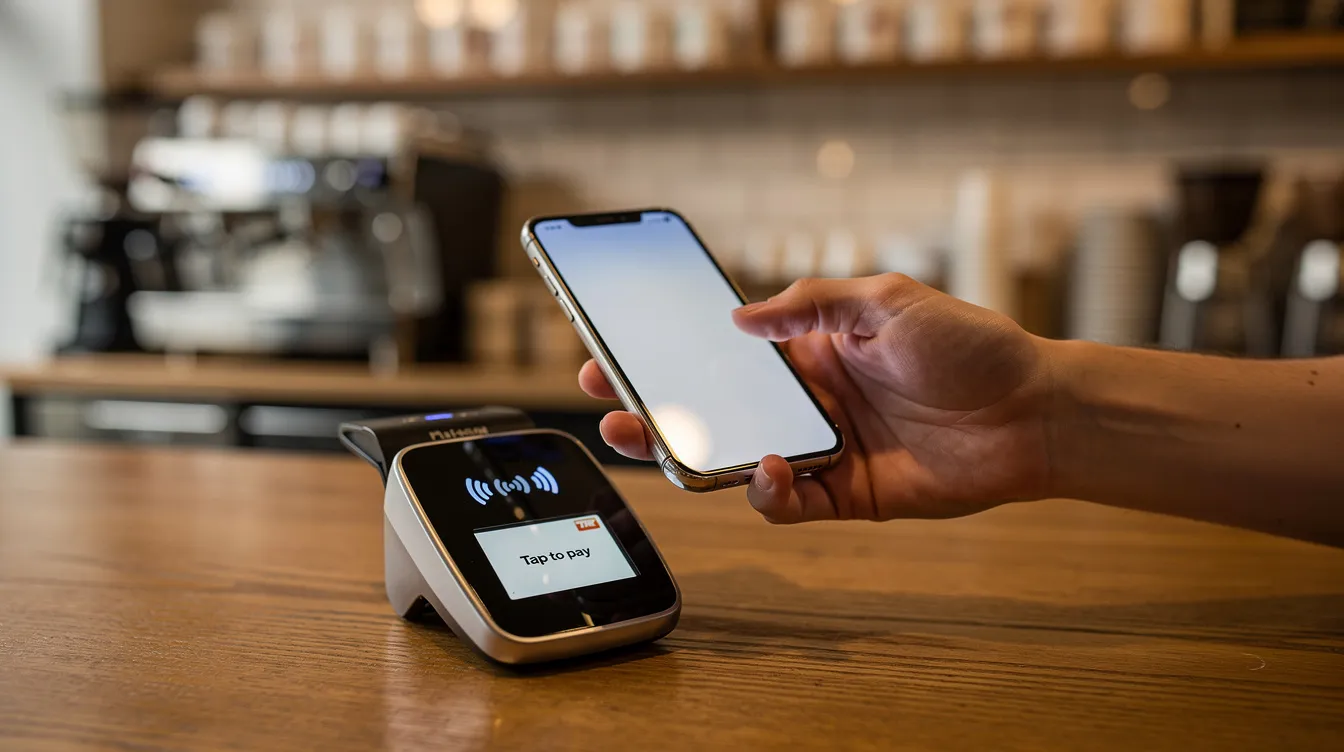
Many HSBC debit cards can be added to Google Pay, Apple Pay and similar services.
Open your wallet app and select "Add card."
Scan or manually enter your HSBC debit card details.
Complete verification via SMS or within the HSBC mobile app.
When you pay with a digital wallet, your actual card number is not shared with the retailer, adding an extra security layer. Mobile payments work in most places that accept contactless cards in the UK and many other countries. Check that your device, OS version and account are eligible before setting up.
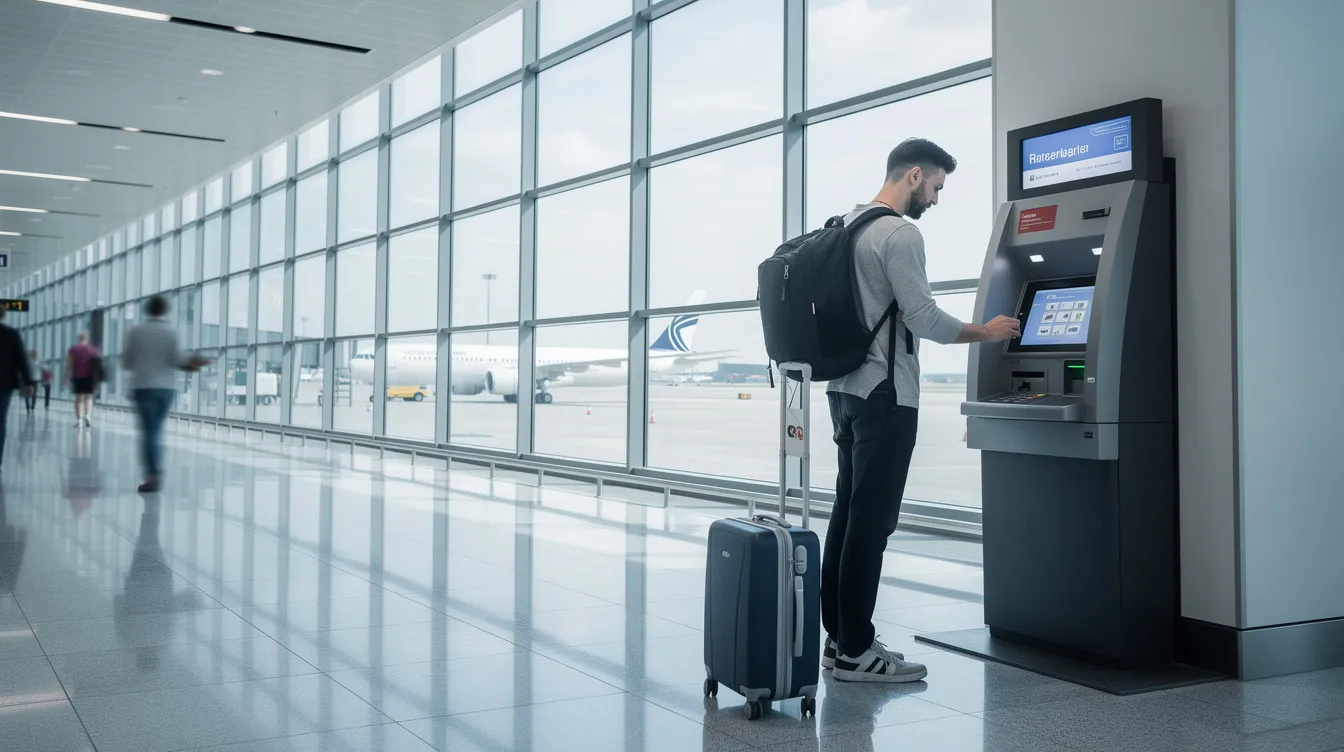
HSBC debit cards can be used globally with daily withdrawal limits at millions of Visa-accepting merchants and ATMs worldwide. However, using your HSBC debit card abroad comes with costs you should plan for.
HSBC charges at least 2.75% for foreign transactions on purchases and cash withdrawals.
HSBC may charge fees for ATM withdrawals abroad, and local ATM operators may add their own surcharge.
Using HSBC debit cards abroad may incur unfavorable exchange rates if you accept "dynamic currency conversion" at the point of sale. Always choose to pay in the local currency instead of pounds.
Before travelling, check current HSBC charges and daily limits for card abroad use - these can differ from standard UK use. Carry a backup payment method and some local cash, and stick to reputable ATMs at major banks or well-known networks in other countries.
Notify HSBC of upcoming travel via the app or online banking so transactions aren't flagged as suspicious.
Turn on transaction alerts in the HSBC mobile app to monitor spending in real time while abroad.
HSBC Premier may combine higher ATM limits with additional travel-related benefits, but standard card fees still apply unless otherwise stated. HSBC Expat customers may also find dedicated travel support useful.
Memorise your card PIN and keep the physical card and phone in separate, secure places.
If the card is lost, stolen or swallowed by an overseas ATM, use the app to freeze it or call the 24/7 phone helpline immediately.
Understanding the difference between your available balance, any arranged overdraft and card transaction limits helps you avoid surprises.
An arranged overdraft is a pre-agreed borrowing limit linked to your HSBC current account, subject to eligibility criteria and credit checks. Interest or charges apply - check the latest price list for your account type. Debit card payments may take you into an arranged overdraft if you have one, or be declined if there are insufficient funds and no overdraft exists.
Typical daily ATM withdrawal limits by account:
| Account type | Daily ATM limit | Arranged overdraft |
|---|---|---|
| Bank Account / Basic | ~£300 | Optional (Bank Account) / None (Basic) |
| Advance | ~£500 | At least £1,000 |
| Premier | ~£1,000 | Subject to status |
Card payment limits can also apply up to a certain limit and may vary depending on the merchant and transaction type.
Online banking provides access to detailed statements and payee management, while the HSBC mobile app lets you track balances, upcoming direct debits and standing orders - helping you avoid unarranged overdrafts and declined transactions.
The HSBC mobile app provides real-time account balance access, so you always know where you stand. You can set up alerts for low balances and large transactions to catch anything unexpected.
The HSBC debit card includes spending insights and monthly budget controls within the app, letting you categorise transactions by type - groceries, transport, subscriptions - and spot trends. You can transfer money easily between HSBC accounts using the app, making it simple to move funds from savings accounts or other accounts when needed.
If you misplace your card, the app allows you to temporarily block your debit card and unfreeze it once found. Scheduling regular payments such as direct debits and standing orders from the same account keeps everything visible in one place and helps you manage your finances more effectively.
HSBC debit cards use Chip and PIN technology for security at every in-store pin transaction, and HSBC employs advanced fraud monitoring systems for transactions across all channels. Occasional PIN prompts after multiple contactless taps add another layer of protection, as does a certain amount of automated screening on unusual activity.
For online payments, additional protections include Visa Secure and one-time passcodes or confirmations via the HSBC mobile app for higher-risk purchase attempts. The CVV code on the back of the card is required for remote payments, preventing misuse if someone only has your card number.
Practical advice to keep your money safe:
Never share your PIN, passwords or full security codes with anyone.
Be wary of unsolicited calls, texts or emails claiming to be from the bank.
Keep your contact details up to date so security alerts reach you promptly.
If fraud is reported promptly and you've taken reasonable care, HSBC will normally investigate and may refund unauthorised transactions in line with its terms and regulatory rules.
You can freeze your card instantly using the HSBC mobile app.
Call the 24/7 helpline to report the loss or theft.
Review recent transactions for anything suspicious.
Once reported, the old card is cancelled and a replacement debit card is issued and posted to your registered address. If you enter the wrong PIN too many times, the card may be temporarily blocked - request a PIN reminder via online banking or the app.
If you receive a letter about physical card inactivity, it may be because HSBC has noticed the card hasn't been used at a terminal for an extended period (even if you use mobile banking regularly). Always keep the bank updated with current contact details so that new card deliveries and security alerts reach you without delay.
How long does it take to get an HSBC debit card after opening an account? Typically five to seven working days once your account is approved. Digital wallet activation may be available sooner for some customers.
Can I have more than one HSBC debit card for the same account? Joint accounts allow multiple cards. Supplementary cards for a second user may be possible depending on account type and HSBC policy.
What is the difference between my card number and my account number and sort code? Your 16-digit card number identifies the physical or virtual card for payments. Your sort code and account number identify the bank account itself and are used for bank transfers, direct debits and standing orders.
Can I use my HSBC debit card for subscriptions and recurring payments? Yes. You can use it just like a credit card for subscriptions, but you must ensure sufficient funds are available - the payment draws directly from your account balance.
What are the minimum age requirements? Youth accounts with a debit card are available from around age 11 (parental consent needed). Standard current accounts require you to be 18 or over. The Basic Bank Account is open from age 16.
Can I use my debit card with Google Pay? Yes. Most HSBC debit cards support Google Pay, Apple Pay and Samsung Pay. You'll need a compatible device and may need to verify through the HSBC mobile app.
For the latest, account-specific information - including any changes to fees, limits or eligibility - check HSBC's official website, the app, or speak to customer support at your local branch before making important financial decisions.