
ACE Money Transfer
ACE Money Transfer

30 Sep 2022
If you've ever stood at a transfer form wondering whether "Alex" or "Alexander" will cause your payment to bounce, you're not alone. The recipient's name on a money transfer is more than a formality. It affects whether your funds arrive, how quickly they clear, and whether compliance systems flag the transaction for review.
This guide breaks down exactly when and how the name matters across domestic bank transfers, international wire transfers, cash pickups, mobile wallets, and remittance platforms like ACE Money Transfer.
Yes, the name matters in most bank transfers, but how much it matters depends on the country, the bank, and the transfer type.
In many countries, particularly the UK and parts of the EU since around 2019–2020, banks use a system called Confirmation of Payee. This service matches the name you type with the actual account holder's name on record before the payment leaves your account. If the name doesn't match, you'll see a warning or the transfer may be blocked entirely.
In other regions, like the United States, the system relies more heavily on the account number and routing code. A wire transfer will often process even with a slightly different name, as long as the numbers are correct. But an obviously wrong name can still trigger delays, manual reviews, or outright rejection, especially for larger amounts.
With ACE Money Transfer and similar remittance platforms, the recipient name must match their bank account or government ID exactly. These services enforce strict identity verification to stay compliant with global anti-money laundering rules and to protect both sender and recipient.
Here's a concrete example: imagine you send a $5,000 wire transfer on 15 March 2024 to "Maria García" but you accidentally type "Maria Garcia Rodriguez." The account number and routing number are correct. In many cases, the receiving bank will still credit the account because the numbers match. However, if the amount is large or the bank's compliance system flags the discrepancy, the transfer could be held for 1–3 business days while the bank requests additional documentation.
A mismatch between sender and recipient's names can lead to automatic rejections in stricter systems, so prevention is always cheaper than correction.
Key takeaways:
Always double-check the name spelling against the recipient's bank statement or government-issued ID before hitting send.
Follow the exact name format shown on the bank account, including middle names, suffixes, and correct order.
If you realize there's a name error right after sending, contact your bank or provider immediately to request a hold or amendment before the funds are released.
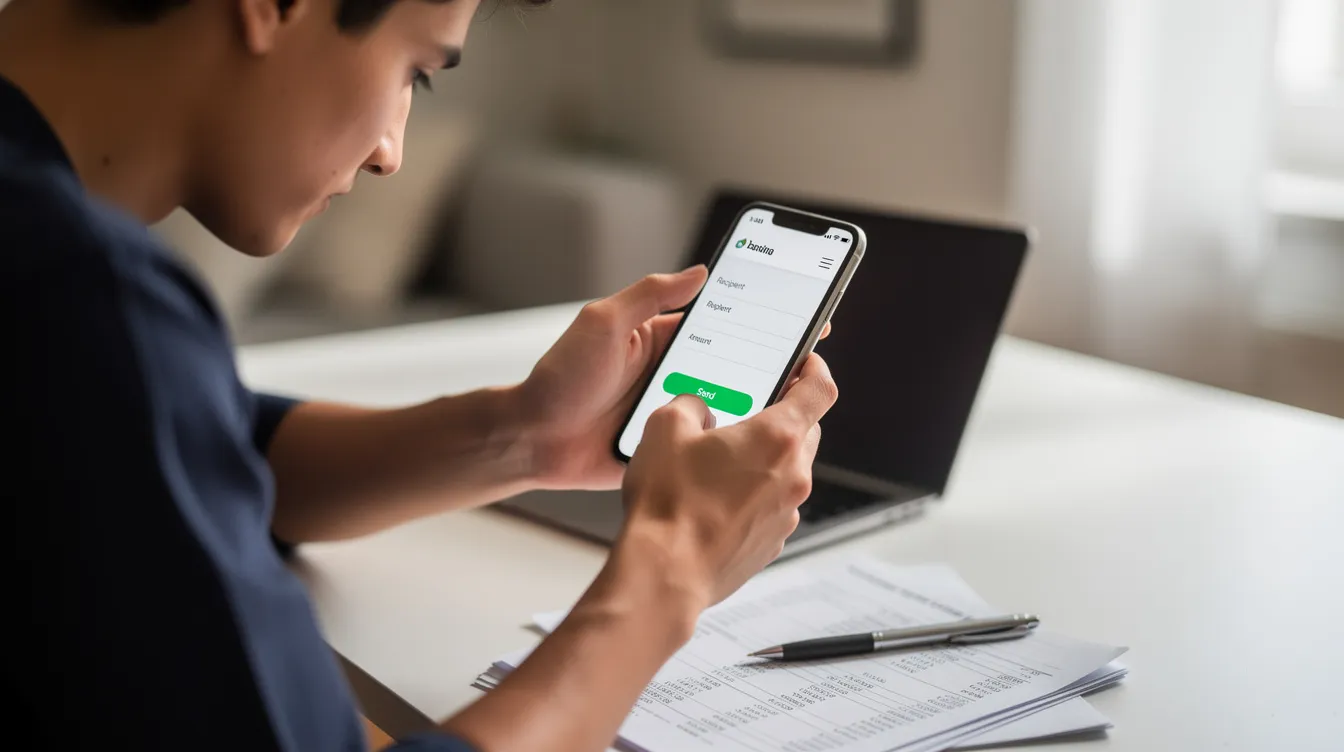
Every bank transfer, whether domestic or international, runs through an automated system that checks numerical identifiers first and may then cross-reference the name field against account records. Understanding how this process works helps explain why name accuracy matters at every stage.
Domestic bank transfers (such as UK Faster Payments, SEPA Credit Transfers in the EU, or ACH transfers in the US) validate the account number, sort code, or IBAN as the primary routing mechanism. The system then may verify the name against the account holder's registered details, depending on the country's rules.
Many banks use verification checks before processing payments to prevent issues. In the UK, Confirmation of Payee checks the entered name against bank records before the payment is submitted. In the US, ACH systems primarily route by number and do not systematically verify the name at the point of sending.
International bank transfer and wire transfer systems using SWIFT messages include fields for the beneficiary's full name, address, and bank account details. Correspondent banks along the payment chain can inspect these fields for mismatches, and any discrepancy may cause a hold or return.
For cash pickup and mobile wallet payouts via platforms like ACE Money Transfer, name matching to a government-issued ID or mobile account profile is mandatory. The payout agent will not release funds if the person collecting cannot prove they are the named recipient.
Banks prioritize numerical fields for routing, but compliance and fraud protection filters increasingly use name data to flag suspicious transfers. Financial institutions use name checks to spot suspicious activities, and this layer of verification is becoming more sophisticated each year.
Funds may be sent to the wrong account if the account number is typed incorrectly, but even when the number is right, a name mismatch can indicate a potential fraud situation during bank transfers and trigger additional scrutiny.
Some types of name errors are "fatal," meaning the transfer is rejected outright. Others will only cause manual review, investigation, or delay. Knowing the difference can save you days of waiting and unexpected fees.
A completely different name is a blocking error. For example, if you enter "John Smith" as the recipient but the bank account belongs to "Asia Logistics GmbH," the system will almost certainly reject the payment. A mismatch between a personal and business name is treated as a serious red flag.
A name that simply does not exist in the receiving bank's records will also block the transfer. The bank cannot credit funds to a person or entity it cannot identify.
In countries using strict Confirmation of Payee, such as the UK, Netherlands, and some Nordic countries, a non-matching name can stop an online banking transfer before it is even submitted. The sender receives a "no match" result and must decide whether to correct the details or proceed at their own risk.
For international bank transfers routed through SWIFT, a strong mismatch between the beneficiary name and the account name can lead the receiving bank or an intermediary bank to return funds. This process can take several business days and may involve handling charges.
AML and sanctions checks depend heavily on the recipient's full legal name. Name checks are important for compliance and fraud prevention in banking. If the name triggers a match against a sanctions list (OFAC, EU, UN), the transaction can be frozen or cancelled entirely, even if the actual recipient is not the sanctioned person.
Remittance services like ACE Money Transfer will normally not pay out cash if the name on the transfer does not match the recipient's government-issued ID exactly. This applies to cash pickup at a branch, mobile wallet credit, and bank deposit alike.
Small spelling variations sometimes pass through the system without blocking a transfer, but senders should never rely on this. Acceptance of minor errors is inconsistent across banks, countries, and even individual transactions.
Examples of "minor" discrepancies include a missing middle name, an abbreviated first name versus the full version (e.g., "Alex" instead of "Alexander"), or common transliteration differences like "Mohammad" versus "Muhammad."
Some banks in practice tolerate these small differences if the bank account number, IBAN, and bank code are all correct and there is no compliance red flag. Legitimate reasons for name differences include nicknames or joint accounts, and banks may exercise discretion in these cases.
Acceptance policies vary by bank, country, and internal risk rules that can change over time. After recent AML guidance updates, many financial institutions tightened their fuzzy-matching thresholds, meaning a name that passed last year might get flagged today.
For cross-border payments and wire transfers in US dollars or euros, even a minor discrepancy can increase manual checks and slow down the payment by several business days. Intermediary banks in the SWIFT chain each have their own screening systems.
Mismatches between account name and transfer details can significantly delay payments, even when the error seems trivial to the sender. A "close match" result in a CoP system gives the sender a chance to correct the name, but not all systems offer this safety net.
The safest approach: always enter the name exactly as shown on the recipient's bank statement or their official ID. Double-checking the exact name on a bank account can prevent transfer issues that are far more costly and time-consuming than the few extra seconds of verification.
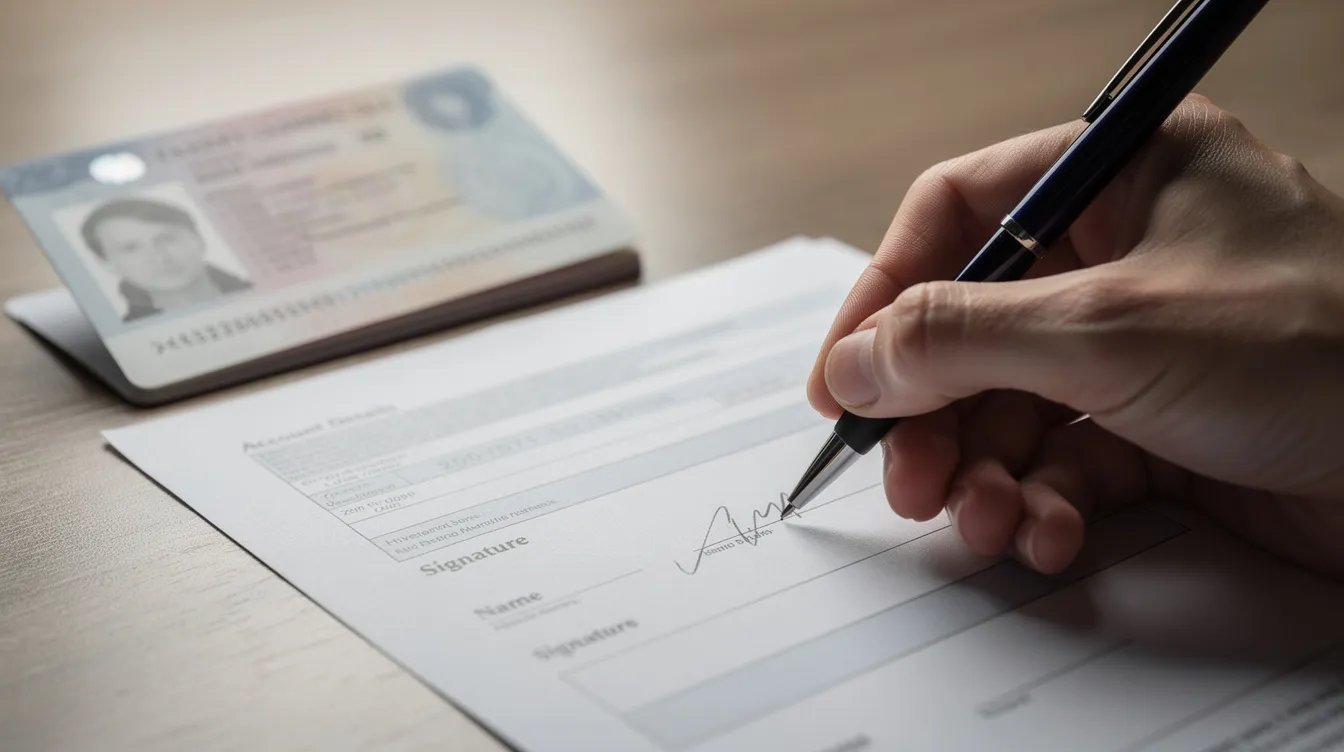
Domestic bank transfers within one country often follow different name-check rules than international bank transfers. Here's how the major systems compare:
UK and Europe: The Confirmation of Payee system, rolled out around 2019–2021, now covers over 300 financial firms and roughly 99% of Faster Payments and CHAPS transactions. When a sender types a payee name and sort code or account number, the system returns one of four results: exact match, close match, no match, or unavailable. A "no match" result warns the sender before the payment is submitted. Matching the name prevents accidental transfers to wrong accounts.
United States: ACH and domestic wire transfer systems mainly route by account and routing number. Banks may not systematically verify the name at the point of sending. Under the Uniform Commercial Code (Article 4A), a bank can rely on the account number even if the beneficiary name differs, unless it has "actual knowledge" of a mismatch. This means a slightly wrong name rarely blocks a domestic US transfer, but it weakens the sender's legal protection in a dispute.
Other regions: In India's NEFT/RTGS system, Pakistan's IBFT, and Nigeria's NIP, the system typically pulls the registered account name once you enter the account number. This acts as a form of verification, though enforcement varies.
Even where name checks are looser, entering the wrong name reduces your legal protection if you send money to the wrong bank account. In a dispute, the bank may argue that the sender should have verified the name before confirming the transfer.
Digital records are easier to track than paper checks, but the accuracy of those records depends entirely on the data you enter at the point of sending.
International bank transfer and wire transfer processes involve multiple banks, currencies, and compliance checks. Each intermediary in the chain can inspect the beneficiary details, making name accuracy critical for smooth delivery.
SWIFT messages include dedicated fields for the beneficiary name, address, and bank account. Correspondent banks may flag mismatches or suspicious names during transit, adding days to the transfer timeline.
International payments are screened against sanctions lists maintained by authorities such as OFAC (US), the EU, and the UN. These screenings rely on exact or near-exact name matching. A partial match with a sanctioned person's name can hold up the transaction for manual review, even if the actual recipient is perfectly legitimate.
If the recipient name does not match the bank's records at the final destination, the payment can be returned or placed on hold. The receiving bank may request additional documentation, such as a copy of the recipient's ID or proof of account ownership.
An incorrect name on an international wire can lead to added bank charges, a poor exchange rate due to reversal and re-sending, and 5–10 extra business days of delay. Each intermediary bank may deduct its own handling fee during a return.
Using a remittance platform like ACE Money Transfer for cross-border payments reduces this complexity. ACE collects and verifies the name, bank account, and payout method together before executing the international leg. This front-loaded verification catches errors before they become expensive problems.
Accurate names provide a clear financial paper trail for legal compliance, which is especially important when funds cross jurisdictional boundaries.
In many remittance corridors, recipients don't always use a traditional bank account. Instead, they collect funds via cash pickup, mobile wallets, or linked debit cards. Name accuracy is equally important, and in some cases even stricter, in these channels.
For cash pickup at bank branches or agent locations, the name on the transfer must match the recipient's government ID exactly. The agent will compare the first name, middle name, last name, and sometimes the father's or family name before handing over cash.
Mobile wallet payouts, where funds are credited to a specific phone number, still require the full and correct name to satisfy KYC and AML checks. The wallet provider verifies the name against the profile registered to that phone number.
Card-based payouts or pre-paid cards also rely on exact name matching. A mismatch can lead to blocked cards or failed ATM withdrawals, leaving the recipient unable to access their funds.
ACE Money Transfer allows senders to choose between bank deposit, mobile wallet, and cash pickup. In each case, entering the recipient's name exactly as it appears on their ID is crucial. The payout partner, whether a bank, mobile operator, or cash agent, cross-checks the name before releasing funds.
A name mismatch can delay a transaction or lead to its rejection at the point of collection, which is especially frustrating when the recipient has traveled to a branch location only to be turned away.

ACE Money Transfer is designed for international remittances and enforces strict name accuracy to keep transfers compliant and secure. Here's how the process works from the moment you create an account to the moment funds are paid out.
Registration is straightforward: you create an online account using your email, Google, or Apple ID. ACE verifies your identity using a valid photo ID (passport, EU ID, or driving licence, depending on your country) before you can send your first transfer.
When creating a transfer, you must enter the recipient's full legal name, matching exactly what appears on their bank account or the government ID they'll use for payout. ACE's system locks the beneficiary name after the first successful transaction, so getting it right the first time is essential.
ACE offers payouts via bank deposit to major partner banks globally, mobile wallet crediting to supported digital wallet accounts, and cash pickup at authorized partner bank branches. In each case, the payout partner cross-checks the name before releasing funds.
If you notice a name error immediately after submitting the transfer, contact ACE support at once. In many cases, the payment can be paused or corrected before final credit. Speed matters here: once funds reach the recipient's bank or the agent pays out cash, changes become far more difficult.
ACE's tracking system uses a unique reference number so both sender and recipient can monitor the transaction status. However, the tracking system will not override name mismatches at the receiving bank or agent location. If the name is wrong, the transfer will stall regardless of what the tracker shows.
Fraud protection measures include checking the entered name against bank records and ACE's internal compliance databases, adding a layer of security that protects both parties.
Many transfer errors happen at the data-entry stage and can be avoided with a simple checklist. Taking an extra minute here can save days of delay and unexpected cost later.
Ask the recipient for a recent bank statement or a clear screenshot of their bank account screen. Copy the name exactly as it appears there, including any middle names, suffixes, or initials.
Confirm spelling directly with the recipient before sending. A quick message saying "Is your name shown as 'Muhammad Ali Khan' or 'Mohammad Ali Khan' on your bank account?" can prevent a failed payout.
Enter any special characters or accents correctly if the transfer form supports them. If it doesn't, use the closest Latin-alphabet equivalent and note that some systems may strip diacritics automatically.
The name should match the local convention as shown on the bank account or ID, not just what the sender assumes. In some Asian countries, the surname comes first. In Latin America, two family names may be standard.
Avoid using nicknames, abbreviations, or married/maiden names that are not on the bank account or ID records. "Bob" may be what everyone calls the recipient, but if the bank account says "Robert," use "Robert."
Save the recipient as a "beneficiary" or "saved contact" in ACE or in your own bank's online banking system once their data is verified. This eliminates retyping errors in future bank transfers and ensures consistency across multiple transactions.
Behind every bank transfer there are legal rules designed to prevent fraud, money laundering, and sanctions evasion. Name accuracy is not optional; it's a regulatory requirement with real consequences.
KYC (Know Your Customer) requirements mandate that banks and remittance companies verify that the person receiving money is the same person on record. This applies to every client, whether sending or receiving.
AML (Anti-Money Laundering) and sanctions screening rely heavily on accurate names and dates of birth to identify high-risk individuals or entities. A name that doesn't align with documentation will trigger a report or hold.
Regulators in many countries, including the FCA in the UK, FinCEN in the US, and various EU authorities, expect payment firms to block or report transfers when names don't match. The government in each jurisdiction sets the legal framework that financial institutions must follow.
Deliberately using a false or borrowed name can result in account closures, frozen assets, or even criminal investigations. This is not a technicality; it is an act that authorities take seriously.
ACE Money Transfer follows these global and local regulatory standards in every corridor it operates. Name accuracy is a legal requirement, not just a service preference. Checks provide a physical paper trail for transactions, and digital transfers create equivalent records that regulators expect to be accurate.
Checks require precise endorsements to avoid fraud risks, and similarly, digital transfers require precise beneficiary details. Incorrect endorsements can lead to check fraud liability, just as incorrect name entries can create liability in electronic transfers.
The outcome of a name mismatch ranges from auto-rejection to prolonged delays, depending on the severity of the error and the systems involved.
A typical timeline looks like this: the transfer is sent, the receiving bank's system detects a name mismatch, and the transaction is either rejected within 1–3 business days or held for manual review and investigation. During this period, the money is in limbo.
In some cases, funds are returned to the sender's bank account minus intermediary bank charges. If currency conversion was involved, the exchange rate on the return leg may be worse than the original rate, compounding the loss.
Banks or providers may contact the sender or recipient to request additional documents, such as ID copies or proof of bank account ownership, to resolve the mismatch. This due diligence process can add several more days.
During investigations, money may be frozen and the recipient is unable to access it. This can be critical when transfers are meant for urgent needs like rent, tuition, or medical bills. The difference between a smooth transfer and one stuck in review can be a missed payment deadline.
Checks take 1–3 business days to clear under normal circumstances; digital transfers are usually instant or same-day. But when a name error intervenes, even a digital transfer can take longer than a paper check would.
Use transfer tracking features, such as ACE's reference number system, to track the status. Be prepared to provide accurate name and bank account details when contacting support, including the transaction date, amount, and the correct name.
Changing the name after sending is sometimes possible but never guaranteed, and speed is crucial. The moment you spot the error, act immediately.
Once a bank transfer or wire transfer has been fully processed and the funds are paid and credited, banks usually cannot alter the beneficiary name. The only option at that point is to recall the funds, which may or may not succeed depending on whether the receiving bank cooperates.
If the transfer is still in "pending" status, some providers, including ACE Money Transfer in certain cases, can cancel or amend details on request before final processing. This window is often narrow, sometimes just a few hours.
For cash pickup and mobile wallet payouts, corrections might be possible if no one has collected or cashed out the funds yet. Once the recipient has been paid, the transaction is considered complete.
Fees and time frames for recalls and amendments vary. Intermediary banks may deduct charges even if the transfer ultimately fails and funds are returned. These charges are typically non-refundable.
Contact your bank or ACE support immediately with the transaction date, amount, bank account details, and the correct name if you discover an error. Written evidence, including screenshots of the original transfer form and the correct details from the recipient, will speed up the process.
Name mistakes don't just waste time; they can cost real money through extra fees and unfavorable exchange rate conversions.
When an international bank transfer is returned due to a name mismatch, both the sending and receiving banks may charge handling or investigation fees. These fees can range from $15 to $50 per bank in the chain.
Currency exchange often happens twice in such cases: once when sending, then again when funds are returned, potentially at a worse exchange rate both times. For example, a €1,000 transfer from Germany to Pakistan sent in August 2024 might lose 3–5% to exchange rate differences and fees if it bounces back and has to be resent. That's €30–€50 gone before the recipient sees a single rupee.
Using a dedicated remittance service like ACE Money Transfer can limit hidden bank charges, but name errors still risk extra cost if intermediaries are involved. The point of using a regulated platform is to reduce these risks, not to make them disappear entirely.
The overall cost of a name error includes not just direct fees but also the opportunity cost of the recipient not having access to funds when they need them, the time spent on phone calls and support tickets, and the stress of uncertainty.
Checks have a moderate security risk of loss or theft, while digital transfers offer high security with encryption and fraud protection. But that security advantage is undermined if incorrect details cause the transfer to fail and expose the transaction to additional handling.
Resolving a transfer with an incorrect name usually involves formal dispute or investigation processes. It's rarely as simple as pressing "undo."
The typical steps begin when the sender files a complaint or recall request. The bank or ACE traces the transfer through the network, and each intermediary bank confirms whether it handled the funds and at what stage the mismatch was detected.
If funds never reached the intended bank account because of a name mismatch, a refund is more likely, though not always automatic. The sender may need to fill out a formal dispute form and provide supporting documentation.
If the money was credited to an unintended bank account due to incorrect numbers alongside the wrong name, recovering it may require cooperation from the other account holder. This can become a legal issue, sometimes involving debt recovery processes.
Written evidence is critical in any dispute. Keep screenshots of the transfer form, the bank account details provided by the recipient, and all confirmation emails. This paper trail proves what was entered and when.
Response times vary widely by bank and country, ranging from a few days to three months or more for complex cross-border disputes. During this period, your funds may be effectively frozen, which is why prevention is always better than cure.
A restrictive endorsement limits the check's use to your account, providing a layer of control that digital payments handle differently. In both cases, accurate beneficiary details are the first line of defence against misdirected funds.
Fraudsters often try to manipulate or mimic names to divert bank transfers to their own bank accounts. Understanding their tactics helps you protect yourself.
Common scams include invoice redirection fraud, where criminals intercept a legitimate invoice and change the bank account details while keeping a similar business name. The sender believes they're paying a known supplier but the money goes to a criminal's account. Another tactic involves phishing emails requesting an "updated" payee name or bank account, often using a sense of urgency.
Banks and remittance firms use name-matching technology to catch these anomalies, which is why entering the correct, expected name is part of the security framework. A mismatch can indicate a potential fraud situation during bank transfers, and the system is designed to flag it.
Sending money to a name that doesn't match official documentation can weaken any fraud claims the sender might later raise. If you voluntarily override a "no match" warning or ignore a discrepancy, your bank may argue that you accepted the risk.
Verify bank account changes via a trusted, secure channel (phone call, in-person, or secure app messages) before updating the payee name in your bank account or ACE profile. Never rely solely on email instructions, even if they appear to come from a known contact.
A blank endorsement allows anyone to cash the check, which is why checks in the physical world carry similar fraud risks when endorsements are careless. In the digital transfer world, the equivalent risk is sending money without verifying the recipient's identity.
A special endorsement transfers the check to a specific third party, offering more control. Similarly, specifying the correct recipient name on a digital transfer ensures the funds reach only the intended person.
Non-personal transfers have their own name-related rules, and the consequences of getting them wrong can be amplified by compliance scrutiny.
For business bank transfers, you must use the exact registered company name, including the legal suffix ("Ltd", "LLC", "GmbH", etc.), as held by the bank and the government registry. A trading name that differs from the legal name will often produce a "no match" result. For example, paying "QuickShip Logistics" when the bank account is registered to "QS Logistics Ltd" may block the transfer.
For charities and NGOs, banks scrutinize names more closely for AML reasons. Even small variations from the registered name, such as abbreviating "Foundation" to "Fdn," may delay or block payments. If you're paying a charity in December 2025 using a shortened version of their name, expect the transfer to be flagged.
Using a joint account can lead to financial liability for both parties listed on the account. When sending to a joint bank account, using either account holder's name as registered with the bank is usually sufficient. The safest approach is to copy the name format displayed in the recipient's online banking exactly.
POA (Power of Attorney) allows you to manage finances only if the person is incapacitated. A POA arrangement does not allow random name changes on transfers. The beneficiary name still needs to reflect the legal account owner, not the attorney or guardian.
Checks are still used in real estate transactions for deposits, and in those contexts the check's name must match the account holder's name precisely. The same principle applies to digital transfers for property purchases or large business transactions.
A basic bank account at any bank follows the same name-matching rules as a full-feature account. The type of account does not change the requirement for accurate beneficiary details.
Many modern banking and fintech platforms verify that a bank account actually belongs to the named person before allowing transfers to or from it. This protects both sides of the transaction.
Techniques include micro-deposits (sending tiny amounts and asking the account holder to confirm the exact figures), open banking APIs that pull the official account name from the bank in real time, and dedicated account verification tools used by payment processors.
When these tools show a different account name than the one the customer entered, the platform often warns or blocks the transaction. This is Confirmation of Payee in action, and similar systems are expanding globally.
ACE Money Transfer and similar services rely on a combination of KYC checks, transaction monitoring, and recipient detail validation rather than just trusting whatever name the sender types. This process protects both senders and recipients from mistakes and from fraudulent redirection of funds to the wrong bank account.
Your own bank may also use verification when you add a new payee. Pay attention to any match or mismatch warnings. They exist to protect you, even if they feel like an inconvenience at the moment.
This section is your quick checklist for error-free international bank transfers and remittances. Follow these steps and you'll avoid the vast majority of name-related issues.
Always request the recipient's full legal name exactly as printed on their passport, national ID, or bank card before initiating a transfer. Don't guess, don't assume.
Verify the spelling of names that use special characters, multiple surnames, or non-Latin alphabets. Ask the recipient how their name appears in the bank's system, ideally in English or Roman script.
Check the IBAN, SWIFT/BIC, and local routing codes alongside the name to ensure all fields match what the recipient's bank expects. A correct name with the wrong account number is just as problematic as the reverse.
Use ACE Money Transfer's online interface or mobile apps to save verified recipient profiles. This eliminates the chance of repeated typing errors across multiple transfers and keeps data consistent.
Avoid last-minute rushed entries. Even taking an extra minute to double-check names on screen can save days of delay and extra cost later. The idea that "close enough" is good enough does not apply to international remittances.
If you have any doubt about the correct name format, suggest that the recipient send you a photo of their bank card or the header of their bank statement. This takes seconds and prevents problems that can last weeks.

ACE Money Transfer offers a streamlined online way to send money from many countries to bank accounts, mobile wallets, or cash pickup points abroad. Here's how the process works from start to finish.
Register or log in to your ACE account using your email, Google, or Apple ID. First-time users will need to verify their identity by uploading a valid photo ID. This is a one-time step that unlocks full access to the service.
Choose your destination country and select a payout method. ACE supports bank deposit (direct transfer to major partner banks globally), cash pickup (over-the-counter cash collection at authorized partner bank branches), and mobile wallet (instant crediting to supported digital wallet accounts).
Enter the recipient's full name, bank account details or wallet number, and sometimes their address. The name must match the bank account or ID exactly. This is the step where accuracy matters most.
Select a payment method: debit card, credit card, or online bank transfer. The system shows the exact amount the recipient will receive, all fees, and the live exchange rate before you confirm. There are no hidden charges.
Add a payment reason (for example, family support, tuition fees, or rent) and review the transfer details. Once everything looks correct, click "Pay Now" to execute the transfer.
ACE provides a reference tracking number so both sender and recipient can track the transaction in real time and confirm successful payout. Keep this number until the recipient confirms they've received the money.
Once the transfer is sent, the recipient's bank or payout agent performs its own checks before releasing money. Understanding this helps explain why "just any name" will not work at collection time.
For bank deposits, the receiving bank checks that the account number or IBAN belongs to the named person or entity. If there is a major mismatch, the bank may block or return the deposit rather than credit it to the wrong account.
For cash pickup, the agent will check the recipient's physical ID against the name on the transaction and sometimes the reference number. Any mismatch prevents payment. The employee at the counter is trained to refuse payouts where the name does not match.
Mobile wallet providers verify that the name and wallet phone number match their records, especially for KYC-approved accounts. An unverified wallet with a different name will not receive the credit.
Some countries require agents to record the ID type and number at payout, creating an additional checkpoint that depends on the name being correct and consistent. This is not optional; it is a regulatory requirement that the agent cannot override.
Names can change spelling or order when crossing language and script boundaries, and this is one of the most common sources of errors in international bank transfers.
In many South Asian and East Asian countries, the surname comes first. In Latin America, two family names (paternal and maternal) are standard. These conventions may not match what a sender in the UK or EU expects, leading to fields being swapped.
Transliteration issues are common when names originally written in Arabic, Cyrillic, Chinese, or other non-Latin scripts are converted to Latin letters. "????" might become "Muhammad," "Mohammed," "Mohammad," or "Mohamed" depending on the country and the transliteration system used. The only version that matters is the one on the bank account or ID.
Encourage recipients to copy their name directly from their passport or from the bank's online interface in English or Roman script where available. This removes guesswork entirely.
Some international bank transfer forms have separate "First Name" and "Last Name" fields. Match these to how the bank or ACE shows them, not to personal preference. If the bank lists "Khan Muhammad Ali," then that is the format to use.
Consistent use of one spelling across all transfers reduces the chance of future compliance questions or payout problems. Once you've confirmed the correct spelling, save it as a beneficiary profile and use it every time.
Here are the most common questions senders ask about how names affect money transfers, with straightforward answers for each.
If the account number is right but the name is slightly wrong, will the transfer still go through? It depends. In the US, domestic transfers often process based on the account number alone. In the UK or EU, Confirmation of Payee may warn or block the payment before it's sent. For international wires, a slight name error may pass at the sending bank but get flagged by the receiving bank, causing delay. The safest answer: don't rely on "probably."
Can I send money to my own bank account in another country under a different version of my name? This is risky. If your UK account says "Alexandra Smith" and your account abroad says "Alex Smith," the transfer may be questioned. Banks may request proof that both accounts belong to the same person. Update your records to use a consistent legal identity across all accounts before making large transfers.
Does the name affect the exchange rate? The name itself does not change the exchange rate. However, if a name error causes the transfer to be returned and resent, you may end up converting currency twice, each time at a potentially worse exchange rate. The cost of a name mistake is indirect but real.
What if my legal name changed (marriage, divorce) but my bank account is still in my old name? Update your bank records before sending or receiving large transfers. If the transfer form says "Jane Doe" but your bank account says "Jane Smith," the mismatch may trigger a hold. Most banks allow name changes with supporting documents (marriage certificate, court order). Don't wait until you're in the middle of a committed transfer to discover this problem.
Is it safe to send money to someone whose name I only know from social media? Exercise extreme caution. Verify their identity through an independent channel. Ask for a copy of their ID or bank statement. If you cannot prove who they are, you accept the full risk of sending to the wrong person. Scammers frequently use fake profiles to solicit transfers.
While account numbers and routing codes handle the technical routing of funds, the recipient's name is not optional. It affects security, compliance, and whether the money actually reaches the intended person.
Always match the bank account or ID name exactly. Include all parts of the name in the correct order, and avoid shortcuts.
Be extra careful with international bank transfer and wire transfer details, where multiple intermediary banks each run their own compliance checks.
Use regulated platforms like ACE Money Transfer, which guide you through entering correct recipient details, offer real-time tracking, and verify recipient information before executing the transfer. This reduces the risk of name-related problems significantly.
Preventing errors at the start is faster, cheaper, and safer than trying to fix a wrong name after sending money. A few seconds of double-checking can save weeks of frustration and hundreds in lost fees.
Looking to the future, automation and stricter name-matching in bank transfers are expanding globally. ISO 20022 messaging standards, being adopted by banks worldwide, will enforce structured name and address fields by late 2026. Name accuracy will only become more important with each passing year.
The bottom line: the name on your transfer is not a formality. It's a security feature, a compliance requirement, and the key to making sure your money lands where it should. Start your next transfer with confidence by verifying every detail before you click "Pay Now."