
ACE Money Transfer
ACE Money Transfer
28 Sep 2026
Choosing between Neteller and Skrill can feel like comparing two siblings raised in the same house. Both digital wallets are owned by Paysafe, share similar backend systems, and serve overlapping markets. Yet the day-to-day experience of fees, merchant acceptance, VIP rewards, and regional availability can vary enough to make or break your decision. This guide breaks down exactly where each wallet wins, where it falls short, and why neither is the best option when you need to send money across borders.
If you need a fast answer to the neteller vs skrill debate, here it is:
Skrill generally offers lower fees for everyday online transactions, cheaper bank withdrawals, and broader acceptance across general e-commerce sites. It is preferred for general e-commerce and peer-to-peer transfers.
Neteller is more integrated with online gambling and forex trading sectors. It appeals to high volume users who can unlock aggressive VIP discounts by meeting quarterly spending thresholds.
Neither wallet is designed specifically for international money transfers. For cross-border family remittances, ACE Money Transfer is one dedicated money transfer app available for supported corridors, with applicable exchange rates and fees varying by destination and transaction.
The sections below dig into every detail so you can decide which wallet fits your life in 2026.
Neteller and Skrill are two of the most recognisable e wallet services in the world. Both function as online account platforms that let you hold balances, make payments, and move funds digitally.
Neteller was launched in 1999. A Neteller account lets you pay online, make money transfers, use prepaid cards like the Net+ Prepaid Mastercard, and even access cryptocurrency trading in supported regions. Neteller is commonly accepted on online trading and gaming platforms.
Skrill started life in 2001 under the name Moneybookers. A Skrill account works as a virtual card and wallet for online shopping, person-to-person transfers, gaming deposits, and crypto purchases. Both Neteller and Skrill offer prepaid debit cards in eligible jurisdictions.
Skrill and Neteller are owned by the same parent company, Paysafe. This shared ownership means similar compliance standards, overlapping security frameworks, and even the ability to do Skrill–Neteller wallet transfers (though fees apply).
In 2026, both operate across dozens of countries, but features such as prepaid cards, ATM withdrawals, and even cryptocurrency trading vary by jurisdiction. A feature available in the UK may not exist in your country.
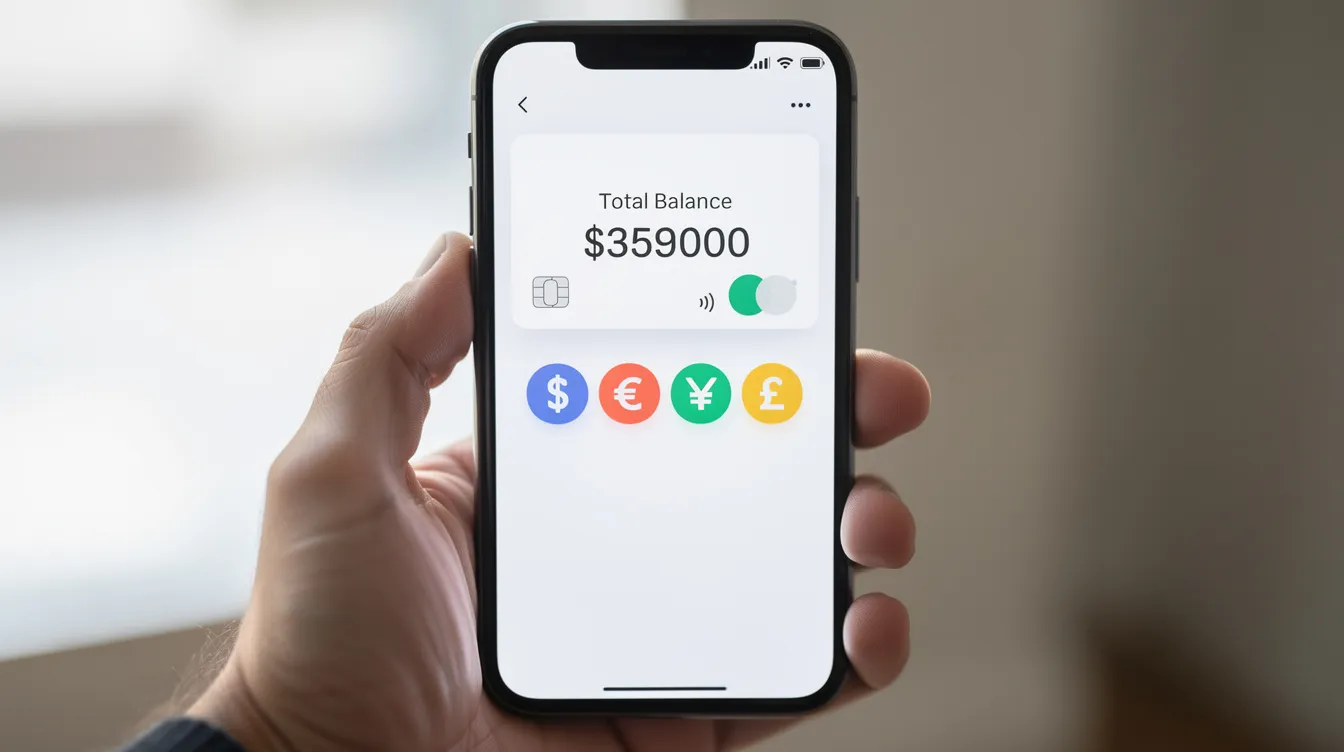
Before diving into differences, it helps to see how much these two wallets overlap. The core Neteller features and Skrill features are remarkably similar:
Both allow storing balances in multiple currencies, paying merchants online, and sending person-to-person money transfers. They are widely accepted as payment methods on betting, gaming, and forex sites.
Both offer prepaid cards - Net+ Prepaid Mastercard for Neteller and the Skrill Prepaid Mastercard for Skrill - in selected EEA and UK countries. These cards support POS payments and ATM withdrawals.
Both charge deposit and withdrawal fees, apply FX markups on currency conversion, and may impose inactivity fees if the e wallet goes unused for long periods.
Both support mobile apps on iOS and Android with instant balance checks, push notifications, and transaction history tracking.
Both wallets allow cryptocurrency trading directly from user accounts in supported markets.
Both are regulated payment institutions in the UK and EU, must safeguard client funds in segregated bank accounts, and require KYC verification before unlocking full account limits. Skrill and Neteller have passed billions in transactions securely, and both platforms comply with strict security regulations.
Despite being siblings under Paysafe, the real-world experience of using skrill and neteller day to day diverges in several ways:
Neteller is often more widely accepted by online gaming, forex, and high-risk merchants. Skrill tends to focus more on general online shopping and everyday online payments. If you frequent poker rooms or forex brokers, Neteller is usually the wallet you see listed first.
Fees vary depending on region and deposit method. Skrill commonly offers cheaper deposits - including free deposits using certain local methods - while Neteller sometimes charges higher deposit and withdrawal fees but compensates with more aggressive VIP rewards for large-volume users. Skrill typically features cheaper deposit and withdrawal options for standard consumer use.
Loyalty programmes differ: Skrill offers a loyalty program called Skrill Knect, awarding loyalty points on transactions that can be redeemed for perks. Neteller's VIP and former Reward Points system is more geared toward reducing fees at scale. Skrill supports over 40 currencies for transactions, including online casino transactions, while Neteller supports all main EU currencies plus Russian and American ones.
Geographic nuance matters. Some countries get Skrill cards but not Neteller cards, or vice versa. Crypto availability also varies: Skrill supports cryptocurrency transactions in some markets where Neteller does not, and the reverse.
User experience: Neteller can require more frequent verification process steps (selfie uploads, proof of address) especially at VIP tiers. Skrill's account upgrade path tends to be slightly smoother in many jurisdictions, though this depends on local regulation. Neteller offers faster wallet-to-wallet transfers in most scenarios.
This is where the neteller vs skrill comparison gets practical. Fees vary depending on transaction type, region, and account tier - always check the latest Skrill fee schedule and Neteller fee page for your country.
Deposit fees: both often charge around 2–5 % for card or alternative deposit methods. Skrill offers free deposits using certain methods like local bank transfers in many European countries. Neteller charges up to 5 % for deposits depending on the method. Certain methods may be cheaper in one wallet than the other depending on your country.
Withdrawals: Skrill is often slightly cheaper for bank transfers (around $5.50 for standard accounts, sometimes free for verified users). Neteller has a higher standard fee for withdrawals compared to Skrill - typically around $10 for bank transfers, and Neteller has no free withdrawal options available. Withdrawals from Skrill can be free depending on the method and account status.
Annual and inactivity fees: Neteller charges a $10 annual fee. Skrill charges a €10 annual fee. Inactivity fees for Skrill start after 6 months of no account usage, while Neteller's inactivity fees apply after 12 months. Specifically, Skrill charges £1 monthly after one year of inactivity, and Neteller charges £1.80 monthly after 14 months of inactivity.
Currency conversion: Neteller charges 3.99 % for foreign exchange transactions. Skrill charges 3.99 % for foreign exchange transactions. Both add this markup on top of mid-market rates, which means frequent multi-currency use gets expensive quickly.
For international remittances, ACE Money Transfer is one option available alongside digital wallets. Applicable exchange rates and fees vary by corridor, transfer amount, payment method, and other transaction details. ACE Money Transfer supports transfers to destinations such as Pakistan, India, and the Philippines, subject to availability. Users can review the applicable exchange rate and fees before confirming a transfer.

Understanding limits and VIP tiers is essential in the neteller vs skrill comparison, especially if you are among the high volume users transacting frequently.
Basic account limits apply to both wallets. Unverified accounts face strict restrictions on deposits, withdrawal limits, and money transfers. The verification process - typically government ID, proof of address, and sometimes a selfie - must be completed before higher limits unlock.
Individual limits depend on your country, funding methods, and risk profile. Users must check their own Skrill or Neteller account dashboard for exact numbers, as these can shift with regulatory changes.
Neteller VIP starts at $15,000 in qualifying merchant deposits per calendar quarter (Silver tier). Neteller has five VIP tiers - Silver, Gold, Diamond, Exclusive, and the top-end levels - unlocking lower FX margins, higher limits, and dedicated support. VIP status upgrades are based on quarterly transaction activity.
Skrill VIP Silver status requires €15,000 in transactions per quarter. Skrill has four tiers (Silver, Gold, Diamond, and standard), each reducing fees and increasing limits as you move up. Skrill's VIP program starts at €15,000 quarterly transactions.
For casual users, these thresholds are rarely realistic. If you do not expect to spend five figures per quarter with merchants, focus on comparing base-level fees rather than aspirational VIP discounts. Cost-effectiveness can depend on user location and transaction needs.
Both Skrill and Neteller give you multiple ways to add money and withdraw money, though the specific options depend heavily on your region.
Common deposit methods include local bank transfers, international bank wires, Visa and Mastercard, and alternative payments like rapid transfer or instant banking. Availability varies - a deposit method that is free in Germany may not exist in your country.
Withdrawal options include bank withdrawal, card withdrawal, and wallet-to-wallet transfers (for example, Skrill to Neteller), each with its own withdrawal method fees and minimum amounts. The withdrawal method you choose determines both cost and speed.
Prepaid cards: Net+ Prepaid Mastercard (Neteller) and Skrill Prepaid Mastercard let you spend in-store, online, and at ATMs in supported EEA countries. These function like any Mastercard International-branded card at point of sale. Not all regions allow new card issuance in 2026.
ATM withdrawals typically cost around $2.50 plus any terminal fees, with daily caps that vary by VIP status. Some EEA countries impose restrictions on prepaid card ATM access entirely.
If you plan frequent ATM withdrawals or cash pickup for recipients abroad, compare a local bank account and ACE Money Transfer's cash-pickup or bank-payout options. ACE often works out cheaper than cycling funds through an e wallet and withdrawing via a card.
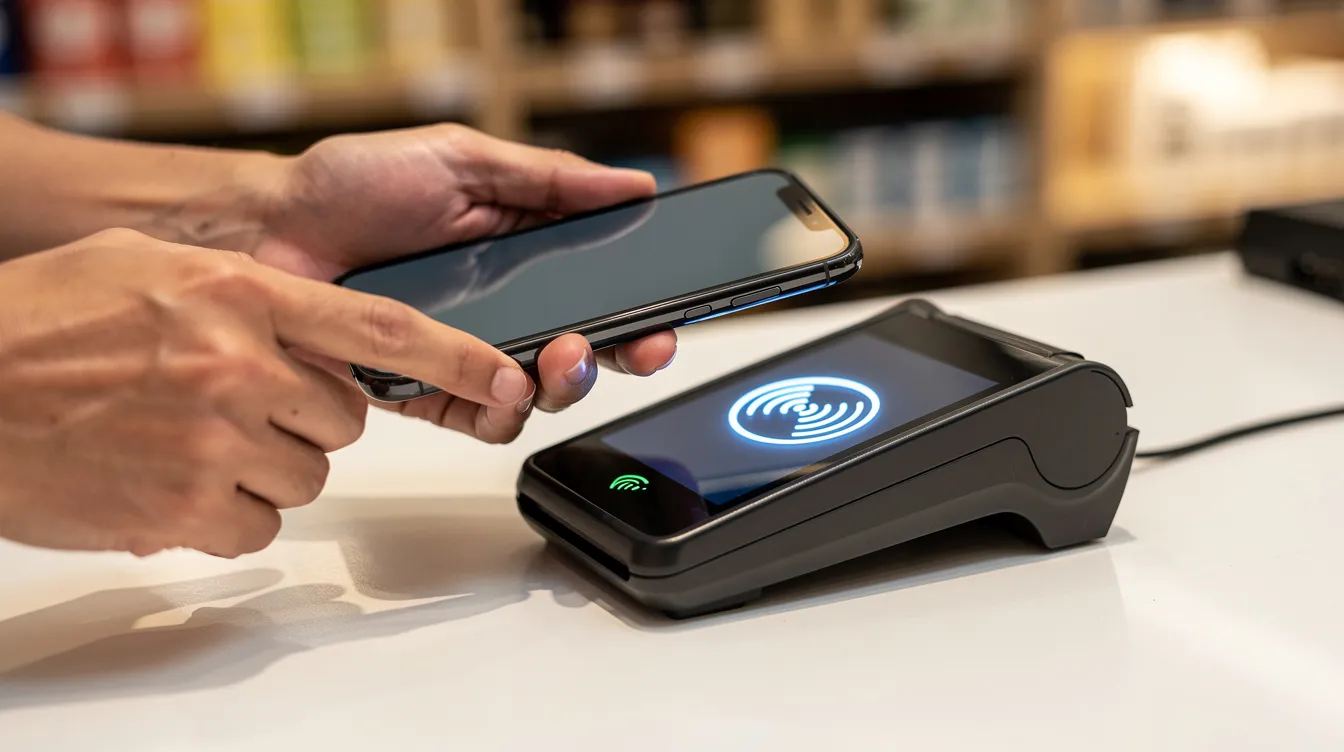
Here is how each wallet works in practice when you want to pay online or tap at a store terminal.
Online payments: deposit into your Neteller account or Skrill wallet, then pay online at checkout using your email and password or a one-time code. This keeps your card details private from the merchant - you never share raw card data.
Apple Pay and mobile wallets: in eligible regions, you can link your Net+ card or Skrill card to Apple Pay for contactless payments on iPhone and Apple Watch. Support depends on the card issuer and your country, so check before assuming it works.
Merchant acceptance: Skrill is often accepted by a broader range of general e-commerce sites, digital goods stores, and subscription services. Neteller is heavily represented in gaming, betting, and forex trading spaces. Some merchants accept both skrill neteller as payment options.
Recurring payments and subscriptions: both wallets support recurring billing where the merchant allows it, but some merchants block subscription payments via prepaid cards or wallet balances due to risk policies.
In 2026, typical examples include Skrill appearing as a payment button on digital marketplaces and subscription platforms, while Neteller features prominently in online casino cashiers and forex broker deposit pages. The Neteller app and Skrill mobile app both let you track spending via real-time transaction history and push alerts.
Both Skrill and Neteller follow strict regulatory and security standards, but you still carry responsibility for protecting your online account.
Customer funds are held in separate trusted bank accounts, segregated from company operational money. However, these balances are not covered by deposit insurance schemes like FSCS in the UK - they are e-money, not bank deposits.
Security measures include two factor authentication (2FA), device recognition, and encryption of login and payment data. Neteller and Skrill encrypt financial data to prevent fraud. Both Neteller and Skrill use 24/7 fraud monitoring teams to detect suspicious activity.
KYC and AML rules require identity verification, and both may request source-of-funds documents. Accounts can be temporarily blocked when suspicious activity is flagged - this is standard across regulated payments providers.
Safety tips: enable 2FA on every login, use strong unique passwords, avoid public Wi-Fi for paying or transferring funds, and regularly review your account activity for unknown transactions.
ACE Money Transfer operates under similar regulated frameworks. It is an FCA-licensed payment institution in the UK (FRN 506692) and uses modern security controls comparable to Skrill and Neteller for its dedicated remittance services.
The right wallet depends heavily on what you actually use it for. Here are the most common scenarios:
Poker and betting: many poker rooms and sportsbooks have long accepted skrill and neteller. Availability varies by country, and some regions have pulled back e-wallet support due to regulatory pressure. Always check the cashier page for supported wallets and local restrictions before depositing.
Bonus eligibility: some poker and betting welcome bonuses exclude deposits made via certain e wallets. Read the terms carefully - a merchant may offer a 100 % match on card deposits but nothing on wallet funding.
Cryptocurrency: both wallets offer basic crypto trading or exposure in certain EEA markets, with fees and spreads around 1.50 % for standard users. This is significantly more expensive than specialist exchanges. Even cryptocurrency trading availability varies by country, so confirm support before relying on it.
Business payments: some high-risk merchants accept Skrill or Neteller where traditional cards are declined. Fees can be higher, and accounts may face holds or restrictions in these sectors.
International remittances: While Neteller and Skrill support international money transfers, ACE Money Transfer is another option for sending funds to supported bank accounts and mobile wallets. Applicable exchange rates, transfer fees, and payout options vary by destination, payment method, and transaction details. ACE Money Transfer supports transfers across selected destinations in Asia and Africa, subject to availability. For regular family support, users can consider services based on their preferred destinations, delivery methods, and transfer requirements.
Sometimes one wallet is not enough. Here is when keeping both makes sense - and when it does not.
Skrill and Neteller accounts can coexist, helping you access more merchant sites, payment routes, or card products than a single wallet provides. A user who bets on sites that only take Neteller but shops on platforms that prefer Skrill might benefit from both.
More wallets mean more KYC checks, more passwords, more security responsibility, and greater risk of inactivity fees if accounts are left unused for long periods without activity.
Casual users usually do best with one primary wallet plus a specialist remittance app such as ACE Money Transfer for international payments, rather than juggling multiple e wallets and paying double verification overhead.
Before you decide, evaluate your country's card availability, preferred merchants, and fee levels inside each account. Check whether the limits, status tiers, and withdrawal options actually justify maintaining a second balance.
After weighing every angle, the neteller vs skrill answer comes down to how you spend and where you live.
There is no universal "best" wallet. The right choice depends on your country, currencies you use, preferred merchants, need for prepaid cards, and how often you withdraw or convert currencies.
Choose Skrill if you are a newcomer, casual bettor, or general online shopper looking for an e-wallet for online payments, with applicable fees and features depending on the transaction and service used.
Choose Neteller if you are an experienced trader, frequent gamer, or high-volume customer who can reach Neteller VIP levels and values linked prepaid cards and potentially higher acceptance at certain gaming and forex sites.
For cross-border family support, salary remittances, or regular international money transfers, ACE Money Transfer is one option for sending funds across supported corridors. Applicable exchange rates, transfer fees, and delivery methods vary by destination, payment method, and transaction details. Users can review the available costs and transfer terms when setting up a transfer.
Open a low-cost ACE Money Transfer account alongside your chosen digital wallet. That way, you cover both daily online spending and efficient global transfers in 2026 - without overpaying on either front.

Disclaimer: This article is intended for general informational and educational purposes only and should not be construed as legal, regulatory, tax, business, or financial advice. While reasonable efforts have been made to ensure that all facts, figures, and data are accurate and valid as of the date of publication, no warranty or guarantee is given as to the ongoing completeness, accuracy, or currency of the information.
The content is based on information available at the time of publication. Regulations, government policies, market conditions, and service offerings may change over time and vary across jurisdictions and providers. As a result, some information may no longer be current or applicable. Readers should independently verify all information and consult qualified professional advisors before making any financial, legal, or business decisions.