
ACE Money Transfer
ACE Money Transfer

21 Jan 2025
Poland is more affordable than much of Western Europe, but not every Polish city costs the same. Housing rent in eastern and central cities can be 30% to 50% cheaper than in Warsaw, and daily expenses follow the same pattern. This guide uses 2026 rental and everyday cost data to rank the cheapest cities in Poland for long-term living.
Below is the fast answer. Each city is listed with its core advantage for budget-conscious residents. All prices are based on 2026 rental data and real offers, not tourist-season estimates.
Bydgoszcz – one-bedroom apartments available for about 850 zlotys; among the lowest rents of any Polish city with a population above 300,000
?ód? – one-bedroom apartments for about 900 zlotys per month; the cheapest property prices per square meter among provincial capitals (~8,020 PLN/m²)
Bia?ystok – one-bedroom apartments for approximately 950 zlotys; local farms and markets keep food prices low
Kielce – studios from ~1,571 z?; a quiet city with proximity to the ?wi?tokrzyskie Mountains
Lublin – the largest academic hub in eastern Poland, with one-bedroom centre rents starting around 1,500 z?
Rzeszów – buying and renting both run ~30–40% cheaper than Warsaw; three-bedroom apartments available for less than 1,700 zlotys
Toru? – studios from ~1,700 z?; strong student infrastructure keeps dining and services competitive
Olsztyn – located in the Warmian-Masurian Voivodeship, surrounded by lakes, with affordable rents and cheap outdoor recreation
Zielona Góra – median property price ~8,633 z?/m², in the lowest group of any regional capital
Opole – a small, quiet Silesian Voivodeship capital with low rent and limited but sufficient amenities
Smaller and mid-sized cities offer lower rent and everyday costs than major cities like Warsaw, Krakow, Gda?sk, and Wroc?aw. Low housing costs are one of the clearest advantages for living in Polish regional cities, often 20–40% cheaper overall. This article covers long-term cost of life (rent, food, transport), not short weekend tourist prices.
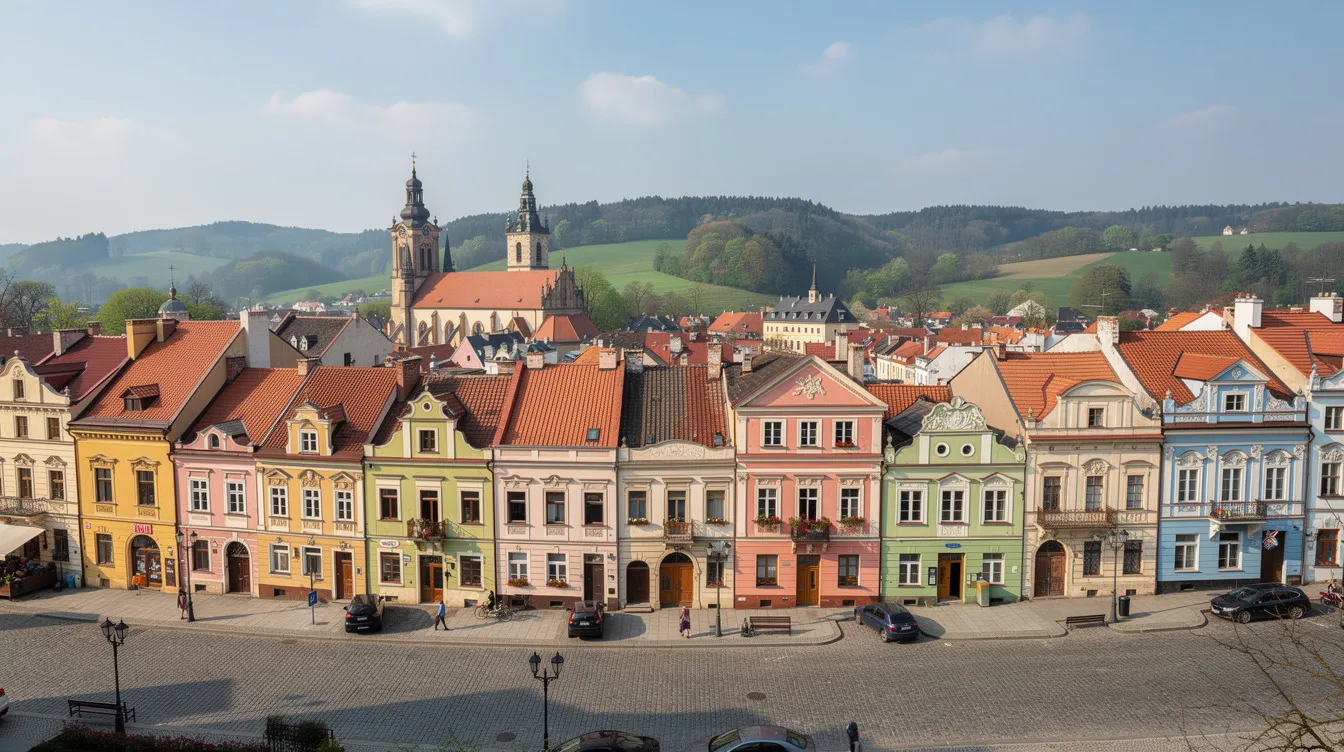
The data here spans 2025–2026 and draws from property portals (Otodom, OLX, Gratka, Domiporta), public cost-of-living aggregators, and government statistics. Estimated monthly living expenses include rent, utilities, groceries, and transport. We compared one-bedroom apartment rents in the city centre and outskirts, rooms in shared flats, public transport passes, typical grocery baskets, and restaurant meals.
"Cheapest" does not automatically mean "best." The cost of living in Poland varies between major economic hubs and smaller regional cities. A capital like Warsaw attracts higher salaries but demands higher spending. Regional capitals (Kielce, Bia?ystok, Olsztyn) sit in the middle. Small towns in eastern Poland or rural areas can be cheaper still, but come with fewer services. Each section below pairs prices with trade-offs so you can plan around your own priorities.
Kielce is one of the cheapest provincial capitals in the country. As of mid-2026, the average offer rent across all apartment types is ~1,794 z?/month. Studios average ~1,571 z?. A two-room apartment on the outskirts (Bia?ogon, Dyminy) runs ~1,700–1,800 z?; in the city centre near Sienkiewicza Street, the same layout costs closer to 2,300 z?.
Utilities and internet for medium-sized apartments can range from PLN 700 to 1,100 per month, which is a common extra cost across Polish cities. A realistic monthly budget for one person in Kielce looks like this:
| Category | Approximate cost (z?) |
|---|---|
| Rent (1-bedroom, centre) | 2,600 |
| Utilities + admin fees | 900 |
| Groceries + eating out | 1,200–1,400 |
| Bus pass | 110–150 |
| Total | ~5,300 |
Dining is cheap. Milk bars (bary mleczne) serve a full meal for 15–25 z?, and student canteens cluster around the local universities. Restaurants on Sienkiewicza Street run affordable lunch menus during the week.
Kielce connects to Warsaw and Krakow by train, though ride times are longer than between major cities. The bus network covers most districts. Pros: proximity to the ?wi?tokrzyskie Mountains, a calm atmosphere, family-friendly environment. The main con is a smaller job market in IT and finance compared with Warsaw or Wroc?aw.
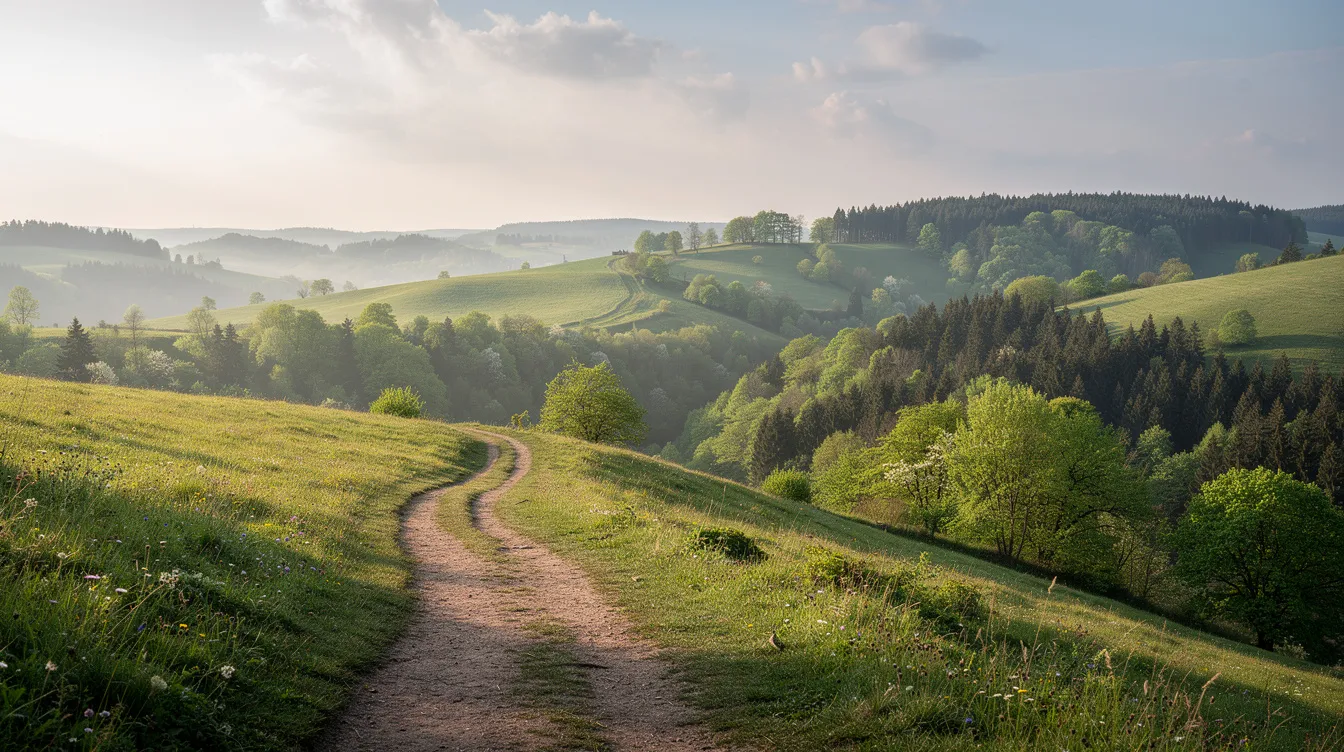
Bia?ystok sits in the Podlasie region near the borders with Belarus and Lithuania. It is one of the most affordable cities in eastern Poland, and its multicultural heritage gives it a character distinct from western Polish cities.
Bia?ystok offers one-bedroom apartments for approximately 950 zlotys. A studio near the centre runs around the same range, while rooms in shared flats drop below 700 z?. A cheap lunch menu at a local restaurant costs 20–30 z?, and you can eat even cheaper at student canteens tied to the University of Bia?ystok and Bia?ystok University of Technology.
Groceries and fresh produce are often cheaper than in western Poland because locals buy directly from nearby farms and open-air markets. A monthly bus pass costs about 130–150 z?. A one-way train ticket to Warsaw runs 50–90 z? depending on dates and operator, with a travel time of roughly 2.5–3 hours.
The city is green, quiet, and suited to remote workers or students on a strict budget. The expat community is smaller than in Warsaw or Krakow, and English is less common in everyday shops. Salaries in many sectors are also lower, so the low cost should be weighed against local earning potential if you plan to work for a Polish employer.
Lublin is a historical city in eastern Poland with five universities, making it the largest academic hub in the region. Colleges and universities in Polish cities help establish competitive pricing for everyday expenses, and Lublin is a clear example: a dense student population keeps rents, food, and services cheaper than Warsaw or Krakow.
Rent for a room in a student flat near Maria Curie-Sk?odowska University starts at ~700–900 z?. A one-bedroom apartment in the centre ranges from 1,500 to 2,100 z? as of early 2026. For a working professional who wants a two-bedroom, expect 2,500–3,400 z? depending on the district and building age.
Cheap food is everywhere. The Old Town has pierogi bars where a full plate costs 18–25 z?. Campus canteens serve a soup-and-main-dish meal for under 20 z?. A basic weekly grocery basket (bread, milk, eggs, seasonal vegetables, meat) runs about 150–200 z?.
A city bus pass costs ~100–120 z? per month. Intercity connections to Warsaw take about 2.5 hours by bus or train, with tickets starting around 35–60 z?. Cultural life is strong for a mid-size city: festivals, bars, and live music venues are cheaper to visit than their equivalents in major cities. The job market leans toward education, services, and outsourcing; fewer high-level corporate roles exist here than in Poland's biggest cities.
Rzeszów is the capital of the Podkarpackie voivodeship, a growing regional hub that remains cheaper than most western Polish cities. In Rzeszów, three-bedroom apartments are available for less than 1,700 zlotys. A one-bedroom in the city centre costs ~2,000–2,600 z?, while suburban districts bring that figure down to ~1,600–1,900 z?. By comparison, an equivalent flat in Krakow would cost roughly 34% more per square meter based on 2026 transaction data.
A monthly bus pass runs about 90–110 z?. A gym membership costs 80–120 z?, and a cinema ticket 25–30 z?. Hearty Polish food at a local bar or canteen is a highlight: a full lunch with soup and a main dish for 20–28 z? is common.
For families and remote workers, Rzeszów offers a calm, secure environment with easy access to the Bieszczady Mountains. Large flats at modest prices are easier to find here than in any of the major cities. Rzeszów-Jasionka airport offers some budget routes to London, Dublin, and a few other European destinations, but the selection is much smaller than at Warsaw Chopin or Gda?sk Lech Wa??sa. English usage is less widespread than in big tourist centres; Polish basics help in shops and local services.
Olsztyn is the capital of the Warmian-Masurian Voivodeship, a city of around 170,000 people surrounded by lakes and dense forest. For nature lovers on a budget, it is hard to miss.
A one-bedroom apartment in a lakeside neighbourhood runs ~1,800–2,200 z?. More typical residential districts (Jaroty, Nagórki) bring rent closer to 1,500–1,800 z?. A room in a shared flat for students costs 600–900 z?. The outdoor life here is cheap: public lakeside beaches are free, kayak rental costs 30–50 z? per hour, and biking trails extend for tens of kilometers without an entry fee.
A monthly bus pass in Olsztyn costs ~90–110 z?. Trains to Gda?sk take about 2.5 hours; trains to Warsaw about 3 hours, with tickets ranging from 50 to 100 z? depending on booking date and operator. During the tourist season in August, short-term accommodation and restaurant prices rise, but long-term rent stays stable throughout the year. Hotels and hostels fill up in summer, though that has no effect on residents with a signed lease.
Olsztyn suits remote workers, families, and students who want a Polish city that feels like a national park's front yard rather than an intense urban centre.
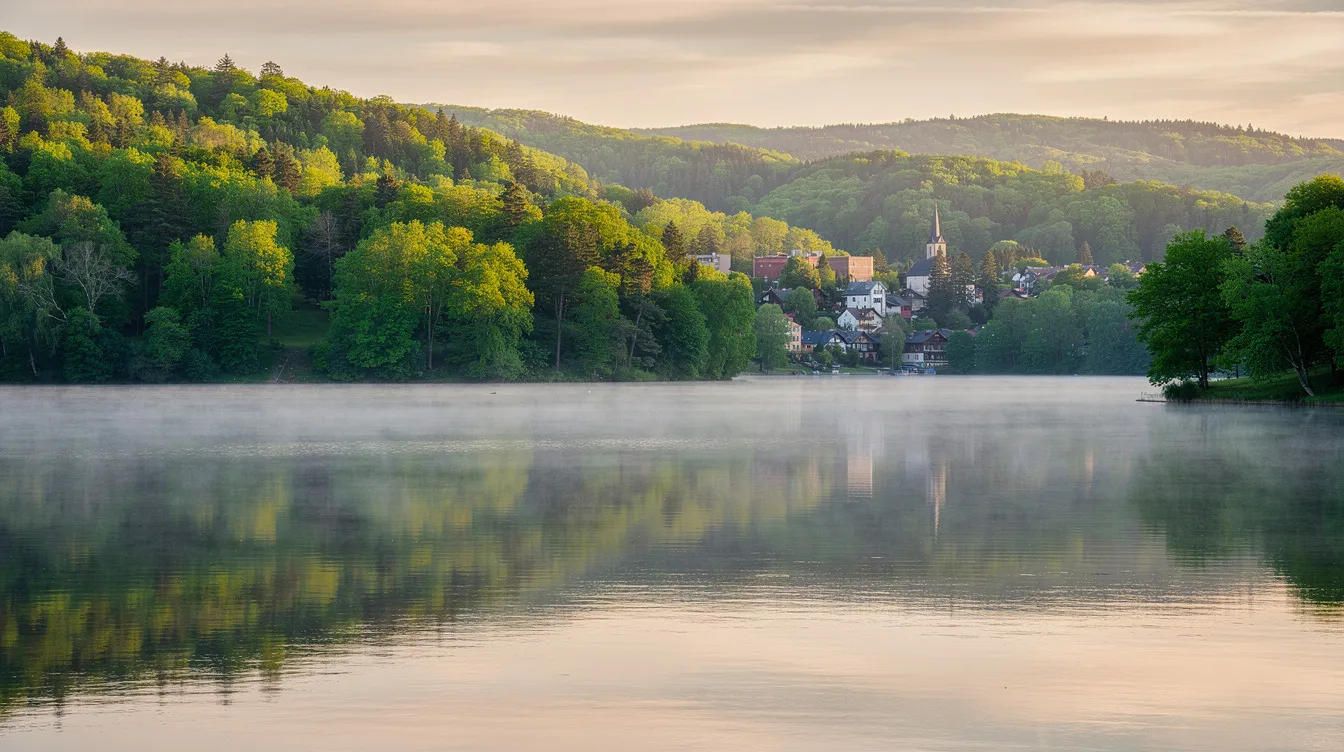
Bydgoszcz and Toru? are located about 45 km apart in the Kuyavia-Pomerania voivodeship. Together they form a two-city region with a shared housing and job catchment. Both are cheaper than Gda?sk, Pozna?, or any of the major cities in Poland's west.
Bydgoszcz has one-bedroom apartments costing around 850 zlotys, placing it among the cheapest cities in the country. Average rent in cities like Bia?ystok and Bydgoszcz is lower than in major urban centers. Bydgoszcz is known for its low commercial and leisure costs compared to nearby cities. In Toru?, studios start around 1,700 z? and two-room apartments run 1,900–2,200 z? in most districts. The Old Town in Toru?, called a UNESCO World Heritage site, pushes rents higher in that specific area; head to Rubinkowo or Mokre for savings.
Commuting between the two cities takes about 30–40 minutes by train, with a one-way ticket costing 12–18 z?. This makes it practical to live in cheaper Bydgoszcz and work or study in Toru?. Student discounts are widely available, and local eateries serve full lunches for 18–28 z?. In August, when students return, demand for rooms and small flats spikes in both towns, so signing a lease before that period saves money.
This region is a good compromise: not a small town, but markedly cheaper than Warsaw or Krakow.
Beyond regional capitals, many small towns in Poland are even cheaper for rent and daily life. A few to discover:
Zielona Góra – median property price ~8,633 z?/m²; quiet, wine-producing region in western Poland
Opole – compact, walkable capital of the Opolskie voivodeship; low rent, limited but sufficient services
Radom – large town south of Warsaw with rents well below the capital despite relative proximity
Elbl?g – near the coast and the Vistula Lagoon; rents under 1,500 z? for a one-bedroom
Tarnów – in Ma?opolska, cheaper than Krakow with a well-preserved Old Town
In the Polish context, "small towns" typically means a population of 20,000–80,000. Services, restaurants, and entertainment options scale down with size. Houses and plots of land in villages around these towns can cost well below 500,000 z?, a fraction of prices in any major city. Agroturystyka (farm stays) in rural areas offers beds for as low as 10 euros per night, marking these regions as attractive for those exploring before committing. Dorm beds in hostels can be booked for PLN 25–35, and a double room costs PLN 120–150 across many of these locations.
Trade-offs exist: fewer jobs, less English spoken, and limited public transport in the evenings and on weekends. This article focuses on realistic long-term options, not only fancy tourist resorts.
Major metropolitan areas like Warsaw, Kraków, and Gda?sk command higher living expenses. The numbers make the gap concrete.
| City | 1-bedroom rent (centre, z?) | Estimated monthly total (1 person, z?) |
|---|---|---|
| Warsaw | ~1,900 | ~7,350 |
| Kraków | ~1,350 (1-bed); avg all types ~3,273 | ~6,000–6,500 |
| Wroc?aw | ~1,700 | ~6,000–6,500 |
| ?ód? | ~900 | ~4,500–5,000 |
| Bydgoszcz | ~850 | ~4,200–4,800 |
Monthly living costs in Warsaw start around 7,350 zlotys for one person. In ?ód?, a one-bedroom apartment costs about 900 zlotys per month. In Wroclaw, a one-bedroom apartment averages 1,700 zlotys. Average rent in Krakow is about 3,273 zlotys per month across all apartment sizes, though a one-bedroom specifically averages about 1,350 zlotys. Groceries and transport add to monthly living costs in Poland regardless of city, but restaurant meals, coffee, and leisure activities cost 15–30% less in regional centres than in Warsaw or Gda?sk.
Salaries in major cities are usually higher, partially offsetting the cost. Remote workers earning foreign income or a Warsaw-level salary benefit most from living in a cheaper city. Satellite towns around major cities can serve as a middle ground, combining job access with lower rent. Living costs in Poland start at 6,225 zlotys monthly in affordable cities, and budgets for the most affordable cities can begin around 3,200 to 3,450 PLN if you share a flat and keep spending tight.
Even within the same city, prices vary by district, building age, and search strategy. Poland has a compact, walkable footprint in cities, reducing public transportation expenses and making slightly off-centre districts practical to live in.
Online portals: Otodom.pl, OLX.pl, and Gratka.pl are the most popular housing platforms. Gratka.pl allows tracking housing locations on an interactive map, which helps identify cheaper districts visually. Nieruchomosci-online.pl has over 270,000 real estate listings and is worth checking for less competitive offers.
Facebook groups: Locals often post rooms and apartments in city-specific groups before listing on portals. Search for phrases like "pokoje do wynaj?cia Lublin" or "wynajem mieszkania Bydgoszcz." Owners who post directly in Facebook groups often skip agency fees, saving you one month's rent.
Shared flats vs. full apartment: Renting a room in a shared flat instead of a whole apartment saves 500–1,000 z? per month in most cities. This is especially efficient for students and short-term residents.
Offline options: In small towns, check notice boards near universities or supermarkets. These offline offers are sometimes cheaper because they attract fewer competing applicants.
Scam rules: Never send a deposit before viewing the apartment in person. Always sign a written contract. Verify ownership when possible. Airbnb had over 9,600 listings in Warsaw in February 2024, and while most are legitimate, couchsurfing is popular in big Polish cities as a free alternative for short visits while you search for permanent housing.
Cost of life is not just about rent. Smart daily choices make any Polish city feel cheaper. Dining out costs are generally lower in Poland compared to Western Europe, and local grocery prices and everyday items are relatively consistent nationwide.
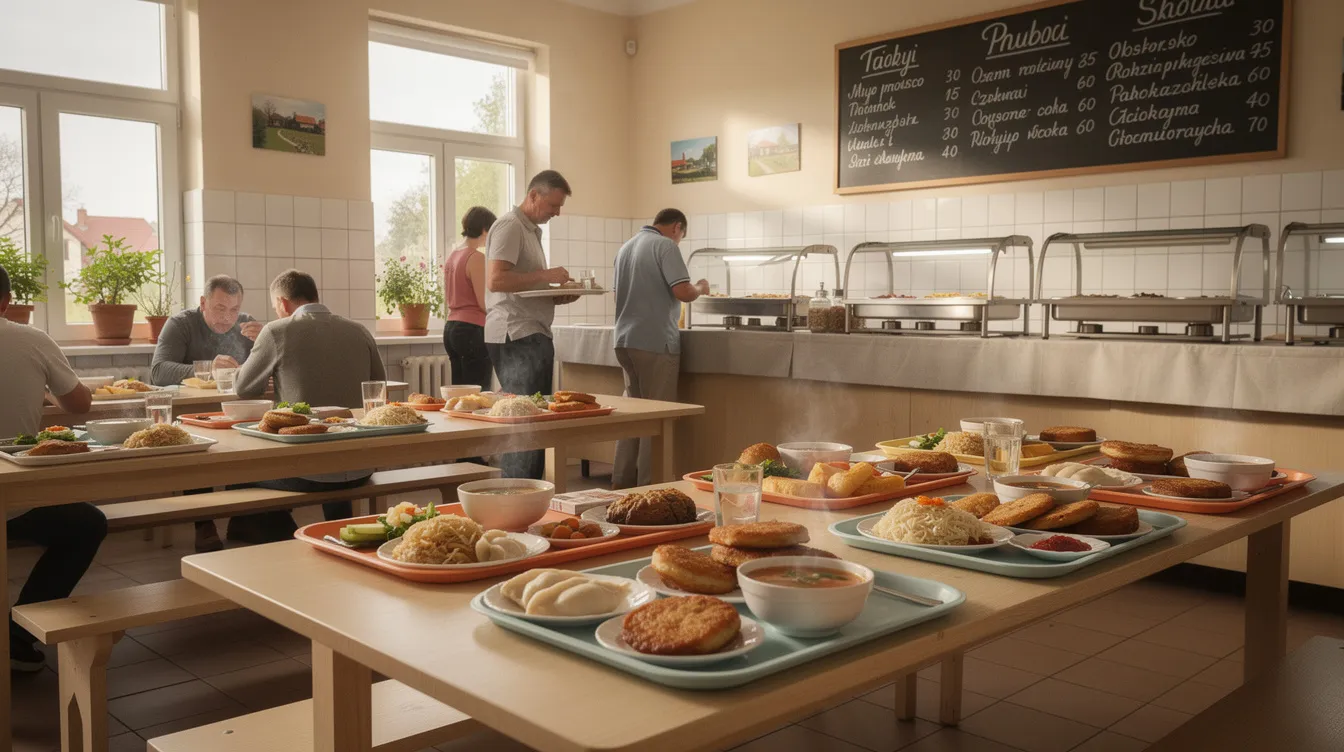
Food: Bary mleczne (milk bars) are subsidized canteens established decades ago that still serve full meals for 15–25 z?. A soup and main dish at a student cafeteria costs 12–20 z?. For groceries, discount chains (Biedronka, Lidl, Netto) and open-air markets keep staples cheap: a loaf of bread runs 4–7 z?, a liter of milk 3–5 z?, and seasonal vegetables from market stalls cost half of supermarket prices.
Transport: Public transport costs are generally affordable in Poland, with monthly passes costing around 100 to 180 PLN depending on the city. Students and seniors qualify for 50% discounts in most municipalities. Biking is a realistic substitute for a bus pass in flat cities like ?ód?, Bydgoszcz, or Wroc?aw, and many Polish cities now have public bike-sharing systems. Combining a train or bus with biking is a cheap way to spend a day trip to nearby villages or nature spots without owning a car.
Leisure: City parks, riverside walks, and public events are free. Many museums offer free entry one day per week. Nightlife in smaller cities costs less than in touristy areas of Krakow or Warsaw; a beer at a local pub runs 8–14 z? vs. 16–22 z? in a fancy spot on Warsaw's Nowy ?wiat.
The "best" cheap city depends on your situation. A student, a remote worker, and a family with school-age children will each prioritize different things.
Who benefits most:
Remote workers earning foreign income or Warsaw-level pay. Remote workers often benefit from high local purchasing power and low living costs in Poland.
Students attending regional universities, where rent and food costs stay low
Digital nomads looking for a European base that costs a fraction of Berlin or Amsterdam
Retirees or anyone seeking a quiet life with access to nature rather than big-city intensity
Potential downsides:
Fewer international schools and smaller expat communities than in Warsaw or Krakow
Narrower cultural and entertainment offerings; reviews of nightlife and dining options in small towns reflect this
Some very cheap small towns may lack specialist medical services, requiring occasional trips to a larger city by train or bus
Job markets in finance, tech, and corporate roles are thinner outside the major cities
Poland offers a variety of budget-friendly cities that provide good public infrastructure and amenities. The distance between regional capitals is manageable by train, so living in one cheap city does not mean isolation from the rest of the country.
Finally, visit your shortlisted cities before committing. Even a weekend trip will reveal the local atmosphere, real prices in shops, and whether the location fits your world. Poland's range of affordable options, from compact regional capitals to tiny lakeside towns, means most people can discover a place that matches both their budget and their daily life. The money you save on rent each month can go toward travel, savings, or simply a more comfortable existence in one of Europe's most underrated countries.