ACE Money Transfer
ACE Money Transfer
23 Oct 2026
Indian Overseas Bank (IOB), founded in 1937 and nationalised in 1969, operates a broad network of domestic branches and foreign correspondents that support international money transfer via SWIFT. Every IOB branch that handles foreign exchange is assigned a unique SWIFT code following the IOBAINBBxxx format, where the last three digits identify the specific branch. Key branches include the Chennai head office, Bengaluru (Gandhinagar-Srisailam Main Road), Kolkata, Mumbai (Fort), and regional offices across India.
IOB is a popular bank among NRIs and overseas Indians who regularly receive remittances into an Indian Overseas Bank account. The bank processes both trade and non-trade inward remittances, converting foreign currency at its TT buy or card rate. Traditional SWIFT-based wire transfers through Indian Overseas Bank may involve processing times that vary by destination, intermediary banks, and compliance checks. Intermediary bank charges and exchange-rate margins may also affect the final amount received. Check IOB’s official remittance information for details.
This article covers the details you need to send money to or receive funds in an Indian Overseas Bank account from abroad:
What SWIFT codes are and how IOB's code structure works
Specific SWIFT code examples for major IOB branches
Step-by-step process for sending money via SWIFT and via ACE Money Transfer
Fee breakdowns, processing times, and practical safety tips
Frequently asked questions about Indian Overseas Bank international transfers

SWIFT codes identify specific banks for international payments. Every bank that participates in the SWIFT network is assigned a Bank Identifier Code (BIC), and this code is what directs your funds to the correct bank and branch when you send money across borders. Without the right SWIFT code, an international wire transfer cannot reach its destination.
SWIFT codes are 8 to 11 characters long. The first eight characters are always present; the final three are optional and refer to a specific branch. When the last three characters are "XXX" or absent, the code refers to the bank's primary office. Here is how a typical Indian Overseas Bank SWIFT code breaks down:
Bank Code (IOBA) = Indian Overseas Bank
Country Code (IN) = India
Location Code (BB) = city or head office
Branch Code (e.g., 001, 011, 085) = specific branch
So when you see IOBAINBB011, it refers to Indian Overseas Bank, in India, at a specific branch identified by "011." SWIFT codes ensure secure international money transfers between banks by routing funds through verified, authenticated channels.
Here are concrete SWIFT code examples for Indian Overseas Bank branches across India:
IOBAINBB001; this SWIFT code identifies a specific branch in Chennai, associated with the head office or a main Chennai branch
IOBAINBB004; Alappuzha, Kerala branch
IOBAINBB011; Bengaluru / Bangalore, Gandhinagar-Srisailam Main Road branch
IOBAINBB013; Kolkata metropolitan area branch
IOBAINBB014; Fort area, Mumbai branch
IOBAINBB085; this is the SWIFT code for a branch in Virudhunagar
IOBAINBB207; Lucknow regional office or branch
Each code maps to a distinct Indian Overseas Bank branch. If the sender enters an incorrect SWIFT code, the transfer may be delayed, rejected, or routed incorrectly, and additional charges may apply. Always verify the SWIFT code using the recipient’s cheque book, passbook, or directly with the recipient’s bank.
For any international transfer to an Indian Overseas Bank account, the sender needs four pieces of information: the IOB SWIFT code, the recipient's full name as registered with the bank, the Indian bank account number, and the branch name and address. Missing or incorrect details in any of these fields cause problems at every stage of the transfer chain.
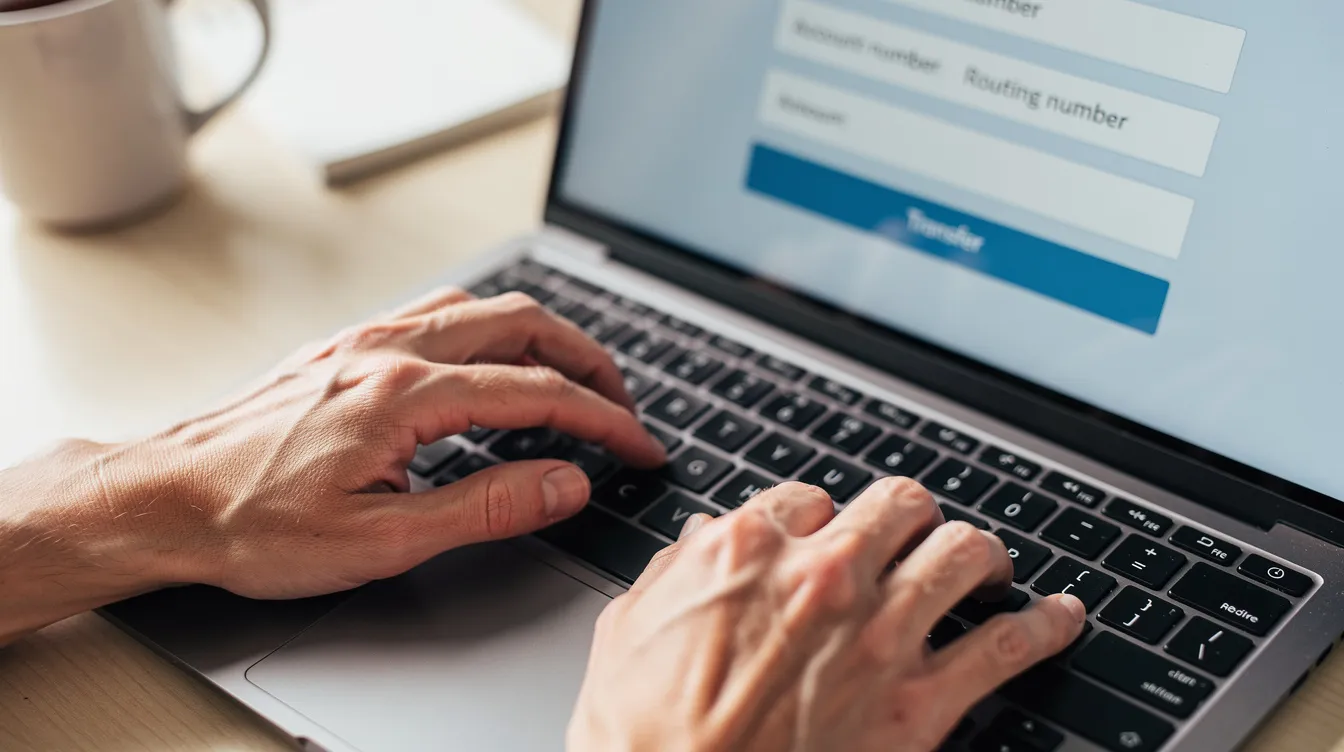
Users who want to send money to an Indian Overseas Bank account in India can use a traditional SWIFT transfer through their overseas bank or explore online remittance services such as ACE Money Transfer. Fees, exchange rates, transfer methods, and delivery times vary by provider and destination. Check the applicable terms before sending. The process, fees, and timeline differ between these routes.
Sending via a foreign bank using SWIFT. Here is the typical process for international wire transfers from US banks, European banks, or banks in the Middle East:
Visit or log in to your overseas bank's online portal or branch.
Provide the Indian Overseas Bank recipient details: full name, bank account number, branch name and address, and the correct SWIFT code (e.g., IOBAINBBxxx). The branch code portion of the SWIFT code must match the recipient's exact branch.
Enter the transfer amount and select the currency. Common corridors include USD, GBP, and EUR to INR.
The bank may route funds through intermediary correspondent banks, which adds both time and fees. Each intermediary can deduct a handling charge before forwarding the funds.
A flat SWIFT message fee often applies to international transfers, charged by the sending bank.
Transfers usually complete in 1 to 5 working days depending on the country, time zone differences, and compliance checks. Processing time for remittances generally takes 3 to 4 business days.
Fees and charges to expect. Multiple cost layers can reduce the amount your recipient receives:
Outgoing transfer fee from the sending bank (varies by bank and country).
Intermediary bank charges may apply to SWIFT transfers and can affect the final amount received, depending on the banks and transfer arrangements involved.
Receiving charges at Indian Overseas Bank for certain inward remittances. Inward remittance charges at Indian Overseas Bank (IOB) may vary depending on the remittance type and applicable service charges. Check IOB’s latest official Schedule of Charges before publishing specific fee amounts. For non-trade amounts above USD 50,000, the charge rises to ?1,000. Trade inward remittances are charged at 0.10% of the amount, with a minimum of ?500 and a maximum of ?2,500. Incoming international wire transfers to IOB NRI accounts typically do not incur a fee.
Mark-up on exchange rate versus the mid-market rate, applied by both the sending bank and IOB.
If you need to send money from India outward, the process is different. Indian Overseas Bank handles international transfers primarily through outward remittances. Residents must visit an authorized IOB branch to initiate outward remittance transactions. A filled-out outward remittance application form is typically required, along with Form A2, which is the standard declaration form required for outward remittances under FEMA. IOB requires clear identification of the purpose of the remittance before processing. Supporting documents may include purpose-specific evidence like university invoices or medical bills. A PAN card is mandatory for most foreign remittances under Indian regulations. Under the RBI’s Liberalised Remittance Scheme (LRS), eligible Indian residents can remit up to USD 250,000 per financial year, subject to applicable conditions. The RBI Master Direction was updated on 6 September 2024. Outward remittance fees vary by bank and transaction. Check the bank’s latest official schedule of charges for current fees.
Transfer limits and documentation may change depending on the purpose of remittance and current regulations. Outward remittance applications usually require compliance with documentation and regulatory verification.
Safety checklist before sending:
Always confirm the exact SWIFT code and Indian Overseas Bank account number with the beneficiary. Ask them to check their passbook or contact their branch.
Check transfer tracking options and reference numbers. IOB offers a "Tracking Your Remittance" service that requires the date, currency, amount, remitter bank SWIFT, and beneficiary account number.
For time-sensitive payments (tuition, hospital bills), initiate transfers several days in advance to account for possible delays.
The process at other popular banks in India (SBI, HDFC, ICICI) follows a similar pattern; the sender always needs the correct bank name, SWIFT code, and account number. The steps described here apply broadly, but the focus of this guide remains on Indian Overseas Bank.
ACE Money Transfer is an online remittance service that allows customers abroad to send money to eligible Indian Overseas Bank accounts, subject to availability. The platform displays the applicable transfer fee, exchange rate, and estimated INR amount before confirmation. Exchange rates fluctuate and the rate you receive may differ from any rates quoted. Always check the live rate at acemoneytransfer.com before sending.
Here is how to send money to an Indian Overseas Bank account using ACE Money Transfer:
Register or log in using email, Google, or Apple ID. Complete online KYC to transfer money internationally; this is a one-time step for new users.
Choose your sending country and select India as the destination.
Select a payout method: bank deposit to an Indian Overseas Bank account, mobile wallet credit (where supported), or cash pickup at partner locations in India.
Enter the recipient details including full name, Indian Overseas Bank account number, and (if required) IFSC or SWIFT code. You can also use the Sliq pay app for seamless international transfers or link your US bank account for international money transfers.
Pay using a debit card, credit card, or online bank transfer from the sending country.
Add a payment reason and confirm the final amount in INR, fees, and expected delivery time before clicking "Pay Now."
Track your transaction in real time using the reference tracking number provided.
ACE Money Transfer Limited is authorised by the UK Financial Conduct Authority (FCA) as an Authorised Payment Institution (FRN 506692). Transfer routes and delivery times depend on the payment method, destination, and verification requirements. Rates and fees may vary. Visit acemoneytransfer.com for current rates. Verify ACE’s authorisation on the FCA Financial Services Register.
Three payout methods are available when the recipient uses Indian Overseas Bank:
Bank Deposit: Direct credit to the beneficiary's Indian Overseas Bank account in INR. The recipient does not need to visit a branch; funds appear in their account.
Cash Pickup: The beneficiary collects cash at designated partner bank branches or payout counters. They must bring valid ID and the reference number.
Mobile Wallet: For recipients with supported Indian mobile wallets, funds can be added directly to the wallet for everyday payments.
How does ACE compare with classic SWIFT transfers? The differences are concrete:
Speed: Delivery times vary depending on the destination, payment method, and verification requirements. Rates and fees may vary. Visit acemoneytransfer.com for current rates.
SWIFT transfers to Indian Overseas Bank take 1 to 5 business days, with 3 to 4 days being typical.
Pricing: ACE displays the applicable transfer fee and exchange rate before confirmation. SWIFT transfers may involve a sending bank fee, intermediary bank deductions, and Indian Overseas Bank’s applicable receiving charges. Total costs depend on the banks and transfer arrangements involved.
Convenience: The entire Ace process runs online or via app. SWIFT transfers from some overseas banks still require a branch visit or phone call.
Tracking: Ace provides real-time status updates with a single reference number. SWIFT tracking across multiple correspondent banks is fragmented.
To save yourself from errors and delays, regardless of which method you choose:
Double-check the recipient's Indian Overseas Bank account number and bank name before submitting.
Keep the ACE Money Transfer tracking number until the recipient confirms credit.
Use secure devices and networks when logging in and paying by card or bank transfer.
Below are answers to frequently asked questions about Indian Overseas Bank international money transfers, SWIFT codes, and using services like ACE Money Transfer.
What is the main SWIFT code format for Indian Overseas Bank, and how do I find my branch's specific code?
The SWIFT code format includes a bank code, country code, location code, and branch code. For Indian Overseas Bank, the base code is IOBAINBB. The last three digits change per branch; for example, IOBAINBB001 refers to Chennai, and IOBAINBB011 refers to Bengaluru. To find your branch's code, search your passbook, cheque book, or call your branch directly. SWIFT codes are 8 to 11 characters long; if the code is only 8 characters, it refers to the bank's primary office.
Do I always need a SWIFT code to receive money into my Indian Overseas Bank account, or is IFSC enough for domestic transfers?
SWIFT codes are required only for international transfers. For domestic transfers within India, the IFSC code is what banks use to route funds through NEFT, RTGS, or IMPS. If someone abroad is sending money to your Indian bank account, they need the SWIFT code, not the IFSC.
How long does an international wire to Indian Overseas Bank usually take when sent via a foreign bank?
Processing time for most SWIFT-based international wire transfers to Indian Overseas Bank is 3 to 4 business days. In some cases, it can stretch to 5 business days if intermediary banks are involved or compliance checks are triggered. Transfers sent on weekends or Indian public holidays will not begin processing until the next business day.
What details does the sender need to send money from overseas to my Indian Overseas Bank account?
The sender needs: your full name (exactly as registered with the bank), your Indian Overseas Bank account number, the branch name and address, and the correct SWIFT code for that specific branch. In some cases, the sender's bank may also ask for the purpose of the transfer and the recipient's address in India.
Are there limits on how much I can receive from abroad into an Indian Overseas Bank account under RBI rules?
There is no cap on how much you can receive as an inward remittance into your Indian Overseas Bank account, though large amounts (especially trade-related) may require additional documentation and a declared purpose code. Under the RBI’s Liberalised Remittance Scheme (LRS), eligible Indian residents can remit up to USD 250,000 per financial year, subject to applicable conditions. The RBI Master Direction was updated on 6 September 2024. RBI source.
What fees can be charged on incoming SWIFT transfers to Indian Overseas Bank, and who pays them?
IOB’s ?250 inward remittance charge requires verification against its latest official fee schedule. The below-USD 50,000 threshold remains unverified. Check IOB’s service charges before publishing. Above that threshold, the charge is ?1,000. Trade remittances incur 0.10% (min ?500, max ?2,500). The sender's bank and any intermediary banks may also deduct fees. If the sender selects the "OUR" cost option, they bear all charges; otherwise, fees are shared or deducted from the transferred amount before it reaches the recipient.
How does ACE Money Transfer differ from sending money via an overseas bank's SWIFT transfer in terms of speed, cost, and tracking?
ACE Money Transfer processes funds through licensed payment corridors, bypassing the chain of correspondent banks that SWIFT uses. Card-funded transfer delivery times vary depending on the destination and verification requirements. Rates and fees may vary. Visit acemoneytransfer.com for current rates. SWIFT wires take 3 to 5 business days. ACE shows the total cost (fee plus exchange rate) before you pay, while SWIFT transfers may involve intermediary bank charges, depending on the banks and transfer arrangements involved. ACE also provides a single reference tracking number with real-time updates.
Can I send money to Indian Overseas Bank using ACE Money Transfer from countries like the UK, Europe, North America, or the Middle East?
ACE Money Transfer supports multiple sending corridors across the world. Users in the UK, Europe, North America, and the Middle East can enter their recipient's Indian Overseas Bank account details and complete the transfer online. The available payment methods (debit card, credit card, online bank transfer) and fees vary by sending country.
What should I do if a transfer to my Indian Overseas Bank account is delayed or credited with a short amount due to intermediary charges?
Contact your IOB branch with the SWIFT reference number, remitter bank details, date, and amount. IOB's remittance tracking service can help locate the funds. If the credited amount is less than expected, ask your branch for a fee breakdown. If funds are returned due to incorrect details, a return charge of approximately USD 30 applies.
How can I verify that a SWIFT code belongs to my exact Indian Overseas Bank branch before sharing it?
Check your passbook, cheque book, or account opening documents; these typically print the branch SWIFT code. You can also call or visit your IOB branch to confirm. Do not rely solely on third-party SWIFT code directories, as they may be outdated. An 11 characters long code with the correct branch suffix is what you need for the transfer to reach the right branch.
Disclaimer: This article is intended for general informational and educational purposes only and should not be construed as legal, regulatory, tax, business, or financial advice. While reasonable efforts have been made to ensure that all facts, figures, and data are accurate and valid as of the date of publication, no warranty or guarantee is given as to the ongoing completeness, accuracy, or currency of the information.
The content is based on information available at the time of publication. Regulations, government policies, market conditions, and service offerings may change over time and vary across jurisdictions and providers. As a result, some information may no longer be current or applicable. Readers should independently verify all information and consult qualified professional advisors before making any financial, legal, or business decisions.