ACE Money Transfer
ACE Money Transfer
01 Oct 2026
HSBC and Barclays sit among the UK's Big Four retail banks. Both banks offer core personal and business banking services, from standard current accounts to premier banking tiers and wealth management. Where they diverge is global reach: HSBC focuses on international banking across Asia, Europe, and the Middle East, while Barclays is geared toward straightforward domestic banking with a strong investment banking arm in London and New York.
Here is how the two institutions compare at a glance:
Barclays was established in London in 1690. HSBC Holdings plc was founded in Hong Kong in 1865 to finance trade between China and Europe.
Barclays operates as a bulge bracket bank in the US and specializes in leveraged finance and debt capital markets. HSBC's investment bank is classified as middle-market in the US; its focus is cross-border M&A and project finance.
HSBC is expanding wealth operations in China and India. Barclays provides a strong focus on domestic digital banking features and tools.
As an employer, Barclays' first-year analyst package totals $160K to $190K (with a $110K base salary and a $10K signing bonus). HSBC's first-year analyst package totals $163K to $188K (with a $105K base salary and an $8K signing bonus). Barclays is known for a more sustainable work rhythm, while HSBC's culture is internationally minded and diverse.
Independent surveys show customer satisfaction scores vary by bank and service type.
This guide compares everyday current accounts, premier banking (HSBC Premier vs Barclays Premier), debit card fees at home and abroad, and international money transfer options.
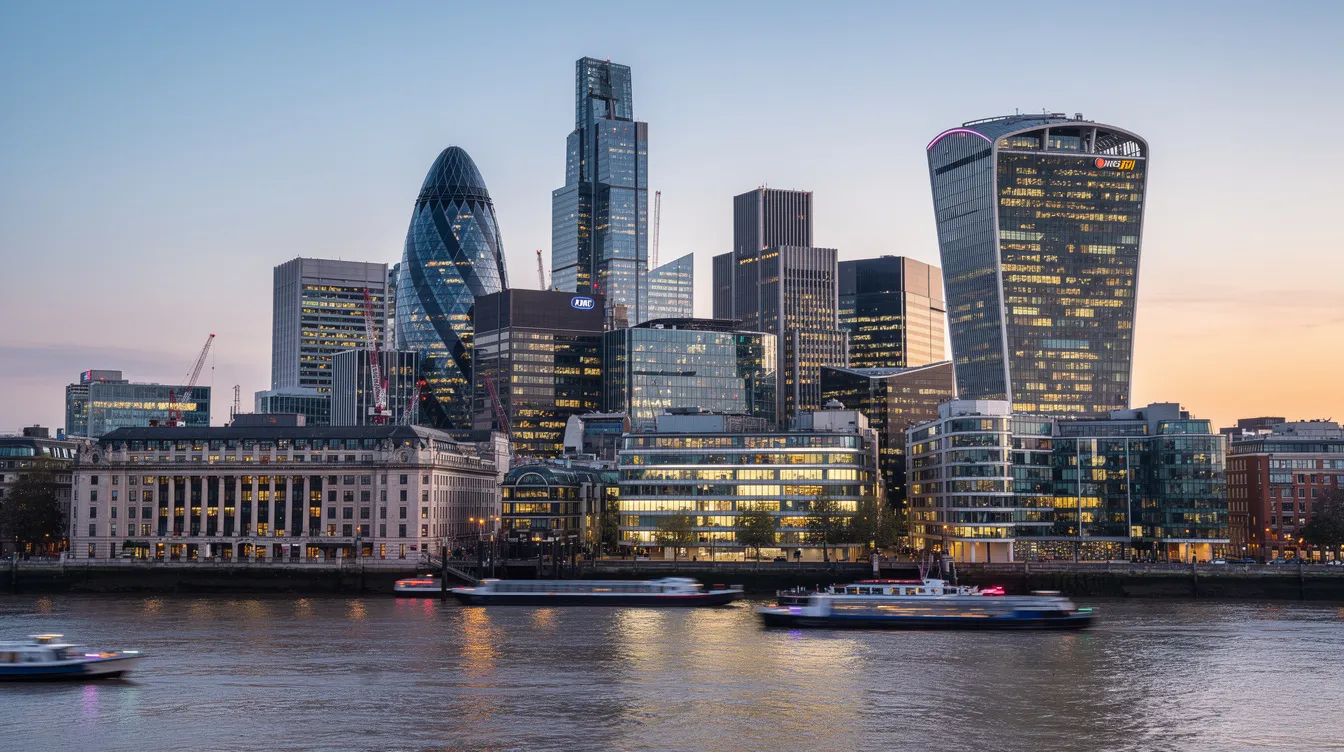
Premier banking refers to enhanced services offered to customers who meet higher income or asset thresholds. A premier account in the UK sits between a standard current account and full private banking, giving access to perks that standard accounts do not include.
Typical benefits of a premier account:
A dedicated relationship manager or financial advisor for tailored guidance
Higher overdraft, transfer, and withdrawal limits
Travel insurance (including family cover), gadget protection, and airport lounge access
Access to wealth management and investment services
Eligibility is concrete: most UK premier accounts require a gross annual income of £75,000 to £100,000, or savings and investments of £100,000 or more. Applicants need UK or EEA residency and must be aged 18 or older.
Private banking at the same institutions differs in scale. Private banking typically requires millions in assets and offers bespoke tax, estate, and investment planning with a dedicated team. Premier banking gives enhanced services at a lower threshold without the full bespoke treatment. The next sections compare HSBC Premier and Barclays Premier in depth.
HSBC Premier is HSBC's flagship premier account in the UK. It connects directly to HSBC's international network, letting customers open accounts in countries like Hong Kong, Singapore, and the UAE before relocating.
Eligibility in 2026 requires meeting one of three criteria: gross annual income of at least £100,000 paid into an HSBC Premier Bank Account; or savings and investments of at least £100,000 with HSBC UK; or already qualifying for HSBC Premier in another country. Applicants must be 18 or older and UK-resident.
Core features:
No monthly account fee for eligible customers
Access to HSBC wealth and investment services, including preferential mortgage and loan rates
HSBC offers a wide range of savings accounts including easy-access options
Global Money Account for holding balances in multiple currencies (up to 18), with no foreign transaction fees on that account
Global View links overseas HSBC accounts, allowing fund transfers of up to USD $200,000 per day
Protection and lifestyle perks include worldwide travel insurance (Aviva) with family cover, valued at roughly £530 per year for a family of four. Customers also get global emergency cash and card replacement through HSBC's international branches, plus health second opinions via Square Health. HSBC values the combined benefits at up to £1,500 per year for a qualifying family.
The HSBC Premier debit card charges 2.75% on foreign currency payments abroad. Non-Premier HSBC accounts pay an additional 2% on overseas ATM withdrawals (minimum £1.75, maximum £5). Both banks charge fees for cash withdrawals abroad.
Best suited to: expats, frequent travellers, professionals with international income or assets, and anyone who needs integrated cross-border banking.
Barclays Premier is Barclays' no-fee premier banking tier for eligible UK customers who want enhanced digital and financial services. It is free if the customer meets the qualifying criteria.
Eligibility requires gross income of at least £75,000 paid into a Barclays current account, or £100,000 or more in savings and investments held with Barclays (Investment ISAs, SIPPs, General Investment Accounts). A combination of income and balances also qualifies. UK residency and age 18 or older are required. If income or balance drops below the threshold, Barclays notifies the customer.
Key benefits:
Access to a Premier Relationship Team and tailored financial reviews
Enhanced overdraft terms and better loan and mortgage deals for qualifying customers
Avios Rewards (paid add-on at £12 per month) for collecting Avios through spending
Travel insurance or partner discounts, and occasional event access
Barclays offers a foreign currency account for international transactions
The Barclays Premier debit card is contactless with card personalisation options. Abroad, Barclays charges 2.99% on all non-sterling transactions, covering purchases, withdrawals, and refunds in foreign currency. ATM providers may add their own charges on top.
Barclays' app integrates savings, investments (via Smart Investor), real-time alerts, and budgeting tools. Compared to HSBC Premier's Global Money and Global View features, Barclays' digital tools are more focused on domestic money management and less on multi-country account linking.
Best suited to: UK-based professionals earning £75,000 or more, customers who primarily bank in GBP, and those focused on domestic rewards like Avios and cashback.
This is the core comparison for anyone asking "Barclays or HSBC?" when choosing a premier account. Both accounts charge no monthly fee if eligibility criteria are met, but the thresholds and perks differ.
Monthly fees: zero at both HSBC Premier and Barclays Premier for qualifying customers. Drop below thresholds and the account may incur charges or be moved to a standard tier.
Add-on costs: Barclays' Avios Rewards runs £12 per month (£144 per year). HSBC offers a Premier World Elite Mastercard credit card; fees depend on credit assessment and usage.
Income thresholds: Barclays Premier requires £75,000 per year; HSBC Premier requires £100,000. Both accept £100,000 or more in savings and investments as an alternative route. HSBC also accepts customers who already qualify for Premier in another country.
Travel and lifestyle perks split along predictable lines. HSBC provides global emergency cash, worldwide card replacement, health services, and the ability to open accounts in 20-plus countries. Barclays leans into Avios, UK-based event access, and domestic mortgages and credit products.
If you travel often, hold assets across borders, or plan to relocate. If your life is mostly UK-centred, you want Avios rewards, or you prefer the lower £75,000 income threshold, Barclays Premier delivers more relevant value. Career progression at either company as an employer follows parallel tracks in retail and capital markets divisions.

Not everyone qualifies for or wants premier banking. Both HSBC and Barclays offer standard current accounts with no monthly fees if account requirements are met.
HSBC's range includes the HSBC Bank Account (standard), the Advance Account, student and graduate accounts, and a basic bank account for those who don't qualify for other products. The Global Money Account sits alongside these for multi-currency use. Both HSBC and Barclays have large UK branch networks, though they have reduced branch numbers recently.
Barclays has three main current accounts available: the Barclays Bank Account (standard), Blue Rewards-linked accounts, and a basic account. Both banks provide student and graduate accounts.
Core features compared:
Mobile apps at both banks support spending categorisation, real-time notifications, and card freeze/unfreeze controls
Overdraft options are available at both, with tiered interest rates
Joint accounts, linked savings pots, and budgeting tools are standard at each bank
Reward accounts (like Blue Rewards) carry a small monthly fee but offer offsetting cashback or perks; standard accounts at both banks are free
The next sections cover debit card use abroad and international payments, which matter most for anyone comparing HSBC Barclays for travel and overseas spending.
Both HSBC and Barclays issue contactless Visa or Mastercard debit cards across all main current accounts, including premier ones. Mobile wallet support (Apple Pay, Google Pay) and in-app card controls are standard at both banks.
HSBC debit card abroad: 2.75% foreign currency payment fee on all purchases. Premier customers pay the same 2.75% on ATM withdrawals; non-Premier customers pay an additional 2% (minimum £1.75, maximum £5). HSBC's Global Money Account has no foreign transaction fees when spending from a pre-loaded currency balance.
Barclays debit card abroad: 2.99% non-sterling transaction fee on purchases, withdrawals, and refunds. ATM providers may charge extra. Dynamic Currency Conversion (where a merchant or ATM offers to charge in sterling) typically produces a worse rate.
Both HSBC and Barclays support SWIFT and SEPA international money transfers, but the cost of sending money through either bank is higher than through specialist providers.
HSBC charges a flat fee of £5 for online international transfers. Premier customers are often exempt. HSBC also applies an FX margin on the exchange rate, and receiving banks may deduct their own charges. Both banks offer free SEPA payments to EEA countries, though a conversion spread still applies for GBP-to-EUR.
Barclays claims no fees for sending overseas payments online, but the exchange rate includes a mark-up of up to 2.75%. Receiving international payments with Barclays costs £0 to £6, depending on the payment type and currency.
As an example, the overall cost of an international transfer can include an exchange-rate margin and a fixed transfer fee. The exact amount varies by provider, currency pair, transfer amount, and destination, so comparing the total cost before sending can help identify the applicable charges.
ACE Money Transfer supports international transfers to selected destinations, with receiving options such as bank deposits, cash pickup, and mobile wallets available in certain markets. Delivery times also vary depending on the destination, receiving method, and processing requirements.
For regular remittances and family support, customers can compare ACE Money Transfer with their existing bank based on transfer fees, exchange rates, delivery options, and available destinations while continuing to use their primary bank for other financial services.

The core question: is premier banking worth it when both HSBC Premier and Barclays Premier charge no monthly fee but require high income or assets?
Run a simple value check. HSBC estimates its Premier benefits at up to £1,500 per year for a family. If you use the travel insurance (worth roughly £530 alone), global emergency services, and wealth management access, the account pays for itself against buying those products separately. Barclays' Avios Rewards costs £144 per year; the break-even depends on how many Avios you collect and redeem.
For many customers, a free standard account plus separate specialist products (standalone travel insurance, ACE Money Transfer for FX, and a low-cost investment platform) gives more flexibility than bundled premier benefits. Someone working in two countries with income in multiple currencies benefits from HSBC Premier's global functions. Someone earning £80K in the UK who rarely travels gets limited value from either premier tier beyond mortgages and a relationship manager.
Even premier customers save money by routing regular international payments through ACE Money Transfer rather than relying on their bank's transfer service. The risk of overpaying on FX applies at every income level.
Both HSBC and Barclays are full range, full-service UK banks. The better choice depends on your income level, travel habits, and need for international services. Neither is objectively "better" across every category.
Choose HSBC if you prioritise global reach, cross-border banking, the ability to open accounts in Asia or Europe before relocating, and the benefits of HSBC Premier for expats and frequent travellers.
Choose Barclays if your life is mainly UK-centric, you value Avios rewards and domestic digital tools, and you prefer the lower £75,000 income threshold for premier banking.
Barclays vs HSBC comes down to whether you care more about international mobility or domestic perks. Both banks' debit card fees abroad (2.75% at HSBC, 2.99% at Barclays) and transfer mark-ups are higher than specialist apps.
Compare the latest fee schedules on the HSBC and Barclays websites, then sign up for ACE Money Transfer alongside your chosen bank. You keep a robust UK banking relationship for branches, mortgages, and everyday spending, while cutting the cost of every cross-border payment.
Disclaimer: This article is intended for general informational and educational purposes only and should not be construed as legal, regulatory, tax, business, or financial advice. While reasonable efforts have been made to ensure that all facts, figures, and data are accurate and valid as of the date of publication, no warranty or guarantee is given as to the ongoing completeness, accuracy, or currency of the information.
The content is based on information available at the time of publication. Regulations, government policies, market conditions, and service offerings may change over time and vary across jurisdictions and providers. As a result, some information may no longer be current or applicable. Readers should independently verify all information and consult qualified professional advisors before making any financial, legal, or business decisions.