ACE Money Transfer
ACE Money Transfer
08 May 2026
If you normally drive on the right, arriving in the United Kingdom, Japan, Australia, or South Africa can feel strange for the first few miles. The road signs may look familiar, but your instincts at junctions, roundabouts, and overtaking points need a quick reset.
This guide explains how many countries drive on the left, where they are, why the split exists, and what travellers should do before getting behind the wheel.
About 54 UN-recognised countries, plus several territories, use left hand traffic as of 2026. If you include places such as the Cayman Islands, Isle of Man, Gibraltar, and the Virgin Islands, the total is often counted closer to 75–78 jurisdictions, which is why different sources answer how many countries in slightly different ways.
Around 30% of the world’s countries drive on the left side of the road, with many being former British colonies. Even though that is a minority of countries, it represents roughly one-third of the global population because large nations such as India, Indonesia, Japan, Pakistan, Bangladesh, and the United Kingdom drive on the left.
By contrast, about 140+ countries drive on the right hand side, including the United States, Canada, most countries in mainland Europe, most of Latin America, South Korea, North Korea, Costa Rica, Qatar, Lebanon, Syria, Peru, Ecuador, and Venezuela. In other words, most countries use right hand traffic, but left-side systems remain common in the Commonwealth, parts of Asia, southern and eastern Africa, and many islands.
The broad pattern is easy to remember: former British colonies, many Commonwealth countries, Japan, and several island states often keep left. Other countries, especially on the European continent and in the Americas, usually drive on the right.
This section gives a region-by-region breakdown of countries that drive on the left side. These lists should be checked periodically because policies can change, though major shifts are rare, expensive, and politically difficult.
A practical warning: online datasets and old map notes can contain odd shorthand such as r south africa, r kenya, r uganda, r cyprus, l trinidad, l morocco, r lebanon, r syria, r qatar, r peru, r ecuador, or r venezuela. Do not rely on shorthand alone; check current government or travel guidance before driving.
Very few European countries use left hand traffic, which makes them notable exceptions on the continent. The main European countries and territories that drive on the left are: United Kingdom, Ireland, Cyprus, and Malta. Smaller left-side jurisdictions include the Isle of Man, the Channel Islands of Jersey and Guernsey, and Gibraltar.
Most other European countries, including France, Germany, Spain, Italy, Portugal, the Netherlands, Belgium, Switzerland, and the Nordic countries, drive on the right side. If you drive from the UK to France through the Channel Tunnel or by ferry, you must switch to the opposite side once you reach land.
Asia has the largest number of left-side traffic countries and some of the biggest populations. Key countries that drive on the left include India, Pakistan, and Japan, along with several major Asian economies.
Mainland China, South Korea, Taiwan, North Korea, and most of continental Asia use right hand traffic. That means crossing borders in Asia can sometimes require an immediate lane shift, especially around Thailand’s borders with neighbours that use a different system.
In Africa, left hand traffic is concentrated in the south and east of the continent. Countries such as South Africa, Kenya, and Uganda drive on the left side of the road.
Many large African nations drive on the right hand side, including Nigeria, Egypt, Ethiopia, Algeria, Morocco, Sierra Leone, and South Sudan. This is why a long African overland trip may involve several changes in traffic rules.
Most of Oceania follows left-side traffic because of British and Commonwealth history. Major countries in the region that drive on the left include Australia, New Zealand, and Papua New Guinea.
Other Oceanic and Pacific jurisdictions using the left side include:
A few Pacific nations, such as Vanuatu, Palau, and Micronesia, drive on the right instead. Always check before renting a vehicle, even if nearby islands seem to follow the same side.
The Caribbean and Atlantic have a cluster of left-side driving islands. In the Caribbean, several countries including Jamaica, Barbados, and Trinidad and Tobago also drive on the left.
Representative left-side Caribbean and Atlantic countries and territories include:
In mainland South America, only Guyana and Suriname drive on the left. Guyana borders Brazil, which drives on the right, while Suriname is a former Dutch colony that still uses left-side traffic. Neighbouring South American countries such as Brazil, Venezuela, Colombia, Ecuador, Peru, Argentina, Chile, and Uruguay drive on the right.
A fun fact for US travellers: the US Virgin Islands are a rare case where a US jurisdiction drives on the left, even though many cars imported from the mainland United States are left hand drive vehicles.
Today’s split between left hand traffic and right hand traffic comes from a mix of medieval habits, colonial empires, horse travel, wagon design, and 18th–19th century laws. The primary reasons for driving on the left are rooted in ancient self-defense tactics, colonial history, and practical horse-mounting habits.
Archaeological evidence suggests ancient Romans drove carts and chariots on the left, likely spreading this practice through the Roman Empire as a military standard. In ancient times, keeping to one direction also made busy roads more predictable.
In feudal and medieval societies, most people were right-handed and traveled on the left to ensure their sword arm was free for defense. In Britain, the tradition of driving on the left dates back to the Middle Ages when horse riders kept to the left to have their right hand free for defense or greeting. Right-handed riders find it easier to mount a horse from its left side, naturally encouraging them to stay on the left side of the road.
British rules gradually formalised the habit. The first statutory requirement for left-hand traffic in England was established by the London Bridge Act of 1756, which mandated that all carriages pass on the east side of the bridge. Later, the Highway Act of 1835 reinforced left-side travel across Britain.
France went the other way. Napoleon Bonaparte’s preference for driving on the right influenced many European countries to adopt right-hand traffic, while Britain maintained its left-hand driving tradition. Countries that Napoleon Bonaparte conquered adopted right-hand traffic, while nations that resisted him, like Britain, stuck to left-hand driving.
The United States also helped normalise right-side driving. The United States adopted right-hand traffic in the early 20th century, influenced by the design of freight wagons and a desire to differentiate from British customs. Large wagons often had no central driver’s seat; wagon drivers sat on the left rear horse so the right hand was free to use the whip, making it easier to judge oncoming traffic when passing in the opposite direction.
The British Empire exported left-side driving to British colonies such as India, Australia, New Zealand, South Africa, and many Caribbean islands. That is why many Commonwealth countries still drive on the left today.
French, Spanish, Portuguese, Belgian, and other colonial powers generally spread right-side traffic through much of Africa, Latin America, and other parts of the world. This is one reason South American countries mostly drive on the right, with Guyana and Suriname as the main mainland exceptions.
Japan is a major non-British example. Japan’s traffic system, which drives on the left, was influenced by British railway technology introduced in the 19th century, with official acknowledgment of left-hand driving occurring in 1924. The country was not a British colony, but railway practice and later road rules helped left-side driving take hold.
Today’s map of countries that drive on the left largely mirrors former British and Japanese spheres of influence, plus a few local exceptions that developed for economic reasons or regional alignment.
Changing from left hand traffic to right hand traffic, or the other way round, is expensive and disruptive. Many countries that drive on the left find the cost of switching to right-hand traffic to be prohibitively expensive and logistically complex.
Sweden is the classic modern example. On 3 September 1967, Sweden changed from driving on the left to driving on the right in an event known as “Dagen H.” The move required new road signs, road markings, public information campaigns, traffic controls, and a carefully timed national switch.
Samoa went in the opposite direction. In 2009, Samoa switched from the right side to the left side to align with Australia, New Zealand, and Japan, where cheaper right hand drive cars imported into Samoa were more readily available. The government reduced the speed limit during the transition and used a public holiday to lower traffic volume.
There have also been debates in Rwanda and Burundi about potentially moving from right-side to left-side traffic to match East African Community neighbours. But because roads, bus doors, intersections, vehicle fleets, insurance rules, and driver education are deliberately designed around the current system, few countries follow suit unless the case is very strong. After the world war era, many side-switches went from left to right; today, new switches are rare.
Traffic side and vehicle layout are related, but they are not the same thing. Left hand traffic means vehicles keep to the left side of the road. Right hand traffic means vehicles keep to the right side.
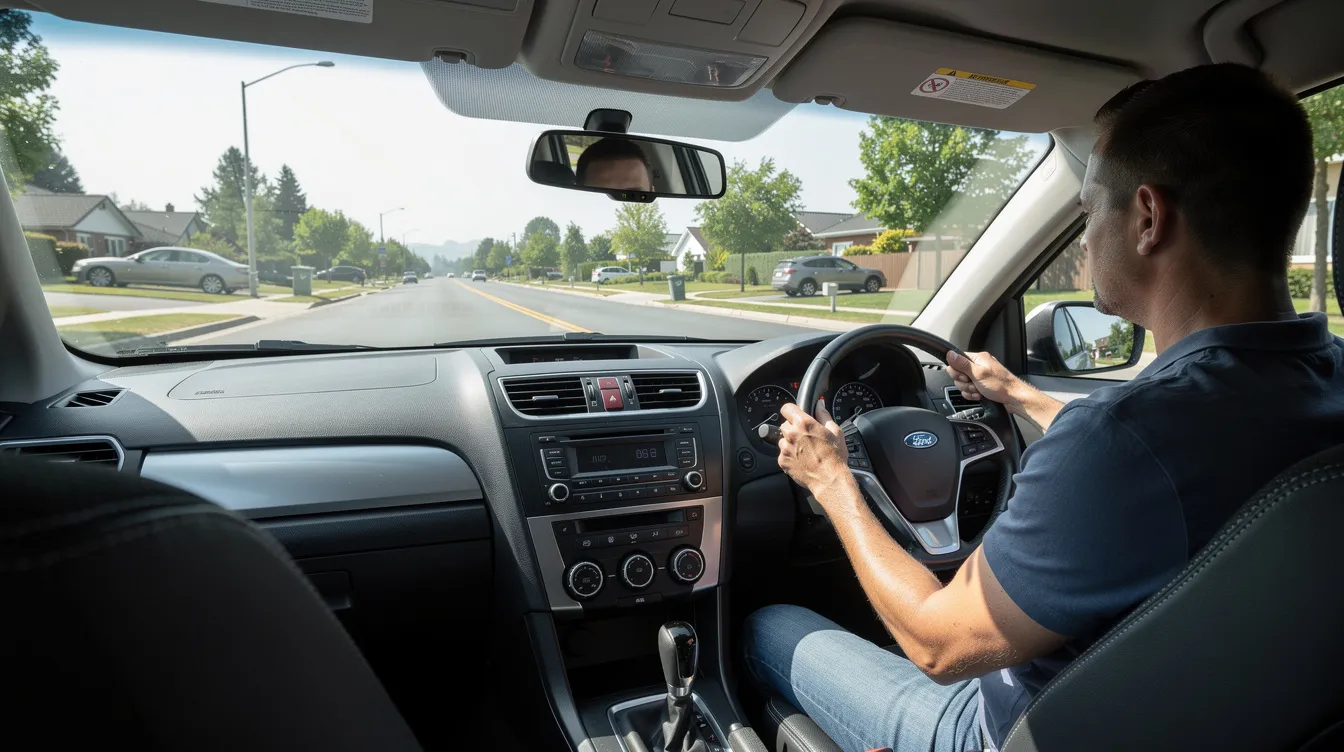
In left-hand traffic countries, vehicles are typically right-hand drive, positioning the driver closer to the center of the road for better visibility. In practice, this means the steering wheel is on the right, near the centre line, while passengers sit closer to the kerb.
In right-side traffic countries, most vehicles are left hand drive, with the steering wheel on the left side of the cabin. This also puts the driver closer to the centre line when traffic flows on the right.
The pedals are usually in the same position wherever you drive: clutch on the left if fitted, brake in the middle, accelerator on the right. That helps drivers adapt, even when the gear stick is on the opposite side of the cabin. Other vehicles and vehicle parts are also adjusted for local rules. Headlamp beams, rear fog lights, mirrors, wiper sweep patterns, and door positions may be optimised for the intended driving side.
Many countries allow “wrong-hand” cars, especially for visitors. For example, a left hand drive car may be legal in the UK for a temporary trip if it is registered, insured, and roadworthy in its home country.
The challenge is visibility. Driving a left-hand drive car in a left-side country can make overtaking harder because the driver is farther from the centre line. The same issue applies when driving a right-hand drive car in a country where people drive on the right.
If you are hiring a car abroad, try to rent a vehicle with the local steering configuration. It usually feels safer and more natural after the first few minutes. Long-term registration of wrong-hand cars can be restricted, and some countries require extra inspections, taxes, or headlamp modifications.
The biggest adjustments when you drive on the left or right for the first time are habits at junctions, roundabouts, and turns across opposing traffic. When driving abroad, always confirm which side of the road your destination uses to avoid accidents.
Before you travel, check:
It is advisable to take it slow during the first few miles when adjusting to driving on the opposite side of the road. Start in daylight if you can, avoid city centres immediately after a long flight, and practise in a quiet car park before joining faster roads.
Consider renting an automatic vehicle when driving in a country with opposite traffic rules to avoid the added challenge of using the gear stick with your non-dominant hand. This is especially helpful if you are also adjusting to the driver’s seat being on the other side.
A simple rule helps: keep the driver near the centre line. If the driver is drifting toward the kerb, you may be on the wrong side.
Pulling out of side roads is where many visitors make mistakes. Drivers often turn into the lane they would use at home, especially when there is no oncoming traffic to remind them.
Roundabouts also need attention. In left-side countries, traffic usually moves clockwise around roundabouts. In right-side countries, traffic usually moves counterclockwise.
Use small memory aids. Place a note on the dashboard, ask a passenger to remind you after stops, and say the lane direction out loud at the start of each journey. Be extra careful when turning at intersections, overtaking, entering one-way systems, joining slip roads, or reversing out of parking spaces. Pedestrians and cyclists may also look from their “usual” direction first. Approach crossings slowly, scan both ways, and remember that locals may not expect a visitor to hesitate or drift.
Some land borders require an immediate switch between left-side and right-side traffic. These points are usually handled with engineered road layouts, flyovers, traffic islands, or signal-controlled junctions.
Useful examples include the Takutu River Bridge between Guyana, which drives on the left, and Brazil, which drives on the right. In Southeast Asia, Thailand’s borders with Laos and Cambodia include controlled layouts that move vehicles safely from one side to the other.
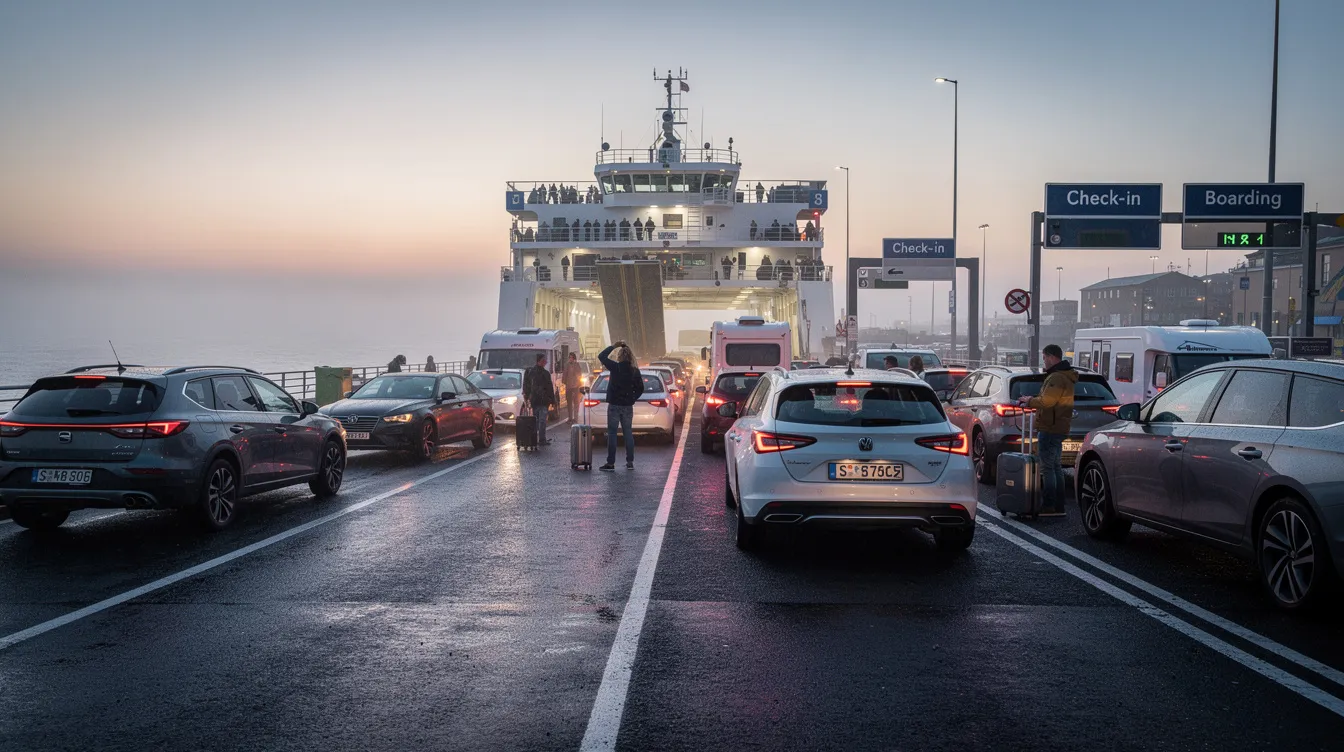
In Europe, the UK–France connection through the Channel Tunnel and ferries does not involve a dramatic road crossover on the bridge itself, but drivers must switch systems once on land. A UK driver entering France moves from the left side to the right side; a French driver entering the UK does the reverse.
When crossing borders, slow down, follow lane markings, obey road signs, and avoid overtaking until you are confident that you are on the correct side. Even experienced drivers need a few minutes to reset.
Safety depends more on road design, enforcement, speed, vehicle condition, and driver behaviour than on which side is used. Some studies have found slightly lower fatality rates per 100,000 people in left-side traffic countries, but the difference is small and not universally agreed. The biggest risk is unfamiliarity, so careful adaptation matters more than whether the country uses left or right.
Many left-side traffic countries allow visitors to drive left hand drive vehicles temporarily if the car is legally registered and insured in its home country. Long-term use or local registration can be restricted, and extra inspections or import duties may apply. Always check destination rules and confirm that your insurance covers that jurisdiction.
An International Driving Permit is sometimes required in addition to your national licence, depending on the country and your home licence. Japan and some other popular destinations may request an IDP from foreign visitors. Confirm requirements with the rental company and official government travel advice before departure.
Start with short daytime journeys on quiet roads before driving on motorways or in city centres. Keep the car positioned so the driver sits closer to the road’s centre line, which helps you stay in the correct lane. Take extra care at roundabouts, multi-lane junctions, and turns across opposing traffic.
Modern proposals usually happen where neighbouring countries use the opposite system, creating issues for vehicle imports, maintenance, and cross-border travel. Aligning traffic sides can make cars cheaper if a country can share a regional market for right hand drive or left hand drive vehicles. But the cost of changing infrastructure, laws, road traffic habits, and public behaviour means most countries keep their existing system unless the economic reasons are overwhelming.
Enjoy guaranteed competitive PKR exchange rates, ultra-fast transfers, and zero fee promotions directly to bank accounts and mobile wallets.