ACE Money Transfer
ACE Money Transfer

21 Jan 2025
Ireland offers a deep bench of academic options, from fee paying private boarding schools to state-funded national schools and a small but growing cluster of international schools. Here is what relocating and local families need to know.
The best schools in Ireland span four main categories. Each differs in cost, curriculum, and how students are admitted.
State-funded (non-fee-paying): Free tuition; funded by the Department of Education. Covers the majority of primary schools and many secondary schools. Admissions governed by published enrolment policies.
Fee paying schools (private): Charge annual tuition; often offer boarding. Smaller class sizes, broader extracurriculars. Applications may open 1-2 years ahead.
International schools: Deliver foreign curricula such as the IB, French Baccalauréat, or German Abitur. Concentrated in Dublin. Fees range from about €5,500 to over €25,000 per year.
Faith-based schools: Around 90% of Irish primary schools have a Catholic ethos. Church of Ireland, multidenominational, and other minority-faith schools make up the balance.
Ireland's education system ranks above average in Europe for literacy and STEM outcomes across younger age groups, based on OECD assessments. The main school hubs are Dublin, Cork, Galway, and Limerick, though quality state and faith schools exist in smaller towns like Kilkenny and Sligo. Families abroad who choose an Irish school often use global money transfer services such as ACE Money Transfer to pay deposits and living costs.
The Irish system runs from pre-school (ECCE, ages 2-5) through primary school (ages 4/5-12), post-primary (Junior Cycle and Senior Cycle), and into higher education.
Primary schools: Eight years from Junior Infants to Sixth Class. Average mainstream class size in 2025-26 is about 21.94 pupils. Subjects include English, Irish, maths, science, history, geography, art, music, and physical education under a national curriculum introduced in the late 1990s, now being updated.
Secondary education: Three-year Junior Cycle (reformed between 2014 and 2022, replacing the Junior Certificate with the Junior Cycle Profile of Achievement) followed by the two-year Senior Cycle, which ends with the Leaving Certificate. Many of the best schools in Ireland report progression rates to university above 90%.
Higher education benchmarks: Trinity College Dublin, founded in 1592, is the oldest university in the Republic of Ireland and is known for its strong research focus and historical significance. Graduates include Samuel Beckett and Oscar Wilde. University College Dublin (UCD) is recognized as Ireland's Global University, hosting thousands of international students and offering research opportunities across disciplines. University College Cork (UCC), founded in 1849, has a student population of over 20,000 and is noted for sustainability initiatives including the Green Campus Programme. Dublin City University (DCU) integrates workplace internships into its undergraduate courses, boosting employability. The University of Galway, founded in 1845, reports that 96% of its graduates are working or in further education six months after graduation.
Some international schools offer alternative curricula such as the International Baccalaureate or British A-levels alongside or instead of the Leaving Certificate.
Ireland is home to several prestigious private schools known for academic excellence, extracurricular opportunities, and holistic student development. Private schools in Ireland generally have smaller class sizes, allowing for more personalized attention and an environment that encourages academic success.
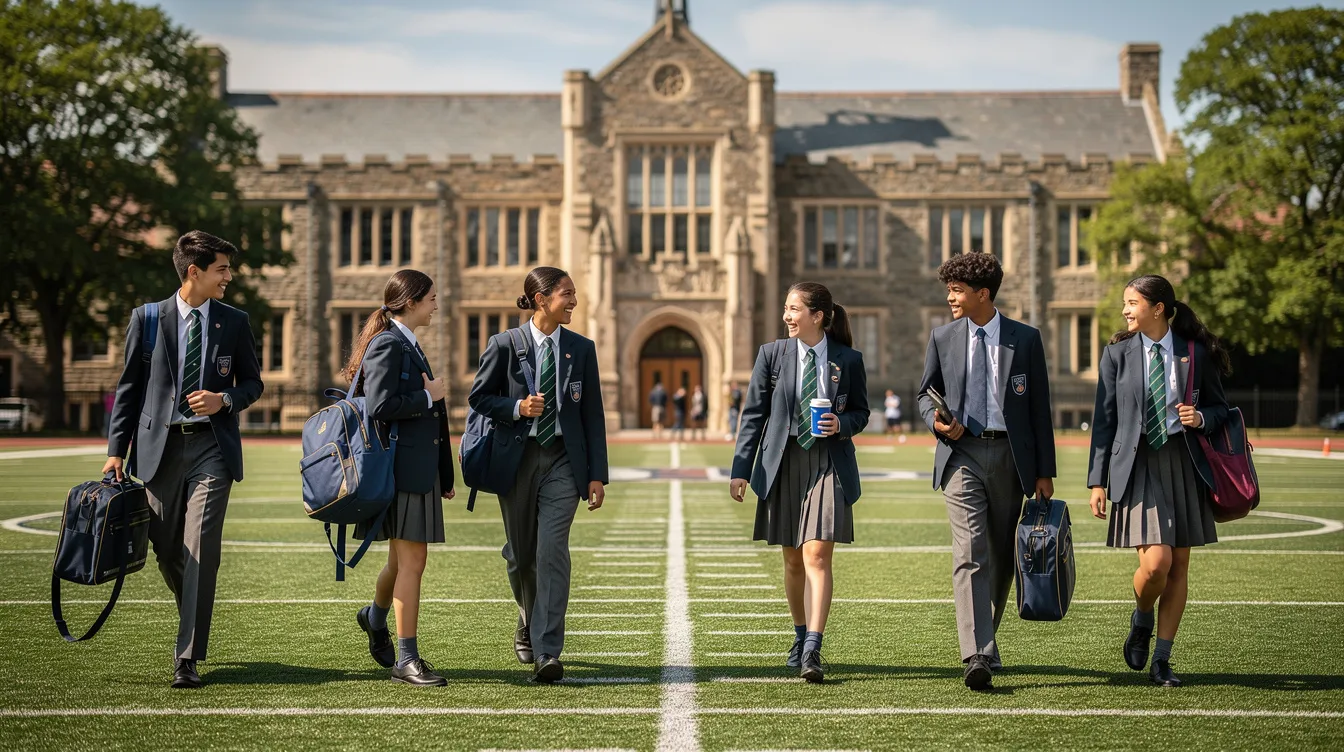
Dublin and surrounds: Alexandra College (girls, Church of Ireland, day and boarding, approx. 574 secondary students). St. Columba's College (mixed education, day fee ~€11,093; seven-day boarding ~€31,322 in 2025/26). The King's Hospital (co-ed, 80-acre campus, day ~€9,132, boarding €15,000-€18,000). Blackrock College and Castleknock College are both well-known single sex boys schools with strong rugby and academic traditions.
Outside Dublin: Glenstal Abbey School near Limerick (boys only, Benedictine, classes of 12-16, day ~€14,600, boarding ~€23,138). Villiers School in Limerick (co-ed, day ~€4,970, boarding ~€16,500). Midleton College in Cork and Sligo Grammar School also offer boarding with lower fee structures.
Fee ranges: Tuition fees for private schools in Ireland typically range from €6,500 to €20,000 per year, depending on the school and level of education. Boarding adds €8,000-€18,000 on top.
Extracurriculars: Many private schools offer activities ranging from music and drama to sports and leadership training, helping students develop holistically. Extracurricular opportunities are a crucial factor in selecting a secondary school, as they contribute to the holistic development of students and help them build essential life skills.
Admissions: Applications often open 1-2 years before entry. Entrance assessments, interviews, and waiting lists are common in sought-after boarding schools.
Parents abroad commonly pay deposits and term fees using an online platform like ACE Money Transfer, which allows payments via debit card, credit card, or online bank transfer with real-time tracking.
The number of international schools in Ireland is limited but growing, driven by demand from tech and pharma sector families in Dublin.
Key schools: Nord Anglia International School Dublin (Leopardstown) is the only school in Ireland offering the full IB continuum (PYP, MYP, Diploma) from ages 3-18; 2026-27 fees start at ~€16,561 for early years and rise above €23,000 for secondary. St. Andrew's College (Booterstown) offers both IB Diploma and the Irish Leaving Certificate; fees from ~€9,500 to €12,600. Lycée Français d'Irlande follows the French national curriculum. St. Kilian's German School provides German/Irish bilingual education.
Curricula: The IB is internationally portable; the Irish Leaving Certificate is respected but less transferable for families moving frequently. French and German systems require fluency in those languages.
Language support: Most international schools include EAL (English as an Additional Language) programmes for non-native speakers.
Fees and class sizes: Annual fees range from ~€5,500 to over €25,000. Class sizes are smaller than in large state schools, with more resources for arts, sports, and international student counselling. Enrolment fees of €1,000-€1,600 are common.
Families relocating from abroad can transfer enrolment deposits and fees via ACE Money Transfer: create an account with email, Google, or Apple ID; choose Ireland as destination and a payout method (bank deposit, mobile wallet, or cash pickup); enter recipient bank or wallet details; pay by debit card, credit card, or online bank transfer; and track the transaction in real time using the reference number provided.
Many of the best schools in Ireland charge no tuition at all. State-funded and faith-based schools with strong academic reputations dominate this country's education landscape.
Primary schools: Irish national primary schools perform well in international literacy comparisons. Irish-medium (Gaelscoil) and multidenominational primary schools are expanding. Schools in affluent areas of Dublin, Cork, Galway, and Limerick tend to show the highest progression rates to secondary and higher education based on Department of Education inspection data.
Top state secondary schools: Coláiste Íosagáin in Stillorgan and Catholic University School on Lower Leeson Street are among Dublin's well-regarded schools. The top-performing secondary schools in Ireland are evaluated by their third-level "feeder" progression rates and academic league tables like the Sunday Times Parent Power Guide. Top-tier secondary schools often lead the region in raw examination grades. Schools in Northern Ireland are ranked by their A-Level and GCSE performance in the same guide; schools are assessed based on their performance in those examinations.
Cork standouts: Cork has some of the highest-performing secondary schools in Ireland, with many students sitting the Leaving Certificate each year. Christian Brothers College (CBC) in Cork has a strong reputation for academic excellence, with 13 students achieving the maximum 625 points in the 2024 Leaving Certificate. Presentation Brothers College and Scoil Mhuire are ranked as the second and third best secondary schools in Ireland, respectively.
Faith schools: Protestant schools like The High School in Dublin and Catholic schools across the country have strong traditions in academics and sports such as rugby and hockey.
Admissions: The Education (Admission to Schools) Act 2018 requires transparent, non-discriminatory admissions policies. Religion can no longer be used as a primary admission criterion for most primary schools.
SEN support: Mainstream state schools provide resource teachers and Special Needs Assistants (SNAs). Some private and boarding schools have dedicated SEN teams.
Choosing the best schools in Ireland often means deciding where to live. For families moving from overseas, proximity to schools, airports, and city amenities matters.
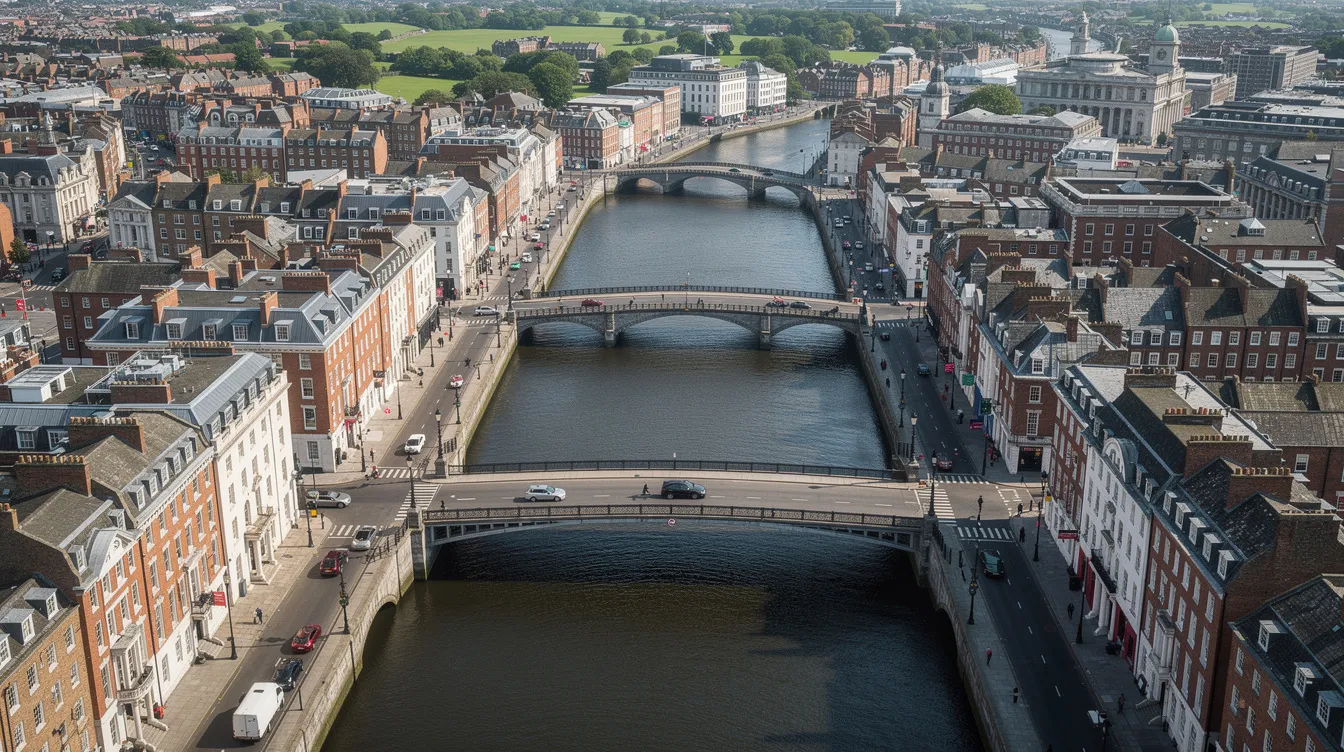
Cities and towns: Dublin offers the highest concentration of private and international schools. Cork, Galway, and Limerick each have strong state and fee paying options. Smaller towns like Kilkenny, Kinsale, and Sligo appeal for lifestyle reasons but have fewer international school choices.
Commuting: Dublin commuter towns (Bray, Drogheda, Malahide) involve 30-60 minute daily travel by car, bus, or rail. South Dublin suburbs like Sandyford and Stillorgan are closest to many international and private schools.
Airports: Dublin Airport provides wide European and transatlantic connectivity. Cork Airport covers UK and European routes. Shannon Airport serves western Ireland.
Culture and lifestyle: Ireland's literary heritage (Samuel Beckett, James Joyce, Oscar Wilde), Gaelic games, rugby, art festivals, and music scene make the country attractive for families seeking a rich cultural environment in Europe.
Finances: International families opening Irish bank accounts need proof of address and passport. Parents abroad managing living costs and school fees regularly use platforms like ACE Money Transfer to send remittances with transparent exchange rates and multiple payout options.
Competition for places at the best schools in Ireland means families should plan 12-24 months ahead where possible. When choosing a secondary school, it is essential to consider the school's academic reputation, as this can influence a student's future educational opportunities.
Application steps: Research schools using Inspectorate reports and feeder progression data. Attend open days. Gather previous school records and references. Submit applications within published windows.
Decision factors: Curriculum choice (Irish Leaving Cert, IB, A-level), school ethos, day vs boarding, co-educational vs single sex, proximity, and extracurricular priorities in sports, art, or music.
Budgeting: For fee paying schools, plan for tuition, uniforms, books, transport, exam fees, and boarding. State schools charge no tuition but expect voluntary contributions of €100-€300 and other costs.
Paying from abroad with ACE Money Transfer: Register or log in with email, Google, or Apple ID. Select Ireland as destination and choose bank deposit, mobile wallet, or cash pickup. Enter recipient bank or wallet details. Pay by debit card, credit card, or online bank transfer. Add a payment reason, confirm, and click Pay Now. Track the transfer in real time using the reference tracking number.
Record keeping: Parents should keep digital copies of receipts, school correspondence, and transaction references for visa, immigration, or scholarship applications. Seek advice from teachers, parents, and guidance counselors, as they provide valuable insights for this decision.
Start with a shortlist of 5-7 schools in your preferred region. Narrow based on inspection reports, exam data, school visits, and how well each school's ethos fits your child. Discover which schools match early, apply on time, and secure payment logistics before the deadline.