
ACE Money Transfer
ACE Money Transfer
03 Mar 2026
If you have ever tried to explain OPay to someone, you have probably stumbled over the same question millions of Nigerians ask: is OPay a bank or wallet? The short answer is that it is both - and this guide breaks down exactly what that means for your money, your security, and your everyday transactions in Nigeria today.
OPay is a licensed microfinance bank in Nigeria that delivers its services primarily through a digital wallet and payment app. It provides banking services while functioning primarily as a digital wallet, so you get the convenience of mobile money with the regulatory backing of a real bank.
An OPay account works as both a regulated bank account (held by OPay Microfinance Bank) and a flexible digital wallet. You can store funds digitally and make everyday payments, receive salary, send money to any Nigerian bank, pay bills, and use a debit card - all without stepping into a branch.
With over 50 million users in Nigeria, OPay has become one of the most widely used financial services platforms in the country. Whether you think of it as a bank or a wallet depends on how you use it, but legally and practically, it is both.
OPay launched in Nigeria around 2018 as a fintech company focused on payments, money transfers, and mobile money. Backed by Chinese investment, the platform quickly expanded from a simple payment services app into a full-scale financial services provider with savings, loans, merchant solutions, and agent banking.
OPay is a fintech platform operating the OPay app, with services including payments, transfers, savings products, loan offerings, and mobile money across Nigeria.
OPay is licensed by the Central Bank of Nigeria as a Mobile Money Operator. The actual deposit-taking activities are conducted through a separate licensed microfinance bank - OPay Microfinance Bank Limited - which is regulated by the CBN and insured by the NDIC.
The platform now serves over 50 million users in Nigeria and operates through a network of over 500,000 agents across the country, alongside hundreds of thousands of merchants.
OPay started purely as a payment and mobile money service, then expanded into full microfinance banking. Its Gross Transaction Value more than doubled from roughly $166 billion in 2024 to approximately $358 billion in 2025, reflecting how deeply it has embedded itself in everyday financial life.
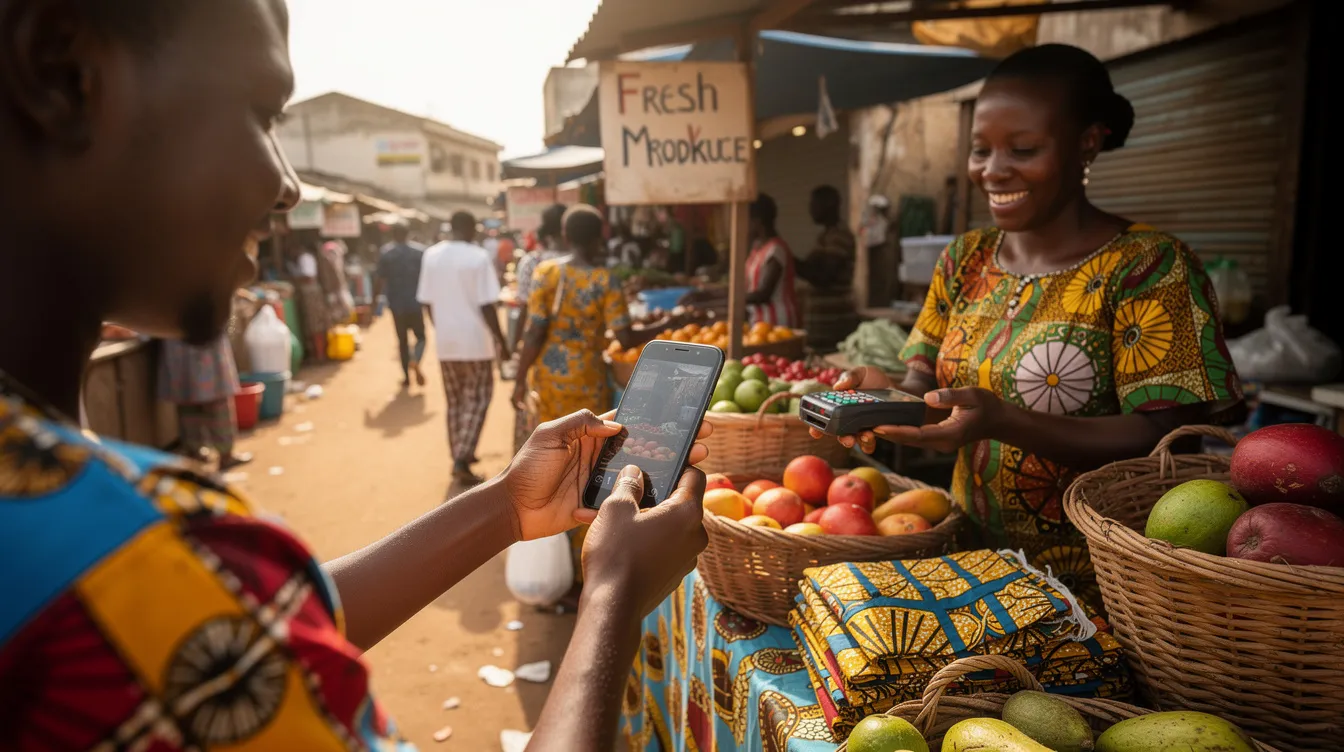
Many Nigerians ask whether OPay is a bank or wallet because the features of mobile money platforms and traditional banks increasingly overlap. Here is how to think about the difference.
A traditional bank account typically comes with account numbers, mandatory BVN linkage, a branch network, deposits protected by NDIC, and the ability to handle large transactions like property purchases, corporate payments, and salary receipts. Traditional bank transfers can take 1 to 3 business days to process.
A mobile money wallet is phone-number based, app- or USSD-driven, and focused on quick payments, transfers, airtime, data, and small to medium everyday spending. OPay transfers arrive instantly, ready for use immediately.
OPay operates as a mobile money operator rather than a traditional bank, but it offers features typical of traditional banking institutions - NDIC-insured deposits, account details for receiving salary, savings products, and loans.
You can operate OPay purely as a wallet at a low KYC level, keeping things simple and fast, or upgrade it to function very much like a bank account with higher limits and full banking capabilities.
This section explains what an OPay account actually looks like from your point of view as a user.
You can open an OPay account via the app in minutes. OPay requires a phone number for account registration - your account is identified primarily by that number, not a traditional bank account number at first.
At the basic KYC level, OPay allows users to make transactions without a bank account. You can receive and send money, pay bills, buy data and airtime, and use USSD - all without the full onboarding process of a traditional bank.
To receive money via OPay, only a phone number is needed. Friends, family, and even employers can transfer funds to you using just your number.
As you upgrade your OPay account by adding your BVN and government ID, you unlock higher transaction limits and features that mirror a standard bank account. Tier 1 allows up to ?50,000 daily transfers and ?300,000 maximum balance. Tier 2 raises those to ?200,000 daily and ?500,000 balance. Tier 3 allows up to ?5,000,000 daily with an unlimited balance.
Your OPay balance is technically held with OPay Microfinance Bank, which is why customer deposits in OPay are insured by the Nigeria Deposit Insurance Corporation. Your funds sit under CBN regulation even though the experience feels like using a casual wallet.
This section focuses on the "bank" side of OPay and how it compares with commercial banks in Nigeria.
OPay Microfinance Bank is a licensed microfinance bank - OPay's microfinance banking license is issued by the Central Bank of Nigeria. It is not a commercial bank like GTBank or Access Bank, but it is a regulated deposit-taking institution that functions under a licensed microfinance bank framework.
OPay allows users to fund accounts, transfer money, and pay bills just like any other Nigerian bank. You can receive transfers from other banks, send money to bank accounts across the country, and use your OPay account details to receive salary payments.
Deposits are protected by NDIC insurance within the microfinance bank limit framework, and OPay is subject to CBN oversight, inspections, and compliance with KYC, AML, and payment system regulations.
Inside the OPay app you will find core banking features: statements, transaction details and history, savings products like OWealth, and loan offerings through partners.
While you will not find a physical branch network, you effectively have a bank account in digital form once you fully verify your OPay profile. For most everyday banking needs, the difference between OPay and a commercial bank is minimal.
Many OPay customers mostly experience the platform as a wallet, similar to other mobile money services across Africa. Here is why that perception is entirely accurate - and intended.
The OPay wallet is tied to your phone number and accessible via the OPay app and USSD (*955#) rather than a branch visit. This makes it far more accessible than a traditional bank account, especially for users in rural areas.
Typical mobile money uses include sending money instantly to other OPay users, paying utility bills (electricity, TV, internet), buying airtime and data, and paying merchants via QR or POS terminals.
OPay wallets are popular for low-value, high-frequency transactions like transport, ordering food, subscriptions, and small business payments. OPay transfers arrive in minutes, unlike bank transfers taking 1 to 3 days.
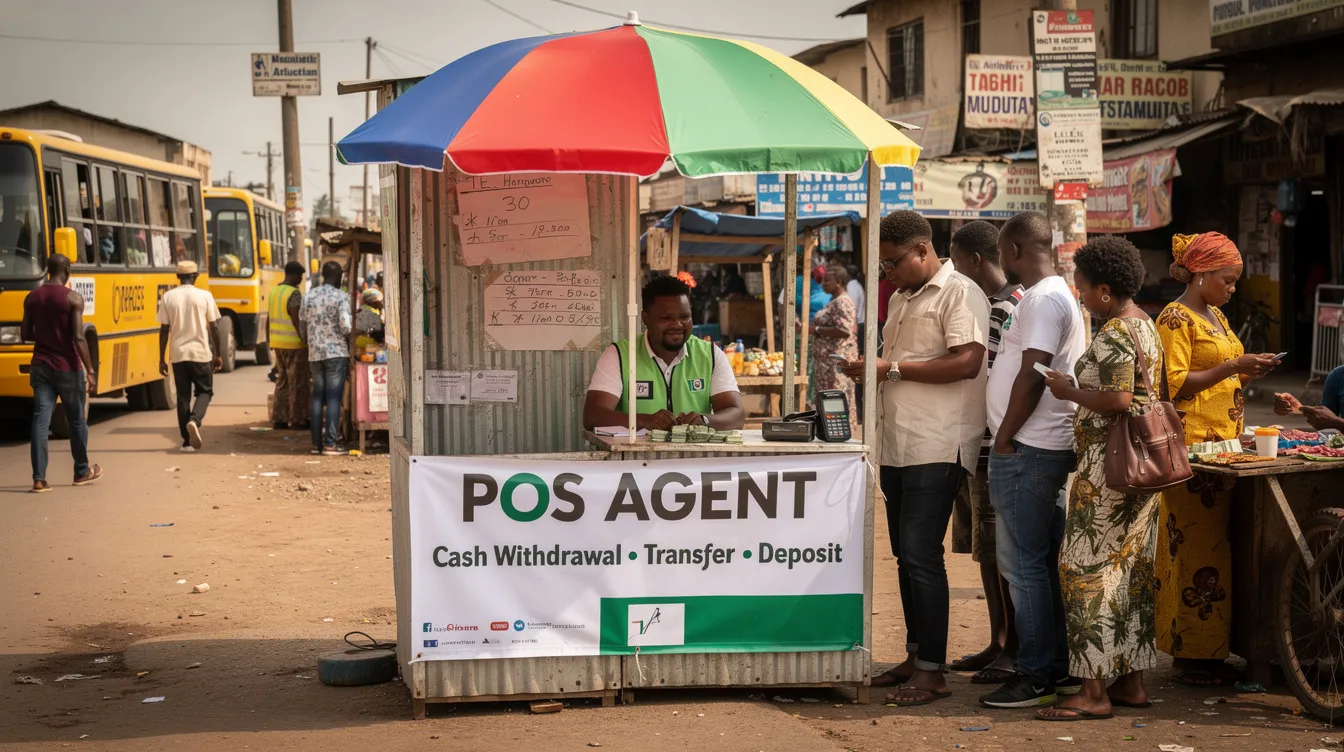
OPay uses physical agents with point-of-sale machines for cash deposits and withdrawals. With over 500,000 agents across Nigeria for cash transactions, you can withdraw cash or fund your wallet without ever visiting a bank.
To receive money via OPay, only a phone number is needed - no recipient details beyond that. This wallet nature makes OPay easier to open and use than traditional banks, driving financial inclusion for the unbanked and underbanked.
Here is a feature overview of what an OPay account puts at your fingertips.
Receive transfers from any Nigerian bank account using your OPay details, making it easy to receive money from employers, clients, or family.
Send money to bank accounts across Nigeria, often instantly and at low or zero fees. OPay offers instant transfers with a 100% success rate.
Use your OPay balance as a store of value, similar to a bank current or savings account. You can link your bank account to your OPay wallet to move funds back and forth.
Instantly send money to other OPay wallets using just a phone number - no need for account numbers or complex recipient details.
Pay bills such as electricity, TV subscriptions, internet, and education fees directly from the app. You can also order food and handle other utility bills in seconds.
Buy data and airtime for yourself or other users, often with cashback promotions. Users can earn up to 6% cashback on airtime purchases.
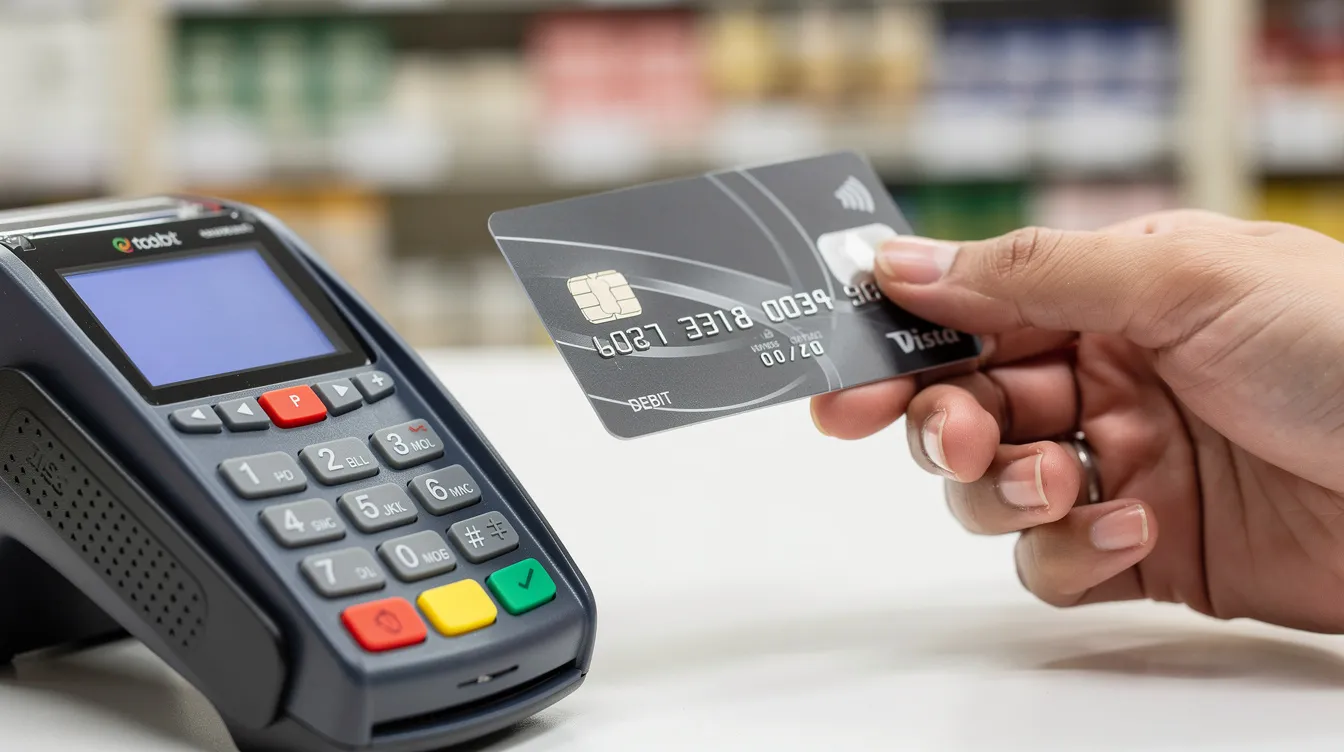
Request an OPay debit card via the OPay app or from select agents.
Use the debit card at ATMs, POS terminals, and online stores in Nigeria and internationally, depending on card type.
Enjoy zero or low maintenance fees and a set number of free ATM withdrawals monthly.
OPay provides savings products that accrue daily interest. Use OWealth or similar in-app products to earn daily interest on your OPay balance while still being able to spend. These are powered by OPay Microfinance Bank, showing the banking backbone behind the wallet.
Users can access loans and debit cards through the OPay app, giving you a path toward financial freedom without dealing with lengthy bank processes.
Use the OPay app on Android and iOS for full functionality.
Use *955# USSD for sending money, checking balance, buying airtime, and paying bills without internet - a critical access channel for users without smartphones or stable data.
One of the most common questions OPay customers ask is whether they still need a conventional bank account. The answer depends on what you use your money for.
Everyday transfers and sending money to family or friends work perfectly on OPay. It is your go-to payment method for daily spending.
Paying utility bills, subscriptions, and school-related fees is seamless inside the app.
Running small businesses that accept mobile money, QR, or POS payments is straightforward with OPay's merchant and agent network of over 500,000 agents.
Very large single transactions - property purchases, big corporate payments - may still require a traditional bank account with higher limits or specific compliance structures.
Organisations that insist on traditional commercial bank details for payroll systems or regulatory compliance may still need you to hold a conventional account.
You can move money easily between OPay wallets and bank accounts via simple bank transfers, so the two work together rather than against each other.
Many people now use OPay as their main spending wallet with a traditional bank account just as backup for specific needs.
ACE Money Transfer integrates directly with OPay wallets for remittances, meaning you can receive money from abroad straight into your OPay wallet without a separate bank account.
For many Nigerians in Nigeria today, the real question has shifted from "bank or wallet?" to choosing the best mix of both - with OPay often at the centre of their financial life.
Safety is a major concern when trusting your money to any digital platform, whether you call it a bank or a wallet. Here is how OPay handles security.
OPay Microfinance Bank is CBN-licensed and NDIC-insured, which adds a regulatory safety net for customer deposits. Your funds are protected the same way deposits at other banks are, within the insured limits.
OPay uses industry-standard encryption for data protection, keeping your transaction details and personal information secure. The company is fully PCI DSS compliant for secure card transactions.
OPay scans systems daily to protect against security threats, with advanced fraud protection and continuous system monitoring running around the clock using strong encryption protocols.
You can instantly lock your OPay account or debit card via USSD codes like *955*131# or *955*132# if your phone is lost or stolen - a quick resolution that does not require visiting a branch or calling during business hours.
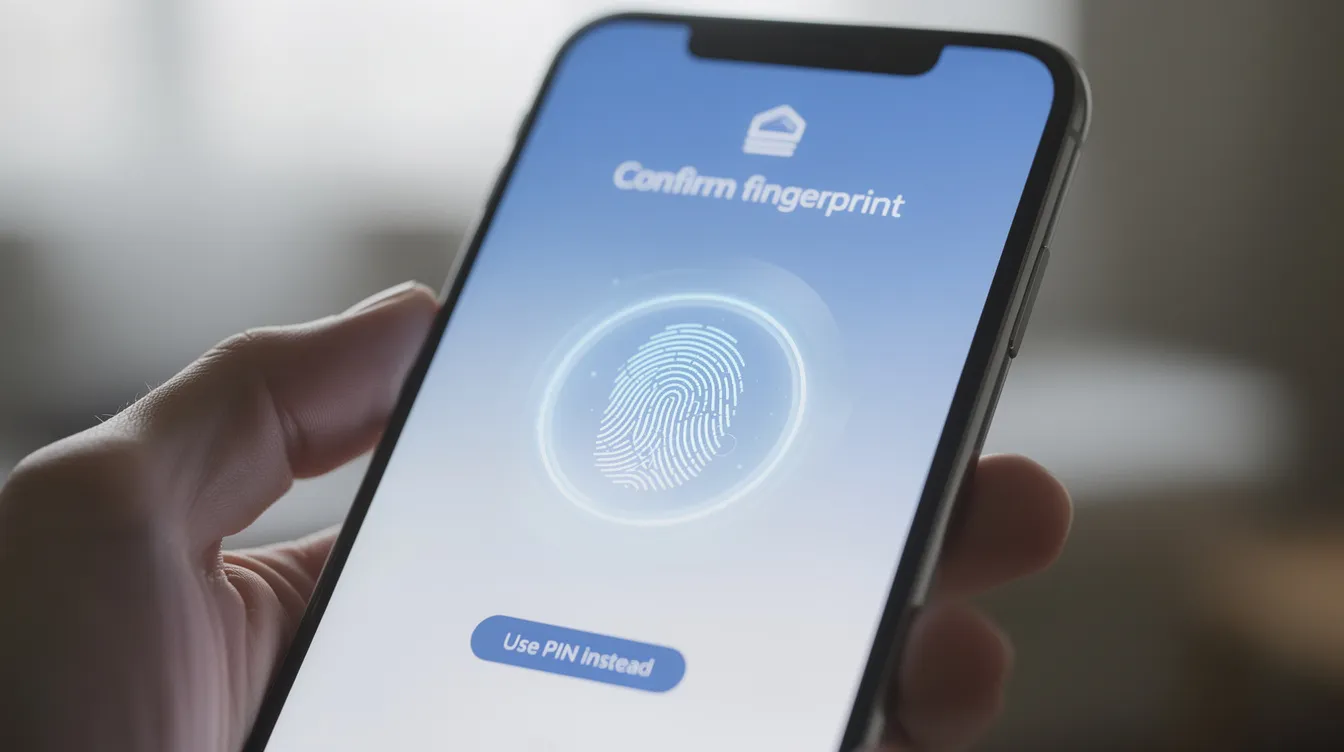
PINs, passwords, and biometric login options in the OPay app give you layered control over who accesses your funds. Always double check your security settings after any device change.
ACE Money Transfer encrypts transactions and verifies identities when processing remittances to OPay wallets, adding additional information and an extra layer of protection for international transfers.
24/7 customer support is available via the app, phone hotlines, and physical support centres for quick resolution of suspicious activity or transaction issues.
OPay is both: a CBN-licensed microfinance bank delivering its services primarily through a digital wallet in the OPay app. It is a platform where technology meets formal banking regulation, and the value it creates sits right at the intersection.
An OPay account can replace or complement a traditional bank account for many Nigerians. You can store money, send money, receive money, pay bills, access savings and loans, and use a debit card - all in one place, all from your phone. With over 50 million users in Nigeria, the platform has proven that a fintech company can serve as the financial hub for an entire country.
Think of OPay as your everyday mobile money hub, backed by formal banking regulation, rather than forcing yourself to choose strictly between "bank" or "wallet." The future of retail finance in Nigeria is digital, wallet-first, and agent-powered - and OPay is positioned at the centre of that shift well beyond 2026.