
ACE Money Transfer
ACE Money Transfer

19 Mar 2025
If you are a Bangladeshi citizen exploring job opportunities in Spain, one of your first questions is likely about the approval odds. What is the real Spain work permit visa ratio from Bangladesh, and how can you tilt it in your favor? This guide breaks down everything you need to know, from current approval trends and visa types to requirements, costs, and practical tips that can make or break your application.
The Spanish government does not release a clear approval ratio for Bangladeshi work permit applications. Official Spanish and European bodies do not provide a clear rejection-to-approval ratio for work permits by nationality, so any figures you see are based on embassy statistics, Schengen data, and reports from Dhaka visa centers.
For well-prepared, complete cases with a genuine job offer and proper legalization of documents, Spain work visa approval rates often fall in the range of 55–70%. Conversely, when documents or the employment offer are weak, visa refusal rates climb sharply to around 30–45%.
It is important to distinguish between short-stay Schengen visa statistics (Type C, for tourism or business) and long term visa decisions for national work permits. This article focuses specifically on long-term work permits for Bangladeshi citizens seeking to work in Spain.
The key factors that most influence the Spain work permit visa ratio from Bangladesh include:
Quality and credibility of the valid job offer from a Spanish employer
Employer's legal standing and registration status in Spain
Completeness of required documents, including translations and legalizations
Clean background checks (criminal record, immigration history)
Rejections of work permits often occur due to discrepancies in personal data or missing documents. Strong, well-prepared files from Bangladesh can still achieve high approval rates, even in a competitive environment.
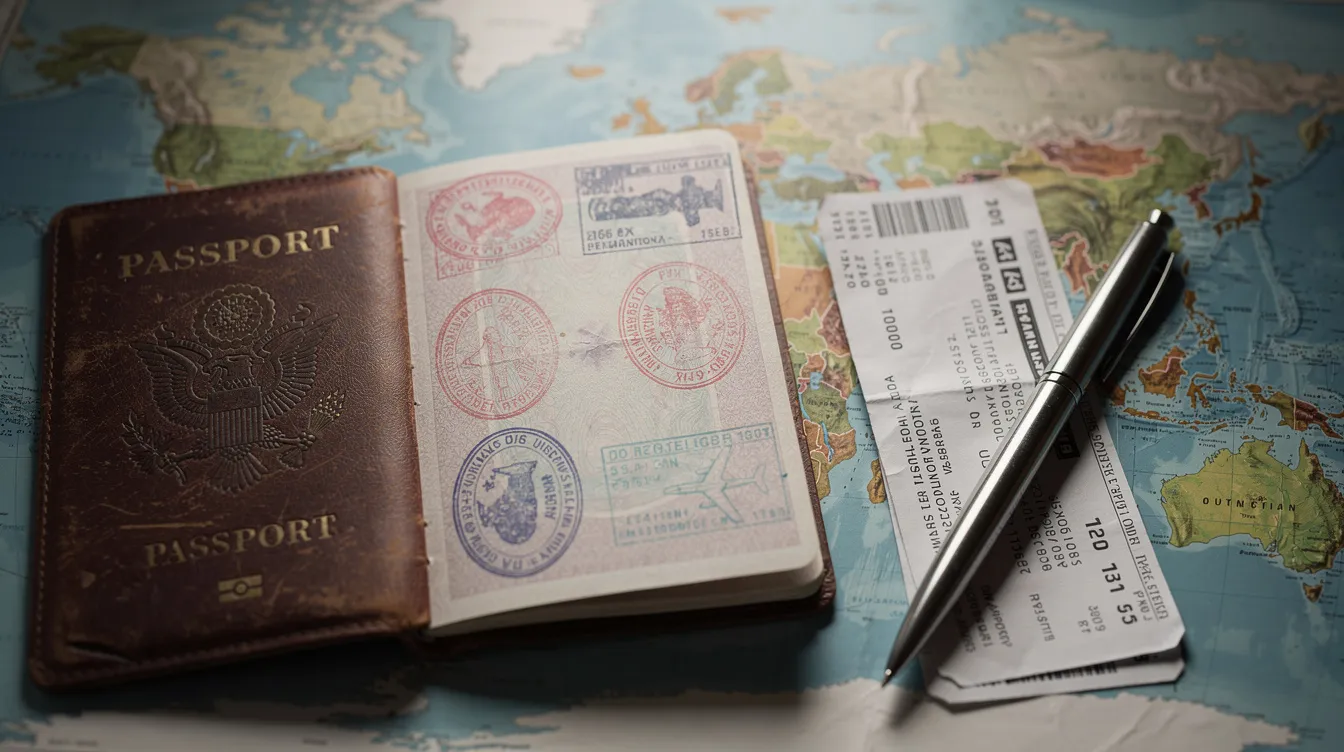
Many people confuse the overall "Spain visa" ratio (which lumps Schengen tourist visas and long-term work visas together) with the specific work permit success rate. These are very different numbers, and understanding the distinction matters for setting realistic expectations.
For Schengen visa (Type C, short-stay) applications submitted from Dhaka, Spain's refusal rate for Bangladeshi passport holders was approximately 30.6% in 2024. In 2025, it crept up to around 39.5% among roughly 3,608 applications, meaning about 60.5% of short-stay visa applicants received approval. Although these are not work visa numbers, they give a useful baseline.
Why do these Schengen refusal trends matter for work visa applicants? Because embassy and visa application center staff in Dhaka often apply similar rigor to identity verification, document legalization, police background checks, and consistency checks across all Spain visa types. High Schengen refusal rates tend to signal tighter scrutiny overall.
In contrast, long-term national visa applications (including Spain work visa D type) have lower volumes but decisions are more closely tied to work permits and employer documentation approved within Spain itself.
Well-prepared work permit cases backed by an approved Spanish work authorization ("autorización de residencia y trabajo") typically see higher approval ratios than tourist Schengen visa applications. The work authorization stage filters out many weak cases before the visa stage even begins.
Concrete published approval vs rejection figures for long-term work visas from Bangladesh remain unavailable for 2022–2024. Spain does not publish specific success rates for work permits for Bangladeshi citizens. The percentage bands above (55–70% for strong cases) are realistic estimates based on related data and expert analysis, not confirmed embassy statistics.
Bangladeshi citizens need the correct Spain visa type depending on purpose and contract duration of stay. Choosing the wrong category is a surprisingly common cause of wasted time and fees.
Schengen visa (Type C): Short-term stays up to 90 days for tourism, business, or conferences. This does not allow you to work legally in Spain.
National visa (Type D): Long term visa for stays exceeding 90 days, covering work, study, and family reunion. This is the category that matters for employment.
A Spain work visa for Bangladeshis usually refers to the Type D national visa issued after work authorization is granted by Spanish authorities inside Spain. The visa itself is the entry document; the work permit (residence and work authorization) is a separate administrative approval.
Common work-related visa types that Bangladeshi citizens apply for include:
Standard employee work permit (residencia temporal y trabajo por cuenta ajena)
Seasonal Worker visas, valid for a maximum period of nine months
Permits for highly qualified professionals and researchers
The EU Blue Card, available for highly qualified workers meeting high salary and qualification thresholds
Intra-company transfer permits, which allow employees of multinationals to work in Spain
The Entrepreneur visa, which allows residence for up to three years in limited self-employment cases
Bangladeshi citizens can apply for Highly Skilled Worker permits. However, only certain categories are realistically accessible given language requirements, skills, and employer demand from Bangladesh, and these drive the observed visa approval ratio.
Bangladesh often ranks high for seasonal work authorizations in the EU, subject to quotas. In 2024, Bangladeshi nationals accounted for a significant share of non-EU seasonal worker authorizations across the EU.
A Spanish work permit is the authorization that allows a Bangladeshi citizen to work legally in Spain for more than 90 days. It combines residence rights with employment rights and is distinct from the visa document you use to enter the country.
In most cases, the work permit application process has two stages: (1) the employer in Spain must first apply for a work authorization before the visa application can proceed, and (2) the applicant then applies for a Spain visa at the Spanish Embassy in Dhaka.
Many visa refusal decisions affecting Bangladeshi applicants actually originate in the first stage. If the work authorization was weak, incomplete, or the Spanish employer's documentation was insufficient, the application fails before the visa interview itself.
Main categories of Spain work permits relevant to Bangladeshis:
Employee work permit (residencia temporal y trabajo por cuenta ajena) - the most commonly used
Seasonal work permits for agriculture, hospitality, and food processing
Permits for highly qualified professionals and researchers
EU Blue Card - rare for Bangladesh but available for high-skilled cases
Most work permits require at least three years of relevant experience. Having the right work permit category, matched to your profile and job offer, significantly improves your odds and overall visa ratio.
Temporary work permits are typically issued for one year initially, with renewal options if all conditions are met.

Meeting all the visa requirements strictly is the single most effective way to improve approval odds from Bangladesh. Here is what you need:
A valid passport with at least 6–12 months of validity beyond your intended stay and at least two blank pages. Note that the Spanish Embassy in Dhaka does not accept passports issued more than 10 years ago.
A completed national visa application form (the long term visa application, not the Schengen form) with recent passport-sized photographs.
The approved Spanish work authorization - the favorable resolution from Spain's labor authority, which confirms your employer's right to hire you.
A signed employment contract from the Spanish employer, stamped by Spain's Foreign Nationals' Office. You also need a job offer letter from a Spanish employer specifying role, salary, and working hours.
A police clearance certificate from Bangladesh proving a clean criminal record, covering the last five years. A clean criminal record is mandatory for work permit applicants.
A medical certificate (medical fitness certificate) confirming no disease dangerous to public health under International Health Regulations.
Proof of education or qualifications - applicants must have their qualifications recognized in Spain for certain categories. Higher education credentials may need equivalency certification.
Health insurance coverage for medical expenses in Spain, especially for the initial period until registration with Spanish social security. Consider plans from reputed global insurers for comprehensive support and competitive pricing.
Proof of financial means to support oneself, including the salary level stated in the job offer and bank statements if requested.
Additional documents the embassy may require, such as proof of accommodation in Spain, proof of residence in the consular district, and evidence of sufficient financial means.
All the documents often need to be translated into Spanish and legalized or apostilled. Weak translations or missing legalization are among the most common reasons for rejection and directly hurt the visa ratio.
The complete journey from job offer to entering Spain typically unfolds as follows: job offer ? employer work permit application in Spain ? national visa application in Dhaka ? travel to Spain ? foreigner identity card (TIE). The entire process for a Spanish work visa can take 3 to 6 months.
The Spanish employer identifies a need, recruits a Bangladeshi applicant, prepares the work contract and company documentation (tax status, registration), and submits the work authorization application to the relevant Immigration Office in Spain. Work permit applications take 1 to 3 months at this stage.
Once approved, Spain's authority issues a favorable resolution. The employer sends this resolution to the applicant in Bangladesh.
The applicant books an appointment at the Spanish Embassy in Dhaka or the Spain visa application center (BLS center). Visa applications must be submitted at the Spanish Embassy in Dhaka.
At the appointment, the applicant submits the national Spain visa application with all required documents and visa fees, provides biometric data, and may attend a brief interview. Applicants must provide biometric data during the visa application process.
Spain visa processing typically takes 15 to 20 working days. Visa processing can extend to 45 working days if additional verification is needed.
After visa approval, the applicant collects the visa and must enter Spain within the validity period (usually 90 days).
Upon arrival, the worker must register with Social Security and apply for the foreigner identity card (TIE) within 30 days. Registration at the local police station is also required.
The application process for a work visa from Bangladesh typically takes several months when combining both the Spanish and Dhaka stages.
Visa approval vs rejection is rarely random. Certain patterns affect Bangladeshi applicants more strongly, and understanding them gives you a real edge.
Employer reliability: The Spanish employer's tax compliance, formal registration, history of hiring foreign employees, and whether the position is on Spain's shortage occupation list all matter. A credible, well-documented employer dramatically increases your chances.
Applicant profile: Education, work experience matching the job offer, language skills (Spanish or English depending on the role), and clean criminal and immigration history. Visa applicants with prior lawful travel to Europe, the UK, the Gulf, or East Asia tend to receive more favorable treatment from decision-makers in Dhaka.
Documentation quality: Accurate translations into Spanish, proper legalization or apostille for Bangladeshi documents, and consistency between the job offer, CV, and visa application form. Documents submitted in the same order as requested by the embassy also help avoid processing delays.
Prior visa history: A history of Schengen visa or other visa refusals that has not been explained or corrected raises suspicion. Conversely, a good travel history and past approvals help. Visa applicants should always provide proof of previous lawful travel if available.
Contract quality: Unrealistic or low-salary work contracts, suspicious intermediaries, or fabricated job offers drastically reduce the Spain work visa approval ratio from Bangladesh. Full-time contracts with clear descriptions and salaries that meet or exceed sector collective agreement rates are far stronger.

Realistic expectations about timing and budget help applicants plan better and avoid unnecessary stress. Here is what to expect:
Work authorization in Spain: Typically 1 to 3 months, depending on the region and complexity.
National visa processing in Dhaka: Around 15 to 20 working days once the file is complete, though it can stretch to 45 working days in peak seasons or if follow-up documents are requested.
Total timeline: From first job offer to entering Spain, the process often takes 3 to 6 months.
Visa fees for Bangladeshi citizens are approximately BDT 11,175 (roughly equivalent to 80 EUR, though rates may vary due to reciprocity arrangements). The Spain visa application center may charge an additional service fee.
Indirect costs to budget for:
Document translation into Spanish by certified translators
Notarization and legalization of Bangladeshi documents
Medical tests and medical certificate fees
Police clearance certificate fee
Health insurance for Spain (initial coverage until social security registration)
Rejections from Bangladesh do not usually refund visa fees, so investing in a strong application up front protects both money and your overall ratio.
Always confirm the latest fees and timelines on the official website of the Embassy of Spain in Dhaka or its outsourced visa center. Avoid relying solely on any third party website for fee information.
Language ability and sector demand are tightly linked to your chances of a successful Spain work visa from Bangladesh.
There is normally no formal Spanish language test for most Spain work permits. However, employers in hospitality, retail, elderly care, and customer-facing roles may require basic Spanish, and this can be assessed during employer interviews.
For highly qualified workers in IT, engineering, healthcare, or research, English or Spanish at a professional level is often expected. Language requirements vary by sector and employer preference.
Job offer quality matters enormously: a full-time work contract with salary meeting or exceeding the Spanish minimum wage, a clear description of duties matching the applicant's profile, and realistic contract duration all strengthen your case.
High-demand sectors where Spain may more readily sponsor foreign employees include seasonal agriculture, certain construction zones, tourism and hospitality, and caregiving. These sectors can improve the practical visa ratio from Bangladesh.
Unrealistic promises from unlicensed agents in Bangladesh - such as "no language, instant visa, pay after visa" - are red flags. These often lead to visa refusal or even bans from entering Spain and the broader Schengen area. An immigration lawyer can provide valuable information and help you avoid scams.
Long-term residence and bringing family members to Spain are achievable goals after holding valid Spain work permits for a defined period. Family reunification visas allow spouses and children to join workers in Spain.
Workers must reside in Spain for at least one year with a renewed work permit before applying to bring close relatives (spouse and financially dependent children) under family reunion visas. Workers must demonstrate sufficient income for family support, and stable accommodation is required for family reunification applications.
Strong, legal residence and tax-compliant work history in Spain improves later applications for renewal, permanent residency (after 5 continuous years), and eventually citizenship (after longer residence with integration and language requirements).
Overstaying, working without authorization, or falsifying documents in earlier Spain visa or Schengen visa applications can damage future work permit chances and lower the effective approval ratio. Any prior refusals must be disclosed - inconsistencies trigger automatic suspicion.
Good compliance - on-time renewals, registration with local authorities, health insurance, taxes paid - builds a track record that directly benefits subsequent Spain visa or residence applications, both for the worker and for family members applying from Bangladesh. Spain relocating decisions are best made with this long view in mind.
This section is your checklist to raise your personal approval chances before you ever visit the Spanish consulate.
Verify every Spain job offer directly with the Spanish company using their official email, website, or phone number before paying any agent in Bangladesh. Employment offer scams are a leading cause of wasted money.
Prepare a clear CV in English or Spanish, aligned with the Spanish job description, and keep all experience letters ready for legalization and translation. Consistency is everything.
Start early with your police clearance and medical certificate in Bangladesh. Delays here frequently cause missed visa submission deadlines and push back the entire timeline.
Ensure consistent information across all documents: the same names, dates, positions, and salary figures must appear in the job offer, employment contract, and visa application form.
Keep copies of all submitted documents, visa fee receipts, and email communications with the Embassy or BLS center in Dhaka. These are essential for any future appeal or re-application.
If you can afford it, consult an immigration lawyer before filing. Even a single review of your document package can catch errors that would otherwise cause rejection.

Here are the most common questions Bangladeshi visa applicants ask about the Spain work permit process.
Can a Bangladeshi apply for a Spain work visa without a job offer? Generally no. Bangladeshi citizens need a job offer to apply for a work visa. A valid job offer and corresponding work authorization from a Spanish employer are required, except in narrow self-employment or highly specialized cases (such as the Entrepreneur visa or certain researcher categories).
What is the typical total timeline from first job offer to entering Spain? The entire process - from receiving a valid job offer, through employer authorization in Spain, to national visa processing in Dhaka and travel - often takes 3 to 9 months, depending on employer responsiveness, Spanish authority processing speed, and visa slot availability.
What should I do after a visa refusal? Read the refusal letter carefully to understand the specific grounds. You typically have 1 month to file an administrative appeal ("recurso de reposición") with the Spanish authority, or 2 months for judicial review before a court in Madrid. You may also choose to re-apply with stronger documents addressing the reasons cited.
Do previous Schengen or Spain visa refusals permanently block future work visas? Not automatically, but they must be disclosed in every future visa application. If the reasons for the earlier refusal are not addressed with corrected or strengthened documentation, they can seriously affect credibility and reduce your approval chances.
Where should I check for the latest Spain visa requirements? Always verify the latest requirements, visa fees, and processing times on the official Embassy of Spain in Dhaka website. Rules, visa types, and fees can change, and no guide - including this one - replaces checking the official source before you submit.
A strong, well-documented application is the single best investment you can make to improve your Spain work permit visa ratio from Bangladesh. Start your preparation early, verify every detail, and treat each document as if it determines your outcome - because it very likely does.