ACE Money Transfer
ACE Money Transfer
24 Oct 2025
Pakistan's digital financial landscape has expanded rapidly, and choosing the right digital wallet can save you real money on fees, speed up your daily transactions, and even open doors to international payments. This guide breaks down the top 10 mobile wallets in Pakistan, comparing features, fees, and ideal use cases so you can pick the one that fits your life.
These are the top 10 mobile wallet services in Pakistan for 2024–2025. Over 120 million mobile wallet accounts exist in Pakistan, and these platforms cover the widest range of needs, from cash-heavy rural use to fully digital urban lifestyles. Mobile wallets simplify payments with just a few taps.
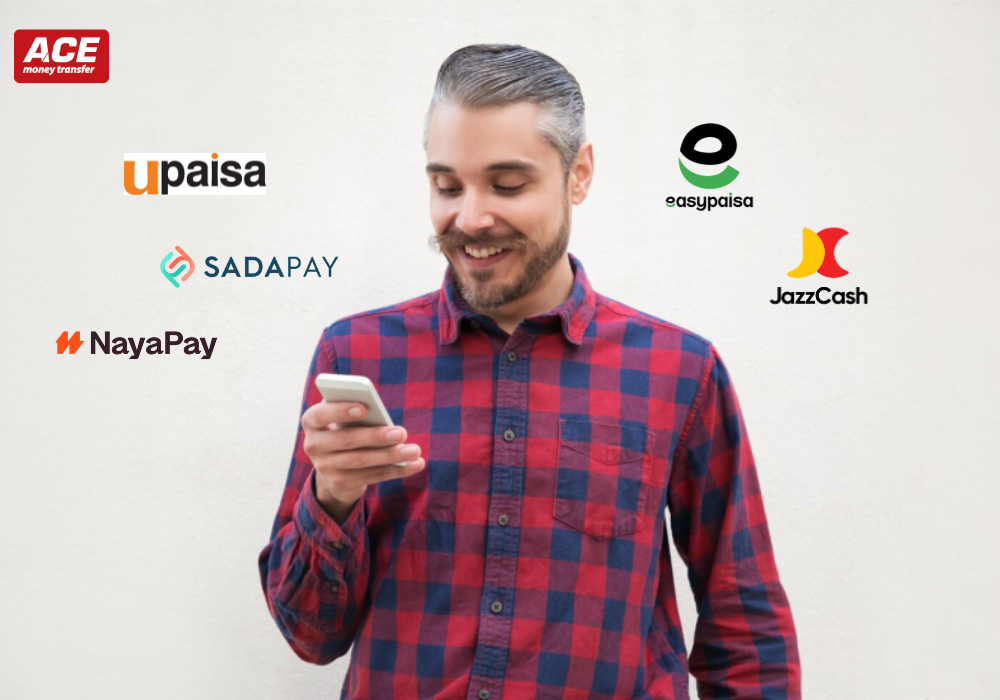
Easypaisa – Widest agent network for cash access anywhere in Pakistan
JazzCash – Largest active user base with strong P2P and billing features
NayaPay – Fee-light social wallet with Visa card perks for young users
SadaPay – Clean app experience with low fees for freelancers and travelers
UPaisa – Telecom-integrated wallet ideal for Ufone subscribers
Zindigi – Modern bank-backed app with international card support and investments
Keenu Wallet – Merchant-friendly QR and POS ecosystem for shopkeepers
Finja Wallet – Business tools with invoicing, salary, and merchant collections
OmniPlus / UBL Digital Wallet – Bank-backed hybrid wallet account from UBL
PayFast / OneZapp – Emerging SBP-licensed EMI wallet with niche digital features
All of these wallets support CNIC-based onboarding, and most allow linking a bank account or debit card for top-ups. When looking for the best digital wallet in your area, any of these are strong starting points, making digital wallets in Pakistan more accessible than ever.
Mobile money and branchless banking took off in Pakistan after Easypaisa's 2009 launch and JazzCash's entry in 2012. Since then, over 100 million active mobile wallet accounts have been created, financial inclusion has grown from roughly 16% of the adult population in 2018 to about 64% by 2024, and digital retail payment transactions jumped nearly 49% year-over-year in recent reporting periods.
Here is what a digital wallet means in Pakistan's context:
A wallet tied to your mobile number and CNIC that can store PKR, send money, receive money, pay bills, and make QR code payments at merchants
Branchless banking services that work through physical agent networks, mobile apps, and even USSD codes for non-smartphone users
Raast integration across all platforms for instant account-to-account transfers, making it easy to send money instantly between wallets and Pakistani bank accounts
Support for international remittances through partner services, letting families abroad send directly to wallets
Reduced dependency on cash and traditional bank branches, especially in rural areas where bank access is limited
Mobile wallets include unbanked individuals in the financial system, which is central to Pakistan's push to promote financial inclusion across the country. Mobile wallets enable instant transactions without physical cash, making managing money digitally practical for tens of millions of Pakistanis.
Easypaisa was Pakistan's first mobile money service, launched in 2009 by Telenor Microfinance Bank. It is a pioneer of branchless banking in Pakistan and remains one of the most widely used wallets in the country, with app installs growing roughly 35% between 2022 and 2023.
CNIC-based account opening via app or USSD, with biometric verification unlocking higher limits
Easypaisa supports money transfers using just CNIC numbers, even to non-Easypaisa users via OTC agents
Utility bill payments, mobile top-ups, QR payments, merchant payments, and micro-loan products like EasyCash
Account levels: basic (non-biometric) accounts carry lower transaction and balance ceilings; fully verified accounts allow significantly higher monthly limits
Easypaisa has free digital transactions but fees for agent-assisted ones, making it cost-effective for purely digital users but slightly pricier for cash-dependent ones
Physical agent networks allow users to easily deposit or withdraw cash in urban and rural areas, giving Easypaisa an edge in cash-heavy regions
Supports receiving international remittances from overseas partners and can be linked to a bank account for transfers
Trade-off: users wanting zero fees on every transaction may find newer EMI wallets more appealing for digital-only use
JazzCash launched in 2012 under Mobilink Microfinance Bank and has grown into the largest mobile wallet by active users. JazzCash has over 40 million customers in Pakistan, with roughly 21 million monthly active users and 15 million app users.
Core use cases: P2P transfers, bill payments, mobile loads, QR and NFC payments, e-commerce checkout, and tight integration with the Jazz mobile network for bundles and promos
Account types include regular mobile accounts, NextGen teenage accounts for minors, and freelancer or digital accounts with higher limits and IBAN support
Wallet-to-wallet transfers are generally free or low-cost; JazzCash charges Rs. 105 for cash-out over Rs. 8,001 through agents
Debit or prepaid card issuance may carry one-time and annual fees; cross-network transfers follow slab-based pricing
Compared to Easypaisa: similar branchless banking model with strong rural penetration, but JazzCash tends to be more aggressive with promotional discounts and package offers
Many international remittance providers now pay directly to JazzCash wallets, making it attractive for families receiving money from abroad
Traditional mobile wallets like JazzCash excel in rural cash access through agent networks
NayaPay is an EMI-licensed fintech focused on modern consumer payments, having received SBP commercial approval in August 2021. It takes an app-centric approach rather than relying on agent networks.
CNIC-based registration with biometric verification for higher limits; instant wallet creation with IBAN and Visa debit card (virtual and physical)
Standout features: bill splitting, request money, social feed-style transactions, group wallets, QR payments, and in-app messaging
NayaPay charges no fees for card, transfer, or SMS services, making it one of the most fee-light options available
NayaPay partners with Alipay+ for cross-border payments, and the Visa card works for online shopping on global websites
Ideal for students and young professionals who handle most payments digitally, use Raast transfers, and want to shop online without hidden costs
Less suited for users who rely heavily on physical cash services, since NayaPay's agent footprint is minimal
SadaPay entered the market around 2019–2020 with an EMI license from the State Bank of Pakistan and received commercial operations approval in April 2022. SadaPay is known for its clean user interface and low banking fees, making it a favorite among digital-first users.
Free Mastercard (virtual and physical), Raast-enabled account with IBAN, free P2P transfers, utility bill payments, mobile top-ups, and card controls like freeze and spending limits
SadaPay offers free unlimited outward bank transfers with no cap, plus free local and international transactions on many merchant categories
Freelancers and digital natives favor SadaPay for its user-friendly structure, including support for receiving funds from platforms like Payoneer via bank rails
SadaPay offers competitive foreign exchange rates for international transactions, though SadaPay lists a 6.96% fee for international transactions in non-PKR currencies
No agent network at all, so it is best for users who already rely on digital payments, bank transfers, and ATMs rather than over-the-counter cash services
The SadaPay debit card works on many international online merchants, subject to SBP rules on international payments

UPaisa is Ufone's branchless banking mobile wallet, launched in October 2013 in partnership with U Microfinance Bank. It serves both Ufone customers and users on other networks via CNIC registration.
Send and receive money via CNIC, mobile wallet, or bank transfer; pay utility bills; mobile top-ups; QR payments at selected merchants
Integrated telecom and wallet experience for Ufone subscribers, with app and USSD access for non-smartphone users
Agent locations available for deposits and withdrawals across smaller cities and towns
Wallet-to-wallet digital payments are relatively low-cost, but agent-assisted cash-outs carry higher variable fees
Ideal for people in Ufone-heavy regions or smaller cities wanting simple utility bill payments and money transfer without opening a full personal account at a bank
Zindigi, powered by JS Bank, represents a newer wave of bank-backed digital wallets that sit between full traditional bank accounts and app-first EMI wallets. Similar options include HBL Konnect and Meezan Bank's digital offerings.
Zindigi offers instant digital account opening, virtual Visa cards (PKR 199 issuance fee), physical Mastercard or PayPak cards (PKR 1,000 issuance and annual fee), and free ATM withdrawals at JS Bank ATMs
Digital-first fintechs like Zindigi emphasize sleek user interfaces and online transactions, with additional features like budgeting tools, goal-based savings, and mutual fund investments
Bank-backed wallets link seamlessly to existing Pakistani bank accounts, enabling instant transfers, Raast payments, and consolidated spending tracking
Security advantage: backed by conventional banks under SBP oversight, with bank-grade security protocols
These may technically be mobile banking apps packaged like wallets, but they function as practical digital wallet options for users who want more than a basic e wallet without visiting branches
Beyond the big names, niche wallets like Keenu Wallet and Finja Wallet target merchants, SMEs, and digitally savvy power users with specialized tools.
Keenu Wallet: QR-based payment platform and POS ecosystem for both consumers and shopkeepers wanting low-friction contactless payments without cards
Finja Wallet: Focused on small businesses and salaried professionals, offering bill payments, P2P transfers, salary disbursement tools, merchant acceptance, and digital credit with zero MDR on certain transactions
These wallets may not match JazzCash or Easypaisa in brand recognition, but they can be powerful for users needing integrated business tools, digital invoicing, and merchant collections
Both support Pakistan's SME digitalization through branchless banking and digital wallet infrastructure
Pakistan's mobile wallet landscape is divided into telecom-backed wallets and modern fintechs. Here is how the primary mobile wallets in Pakistan compare across key dimensions:
Account opening: All require CNIC; higher tiers need biometric KYC or income documentation; some offer teenage accounts (JazzCash NextGen, Zindigi)
Debit cards: NayaPay offers Visa; SadaPay offers Mastercard; Zindigi offers Visa virtual and Mastercard physical; Easypaisa and JazzCash offer PayPak-based cards; not all wallets issue international-capable cards
International payments: Card-based online spending works wherever the card network (Visa, Mastercard) is accepted; several wallets support receiving international remittances; no direct Apple Pay, Google Wallet, Samsung Wallet, Google Pay, or Amazon Pay integration exists in Pakistan yet
Fee models: Zero fees on digital wallet-to-wallet transfers (NayaPay, SadaPay) vs paid agent cash-outs (Easypaisa, JazzCash, UPaisa) vs card annual fees (Zindigi PKR 1,000/year)
Global wallet apps: Cash App, Apple Pay, Google Wallet, and Amazon Pay are not officially available in Pakistan. Users can still shop online internationally using their Visa or Mastercard issued by Pakistani wallets, but cannot use services like Ali Express payments via these global wallets natively
The primary mobile wallets in Pakistan cater to diverse user needs, from cash-heavy transactions to modern digital experiences.
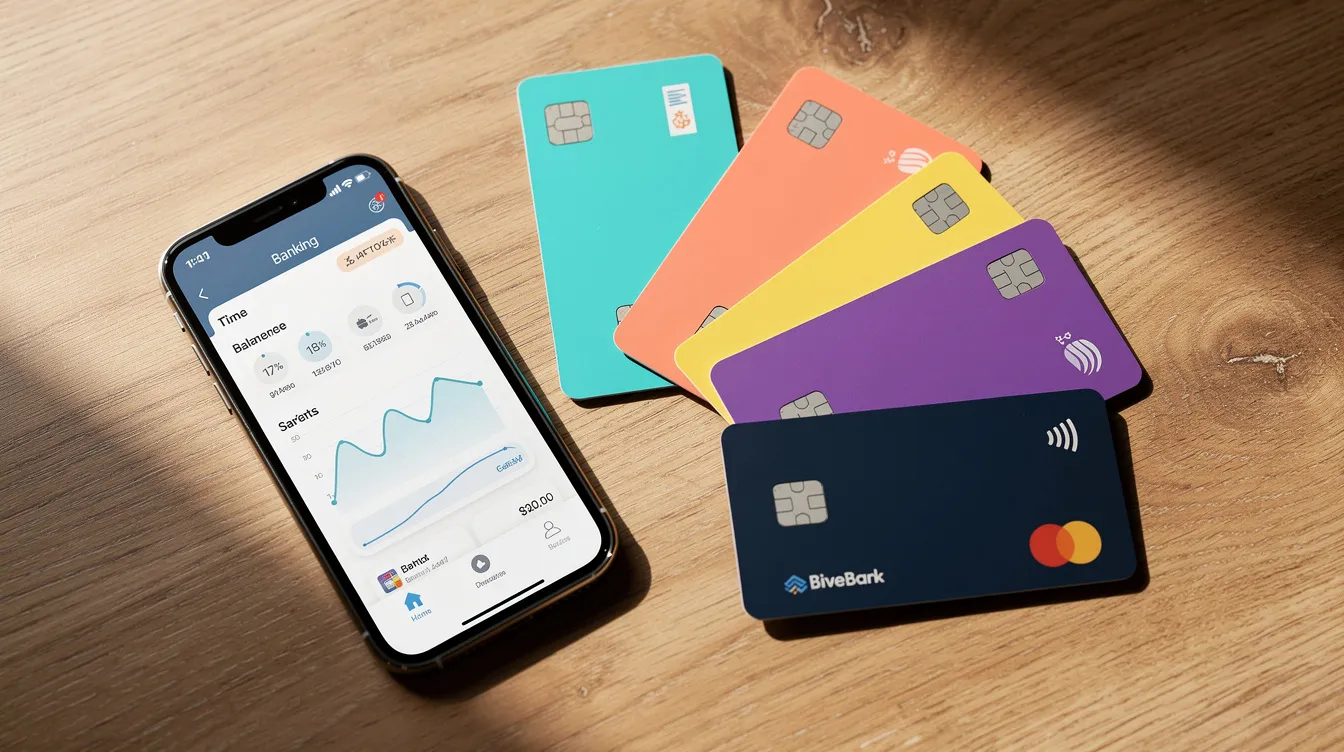
The best digital wallet in Pakistan depends on your lifestyle. A student in Lahore has different needs than a freelancer in Islamabad or a family in rural Sindh receiving remittances. Pakistan's mobile wallet landscape is evolving towards digital-first platforms, but cash access still matters for many.
Compare transaction fees to avoid hidden costs, especially on cash-outs, online payments, and utility bill payments
Check ease of linking a bank account and using Raast for instant money transfer between wallets and banks
Check merchant acceptance to ensure usability at stores and for online shopping
Focus on user-friendly apps for easier financial management and responsive customer support
Ensure support for international payments if needed, especially if you freelance or receive money from abroad
Special use cases to consider:
Families sending pocket money to kids: JazzCash NextGen or Zindigi teen accounts with supervised loyalty cards and spending controls
Freelancers needing smooth international payouts and competitive exchange rates: SadaPay or NayaPay
Small businesses requiring QR and POS support: Keenu Wallet or Finja Wallet
People abroad wanting to send directly to wallets: Easypaisa or JazzCash for widest agent coverage on the receiving end
Shortlist 2–3 wallets, try each for a week, and then pick one main wallet plus a backup. The right digital wallet is the one that matches how you actually spend, save, and receive money.
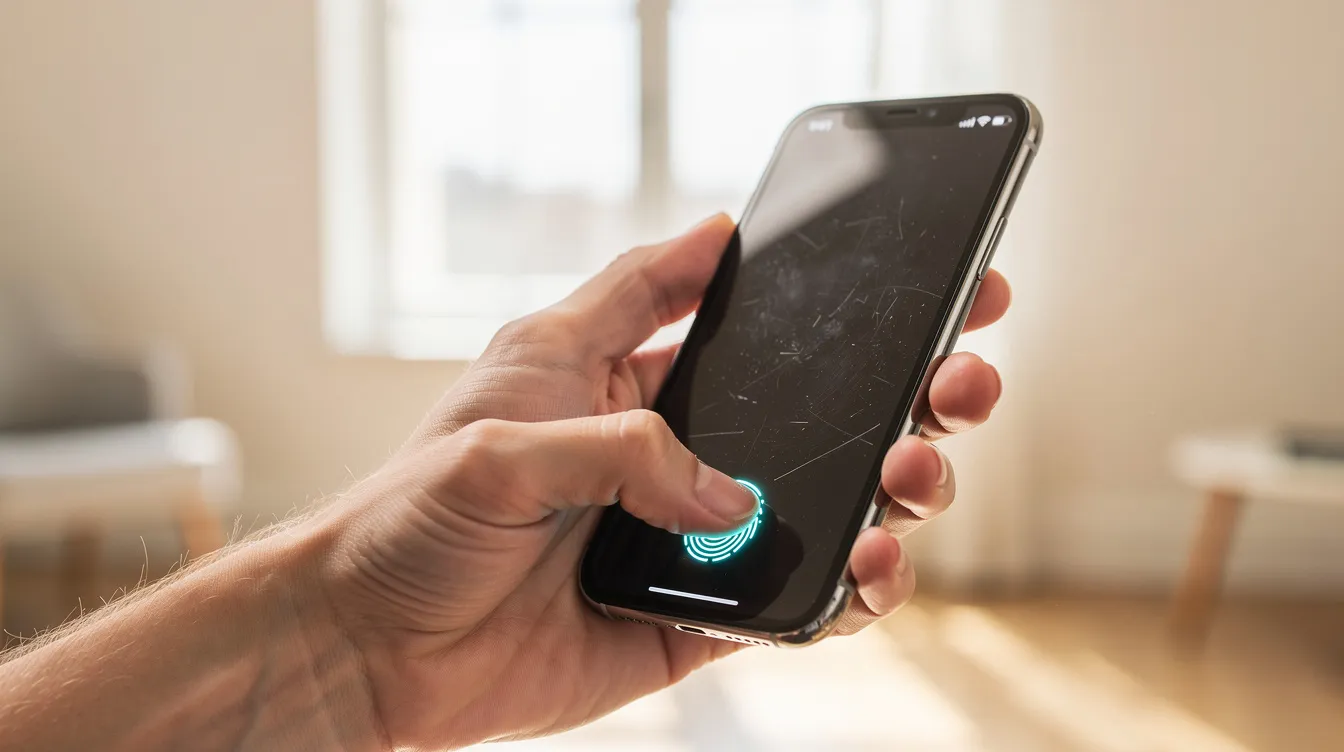
SBP regulation covers both EMIs and branchless banking providers, enforcing mandatory KYC and requiring e-money to be held in separate trust accounts. Mobile wallets in Pakistan offer a variety of services including bill payments and savings options, all under this regulatory umbrella. Mobile wallets offer secure PIN and biometric protection across nearly every platform.
Biometric authentication ensures only you can access your wallet through fingerprint or face ID verification
Advanced encryption converts sensitive financial information into unreadable data during transmission
Two-factor authentication adds extra protection for transactions beyond just a password
Tokenization replaces card details with unique digital tokens, so your actual card number is never exposed
Secure PIN transfers add an extra layer of safety for every money movement
Device binding ties your wallet to a specific phone, and real-time transaction alerts notify you of every activity in app
Choose a wallet with biometric authentication for security as your baseline requirement
Limits: Basic accounts have lower daily and monthly ceilings for sending and receiving. Fully verified (biometric) accounts unlock higher caps. These differ between branchless banking wallets and EMI wallets, and SBP updates them periodically. Always check the latest schedule on your wallet provider's website.
Emerging trends: Deeper Raast integration for all wallets, growing QR code acceptance at small merchants nationwide, potential future compatibility with services like Apple Pay or Google Wallet on iOS devices and other operating systems, and evolving cross-border digital finance under SBP rules. Digital keys to your financial life are increasingly held in your phone rather than at a bank branch.
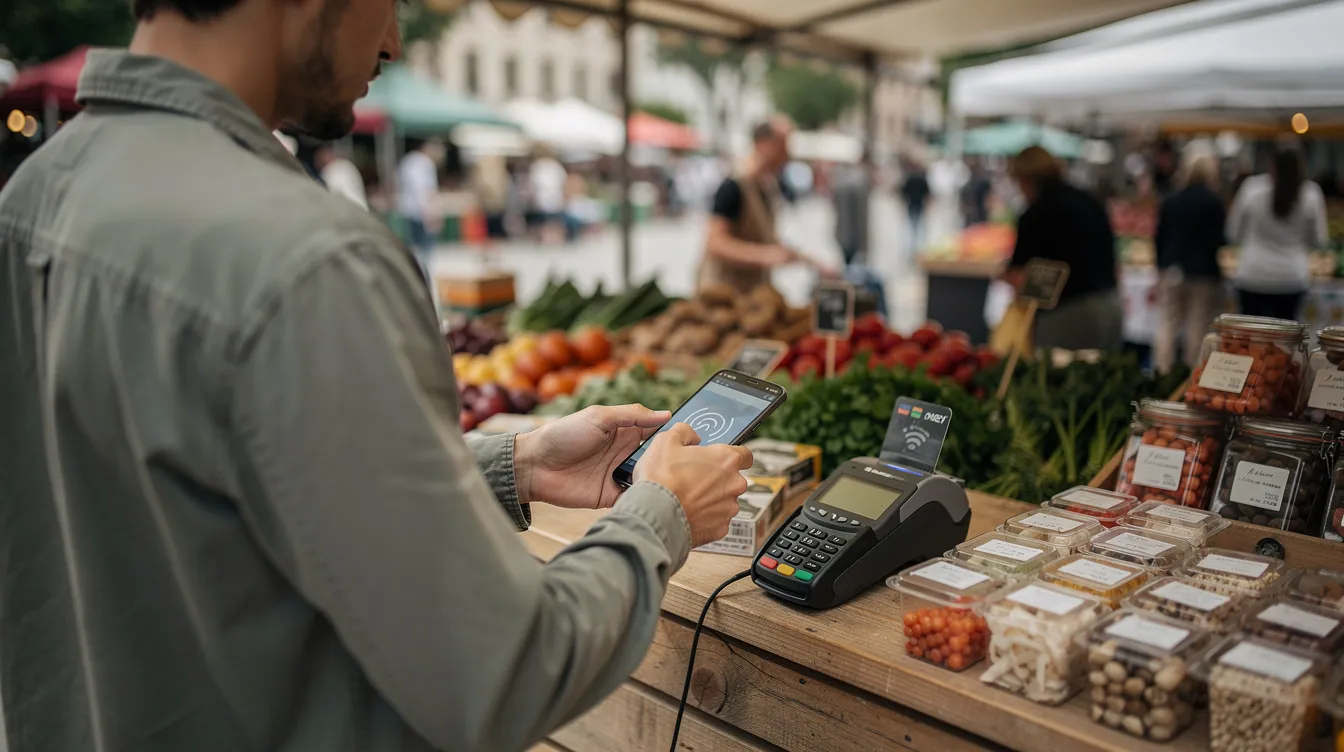
Pakistan is moving steadily toward a cash-lite digital economy, and mobile wallets operating across both agent networks and purely digital channels are the engine driving that shift. Whether you handle boarding passes or pay for groceries, these wallets work as the backbone of everyday digital payments.
For a quick skim of the most common questions about open wallets and digital payments in Pakistan:
Which is the best mobile wallet in Pakistan for daily use? For wide physical cash access and paying bills at agents, Easypaisa and JazzCash lead with their massive networks. For digital-first users who want zero fees on transfers and cards, NayaPay and SadaPay offer a more modern, fee-light experience. The best choice depends on whether you rely more on cash or digital channels.
Can I receive international remittances directly into my digital wallet? Yes. Easypaisa, JazzCash, NayaPay, and SadaPay all support incoming remittances through partner services or bank rails. Check with your specific remittance provider to confirm which wallets they can send directly to.
What is the difference between a mobile wallet and a traditional bank account? A mobile wallet typically requires only a CNIC and mobile number, offers quick onboarding, and focuses on payments and transfers. Traditional bank accounts provide broader services like loans, formal savings with deposit insurance, and overdraft facilities. Bank-backed wallets like Zindigi blur this line by combining wallet convenience with bank-grade products.
Are global apps like Cash App, Apple Pay, and Google Wallet available in Pakistan? No. These services do not officially operate in Pakistan. However, Visa and Mastercard debit cards issued by Pakistani wallets can be used to shop online at international merchants where those card networks are accepted.
Is it safe to keep most of my money in a mobile wallet? Regulated wallets (SBP-licensed EMIs and branchless banking providers) are generally safe, with encryption, biometric login, and transaction alerts. However, many users keep only a working balance in their wallet and transfer larger amounts to a bank account periodically, treating the wallet as a spending tool rather than a savings account. Always verify that your wallet provider holds an active SBP license before trusting it with significant funds.