
ACE Money Transfer
ACE Money Transfer

29 Apr 2025
Ireland has pulled in Indian talent at a pace few European countries can match. The 2022 Irish census counted 45,449 Indian-born residents; community estimates now put the figure at over 50,000 Indians currently living in Ireland, making it one of the fastest growing communities in the country. Over 13% of Ireland's population is foreign-born, creating a diverse social fabric across the emerald isle.
What drives this? Ireland's economy is fueled by multinational corporations in tech and pharmaceuticals. Google, Meta, Apple, and Microsoft run large operations out of Dublin. Pfizer and nine of the top ten global pharma companies maintain manufacturing or R&D sites across the country. Many of these firms have set up their European headquarters in Ireland, drawn by European Union membership, a 12.5% corporate tax rate, and an English speaking environment that removes the language barrier for Indian professionals and students alike.
Life in Ireland for an Indian student looks different from life for an IT professional or a family. A master's student faces tuition of €15,000 to €30,000 per year plus living costs that run €1,100 to €1,600 per month. An IT professional may earn €50,000 or more but will compete for housing in a market where Dublin one-bedroom rents exceed €1,700. A family relocating must navigate school admissions, healthcare registration, and winters where temperatures sit between 2°C and 8°C for months. This article covers what each group needs to know.
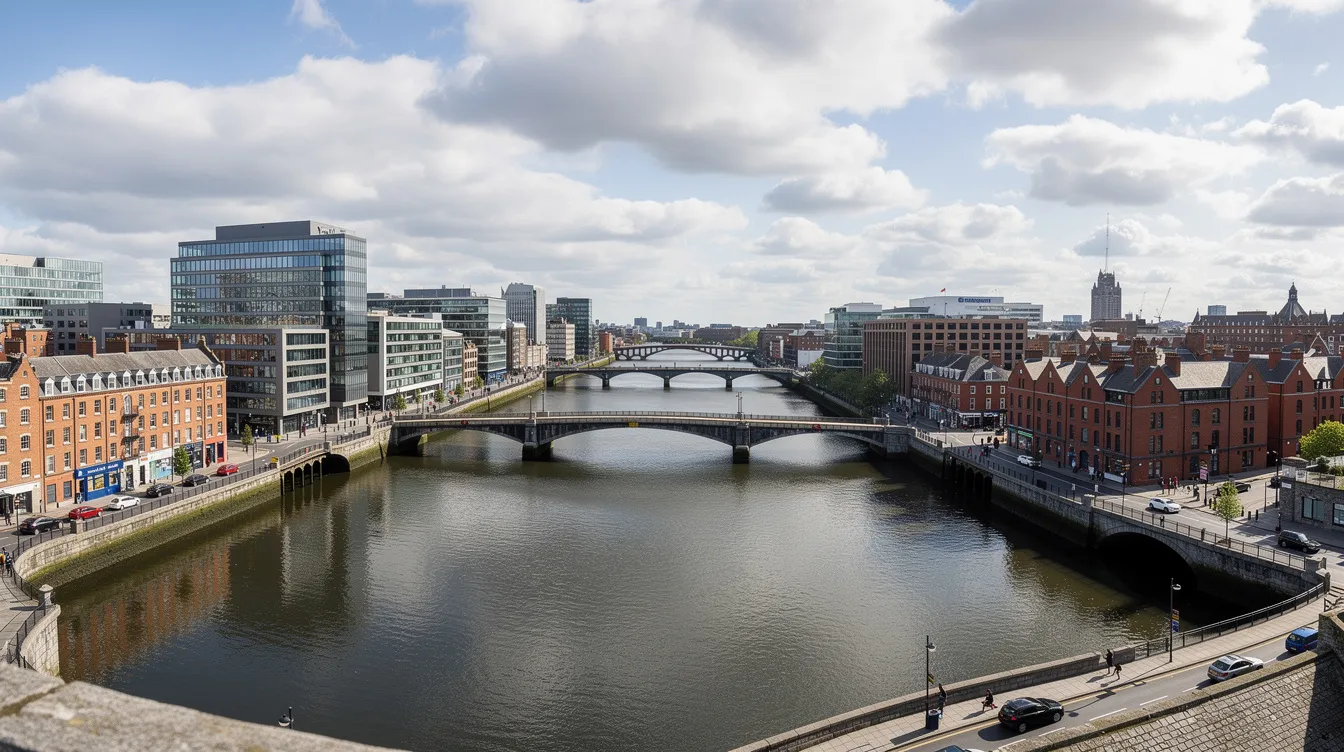
Indian students are one of the fastest-growing international cohorts in Irish universities since around 2018. Ireland has become a top alternative destination for Indian international students, with over 13,000 enrolled in Irish universities as of 2024-2025. Non-EU enrolment across public institutions reached 32,940 in the 2024/25 academic year.
Courses lasting over 90 days require a long-stay "D" student visa. Processing times vary by season and embassy workload, but Indian applicants should plan for roughly 4 to 12 weeks. The New Delhi visa office publishes a checklist specifying submission deadlines; applying early is not optional.
Key documents for the visa application:
A letter of offer from a recognized Irish institution listed on the Interim List of Eligible Programmes (ILEP)
Proof of tuition payment or bond
Bank statements showing immediate access to at least €10,000 for first-year living costs
English proficiency scores (IELTS, PTE, or TOEFL) as required by the course
Valid passport with at least 12 months remaining
Private health insurance policy covering the full duration of stay
After arrival, international students must register with Irish Immigration to receive an Irish Residence Permit (IRP) under Stamp 2. This grants work rights: up to 20 hours per week during term time and up to 40 hours per week during official holiday periods (June through September, and mid-December to mid-January). Self-employment is not permitted under the student visa.
Ireland's education system for higher studies is structured through the National Framework of Qualifications: Level 8 for honours bachelor's degrees, Level 9 for master's, and Level 10 for doctorates. Quality and Qualifications Ireland (QQI) oversees standards across institutions. Ireland's universities consistently rank in the top 5% globally, with institutions like Trinity College Dublin and University College Dublin among the top 1%.
Irish universities popular with Indian students include Trinity College Dublin, University College Dublin, University of Galway, University College Cork, Dublin City University, and Maynooth University. Each offers research opportunities across disciplines from artificial intelligence to molecular biology.
The system differs from Indian higher education in several concrete ways. Contact hours are fewer; a typical master's programme might have 12 to 15 hours of lectures per week compared to 20 to 25 in many Indian universities. The gap is filled by independent reading, group projects, and continuous assessment. Grading depends on essays, presentations, and participation rather than a single end-of-term exam. This approach prepares students for workplace problem-solving but requires adjustment if you are accustomed to rote learning.
Ireland offers a wide range of industry-aligned programs, particularly in STEM and business fields. High-ranking disciplines include computer science, data science, data analysis, engineering, pharmaceuticals, finance, and business analytics. Tuition for non-EU postgraduate students ranges from €10,000 to €15,000 per year for some humanities courses, and €15,000 to €25,000 or more for STEM and business programmes. The average tuition fees for international students can vary, with many universities offering competitive scholarships to help ease financial burdens, including Government of Ireland scholarships and university merit awards worth €2,000 to €5,000 or partial tuition waivers.
The most popular master's fields for Indian students cluster around technology, business, and life sciences. Specific programmes include MSc Computer Science, MSc Data Science, MSc Data Analytics, MSc Cybersecurity, MSc Artificial Intelligence, MBA, MSc Finance, MSc Pharmaceutical Sciences, and MSc Biomedical Engineering.
These courses are attractive because they align directly with Ireland's job market. In-demand roles for Indian expatriates include software engineers, data analysts, healthcare professionals, and various engineering specialties. Job opportunities for Indians often lie within fields on the Critical Skills Occupations List, including IT, healthcare, finance, and engineering. Many programmes include industry projects or internships with companies operating in Dublin and Cork, such as Apple, Pfizer, Boston Scientific, and LinkedIn.
Typical entry requirements for an Indian student:
Relevant honours bachelor's degree with a minimum of 55% to 60%
IELTS overall score of 6.5 or equivalent
Professional experience for MBA programmes
Prior coding or statistical skills for certain STEM courses
Course clusters at a glance:
IT and computing (AI, cybersecurity, software engineering)
Business and finance (MBA, fintech, business analytics)
Life sciences and pharma (pharmaceutical sciences, biomedical engineering)
Emerging areas: supply chain management, operations research
Under the third level graduate scheme, international students can stay in Ireland for up to two years after graduation to seek employment. Specifically, Level 8 honours bachelor's graduates receive 12 months on Stamp 1G, while Level 9 master's graduates receive up to 24 months in two 12-month blocks. This is a real advantage in the job market; few other European countries offer a comparable post-study window.
After or during Stamp 1G, Indian graduates typically apply for one of two employment permits. The critical skills employment permit targets occupations on the Critical Skills list and requires a minimum annual salary of €40,904 (as of March 2026) for degree holders. The general employment permit covers a broader range of roles with its own salary thresholds and conditions. Both permits open a path toward long-term residency and professional growth.
Key sectors hiring skilled workers from India:
Software and IT: software engineers, cloud architects, AI specialists (€40,000 to €65,000 entry to mid-level)
Data science and fintech: data analysts, quantitative analysts (€45,000 to €65,000)
Pharmaceuticals and medical devices: process engineers, regulatory affairs specialists (€35,000 to €55,000)
Finance and accounting: auditors, financial analysts (€30,000 to €45,000)
Business consulting: management consultants, operations analysts (€35,000 to €50,000)
The average starting salary for international graduates in Ireland ranges from €35,000 to €45,000, reflecting the demand for skilled professionals. For experienced IT and pharma professionals, salaries can reach €50,000 to €70,000. Previous Indian work experience in relevant sectors improves chances of securing roles in Dublin, Cork, Galway, and Limerick.

Life in Ireland is expensive compared with most Indian cities, and Dublin tops the list. The average monthly cost of living for international students in Ireland is approximately €982 according to widely cited student budget guides, though TU Dublin's 2025-26 data puts the figure at €1,320 to €2,214 depending on accommodation type. Realistic monthly costs for an Indian student in 2024-2025 fall in the €1,100 to €1,600 range.
Monthly cost breakdown for a student away from home:
Rent (shared room or PBSA): €700 to €1,100 in Dublin; €450 to €800 outside Dublin
Groceries: monthly expenses typically range from €300 to €450 for one person
Public transport: monthly travel passes in Dublin cost between €120 and €160; Leap Card discounts apply for students
Utilities (gas, electricity, heating): basic utilities average about €150 to €250 per month, depending on sharing arrangements
Mobile and internet: €13 to €30
Social and miscellaneous: €50 to €100
In Dublin, the cost of living is particularly high, with rent for a one-bedroom apartment often exceeding €1,700 per month, while cities like Cork and Galway offer more affordable options. Limerick and smaller towns are cheaper still. Managing your finances carefully requires tracking every euro; budgeting apps and a clear monthly plan make the difference between comfort and stress.
The housing market is the single biggest headache for new arrivals. Finding affordable housing in major Irish cities like Dublin and Cork is a primary challenge for newcomers, exacerbated by high rents and limited availability. Finding accommodation in Ireland is increasingly difficult due to high demand and limited supply, particularly in cities like Dublin, where many students resort to shared rooms or temporary housing.
Options available:
On-campus student accommodation (universities allocate limited spots; apply early)
Private student residences (Purpose-Built Student Accommodation, or PBSA)
Shared apartments or house shares (the most common choice)
Homestays or "digs" (living with an Irish family, meals sometimes included)
Typical rent ranges for 2024-2025: a single room in a shared Dublin house costs €700 to €1,100 per month. Outside Dublin, similar rooms run €450 to €800.
The rental process requires: passport, IRP or visa proof, employment letter (for workers) or student registration (for students), references from a previous landlord or employer, and a deposit equal to one month's rent or more. Contracts should always be in writing.
Rental scams target international and Indian students regularly. Common tactics include fake listings, requests for cash before viewing, and landlords who refuse to provide written contracts. Use recognized platforms like Daft.ie and Rent.ie. View properties in person or have a trusted contact visit on your behalf. Never transfer money without a signed lease.
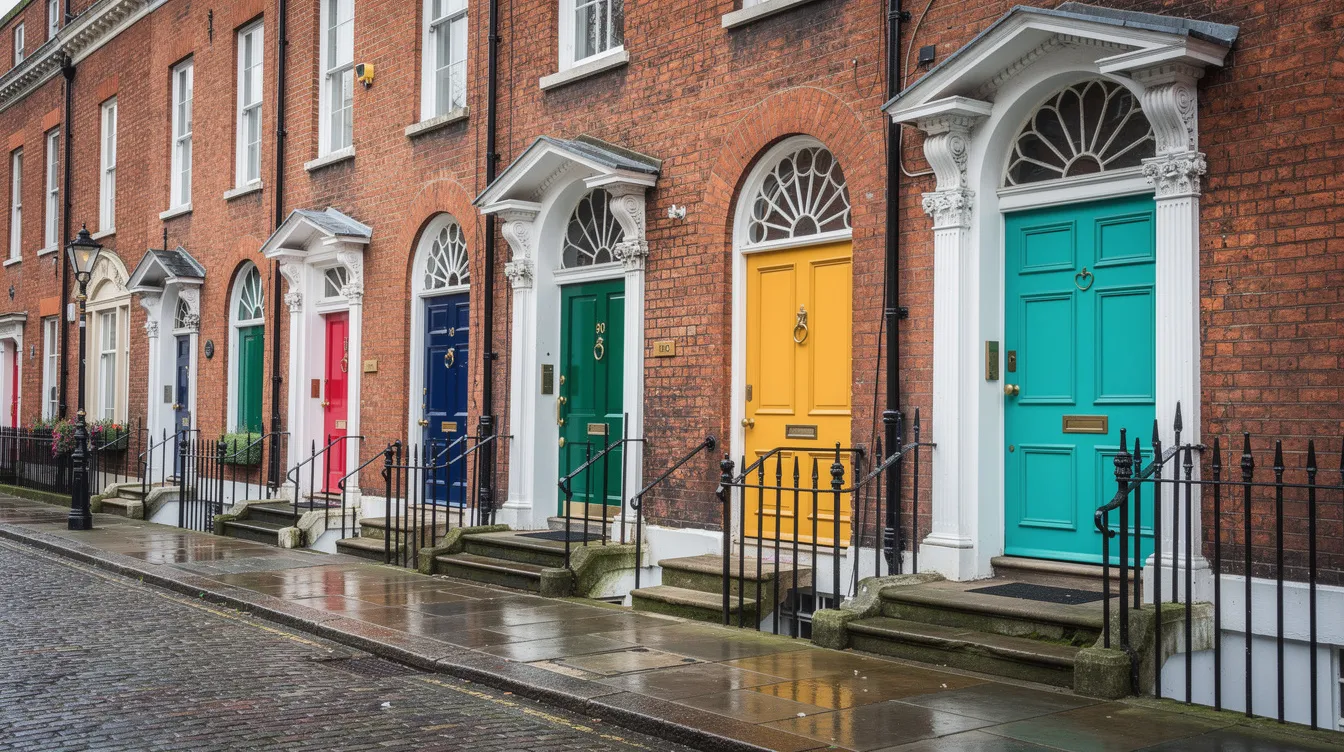
Ireland operates a mixed healthcare system. The Health Service Executive (HSE) manages public healthcare, which is subsidized for residents but can involve long wait times. Private insurance provides faster access and wider choice.
Private health insurance is mandatory for most non-EU students and is typically a condition of visa approval and IRP registration. Policies must be in English, cover disease, accident, and hospitalization, and remain active for the full duration of stay. Student health insurance policies cost €500 to €800 per year. For working Indian professionals and families, premiums rise depending on coverage for dental, optical, and maternity.
Common costs in the Irish healthcare system:
GP visit: €50 to €70
Emergency department (with GP referral): reduced or no charge for serious cases
Emergency department (without referral, non-emergency): can incur charges of €100 or more
Prescriptions: variable; pharmacy prices for common medications range from €5 to €50
First 30 days after arrival; health tasks for newcomers:
Register with a local GP practice near your accommodation
Confirm your private insurance policy is active and carry proof
Save emergency numbers: 112 or 999
Locate the nearest hospital and after-hours GP service
Understand how prescriptions work (doctor writes, pharmacy dispenses; bring ID)
Check which pharmacies are open on weekends and bank holidays
Public healthcare through the HSE is available for emergencies regardless of insurance status, but routine care without a medical card or GP visit card requires out-of-pocket payment.
Cultural differences between India and Ireland show up in small, daily interactions. Irish people are known for their legendary hospitality and sense of community, making it easier for newcomers to connect. But the Irish emphasis on politeness and indirect communication can lead to misunderstandings for Indian expats accustomed to more direct forms of interaction. "Grand" can mean anything from "acceptable" to "excellent" depending on tone.
Irish culture places weight on personal space, punctuality in academic and work settings, and casual timing for social events. Irish social life is heavily influenced by pub culture; Irish pubs serve as neighborhood hubs for food, live music, and conversation. The concept of "craic" (fun, banter, good company) runs through daily life, from office chats to weekend gatherings. A visit to Temple Bar in Dublin gives a concentrated taste of this, though locals tend to prefer quieter neighborhood pubs.
St. Patrick's Day, celebrated on March 17th, is Ireland's most famous festival, where locals and expats come together for lively parades and traditional Irish folk music. It offers a direct window into Irish society and a chance for cultural integration.
In the classroom and workplace, expect informality: lecturers and managers go by first names, speaking up is encouraged, and group collaboration matters more than individual performance on exams. Irish institutions reward critical thinking over memorization.
Practical etiquette for Indian newcomers:
Queue without cutting; it is taken seriously
"Please" and "thank you" are expected in every transaction
Splitting bills evenly is standard among friends
Tipping in restaurants: 10% to 15% when service charge is not included
Dress norms are casual compared with Indian formal settings
Alcohol is consumed publicly and socially; declining is accepted without judgment
The Indian population in Ireland has grown steadily, making it easier for newcomers to find cultural and social support. The majority of Indians in Ireland settle in Counties Dublin and Meath, with significant populations in Cork, Limerick, and Galway. The Indian community in Dublin county grew 155.2% between 2016 and 2022 according to census data.
Indian communities maintain active societies on most major university campuses. These groups organize cultural events, film screenings, and festival celebrations throughout the academic year. Indian students and professionals actively participate in festivals like Diwali and Holi, as well as in university societies and cultural groups, creating a supportive environment in a new country.
Indian grocery stores stock rice, lentils, spices, masalas, and frozen Indian food items in Dublin, Cork, Galway, and Limerick. Larger supermarket chains carry basic South Asian staples, though imported goods cost more than in India. Weekly ethnic food markets in Dublin provide additional variety.
Indian restaurants have a strong presence across Irish cities. Dublin offers South Indian, North Indian, and Indo-Chinese options. Cork, Galway, Limerick, and Waterford each have reliable choices. If you cook Indian food at home, you can find most ingredients without difficulty in any of the major cities.
Cultural festivals celebrated by the Indian community:
Diwali and Holi: organized events with cultural performances, Indian food stalls, and community gatherings
Eid: observed by the Indian Muslim community
Republic Day and Independence Day: marked by embassy events and community organizations
University-organized "culture nights" featuring Indian dance, music, and cuisine

Dublin is the primary hub for tech, finance, data science, and consulting. Ireland hosts the European operations of dozens of global companies, and most of those offices sit in Dublin or its suburbs. Salaries are the highest in the country. The tradeoff: Dublin has the most expensive rent, the most competitive housing market, and traffic congestion that can stretch a 10-km commute to 45 minutes. The vibrant city life and concentration of career opportunities keep most Indian professionals here.
Cork, Ireland's second-largest city, anchors the pharmaceutical and biotech sector. Pfizer, Johnson & Johnson, and several medtech firms operate manufacturing and R&D facilities in the Cork area. Rents run 15% to 25% lower than Dublin. The city centre is walkable, and the food scene has grown steadily.
Galway and Limerick offer a quieter environment with growing tech and medtech clusters. The University of Galway and the University of Limerick attract Indian students drawn to lower living costs and a more relaxed pace. Public transport within these city centres works, but commuting from outlying areas requires a car or bicycle.
Some skilled professionals settle in smaller towns in the west or midlands for specific employers in medtech, pharma, or engineering. The Wild Atlantic Way runs through some of these regions, offering coastal scenery that compensates for limited nightlife. These locations suit those who prioritize savings and outdoor living over a bustling social life.
Quick city comparison for Indian students and professionals:
Dublin: highest salaries, most job opportunities, most expensive, largest Indian community
Cork: strong pharma and biotech, moderate rents, good quality of life
Galway: student-friendly, medtech growth, lower costs, scenic surroundings
Limerick: affordable, engineering and tech jobs, smaller Indian community
Indian students on Stamp 2 can work part time jobs during the academic term (20 hours per week) and full-time during official holidays (up to 40 hours per week within specified dates). Common roles include retail, cafés, restaurants, campus positions, call centres, and entry-level tech support or data entry.
Realistic earning expectations: hourly wages for student jobs run €11 to €15 depending on city and sector. Monthly earnings for students working regular shifts fall between €800 and €1,200 before deductions.
Basic Irish tax concepts every newcomer needs:
PPS number (Personal Public Service Number): required before you can legally work; apply at your local Intreo office
PAYE (Pay As You Earn): income tax is deducted at source by your employer
USC (Universal Social Charge): an additional percentage deducted from earnings
Pay related social insurance (PRSI): contributes to social benefits; deducted from wages
Part-time workers still pay income tax but can claim refunds at year-end if they overpaid
Practical budgeting steps:
Open an Irish bank account (Bank of Ireland, AIB, or Permanent TSB) within your first week
Use a budgeting app to track weekly spending
Plan for one-off expenses: IRP renewal (€300), visa renewal fees, flights home
Monitor exchange rates when sending money to India
Share accommodation and utility costs to reduce monthly outgoings
Ireland's climate requires adjustment for anyone used to Indian summers. Winters bring temperatures of roughly 2°C to 8°C with frequent rain and short daylight (as few as 7 to 8 hours in December). Summers are mild at 15°C to 22°C. The unpredictable Irish weather, characterized by frequent rain and cool temperatures, can be a significant adjustment for newcomers from warmer climates, potentially affecting their mood and well-being.
Clothing essentials: a waterproof jacket (not an umbrella alone; wind renders umbrellas useless), thermal layers, a warm sweater, sturdy walking shoes, and gloves and a hat for winter.
Public transport in Irish cities includes Dublin Bus, Luas tram, DART commuter rail, and intercity buses via Bus Éireann. A Leap Card provides discounted fares; student Leap Cards offer additional savings. Transport is reliable in Dublin and Cork city centres but can be sparse in rural areas, where a bicycle or car becomes necessary.
Daily life tips:
Supermarkets in smaller towns may close early or have limited Sunday hours
Recycling is mandatory and separated by type (glass, paper, plastics, food waste)
Download bus schedule apps for real-time arrival information
Food delivery apps operate in all major cities
Ireland is a safe country with low violent crime rates; common sense applies as in any other country
Culture shock and homesickness hit hardest in the first winter. Short days, grey skies, and cold drizzle affect mood, especially for those from sunnier Indian states. Seasonal affective disorder is real; a daylight lamp and outdoor walks on clear days help.
Housing search timing is critical. University terms start in September; if you begin looking for accommodation in August, you are competing with thousands of other students. Start searching two to three months before your arrival date. Apply for on-campus housing as soon as you receive your offer letter.
Academic adjustment to Ireland's education system takes time. The emphasis on critical thinking, self-directed research, and group projects can feel unfamiliar. Use university writing centres, library workshops, and counselling services; they exist for exactly this purpose. Quality education in Ireland comes with the expectation that you will engage actively rather than passively absorb lectures.
The Indian community in Ireland has faced a troubling rise in racially motivated incidents, prompting security advisories from both the Irish President and the Indian Embassy. If you experience bias or microaggressions, report incidents through university equality offices, student unions, or local Gardaí (police). Community support networks, both online and in person, provide solidarity and practical advice.
Coping strategies that work:
Join Indian and international student societies early; they provide social life and practical help
Explore Ireland's coastline, national parks, and the Wild Atlantic Way on weekends
Cook Indian food at home; it is cheaper and comforting
Schedule regular video calls with family in India
Seek out research opportunities or volunteer work to stay engaged and build networks
Attend cultural festivals and cultural events organized by your university or local Indian community
Ireland offers a combination that few other countries match for Indian students and skilled professionals: academic excellence at globally ranked Irish universities, clear career opportunities in tech, data science, finance, and pharma, a safe country with an English speaking environment, and supportive Indian communities in every major city. Ireland's job market is particularly strong in sectors like IT, pharmaceuticals, finance, and engineering, providing ample professional mobility for highly qualified candidates. Ireland has become a preferred destination for Indian graduates due to this strong job market and the presence of a growing Indian community, which facilitates networking and job opportunities.
The drawbacks are real. The cost of living, especially housing, is steep. The Irish government continues to grapple with a housing crisis that shows no quick resolution. Weather tests your patience. The job market after graduation can be competitive, and meeting salary thresholds for employment permits adds pressure.
Ireland suits Indian students aiming for EU exposure and research opportunities, IT and STEM skilled professionals with qualifications aligned to the Critical Skills list, and families seeking stable, high-quality education and healthcare. It is less suited for those without clear career alignment or a financial cushion to absorb 12 to 18 months of high living costs.
Before deciding, assess your finances realistically, confirm that your field has demand on Ireland's occupations list, and connect with Indians already living in Ireland. Join university society groups online, attend virtual open days, and budget conservatively. Daily life on the emerald isle rewards those who plan early and adapt with purpose.