ACE Money Transfer
ACE Money Transfer
26 Oct 2026
SBM Bank India processes international money transfers for NRIs, students, freelancers, and businesses through its connection to the SWIFT network and its own SBM Remit platform. This guide covers how to receive remittances into an SBM Bank India bank account, how SBM Remit works for NRIs sending funds from abroad, what restrictions apply to outward remittances from India, and how ACE Money Transfer provides an alternative route with bank deposit, cash pickup, and mobile wallet payout options.
SBM Bank (India) Ltd is a wholly owned subsidiary of SBM Holdings Ltd, the parent company headquartered in Mauritius. SBM Bank India obtained its banking licence from the Reserve Bank of India (RBI) and began operations on December 1, 2018. The bank is headquartered in Mumbai, with branches in New Delhi, Gurugram, Bengaluru, Chennai, Hyderabad, Ahmedabad, Kolkata, and select rural areas. SBM Mauritius offers international money transfers in multiple currencies, subject to applicable regulations. Customer figures, currency coverage, and the Indian subsidiary’s processing role require verification through current official sources.

An SBM Bank India bank account gives you access to inward remittances from abroad via SWIFT, SBM Remit for NRI transfers, and standard cash management services. For context, an international money transfer is any electronic movement of funds across national borders, typically involving currency conversion. A remittance usually refers to money sent by someone abroad (an NRI, foreign worker, or student) back to India. Exchange rates determine how much INR the recipient actually receives when foreign currency is converted. A SWIFT transfer uses the Society for Worldwide Interbank Financial Telecommunication network, where each bank is identified by a unique BIC code. SBM Remit is SBM Bank's own platform for handling inward remittances, particularly from NRIs.
There is one restriction that anyone planning to use SBM Bank India for international transfers must know: On 23 January 2023, the Reserve Bank of India (RBI) directed SBM Bank (India) Ltd to stop all transactions under the Liberalised Remittance Scheme (LRS) until further orders, citing material supervisory concerns. The current status of this restriction should be verified against the latest official RBI updates before publication. No public RBI circular has confirmed that this directive has been lifted. If you are a resident Indian looking to send money abroad, SBM Bank India cannot currently process that transfer under LRS. Check the bank's official remittance page or recent RBI circulars for any updated position.
For customers who need to send money from countries like the UK, EU, Canada, or Australia to India, or for those who want a convenient digital alternative to traditional bank wires, ACE Money Transfer is a regulated option. Flag 4 — Missing Exchange Rate Disclaimer: Please add: 'Exchange rates fluctuate and the rate you receive may differ from any rates quoted. Always check the live rate at acemoneytransfer.com before sending.' - Compliance. ACE provides bank deposit (including to SBM Bank India accounts), cash pickup, and mobile wallet payout methods, with fees and exchange rates displayed before you confirm. Receiving Money From Abroad Into Your SBM Bank India Account
SBM Bank India is connected to the SWIFT network for transfers, which means any person abroad can wire funds directly into an Indian rupee account held at the bank. The process follows the same pattern as receiving at any major Indian bank, but specific details like SWIFT codes, fees, and documentation requirements are unique to SBM.
Here is what senders and recipients need to know:
SWIFT code and beneficiary details. The primary SWIFT/BIC code for SBM Bank (India) Ltd’s Mumbai office is STCBINBX (8 characters), as listed in published banking reference records. Verify the code against the bank’s current official payment instructions before use.
For branch-specific routing, an 11-character code applies; for example, the Nariman Point branch uses STCBINBXNPT. The sender needs the beneficiary's full name (exactly as it appears in bank records), SBM Bank India account number, IFSC code of the branch, and the branch address. Sharing incorrect or outdated codes is the most common reason for delayed or bounced transfers.
Process for a sender abroad. The sender collects the recipient's SBM Bank India account number, account holder name, branch address, and SWIFT/BIC code. They then initiate an international wire from their local bank or a remittance provider. When initiating, they select the correct currency and fee option (OUR, SHA, or BEN, which determines who pays correspondent bank charges) and check cut-off times for same-day processing.
Exchange rate conversion. When foreign currency arrives at SBM Bank India, the bank converts it to INR using its own forex buying rate. SBM Bank's forex rates are higher than mid market rate benchmarks you might see on Google or XE. The spread between SBM's rate and the true mid market rate is how the bank earns on the conversion. For example, in a hypothetical £1,000 transfer, a rate 1% below the mid-market rate could result in the recipient receiving approximately ?1,100 less, depending on the exchange rate used.
Fees and charges. SBM Bank fees for inward remittances vary by payment type. According to the published Schedule of Charges for SBM Remit. The cost of inward remittances from the UK to India varies by provider, transfer method, and applicable fees. Check the provider’s latest official fee schedule before quoting specific charges. The same structure applies for AUD-to-India transfers. These fees exclude taxes and any correspondent or intermediary bank charges deducted before funds reach the beneficiary. Larger transfers usually incur lower fees and better rates, and high-value customers may negotiate custom spreads with the bank.
Processing times. SBM transfer times vary by country, payment method, banking holidays, and compliance checks. Check official sources for current estimates. Inward remittances into India typically take 3 to 5 working days to process through the full chain of correspondent and receiving banks. Faster crediting happens when funds are sent during business hours, and the transfer matches KYC/AML requirements without triggering additional documentation requests.

Practical tips for receiving money:
Confirm SBM Bank India's latest SWIFT code and beneficiary details directly with your branch before sharing them with the sender. Codes can change when branches are restructured.
Ask the sender to mention the purpose of remittance (education, family maintenance, NRE/NRO credit) in the transfer instructions. This satisfies RBI regulations and prevents the bank from holding the funds pending clarification.
Keep copies of invoices, admission letters, or contracts for higher-value international transfers. SBM Bank India’s documentation requirements and submission deadlines for trade-related receipts should be verified against its latest official guidelines and applicable RBI regulations.
KYC documentation is required for both inward and outward remittances at SBM Bank India.
Comparing SBM Bank India with ACE Money Transfer for receiving. A sender abroad can also use ACE Money Transfer and choose "bank deposit" to credit an SBM Bank India account. ACE Money Transfer’s fees and exchange rates for UK-to-India transfers may vary. The total amount received depends on the exchange rate, transfer fees, and any intermediary or receiving bank charges. Compare the final amount received for the same transfer details before choosing a provider. Rates and fees may vary. Visit acemoneytransfer.com for current rates. ACE also offers cash pickup and mobile wallet options for recipients in India who do not hold an SBM Bank account.
SBM Bank India operates under applicable RBI regulations and may use security measures such as two-factor authentication for online and mobile banking. These measures can help reduce security risks but cannot eliminate them. The bank is subject to the regulatory requirements applicable to licensed Indian banks.
This section walks a sender in the US, UK, EU, or Gulf through the process of remitting to an SBM Bank India account.
Step 1: Gather the recipient's details: full name as per the bank, SBM Bank India account number, IFSC code of the branch, branch address, and SWIFT code (STCBINBX for head office or the 11-character branch-specific code).
Step 2: Visit your local bank or choose a digital remittance provider (including ACE Money Transfer). Start an international money transfer or overseas wire. If using ACE, log in, select India as the destination, and pick "Bank Deposit."
Step 3: Enter the currency and amount. For example, USD to INR, EUR to INR, or GBP to INR. Check the live exchange rates displayed by your provider and note the estimated arrival time. Standard processing times for international wire transfers can vary depending on banks, but international transfers typically take 1 to 5 business days.
Step 4: Review all charges: the sending fee, expected receiving fee (if SHA or BEN), and the FX margin. Confirm you understand the total cost in your home currency before proceeding.
Step 5: Submit the transfer, save your reference number, and share proof (receipt or MT103 confirmation) with the recipient in India.
What the recipient should do:
Monitor SMS and email alerts from SBM Bank India for credit notifications.
Log in to SBM Bank internet or mobile banking to verify the credited amount in INR.
If funds have not arrived within the stated timeframe, contact customer support and quote the SWIFT reference (UTR or MT103 number) from the sender.
Avoid these common errors: incorrect account number, name mismatch between the sender's instruction and SBM Bank records, truncated branch address, or using an outdated SWIFT/IFSC code. Any of these will delay or bounce the transfer.
SBM Remit is designed for SBM Bank customers abroad, particularly NRIs in Mauritius, the UK, EU, and Gulf countries, to send money to India. It is not intended for resident Indians to make outward foreign remittances.
What SBM Remit is. SBM Remit is a digital remittance platform linked to SBM Bank that allows NRIs and overseas SBM account holders to send money to India. It often provides preferential exchange rates and lower remittance fees for members of the SBM Wealth Club or certain premium banking tiers. SBM Bank account holders can use SBM Remit for transfers across corridors such as Mauritius to India, UK to India, EU to India, and Gulf to India, subject to local regulation.
How it works. A sender registers and completes KYC with SBM or a partner entity in their country. They link an overseas SBM Bank or local bank account. They choose India as the destination, enter the SBM Bank India or any other Indian bank account details, and confirm the currency (USD, EUR, MUR to INR). Payment is made via local bank transfer or direct debit.
SBM Remit vs. Dedicated Remittance Providers: Key Differences
| Factor | SBM Remit | Dedicated Provider (e.g., ACE) |
|---|---|---|
| Relationship | Integrated with SBM banking products | Standalone; no banking relationship needed |
| Exchange rate | Includes built-in margin over mid market rate | Typically 0.1%–1.5% margin on core corridors |
| Fees (UK?India) | Max 1 GBP or 0.1% | Approx. £1.99 per transfer |
| Payout options | Bank deposit | Bank deposit, cash pickup, mobile wallet |
| Short term convenience | Easy if already an SBM customer | Easy for anyone with email signup |
Regulatory restrictions you must know about. On January 23, 2023, the RBI directed SBM Bank India to stop all transactions under the Liberalised Remittance Scheme until further orders. The Liberalised Remittance Scheme is managed by the Reserve Bank of India and includes specific purposes for funds, such as education, medical treatment, travel, and investment. Resident individuals may remit up to USD 250,000 per financial year under India’s LRS, subject to RBI rules. Regulations may change; verify current requirements with the RBI or your authorised dealer bank. SBM Bank's outward remittances are currently restricted by RBI, and outward remittance processes may face regulatory restrictions under the RBI guidelines at any bank, but SBM is the only major bank with a public, named directive. This restriction does not affect inward remittances to India or NRIs using SBM Remit from abroad. It does prevent resident Indians from sending foreign currency abroad through an SBM Bank India account under LRS. Visit SBM Bank India's official site or check RBI circulars before planning any outward transfer.
In addition, even when outward LRS remittances resume, Tax Collected at Source (TCS) rates apply. Under India’s LRS, a 20% TCS applies to remittances for purposes other than education or medical treatment on the amount exceeding ?10 lakh per financial year, under current published rules. Verify the latest requirements with the Income Tax Department, as tax rules may change.
Education and medical remittances attract 5% TCS. These amounts are adjustable against income tax liability but represent a present cash-flow cost.
ACE Money Transfer as an alternative for sending to India. Senders in the UK, EU, Canada, Australia, or the Gulf can create an ACE Money Transfer account online using email, Google, or Apple ID. After registration, they choose India as the destination and select bank deposit to credit an SBM Bank India or any other Indian bank account, or choose cash pickup or mobile wallet where supported. ACE Money Transfer typically uses competitive exchange rates closer to the mid-market rate and provides transparent, low fees for international transfers to India.
ACE Money Transfer Limited is FCA-authorised (FRN 506692). Verify other jurisdictions’ regulatory status with their official registers. Every transfer generates a reference tracking number for real-time monitoring. The platform is accessible 24/7 via website and mobile app, which means senders can complete transfers outside of traditional banking hours, making it convenient for people in different time zones.
Choosing between the three options. Compare total cost (fee plus FX rate), speed, delivery method, and customer support. A high-value NRI investment remittance might benefit from SBM Wealth Club's negotiated rates. Frequent small family maintenance transfers are often cheapest through a low-cost digital provider like ACE. Tuition and medical payments sent via SWIFT may require specific documentation that a bank-to-bank channel handles more smoothly.
Here is the full user flow for sending an international money transfer to India through ACE Money Transfer.
Account creation. Sign up or log in using your email, Google, or Apple ID from a supported sending country. Basic KYC verification is completed online by uploading ID documents where required by local regulations. The process takes minutes, not days.
Initiating the transfer. Select India as the destination country and enter the amount you want to send, either in the sending currency (GBP, EUR, CAD, AUD) or as the amount to be received in INR. The platform instantly shows the estimated delivery time, applied exchange rate, and total fees. Delivery times depend on payment method and recipient's country.
Selecting the payout method. Three options are available:
Bank Deposit: Choose this to credit an SBM Bank India account or any other Indian bank directly. Enter the recipient's bank name, account number, and IFSC code.
Cash Pickup: Select an authorised partner bank branch or payout location where the recipient can collect physical cash upon showing valid ID.
Mobile Wallet: Where available, enter the correct mobile wallet number so funds are credited instantly to the recipient's digital wallet.
Entering recipient details. Accuracy matters here. Spell the recipient's name exactly as it appears in their bank records or official ID. Enter the correct bank account number, IFSC code, and mobile number for notification. A single wrong digit in the account number will delay the transfer or send it to the wrong person.
Payment methods for the sender. Pay via debit card or credit card for instant or near-instant funding, subject to card issuer limits and possible extra charges. Online bank transfer from your local bank account takes slightly longer but is cost-effective for larger amounts.
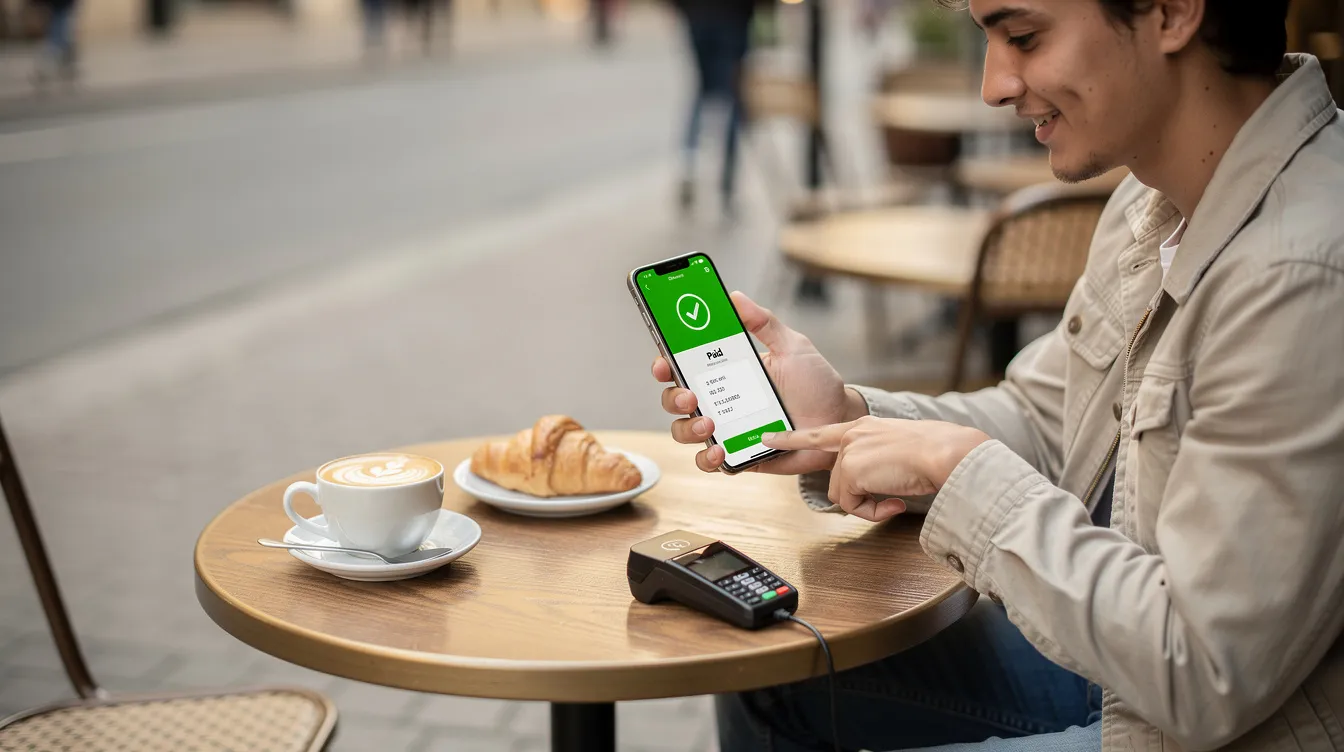
Final confirmation and tracking. Select a reason for payment (family support, education, savings, bill payment) to comply with AML and local regulations. Before clicking "Pay Now," review all transfer details, fees, exchange rate, and recipient information. After payment, ACE Money Transfer provides a reference tracking number. Both the sender and recipient can use this number to monitor the transaction status in real time.
Delivery times. Bank deposits to India may arrive within minutes to a few hours during banking hours, depending on the payment method and compliance checks. Delivery times may vary. Rates and fees may vary. Visit acemoneytransfer.com for current rates. Cash pickup and mobile wallet transfers are often near-instant once the transaction is funded and approved.
Consider your sending country (UK to India, Canada to India, Australia to India), preferred payout method (bank account, cash, or wallet), and urgency when choosing the right combination on the ACE Money Transfer platform. Each corridor and payout type has its own speed and cost profile, so checking live rates at the time you send is the easiest way to find the best deal.
Disclaimer: This article is intended for general informational and educational purposes only and should not be construed as legal, regulatory, tax, business, or financial advice. While reasonable efforts have been made to ensure that all facts, figures, and data are accurate and valid as of the date of publication, no warranty or guarantee is given as to the ongoing completeness, accuracy, or currency of the information.
The content is based on information available at the time of publication. Regulations, government policies, market conditions, and service offerings may change over time and vary across jurisdictions and providers. As a result, some information may no longer be current or applicable. Readers should independently verify all information and consult qualified professional advisors before making any financial, legal, or business decisions.