
ACE Money Transfer
ACE Money Transfer
08 May 2026
HMRC is the UK’s non ministerial department for tax and customs, created in 2005 by the Commissioners for Revenue and Customs Act after the merger of inland revenue and Customs and Excise.
If you have untaxed income as a sole trader, landlord or high earner, you may need a self assessment tax return by 31 January after the tax year.
HMRC online services and the hmrc app help taxpayers, employers, companies and businesses manage tax, payments, benefits and rebates.
Jim Harra was chief executive and permanent secretary from 2019 until April 2025; in 2026, John-Paul Marks leads HMRC.
HMRC monitors tax returns and ensures compliance through audits and penalties, but also offers support such as Time to Pay.
HM Revenue and Customs, often shortened to HMRC, hm revenue or majesty's revenue, is the UK government department that helps collect the money used to fund the uk's public services. It is the uk's tax and customs authority, handling revenue, benefits and targeted financial support for families and workers.
HMRC was established in 2005 by the Commissioners for Revenue and Customs Act. The revenue and customs act received Royal Assent in April 2005, and the merger of Customs and Excise and Inland Revenue was finalized in 2005. HMRC was formed by merging Customs and Excise with Inland Revenue, although the first merger attempt of these departments occurred in 1909. The merger was based on a 1999 Treasury Committee report.
The aim was simple: create one administration with a fuller record of taxpayers’ affairs, reduce duplicated services, and strengthen enforcement. HMRC collected £660 billion for the Treasury in 2018/19, showing how central the department is to public finance.
HMRC’s headquarters are located in Westminster, London. Over time, it moved from many local offices to larger hubs and specialist centres, including operations in Manchester, Leeds and Glasgow.

HMRC is responsible for collecting Income Tax and Corporation Tax, but its work covers many other aspects of the UK system.
HMRC tackles tax evasion, avoidance, and fraud through audits and penalties. HMRC's Fraud Investigation Service seized billions in stolen revenue, and HMRC officers have police-like powers for tax fraud investigations. In 2022, HMRC's Fraud Investigation Service had 4,735 staff.
HMRC is run by a board and led day to day by a chief executive who is also permanent secretary. The department answers to Parliament through Treasury ministers.
Jim Harra was appointed in 2019 and led HMRC through major digital reform before retiring in April 2025. As of 2026, John-Paul Marks is HMRC’s chief executive and First Permanent Secretary. The board includes executive leaders and each non executive director brings outside experience.
HMRC’s accounts are checked by the National Audit Office, and leaders appear before committees such as the Public Accounts Committee. HMRC also publishes a tax gap report; the tax gap for 2023/24 is estimated at £46.8 billion.
Self assessment is HMRC’s system for collecting Income Tax when paye does not settle everything. You may need a self assessment tax return if you are a sole trader earning more than £1,000, a partner, a landlord, a director, or someone with complex investment, foreign or rental income.
The tax year runs from 6 April to 5 April. Tax returns will be submitted by 31 January each year when filed online. For example, the 2024/25 online tax return deadline is 31 January 2026. Paper returns are usually due by 31 October, and new taxpayers should register by 5 October after the first relevant tax year.
You can complete an assessment tax return online, view the assessment, check what to pay, and settle by card, bank transfer or direct debit. If a bill cannot be paid, HMRC may agree Time to Pay, but interest can still apply.
HMRC online services are the main way a user can access tax accounts, submit returns, search guidance and manage payments. To sign in, you normally create a user id and password, verify personal details, then add services such as self assessment, vat or paye.
There are three common account types:
| Account | Typical use |
|---|---|
| Personal Tax Account | Income, tax codes, National Insurance, repayments |
| Business Tax Account | Corporation Tax, PAYE for staff, and other tax deductions |
| Agent account | Advisers acting for taxpayers or businesses |
HMRC offers a Personal Tax Account for individuals to manage their tax information. Individuals can manage taxes through the HMRC Personal Tax Account or the HMRC Mobile App. HMRC provides digital tools to manage tax liabilities for individuals and employers, and HMRC provides an interactive Digital Assistant for quick tax queries.
For official guidance, visit GOV.UK HMRC.
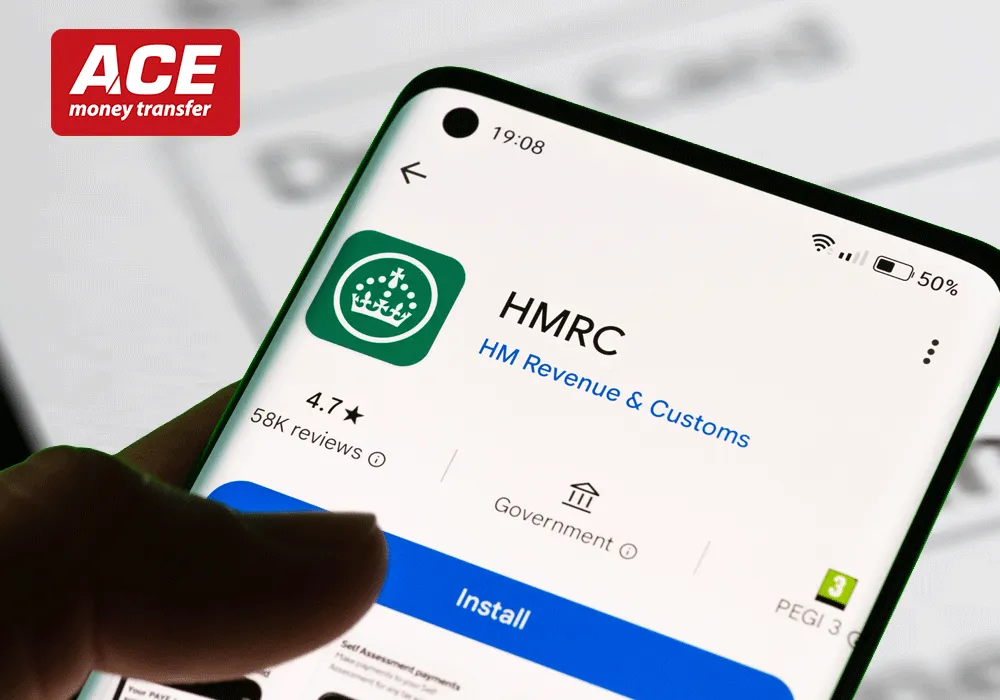
The official HMRC app is available for Android and iOS. The HMRC app can be downloaded from Google Play Store and Apple Store.
Users can check their National Insurance Number via the app, view tax credit payment details, and access their Self Assessment tax balance through the app. You can also check income history, payment deadlines, and some refund details.
HMRC launched Making Tax Digital to move more reporting into software. Use recognized software to record income and expenses. Quarterly updates are required if turnover exceeds £50,000. Making Tax Digital for Income Tax starts on 6 April 2027 for a major wider phase, and this is the biggest change since Self Assessment launched 30 years ago.

HMRC provides support by phone, online guidance, post and secure messages. If you suspect an error, missing payment or wrong code, request help early and keep a record of calls.
If a complaint is not fixed by the relevant team, you can escalate through HMRC’s complaints process, then to the Adjudicator’s Office or an MP for Ombudsman review.
HMRC’s Charter says taxpayers should be treated fairly and confidentially, while taxpayers must be honest, cooperative and on time.
If someone is caught hiding income, HMRC can use audits, penalties and criminal powers. HMRC's whistleblower scheme rewards up to 30% of recovered tax, but no outcome is guaranteed. Reports are most useful when they include names, dates, companies, money flows and evidence.
You usually need one if you are a sole trader earning more than £1,000, a partner, a landlord, or you have untaxed savings, dividends or overseas income. Use the HMRC checker on gov.uk if unsure.
Submit the tax return as soon as possible and pay what you can. Penalties and interest can build from February onward, so contact HMRC quickly if you need Time to Pay.
Go to the HMRC sign page and choose forgotten user id or forgotten password. You may need email, phone and personal tax details to regain access.
Yes, but HMRC will not ask for full passwords or bank details in an unexpected message. If in doubt, visit GOV.UK directly and report suspicious contact.
Use GOV.UK for current deadlines, rates, allowances, online services and contact details. For complex cases, get professional advice or contact HMRC directly.