ACE Money Transfer
ACE Money Transfer
22 Oct 2026
DBS Bank supports international money transfers across dozens of corridors, from Singapore to India, the UK to India, and Australia to India. For NRIs and anyone sending funds to a DBS Bank India account, the bank offers SWIFT wire transfers, its own DBS Remit service, and online banking channels. But the fees, exchange rates, and delivery times vary depending on the corridor and the method you choose. This guide breaks down how DBS Bank handles cross-border payments, how ACE Money Transfer works as an alternative, and where each option fits best.

An international money transfer through DBS Bank moves funds from a sender's account in one country to a recipient's account in another, routed through interbank messaging networks like SWIFT. The sender provides the beneficiary's bank name, account number, and routing codes (IFSC for India, SWIFT/BIC globally). DBS Bank offers international money transfers to over 200 countries, covering corridors that range from high-volume routes like Singapore-to-India to less common pairs.
Three primary channels handle these transfers within DBS:
SWIFT / Telegraphic Transfers: The traditional interbank route, used for NRI remittances and most overseas inward transfers. Delivery on major corridors like UK-to-India typically takes 24 to 48 banking hours.
DBS Remit: An online remittance service available through digibank or internet banking. For eligible country-currency pairs (USD to USA, GBP to UK, AUD to Australia, EUR to Eurozone, SGD to Singapore, CAD to Canada, HKD to Hong Kong), DBS charges zero bank fees.
Branch-initiated transfers: Offline remittances via DBS IDEAL or branch forms, which carry higher fees and longer processing times than online channels.
Many customers use these services to send money to DBS Bank India accounts for family support, education fees, medical costs, and investments. Under the Liberalised Remittance Scheme, the annual limit for international transfers from India is USD 250,000 per financial year, which governs outward remittances initiated from DBS India.
While DBS Bank provides secure, regulated transfer channels with strong compliance infrastructure, specialists like ACE Money Transfer can be a smooth solution for frequent remittances to India. ACE Money Transfer displays the applicable exchange rate and transfer fee before you confirm your transaction. Compare the amount your recipient receives in INR with the total amount you pay to assess the overall cost.
Customers can send money directly to DBS Bank accounts in Singapore or DBS Bank India accounts from countries like the UK, Europe, Canada, and Australia. The method you choose determines the cost, speed, and amount your recipient receives.
SWIFT Wire Transfers The standard route for most senders abroad. You instruct your local bank (or a DBS branch if you hold an account there) to send via SWIFT. You need the recipient's full name, DBS Bank India account number, IFSC code, and branch details. Delivery: 24 to 48 banking hours on major corridors.
DBS Treasures Remittance DBS Treasures Remittance offers cost-effective international transfers for priority banking clients. This service provides access to preferential exchange rates and dedicated relationship manager support. DBS Treasures Remittance offers seamless international money transfers for clients who meet the bank's wealth tier requirements.
DBS Remit (Online/Mobile) International money transfers through DBS Bank can be fully digital, requiring no paperwork. DBS Bank allows paperless transfers using the digibank app or internet banking. Same-day delivery of funds is available if initiated before the cut-off time, which ranges from 9:00 AM to 11:30 AM IST depending on the destination country. Transfers via DBS Bank may experience strict cut-off times which affect same-day processing; anything initiated after the window settles on the next working day.
DBS Bank has a maximum online transaction limit of USD 25,000 per day, with a minimum of about USD 10 per transaction.
DBS Bank Remit offers transfers on selected zero-fee corridors, subject to the bank’s applicable terms and conditions. Check DBS’s official website for current fees and exchange rates before making a transfer. DBS Bank has zero bank fees for transfers in major local currencies including USD, GBP, AUD, and EUR. However, DBS Bank's remittance services may incur fees for non-supported currencies or countries. For non-eligible combinations, the bank charges INR 500 plus agent and intermediary fees, plus applicable tax (GST).
Visa Card Transfers An alternative route exists for card-based remittances: sending money to overseas Visa cards linked to DBS accounts. This option suits smaller, faster transfers but may carry card-network fees.
The typical flow:
Sender's overseas bank initiates a SWIFT message
Funds pass through DBS Bank's correspondent bank
Correspondent bank routes the transfer to the recipient's DBS Bank India account
Estimated delivery: 1 to 3 business days
At each hop, an intermediary bank may deduct a small fee from the transfer amount. Additional charges from intermediary, correspondent or receiving banks may apply to some DBS international transfers, depending on the transfer route and currency.
ACE Money Transfer lets senders pay a flat fee of £1.99 (bank deposit) to transfer funds directly into DBS Bank India accounts. The company shows all fees and exchange rates before the sender confirms. For cash pickup in India, the fee is about £2.99. Card payments often arrive within minutes; bank transfer payments take 1 to 2 business days. This transparency and speed make ACE a convenient solution for regular remittances.

Many overseas Indians choose ACE Money Transfer to send money to loved ones, with transfer fees and exchange rates available to check before confirming a transfer. For eligible cash-pickup transfers to India, ACE Money Transfer’s published pricing lists a forex spread of 0.1% to 1.5% above the reference rate. Rates and fees may vary. Visit acemoneytransfer.com for current rates.
Here is how a sender in the UK, for example, can send GBP to a DBS Bank India INR account:
Create an Ace Money Transfer account using your email, Google, or Apple ID. First-time users complete identity verification (photo ID, proof of address). This is a one-time process; returning users simply log in to access their account.
Select India as the destination country. Ace supports three payout methods:
Bank Deposit: Direct transfer to the recipient's bank account (including DBS Bank India). This is typically the preferred route for DBS Bank India recipients.
Cash Pickup: Over-the-counter collection at authorized partner bank branches in India.
Mobile Wallet: Instant credit to supported digital wallet accounts.
For DBS Bank India, choose "Bank Deposit."
Add the recipient's full name (matching their DBS Bank India account), DBS Bank India account number, and IFSC code. Double-check every digit. A mistyped account number or incorrect IFSC code delays or blocks the transfer.
Pay via debit card, credit card, or online bank transfer from your local bank account. All fees and the exchange rate are shown on screen before you confirm. Transfer fees may apply when using credit cards, so check the displayed total before proceeding. Debit card and bank transfer options typically carry lower or no additional surcharges.
Regulatory guidelines for international money transfers require a purpose of payment. Common reasons include family maintenance, tuition fees, medical support, or home investment. Select the appropriate category from the dropdown. This information helps both Ace and DBS Bank India comply with anti-money-laundering and KYC regulations.
Review the transfer details: recipient name, bank, amount in GBP, converted amount in INR, fee, and exchange rate. Click "Pay Now" to execute the transfer. Ace processes card payments within minutes in many cases.
After payment, Ace provides a unique reference tracking number. Use this to track your international money in real time until it reaches the DBS Bank India account. You will receive a notice when the transfer completes.
| Payout Method | Best For | Typical Speed |
|---|---|---|
| Bank Deposit | Sending to DBS Bank India or any Indian bank account | Minutes (card) to 1-2 days (bank transfer) |
| Cash Pickup | Recipients without bank accounts or needing immediate cash | Often same day |
| Mobile Wallet | Recipients who use digital wallets for daily payments | Near-instant |
If you are sending from the UK, EU, Canada, Australia, or the Gulf region, consider which method suits your recipient. For DBS Bank India account holders, bank deposit is the most direct route. For recipients who need physical cash at home, cash pickup through partner branches works.
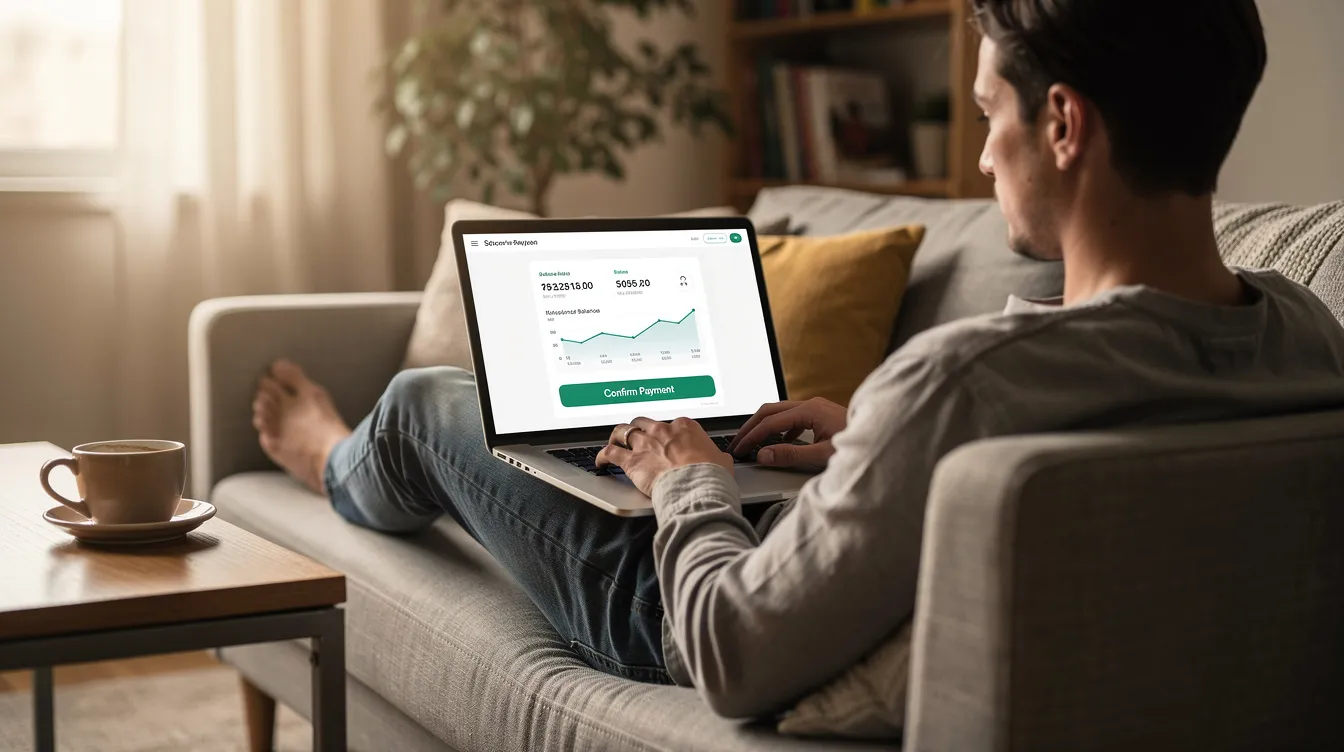
When sending international money, three factors determine how much your recipient actually receives: the explicit fee, the exchange rate markup, and any intermediary deductions along the way. This section outlines selected features of DBS Bank and ACE Money Transfer, based on their respective published service information.
DBS Bank charges zero outward bank fees on eligible currency-country pairs (USD to USA, GBP to UK, AUD to Australia, EUR to Eurozone, SGD to Singapore, CAD to Canada, HKD to Hong Kong) when transfers are initiated online. For all other combinations, DBS may charge a standard fee of INR 500 for transferring to countries or currencies not on their zero-fee list, plus agent and intermediary bank fees, plus GST. Sending over 25,000 USD may discount transfer fees on certain corridors, but this applies to a narrow set of high-value transactions.
DBS Bank uses a retail exchange rate that can include a markup on the interbank rate. The size of this markup varies by corridor, amount, and whether the customer holds a Treasures or priority account.
ACE Money Transfer charges a flat £1.99 for bank deposits from the UK to India and publishes its forex margin upfront. On South Asian routes, that margin typically ranges from 0.1% to 1.5% above mid-market.
For comparison, Wise provides transfers from Denmark to India, with fees varying by payment method and recipient bank. Check Wise’s official website for current transfer fees and exchange rates. Among Wise transfers, 77% arrive in under 20 seconds, and 95% arrive in less than a day. These benchmarks from competing services help frame what "fast and cheap" looks like in the current market.
| Channel | Typical Delivery Time (UK ? India) |
|---|---|
| DBS SWIFT Wire Transfer | 24-48 banking hours |
| DBS Remit (eligible corridor, before cut-off) | Same day |
| DBS Remit (non-eligible corridor) | 1-3 business days |
| Ace Money Transfer (card payment) | Minutes |
| Ace Money Transfer (bank transfer payment) | 1-2 business days |
DBS Remit's same-day processing depends on initiating the transfer before corridor-specific cut-off times. Miss the window, and the transfer settles on the next working day. Ace's card-funded transfers bypass this constraint because they process independently of interbank settlement cycles.
A recurring problem with traditional bank transfers is intermediary bank deductions. Even when DBS charges zero outward fees, correspondent banks between the sender's institution and DBS Bank India may deduct small amounts from the transfer. These agent fees are disclosed as "where applicable" in DBS's tariff schedule but are not always known in advance.
ACE Money Transfer shows all fees and the applied exchange rate on screen before the sender confirms. ACE Money Transfer displays applicable transfer fees and exchange rates before you confirm your transaction. Any additional charges imposed by banks or other third parties depend on the transfer route and applicable terms. Check the details before sending. The amount shown as "recipient gets" is what arrives in the DBS Bank India account.
DBS Bank operates under regulatory oversight from the Monetary Authority of Singapore, the Reserve Bank of India, and other national regulators in its operating markets. Transfers require full beneficiary information, SWIFT codes, and compliance with anti-fraud and KYC regulations. The bank is responsible for verifying sender and recipient identity on every transaction.
ACE Money Transfer is regulated by the UK Financial Conduct Authority (FCA). Customer funds are held in segregated accounts. Identity verification is required for first use, and large transfers may trigger additional documentation requests for source of funds. Both DBS Bank and Ace require accurate sender and recipient information for KYC and AML checks; incomplete details can delay or block money transfers. Senders should acknowledge that compliance holds, while infrequent, can add time to any transfer through either platform.
DBS's "zero-fee" marketing applies only to specific country-currency pairs processed online before the cut-off. If a sender's corridor falls outside that list, or they initiate through a branch, fees apply.
For a UK sender transferring £1,000 to a DBS Bank India savings account, the practical comparison comes down to what the recipient receives in INR after all deductions.
Combining DBS Bank India accounts with ACE Money Transfer’s digital platform gives customers another option for sending money internationally. The recipient benefits from DBS Bank India's account infrastructure (contact your nearest DBS branch or use the site for account details), while the sender benefits from Ace's pricing and speed. For anyone sending regular payments for family support, tuition, or medical expenses, this pairing reduces the per-transfer cost without sacrificing security.
Disclaimer: This article is intended for general informational and educational purposes only and should not be construed as legal, regulatory, tax, business, or financial advice. While reasonable efforts have been made to ensure that all facts, figures, and data are accurate and valid as of the date of publication, no warranty or guarantee is given as to the ongoing completeness, accuracy, or currency of the information.
The content is based on information available at the time of publication. Regulations, government policies, market conditions, and service offerings may change over time and vary across jurisdictions and providers. As a result, some information may no longer be current or applicable. Readers should independently verify all information and consult qualified professional advisors before making any financial, legal, or business decisions. DBS Bank International Money Transfer: Cost-Effective Ways to Send Money Abroad
DBS Bank supports international money transfers across dozens of corridors, from Singapore to India, the UK to India, and Australia to India. For NRIs and anyone sending funds to a DBS Bank India account, the bank offers SWIFT wire transfers, its own DBS Remit service, and online banking channels. But the fees, exchange rates, and delivery times vary depending on the corridor and the method you choose. This guide breaks down how DBS Bank handles cross-border payments, how ACE Money Transfer works as an alternative, and where each option fits best.
An international money transfer through DBS Bank moves funds from a sender's account in one country to a recipient's account in another, routed through interbank messaging networks like SWIFT. The sender provides the beneficiary's bank name, account number, and routing codes (IFSC for India, SWIFT/BIC globally). DBS Bank offers international money transfers to over 200 countries, covering corridors that range from high-volume routes like Singapore-to-India to less common pairs.
Three primary channels handle these transfers within DBS:
SWIFT / Telegraphic Transfers: The traditional interbank route, used for NRI remittances and most overseas inward transfers. Delivery on major corridors like UK-to-India typically takes 24 to 48 banking hours.
DBS Remit: An online remittance service available through digibank or internet banking. For eligible country-currency pairs (USD to USA, GBP to UK, AUD to Australia, EUR to Eurozone, SGD to Singapore, CAD to Canada, HKD to Hong Kong), DBS charges zero bank fees.
Branch-initiated transfers: Offline remittances via DBS IDEAL or branch forms, which carry higher fees and longer processing times than online channels.
Many customers use these services to send money to DBS Bank India accounts for family support, education fees, medical costs, and investments. Under the Liberalised Remittance Scheme, the annual limit for international transfers from India is USD 250,000 per financial year, which governs outward remittances initiated from DBS India.
While DBS Bank provides secure, regulated transfer channels with strong compliance infrastructure, specialists like ACE Money Transfer can be a smooth solution for frequent remittances to India. ACE Money Transfer displays the applicable exchange rate and transfer fee before you confirm your transaction. Compare the amount your recipient receives in INR with the total amount you pay to assess the overall cost.
Customers can send money directly to DBS Bank accounts in Singapore or DBS Bank India accounts from countries like the UK, Europe, Canada, and Australia. The method you choose determines the cost, speed, and amount your recipient receives.
SWIFT Wire Transfers The standard route for most senders abroad. You instruct your local bank (or a DBS branch if you hold an account there) to send via SWIFT. You need the recipient's full name, DBS Bank India account number, IFSC code, and branch details. Delivery: 24 to 48 banking hours on major corridors.
DBS Treasures Remittance DBS Treasures Remittance offers cost-effective international transfers for priority banking clients. This service provides access to preferential exchange rates and dedicated relationship manager support. DBS Treasures Remittance offers seamless international money transfers for clients who meet the bank's wealth tier requirements.
DBS Remit (Online/Mobile) International money transfers through DBS Bank can be fully digital, requiring no paperwork. DBS Bank allows paperless transfers using the digibank app or internet banking. Same-day delivery of funds is available if initiated before the cut-off time, which ranges from 9:00 AM to 11:30 AM IST depending on the destination country. Transfers via DBS Bank may experience strict cut-off times which affect same-day processing; anything initiated after the window settles on the next working day.
DBS Bank has a maximum online transaction limit of USD 25,000 per day, with a minimum of about USD 10 per transaction.
DBS Bank Remit offers transfers on selected zero-fee corridors, subject to the bank’s applicable terms and conditions. Check DBS’s official website for current fees and exchange rates before making a transfer. DBS Bank has zero bank fees for transfers in major local currencies including USD, GBP, AUD, and EUR. However, DBS Bank's remittance services may incur fees for non-supported currencies or countries. For non-eligible combinations, the bank charges INR 500 plus agent and intermediary fees, plus applicable tax (GST).
Visa Card Transfers An alternative route exists for card-based remittances: sending money to overseas Visa cards linked to DBS accounts. This option suits smaller, faster transfers but may carry card-network fees.
The typical flow:
Sender's overseas bank initiates a SWIFT message
Funds pass through DBS Bank's correspondent bank
Correspondent bank routes the transfer to the recipient's DBS Bank India account
Estimated delivery: 1 to 3 business days
At each hop, an intermediary bank may deduct a small fee from the transfer amount. Additional charges from intermediary, correspondent or receiving banks may apply to some DBS international transfers, depending on the transfer route and currency.
ACE Money Transfer lets senders pay a flat fee of £1.99 (bank deposit) to transfer funds directly into DBS Bank India accounts. The company shows all fees and exchange rates before the sender confirms. For cash pickup in India, the fee is about £2.99. Card payments often arrive within minutes; bank transfer payments take 1 to 2 business days. This transparency and speed make ACE a convenient solution for regular remittances.
Many overseas Indians choose ACE Money Transfer to send money to loved ones, with transfer fees and exchange rates available to check before confirming a transfer. For eligible cash-pickup transfers to India, ACE Money Transfer’s published pricing lists a forex spread of 0.1% to 1.5% above the reference rate. Rates and fees may vary. Visit acemoneytransfer.com for current rates.
Here is how a sender in the UK, for example, can send GBP to a DBS Bank India INR account:
Create an Ace Money Transfer account using your email, Google, or Apple ID. First-time users complete identity verification (photo ID, proof of address). This is a one-time process; returning users simply log in to access their account.
Select India as the destination country. Ace supports three payout methods:
Bank Deposit: Direct transfer to the recipient's bank account (including DBS Bank India). This is typically the preferred route for DBS Bank India recipients.
Cash Pickup: Over-the-counter collection at authorized partner bank branches in India.
Mobile Wallet: Instant credit to supported digital wallet accounts.
For DBS Bank India, choose "Bank Deposit."
Add the recipient's full name (matching their DBS Bank India account), DBS Bank India account number, and IFSC code. Double-check every digit. A mistyped account number or incorrect IFSC code delays or blocks the transfer.
Pay via debit card, credit card, or online bank transfer from your local bank account. All fees and the exchange rate are shown on screen before you confirm. Transfer fees may apply when using credit cards, so check the displayed total before proceeding. Debit card and bank transfer options typically carry lower or no additional surcharges.
Regulatory guidelines for international money transfers require a purpose of payment. Common reasons include family maintenance, tuition fees, medical support, or home investment. Select the appropriate category from the dropdown. This information helps both Ace and DBS Bank India comply with anti-money-laundering and KYC regulations.
Review the transfer details: recipient name, bank, amount in GBP, converted amount in INR, fee, and exchange rate. Click "Pay Now" to execute the transfer. Ace processes card payments within minutes in many cases.
After payment, Ace provides a unique reference tracking number. Use this to track your international money in real time until it reaches the DBS Bank India account. You will receive a notice when the transfer completes.
| Payout Method | Best For | Typical Speed |
|---|---|---|
| Bank Deposit | Sending to DBS Bank India or any Indian bank account | Minutes (card) to 1-2 days (bank transfer) |
| Cash Pickup | Recipients without bank accounts or needing immediate cash | Often same day |
| Mobile Wallet | Recipients who use digital wallets for daily payments | Near-instant |
If you are sending from the UK, EU, Canada, Australia, or the Gulf region, consider which method suits your recipient. For DBS Bank India account holders, bank deposit is the most direct route. For recipients who need physical cash at home, cash pickup through partner branches works.
When sending international money, three factors determine how much your recipient actually receives: the explicit fee, the exchange rate markup, and any intermediary deductions along the way. This section outlines selected features of DBS Bank and ACE Money Transfer, based on their respective published service information.
DBS Bank charges zero outward bank fees on eligible currency-country pairs (USD to USA, GBP to UK, AUD to Australia, EUR to Eurozone, SGD to Singapore, CAD to Canada, HKD to Hong Kong) when transfers are initiated online. For all other combinations, DBS may charge a standard fee of INR 500 for transferring to countries or currencies not on their zero-fee list, plus agent and intermediary bank fees, plus GST. Sending over 25,000 USD may discount transfer fees on certain corridors, but this applies to a narrow set of high-value transactions.
DBS Bank uses a retail exchange rate that can include a markup on the interbank rate. The size of this markup varies by corridor, amount, and whether the customer holds a Treasures or priority account.
ACE Money Transfer charges a flat £1.99 for bank deposits from the UK to India and publishes its forex margin upfront. On South Asian routes, that margin typically ranges from 0.1% to 1.5% above mid-market.
For comparison, Wise provides transfers from Denmark to India, with fees varying by payment method and recipient bank. Check Wise’s official website for current transfer fees and exchange rates. Among Wise transfers, 77% arrive in under 20 seconds, and 95% arrive in less than a day. These benchmarks from competing services help frame what "fast and cheap" looks like in the current market.
| Channel | Typical Delivery Time (UK ? India) |
|---|---|
| DBS SWIFT Wire Transfer | 24-48 banking hours |
| DBS Remit (eligible corridor, before cut-off) | Same day |
| DBS Remit (non-eligible corridor) | 1-3 business days |
| Ace Money Transfer (card payment) | Minutes |
| Ace Money Transfer (bank transfer payment) | 1-2 business days |
DBS Remit's same-day processing depends on initiating the transfer before corridor-specific cut-off times. Miss the window, and the transfer settles on the next working day. Ace's card-funded transfers bypass this constraint because they process independently of interbank settlement cycles.
A recurring problem with traditional bank transfers is intermediary bank deductions. Even when DBS charges zero outward fees, correspondent banks between the sender's institution and DBS Bank India may deduct small amounts from the transfer. These agent fees are disclosed as "where applicable" in DBS's tariff schedule but are not always known in advance.
ACE Money Transfer shows all fees and the applied exchange rate on screen before the sender confirms. ACE Money Transfer displays applicable transfer fees and exchange rates before you confirm your transaction. Any additional charges imposed by banks or other third parties depend on the transfer route and applicable terms. Check the details before sending. The amount shown as "recipient gets" is what arrives in the DBS Bank India account.
DBS Bank operates under regulatory oversight from the Monetary Authority of Singapore, the Reserve Bank of India, and other national regulators in its operating markets. Transfers require full beneficiary information, SWIFT codes, and compliance with anti-fraud and KYC regulations. The bank is responsible for verifying sender and recipient identity on every transaction.
ACE Money Transfer is regulated by the UK Financial Conduct Authority (FCA). Customer funds are held in segregated accounts. Identity verification is required for first use, and large transfers may trigger additional documentation requests for source of funds. Both DBS Bank and Ace require accurate sender and recipient information for KYC and AML checks; incomplete details can delay or block money transfers. Senders should acknowledge that compliance holds, while infrequent, can add time to any transfer through either platform.
DBS's "zero-fee" marketing applies only to specific country-currency pairs processed online before the cut-off. If a sender's corridor falls outside that list, or they initiate through a branch, fees apply.
For a UK sender transferring £1,000 to a DBS Bank India savings account, the practical comparison comes down to what the recipient receives in INR after all deductions.
Combining DBS Bank India accounts with ACE Money Transfer’s digital platform gives customers another option for sending money internationally. The recipient benefits from DBS Bank India's account infrastructure (contact your nearest DBS branch or use the site for account details), while the sender benefits from Ace's pricing and speed. For anyone sending regular payments for family support, tuition, or medical expenses, this pairing reduces the per-transfer cost without sacrificing security.
Disclaimer: This article is intended for general informational and educational purposes only and should not be construed as legal, regulatory, tax, business, or financial advice. While reasonable efforts have been made to ensure that all facts, figures, and data are accurate and valid as of the date of publication, no warranty or guarantee is given as to the ongoing completeness, accuracy, or currency of the information.
The content is based on information available at the time of publication. Regulations, government policies, market conditions, and service offerings may change over time and vary across jurisdictions and providers. As a result, some information may no longer be current or applicable. Readers should independently verify all information and consult qualified professional advisors before making any financial, legal, or business decisions.