
ACE Money Transfer
ACE Money Transfer
10 Sep 2025
Slovenia is quietly becoming one of Europe's most practical destinations for Indian workers. With a tight labour market, an ageing population, and persistent vacancies across multiple sectors, Slovenian employers are actively looking beyond EU borders to fill roles. This guide covers everything Indian job seekers need to know in 2026 - from sectors and salaries to visas, living costs, and how to avoid common pitfalls.
Slovenia is a small but stable EU country tucked between Italy, Austria, Hungary, and Croatia. For Indians considering work in Europe, it offers a rare combination: genuine labour shortages, EU membership with Schengen access, high safety standards, and a relatively straightforward work permit process compared to larger member states.
Most Slovenia jobs for Indians today fall into hospitality, manufacturing, logistics, construction, and caregiving. However, there is growing demand for IT professionals, engineers, and other knowledge workers. Slovenia is experiencing notable labour shortages, and job opportunities for foreign workers often stem from its aging population combined with economic expansion, which increases the need for skilled expatriates.
To work legally, Indians normally need a combined work and residence permit - often called the "single permit" - sponsored by a Slovenian employer before travel. The realistic timeline from receiving a job offer to arriving in Slovenia is approximately two to four months in 2026, depending on how quickly documentation is completed and Embassy appointment availability in India.
Here is what this article covers:
Job sectors with the highest demand for Indian workers
Realistic salary ranges and cost of living
How to find vacancies and apply from India
The visa and work permit process, step by step
Student work, self-employment, and business options
Family reunification and daily life in Slovenia
A practical checklist to get started
Indians choosing Slovenia for work are often drawn by a combination of career growth, EU exposure, and quality of life that is hard to match in many other European countries at the same cost of entry.
EU and Schengen membership. Slovenia is both an EU country and a Schengen member state. This means that after building legal residence over several years, workers may gain broader mobility across EU member states. The top reasons include the ability to travel freely within the Schengen zone during legal stay and potential long-term pathways toward permanent residence.
Safety and stability. Slovenia consistently ranks among Europe's safest countries. Cities like Ljubljana, Maribor, and Celje have low crime rates and a peaceful atmosphere. This matters for single workers focused on well being, but it is especially attractive for those planning to eventually bring families.
Clean environment and location. Short commuting distances, clean air, and easy access to nature are standard. Slovenia's borders with Italy, Austria, Croatia, and Hungary make weekend travel across Europe a real possibility.
Labour shortages driving demand from India. The Employment Forecast for Spring 2026 shows that roughly 79% of large employers in healthcare and social care, 72% in hospitality and accommodation, and 62% in education report difficulty hiring. Foreign workers already make up about 15.8% of employed persons in the country, and employers increasingly look to India to fill roles in tourism, logistics, construction, and eldercare.
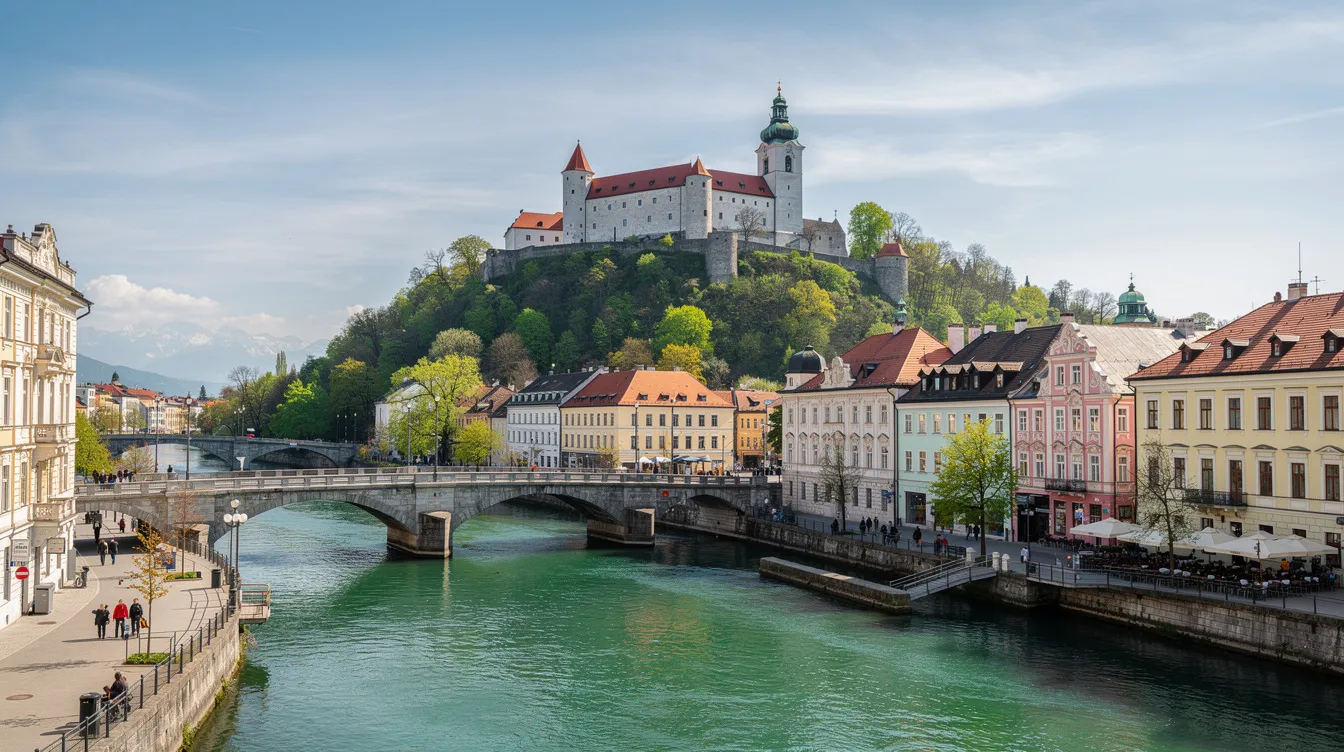
Slovenia jobs for Indians are concentrated in sectors where domestic labour supply cannot keep up with demand. The job market in Slovenia is undergoing structural changes due to severe labour shortages across various sectors such as IT, healthcare, and hospitality. High demand exists for software developers, IT specialists, healthcare professionals, skilled trades, and hospitality staff in Slovenia.
Here is a breakdown of the main sectors:
Slovenia's hospitality industry offers various job opportunities, including positions for waiters, cooks, and housekeepers, which are often filled by seasonal workers and students. Key locations include Ljubljana, Bled, and Portorož, with seasonal peaks running from April through October. Entry level roles such as commis chef, kitchen helper, and housekeeping staff are in constant demand. Many of these roles come with employer-provided accommodation and meals.
Production line workers, machine operators, welders, and fitters are needed in industrial towns like Celje, Kranj, and Novo Mesto. These manufacturing roles often involve shift work and may include additional overtime pay. The industry is a significant employer of foreign manpower.
Pickers, packers, forklift operators, and delivery support roles are available near major transport corridors and distribution centres. These positions suit Indian candidates with warehouse or supply chain work experience.
Masons, carpenters, electricians, plumbers, and HVAC technicians are in demand for ongoing infrastructure and housing projects. Construction remains one of the sectors with the most persistent vacancies, and many employers in this sector actively seek workers from outside the EU.
Slovenia's ageing population has created rising demand for caregivers in nursing homes and private care centres. These roles often require patience and compassion but not always advanced qualifications. Healthcare support positions are becoming a growing area for Indian workers.
Software developers, BIM specialists, and engineers are attracting highly skilled Indian professionals. These roles usually operate with English as the work language and offer salaries well above the national average. Monthly salaries for IT professionals in Slovenia generally range from €2,500 to €4,500, depending on experience.
Understanding the different forms of employment in Slovenia helps Indian candidates set realistic expectations about stability, rights, and duration.
A standard employment contract - either indefinite or fixed-term - is the most common and most secure arrangement. Full time employment comes with rights to paid annual leave, health insurance, social security contributions, and protections under the Employment Relationships Act. The Employment Relationships Act in Slovenia stipulates that an employment contract must be in written form and include essential details such as job title, place of work, and remuneration.
Seasonal work is prevalent in Slovenia, particularly in agriculture and tourism, with jobs available for picking fruits, working in hop gardens, and roles in hospitality during peak seasons. These contracts may run up to six months or more, depending on the sector and employer needs. They are temporary in nature but can sometimes be extended or converted to longer-term contracts.
Some Indians are hired via Slovenian or EU recruitment agencies that bridge employers and workers. However, even in agency-based arrangements, the worker must have a valid Slovenian employment contract and work permit. Agency work is one of the other forms of employment common in logistics and production.
Indians can register companies or become sole traders in Slovenia, but this route involves stricter capital and business-plan conditions. It is generally better suited for experienced entrepreneurs than first-time migrants. More on this in the self-employment section below.
In Slovenia, a common form of work for young people is student work, which is also available to foreigners included in formal education. It follows different rules from standard employment and is not a substitute for a regular work visa for non-students.

To work legally in Slovenia, Indian citizens must obtain a Work and Residence Permit, which is primarily applied for by their employer on their behalf. This combined document - the "single permit" - merges work authorisation and residence rights into one card, valid for the duration of employment but no more than two years for the first issuance.
The application process for jobs in Slovenia typically requires securing an employment contract from a registered Slovenian employer before applying for a work permit. Job offers must be supported by a labor market test, demonstrating that no qualified local candidate is available for the position. This test is handled by the Employment Service of Slovenia as part of the permit procedure.
Employer in Slovenia offers you a signed employment contract.
Employer files a single permit application at the local Administrative Unit in Slovenia.
The Employment Service reviews the labour market test (where applicable).
Once the permit is approved, you attend the Slovenian Embassy or consulate in India for biometric data and a D-visa.
You travel to Slovenia, collect your residence card, and begin work.
Key authorities involved are the Administrative Units, the Employment Service of Slovenia, and the Slovenian Embassy in New Delhi.
For context: citizens of the European Union do not need a visa or residence permit to enter Slovenia and can enter with a valid identity card or passport. Indian nationals, as third-country citizens, must follow the single permit route described above.
A tourist or Schengen C visa cannot legally be used for working in Slovenia. Attempting to do so risks deportation and future visa refusals.
Treat this as your pre-application checklist. Missing even one document can delay the process significantly.
Valid Indian passport - at least 6 to 12 months validity beyond your intended stay, plus old passports if the Embassy requests them.
Signed employment contract or binding job offer from a Slovenian employer, specifying position, salary, working hours, and duration.
Educational certificates and professional qualifications - notarised, and where required, apostilled or legalised for use in Slovenia.
CV and cover letter - usually in English; sometimes in Slovenian for local-facing roles.
Police clearance certificate from India and any country where you have lived long-term, generally not older than a few months.
Medical insurance covering the period before Slovenian health insurance activates, plus a medical fitness certificate if the employer requests one.
Proof of accommodation in Slovenia - either an employer-provided address or a rental agreement, as required by the Administrative Unit.
Keep original documents safe and carry certified copies. Some Slovenian authorities may also ask for translations into Slovenian by a certified translator.
Processing times are not fixed, but here are realistic 2026-based expectations for Indian candidates.
The single permit for work and residence is generally processed within 30 to 60 days after a job offer is accepted - this covers the Administrative Unit's review in Slovenia. However, the total timeline from job offer to arrival often stretches to two to four months when you factor in document gathering, authentication, and Embassy appointment availability.
A rough breakdown:
| Stage | Estimated Time |
|---|---|
| Document gathering and authentication | 1–2 weeks |
| Administrative Unit processing in Slovenia | 4–8 weeks |
| Embassy appointment and D-visa issuance | 2–4 weeks |
| Total (if paperwork is clean) | 2–4 months |
Factors that delay processing include incomplete forms, missing police certificates, peak application periods, or additional security checks.
Avoid resigning from your current job or paying non-refundable costs (flights, accommodation deposits) until you receive formal approval of your permit and visa.
Indians can search for Slovenia jobs through both official channels and private networks. No legal fee can be charged by Slovenian public bodies to job seekers.
The ESS is a public employment service where many vacancies are published, especially for public sector and majority state-owned firms. Vacancies in Slovenia are publicly advertised by employers through various channels, including the Employment Service of Slovenia, media, and online job portals.
The EURES Job Portal and local employment platforms are valuable resources for job seekers looking to fill labor gaps in Slovenia. English-friendly portals and direct company career pages - especially from large Slovenian employers in hospitality, logistics, and manufacturing - are good starting points.
Reputable recruitment agencies in India and Slovenia can bridge employers and Indian candidates. However, be cautious: avoid agencies that promise "guaranteed visas" or ask for your passport in advance. Licensed agencies clearly disclose their fees and never charge for services that should be free.
Networking and establishing direct contact with employers can help job seekers find unpublished job vacancies in Slovenia, often referred to as the hidden labor market. LinkedIn, professional forums, and direct outreach to companies are particularly effective for specialised roles in IT, engineering, and construction management.
Neither the Employment Service of Slovenia nor licensed EU-based agencies may charge illegal placement fees to job seekers seeking new jobs in the country.
Here is a simple, repeatable application strategy you can follow from India:
Prepare a European-style CV that highlights skills, international exposure, languages spoken, and any EU work experience. Keep it concise - one to two pages.
Tailor your cover letter to each employer. Job seekers in Slovenia are encouraged to tailor their CVs and cover letters to match the specific requirements of the job they are applying for, and to submit applications in Slovenian or English, depending on the employer's preference. Even a few basic Slovenian greetings in your cover letter can signal genuine interest.
State your availability clearly. Include your earliest possible start date, willingness to relocate, and preferred sectors - whether that is hotel jobs, logistics, IT, construction, or another profession.
Be honest about your work experience. Slovenian authorities and employers may verify backgrounds, and misrepresentation can result in permit denial.
Prepare for online interviews. Most interviews are conducted via video call due to the distance. Be ready for time-zone differences - Slovenia is 3.5 to 4.5 hours behind India, depending on the season.
Student work in Slovenia is a special form of employment intended mainly for students officially enrolled in Slovenian educational institutions. In Slovenia, a common form of work for young people is student work, which is also available to foreigners included in formal education.
Indian students admitted to a Slovenian university or higher education programme can usually access student work via authorised student services. This offers extra income, local work experience, and a chance to improve both Slovenian and English language skills during the study period.
However, student work is not a full substitute for a regular job. It is limited in hours and scope, and the pay typically reflects entry level rates.
Traineeships and internships exist, but availability for non-EU nationals is more limited than for EU or EEA students. Some programmes in the arts, sciences, and development fields accept international interns, but these are competitive.
Going to Slovenia on a student visa purely to work is risky and can jeopardise both your immigration status and future work visa chances. Authorities take compliance seriously.
Self-employment is another form of working in Slovenia, generally more suitable for experienced entrepreneurs than for first-time migrant workers.
Indians can, in principle, open a company - such as a d.o.o. (limited liability company) - or register as a sole trader. However, this route requires meeting investment, turnover, or employment criteria set by Slovenian authorities. In most cases, non-EU nationals need to have lived continuously and legally in Slovenia for at least one year before applying for a self-employment single permit.
Slovenia Business Point and official EU portals like "Your Europe – Business" provide detailed, up-to-date procedures for registration and taxation. These resources cover implementation steps from business plan submission to tax registration.
Self-employment routes require showing genuine economic activity in Slovenia. Using a shell company solely to obtain residence is not a viable strategy and can lead to permit revocation.
Before investing money, consult a local accountant or legal advisor in Slovenia. Corporate tax rules and compliance obligations differ significantly from Indian regulations, and getting guidance early saves both time and money.
Slovenian labour law follows EU standards and applies equally to Indian workers with valid employment contracts.
In Slovenia, full-time working hours are typically set at 40 hours per week, with a minimum requirement of 36 hours per week in certain cases. Overtime is regulated and must be compensated. Employees in Slovenia are entitled to at least four weeks of annual leave per calendar year, regardless of whether they work full-time or part-time.
Written employment contracts are legally required. Slovenian law requires employers to register employees for compulsory social insurance from the day they start working under an employment contract. This means pension, health, unemployment, and parental insurance contributions begin immediately. Wages must be paid into a bank account, and payslips must be provided.
Employers have responsibilities for workplace safety, including providing protective equipment and training for dangerous tasks. Construction, manufacturing, and production environments have specific safety standards. Workers have the right to refuse unsafe work without retaliation.
Discrimination based on nationality, race, religion, or gender is prohibited. Violations can be reported to the Labour Inspectorate. All professionals - regardless of origin - are entitled to equal treatment in the workplace.
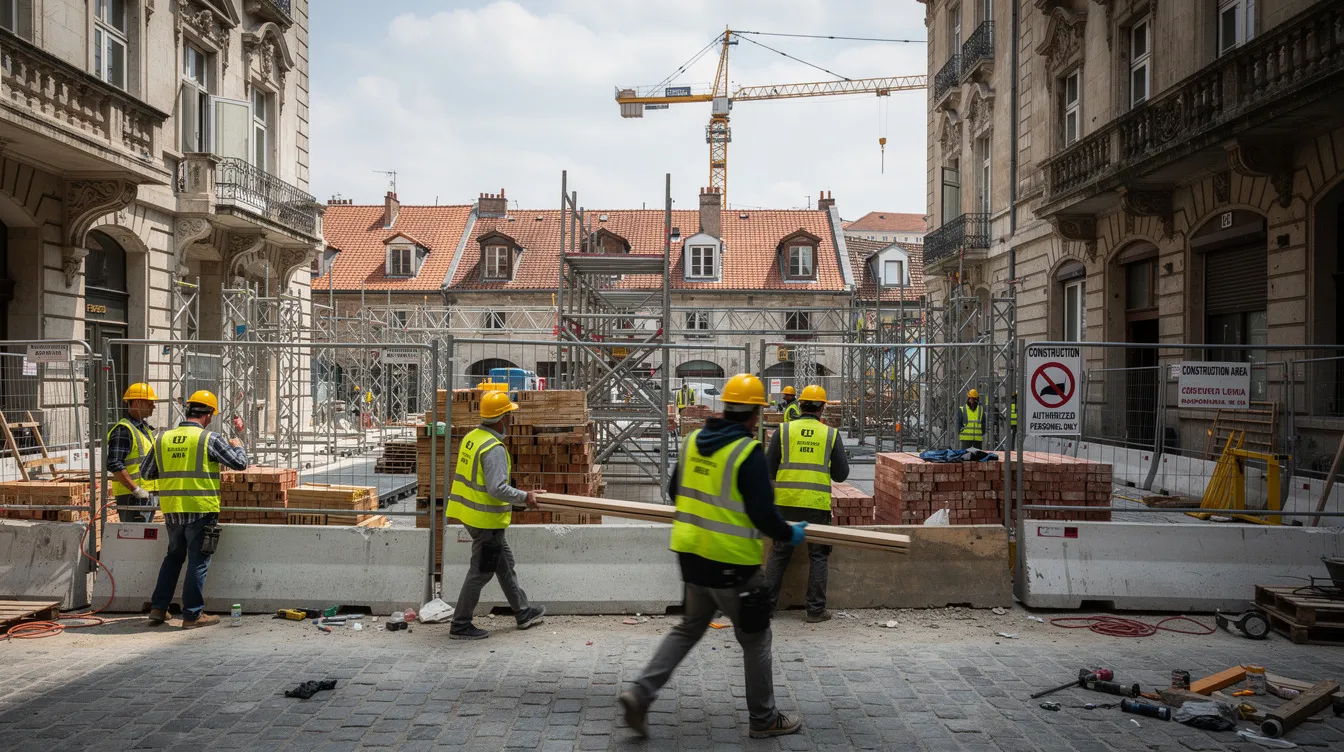
Slovenia is not a high-salary country like Germany or the Netherlands, but wages often exceed what many Indian workers earn at home - especially when combined with EU social protections.
The minimum gross wage for full-time work in Slovenia is EUR 1,481.88, and employers must comply with this minimum wage as laid down by law or collective agreements. After tax and social security deductions, this translates to roughly €1,000 net per month.
Here are reasonable salary bands for common roles:
| Role | Gross Monthly Salary (€) | Notes |
|---|---|---|
| Hotel housekeeping / kitchen helper | 1,480–1,700 | Often includes meals and accommodation |
| Warehouse worker / packer | 1,500–1,800 | Shift bonuses common |
| Construction worker (mason, carpenter) | 1,600–2,200 | Depends on skill and region |
| Caregiver / nursing home assistant | 1,500–1,800 | Growing demand |
| Junior IT developer | 2,000–3,000 | English-speaking roles |
| Senior IT / software engineer | 3,000–4,500+ | Higher in Ljubljana |
Common benefits beyond base pay include paid leave, public health insurance, pension contributions, and sometimes employer-provided accommodation and meals - especially in hospitality or remote construction sites.
Be wary of offers that look far below the legal minimum wage or ask you to refund part of your salary in cash to the employer. These are illegal and should be reported.
The main cities where Indians typically live and work are Ljubljana (most expensive), Maribor, Celje, and Koper. Here are approximate monthly costs for a single person:
| Expense | Ljubljana (€) | Maribor / Smaller Cities (€) |
|---|---|---|
| Shared room / studio outside centre | 400–600 | 250–450 |
| One-bedroom apartment (centre) | 1,000–1,330 | 500–750 |
| Groceries | 250–300 | 200–260 |
| Public transport (monthly pass) | 40–50 | 30–40 |
| Utilities + internet | 200–300 | 150–220 |
| Mobile SIM | 10–20 | 10–20 |
For a warehouse or hospitality worker earning around €1,000 net, living alone in central Ljubljana would be tight. Sharing accommodation, cooking at home, and using public transport can bring total living costs down to €600–800 in smaller cities, leaving modest savings.
Some hotel and industrial jobs include accommodation and meals, which significantly changes the savings calculation - potentially allowing workers to save €400–700 per month.
After a certain period of legal residence and work in Slovenia - typically around one year for many categories - Indians may apply for family reunification for a spouse and minor children.
General conditions include:
Stable income above a legal threshold
Suitable accommodation for the family
Valid health insurance for all family members
Proof of genuine family relationship (marriage certificate, birth certificates)
Processing time for dependants' permits can also be several months. All documents must be legalised or apostilled as required and translated where necessary. Each case is assessed individually by Slovenian authorities - not by recruiters or employers.
If children will join, plan ahead for schooling and childcare. Larger cities like Ljubljana have some English-friendly and international school options, but availability is limited and enrolment should be researched early.
Some professions in Slovenia are regulated and may require official recognition of Indian degrees or licences before you can practise. This applies to roles in engineering, nursing, teaching, architecture, and other regulated fields.
The general process involves submitting transcripts, syllabi, and diplomas to the competent Slovenian authorities or professional chambers. Processing times vary, and additional exams or assessments may be required.
Foreign qualifications in healthcare must be validated through local medical authorities in Slovenia. This is a critical step for Indian nurses, doctors, or allied health professionals seeking employment in Slovenian hospitals or care facilities.
Non-regulated roles - such as many hospitality, warehouse, and manual jobs - typically require only employer verification and do not need full formal recognition of qualifications.
EU tools and portals provide guidance on recognition and comparability of foreign qualifications. Indian professionals should research these rules before relocating, as meeting requirements from India saves considerable time.
Many Slovenians speak good English, especially in the tech industry, hotels, and multinational firms. English is widely accepted in the tech industry in Slovenia, facilitating opportunities for foreign workers. For Indian candidates in IT or engineering, language is rarely a barrier at work.
Basic English is usually sufficient for many entry level hospitality and warehouse roles, but learning Slovenian greatly improves long-term career prospects and daily life.
Customer-facing jobs, public-sector roles, and regulated professions normally require at least conversational or higher-level Slovenian. Non-EU nationals aiming to renew temporary residence permits must demonstrate proficiency in the Slovenian language, making language learning not just helpful but increasingly necessary for those seeking to stay long-term.
Practical advice:
Start learning basic Slovenian phrases from India before departure
Enrol in integration or adult education courses after arrival - some are free or subsidised
Use language exchange meetups to practise with locals
Even basic greetings and workplace vocabulary signal effort and earn goodwill from employers and colleagues
Scams targeting Indians looking for Slovenia jobs are real, and awareness is the best defence.
Verify the company. Check the Slovenian company's registration on official business registers. Confirm that the recruiter is licensed both in India and, where relevant, in the EU.
Never pay large upfront fees. Be suspicious of agents who ask for full payment before any written job offer, who keep original passports without receipts, or who promise "guaranteed" residence permits. No legitimate process works this way.
Official bodies don't charge job seekers. The Employment Service of Slovenia does not charge placement fees. Service fees from Indian recruitment agencies, if any, are regulated and should be transparent.
Read the contract carefully. Check salary figures, working hours, duties, and responsibilities before signing. If anything seems unclear, seek independent legal advice.
Keep copies of everything. Store digital and physical copies of your passport, contract, permit, and all correspondence.
If an offer seems too good to be true - unusually high salary, no qualifications required, instant visa - it almost certainly is.
Adjusting to life in Slovenia involves a different pace. Cities are small, calm, and green. The work culture values punctuality, directness, and reliability - a shift from some Indian workplace norms.
Banking: Open a Slovenian bank account to receive your salary. Most banks require a valid residence permit and passport.
Public transport: Bus networks connect major cities. Ljubljana has a well-used bus system; Maribor is smaller and walkable.
Mobile SIM: Prepaid and contract options are affordable (€10–20/month for data and calls).
Grocery shopping: Major supermarket chains stock a wide range of European products. Indian groceries (spices, rice, lentils) are available in larger cities through specialty shops.
To reside in Slovenia for more than three months, you must apply for a residence registration certificate at the administrative unit covering your area, which requires proof of employment or other means of subsistence.
Indian communities and cultural associations in Ljubljana and other cities help newcomers with guidance on everything from cooking to paperwork. Indian restaurants exist in larger cities, and festivals are occasionally organised.
Public healthcare access comes through compulsory health insurance - once registered by your employer, you can choose and register with a local doctor. The system covers most medical needs.
Participating in local events, sports clubs, and language exchanges helps build networks beyond the workplace and fellow Indians, which is valuable for long-term integration and career development.
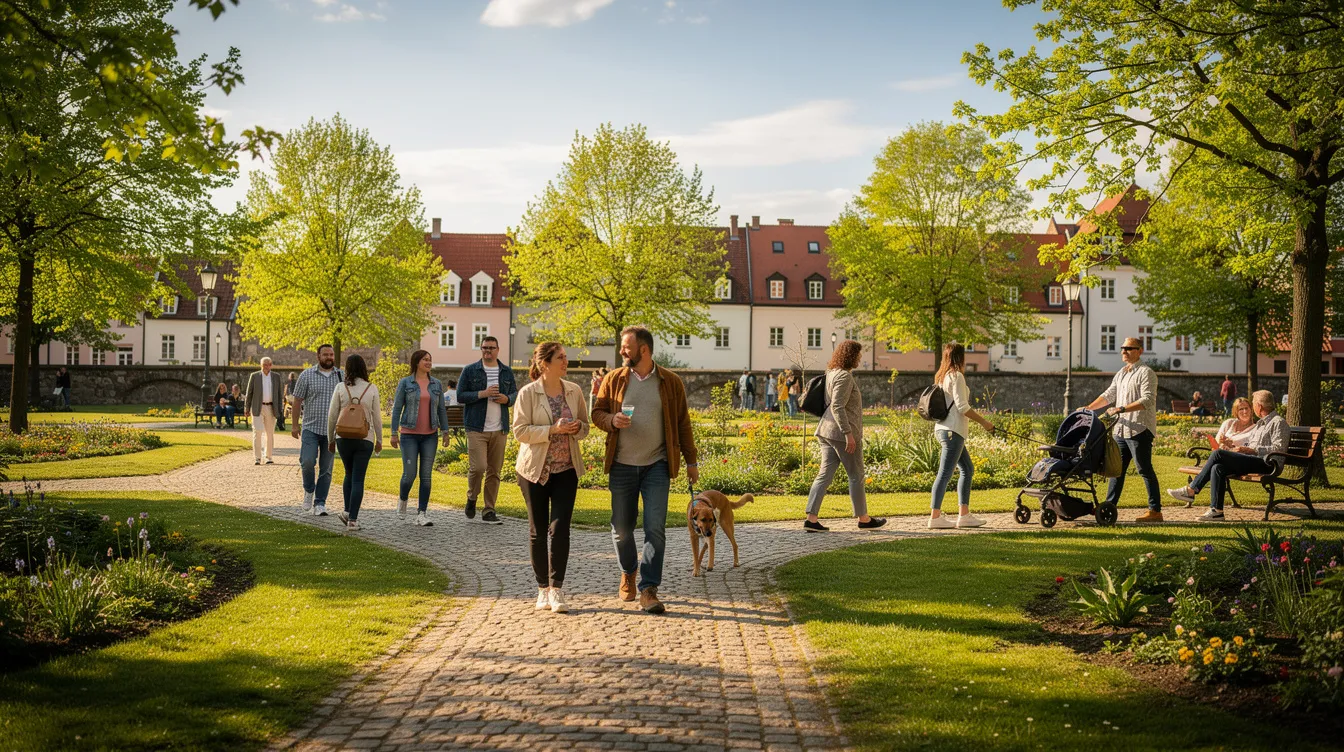
Working legally in Slovenia builds EU work experience, which can strengthen your profile when applying for roles in other EU or EEA states later - subject to each country's immigration rules.
After several years of continuous, legal residence, some non-EU nationals can qualify for EU long-term resident status. This status improves mobility and may make it easier to live and work in another member state, though each country applies its own conditions.
A Slovenian work permit does not automatically allow working in other EU member states. However, the experience, language skills (Slovenian, German, Italian), and qualifications gained during your period of work in Slovenia can make you a stronger candidate for positions across Europe.
Long-term planning matters:
Improve technical skills through local training or certification
Learn additional European languages
Gain qualifications recognised across the EU
Build a track record of stable, legal employment
Immigration regulations change. Always check the latest official guidance before making decisions based on EU mobility expectations.
Use this checklist to stay organised from the moment you decide to pursue Slovenia jobs for Indians:
[ ] Research sectors and cities that match your skills (hospitality, IT, construction, logistics, caregiving)
[ ] Prepare a European-style CV and tailored cover letters
[ ] Gather and authenticate educational certificates, police clearance, and passport copies
[ ] Search for vacancies through the Employment Service of Slovenia, EURES, and trusted job portals
[ ] Verify recruiters - check licences, avoid upfront fees, and never hand over your passport
[ ] Secure a written job offer or employment contract from a registered Slovenian employer
[ ] Start the work visa and single permit process through your employer
[ ] Arrange accommodation - either employer-provided or a rental agreement
[ ] Budget for the first two to three months in Slovenia (accommodation deposit, food, transport, SIM card)
[ ] Register for health insurance and social security upon arrival
[ ] Submit residence registration at the Administrative Unit within required deadlines
[ ] Track all document expiry dates and correspondence in a dedicated digital folder
Slovenia can be a realistic and rewarding destination for Indians who plan carefully, respect the law, and choose reputable employers. The country offers genuine opportunities - not overnight riches, but steady employment, legal protections, and a quality of life that builds over time.
Start with one step: research the sector that fits your qualifications, prepare your documents, and only work with verified employers. The rest follows from there.