07 Oct 2025
Have you ever stared at your phone, heart sinking as another day passes without that crucial money hitting your family member's account in Pakistan?
You're not alone—many expats and international students face this frustration when relying on traditional banks for remittances.
In a world where every hour counts for bills, emergencies, or simply showing support from afar, understanding the gap between slow bank deposits and speedy wallet transfers can change how you send money home. This guide breaks it down simply, focusing on why banks lag and how digital wallets keep things moving fast, all while keeping your transfers smooth and reliable.
When you initiate a bank transfer to Pakistan, it often feels like watching paint dry—tedious and unpredictable. Banks operate through a complex web of systems designed for security and regulation, but these layers add unnecessary delays that wallet transfers simply skip.
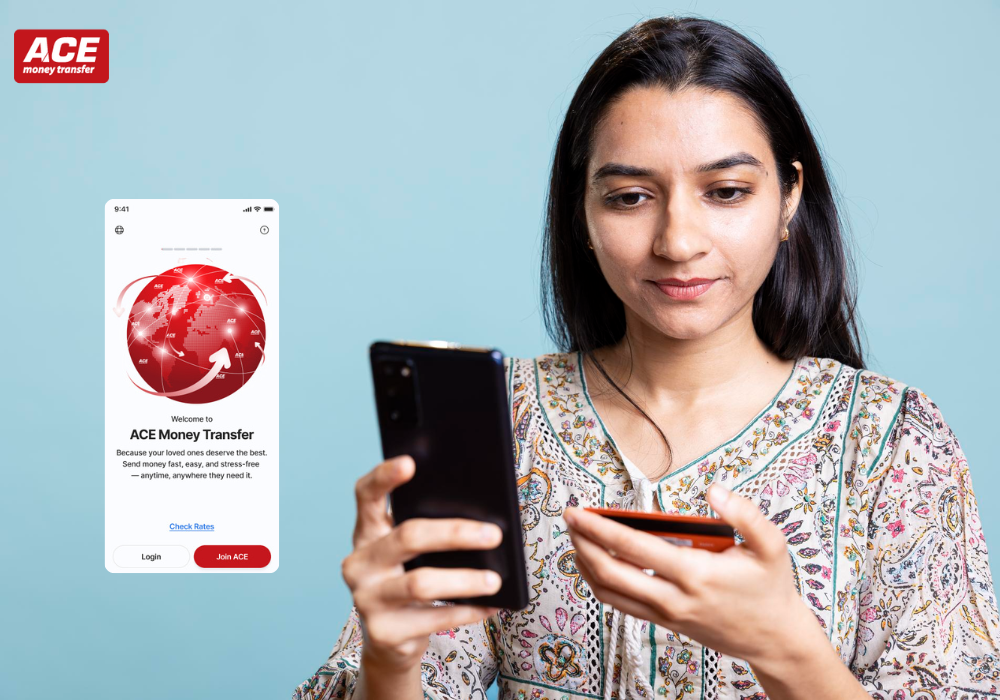
People sending money from places like Ireland after they download ACE app frequently share stories of transfers stretching into days, leaving recipients in limbo. The core issue lies in how banks handle cross-border flows versus the streamlined approach of mobile apps.
Let's dive into the main culprits behind these hold-ups.
Intermediary banks act as middlemen in international transfers, routing funds between the sender's and receiver's institutions. Each hop requires separate processing, where details get checked and rechecked for accuracy.
This chain can involve multiple global players, especially for routes to Pakistan, turning what could be a quick exchange into a multi-step relay. Recipients end up waiting because these banks don't always sync in real-time, and any mismatch—like a slight address error—triggers a full review.
Traditional setups prioritize caution over speed, meaning your hard-earned remittance sits idle longer than it should.
Banks in Pakistan must adhere to strict anti-money laundering rules and foreign exchange guidelines set by the State Bank. Every incoming deposit undergoes manual verification to ensure it matches declared purposes, like family support or education fees.
This involves cross-referencing sender info, transaction history, and even tax compliance, which compliance teams handle during business hours only. Weekends or holidays amplify the wait, as automated systems pause. While these checks protect the system when you send money now, they create bottlenecks that digital alternatives bypass with built-in, instant safeguards.
Switching gears, mobile wallets like JazzCash or EasyPaisa flip the script on transfer times by embracing technology that banks haven't fully caught up to. These apps connect directly to Pakistan's growing digital payment ecosystem, allowing funds to land in recipients' phones within moments.
For immigrants juggling work abroad and family needs back home, this means less stress and more control. The magic happens when you sign up with ACE—think of it as a direct highway versus a bank transfer's winding backroads.
For a real-world example of this in action, check out how ACE makes transfers to Pakistan's Easypaisa a breeze—Why Use ACE for Pakistan's Easypaisa Transfers?.
Mobile wallets use APIs and partnerships with telecom networks to push funds straight from sender to receiver without third-party involvement. In Pakistan, where mobile penetration is high, this setup leverages existing SIM-based verification, skipping the need for physical bank branches.
Once you confirm the money transfer from Ireland to Pakistan, it zips through secure channels to the wallet app, often notifying the recipient with a ping. This peer-to-peer model thrives on real-time data exchange, ensuring that even peak-hour sends arrive promptly, empowering users to handle urgent needs like school fees or medical costs without delay.
Wallet providers streamline operations by automating most steps, from currency conversion to final crediting. They rely on lightweight fraud detection—like biometric logins and transaction limits—rather than exhaustive audits, allowing approvals in seconds.
Pakistan's Raast system further boosts this by enabling instant inter-bank links for wallets, but the real edge comes from avoiding paperwork. Recipients access funds immediately for withdrawals or payments, a far cry from banks' batch processing that queues transfers until the next cycle.
Now that the delays make sense, consider how wallet transfers align with everyday realities for expats and students supporting loved ones. Banks suit large, infrequent sums where documentation matters, but for regular sends, wallets offer freedom from waiting games.
Picture a parent in Lahore receiving funds for groceries right when the market closes—wallets make that possible by crediting balances on the spot, ready for QR scans or ATM pulls. Unlike bank accounts that lock money until clearance, wallets let users spend or transfer immediately, fostering financial agility in a cashless-leaning economy.
Wallet transfers typically dodge hefty bank fees by capping amounts per send, keeping expenses low for frequent users. They extend to remote areas where bank branches are scarce, using just a phone signal.
This broadens access for rural recipients, turning a simple app download into a lifeline for education or small businesses.
Absolutely—wallets employ end-to-end encryption and two-factor authentication, mirroring bank standards but executing them quicker through app-based alerts. Pakistan's digital finance regulations ensure oversight, so users enjoy peace of mind without the prolonged scrutiny that slows deposits.
Navigating remittances to Pakistan reveals a clear divide: banks build walls of security that inadvertently create waits, while wallets tear them down for speed and simplicity. By opting for digital paths, senders like you ensure support reaches where it's needed, when it's needed most. This isn't about ditching banks entirely but choosing tools that fit modern lives—reliable, quick, and user-focused.
Ready to experience the difference?
For online money transfers to Pakistan, download the ACE app for on-the-go ease.
Wallet apps in Pakistan often limit single transactions to encourage security, but users can split bigger sends across multiple quick transfers. This approach keeps things safe while maintaining speed, ideal for steady support without the bulk delays of banks.
Most providers refund or retry automatically within minutes if connectivity dips, notifying both parties via SMS. Unlike banks' drawn-out reversals, this minimizes downtime, letting you resolve hiccups from anywhere.
Wallets process 24/7 without business-hour restrictions, so sends from Europe land instantly regardless of local time. This beats banks' cutoff times, ensuring recipients wake up to available funds every time.
Yes, senders abroad link directly to recipients' existing wallets without needing their own local account. It simplifies gifting, as the receiver handles setup, focusing your effort on just the transfer.
Many wallets offer USSD codes for basic phones, allowing balance checks and withdrawals via simple texts. This bridges the gap for tech-limited users, extending wallet benefits beyond app-only crowds.