
ACE Money Transfer
ACE Money Transfer

14 Jan 2025
Every time you send money through your bank - whether it's paying rent, splitting a bill, or wiring funds overseas - you're asked to fill in the "beneficiary name." But what exactly does this field mean, and why does it matter so much?
A beneficiary name is the official registered name of the individual or business receiving funds. It's the name that sits on the receiving bank account, tied directly to that person's or entity's identity documents. In every fund transfer - NEFT, RTGS, IMPS, wire transfer, or international remittance - the sender must enter this name along with the account number and bank details for the transaction to go through.
The beneficiary name identifies the recipient of funds in banking and serves as a key identifier alongside the account number and sort code in bank transfers. When you get this name right, money reaches the correct beneficiary account smoothly. When you get it wrong, you're looking at delays, rejections, or - worst case - funds landing with the wrong person.
This article covers everything you need to know: who qualifies as a beneficiary, how beneficiary names work across different transfer systems and net banking platforms, what happens when details are incorrect, and the best practices to protect your financial transactions from costly errors.
In the simplest terms, a beneficiary in banking is the individual or organization that receives money in a bank transaction. When you transfer funds, the person or entity on the receiving end is the beneficiary.
Beneficiaries can include individuals, businesses, or non-profits. Your landlord collecting rent, a family member you're sending money to, a hospital receiving a payment, or a company you're paying an invoice to - all of these are beneficiaries. Individual beneficiaries are the most common type in banking, but trusts can be nominated as beneficiaries for financial operations, educational institutions can act as beneficiaries for fee payments, and companies and legal entities can also be registered as beneficiaries.
It's important to distinguish between the "beneficiary" and the "beneficiary bank." The beneficiary is the person or entity that receives money. The beneficiary bank is the financial institution where the beneficiary account is held. For example, if you pay your landlord's rent via NEFT, your landlord is the beneficiary, and the bank branch where their savings account sits is the beneficiary bank.
Here's a detail many people overlook: you can also be your own beneficiary. If you're transferring funds between your own accounts at two different banks, you are technically the beneficiary of that transfer.
The beneficiary name is the registered name on the recipient's bank account that identifies who should receive the funds. Every bank account has a name tied to it in the bank's core banking system - and the beneficiary name field in your online banking or mobile banking app must match this record as closely as possible.
For individuals, this usually means the full legal name - first, middle, and last - exactly as it appears on identity documents like a passport, PAN card, or national ID. For businesses, it's the legal entity name as per registration (e.g., "ABC Private Limited" rather than just "ABC"). Typing the exact name of the beneficiary as registered on their bank account is essential for transfers, and exact spelling of the beneficiary name is critical for preventing errors in bank transfers.
In many domestic systems, the account number and IFSC or branch code actually drive the credit. The system routes funds based on these numeric identifiers. But the beneficiary name is still required for validation, compliance checks, and manual reviews - especially for high-value or unusual transactions. Beneficiary name must match the account number for successful transfers to avoid complications.
For international transfers using SWIFT/BIC or IBAN, the rules are stricter. Overseas banks rely more heavily on the beneficiary's name to satisfy anti-money laundering regulations and compliance requirements. A mismatch that might slide through domestically can trigger a hold or rejection internationally.

Any valid bank account holder can be set as a beneficiary. This includes individuals, joint account holders, and all types of business or institutional entities.
An individual beneficiary is the most straightforward case. This could be a friend, a family member, a vendor you're paying for services, or even yourself when you hold one bank account at one institution and want to move money to another. For example, if your cousin studies in another city and you regularly send them money, their name - as registered on their bank account - is the beneficiary name you'd enter.
A joint account can also be the beneficiary. In this case, the beneficiary name usually appears as the joint account title. If the account is held by "Rahul Mehta & Anjali Mehta," that's the name you'd need to enter. Listing only one of the holders may trigger a mismatch flag, even if the account number is correct. This is sometimes called a joint beneficiary setup.
For business transactions, the beneficiary name is the official registered business or institution name - not the name of the owner or director personally. For payments to businesses, the official registered name should be used instead of a personal name. A corporate beneficiary might be "XYZ Technologies Pvt Ltd," an NGO might be "Green Earth Foundation," and a government department would use its official designation.
The key principle across all these cases: the beneficiary's name must correspond to the way the beneficiary account is titled on the bank records, especially for corporate and trust accounts where legal naming conventions are precise.
These three terms describe different aspects of the same relationship in a bank transfer, and confusing them can cause errors.
Account holder is the person or entity that owns and operates a bank account. This can be an individual, multiple joint holders, or a business entity. The account holder's lifetime relationship with the bank defines the account's legal ownership. Upon the account holder's death, legal heirs or intended beneficiaries as per insurance policies or provident funds may step in, depending on the account type and nomination.
Beneficiary in the context of a transfer is the account holder on the receiving side. So the beneficiary name and the account holder's name of the destination account should match exactly. Beneficiary names must match account details for successful transfers.
Beneficiary account refers to the specific bank account number - along with the IFSC/IBAN, bank name, and branch - where funds are to be credited. This is the numeric and routing information that directs the money.
Here's a quick example: You (account holder at Bank A) transfer ?50,000 to your landlord. Your landlord is the beneficiary. Their account number at Bank B is the beneficiary account. The name on that Bank B account is the beneficiary name. If any of these pieces don't align, you risk sending funds to the wrong account or triggering a review.
The beneficiary name is requested across almost all forms of digital transfers and financial activities: NEFT, RTGS, IMPS, ACH, card-to-account payments, and international wires. Its role varies slightly depending on the system, but it's always present.
In domestic electronic fund transfers, banks typically prioritize the combination of account number and IFSC or routing code. The beneficiary name helps prevent payment delays by ensuring accuracy in account details, but the actual routing happens through the numbers. The name is displayed to the sender for confirmation - a chance to catch errors before the money moves.
For international remittances, the sending bank shares the beneficiary name, account number or IBAN, and full address with the foreign beneficiary bank for compliance checks. The beneficiary name is crucial for wire transfers and ACH transactions. For international transfers, beneficiary names are cross-referenced with account identifiers like IBAN and SWIFT. This is where even a small spelling difference can hold up an international payment for days.
In recurring payments like SIPs, EMIs, or subscription debits, a defined beneficiary name is stored in mandates and standing instructions. This gives both the bank and the customer clarity on who receives money each cycle. Banks also use beneficiary names for back-office reconciliation, anti-fraud monitoring, and resolving disputes when transfers are questioned.
The beneficiary name is only one part of the data set that must be correct for seamless fund transfers. Here's what banks typically require:
Beneficiary's full legal name - individual or entity, exactly as per bank records
Bank account number - the unique number identifying the destination account
IFSC code (or routing transit number in the US) - identifies the specific bank branch
Bank name and sometimes branch address
For cross-border transfers, you may also need:
IBAN (International Bank Account Number)
SWIFT/BIC code - identifies the beneficiary bank globally
Beneficiary's country and full address
Purpose-of-payment code - required by some regulators
All these details together uniquely identify the beneficiary account in the banking system and reduce the chance of misdirected transfers. Beneficiary details must be verified before fund transfers are initiated - a step that protects both the sender and the receiver. Missing even one field, or entering basic details incorrectly, can derail a transaction.

Most banks require you to add and approve a new beneficiary before transferring larger amounts. This is a security-sensitive step, not just a formality.
Here's the typical process in net banking or internet banking:
Log in to your net banking portal or mobile banking app
Navigate to "Fund Transfers" or "Payments"
Select "Add New Beneficiary" or "Add Payee"
Enter the beneficiary name, account number (many banks ask you to type it twice), IFSC code, and bank name
Confirm via OTP sent to your registered mobile number, email, or biometric verification
Adding a beneficiary requires completing a nomination form - either digital or physical, depending on the bank. Banks verify beneficiary details before processing transactions, and verification procedures prevent unauthorized beneficiary modifications. This means even if someone gains access to your account, they can't silently add a fake payee and drain funds without triggering alerts.
Mobile banking apps follow a similar flow but with mobile-friendly screens and biometric login options. Some banks support "one-time" or "quick" transfers without saving a defined beneficiary, but larger or recurring payments usually need a saved beneficiary profile.
You can add multiple beneficiaries depending on bank policies. Most banks allow dozens of active payees. Beneficiaries can be edited or removed via online banking at any time, and it's good practice to periodically review and remove inactive beneficiaries you no longer pay.
Enter the beneficiary's name exactly as shared by the recipient - from a cancelled cheque, bank statement, or verified message. This reduces the risk of activation failure or later disputes.
After you add or edit a beneficiary, most banks impose a "cooling period" - a mandatory waiting time before high-value transfers to that beneficiary are allowed.
RBI mandates a 30-minute cooling period after adding a beneficiary. A cooling period of 30 minutes is standard after adding a beneficiary, though some banks extend this to several hours or even 24 hours for higher transfer limits. The exact duration depends on the bank's policy and the type of transfer channel you're using.
This is a fraud prevention feature. If someone gains unauthorized access to your net banking and tries to add a fake beneficiary to siphon funds, the cooling period creates a window where you (the real account holder) can spot the unauthorized transactions and act. During this waiting time, you may either be unable to transfer at all to that beneficiary or be limited to small-value digital transfers.
The practical takeaway: add important beneficiaries - like regular vendors, landlords, or family members - well in advance. If you wait until the last minute for an urgent payment, the cooling period can block sending money when you need it most.
Wrong beneficiary details are one of the main causes of failed or misdirected fund transfers. The consequences depend on which detail is incorrect and how far the transaction has progressed.
If the account number is wrong, money may be credited to the wrong person's account entirely - and recovering it can be extremely difficult. Funds may be credited to the wrong account due to errors, and the bank typically needs the unintended recipient's consent or a legal order to reverse the transfer.
In many domestic systems, if the account number is correct but the beneficiary's name has minor spelling differences, the transaction may still go through. Banks often credit based on account number alone. However, if a beneficiary name does not match, many banks may still process the payment at a higher risk. This means the sender bears the responsibility if something goes wrong.
Incorrect beneficiary details can lead to transaction failures, and incorrect beneficiary names can lead to transaction failures as well. Transaction failures often result from incorrect beneficiary names, particularly in stricter systems. Incorrect beneficiary details can delay or fail transactions across both domestic and international channels.
For cross-border payments or high-risk transfers, serious mismatches in the wrong beneficiary's name can trigger manual review, extended delays, or outright return of funds - sometimes with deduction of correspondent bank fees.
If you realize you entered wrong beneficiary details, contact your bank's customer support immediately and file a written request. But be aware: refunds are not guaranteed, especially if the wrong person has already withdrawn the funds.
Inaccurate beneficiary account details cause operational and financial issues in diverse forms for both sender and receiver. Here's what typically happens:
Transaction rejection: The payment bounces back to your account after a few hours or days, sometimes with a fee attached.
Suspense hold: Funds get stuck in a suspense account while the beneficiary bank investigates the mismatch. This is common when the bank cannot reconcile the name against the account.
Wrong credit: Money lands in a completely wrong beneficiary's account. Banks generally need the unintended recipient's consent or a court order to reverse such transfers.
Fee deductions: For international remittances, returned or amended payments attract charges from correspondent banks, reducing the amount you eventually recover.
Mismatched beneficiary names may lead to delays or rejections of a bank transfer. Financial losses can occur from incorrect beneficiary details, and inaccuracies in beneficiary names can lead to fraud or misdirected funds - whether accidental or deliberate.
Legal consequences may arise from using incorrect beneficiary information. Indian courts have addressed this in cases like ICICI Bank v. Sarita Vashisht, where a correct beneficiary name but wrong account number led to funds going to an unintended recipient. The court recognized that banks credit based on account number, placing the duty on the sender to provide correct details carefully.
The responsibility for verifying the beneficiary's name and account information typically lies with the sender, not the bank.
Most issues with misdirected transfers can be avoided with careful entry and verification of beneficiary information. Here's how to protect yourself:
Use official sources: Copy the beneficiary name and bank account number from a cancelled cheque, bank statement, or verified message from the recipient. Never rely on memory or informal WhatsApp messages.
Double-check every field: Review the beneficiary's name, account number, IFSC/IBAN, and bank name before pressing "Confirm." Small mobile screens make typos easy - zoom in if you need to.
Do a test transfer: For a new beneficiary or high-value payment, send a small amount first. Confirm the intended recipient received it before transferring funds in full.
Use name-check features: Many banks provide match, close match, or no match results for beneficiary name checks. Confirmation of Payee helps identify the intended recipient and prevent mistakes in transfers. Banks verify beneficiary names to prevent fraud and misdirected funds - take advantage of these tools when available.
Protect your credentials: Never share your login passwords or OTPs when adding a beneficiary or editing beneficiary information. A single person designated to manage beneficiaries in a business setting reduces the risk of unauthorized access.

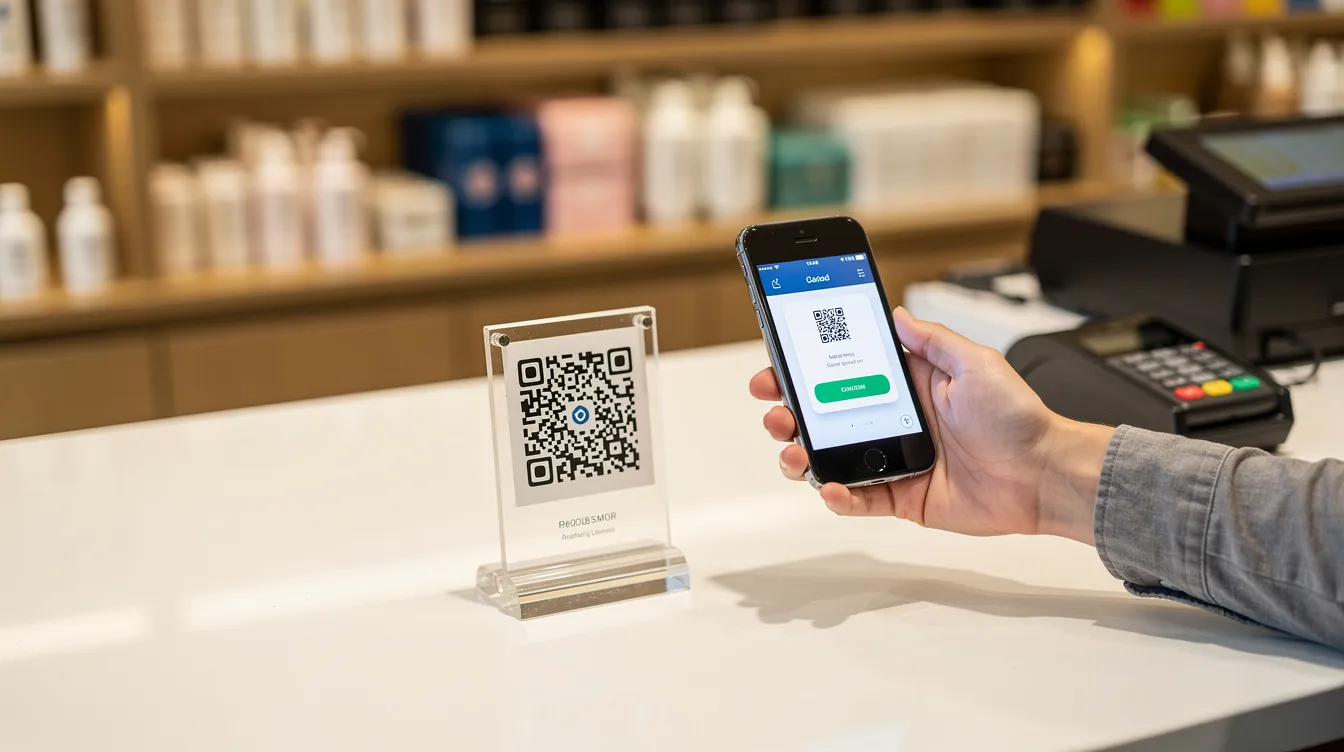
Newer digital payment systems like UPI, QR-based payments, and mobile wallets also rely on beneficiary identification, though the interface looks different from traditional net banking.
When using a UPI ID or mobile number, the app usually displays the beneficiary's name - sometimes masked - before you confirm the payment. This is the "name fetch" result pulled directly from the beneficiary bank. If this name doesn't match the intended individual beneficiary, cancel the transaction immediately. This simple verification step prevents a surprising number of errors in digital transfers.
Even in these systems, behind the scenes there is still a beneficiary account and account holder that must match bank records. The UPI ID or QR code is simply a shortcut that maps to an account number and IFSC. Errors in typing a UPI ID can redirect funds just as easily as a wrong account number.
To manage beneficiaries effectively in digital platforms, save frequent UPI or digital payees as defined beneficiaries within your app. This reduces retyping errors on future transfers and ensures money reaches the right person consistently. Some apps also let you label saved payees, which helps when you have multiple beneficiaries across different financial accounts.
Joint accounts and special mandates change how the beneficiary's name appears in the system, and getting this wrong is a common source of confusion.
When paying a joint account, the beneficiary name often appears exactly as printed on the passbook or statement - for example, "A & B" or "A or B." This format should be used when setting up the beneficiary. Some banks and remittance providers discourage naming only one holder of a joint account as the beneficiary if the official account title includes both names.
For trust, society, or club accounts, the beneficiary name is usually the full legal name of the entity, not the name of individual office bearers. If the trust is named "Sharma Family Trust," that's what goes in the beneficiary name field - not "Mr. Sharma."
Insurance claims and insurance policies may also designate intended beneficiaries who receive funds upon specific events, such as the account holder's death. Similarly, provident funds and other financial accounts may have nominated beneficiaries - often legal heirs or family members - who are a single person designated or multiple people to receive funds.
If there's any doubt about how the beneficiary's name is recorded for such accounts, the receiver should share a document or screenshot from their bank account profile. This small step eliminates guesswork and prevents failed transfers.
Can I correct a beneficiary's name after initiating a transfer? Once a transaction is submitted - especially through systems like NEFT, RTGS, IMPS, or an international wire - changes are generally not possible if processing has already begun. You may be able to contact customer support if the transfer is sitting in an exception queue, but corrections typically require cancelling and reinitiating the transaction. For this reason, verifying correct details before hitting "Send" is far easier than trying to fix things afterward.
Can I transfer money without adding a beneficiary? Some quick-pay or one-time transfer options allow you to send small amounts without saving a permanent beneficiary profile. However, standard net banking and internet banking platforms require adding a defined beneficiary for regular or high-value fund transfers. This is both a security measure and a way to help you manage beneficiaries efficiently over time.
Do banks actually match beneficiary account name with account number? In many domestic systems, the account number and routing code drive the automatic credit, and name matching has historically been secondary. However, beneficiary verification is increasing. India's RBI introduced a beneficiary bank account name lookup facility for RTGS and NEFT from April 2025, allowing senders to verify the name tied to an account number before initiating a transfer. Many banks now provide match, close match, or no match results to flag potential issues before funds move.
How many beneficiaries can a typical bank account have? Limits vary by bank and channel. Most banks allow dozens of active beneficiaries through net banking and mobile banking app platforms. Some may have different caps for different transfer types. You can add multiple beneficiaries depending on bank policies, and it's worth checking your specific bank's rules if you handle business transactions or international transactions with many payees.
What is the beneficiary meaning in the context of insurance or provident funds? While this article focuses on bank transfers, the beneficiary meaning extends to insurance policies, provident funds, and other financial accounts. In those contexts, a beneficiary is the person or entity nominated to receive funds or benefits - often family members or legal heirs - during the account holder's lifetime or after the account holder's death.
The beneficiary name is a core part of safe and accurate fund transfers, sitting right alongside the account number and bank details as the foundation of every successful transaction. Whether you're sending money domestically or making an international beneficiary payment, this single field can mean the difference between seamless fund transfers and a stressful recovery process.
Careful entry of the beneficiary's name and other bank details protects both sender and receiver from delays, wrong credits, and the difficult - sometimes impossible - process of recovering misdirected funds. Treat adding or editing a beneficiary as a security-sensitive step. Take time to verify information from official sources before approving transfers. Review your saved beneficiary list periodically and remove entries you no longer need.
As digital transfers continue to grow and banking systems become smarter with real-time name verification, understanding how beneficiary names work gives you a real edge. You'll avoid the pitfalls that trip up careless users, keep your financial activities running smoothly, and use online banking with the confidence that comes from knowing exactly where your money is going.
Incorrect beneficiary names can lead to delays, transaction failures, or even financial losses, so it’s important to double-check all details before proceeding. By understanding the significance of the beneficiary’s name and following best practices, you can avoid potential challenges and ensure that your transactions are processed efficiently and securely.
Usually, once you have entered the transaction details, you cannot alter the beneficiary name you entered. But you may have the opportunity to freeze the transaction at some point and then enter the right information.
The bank studies this sector very closely, so you have to do exactly as they tell you to. In general, the name should be entered precisely as the recipient’s bank account is filled in.
Turn on auto-suggest options to avoid making typos while typing the URLs manually. Ensure you confirm the name before eventually approving a certain transaction.
It's not recommended. Tactic use of a specified single name may slow down or even cause the transaction to be ejected.
Generally, the complete legal name of the company as it appears on the account name in the bank of the business entity.