ACE Money Transfer
ACE Money Transfer

31 Jan 2025
If you've been searching for unskilled jobs in Lithuania for foreigners, here's the direct answer: Lithuania does not issue work permits for unskilled jobs. Non-EU citizens cannot obtain work permits for purely unskilled positions such as basic cleaners, dishwashers, or general helpers. Only skilled or shortage occupations qualify for legal employment pathways.
EU/EEA citizens can work in Lithuania without a work permit or visa, making unskilled roles fully accessible to them. Local registration with the Migration Department is required for EU citizens staying over three months in Lithuania. For non-EU workers, the rules are far stricter-and many recruitment ads promising "easy unskilled visas" are misleading at best.
In Lithuanian law, unskilled work means roles requiring no formal qualification-basic manual or service tasks. Lithuania has high demand for unskilled roles like cleaners and kitchen staff, yet that demand does not translate into legal permits for non-EU candidates. This article explains real job opportunities, legal requirements, red flags to avoid, and how to safely send money home using the ACE Money Transfer platform once you start earning.
Understanding Lithuanian migration rules is essential before applying for any position. Here's what non-EU foreign workers must know:
Lithuania does not issue standard work permits for purely unskilled positions-basic cleaners, dishwashers, general labourers, or non-qualified helpers cannot get permits under current law.
Work permits are only available for skilled or shortage occupations. Employers must prove a labor market need before hiring third-country nationals, and employers must apply for a work permit before the employee can proceed.
Non-EU workers need a job offer to apply for a work permit. From 2025, non-EU workers need a temporary residence permit to work legally in Lithuania.
Some positions may require non-EU workers to meet a salary threshold of at least 1.2 times the national average wage, especially after the annual quota is exhausted.
Lithuania operates an annual immigration quota system for foreign workers with a specific cap. The general quota for temporary residence permits in Lithuania for 2026 was 24,706.
Lithuania has a system for issuing seasonal work permits through the Employment Service, but even these are tied to specific sectors and skill levels.
Some factory, warehouse, and construction roles are formally classified as "skilled" or "shortage" occupations because they involve machinery operation, certified welding, or driving-even if they feel unskilled to applicants.
Any promise of an "unskilled Lithuania visa" without proof of a legal work permit or shortage occupation listing should be treated with extreme caution.
Rules change frequently, so always verify the latest information on the websites of the Lithuanian Employment Service and Migration Department before you apply.
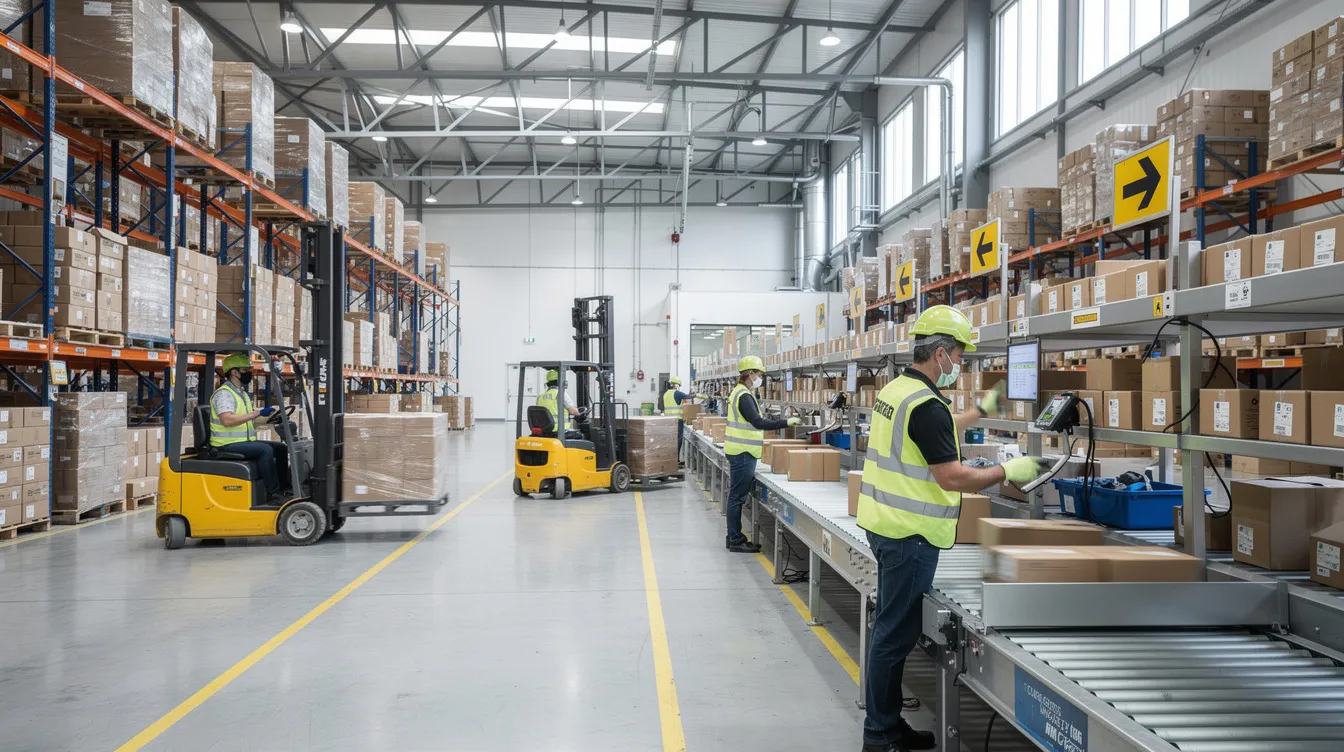
While pure unskilled jobs are restricted for non-EU migrants, real opportunities exist in sectors where basic skills or short training can lead to legally acceptable positions. Lithuania faces labor shortages in logistics, manufacturing, agriculture, and construction sectors, and foreigners in Lithuania are primarily concentrated in transport, construction, manufacturing, and hospitality sectors.
Warehouse and logistics: Order pickers, forklift operators, and loaders can qualify with short training. Lithuania is hiring in warehouse, factory, and hospitality sectors, particularly around Vilnius, Kaunas, and Klaip?da near major logistics parks.
Factory and manufacturing: Machine operators, packers, and production line workers are in demand professions. Common unskilled jobs include kitchen staff and packaging workers, and employers in Lithuania frequently provide training for unskilled jobs. Many companies still look for some technical experience or previous factory work.
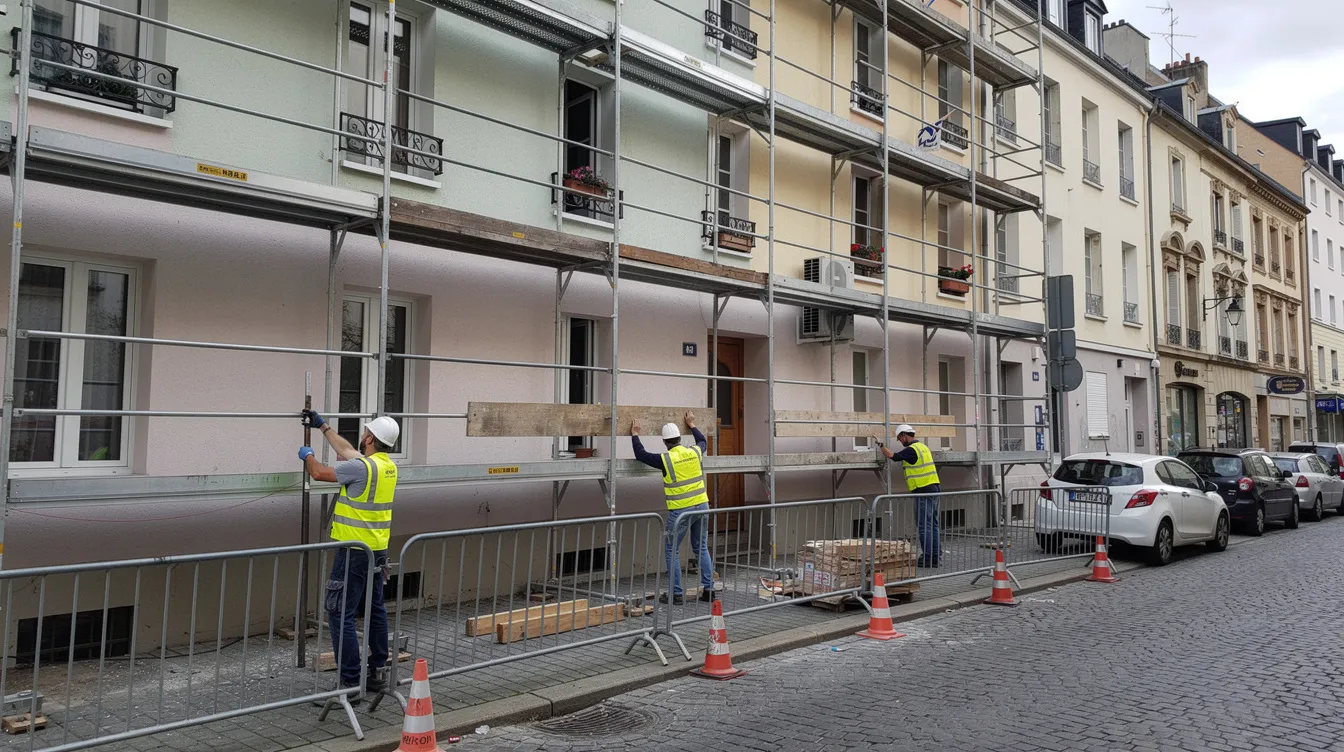
Construction: Helpers who progress into concrete workers, tilers, scaffolders, and welders find strong demand. Construction jobs are actively recruiting for skilled trades, and on-site learning plus basic vocational courses can upgrade a worker from unskilled to semi-skilled, making permits more realistic.
Hospitality and cleaning: Housekeeping, kitchen assistants, and restaurant roles exist, but for non-EU workers these usually require additional skills like language knowledge or combination roles to be permit-eligible. Common unskilled roles include cleaners and kitchen staff, yet standalone cleaning roles rarely qualify for permits.
Job opportunities for unskilled workers in Lithuania include warehousing, manufacturing, construction, and agriculture. Employers often provide training for unskilled positions, which can serve as a transition into higher-paid skilled roles over time. Unskilled job roles often lead to sponsored work permits when candidates gain experience and upskill.
Your job search in Lithuania must start from legality and documentation-not just salary or sector.
Use official job portals: the Lithuanian Employment Service website, EURES for EU/EEA nationals, and major Lithuanian job boards with English filters. Explore company career pages directly.
Search using specific keywords like "machine operator," "warehouse worker," "welder," "truck driver," or "production operator" instead of generic "unskilled jobs." These terms lead to realistic, legal vacancy listings.
Prepare a clear CV in English-and if possible in Lithuanian, Russian, or Polish-listing any technical, driving, or vocational skills. Finding jobs in Lithuania is easier for those with local language skills or higher education.
Apply directly through Lithuanian company websites of manufacturers, logistics firms, and construction companies rather than relying on social media posts or informal agents.
Attend job fairs in Vilnius or Kaunas and network through diaspora communities (Ukrainian, Indian, Pakistani, Bangladeshi, Filipino, and others) for referrals-but always verify offers independently.
Basic conversational English or Russian can be helpful for unskilled roles in Lithuania, though unskilled foreign workers in Lithuania can face challenges such as language barriers and competition for jobs.
Many scams target candidates looking for unskilled jobs in Lithuania, promising visas for cleaners, factory helpers, or "any job" with no skills. It is important to check employers carefully to avoid recruitment scams in Lithuania.
Red flags to watch for:
An agent guaranteeing unskilled visas or asking for high advance payments in cash
Refusal to share the company name, Lithuanian business registration number, or a copy of the employment contract
Claims like "100% visa for cleaners and hotel helpers" or "pay and we arrange general labour visa"-these are false under current law for non-EU foreign workers
Requests to send passports by courier to private agents
How to protect yourself:
Verify the sponsoring company on Lithuanian business registries and Google Maps
Confirm the job offer with the Lithuanian embassy or consulate in your country
Lodge all visa and residence applications through official visa centres or embassies only
Legitimate offers will show the exact job title, salary in euros, place of work, working hours, and clear information on accommodation and insurance
Visa sponsorship is available for many job roles-but only through legitimate employers following official procedures.
Here's what to expect financially and practically when working entry-level roles in Lithuania:
| Expense | Typical Monthly Range (€) |
|---|---|
| Gross minimum wage (2026) | ~€1,153 |
| Shared room rent | €200–400 |
| Food | €200–300 |
| Public transport | €30–50 |
| Phone and internet | €15–25 |
Minimum monthly wages in Lithuania are typically around €1,000 gross at entry level, with the 2026 figure set at €1,153. Salaries for factory, warehouse, and construction support roles often start near this level, with overtime and night shifts paying higher rates under Lithuanian labour law.
Normal working hours are 40 per week, with shift work common in logistics and manufacturing. Employers must provide protective clothing, safety briefings, and medical insurance. Never accept extremely unsafe conditions in exchange for visa promises.
On language: many factories accept basic English or Russian, but learning simple Lithuanian phrases can improve communication and open future opportunities. Plan your career path-use initial low-level roles to gain experience, join short vocational courses, and move into higher-paid skilled positions over time.
Many foreign workers in Lithuania plan to support families through remittances. Choosing a safe, transparent method matters. Here's how to send money using the ACE Money Transfer platform:
Register or log in to your account using your email, Google, or Apple ID.
Choose your destination country and select a payout option: bank deposit, mobile wallet, or cash pickup.
Enter accurate recipient details-full name, bank or mobile wallet number, and city if using cash pickup.
Select a payment method: debit card, credit card, or online bank transfer.
Add a payment reason, confirm the exchange rate, fee, and transfer amount, then click "Pay Now."
Track your transaction in real time using the reference tracking number provided to both sender and recipient.
Available payout methods:
Bank deposit: Direct transfer to major partner banks globally
Cash pickup: Over-the-counter collection at authorised partner bank branches
Mobile wallet: Instant crediting to supported digital wallet accounts
This flexibility is especially convenient for families who may not live near big banks in the recipient country.
Lithuania does not offer legal work permits for purely unskilled jobs for most non-EU foreign workers. Candidates must target realistic semi-skilled or skilled job opportunities in sectors with genuine demand. Always verify job offers, avoid agents promising general labour visas, and rely on official job portals and direct employer contacts.
Treat your first role in Lithuania as a starting point. Use experience, language learning, and vocational courses to transition toward better positions and higher pay. Once employed legally, you can safely support your family through trusted remittance services like ACE Money Transfer-sending money home quickly and securely from anywhere in Europe.