17 Jan 2025
Romania is not the first country most pakistanis picture when they think about working abroad, yet pakistanis in Romania now form a growing diaspora working mainly in construction, IT, manufacturing, and other sectors. Traditionally, migration from pakistan has flowed toward the middle east, the uk, or the usa. Yet the numbers are shifting. Over 325,000 pakistani citizens emigrated in the first half of 2024 alone, and a growing share of skilled workers, contract employees, students, and families are looking beyond the gulf toward eastern europe.
Romania, an EU member since 2007, now stands out as a realistic destination offering job opportunities, stronger worker protections, safer living conditions, and long-term residence pathways that gulf countries rarely provide. For pakistanis considering work, study, or settlement there, this guide explains what to expect from Romania’s labor market and economy, visa and residence permit rules, salaries and living costs, cultural adjustment, community support, education, healthcare, remittances, and the route toward permanent residence or citizenship.
Jobs & Safety Is romania safe? Yes. Violent crime rates are low, especially toward foreigners. Are there real jobs? Absolutely. Romania's job market is competitive for pakistani workers, with active demand in construction, manufacturing, logistics, IT, and agriculture through 2026. The visa process is straightforward compared to many other countries, with clear routes for both skilled and unskilled workers.
Community Size The pakistani community in romania is concentrated in bucharest and other major cities like Cluj-Napoca, Timi?oara, and Constan?a. The Embassy of Pakistan in Bucharest estimates the diaspora at around 400–500 individuals in the capital, though broader counts including contract workers across the country suggest a few thousand. This is a growing diaspora focused on business and labor. In 2015, 946,571 pakistanis left pakistan for better job prospects worldwide, and europe is capturing an increasing share of that outflow. Over 60% of community members are under 30 years old, reflecting a young, working-age population.
Compared to gulf countries, romania offers fewer pure construction or labour roles but delivers better worker protections under EU law, more realistic family reunification options, and genuine paths to permanent residence. The rest of this article covers the economic landscape, visa routes, living costs, integration, remittances, education, healthcare, and long-term settlement for pakistani citizens considering this move.
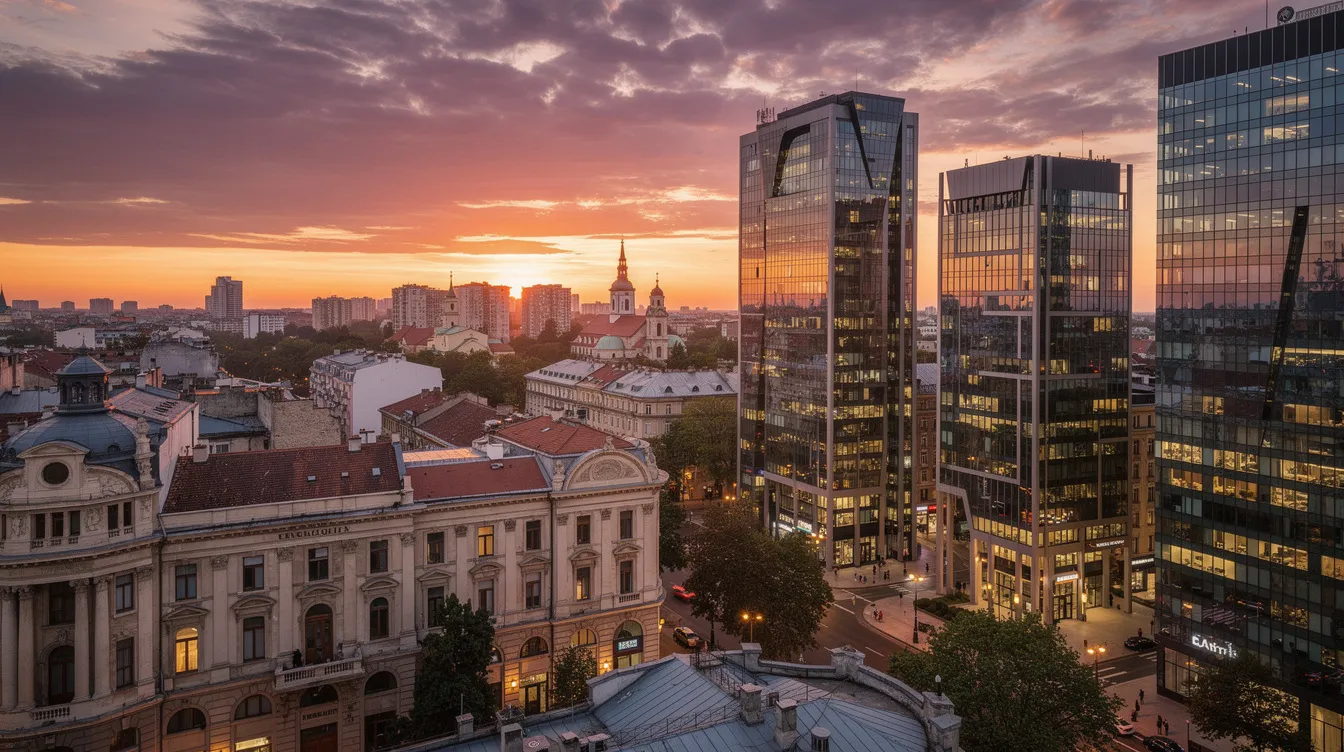
Since joining the EU in 2007, romania has experienced substantial economic growth. Between 2015 and 2019, real GDP growth regularly exceeded 4% per year. The post-COVID recovery reinforced this trajectory, though inflation and demographic decline remain challenges. Romania's registered unemployment rate sat at just 3.29% at the end of 2025, well below the EU average. This tight labour market drives strong demand for foreign workers.
Romania has a growing demand for skilled workers from pakistan, and pakistanis are finding job opportunities in romania's IT sector alongside more traditional roles. The government set a quota of 90,000 work permits for non-EU nationals in 2026, yet employer demand already exceeds that figure. From a perspective of sheer numbers, the opportunity is real.
High-demand sectors:
IT and software development (bucharest, Cluj-Napoca)
Automotive and electronics manufacturing (Timi?oara, Arad, Pite?ti)
Construction and infrastructure
Logistics and transport (drivers, warehouse staff)
Agriculture (seasonal picking, livestock)
Hospitality (hotels, restaurants in tourist zones)
Skills most valued:
English proficiency and willingness to learn romanian
Technical certifications (welding, electrical, fabrication)
Valid driving licences for transport roles
Nursing or healthcare diplomas
Compared with the middle east, base salaries in romania may be lower for some unskilled roles, but labour rights are far stronger. EU law guarantees written contracts, maximum working hours, workplace safety, and legal recourse - protections that matter for any person working abroad.
Romania has a high demand for foreign labor due to local workers migrating to western europe for higher wages. This demographic drain has left gaps across multiple industries, and the pakistani labor force helps bridge labor shortages in several of them. Members of the pakistani community contribute to sectors requiring labor across the country.
Construction and Infrastructure remains the largest employer of non-EU workers. Housing projects, road upgrades, and commercial developments run year-round. Contracts typically last one to two years, are renewable, and some employers provide shared accommodation. Many pakistanis in romania work in agriculture and construction, making these the most common entry points.
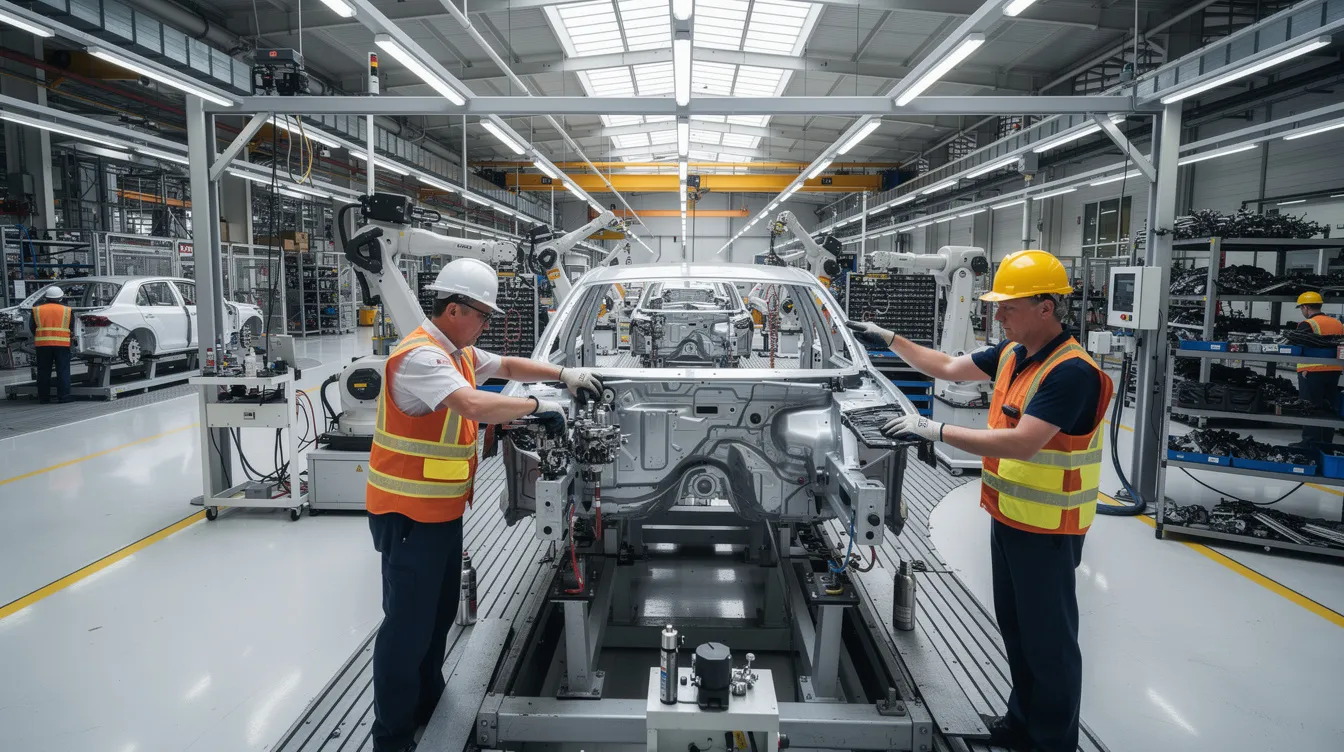
Manufacturing and Assembly - automotive components, electronics, and textiles - employs workers in Timi?oara, Arad, and other parts of western Romania. Manufacturing wages average approximately RON 9,090 gross per month (around EUR 1,780). Shifts often follow standard 8-hour rotations with overtime paid at premium rates.
Logistics and Transport roles suit those with valid driving licences. Long-haul drivers and warehouse staff are consistently in demand. Agriculture offers seasonal work, primarily fruit and vegetable picking in rural areas.
Hospitality hires in major cities and tourist zones, while IT and Engineering roles attract highly skilled pakistanis with relevant qualifications. IT salaries in bucharest or Cluj can exceed RON 12,900 gross per month (EUR 2,500+).
Most pakistani workers arriving are primarily male, but female professionals - doctors, IT specialists, researchers, and students - are slowly increasing in academic and urban sectors.
Pros and cons vs the Middle East:
Stronger EU worker protections and legal rights
Realistic path to long-term residence and citizenship
More personal freedom and autonomy
Lower base pay for some unskilled roles
Smaller established pakistani community than in gulf states
Language barrier requires adaptation
Pakistani citizens need a work visa for romania, as pakistan is a non-EU, non-Schengen country. Visa requirements may vary based on nationality, but the core process is consistent: you need a long-stay "D" visa and a valid work permit to live and work legally.
Romania has a simple visa process for work and study, structured around two main work visa categories since 2026. The D/AM1 visa covers high-skilled workers with post-secondary education or professional qualifications, including those in IT, engineering, or research. The D/AM2 visa covers workers in deficit occupations such as construction, agriculture, and domestic services. The standard work route follows this sequence: the romanian employer registers a job offer on the WorkinRomania.gov.ro platform and applies for the work permit through the General Inspectorate for Immigration. After approval, the pakistani worker applies for a long-stay work visa (D/AM1 or D/AM2) at the Romanian embassy or consulate responsible for pakistan. Upon arrival, the worker must obtain a residence permit from local immigration authorities.
Other relevant visa categories include student visas (D/SD) allowing up to six hours of work per day, family reunification visas for spouses and children, and EU Blue Card-type permits for highly qualified professionals.
Typical documentation includes a work contract, employer invitation, educational certificates (translated and legalised), police clearance from pakistan, medical insurance, proof of accommodation, and sufficient funds.
Work permits usually last two years and are renewable. Changing employers requires a new permit. Familiarize yourself with visa requirements well in advance to avoid processing delays, as bureaucratic bottlenecks can extend timelines.
Main steps from Pakistan to Romania:
Secure a verified job offer from a romanian employer
Employer obtains work permit approval
Apply for long-stay D visa at the embassy
Travel to romania and register for residence permit
Estimated timeline: 2–4 months from job offer to arrival
Romania offers a low cost of living compared to many other EU nations, which is one reason it appeals to workers from pakistan. However, costs are generally higher than in cities like karachi or Lahore, while salaries are significantly higher for formal-sector jobs.
As of july 2026, the gross minimum wage is RON 4,325 per month (approximately EUR 850), with construction workers earning slightly more at RON 4,582 gross. The national average net salary is about RON 5,557 (EUR 1,090). In bucharest, a single person's monthly cost including rent runs approximately EUR 1,050–1,200 depending on lifestyle.
Sample monthly budget for a single worker in Bucharest:
Rent (1-bedroom, outside city centre): RON 2,000–2,500 (~EUR 400–500)
Utilities (electricity, heating, internet): RON 400–600 (~EUR 80–120)
Food and groceries: RON 1,200–1,500 (~EUR 240–300)
Transport (monthly pass): RON 100–150 (~EUR 20–30)
Miscellaneous: RON 300–500 (~EUR 60–100)
For a construction or factory worker earning minimum wage, saving after essentials is tight but possible - especially if the employer provides accommodation. Skilled tech or engineering workers earn enough to save considerably and send money home. In gulf countries, employer-provided shared accommodation and transport reduce living costs, but social controls are tighter and long-term residence prospects are virtually absent.
Exchange rate fluctuations between the romanian leu, US dollar, and Pakistani rupee affect the real value of remittances. Workers who have spent multiple years in romania report that inflation and cost increases eat into saving capacity, making careful budgeting essential.
Romania's general safety profile is reassuring. Violent crime is rare, particularly against foreigners, though petty theft and pickpocketing occur in crowded transit areas and tourist spots - similar to london, spain, or any other European city. Romanians are generally friendly and welcoming to expats, and most pakistanis report respectful treatment in workplaces and universities.
Cultural integration helps understand local customs and social norms. There are genuine similarities between romanian and pakistani cultures: both value family, hospitality, and food as central to social life. But differences exist. Romanian society leans more individualistic, punctuality is expected in professional settings, and alcohol consumption is normalized. Language barriers can challenge cultural integration for pakistanis in romania, since romanian is a Romance language with no connection to urdu or Punjabi. However, English is widely used in IT, universities, and corporate offices. Learning even basic romanian phrases makes a noticeable difference in daily living and relations with locals.
For practicing Muslims, halal food is available in major cities, and a few mosques and prayer spaces operate - often led by Turkish or Arab communities. Pakistani Muslims handle Ramadan and Eid through small group arrangements. Romania is a majority Orthodox Christian country, but religious freedom is constitutionally protected, and interfaith tolerance is generally high in urban areas.
Some community members report challenges relating to cultural perceptions and immigration support, though organised racism is less common than in some western european countries. Cultural differences can lead to culture shocks for returnees when they go back to pakistan after extended periods abroad.
Practical tips for smoother cultural integration:
Learn key romanian phrases early (greetings, directions, numbers)
Respect local holidays and customs, especially Orthodox celebrations
Build friends among both locals and other expat communities
Join workplace social events - they strengthen professional relations
Explore the region beyond your city to understand romanian geography and history

The pakistani community in romania remains small but is evolving. It includes students, IT professionals, business owners, and a growing number of contract workers in industries like construction and manufacturing. Integration efforts are crucial for the pakistani community to adapt successfully in romania, and much of the support currently comes through informal channels.
The pakistani community participates in cultural events organized by the Pakistani Embassy in bucharest, including Independence Day celebrations and other national occasions. The embassy provides consular services, passport and NICOP processing assistance, and serves as a reference point for new arrivals. Informal associations exist in bucharest, and student groups operate at universities like Babe?-Bolyai in Cluj-Napoca.
Social media plays a significant role. Facebook groups, WhatsApp chats, and Telegram channels help pakistanis share job leads, housing tips, and visa procedure updates. Building ties not only with fellow pakistanis but also with other foreign communities - Indians, Bangladeshis, Arabs, and Jews - and with romanian neighbours creates a broader support network. No matter your nationality or origin, a sense of belonging in your host country depends on the effort you invest in relationships.
Ways new arrivals can find the pakistani community:
Search Facebook for Pakistani groups in romania
Contact the Pakistani Embassy in bucharest for event listings
Ask at local mosques or prayer spaces
Connect through university international student offices
Romanian universities attract pakistani students, particularly in medicine and engineering. Romania has quality universities and vocational schools in cities like bucharest, Cluj-Napoca, Ia?i, and Timi?oara, many offering programmes in English or French. From a global perspective, these degrees carry EU recognition, making graduates competitive in other countries across europe and beyond.
Tuition fees are significantly lower than in the uk, belgium, or german-speaking countries. Annual fees for medicine programmes range from approximately EUR 5,000 to EUR 9,000, while engineering and IT programmes often fall between EUR 2,500 and EUR 5,000. Admission typically requires high-school results, language proficiency, and entrance exams for some faculties. Students from india, china, and other Asian countries also study alongside pakistanis in these programmes, creating diverse campus environments.
For workers' families, tuition fees in romania are lower for pakistani expats' children at public schools, which are free but taught in romanian. Some international or private schools exist in bucharest and Cluj. Pakistani International Schools promote the national curriculum abroad in various countries, and these schools cater to children of overseas pakistanis, ensuring education continuity is maintained for children returning from abroad. However, such dedicated schools are not yet present in romania, so families must rely on local or international options.
Advantages and challenges of studying in Romania for Pakistanis:
EU-recognised degrees with strong value worldwide
Affordable tuition compared to usa, uk, or western europe
English-taught courses available in key fields
Language barrier in daily life outside the classroom
Smaller pakistani student community than in countries like germany or china
Cultural adaptation required, but generally manageable with effort
Romania's healthcare system has a low cost of medical care compared to western europe. Pakistani workers with legal contracts are enrolled in the public health insurance system through employer-paid contributions to the National Health Insurance House (CNAS). This covers family doctors, emergency services, and hospital care at minimal direct cost. Most expatriates manage with romania's healthcare services for routine and emergency needs.
Limitations include overcrowding in some public hospitals, variable quality between rural and urban areas, and long waiting times for non-urgent procedures. Private clinics in major cities offer faster service at higher prices. Good companies in romania cover medical expenses for employees through additional private health insurance, particularly for white-collar workers. Students must maintain valid medical insurance to keep their residence permits.
EU occupational safety standards apply to all legal workers, including mandatory safety equipment and accident insurance in factory and construction settings. While enforcement can vary, the legal framework provides a baseline of protection that americans or workers from gulf states would recognise as robust.
Healthcare tips for pakistani workers:
Register with a family doctor as soon as you arrive
Keep copies of all insurance documents with your passport
Know the emergency number: 112
Consider private clinics for specialist visits if budget allows
Confirm your employer's insurance coverage before signing your contract
Remittances are a substantial income source for families in pakistan. For many pakistani workers, supporting a father, spouse, or children back home is the central reason for working abroad. Pakistani expats regularly send money from romania to pakistan, and managing this flow efficiently is a practical matter that directly affects quality of life on both ends.
Various money transfer services facilitate remittances to pakistan, including licensed online platforms, banks, and specialised apps. Transfer fees, exchange rates, and processing times vary by provider - some charge lower upfront fees but embed margins in exchange rates, so comparing the total cost is essential. Always use regulated channels to avoid fraud and legal issues.
An average minimum-wage worker in romania, after covering rent and essentials, might realistically send EUR 150–300 per month. Skilled workers in IT or engineering can send significantly more. Overtime and seasonal bonuses increase remittance capacity. Remittances contribute to pakistan's economic development by supporting household consumption and foreign exchange reserves, embedding romanian-based pakistanis within the larger global diaspora economy.
Steps to optimise your remittances:
Compare rates across providers monthly - prices vary
Avoid informal cash couriers; use licensed services only
Keep proof of every transfer for tax and visa renewal purposes
Budget carefully and track expenses to maximise what you send home
Consider setting a fixed monthly transfer amount to maintain discipline
Pakistani citizens can apply for a long-term residence permit after meeting specific conditions, opening a genuine path to permanent settlement in europe. Long-term residence and citizenship rules are set by Romanian law, not by changes tied to any Pakistani prime minister. This is one of Romania's strongest draws compared to gulf countries, where permanent status is rarely available regardless of how many years you have spent working there.
The typical route to long-term residence requires continuous legal stay for five years, stable income, valid health insurance, clean criminal record, and proof of integration - including basic knowledge of the romanian language. Time spent on student visas may count differently from time on work permits, so maintaining unbroken legal status is critical. Any gaps can reset the clock on eligibility.
Romanian citizenship requires a longer residency period (typically eight years for most non-EU nationals), demonstrated language proficiency, knowledge of Romanian civic and constitutional basics, and a clean record. The advantages of citizenship for pakistanis are significant: free movement across the EU, full labour market access without permits, business resources and opportunities, and security for families. Dual nationality considerations depend on Pakistani law, which generally permits dual citizenship with certain countries.
Key milestones:
Year 1–2: settle into your job, learn romanian, build local relations and community ties
Year 3–5: maintain continuous legal residence, plan for long-term permit application
Year 5+: apply for long-term residence if all conditions are met
After eligibility period: consider citizenship application for full EU rights
Recently, more pakistanis have begun viewing romania not just as a temporary work destination but as a place to build a permanent life - a shift in status from transient worker to settled resident.

Whether you are from karachi, Lahore, Islamabad, or other parts of pakistan, planning your move to romania in advance saves time, money, and stress. Here is a step-by-step checklist:
Before you leave Pakistan:
Research the job market and identify your target sector (construction, IT, logistics, manufacturing)
Verify the romanian employer and contract conditions carefully - never pay large upfront fees to unverified agents
Confirm your visa type, required documentation, and processing times with the Romanian embassy or consulate
Collect educational and professional certificates, translate and legalise them as required
Obtain a current police clearance certificate
Plan an initial budget covering at least 2–3 months of living costs without local income
Learn basic romanian phrases and read about local culture, laws, and the population you will be living among
After arrival in Romania:
Register for your residence permit promptly
Sign only written contracts and keep copies of all documents
Register with the Pakistani embassy in bucharest
Open a local bank account for salary and remittance transfers
Know how to contact romanian labour inspectorates (for workplace issues) and emergency services (112)
Safeguarding your rights:
Never surrender your passport to an employer
Report any exploitation to authorities - EU law protects all legal workers regardless of origin
Stay connected with friends, family, and community resources for support
Consider your alternatives carefully. Evaluate whether romania or the middle east better fits your skills, family situation, and long-term plans. A person whose world revolves around short-term earnings may prefer the gulf; someone thinking about education for children, EU citizenship, or permanent settlement will find romania's offer far stronger.
Building a stable, dignified life abroad while staying connected to pakistan starts with one well-informed decision. Romania is ready for those willing to make it.