
ACE Money Transfer
ACE Money Transfer
08 May 2026
mot history is the public record of a vehicle's mot history, including previous mot tests, previous mot test results, mot results, mot failure data, mileage readings, defects and advisory notes.
In the UK, you can check mot history for free using the vehicle registration number, registration number or vehicle's number plate on the official GOV.UK service.
A free mot history check usually shows records from around 2005 in Great Britain, helping you spot recurring faults, mileage discrepancies and likely repair costs.
Use mot history with a vehicle history check, car check or hpi check to see data MOT does not cover, such as outstanding finance, insurance write offs, previous owners or write off markers.
Checking the full mot history before buying a used car or used vehicle can save money and reveal the vehicle's condition more clearly than an advert alone.
mot history is the complete record of a vehicle’s mot test results logged in official dvsa records by the Driver and vehicle standards agency, with related registration data held by the vehicle licensing agency, often referred to as official dvla data. The mot test was introduced in 1960 and was designed to combat poorly maintained vehicles; it has evolved from a basic check to a comprehensive digital safety assessment.
An mot test is a legal requirement for most vehicles over three years old, and MOT tests ensure vehicles meet safety and environmental standards. MOT tests are conducted at authorized testing centres approved by DVSA, checking brakes, lights, tyres, emissions and other required safety standards.
A normal car's mot history will show annual previous tests from year three, a mot certificate after each pass, the mileage recorded, advisory notices, mot advisories and the next mot due. MOT certificates are valid for 12 months from the test date.

Anyone can run a free mot history check online. To check a vehicle's mot, go to the official gov Check MOT history service, click “Start now”, enter the number plate, then confirm the car details such as make, colour, fuel type and whether the car registered details look right.
Today, you only need the vehicle's number plate. Before the modern service, users sometimes needed a mot certificate number or a reference from the vehicle's log book. Now you can check the mot history, check a vehicle’s mot history online and view free mot history in minutes.
The service covers cars, vans and motorcycles in England, Scotland and Wales from around 2005, plus HGVs, buses and trailers from about 2018. Third-party tools may bundle a free mot check with tax status, mileage checks and other data, but the source should still be DVSA.
Record availability depends on where the transport test was done and when digital data began. In England, Scotland and Wales, digital MOT history for cars, motorcycles and light vans generally starts in 2005; HGVs and PSVs, including buses and coaches, generally appear from 2018.
In northern ireland, online MOT test data is usually available from around 2017, with a different testing regime. For a 2003 car, the first electronic entries may only appear from 2005, so early gaps are not always suspicious.
Very old, imported, exported, SORN or exempt vehicles may have missing years. Always ask the seller for paperwork if the history of a vehicle has unexplained gaps.
A free mot history check shows more than whether a vehicle has a valid mot. Each MOT test records the vehicle's mileage at the time of testing, so the recorded mileage and vehicle's mileage can be compared across years.
You’ll usually see the test date, pass/fail status, mileage reading, reasons for previous failures, dangerous defects, major defects, minor defects and advisory notes. mot history includes pass/fail status and recorded mileage, and mot history reveals past failures and advisories.
It also shows the mot expiry date, expiry date and whether there is a valid mot certificate. Some vehicles may display “no MOT required”, for example certain historic vehicles. If a failed test has no later pass, check whether major or dangerous defects remain unresolved.
Checking mot history is essential before purchasing a used vehicle because it shows maintenance consistency, not sales promises. A clean record with few advisories often suggests care; repeated failures on lights, tyres, brakes or emissions can point to neglect.
One third of vehicles fail their MOT test initially. Lighting faults are a common reason for MOT failures, tyre wear is frequently cited as an MOT failure reason, and brake problems are among the top causes of MOT failures.
Mileage trends matter too. Sudden drops in mileage readings can suggest clocking, data entry errors or mileage discrepancies. Regular MOT checks can indicate potential future repair costs, because old advisories often become failures in the near future.
Existing owners should review their vehicle's mot before the next test. mot history can reveal recurring issues and advisory notes, helping you budget before small faults become expensive repair costs.

Since May 2018, the MOT test categorizes defects into Minor, Major, and Dangerous, plus advisory notices. Minor defects do not usually cause a fail but should be fixed. Major and dangerous defects lead to MOT failures.
Examples are simple: tyre tread below the legal minimum tread depth of 1.6mm can fail; worn brakes may be serious; lighting faults can fail; a slight exhaust leak may be minor; a tyre close to the limit may appear as an advisory.
Vehicles must pass an MOT test to be legally driven on public roads. Driving without a valid MOT can result in a £1,000 fine, and fines increase if the vehicle is found unsafe while driving without an MOT. Driving a vehicle categorized as 'dangerous' can result in a £2,500 fine. Penalty points may be added to the driver's licence for MOT non-compliance.
It is illegal to drive a vehicle with an expired MOT certificate, except you can only drive to a pre booked mot test if your MOT has expired.
MOT data is powerful, but it is not a full maintenance history. It will not show oil changes, cambelt replacements, every invoice or all private repairs.
A car check or hpi check can add what MOT does not: outstanding finance, stolen markers, insurance write offs, plate changes and previous owners. That is why a full history check gives a broader view before you buy.
Ask for service invoices and a stamped book, then compare them with the mileage readings and previous mot test results. This helps confirm whether advisories, previous failures and recurring faults were actually repaired.
mot status tells you whether the vehicle currently has a valid mot and when the next mot is due. You can check it on the same official gov page by entering the vehicle registration number.
If the result shows an expired mot, do not drive except to a pre booked mot test. Also check the tax status separately, because MOT and tax are linked for road use but shown as different records.
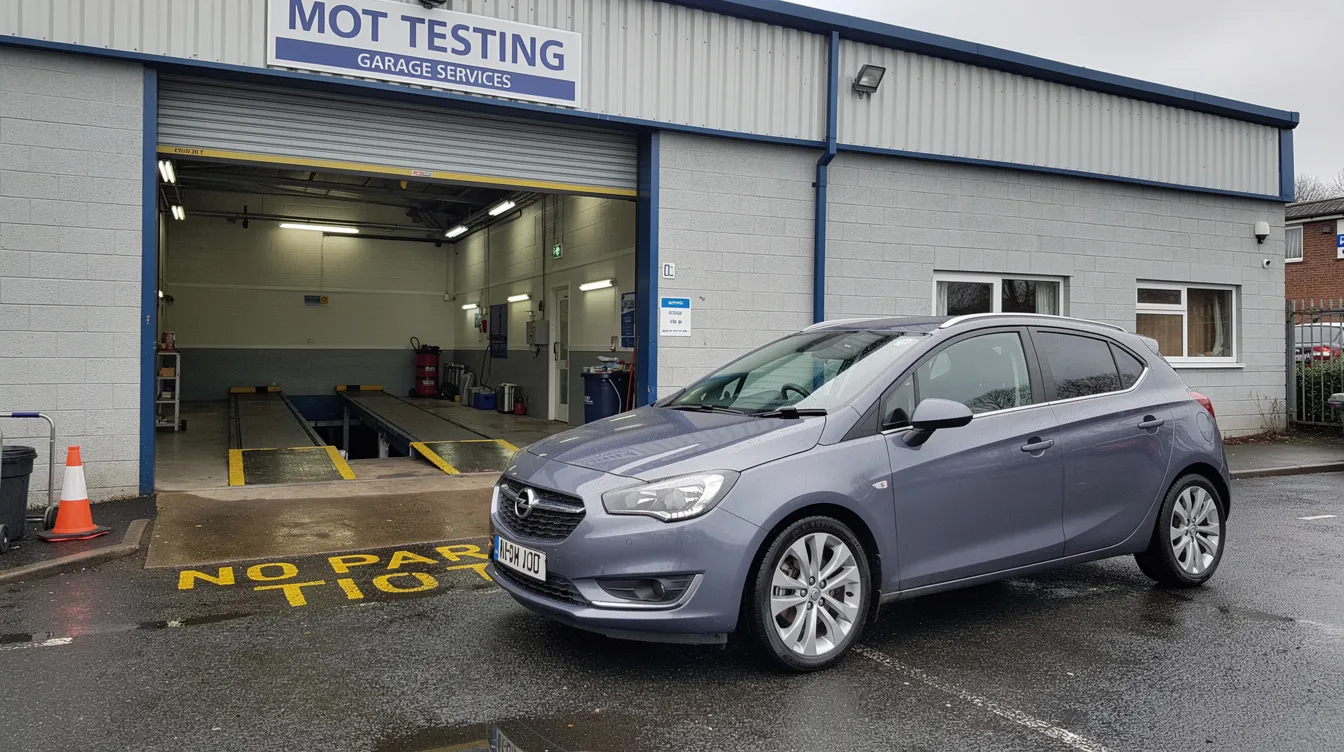
Public MOT access is relatively recent. Before around 2015, checking a car often required extra details such as the mot certificate number or V5C reference.
In 2015, the UK government rebuilt the service so anyone could check mot history using only the number plate. The change made MOT data far easier for buyers, sellers, garages and insurers to use.
DVSA later introduced an MOT history API so authorised companies could integrate public MOT data into dealer systems and history check products.
Yes. You can check the MOT history of a vehicle using only its registration number. No vehicle's log book reference or mot certificate number is needed. If nothing appears, recheck the registration number for typing errors.
No. MOT history records what the tester saw during the mot test: mileage, defects, advisories and pass or fail result. Ask for invoices and a stamped service book to confirm maintenance history.
Yes. MOT history records are publicly available through the DVSA database to support road safety and informed buying. Personal keeper details such as names and addresses are not shown.
Gaps can happen if a vehicle was SORN, exported, scrapped, re-registered, exempt, or tested before digital records began. Query unexpected gaps on a modern used car before buying.
Most MOT results appear within minutes, though busy periods can cause delays. If a result is missing after a day, contact the test centre and ask whether the MOT was correctly logged.