ACE Money Transfer
ACE Money Transfer

07 Jan 2025
Planning a trip to Turkey and wondering whether your euros will work when you land? You're not alone. Millions of European travellers ask the same question every year. This guide covers everything you need to know about spending money in Turkey in 2026, from where euros are accepted to how to get the best exchange rates and avoid hidden fees.
Yes, you can sometimes use euros in Turkey, especially in tourist areas, but turkish lira is the best currency for everyday spending and the only legal tender nationwide. Euros are not the official currency in Turkey, and no business is legally required to accept them.
As of July 2026, most prices in shops, restaurants, and on public transport are listed and charged in turkish lira, not in euros. The lira is abbreviated as TRY and symbolized by ?, and it is the only legal currency accepted everywhere in the country.
That said, resorts on the Aegean and Mediterranean coasts (Antalya, Bodrum, Marmaris, Fethiye, Alanya, Side, Ku?adas?) and central Istanbul tourist districts (Sultanahmet, Taksim, Galata) often accept euros. However, vendors often charge unfavorable exchange rates when accepting euros, typically 5–15% worse than the real mid-market rate.
Using euros directly usually means:
A worse exchange rate than the mid market exchange rate shown on Google or Reuters.
Hidden markups built into tourist prices.
Change from euro payments is typically given in turkish lira.
Below, you'll find details on when euros are accepted, when they aren't, how to buy turkish lira, where to find the best exchange rates, and how to pay by card vs cash.
The official currency of Turkey is the turkish lira (TRY, ?), used everywhere from Istanbul's Grand Bazaar to small village shops across Anatolia. One lira is divided into 100 kuru?. The turkish lira was introduced as the national currency in 1844 and has been the country's sole legal tender ever since.
Common denominations include the following denominations for banknotes: ?5, ?10, ?20, ?50, ?100, and ?200. Coins in circulation are 5, 10, 25, and 50 kuru?, plus a one lira coin. Portraits of Mustafa Kemal Atatürk, Turkey's first president, appear on all banknotes.
A key piece of historical context: the turkish new lira was introduced in 2005, removing six zeros from the old currency (1 new lira = 1,000,000 old lira) to fight hyperinflation. By 2009, the "new" prefix was dropped and the currency reverted to simply "turkish lira" with updated banknotes and coins.
The turkish lira has been a volatile currency in recent years, with high inflation and frequent central bank policy shifts. In July 2026, the market rate hovered around ?53 per 1 EUR and roughly ?63 per 1 GBP. Always check a live converter on your travel date because rates change daily.
Why volatility matters for travellers:
Prices in lira may change between booking and travelling.
Pre ordering or pre-buying large amounts of lira weeks in advance can be risky.
Dynamic pricing in euros in tourist areas tries to "smooth out" this volatility for local businesses, but usually at the traveller's expense.
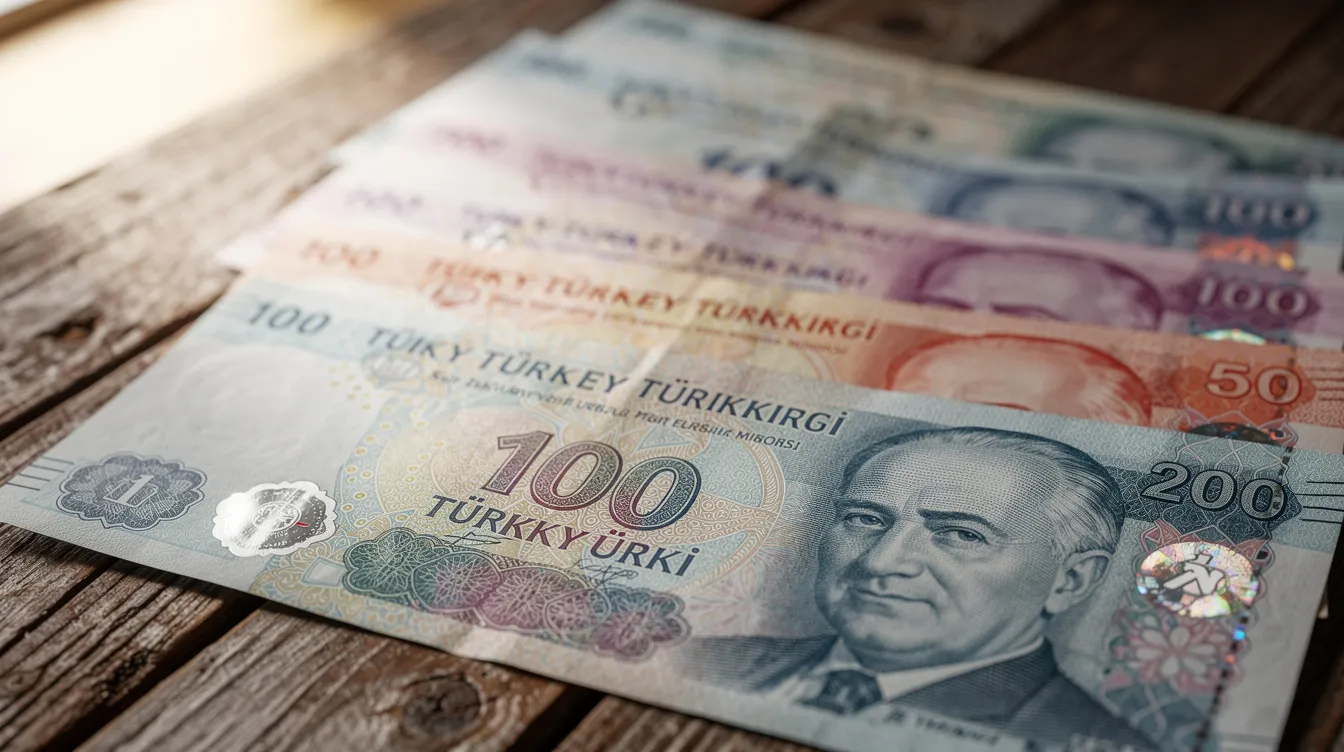
Euros are not the official currency, but many merchants in tourist-facing businesses informally accept euros because of strong demand from European visitors. Some tourist areas accept euros, but not universally.
Typical places in larger cities and coastal resorts that accept euros include:
International and upscale hotels in Istanbul, Ankara, Izmir, Antalya, Bodrum.
Package holiday resorts on the Aegean and Mediterranean coasts.
Tour agencies, boat tours, and excursion sellers in city centre tourist zones.
Some souvenir shops, carpet shops, jewelry stores, and designer outlets in very touristy districts.
Airport duty-free shops and some airport cafés.
Private clinics offering cosmetic surgery or hair transplants in Istanbul and Antalya, which may advertise prices in euros and actively prefer euro cash or card payments.
Places where euros are rarely or never accepted:
Local groceries (BIM, ?ok, A101), street food vendors, dolmu? minibuses, city buses, trams, and ferries.
Petrol stations outside main tourist strips.
Government museums and tourist attractions that sell tickets in lira on official systems.
Smaller towns in Anatolia and eastern Turkey where lira is the only practical option.
Small shops and local markets primarily accept turkish lira, so relying on euros outside tourist hotspots will leave you stuck.
Carrying euros can feel convenient if you're coming from the Eurozone, but it comes with real trade-offs that can add up fast.
Advantages of paying with euros in Turkey:
Convenience: you can spend immediately at your hotel or resort without visiting an exchange office or ATM.
Psychological comfort: avoiding constant mental conversion from lira to euro when budgeting.
Useful during periods of sharp lira depreciation if businesses temporarily quote prices in euros for stability (e.g. for hotel rooms or long tours).
Disadvantages (these matter more):
Poor exchange rates: merchants often set their own rate, which can be 5–15% worse than the real-time mid market exchange rate. Expect a 5–15% markup when paying in euros instead of lira.
"Tourist prices": prices given in euros in highly touristic streets are frequently inflated compared to lira prices just a few streets away. Paying in euros often incurs higher costs due to markups.
Change in lira: paying with a €50 note may yield change in lira at a rate you can't verify on the spot.
Limited acceptance: outside the main tourist hubs, euros simply won't work, so you must have lira anyway.
A concrete example: A restaurant bill in Antalya is listed at 500 TRY. At the real rate of ?53/EUR, that's about €9.43. If the vendor accepts euros at a "tourist rate" of ?47/EUR, they'll charge you roughly €10.64, meaning you overpay by about 13%. Avoid paying in euros to prevent this kind of inflation of euro prices by merchants. If quoted a price in euros, ask for the price in turkish lira instead.

The best currency for day-to-day spending in Turkey is turkish lira, regardless of whether you earn in euros, us dollars, or British pounds. For best value, travelers should use turkish lira rather than euros.
For euro holders:
Bring euros as your "home" currency but convert them into lira for routine transactions.
Euros are fine as a backup or for high-value hotel bills where you can lock in a clear rate in advance.
Paying directly in euros on the street is rarely a good deal.
For travellers with British pounds:
The british pound is widely exchanged in major resorts and exchange offices, often at competitive rates.
It's usually cheaper to exchange GBP ? TRY directly in Turkey than to convert GBP ? EUR ? TRY, which wastes value on a double conversion.
In mid-2026, 1 GBP bought around ?63–65 TRY, but always check live data before your next trip.
Summary of relative roles:
Turkish lira: primary spending money, used for transport, local markets, bustling bazaars, cafés, and local services.
Euro & GBP: good for holding value, booking accommodation, and then converting into lira via ATMs or exchange offices for local purchases.
Cards (linked to euro/GBP accounts): often offer near-mid-market exchange rates when charged in lira, making them cost-effective for your turkish adventure.
Exchanging euros into lira is straightforward in all major cities and holiday areas across the country. You have several options, each with different trade-offs on convenience and cost.
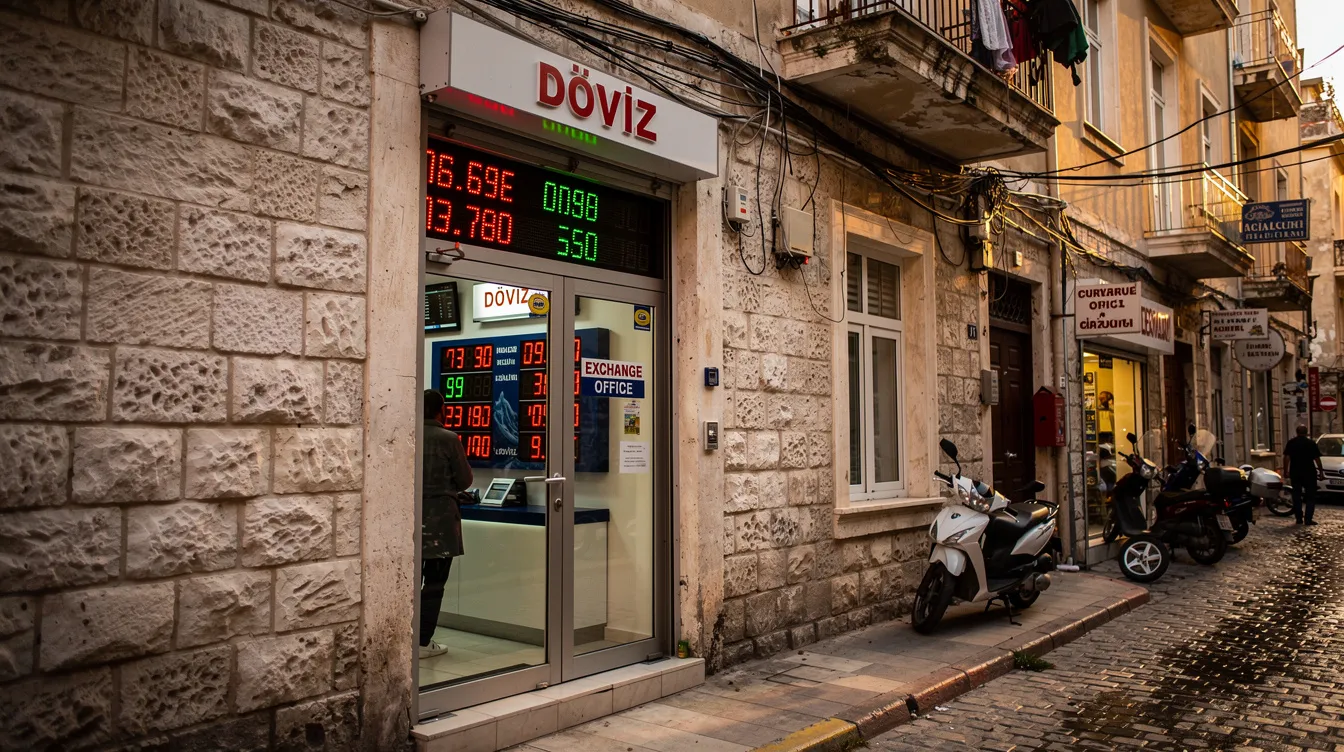
Exchange offices (döviz bürosu): Found in city centre areas, bazaars, and tourist districts, local exchange offices usually offer some of the best exchange rates with prominent rate boards. Many advertise "no commission," though you should always compare the actual numbers.
Banks: Safe and regulated, banks are a reliable option but may have shorter opening hours, require ID, and sometimes offer less competitive rates or service fees.
Airport exchange counters: Convenient on arrival, but exchange rates at airports are generally poor. Avoid exchanging currency at airports and hotels for better rates. Change only a small amount at the airport for taxis or snacks.
Practical advice by location:
In Istanbul, well-known exchange zones around the Grand Bazaar, Sultanahmet, and Istiklal Street/Taksim have heavy competition that keeps rates sharp.
In Antalya, Bodrum, Marmaris, and other resorts, city centre exchange offices away from the beachfront typically offer better rates than kiosks inside hotels.
You can either bring physical euro cash to convert at a local exchange office, or withdraw money from ATMs using a debit card linked to a euro, GBP, or other account, often at near real-time exchange rates (watch for bank fees). Use foreign exchange counters for better rates than hotels or airports. Always check the "buy rate" when selling euros to purchase lira and compare it quickly with the mid-market rate on your phone.
The "mid-market" exchange rate is the real, neutral rate you see on Google or financial sites. You almost never get it exactly, but it's the benchmark for judging every offer you receive.
Concrete tactics for better rates:
Avoid exchanging large sums at airports or in hotel lobbies; if needed, change only a small amount there (for transit, snacks) and exchange money in town.
Compare rates between 2–3 exchange offices in the same street; competition often leads to better offers.
Watch for "no commission" signs that hide a poor exchange rate; always compare the numbers, not the slogans.
ATMs can give strong rates but come with potential costs:
Using local bank ATMs is the most cost-effective way to withdraw turkish lira. Prefer ATMs attached to major Turkish banks: Ziraat Bankas?, ??bank, Garanti BBVA, Akbank, or Yap? Kredi.
Reject dynamic currency conversion (DCC) when the ATM offers to charge you in euros or pounds. Always choose to be charged in TRY for the best exchange rate. Dynamic currency conversion often results in poor exchange rates.
Your card provider or home bank may add a foreign transaction fee (often 1.5–3%) or a flat ATM fee, so check your tariff before travelling.
Exchange rates can vary during the day and by day of the week, but for most short trips the timing effect is smaller than simply avoiding bad exchange locations. Count your cash before leaving the counter, keep receipts, and never use unlicensed street changers.
Turkey is increasingly card-friendly, especially in major cities and tourist destinations, but cash in lira remains important for small, local, and rural transactions.
When cards work best:
Hotels, chain restaurants, shopping malls, large supermarkets, intercity buses, and domestic flights.
Online bookings, ride-hailing apps, and larger tour operators.
Most terminals accept Visa and Mastercard; American Express is more limited. Contactless payments are widely accepted in urban areas. Credit cards are widely accepted in urban areas of Turkey.
When cash in turkish lira is still essential:
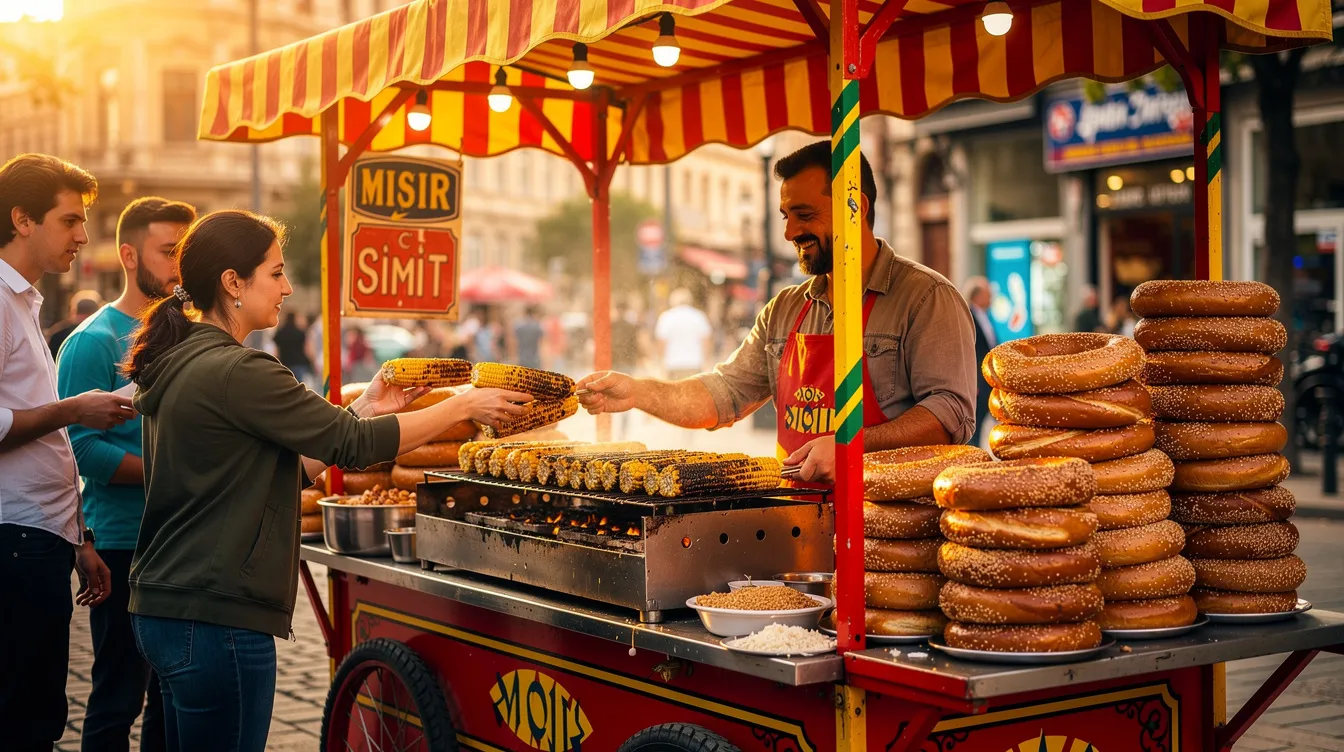
Street food vendors, local markets, small cafés, taxis (especially outside Istanbul), dolmu? minibuses, public toilets.
Tipping in restaurants, hotels, and on tours (bellhops, guides, drivers). Small denominations of 10–50 TRY are handy.
Cash is preferred for small purchases in rural areas.
Recommended approach:
Keep a mix: a primary debit card or credit card plus a daily wallet with roughly 500–1,500 TRY in small notes, topped up from ATMs as needed.
Use card payments for bigger purchases (accommodation, internal flights, high-end restaurants) to limit the amount of cash you carry at once.
Fees to watch:
Many foreign banks charge a foreign transaction fee (often 2–3%) and sometimes a flat ATM fee. Check your card provider's tariff before flying.
Some Turkish merchants may offer DCC, asking if you want to pay in euros or GBP. Always choose lira to avoid poor exchange rates and higher costs.
How much lira or euro cash to carry cash depends on your travel style, but Turkey in 2026 is generally cheaper than most Western European countries for food and local transport. It's advisable to carry some turkish lira for minor expenses at all times.
Here's a rough guide to how much things cost, assuming 1 EUR ? 50 TRY (adjust using the current rate on your travel dates):
| Item | Approx. TRY | Approx. EUR |
|---|---|---|
| Quick local lunch (kebab + drink) | 250–350 TRY | ~€5–7 |
| Mid-range dinner for two (Istanbul) | 1,500–2,500 TRY | ~€30–50 |
| Cappuccino in a city centre café | 100–150 TRY | ~€2–3 |
| Dolmu? or city bus ticket | 30–50 TRY | ~€0.60–1 |
| Taxi starting fare (Istanbul) | 50 TRY + ~35 TRY/km | ~€1 + €0.70/km |
Rough daily cash needs:
Budget traveller: 500–800 TRY per day (~€10–16) excluding accommodation.
Mid-range traveller: 1,000–2,000 TRY per day (~€20–40).
All-inclusive resort guest: significantly less cash needed, mainly for excursions and souvenirs.
For safety, it's better to keep most funds on card or in a hotel safe, and carry just one day's worth of spending money plus a small buffer in your wallet. The purchasing power of your euros or dollars goes a long way in Turkey, so you don't need to withdraw money in huge amounts.
Smart money habits matter as much as chasing the best exchange rate. Euros are often accepted in tourist areas but not recommended for everyday transactions, so treat them as backup rather than your primary travel money.
General safety tips:
Split money and cards between wallet, money belt, and hotel safe to reduce risk from loss or theft.
Use ATMs inside bank branches or shopping centres rather than isolated street machines, especially at night.
Avoid withdrawing very large sums at once; multiple smaller withdrawals can be safer even if each carries a small fee.
Euro and lira-specific advice:
Keep some euros as an emergency backup, but rely on lira for everyday payments. Turkish lira is the only legal currency accepted nationwide in Turkey.
If a shop or restaurant quotes only an approximate euro price verbally, ask to see the exact lira amount and the exchange rate they're using before you agree. This simple step can help you avoid hidden fees and spot inflated prices instantly.
Receipts and budgeting:
Always check receipts to ensure you weren't charged in euros or pounds by mistake when you intended to pay in lira.
Use a simple notes app or budget app to log spend in lira; many apps can auto-convert to your home currency at the current exchange rate.
With a mix of card, lira cash, and a few backup euros, your trip to Turkey will be straightforward and excellent value in 2026. Check your card provider's fees before you fly, withdraw lira from a local bank ATM on arrival, and enjoy the bustling bazaars, incredible food, and warm hospitality this country is famous for.