
ACE Money Transfer
ACE Money Transfer

08 Jan 2025
If you have ever tapped your phone at a checkout and wondered whether there is a cap on what you can pay, you are not alone. The reality of google pay limits in the UK is more nuanced than most people think, and the answer depends on several factors beyond Google itself.
There is no single fixed "Google Pay limit" in the UK. Instead, the amount you can spend comes from a combination of UK contactless rules, your bank's policies, and individual retailers.
There is no hard monetary cap set by Google Pay itself for in-store or in-app payments in the UK. Google Pay transactions often have no upper limit in the UK, though the maximum Google Pay transaction limit is technically £250,000.
The contactless payment limit in the UK is £100 per tap for physical cards (as of 2026).
With Google Pay (and other wallet apps), you can usually pay over £100 because every transaction is authenticated on the phone.
Your bank may still apply its own per-transaction or daily limits (often between ~£5,000 and ~£20,000 depending on the account and card type).
The contactless card rules, like the £100 cap and occasional pin checks, do not strictly apply in the same way to Google Pay. This is because your phone already uses pin or biometrics to authenticate you before each tap, effectively replacing the need for chip and pin verification.
Check your own bank's small print for exact caps before making any high value transactions, especially for large purchases like furniture or electronics.
In 2026, Google Pay is the payment system built into Android smartphones and wearable devices for tap-to-pay, online purchases, and in app payments across the UK.
Google Pay is the brand used for making payments in shops (contactless), on websites and in app.
Google Wallet is the wallet app that stores your cards, passes, and tickets, and powers Google Pay on the device.
To get started, download the Google Wallet app, ensure you have a compatible device, and add your debit or credit card in the Google Wallet app. You then authenticate with a fingerprint or pin to use Google Pay.
Both rely on NFC contactless technology, exactly like tapping a debit card on a terminal that shows the contactless symbol. The same underlying UK contactless rules apply to Apple Pay and Samsung Wallet, so limits behave similarly across all of them. For UK retailers, your phone or smartwatch is treated as a secure, authenticated contactless device rather than a standard card, which is the key distinction that affects how limits apply.
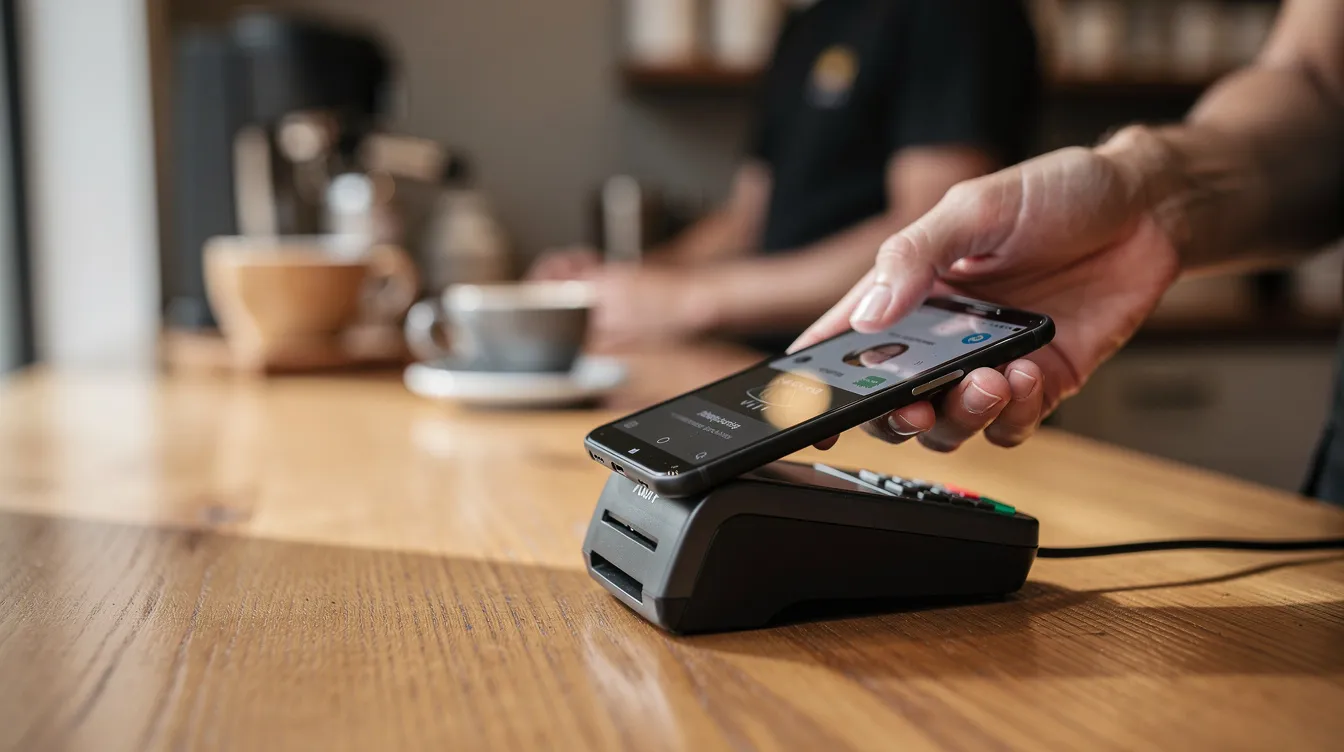
When people ask about google pay limits, they are usually bumping into one of three separate layers: Google's own rules, the bank or card issuer policy, and the merchant terminal configuration.
Google's side:
Google Pay in the UK does not publish a specific per-transaction cap for tap-to-pay.
Google mainly enforces security rules (device authentication, suspicious activity checks) rather than a hard monetary ceiling.
Bank and card issuer limits:
UK banks set per-transaction and daily limits for debit and credit cards, which also apply when those cards are used through Google Pay. Individual transaction limits for Google Pay depend on bank or retailer restrictions.
Realistic example ranges include daily contactless or device limits of £5,000 to £10,000, with higher caps sometimes available for premium accounts.
Merchant and terminal limits:
Some retailers still configure their PoS terminals with legacy contactless caps (for example, £100 or even £30), even for mobile wallets. Some retailers may impose their own maximum transaction amounts for contactless payments.
Others allow no set ceiling for authenticated wallet payments, so high value transactions go through as long as the bank approves them.
The inconsistency between merchants is a common source of frustration for customers who are not aware of why a payment was declined.
People often confuse the UK contactless limit of £100 with limits on Google Pay, even though the two behave quite differently.
Contactless card: the google pay contactless limit does not apply here in the same way. With a physical card, there is a £100 contactless limit per tap. Above that amount, you must insert the card and use chip and pin. Occasional random pin checks below £100 are also enforced for security.
Google Pay: every single transaction requires the phone to be unlocked or authenticated, so it is treated more like a chip and pin payment. Biometric authentication allows Google Pay to bypass traditional contactless limits, and Google Pay is generally more flexible than physical contactless cards for large purchases.
At many UK terminals, Google Pay transactions are accepted well above £100 in one go, as long as:
The merchant's system is configured to accept high-value mobile wallet payments.
Your bank's card limit is not breached.
Some older or conservative merchants still cap all contactless payments, including Google Pay, at £100 or at their own internal ceiling. This behaviour is similar for apple pay and other wallet apps, so users switching between wallets will see comparable restrictions.
The practical "Google Pay limit" most people hit is actually their bank's card or contactless policy, not a Google rule.
Many high-street banks do not impose a special lower limit for Google Pay. They allow any transaction that would be allowed on the card if done by chip and pin.
Some institutions mention an internal daily cap for contactless or wallet app spend, often in the high four-figures such as ~£5,000 to ~£10,000 for personal current accounts.
Credit cards linked to Google Pay may have:
An overall credit limit (for example, £1,200 to £10,000 or more).
Single-transaction checks for fraud, especially for unusually large in store transactions above around £2,000.
Most banks have voluntarily maintained the £100 single-tap limit for physical cards even after the FCA removed the regulatory cap in March 2026. However, for authenticated wallet payments, many of them are more lenient.
To find your own limits:
Check your bank's "contactless" or "digital wallet" FAQs.
Look for separate limits on ATM withdrawals, card-present purchases, and online or in app payments, as they can differ.
Keep in mind that banks change limits over time. The UK limit rose from £45 to £100 in October 2021, so older articles may quote out-of-date figures. Stay aware of your bank account settings to avoid surprises.
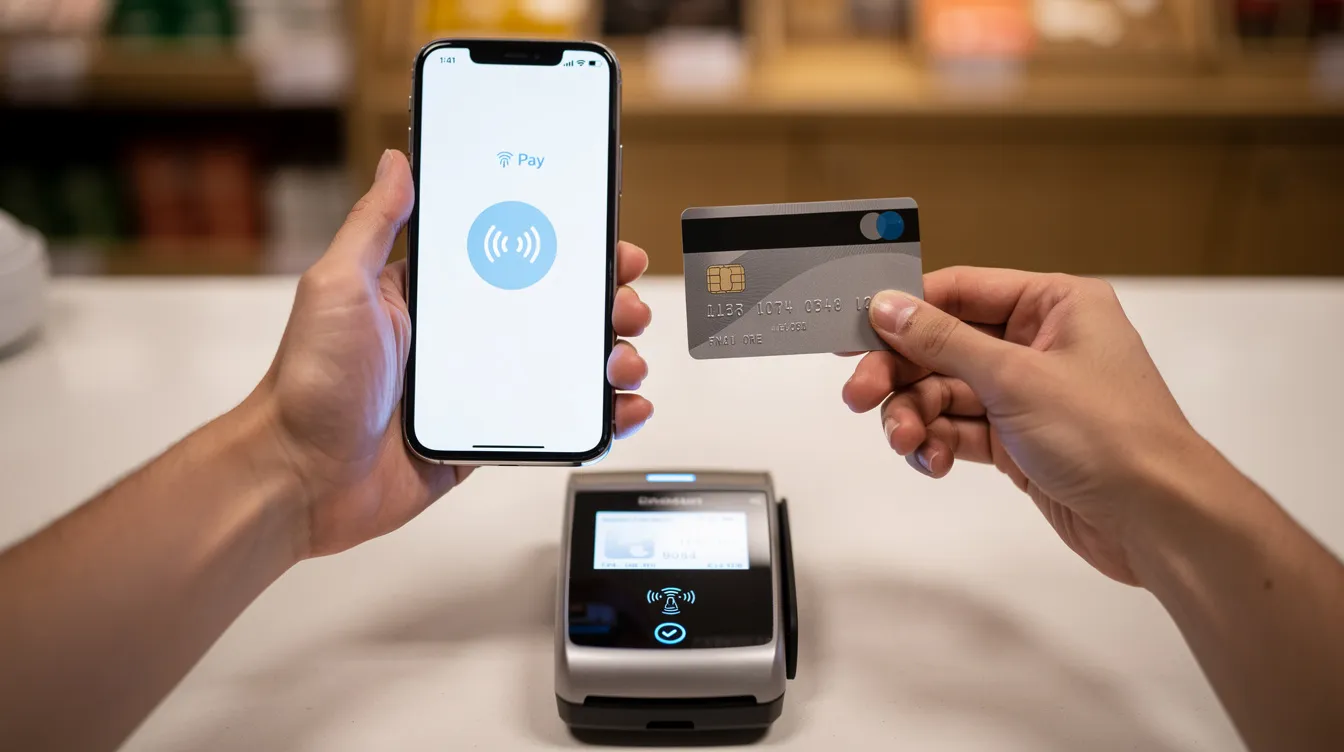
In many UK shops, you can pay more than £100 using Google Pay, even though the physical card limit sticks at £100 for unauthenticated taps.
Authentication is required for transactions over £100 with Google Pay. Here is how that works:
Google Pay requires the device to be unlocked using a pin, pattern, fingerprint, or Face Unlock.
Because of this, card schemes and acquirers treat the transaction similarly to a verified chip and pin purchase, which allows higher values. Biometric checks are required for transactions over £100.
Concrete in-shop scenarios:
Paying £250 for electronics at a major UK retailer using Google Pay on an Android phone is usually accepted, provided the merchant permits high-value wallet transactions.
Occasional refusal at small independent merchants whose terminals are still configured to block contactless above £100, regardless of authentication method.
There is no separate "Google Pay limit £100" rule in UK regulation. The £100 figure applies to unauthenticated card taps only. However, if you make repeated high-value Google Pay transactions in a single day, your bank's fraud monitoring may flag the activity, leading to declined payments or a call from your bank's security team asking you to verify your identity.
Experience varies by merchant. If you are concerned about a large purchase, check with the store beforehand.
Online and in app Google Pay transactions are not subject to the UK in-store contactless limit at all.
When you are paying online or in an app using the Google Pay button, the transaction is processed as a card-not-present payment.
The only limits are those set by the merchant (for example, maximum basket size) and your bank or card (credit limit or daily e-commerce cap).
Practical examples:
Booking flights worth £800 via an airline app using Google Pay.
Paying for a £1,500 laptop online at a major retailer using Google Pay checkout.
Strong Customer Authentication (SCA) rules may require additional verification, such as a device unlock or a one-time passcode from your bank app, but these do not reduce the monetary limit. They simply add a security step.
Unlike older peer-to-peer services that once used the Google Pay branding to send money, there is currently no Google-run peer transfer product in the UK with fixed send or receive caps. Online payments via Google Pay follow standard card processing rules for the country.
Google Pay does not set daily transaction limits in the UK, but banks and merchants apply their own caps.
Per-transaction limits:
Applied by your bank for risk control as single payment thresholds.
Applied by merchants, for example, maximum basket size, or caps for unattended terminals like ticket machines or petrol pumps.
Daily and cumulative limits:
Many banks cap total contactless or card-present spend per day for security, with broad ranges around £5,000 to £10,000.
They may also cap total online or card-not-present spend separately.
Some retailers may impose a £30 limit on Google Pay transactions because their PoS systems still enforce older contactless rules that predate the current £100 standard. While most terminals have updated, a few still behave as if a rigid cash cap exists.
If you are planning a large spend day, for example furnishing a house:
Notify your bank in advance or temporarily increase limits through your mobile app.
Carry a physical card as backup in case a retailer does not support high-value Google Pay transactions.
You can also store more than one card in Google Wallet, so if one card is affected by restrictions, you can tap with another.
UK contactless and Google Pay limits are primarily about fraud prevention and consumer protection. The security built into mobile wallets is what allows them to exceed traditional card caps.
Google Pay secures every payment through multiple layers:
Tokenisation: your real card details are never transmitted. Instead, the device sends a unique cryptogram, providing encryption that keeps your information secure.
On-device authentication with a pin, pattern, or fingerprint before each transaction.
If your phone is lost or stolen, you can suspend Google Pay via Google Find My Device, which lets you remotely lock or wipe the device.
Users are only liable for £50 if their card is lost, adding another layer of safety. That said, digital wallet fraud has been reported with Google Pay, so staying vigilant matters.
Historic UK contactless limits were raised gradually as fraud controls improved: £10 in 2007, £30 in 2015, £45 in 2020, then £100 in 2021, before the FCA removed the regulatory cap entirely in March 2026. Mobile wallets are treated as more secure than bare card taps, which is why they can exceed the £100 card limit at many terminals.
Best practices to keep your money secure:
Always use a strong device lock and biometric security. Regularly review your app settings.
Enable bank notifications for every card transaction to spot fraud or limit issues quickly.
If your phone is locked, no one can use Google Pay, even if the device is unlocked by other means.
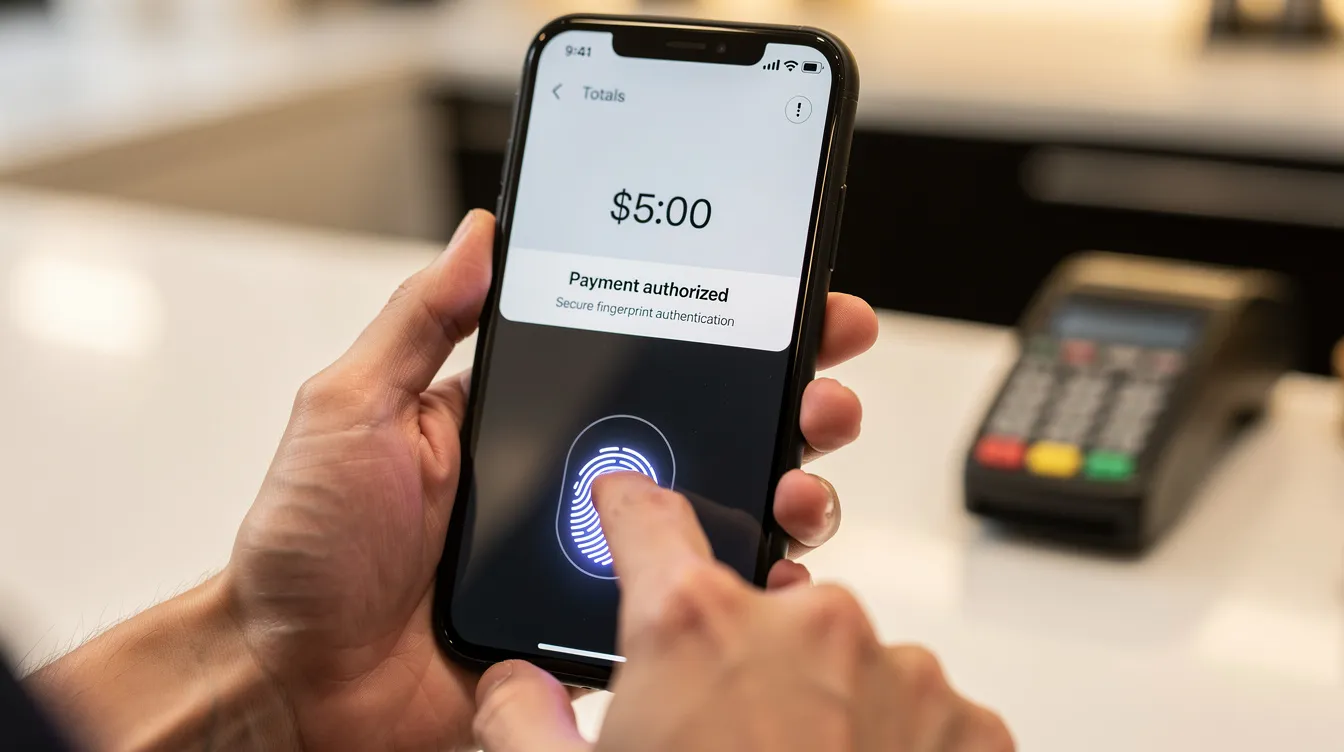
If you are unsure what your personal Google Pay limit is, you need to look at your card and bank account settings rather than at Google Pay itself.
Log in to your UK bank's mobile or online banking app and look for sections labelled "card limits", "contactless", or "digital wallet".
Review any published caps on contactless, mobile wallet, or in store spend, and note whether they differ from overall card limits.
Options for changing limits:
Some banks let you adjust or turn off contactless limits in-app, for example, setting your own lower daily cap for extra safety.
Others require you to contact customer support or visit a branch to request higher per-transaction or daily card limits for upcoming large purchases.
Raising limits is subject to the bank's risk checks and may not be granted instantly or at all, especially for new customers. Each user should check their date of account opening and verification status, as these can affect what the bank is willing to approve.
For frequent high-value Google Pay users, keeping at least one backup payment method, whether another card or a different wallet app, is a practical safety net in case a particular card hits an internal threshold at a store.
There is no single UK "Google Pay limit." What you can spend depends on your bank and the retailer.
The £100 UK contactless limit applies to unauthenticated card taps, not strictly to authenticated Google Pay payments.
At many UK terminals you can pay well over £100 with Google Pay, as long as your bank approves the transaction.
Online and in app Google Pay purchases follow normal card e-commerce limits, not contactless rules.
For the most accurate, up-to-date limits, check:
Your bank's contactless and mobile wallet policies.
Merchant information for high-value purchases (cars, furniture, jewellery, and similar items).
For everyday spending in the UK, you are very unlikely to hit a cap imposed by Google itself. Most declined payments come down to bank policies or merchant terminal settings, not Google Pay restrictions. If a payment does get declined, do not assume the worst. Simply try an alternative payment method, or speak to your bank to understand which limit you have reached.