ACE Money Transfer
ACE Money Transfer

22 Jan 2025
Sweden offers a high quality of life with a high cost of living - but how much does it actually cost to live there in 2026? Whether you're an expat weighing job opportunities, an international student planning your move, or a family considering relocation, this guide breaks down every category of spending with real 2026 figures in SEK, USD, and GBP.
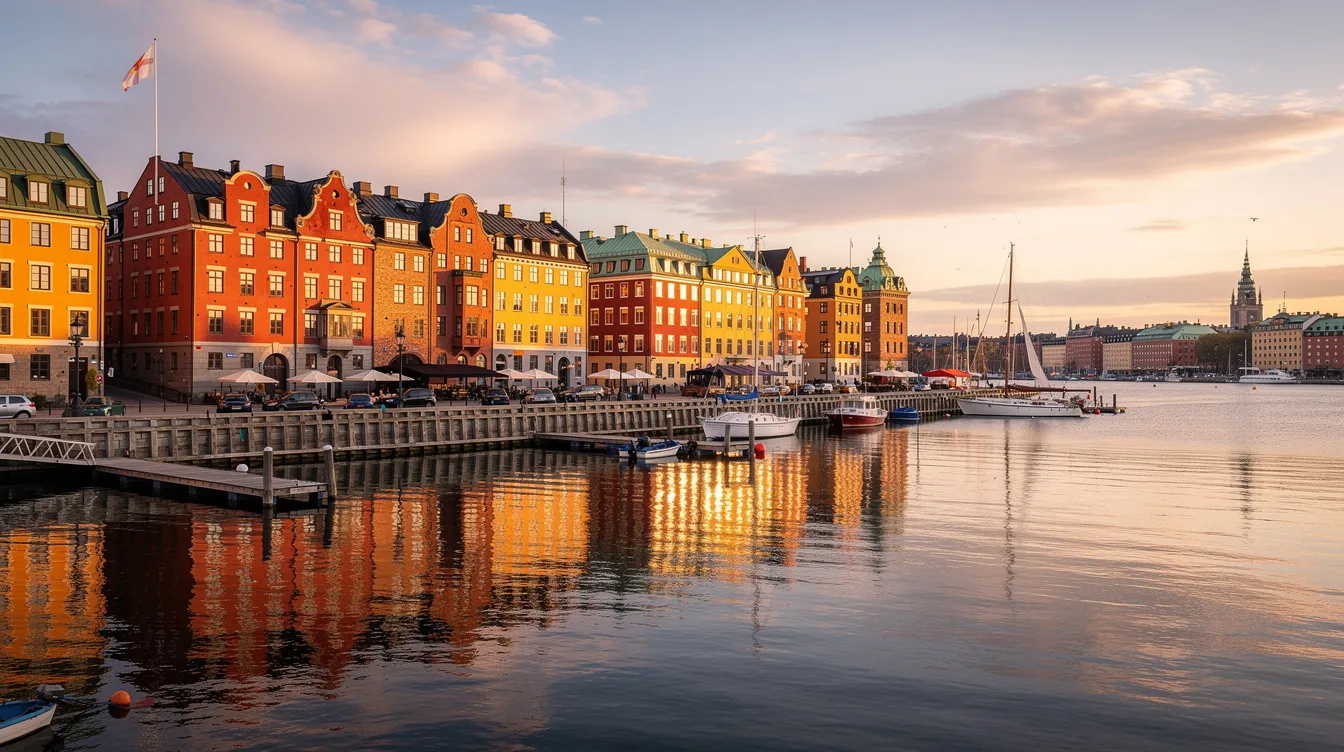
Sweden is not cheap, but living costs in Sweden are 14% lower than in the U.S. and broadly more affordable than many people assume when compared to major American or Nordic cities. Housing is the largest monthly expense in Sweden - high housing costs drive the overall cost of living in Sweden more than any other single factor, and housing accounts for roughly 50% of living expenses.
Here are the numbers that matter:
A single person in Sweden needs about USD 1,600–1,800 monthly excluding rent for a mid-range lifestyle. Including rent in a mid-sized city, the estimated monthly costs rise to roughly SEK 22,000–30,000 (approximately USD 2,000–2,750). The average monthly cost for one person is around £1,543.
A couple sharing a two-bedroom apartment in Stockholm should budget SEK 36,000–40,000/month combined, while a family of four in a Gothenburg suburb can expect SEK 35,000–45,000/month total.
For international students, the Swedish Migration Agency requires proof of at least SEK 10,656/month to obtain a residence permit. This is the legal minimum - not a comfortable budget. A realistic student budget runs SEK 11,000–17,000/month depending on city and lifestyle.
Monthly rent for a one-bedroom apartment in Stockholm averages USD 1,628–2,170, making it the most expensive city in the country. Smaller cities like Umeå can be 40–60% cheaper for housing.
Overall living costs in Sweden, including rent, are roughly 10–20% lower than in large US cities but higher than in most of the UK outside London.
City choice is the single biggest variable. Stockholm is the most expensive city, while suburban areas and smaller cities offer dramatically lower cost options without sacrificing Sweden's exceptional public services.
Sweden uses the swedish krona (SEK) and is one of the world's most cashless societies. Fractional öre coins have been out of circulation since 2010, and in daily life you'll rarely encounter physical cash at all. As of mid-2026, exchange rates hover around SEK 10–11 per USD and SEK 12–13 per GBP - always verify the latest rate before you send money or convert savings.
Card payments and mobile apps like Swish are accepted almost everywhere, from restaurants and transit to street food stands and second-hand shops. Most people speak english in Sweden's service sector, so transactions are straightforward for newcomers.
Here are anchor prices for everyday items in 2026:
1 litre of milk: SEK 16–18 (~$1.50–$1.70)
Loaf of white bread (500 g): SEK 28–35 (~$2.60–$3.30)
1 kg white rice: SEK 35–40 (~$3.30–$3.75)
A dozen eggs: between $3 and $6 (SEK 32–65 depending on organic vs conventional)
Cappuccino at a café: SEK 45–50 (~$4.20–$4.70)
Meal at an inexpensive restaurant: $12 to $22 (SEK 120–235), with a typical dagens lunch around SEK 110–160
Fast-food burger meal: SEK 110 (~$10.30)
Movie tickets (new release): SEK 140–160 (~$13–$15)
Basic gym membership: SEK 300–600/month (~$28–$56)
Housing costs are the largest and most variable part of the cost of living in Sweden. The monthly average rent varies significantly by location - the gap between a city centre apartment in Stockholm and a suburban flat in a smaller city can easily be SEK 8,000–10,000 per month.
Here are concrete 2026 rent ranges:
One-bedroom apartment in Stockholm city centre (second-hand contract): SEK 12,000–16,000/month. Outside the centre: SEK 9,000–12,000. A one-bedroom apartment in Stockholm costs $1,628–$2,170 in USD terms. A three-bedroom apartment in Stockholm costs $2,116–$5,208.
Gothenburg: one-bedroom city centre SEK 9,000–13,000; outside centre SEK 7,000–10,000.
Malmö: rent prices average £651.97 for a one-bedroom apartment, with city centre units somewhat higher.
Uppsala: one-bedroom outside centre SEK 7,500–10,000.
Umeå or Västerås: one-bedroom apartments range from $543 to $1,302, making these among the most affordable university cities.
Average rent for a one-bedroom apartment across Sweden is around £670.
Student corridor rooms in university towns (Lund, Uppsala, Linköping): SEK 3,000–5,500/month. Shared student apartments: SEK 4,000–6,500/month.
Major cities like Stockholm and Gothenburg have significantly higher living costs than smaller towns. First-hand contracts (förstahandskontrakt) are rent-controlled and much cheaper, but waiting times in Stockholm and Gothenburg can be 5–10+ years for central areas through the housing queue system (bostadskö). Most newcomers rely on second-hand contracts or private landlords.
Extra housing-related costs to budget for: basic utilities (electricity, heating, water, waste) for a 45–65 m² flat run SEK 1,000–2,000/month, and utilities cost around £100 per month for an 85 m² apartment. Home internet typically adds SEK 300–500/month for fibre at 100–250 Mbit/s.
Strategies for finding lower cost accommodation include choosing suburbs along commuter rail or tram lines, targeting smaller cities, or renting a room in a shared flat.
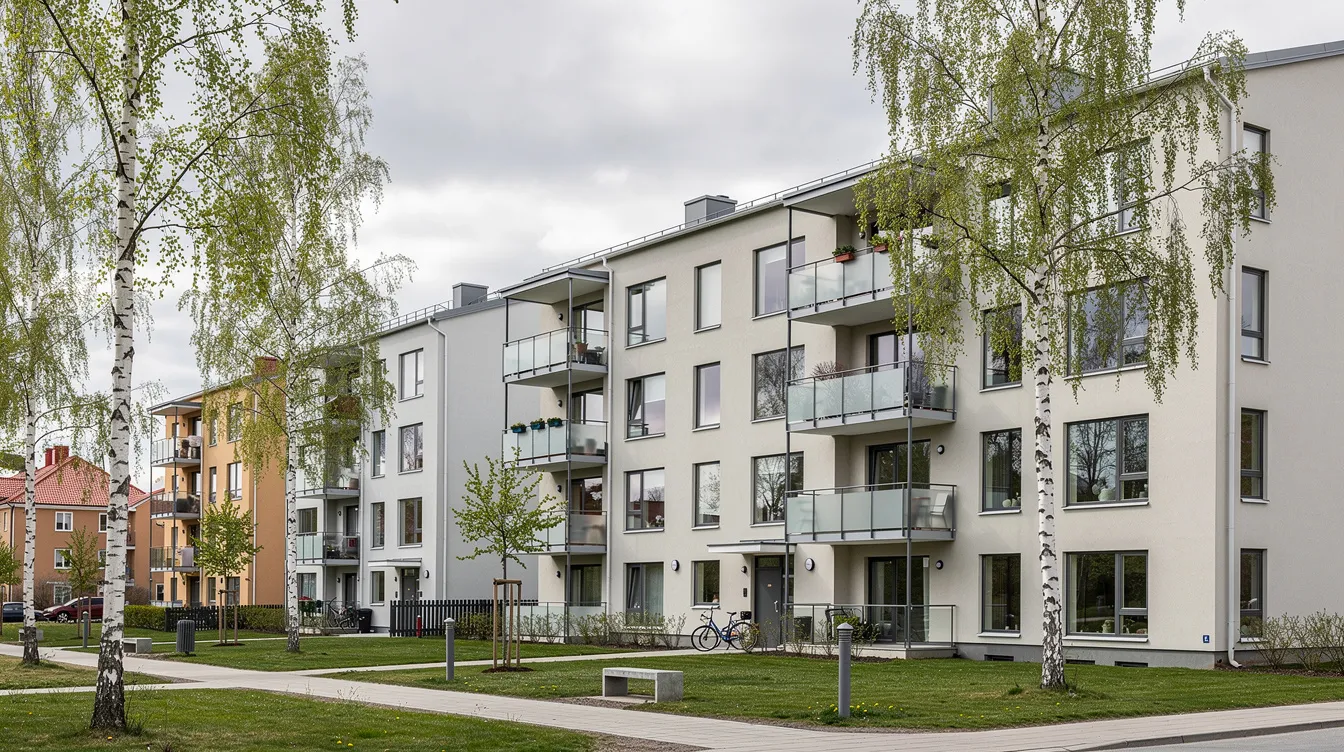
If you're coming to Sweden for higher education in 2026 - whether a Bachelor's or Master's degree - housing will likely be your biggest logistical challenge. Start your search 3–6 months before arrival and always check your university's housing services first. Most universities in smaller cities still guarantee accommodation for exchange students.
Here's what to expect:
Student corridor rooms (private bedroom, shared kitchen and common area) cost SEK 3,000–5,500/month and often include electricity and internet in the rent. Stockholm sits at the upper end; smaller cities at the lower.
Shared student apartments run SEK 4,000–6,500/month depending on city. Lund and Uppsala fall in the middle of this range.
University dorms are typically furnished and include heating, making them the most cost effective option for newcomers.
Be cautious of rental scams: never pay before viewing a contract, avoid landlords who won't share their personal identity number or show ID, and treat any unrealistic city centre offers at very low prices as red flags.
Reputable starting points: your university housing office, municipal housing companies (kommunala bostadsbolag), Swedish-language housing queues, and well-known student Facebook or Telegram groups.
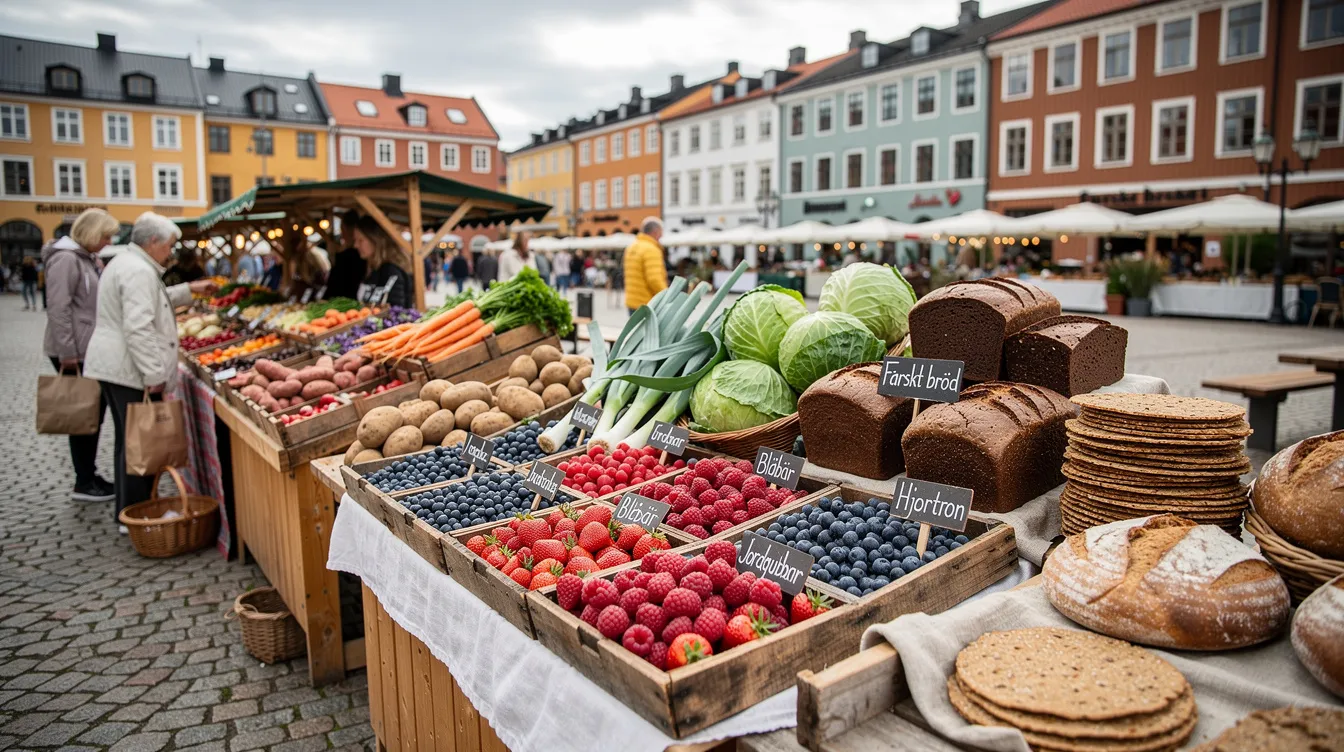
Food makes up roughly 20–25% of monthly living costs in Sweden, and cooking at home is the single most effective way to keep daily life expenses manageable. Monthly groceries for one person average $285 (approximately £285 and SEK 3,000–3,500).
Realistic 2026 monthly grocery budgets:
A frugal single person cooking most meals at home: SEK 2,500–3,500
A typical student: SEK 3,000–4,000
A couple or small family: SEK 5,500–8,000 depending on eating out frequency
Common 2026 supermarket prices: chicken breast runs SEK 150–160/kg, a pound of beef costs between $6 and $16, local cheese is SEK 100–160/kg, and 500 g of butter is about SEK 60–65.
Eating out adds up quickly. A cheap lunch menu (dagens lunch) costs SEK 110–160, while a three-course meal for two at a mid range restaurant averages $65 to $163 depending on the establishment. Alcohol and dining out are significantly more expensive in Sweden than in many other European nations - a draft beer at a bar runs SEK 70–90, and wine at restaurants carries steep markups.
Strategies to lower food costs: shop at budget chains like Willys, Lidl, and ICA Basic product lines. Buy frozen berries and vegetables, use weekly promotions (veckans erbjudande), and bring lunch boxes (matlåda) to work or university.
Sweden's fika culture is part of daily life - expect to pay SEK 40–60 for a coffee and cinnamon bun at a café in Stockholm, slightly less in smaller cities.
Sweden's cities rely heavily on public transport and cycling, making it entirely possible to live without a car. Public transportation in Sweden is highly efficient, with buses being the most common public transport mode, supplemented by metro, tram, and commuter rail in larger cities.
Here are typical 2026 transportation costs:
A one-way public transport ticket costs $3 to $5 (SEK 32–53 depending on city)
Monthly public transport passes range from $68 to $115: Stockholm's monthly pass is SEK 1,060, Gothenburg's is approximately SEK 895, and Malmö's is around SEK 780. A monthly public transport pass costs between £69 and £115.
Regional train tickets between major cities: intercity train prices average $20 to $100. A 30-day commuter pass (e.g., Uppsala–Stockholm via Movingo) costs around SEK 2,560.
Students and youth under 26 can access reduced fares of 20–50% depending on region, cutting local transport costs significantly.
Cycling is a strong lower cost alternative. A decent used bike costs SEK 1,000–3,000, yearly maintenance runs a few hundred SEK, and most cities maintain bike lanes even in winter.
Car ownership in 2026 adds substantial additional costs: petrol costs around $2.00 to $2.20 per litre (SEK 18–20), compulsory insurance runs SEK 300–800+/month, and parking in a city centre can cost SEK 1,000–3,000/month. A car can easily add SEK 5,000–8,000 to your monthly cost.
Healthcare in Sweden is tax-funded and available at low cost for legal residents who hold a personal identity number (personnummer). The public healthcare system delivers high-quality care, and health care in Sweden is generally affordable and highly subsidized.
Here's what you'll pay as a resident in 2026:
Doctor visits in public clinics cost between $10 and $20 (SEK 200–300 for a GP visit at a vårdcentral)
Specialist consultations cost between $30 and $50 (approximately SEK 400 with referral)
Emergency department visit: around SEK 400
Sweden caps annual out-of-pocket healthcare costs for residents. Residents have a yearly spending cap of around $130–$150 (SEK 1,300–1,450), after which visits are free for the remaining 12-month period. Prescription medicines have a separate annual ceiling of approximately SEK 2,850.
Rules for international students and expats differ based on status:
EU/EEA students with a valid EHIC/GHIC card can access public healthcare on the same terms as Swedish residents.
Non-EU students with a residence permit staying longer than one year and holding a personnummer are typically covered through state or university health insurance via the FAS system.
Anyone arriving without full public coverage should carry private health insurance for the gap period. Private health insurance for expats costs between $50 and $120 monthly (SEK 400–800).
Dental care operates on a separate system with higher out-of-pocket costs for adults. Emergency dental visits and standard check-ups can run several hundred SEK, and private healthcare options exist for those wanting faster access.
Other essential services that affect your budget: home insurance (hemförsäkring) costs roughly SEK 2,000–5,000 annually for an apartment. It typically includes liability and travel coverage and is strongly recommended for good health and financial protection when living in Sweden.
Sweden has widespread fibre and 5G coverage, making home internet an important but predictable monthly expense. Urban and suburban areas generally have excellent connectivity.
Entry-level fibre (100 Mbit/s): SEK 300–400/month
Mid-range (250–500 Mbit/s): SEK 400–600/month
Premium (1 Gbit/s): SEK 500+/month
Mobile plans: prepaid options with 5 GB data cost SEK 200–300/month; postpaid plans with larger data allowances (20 GB or unlimited) run SEK 400–600+ from providers like Telia, Tele2, and Telenor.
When first arriving, consider using an eSIM or international SIM card, then switch to a local subscription for a lower cost over the long term. Many landlords include building-level fibre access in rent, though tenants usually sign their own internet contract.
Public education in Sweden is free and high-quality from primary school through university for residents, which significantly lowers the long-term cost of living for families. Sweden has high tax rates that fund free education and subsidized medical care - high taxation funds a robust social welfare system that includes schooling, childcare, and healthcare.
Preschool (förskola) fees follow a municipal maximum fee system (maxtaxa), capped as a percentage of household income. Monthly fees typically reach SEK 1,500–1,800 per child for higher-income families.
Compulsory school (grundskola) and upper-secondary school (gymnasium) are tuition-free. Public schools provide free or subsidized school lunches, textbooks, and student health services.
International schools in larger cities like Stockholm, Gothenburg, and Malmö charge annual tuition fees of SEK 100,000–200,000 depending on curriculum and grade level.
University education is free for citizens and permanent residents in Sweden. EU/EEA and Swiss citizens pay no tuition fees for Bachelor's and Master's programmes at Swedish public universities. Non-EU students face typical annual tuition of SEK 80,000–145,000, varying by field - humanities tend toward the lower end, engineering and IT toward the higher. Most universities publish fee schedules online.
Monthly student union fees and course materials add roughly SEK 300–600 in miscellaneous expenses.
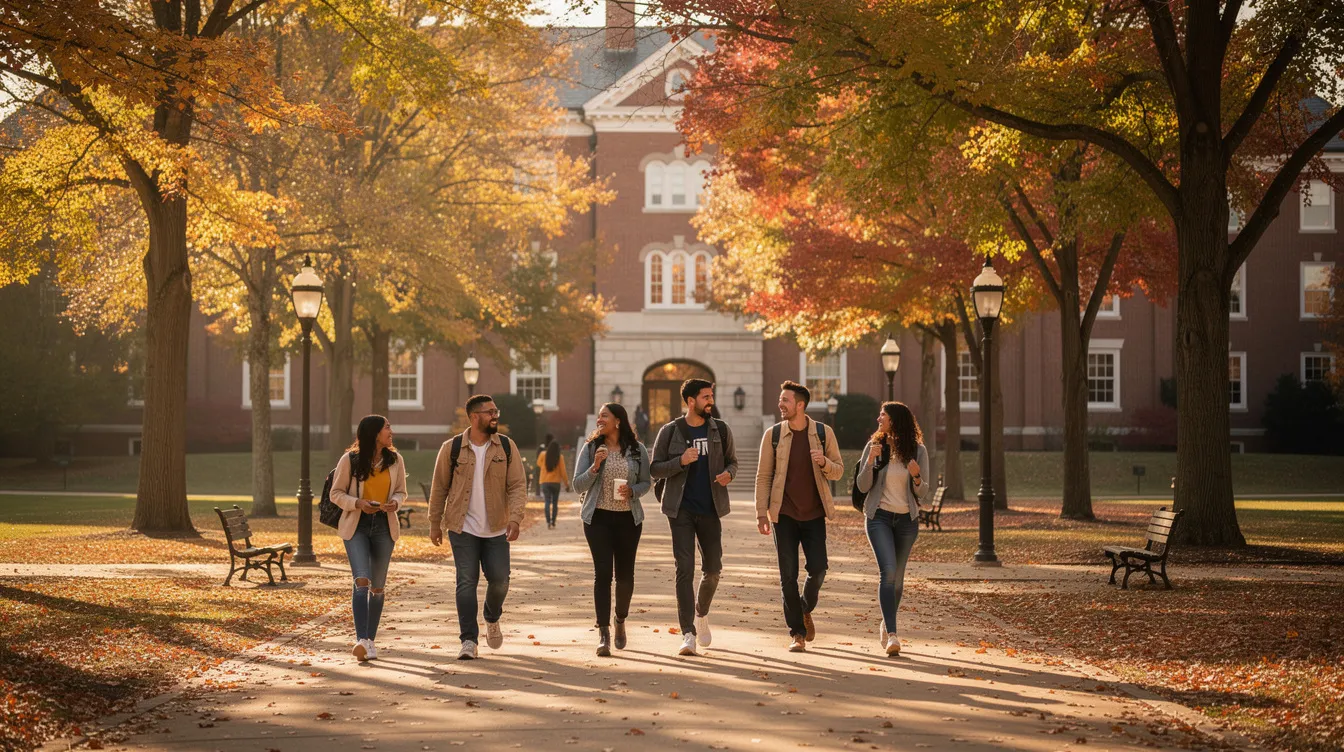
Leisure and miscellaneous expenses - clothing, personal care, subscriptions, and entertainment - can make the difference between bare-bones and comfortable living in Sweden.
Average 2026 prices for common leisure items:
Cinema ticket: SEK 140–160
Monthly gym membership at a standard chain: SEK 300–600
Museum entry: SEK 100–200 in Stockholm, often free or discounted for students
Streaming subscriptions (Netflix, Spotify): SEK 119–199/month
Beer at a bar (0.5 L): SEK 70–90
Cigarettes (20-pack): SEK 75–85
Many outdoor activities are free or low cost thanks to allemansrätten (right of public access). Hiking, camping, swimming in lakes, and foraging for berries cost nothing, reducing the need for paid entertainment.
Indicative monthly budgets for miscellaneous spending: clothing and personal care SEK 500–1,500, household goods SEK 200–500, and occasional domestic travel SEK 500–1,500. Expat-oriented activities and English-language events tend to carry higher prices in Stockholm and Gothenburg than in university towns.
Understanding how costs in Sweden compare to other european countries and major global cities helps future expats and international students decide whether Sweden offers good value for the overall cost.
Key 2026 comparisons:
Living costs in Sweden are generally higher than the EU average, but Stockholm's consumer prices are 19% lower than New York's. Sweden's cost of living is broadly cheaper than its Scandinavian neighbors but more expensive compared to Southern or Eastern European countries.
Sweden is cheaper than Norway, Finland, Iceland, and Denmark - making it usually the lowest-cost Nordic country for many expats.
Compared to Germany and the Netherlands, Sweden runs somewhat higher in housing costs but similar in groceries and transport. Compared to many other european countries in Central and Eastern Europe, Sweden costs are noticeably higher across the board.
Sweden maintains high income taxes ranging from 29% to over 35%, but this funds free education, subsidized healthcare, and a strong work life balance that many countries cannot match. The average salary and average monthly net salary in Sweden are higher than most EU nations, partially offsetting the high cost.
Within Sweden, rent prices and the living index vary significantly depending on the city:
A one-bedroom outside the city centre in Malmö might be 20–30% cheaper than in Stockholm in 2026, while groceries differ only slightly nationwide (perhaps 5–10%).
Gothenburg is roughly 20% cheaper than Stockholm overall.
Uppsala, Lund, and other university cities sit between the major cities and truly smaller cities in terms of cost.
For expats and students who want a lower cost alternative to Stockholm without sacrificing quality of life, several cities offer excellent value:
Umeå: one-bedroom outside the centre SEK 6,000–8,000/month. Strong university presence (Umeå University), good public transport, and a vibrant cultural scene. Northern location with long winters but excellent winter sports.
Västerås: one-bedroom outside the centre SEK 6,500–8,500. Growing job opportunities in tech and energy, reliable Mälartåg train connection to Stockholm (about 1 hour).
Örebro: one-bedroom outside the centre SEK 6,000–8,000. University town with solid transit links and a mix of lakeside living and urban amenities.
Luleå: one-bedroom outside the centre SEK 5,500–7,500. Coastal northern city with Luleå University of Technology, low rents, and Arctic adventure lifestyle.
Helsingborg: one-bedroom outside the centre SEK 7,000–9,000. Coastal city in Skåne with ferry access to Denmark, good job market, and milder climate than northern alternatives.
Choosing one of these cities can reduce total living costs by about 15–30% compared with living in Stockholm city centre.
These three realistic monthly budget examples for 2026 cover the most common profiles among people considering living in Sweden. All figures are in SEK.
Rent (1-bedroom, second-hand contract): SEK 12,000
Utilities and home internet: SEK 1,500
Groceries and eating out: SEK 5,000
Transport (SL monthly pass): SEK 1,060
Private health insurance or patient co-payments: SEK 400
Leisure and miscellaneous expenses (gym membership, streaming, socialising): SEK 2,500
Estimated monthly total: SEK 22,460 (~USD 2,100–2,250)
A more comfortable lifestyle with regular dining out, travel, and entertainment can push this to SEK 28,000–32,000/month.
Rent and utilities in a corridor room: SEK 4,500
Food (mostly home-cooked): SEK 3,000
Local travel (student-discounted monthly pass) and occasional intercity trips: SEK 700
Student union fee and study materials: SEK 400
Health insurance (if non-EU, less than 1 year): SEK 600
Small leisure and travel budget: SEK 1,200
Estimated monthly total: SEK 10,400–14,000
This aligns closely with the Migration Agency's minimum requirement of SEK 10,656, though a more comfortable student budget sits around SEK 13,000–15,000.
Monthly rent (3-bedroom outside city centre): SEK 19,000
Utilities and home internet: SEK 2,000
Groceries: SEK 8,000
Preschool fee for younger child (maxtaxa): SEK 1,700; free public education for older child at public schools
Public transportation (two adult monthly passes): SEK 1,790
Family health-related and miscellaneous expenses (activities, clothing, home insurance): SEK 4,000
Estimated monthly total: SEK 36,490 (~USD 3,400–3,650)
Note that the average salary in Sweden is high enough to support these budgets for working professionals, particularly in larger cities with strong job markets.
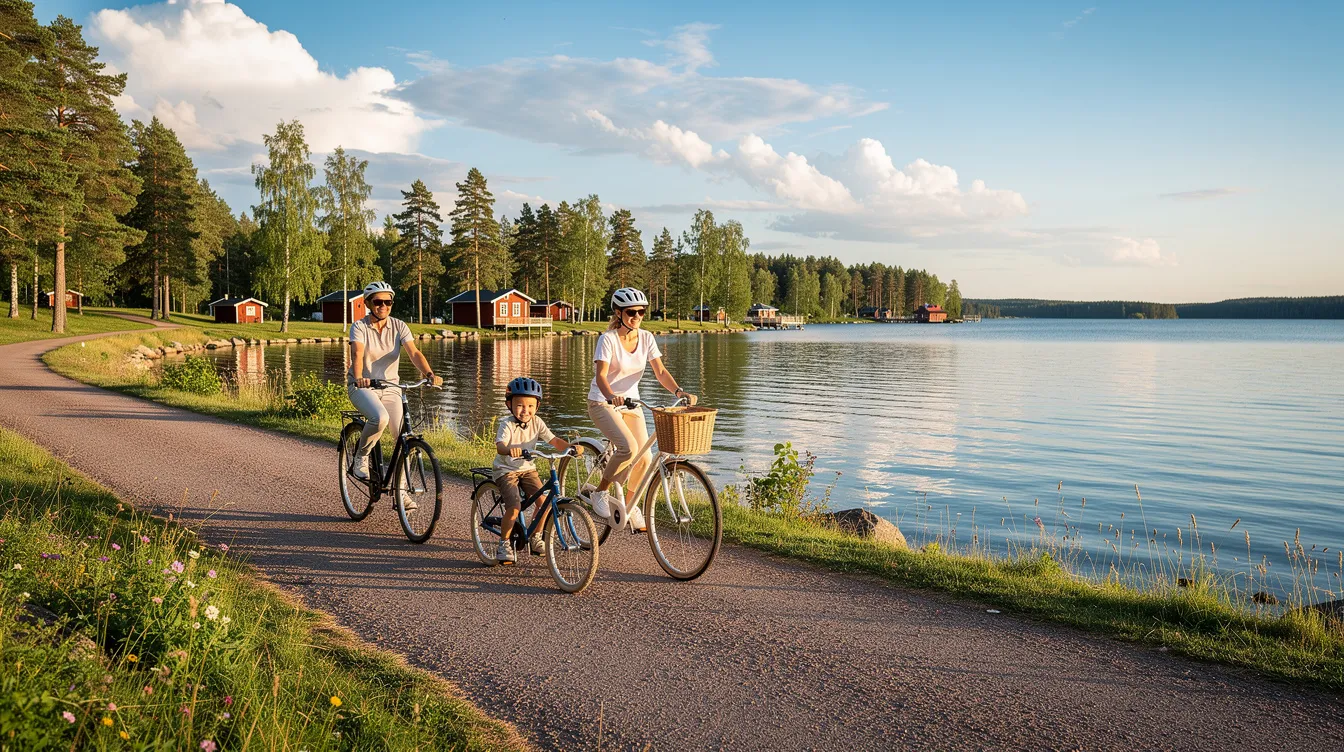
Sweden has a reputation as a high cost country, but careful planning can create a stable budget for most expats and students. The swedish government provides robust public services - from free education to subsidized healthcare - that offset many expenses you'd face elsewhere.
Key money-saving strategies:
Choose suburbs or smaller cities instead of Stockholm city centre. The rent difference alone can save SEK 4,000–8,000/month.
Sign up early for student or youth discounts on public transport and cultural activities. Many passes offer 20–50% savings.
Cook at home, buy second-hand furniture and clothes, and take advantage of free outdoor activities through allemansrätten.
Use budget grocery chains and weekly promotions rather than convenience stores.
Don't forget to factor in hidden or easily forgotten costs: move-in deposits (typically 1–3 months' rent), winter clothing, home insurance, health insurance during the personnummer registration gap, and occasional flights home. Exchange rates can shift monthly, affecting your budget if you're converting from USD or GBP.
While the cost of living in Sweden is not low, the combination of safety, strong work life balance, exceptional public services, and high quality across education and healthcare makes it a cost effective choice for the long term - especially compared to many countries with similar quality of life.
Use up-to-date cost calculators and official Swedish sources like the Swedish Migration Agency and university websites when finalising your 2026 budget. Whether you're looking to buy apartment or rent, planning for a semester abroad or a permanent move, Sweden rewards those who plan ahead.